Trespassing With Physical Injury
Description
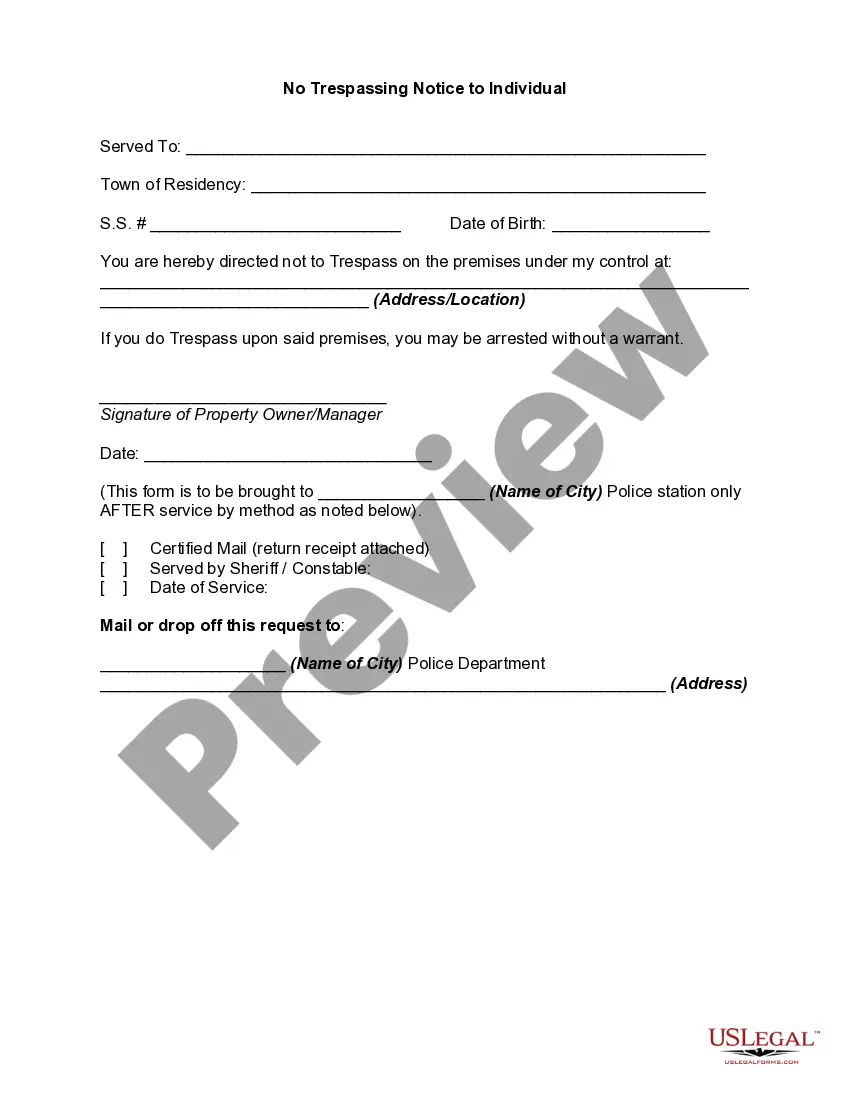
Get your form ready online
Our built-in tools help you complete, sign, share, and store your documents in one place.
Make edits, fill in missing information, and update formatting in US Legal Forms—just like you would in MS Word.
Download a copy, print it, send it by email, or mail it via USPS—whatever works best for your next step.
Sign and collect signatures with our SignNow integration. Send to multiple recipients, set reminders, and more. Go Premium to unlock E-Sign.
If this form requires notarization, complete it online through a secure video call—no need to meet a notary in person or wait for an appointment.
We protect your documents and personal data by following strict security and privacy standards.

Make edits, fill in missing information, and update formatting in US Legal Forms—just like you would in MS Word.

Download a copy, print it, send it by email, or mail it via USPS—whatever works best for your next step.

Sign and collect signatures with our SignNow integration. Send to multiple recipients, set reminders, and more. Go Premium to unlock E-Sign.

If this form requires notarization, complete it online through a secure video call—no need to meet a notary in person or wait for an appointment.

We protect your documents and personal data by following strict security and privacy standards.
Looking for another form?
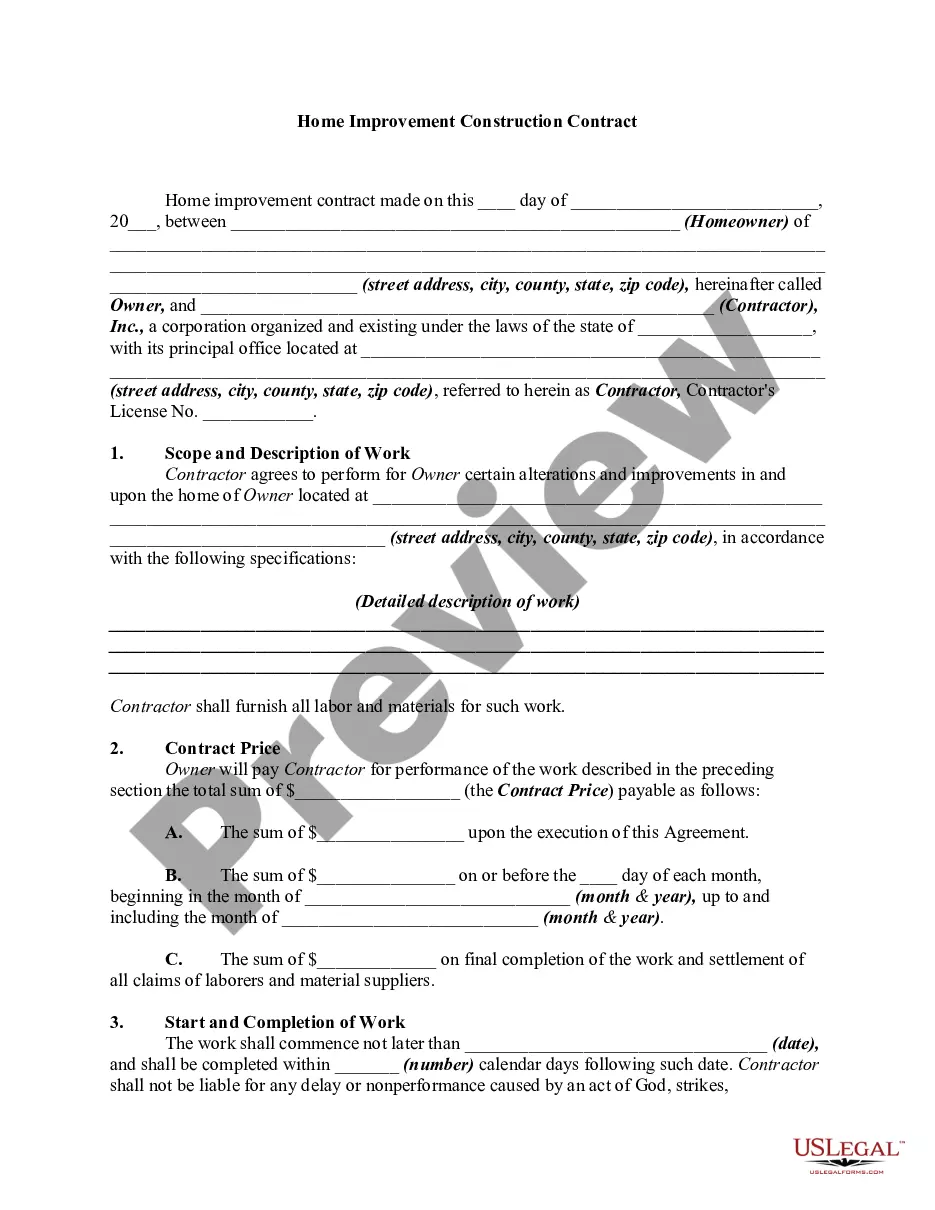
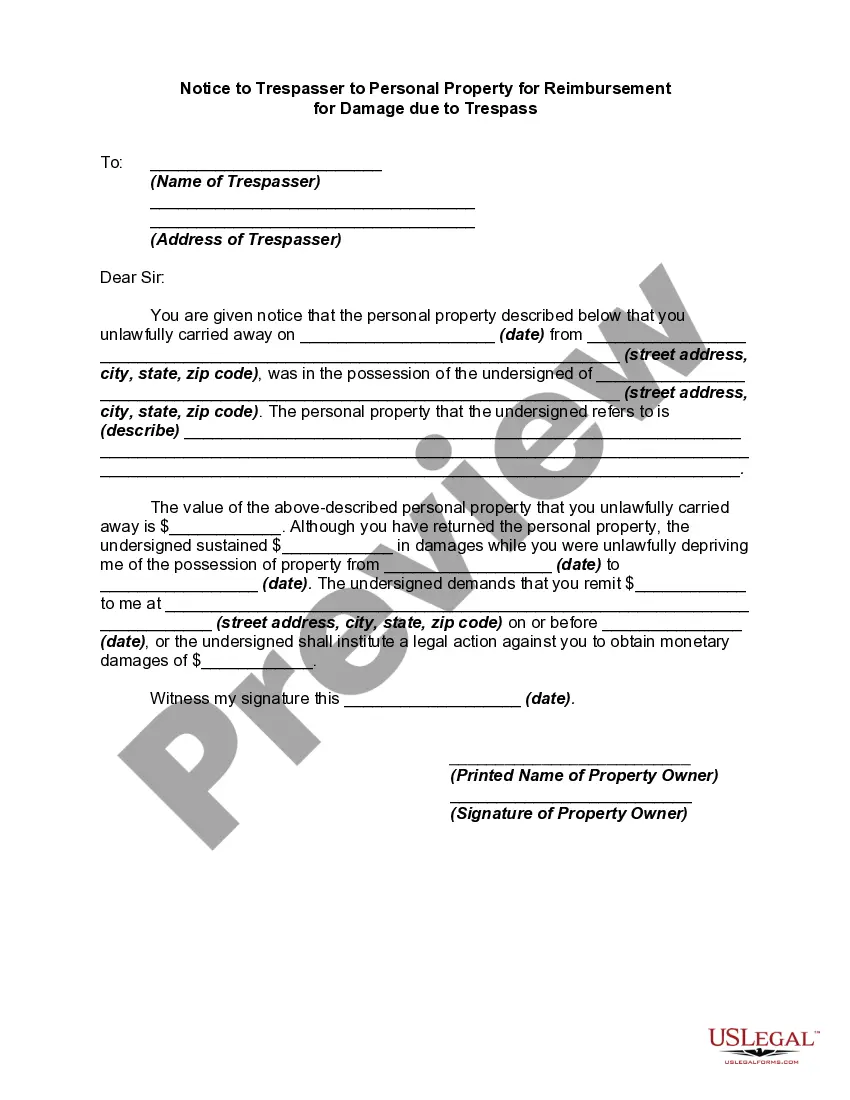
How to fill out Notice To Trespasser To Personal Property For Reimbursement For Damage Due To Trespass?
- Log into your existing US Legal Forms account and verify that your subscription is current. If it's expired, take a moment to renew according to your payment preferences.
- Preview the available forms related to trespassing with physical injury. Ensure that the form you select meets your specific needs and complies with local jurisdiction regulations.
- If necessary, use the search function to locate alternative forms. Make sure the selected form aligns with your requirements before proceeding.
- Proceed to purchase the document by clicking the ‘Buy Now’ button. Choose the subscription plan that best suits your legal needs.
- Complete your purchase by entering your payment details through a credit card or PayPal. Note that registration is required for account access.
- Download the completed form to your device. You can also find it anytime in the ‘My Forms’ section of your profile for future reference.
By utilizing US Legal Forms, you not only save time but also gain access to a vast resource of over 85,000 legal document templates. Each form is designed to make your legal experience efficient and straightforward.
Start your journey towards legal empowerment today by visiting US Legal Forms.
Form popularity
FAQ
The maximum penalty for trespassing can vary depending on specific circumstances, including whether any physical injury occurred. In many cases, trespassing may result in fines or even jail time. If trespassing with physical injury has taken place, the penalties can be significantly more severe. It's crucial to consult legal experts to navigate these situations effectively.
In South Carolina, trespassing on private property is considered a serious offense. The law states that entering someone’s private property without permission is unlawful and can result in charges, especially if there is trespassing with physical injury involved. Property owners have the right to protect their land, and understanding these laws helps you avoid unintended legal issues.
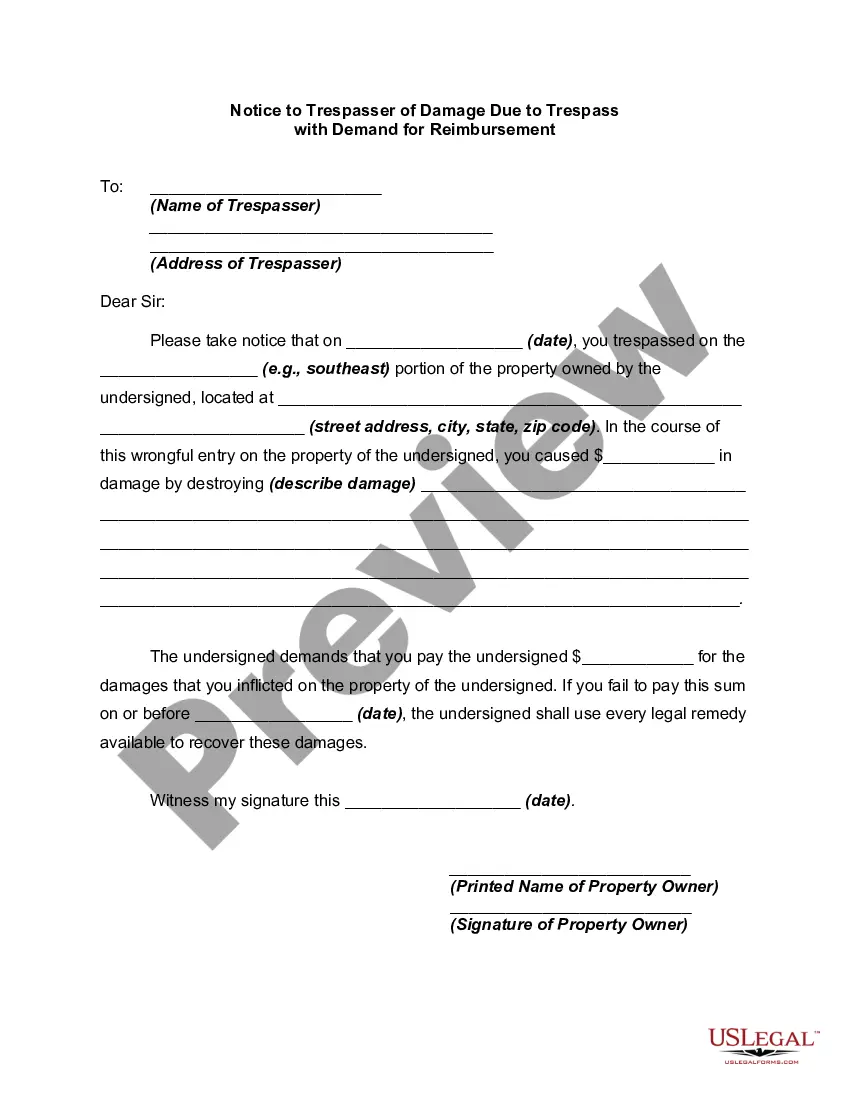
Trespassing can generally be categorized into two types: trespass to land and trespass to chattels. Trespass to land occurs when someone unlawfully enters onto another person's land, potentially leading to cases of trespassing with physical injury. On the other hand, trespass to chattels involves the unauthorized interference with someone's personal property, which can also create legal complications.
In cases involving trespassing with physical injury, the burden of proof rests on the party claiming trespass. You must provide evidence showing that the trespasser entered your land without permission and caused harm. This proof often includes witness statements, photographs, or medical records. Utilizing platforms like US Legal Forms can streamline the process of gathering necessary documentation for your case.
The consequences of trespassing with physical injury can vary significantly, depending on the jurisdiction and the specifics of the case. In extreme cases, punitive measures may include fines, restitution for damages, or even incarceration. The severity of penalties often relates to the extent of injury caused and whether the trespasser had malicious intent. Knowing the potential penalties can guide individuals in making informed decisions about their property rights.
When it comes to trespassing with physical injury, the measure of damages typically includes compensation for both actual damage and any emotional distress caused by the incident. You may receive and seek damages for medical expenses, loss of income, or property repair costs resulting from the trespass. In some cases, punitive damages can apply if the trespasser acted with blatant disregard for your rights. Understanding these elements can help you navigate the legal process effectively.
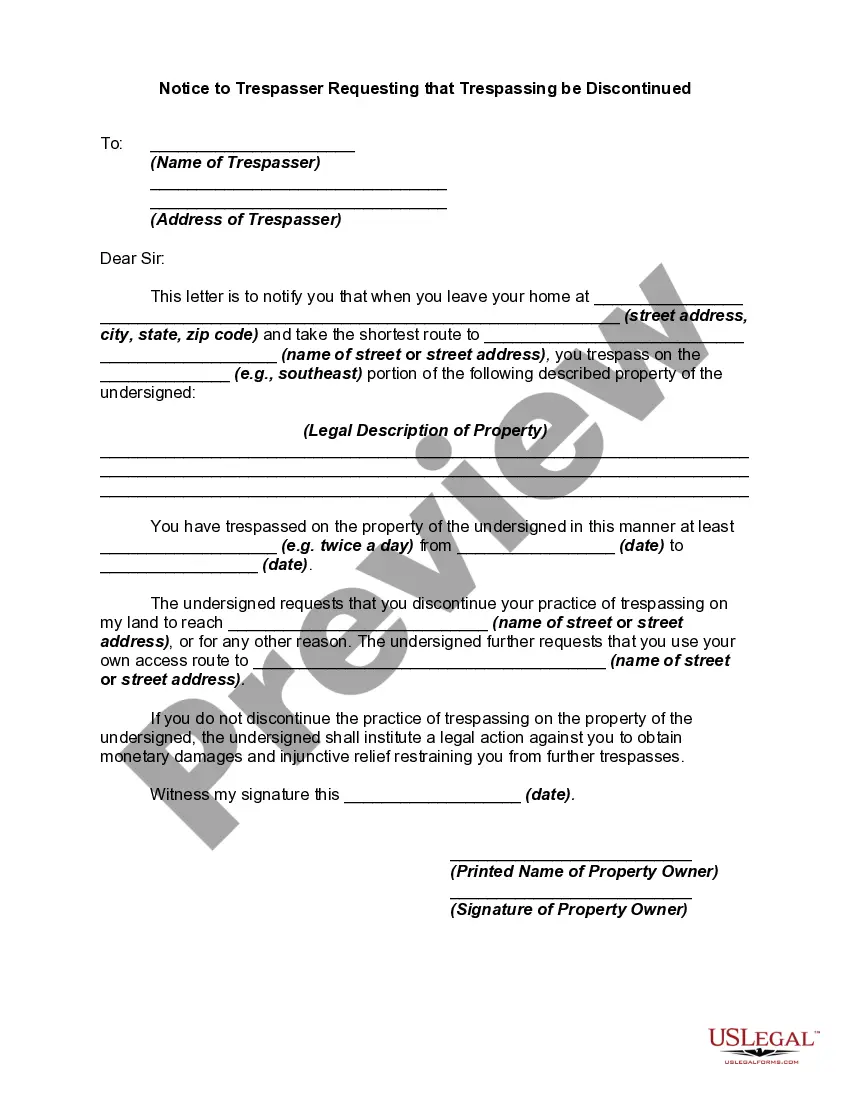
To keep someone off your property, you may start by posting 'No Trespassing' signs and verbally informing the person not to return. If they continue to trespass, you can contact law enforcement or seek a restraining order. Being proactive in understanding trespassing with physical injury helps you protect your rights and ensures the safety of your environment.
Texas law defines trespassing as entering a property without consent or remaining on it after being asked to leave. Trespassing laws can vary based on factors like location and circumstances, particularly when physical injuries are involved. Familiarizing yourself with these laws can help you take the right actions when handling cases of trespassing with physical injury.
If someone trespasses on your property, you can ask them to leave or contact law enforcement if they refuse. Documenting the incident can also support any future legal actions. Knowing your rights regarding trespassing with physical injury allows you to take appropriate steps to ensure your safety and the security of your property.
Generally, if you are injured while trespassing, you have limited grounds to sue for damages. The law typically protects property owners from liability to trespassers, unless they were negligent. Therefore, understanding the nuances of trespassing with physical injury becomes essential, especially if you find yourself in an unexpected situation where an injury occurs.