Florida Trust Code Trustee Powers
Description
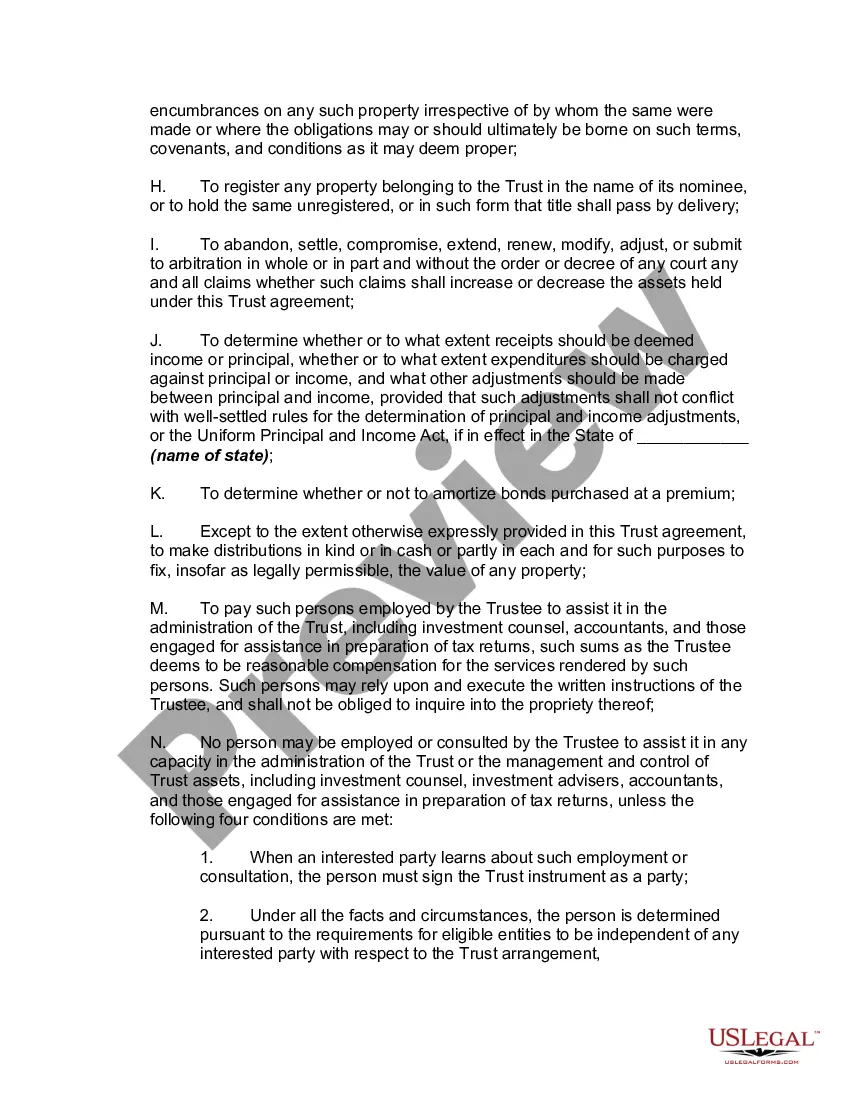
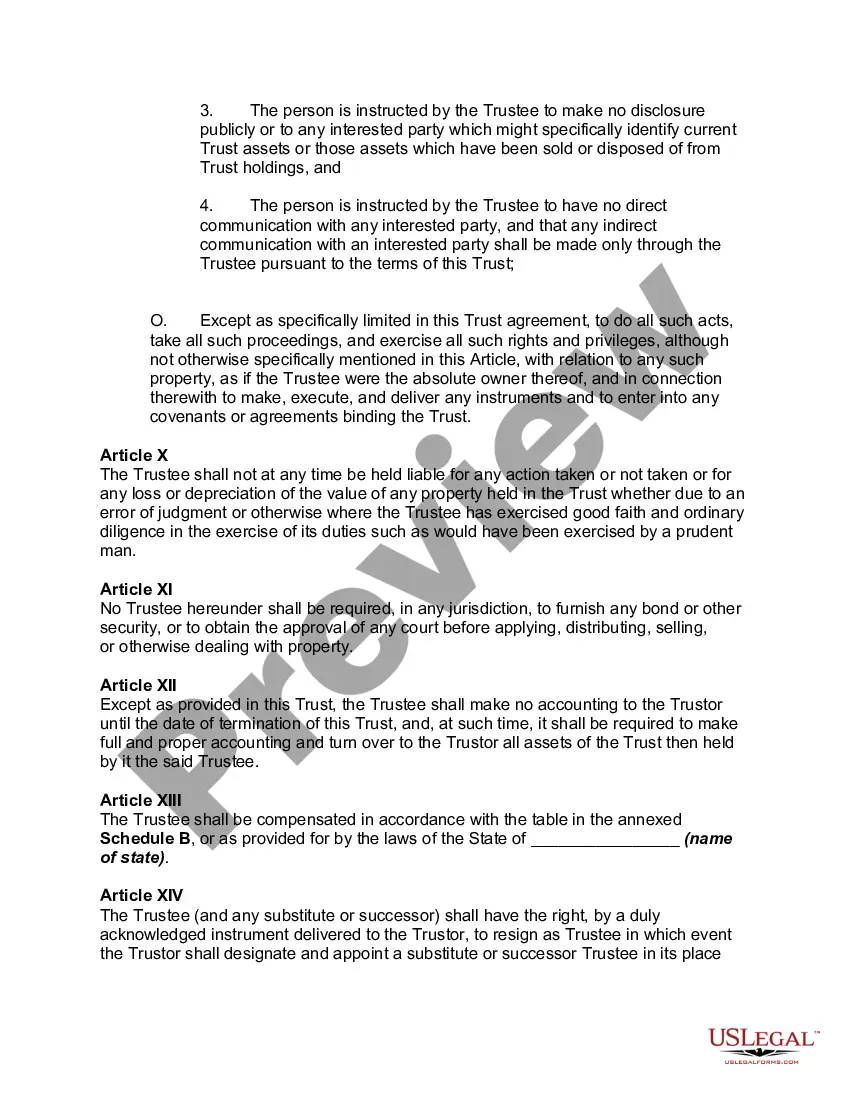
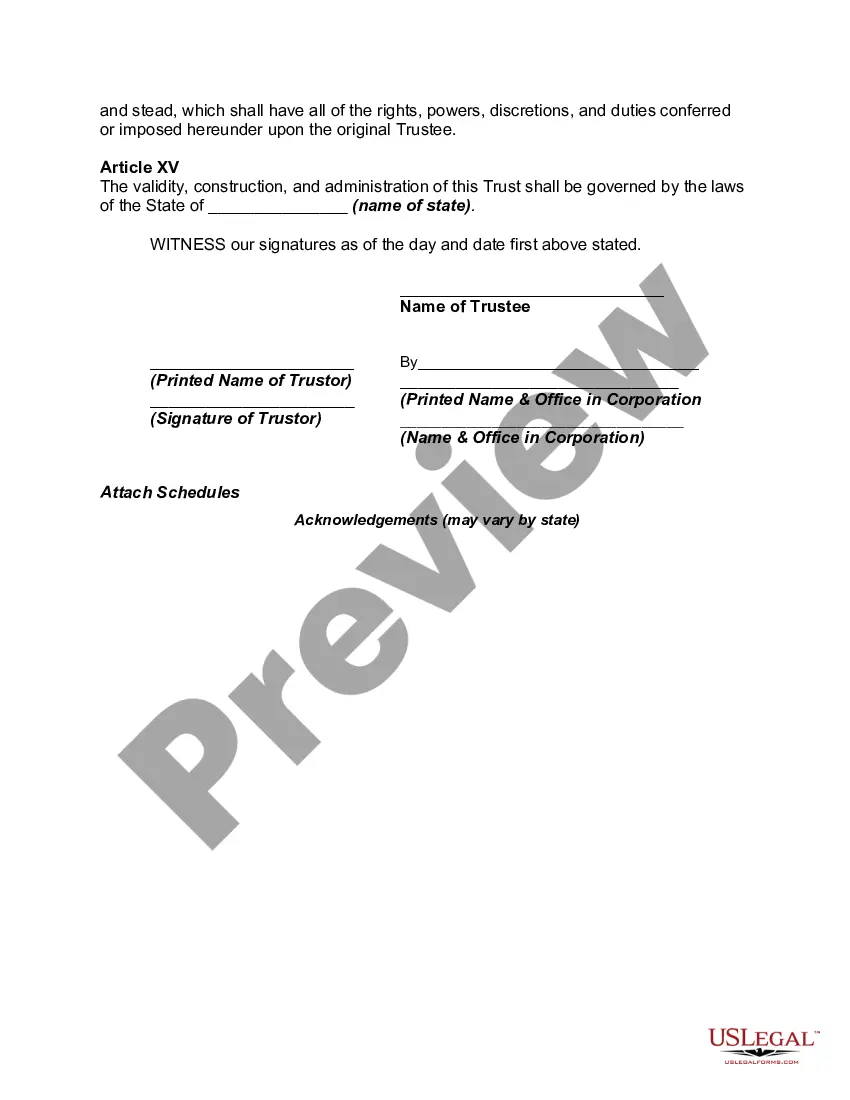
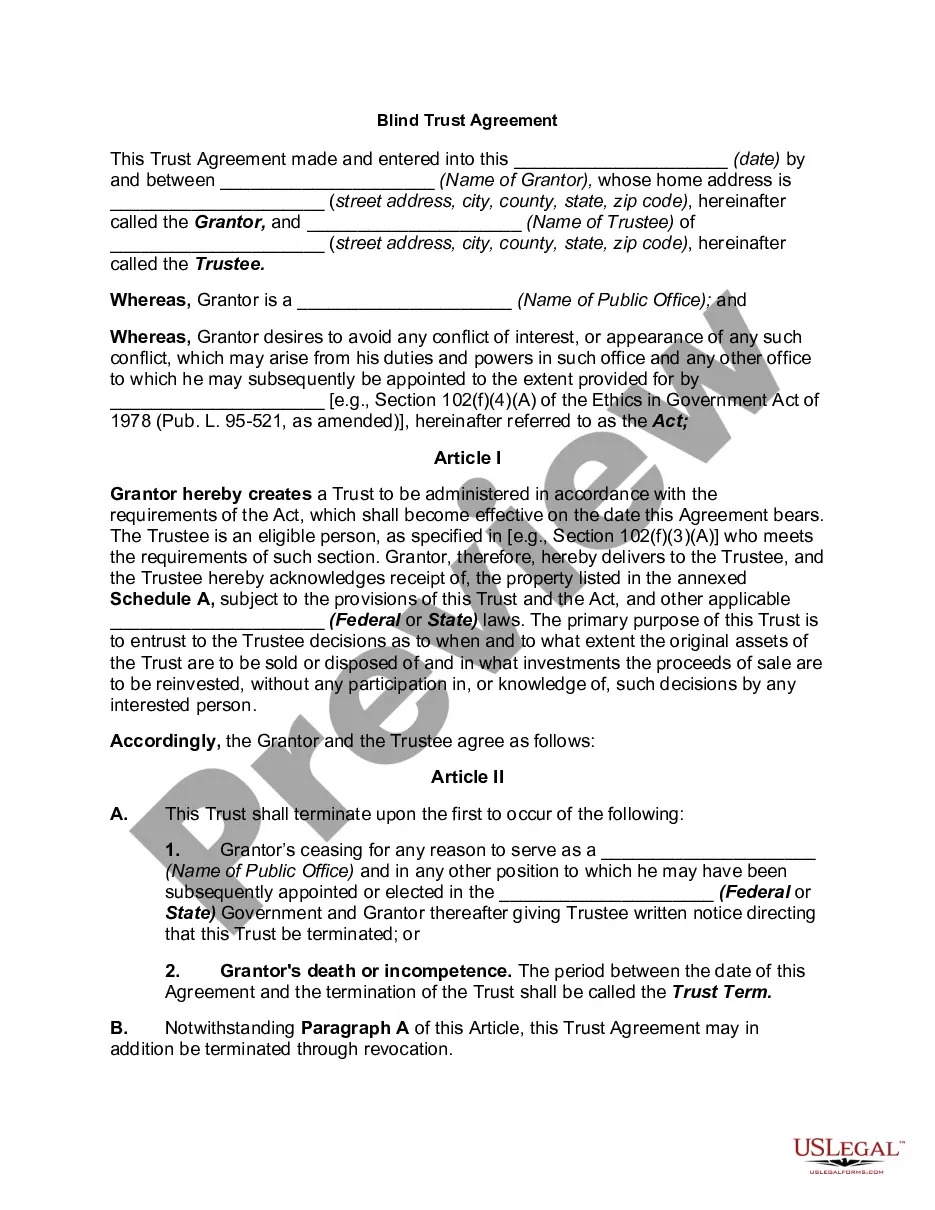
Get your form ready online
Our built-in tools help you complete, sign, share, and store your documents in one place.
Make edits, fill in missing information, and update formatting in US Legal Forms—just like you would in MS Word.
Download a copy, print it, send it by email, or mail it via USPS—whatever works best for your next step.
Sign and collect signatures with our SignNow integration. Send to multiple recipients, set reminders, and more. Go Premium to unlock E-Sign.
If this form requires notarization, complete it online through a secure video call—no need to meet a notary in person or wait for an appointment.
We protect your documents and personal data by following strict security and privacy standards.

Make edits, fill in missing information, and update formatting in US Legal Forms—just like you would in MS Word.

Download a copy, print it, send it by email, or mail it via USPS—whatever works best for your next step.

Sign and collect signatures with our SignNow integration. Send to multiple recipients, set reminders, and more. Go Premium to unlock E-Sign.

If this form requires notarization, complete it online through a secure video call—no need to meet a notary in person or wait for an appointment.

We protect your documents and personal data by following strict security and privacy standards.
Looking for another form?



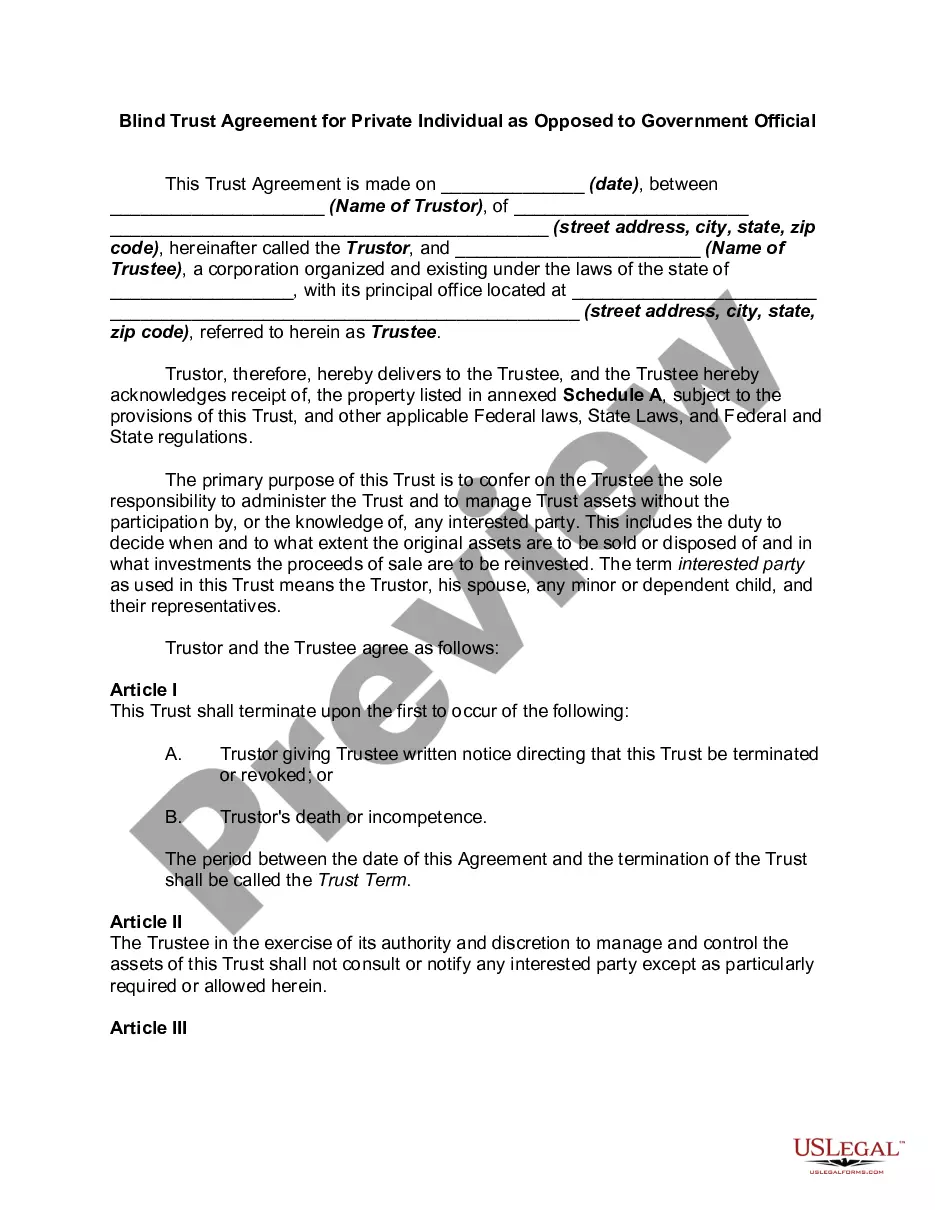
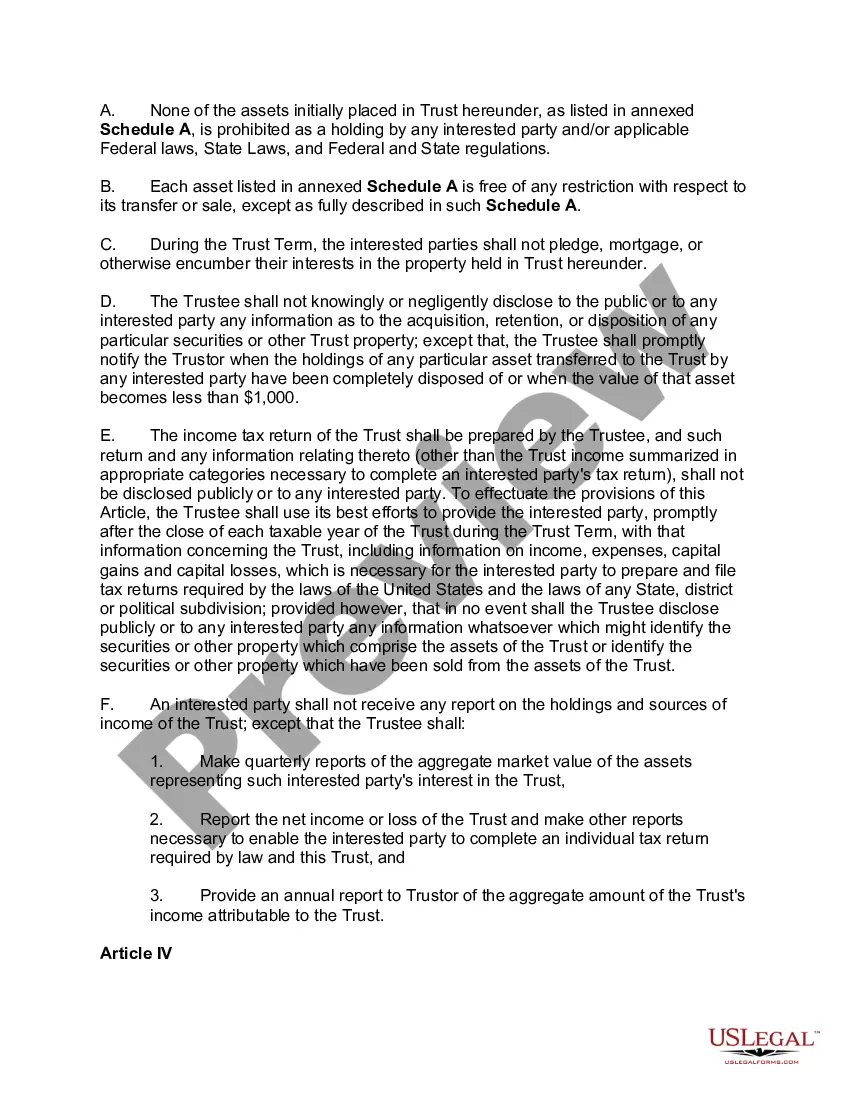
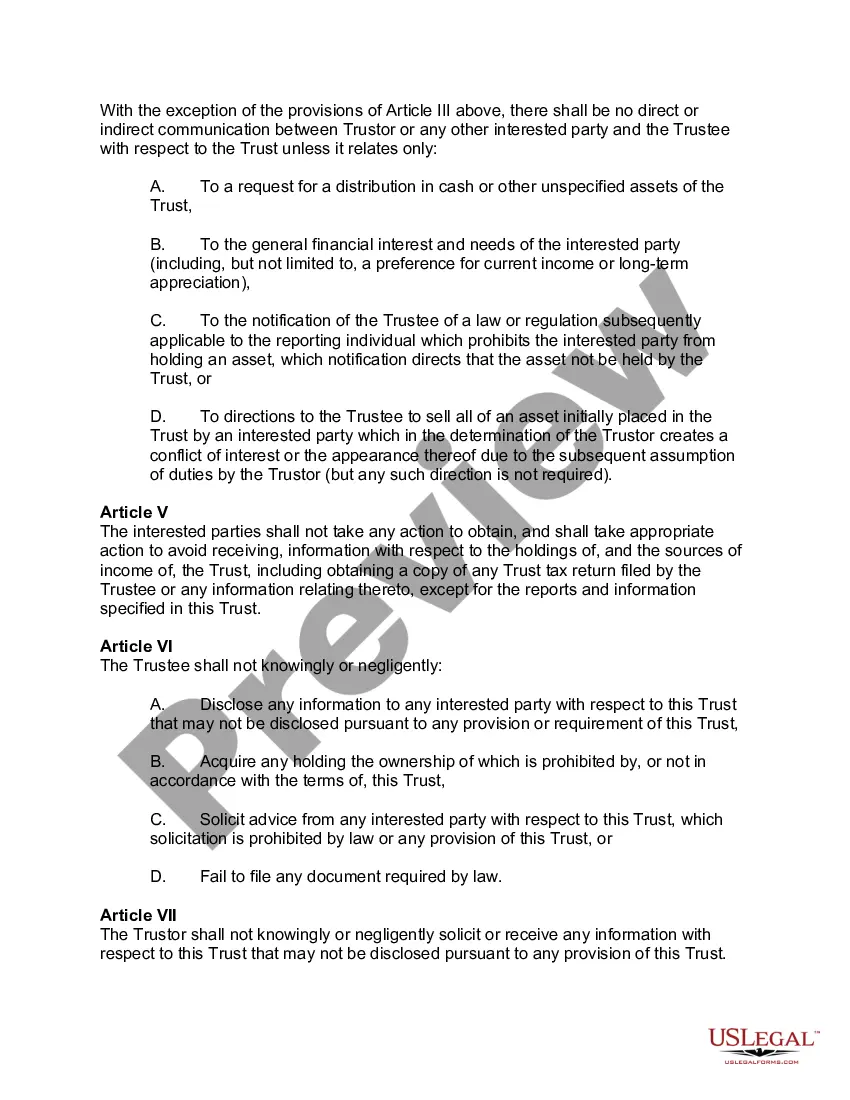
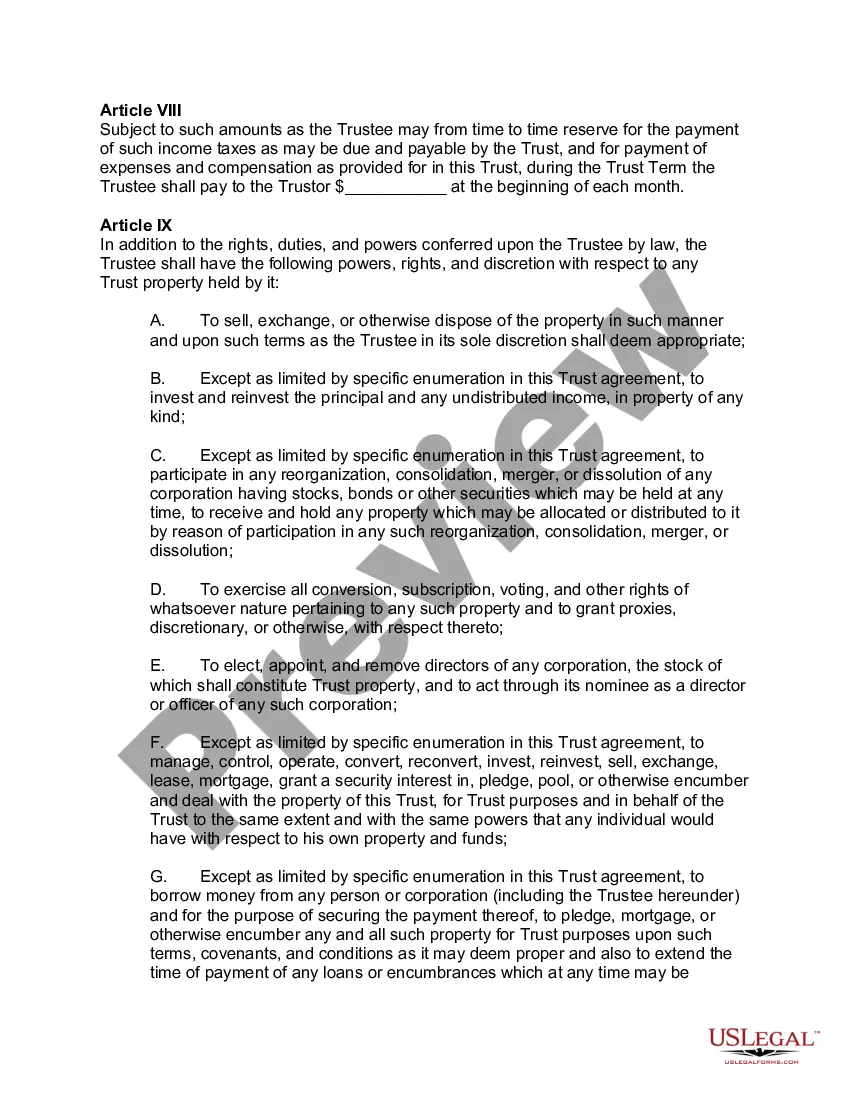
How to fill out Blind Trust Agreement For Private Individual As Opposed To Government?
The Florida Trust Code Trustee Authorities exhibited on this page is a versatile legal framework crafted by experienced attorneys in accordance with national and local regulations.
For over 25 years, US Legal Forms has supplied individuals, enterprises, and legal experts with more than 85,000 authenticated, state-specific documents for any business and personal situation. It’s the fastest, easiest, and most dependable method to acquire the forms you require, as the service assures bank-level data protection and anti-malware safeguards.
Select the format you wish for your Florida Trust Code Trustee Authorities (PDF, Word, RTF) and save the document on your device. Fill out and sign the document. Print out the template to complete it manually. Alternatively, use an online multi-functional PDF editor to quickly and accurately fill out and sign your form with an eSignature. Download your documents again whenever required. Reuse the same document anytime needed. Access the My documents tab in your profile to redownload any previously purchased forms. Subscribe to US Legal Forms to have verified legal templates for all of life’s situations at your fingertips.
- Search for the document you require and review it.
- Browse through the file you searched and preview it or examine the form description to confirm it meets your needs. If it doesn’t, utilize the search function to locate the suitable one. Click Buy Now once you have found the template you need.
- Register and Log In.
- Select the pricing plan that works for you and create an account. Use PayPal or a credit card to make an immediate payment. If you already possess an account, Log In and check your subscription to continue.
- Acquire the editable template.
Form popularity
FAQ
Under Florida law, a trustee has the duty to administer the trust in good faith. This means the trustee must administer the trust in ance with the terms and purposes of the trust. A trustee can find the law for administration with good faith under Florida statute section 736.0801.
Power of delegation ? a trustee is able to instruct professional advisers where necessary and appropriate. Power of insurance ? a trustee has the power to insure any trust asset against damage. Power of advancement ? a trustee has discretion to advance capital of the trust to a beneficiary.
The trustee has the power to collect, hold, and retain trust property received from a settlor or any other person until, in the judgment of the trustee, disposition of the property should be made. The property may be retained even though it includes property in which the trustee is personally interested.
A trustee cannot remove a beneficiary from an irrevocable trust. A grantor can remove a beneficiary from a revocable trust by going back to the trust deed codes that allow for the same.
The Florida Senate (1) A trustee may delegate duties and powers that a prudent trustee of comparable skills could properly delegate under the circumstances, including investment functions pursuant to s. 518.112. The trustee shall exercise reasonable care, skill, and caution in: (a) Selecting an agent.