Deceased Decedent Estate With No
Description
Get your form ready online
Our built-in tools help you complete, sign, share, and store your documents in one place.
Make edits, fill in missing information, and update formatting in US Legal Forms—just like you would in MS Word.
Download a copy, print it, send it by email, or mail it via USPS—whatever works best for your next step.
Sign and collect signatures with our SignNow integration. Send to multiple recipients, set reminders, and more. Go Premium to unlock E-Sign.
If this form requires notarization, complete it online through a secure video call—no need to meet a notary in person or wait for an appointment.
We protect your documents and personal data by following strict security and privacy standards.

Make edits, fill in missing information, and update formatting in US Legal Forms—just like you would in MS Word.

Download a copy, print it, send it by email, or mail it via USPS—whatever works best for your next step.

Sign and collect signatures with our SignNow integration. Send to multiple recipients, set reminders, and more. Go Premium to unlock E-Sign.

If this form requires notarization, complete it online through a secure video call—no need to meet a notary in person or wait for an appointment.

We protect your documents and personal data by following strict security and privacy standards.
Looking for another form?



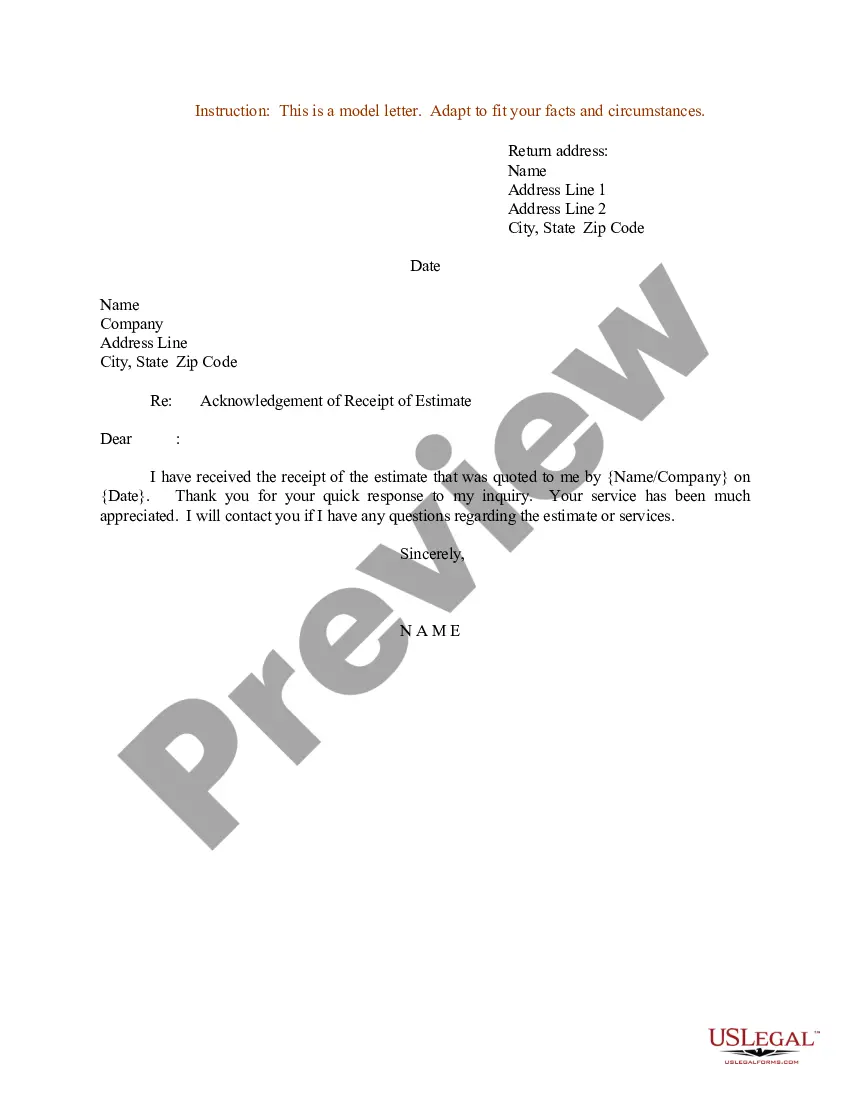
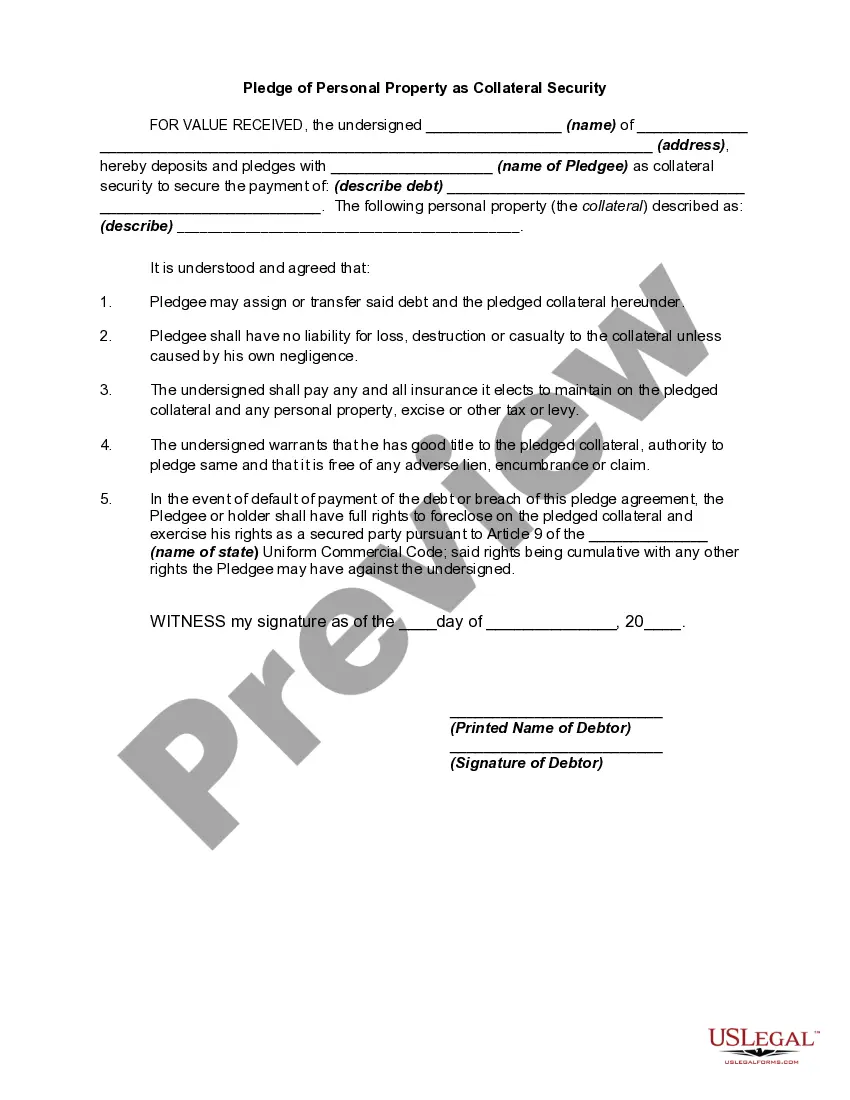
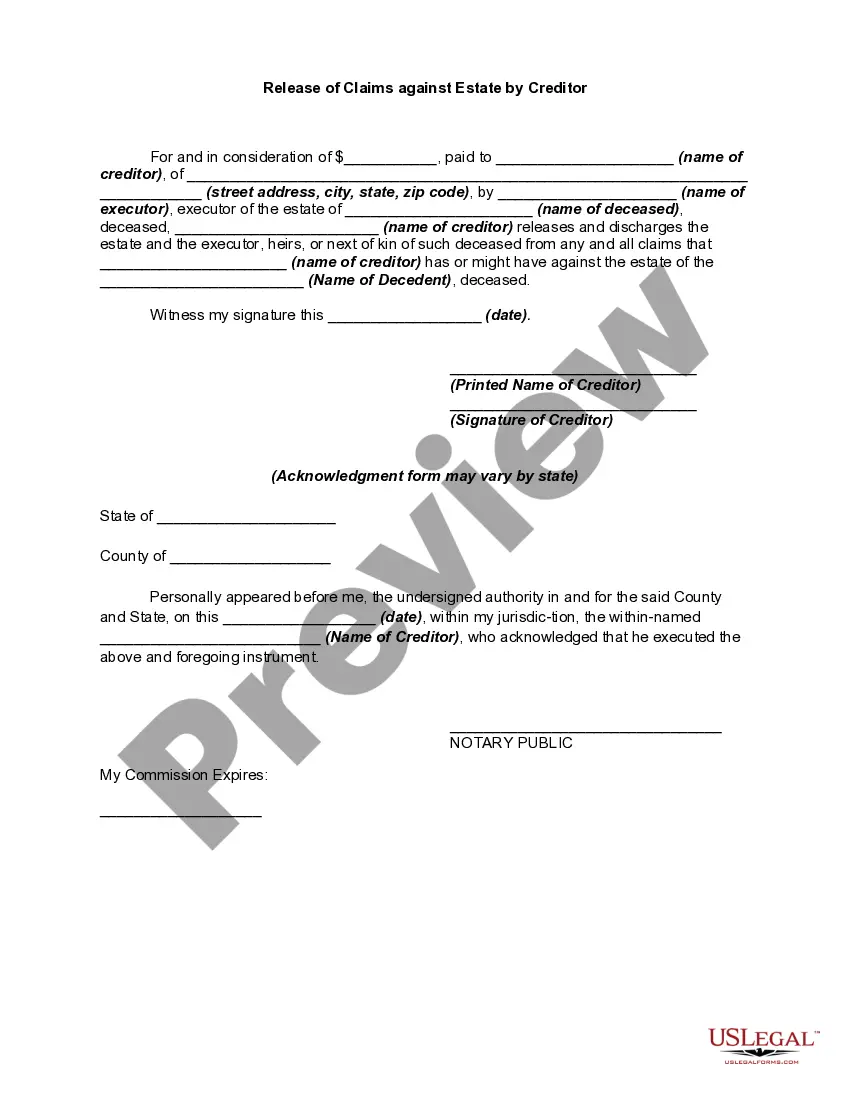
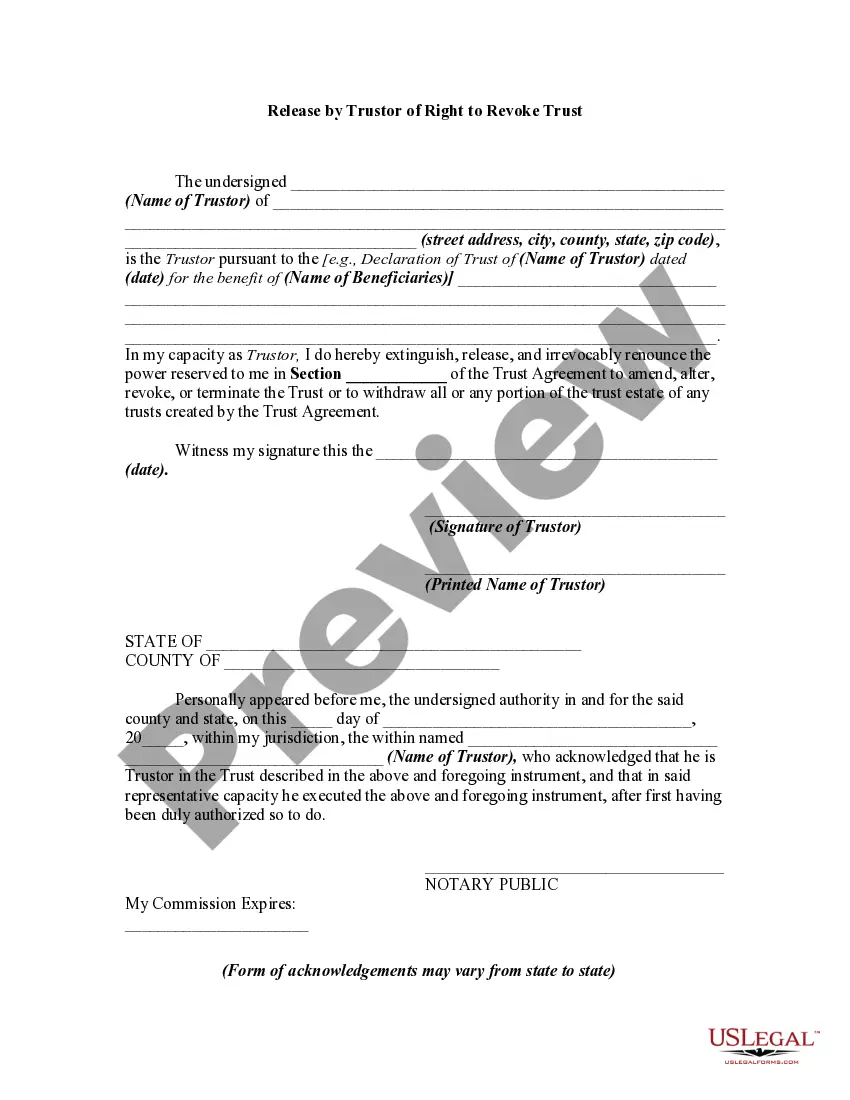
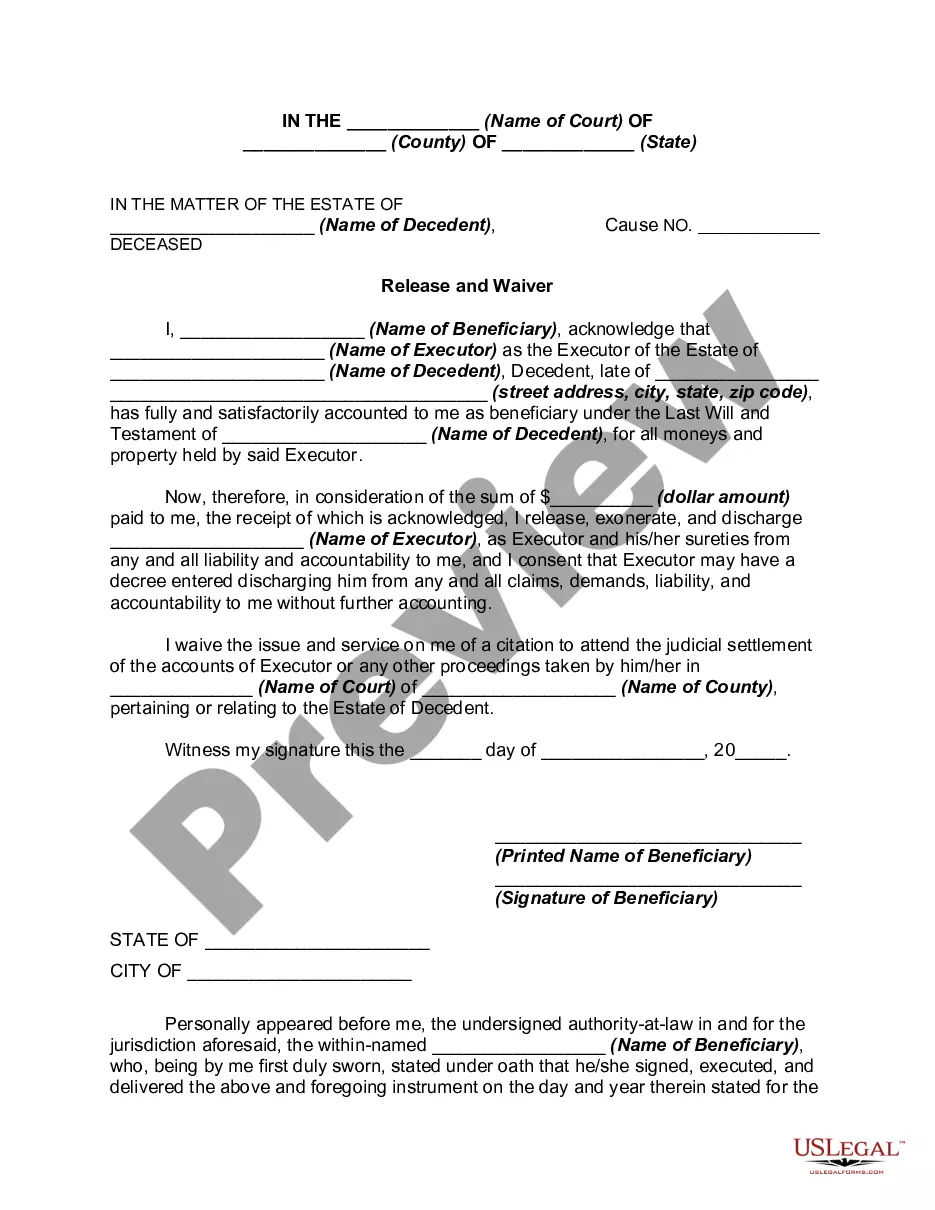
How to fill out Release Of Claims Against Estate By Creditor?
Dealing with legal documents and processes can be a lengthy addition to the day.
Deceased Decedent Estate With No and similar forms typically necessitate you to search for them and find your way to finish them accurately.
For this reason, whether you are managing financial, legal, or personal affairs, having a comprehensive and handy online library of forms readily available will significantly help.
US Legal Forms is the top online platform for legal templates, providing over 85,000 state-specific documents and a range of resources that will assist you in completing your paperwork effortlessly.
Is it your first time using US Legal Forms? Register and create a free account in a few minutes, and you’ll gain access to the form library and Deceased Decedent Estate With No. Then, follow the steps below to fill out your form: Ensure you have the correct form using the Preview feature and checking the form description. Select Buy Now when ready, and choose the subscription plan that suits your needs. Click Download, then fill out, sign, and print the form. US Legal Forms has twenty-five years of experience assisting users with their legal documents. Obtain the form you need today and streamline any process without difficulty.
- Browse the library of relevant documents accessible to you with just one click.
- US Legal Forms provides you with state- and county-specific documents available for download at any time.
- Protect your document management processes with a high-quality service that enables you to prepare any form in minutes without additional or hidden fees.
- Simply Log In to your account, search for Deceased Decedent Estate With No, and obtain it immediately from the My documents section.
- You can also access previously saved forms.
Form popularity
FAQ
Not every deceased decedent estate with no will needs to file Form 706, which is the federal estate tax return. The requirement to file generally depends on the estate's value and specific circumstances. If the gross estate exceeds a certain threshold, filing becomes necessary. To ensure compliance, using USLegalForms can simplify the process and provide guidance on filing requirements.
In a deceased decedent estate with no will, the default beneficiary is typically determined by state law. Generally, the estate will pass to the surviving spouse, children, or other close relatives. If no relatives exist, the estate may escheat to the state. Understanding these laws can be complex, but platforms like USLegalForms provide resources to help navigate these situations.
The deceased estate three-year rule allows the estate to file for a refund or claim adjustments within three years of the original tax filing. This rule is crucial for ensuring that any overpayments are reclaimed. It highlights the importance of timely and accurate filings for deceased estates. US Legal Forms can assist you in understanding and applying this rule effectively.
Yes, you may need to file taxes for a deceased decedent estate with no assets if there were earnings. The necessity to file depends on the income level in the year of death. It’s essential to determine if the income meets or exceeds the IRS thresholds. Engaging a tax professional can ensure all obligations are met correctly.
The three-year rule for a deceased decedent estate with no assets refers to the IRS's statute of limitations for claiming refunds or adjustments. If a tax return is filed within three years of the due date, the estate may be eligible for a refund. This rule emphasizes the importance of timely filing to preserve any potential benefits. Consulting with a tax expert can clarify individual circumstances.
Depositing an estate check when there is no estate can be tricky. Typically, banks require proof of authority to manage the funds. If there is no executor or administrator, it may be necessary to have the court appoint someone to handle the funds. US Legal Forms can provide templates and guidance to help navigate this process smoothly.
If a deceased person has no estate, their debts may not be settled, and their assets will not be distributed. The state laws govern how to handle such situations. In many cases, the property may escheat to the state, meaning it becomes the property of the state government. Individuals can seek guidance on navigating these complexities through services like US Legal Forms.
In the case of a deceased decedent estate with no will, the responsibility typically falls on the surviving spouse or an appointed representative. If there is no spouse, a relative may step in to handle tax matters. They must file the final tax return and resolve any outstanding tax obligations to avoid penalties.
You may still need to file taxes for a deceased decedent estate with no assets. The IRS requires a final tax return if the deceased earned income in the year of their death. If the income exceeds the filing threshold, you must file. It's important to consult with a tax professional to ensure compliance.