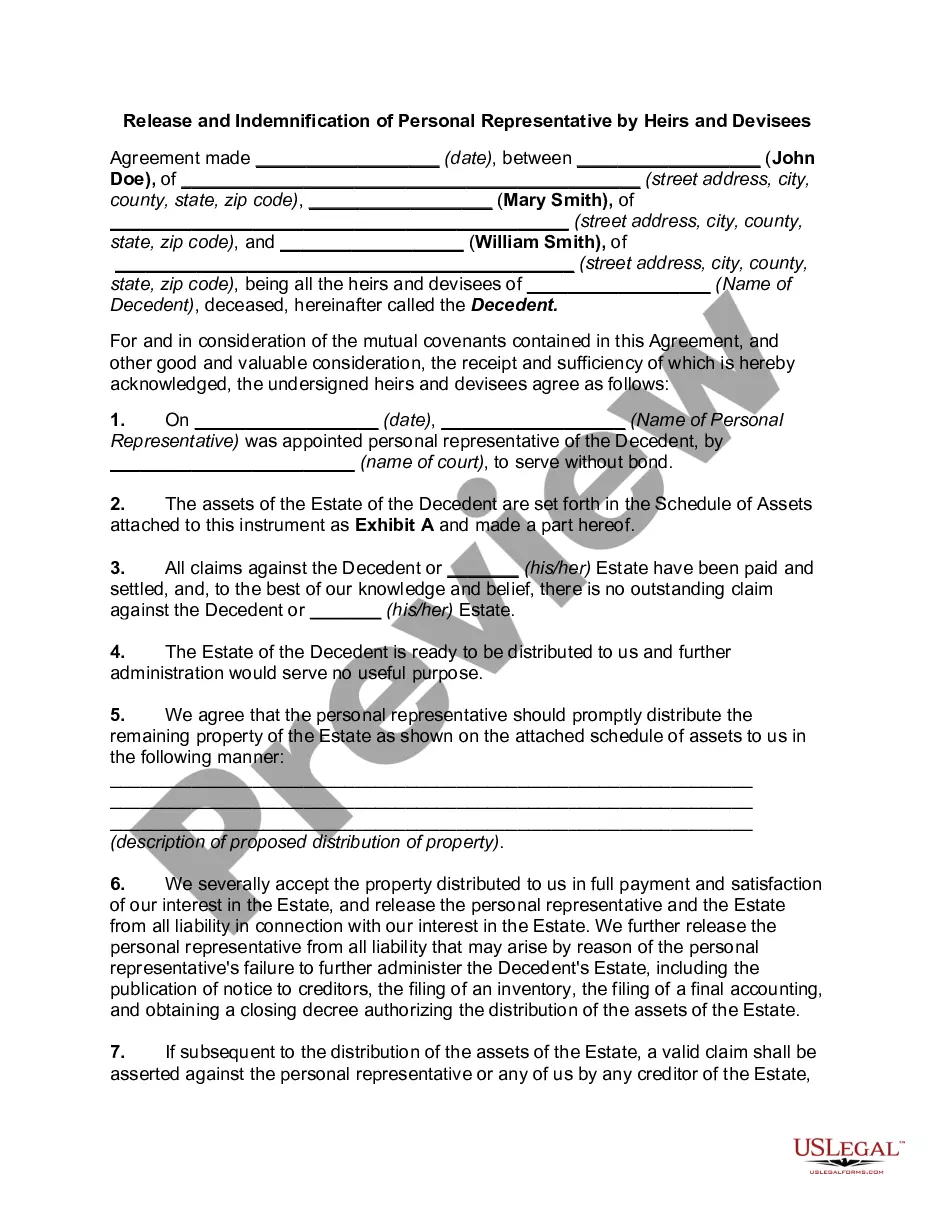
Beneficiary Estate Under For Real
Description
Get your form ready online
Our built-in tools help you complete, sign, share, and store your documents in one place.
Make edits, fill in missing information, and update formatting in US Legal Forms—just like you would in MS Word.
Download a copy, print it, send it by email, or mail it via USPS—whatever works best for your next step.
Sign and collect signatures with our SignNow integration. Send to multiple recipients, set reminders, and more. Go Premium to unlock E-Sign.
If this form requires notarization, complete it online through a secure video call—no need to meet a notary in person or wait for an appointment.
We protect your documents and personal data by following strict security and privacy standards.

Make edits, fill in missing information, and update formatting in US Legal Forms—just like you would in MS Word.

Download a copy, print it, send it by email, or mail it via USPS—whatever works best for your next step.

Sign and collect signatures with our SignNow integration. Send to multiple recipients, set reminders, and more. Go Premium to unlock E-Sign.

If this form requires notarization, complete it online through a secure video call—no need to meet a notary in person or wait for an appointment.

We protect your documents and personal data by following strict security and privacy standards.
Looking for another form?









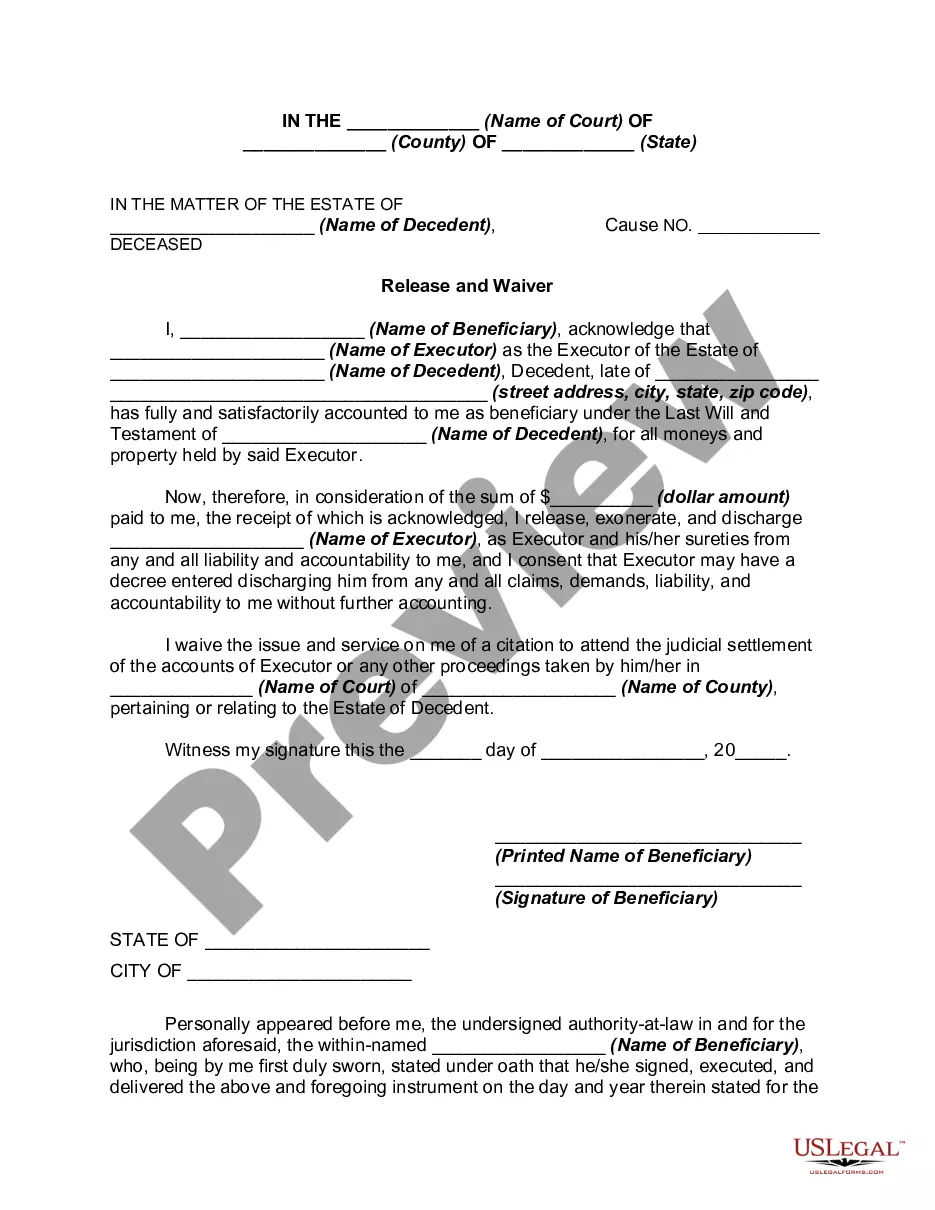
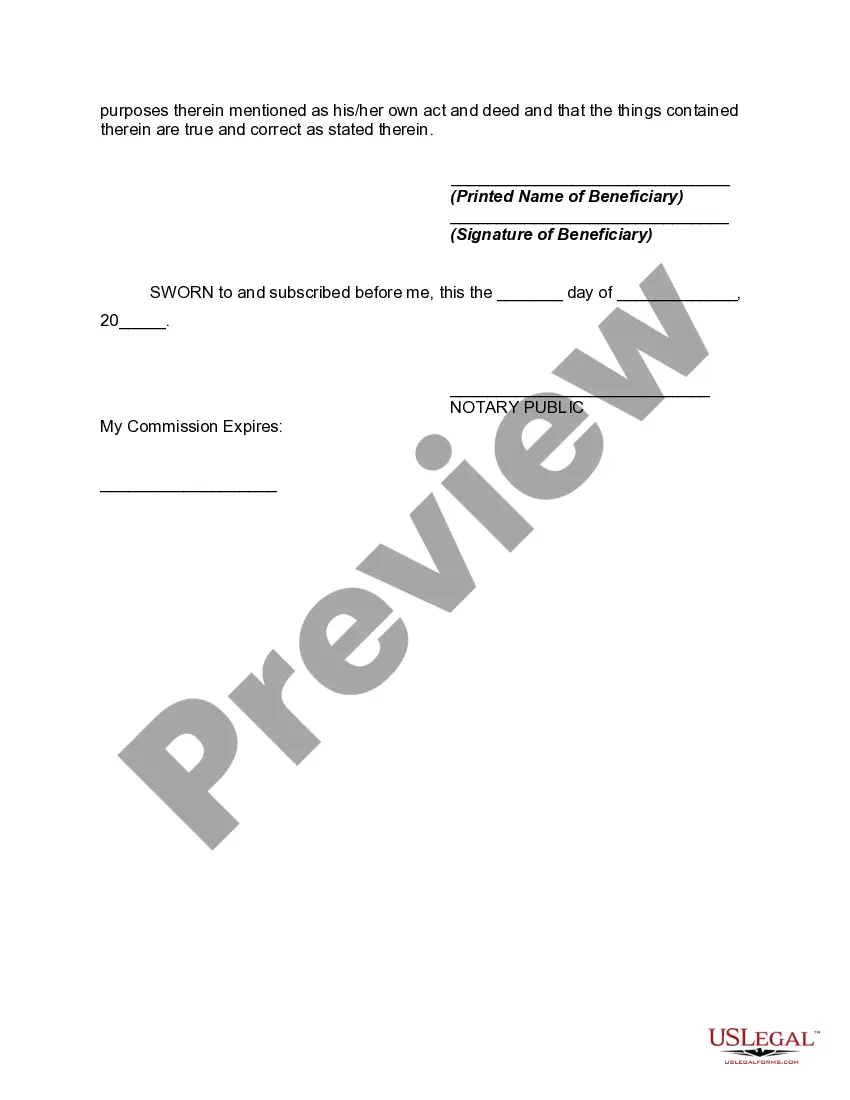
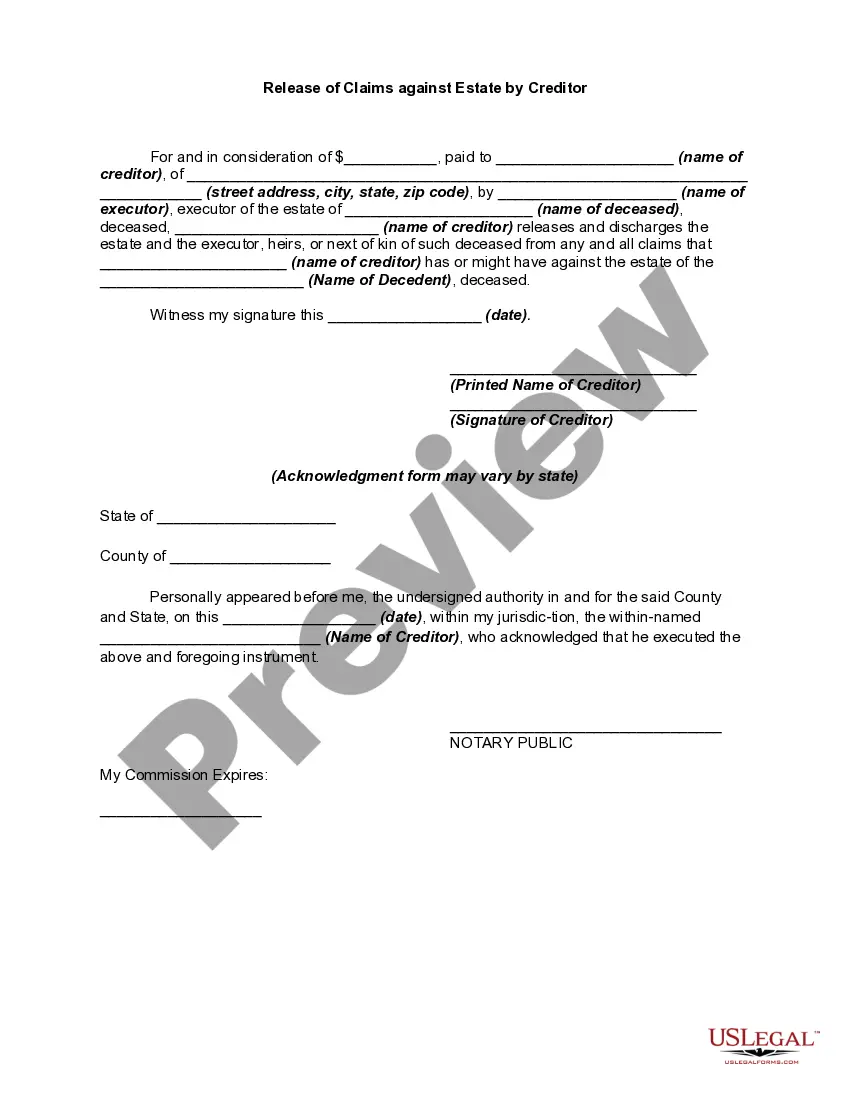
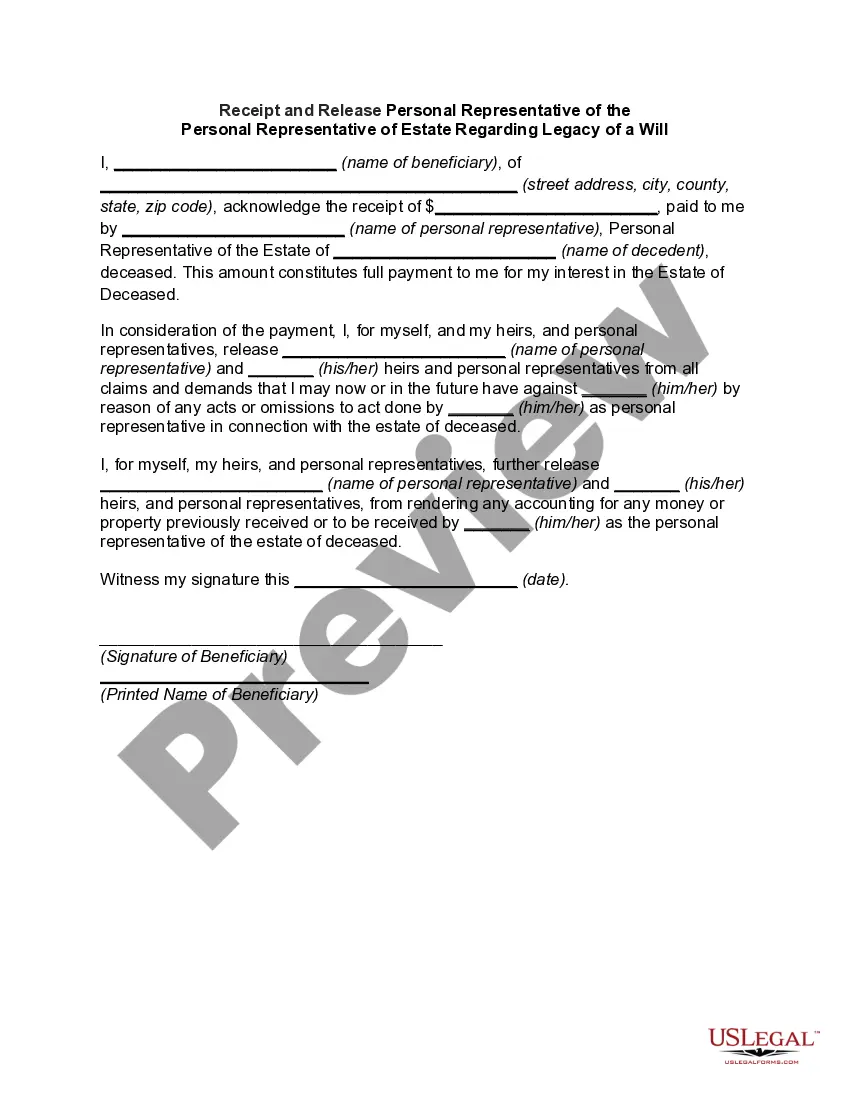
How to fill out Release And Exoneration Of Executor On Distribution To Beneficiary Of Will And Waiver Of Citation Of Final Settlement?
Gaining access to legal templates that comply with federal and local regulations is essential, and the web provides numerous choices to choose from.
However, what is the benefit of spending time searching for the appropriate Beneficiary Estate Under For Real example online when the US Legal Forms digital library already compiles such templates in one location.
US Legal Forms is the largest online legal repository, containing over 85,000 editable templates created by attorneys for any business and personal circumstance.
Review the template using the Preview feature or through the text outline to confirm it satisfies your needs. Search for another example using the search tool at the top of the page if required. Click Buy Now once you've identified the correct form and choose a subscription plan. Create an account or Log In and complete the payment via PayPal or a credit card. Select the appropriate format for your Beneficiary Estate Under For Real and download it. All documents available through US Legal Forms are reusable. To re-download and complete previously obtained forms, access the My documents tab in your account. Take advantage of the most comprehensive and user-friendly legal document service!
- They are straightforward to navigate with all documents categorized by state and intended use.
- Our specialists stay updated with legislative modifications, ensuring that your form is current and compliant when acquiring a Beneficiary Estate Under For Real from our site.
- Acquiring a Beneficiary Estate Under For Real is simple and fast for both existing and new users.
- If you already possess an account with an active subscription, Log In and save the required document sample in the appropriate format.
- If you are new to our platform, follow the steps outlined below.
Form popularity
FAQ
Most beneficiary designations will require you to provide a person's full legal name and their relationship to you (spouse, child, mother, etc.). Some beneficiary designations also include information like mailing address, email, phone number, date of birth and Social Security number.
Name only living persons as beneficiaries, unless you are naming a trust, your estate or an organization. Do not name the same person or organization as both a primary and secondary beneficiary. Do not use the word ?or? when designating multiple beneficiaries. Do not impose any conditions on payment.
You can name your estate as a beneficiary. Your executor will be responsible for distributing your estate (including your pension benefit) ing to the instructions in your will. If you name your estate as your beneficiary and die without a will, the court will appoint someone to administer your estate.
A beneficiary designation allows you to specifically name who will get particular assets, typically without the need for court supervision in a probate proceeding. Usually you'll name primary and contingent beneficiaries. The primary beneficiary is the first person or entity named to receive the asset.
A beneficiary deed could also name a husband and wife as beneficiaries and specify that they are to own the property as community property with right of survivorship. A beneficiary deed may even be used to transfer property to a trust.