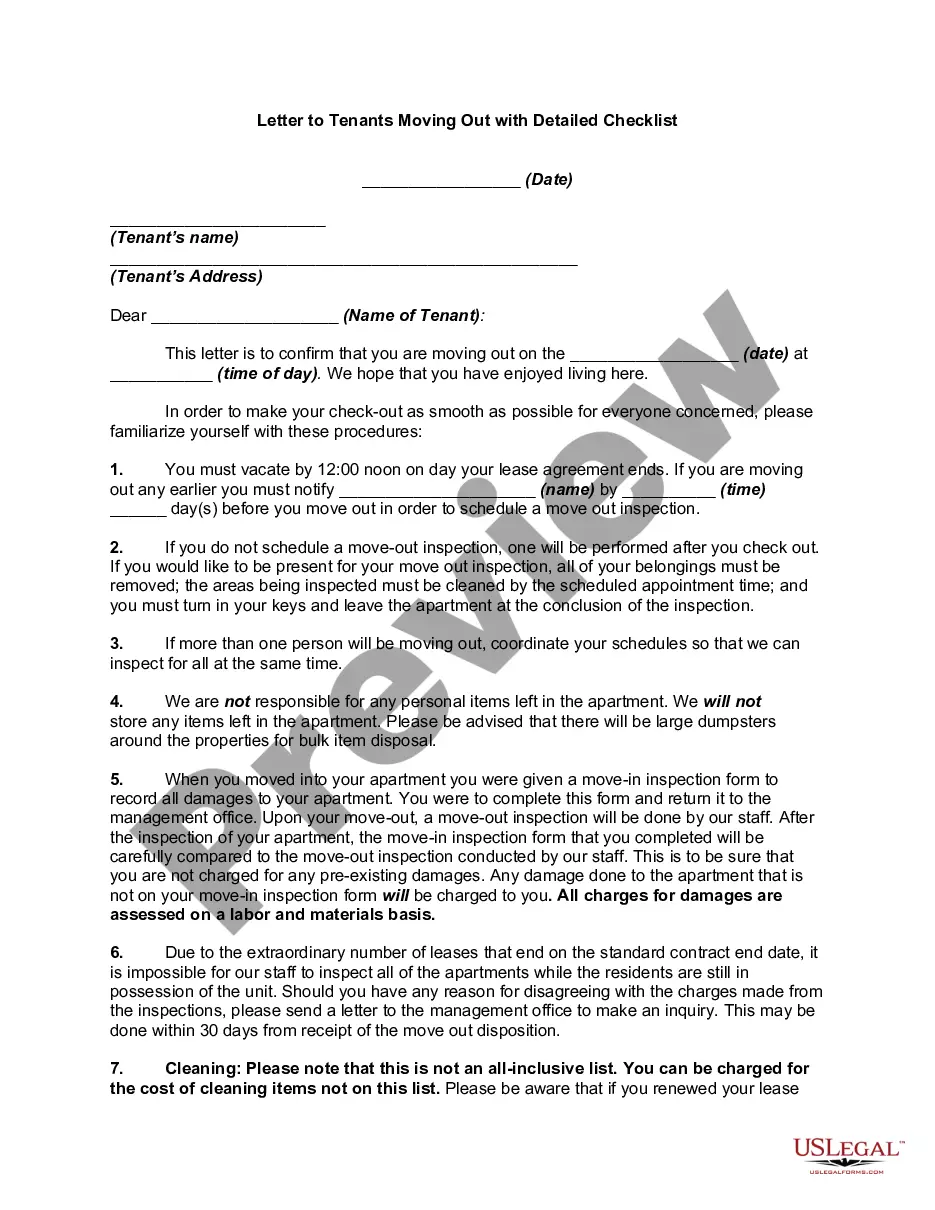
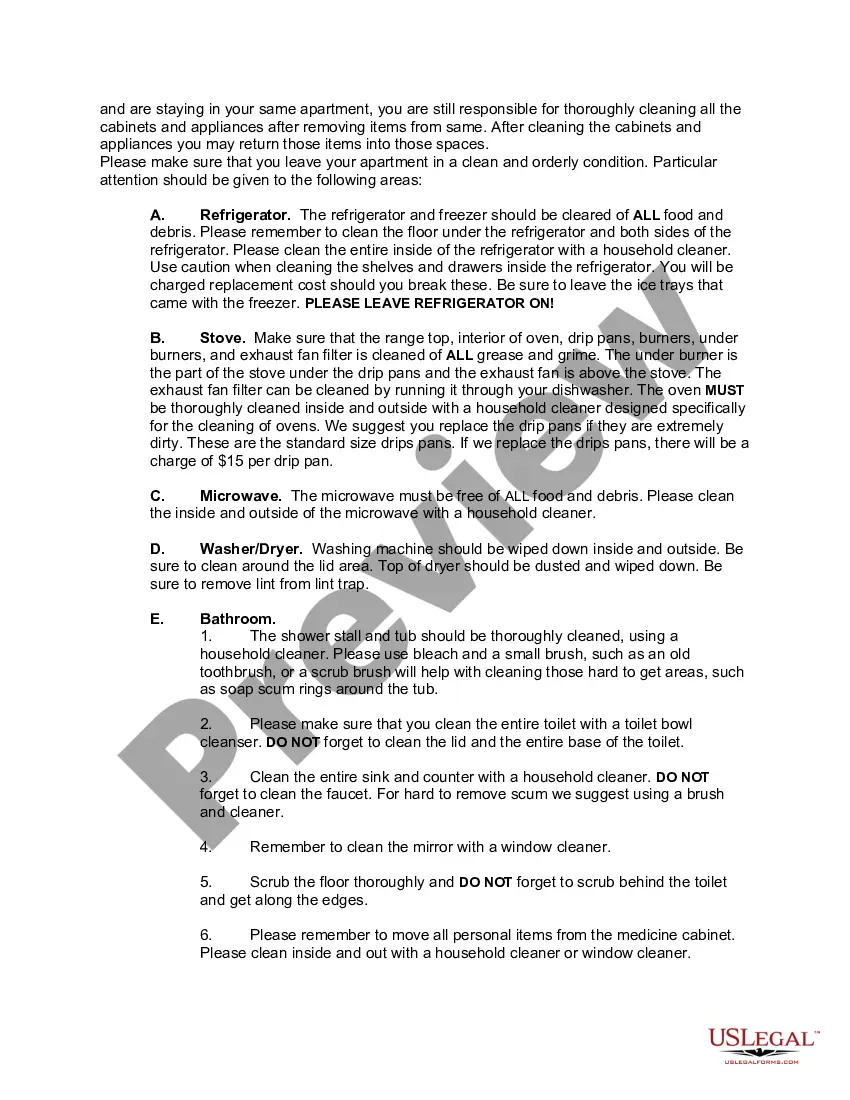
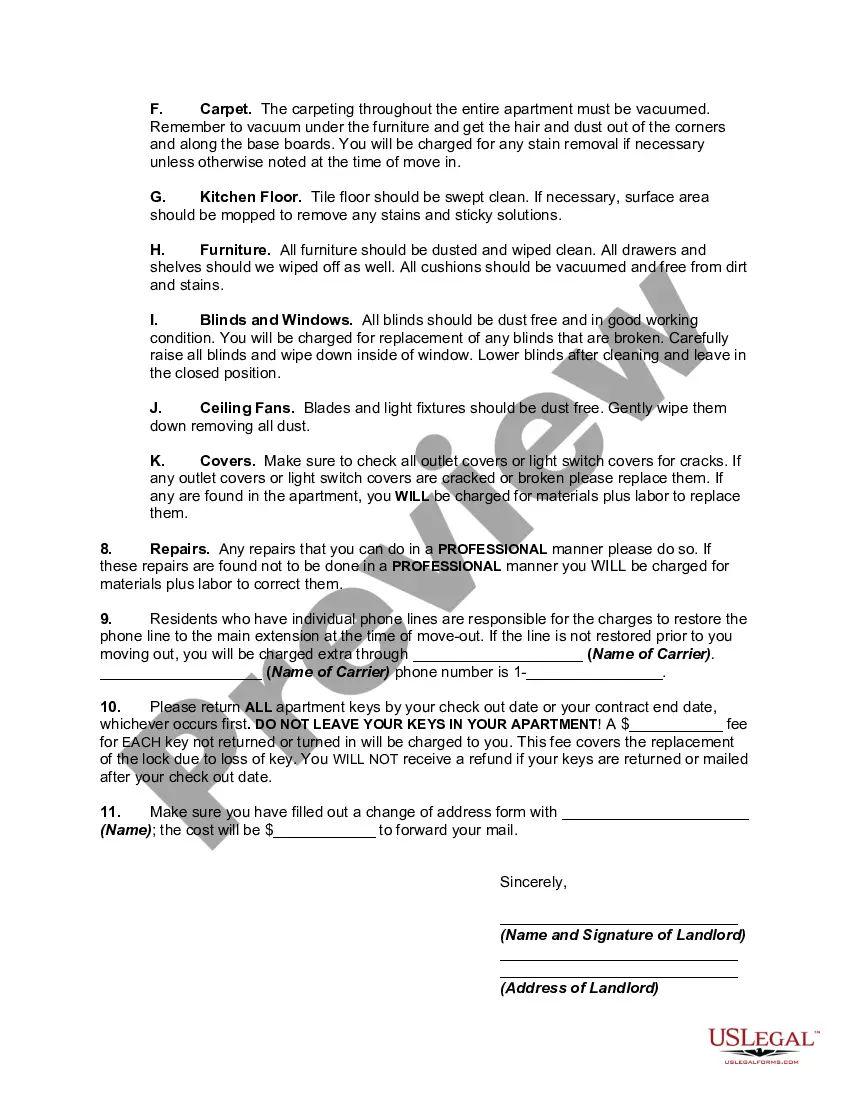
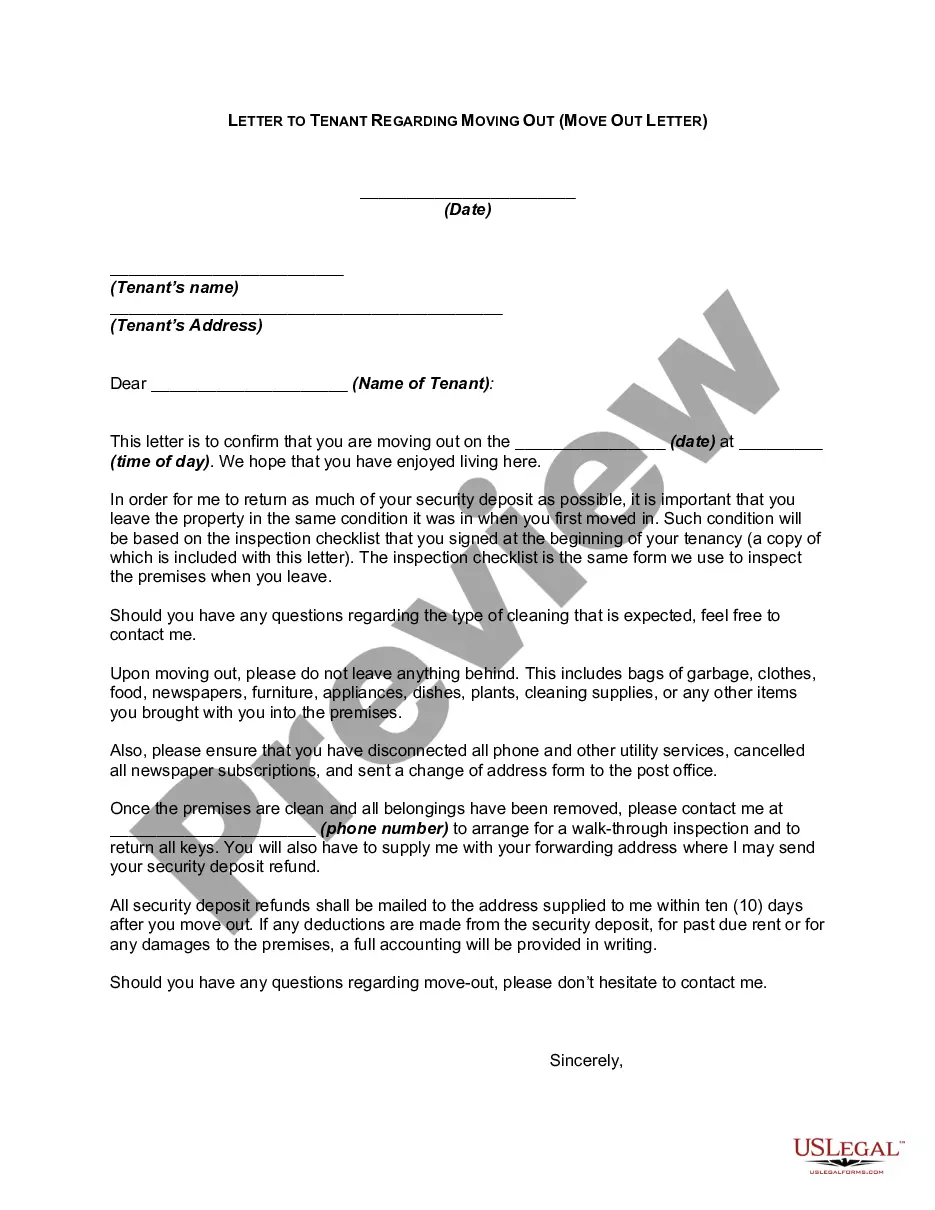
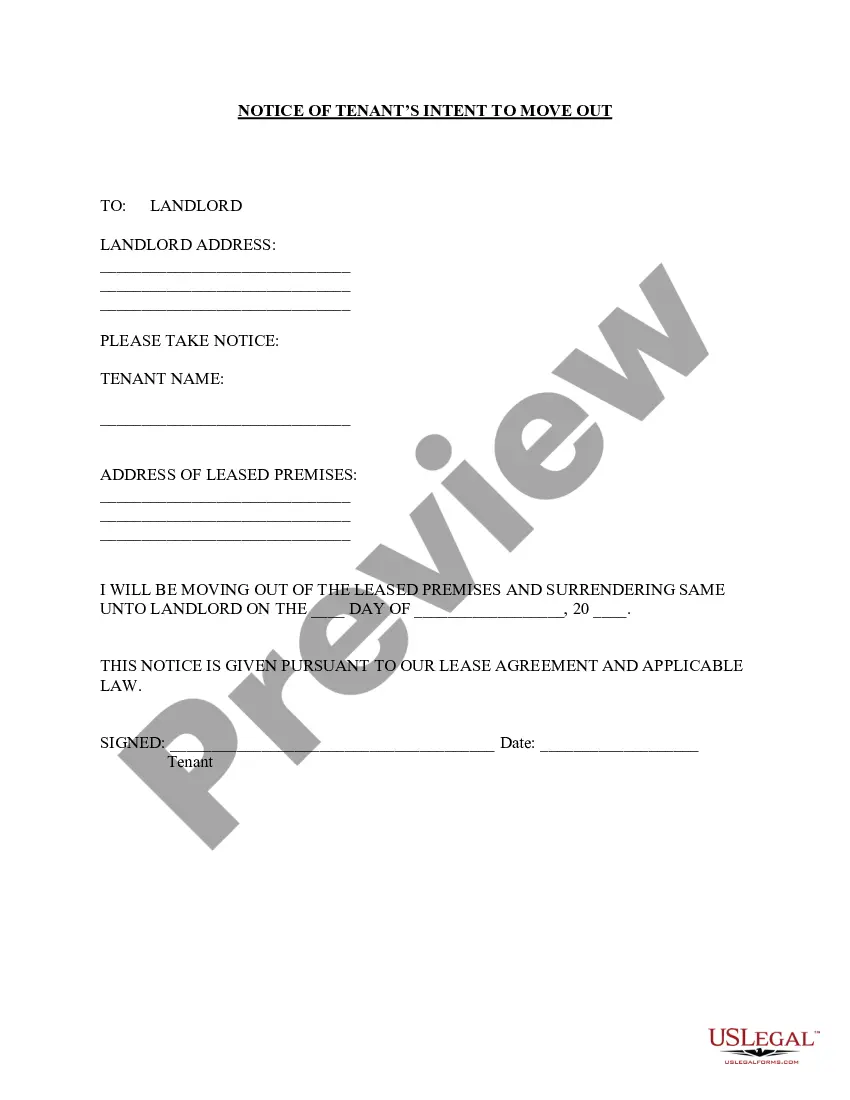
Tenants Checklist For Moving Out
Description
Get your form ready online
Our built-in tools help you complete, sign, share, and store your documents in one place.
Make edits, fill in missing information, and update formatting in US Legal Forms—just like you would in MS Word.
Download a copy, print it, send it by email, or mail it via USPS—whatever works best for your next step.
Sign and collect signatures with our SignNow integration. Send to multiple recipients, set reminders, and more. Go Premium to unlock E-Sign.
If this form requires notarization, complete it online through a secure video call—no need to meet a notary in person or wait for an appointment.
We protect your documents and personal data by following strict security and privacy standards.

Make edits, fill in missing information, and update formatting in US Legal Forms—just like you would in MS Word.

Download a copy, print it, send it by email, or mail it via USPS—whatever works best for your next step.

Sign and collect signatures with our SignNow integration. Send to multiple recipients, set reminders, and more. Go Premium to unlock E-Sign.

If this form requires notarization, complete it online through a secure video call—no need to meet a notary in person or wait for an appointment.

We protect your documents and personal data by following strict security and privacy standards.
Looking for another form?








How to fill out Letter To Tenants Moving Out With Detailed Checklist?
It's clear that you cannot transform into a legal expert instantly, nor is it possible to swiftly learn how to prepare a Tenants Checklist For Moving Out without possessing a particular skill set.
Assembling legal paperwork is a lengthy endeavor that necessitates specialized education and expertise. Thus, why not entrust the formulation of the Tenants Checklist For Moving Out to the specialists.
With US Legal Forms, one of the most comprehensive libraries of legal templates, you can locate everything from court documents to templates for internal business communication. We recognize the significance of compliance and adherence to federal and state regulations and laws. That’s why, on our site, all templates are specific to location and current.
Click Buy now. Once your purchase is finalized, you will receive the Tenants Checklist For Moving Out, which you can complete, print, and send or deliver to the required individuals or entities.
You can regain access to your documents anytime from the My documents tab. If you are a current client, you can simply Log In and find and download the template from the same section. Regardless of the intent behind your documents—whether they are financial, legal, or personal—our platform is here to assist. Give US Legal Forms a try now!
- Begin with our platform to obtain the document you require in just a few minutes.
- Utilize the search bar at the top of the page to discover the document you need.
- If this option is available, preview it and review the accompanying description to determine if Tenants Checklist For Moving Out is what you are seeking.
- If you need another template, restart your search.
- Create a free account and select a subscription plan to acquire the form.
Form popularity
FAQ
When using a tenants checklist for moving out, it’s crucial to recognize potential red flags for landlords. Some signs include tenant history of late rent payments, property damage complaints, or a lack of communication during the tenancy. Additionally, if a tenant appears unprepared during the moving out process, it can raise concerns about their responsibility. Being aware of these issues can help both parties ensure a smoother transition.
When moving out in California, a tenant is responsible for cleaning the rental unit and returning it in good condition, as detailed in the lease agreement. This includes removing personal belongings, repairing any damage, and addressing any unpaid bills. Additionally, tenants must provide proper notice to their landlord, typically 30 days, and can benefit from a tenants checklist for moving out to guide them through these responsibilities. Following these steps will help ensure a smooth transition and maximize the chances of getting the full security deposit back.
When a tenant moves out, a landlord has specific responsibilities to uphold. They should perform a thorough inspection of the unit to evaluate its condition. Following a tenants checklist for moving out can help landlords effectively assess damages and determine any necessary repairs. It's also important for landlords to manage the return of security deposits in line with applicable laws, ensuring a fair process for everyone involved.
After moving out, tenants should focus on a few key tasks. First, conduct a final walkthrough of the property to ensure nothing was left behind and to assess any damages. It's beneficial to complete a tenants checklist for moving out to keep track of these final steps. Additionally, follow up with your landlord about the return of your security deposit and any potential deductions.
Moving out typically requires several important documents. Tenants should gather their lease agreement, notice of intent to vacate, and any communication with the landlord regarding the move. Utilizing a tenants checklist for moving out can streamline this process by helping to list and organize these necessary papers. Having your documentation in order can help avoid disputes and ensure a smooth transition.
When moving out, tenants should aim to leave the property as clean as it was when they moved in. This includes thorough cleaning of all surfaces, floors, and appliances. Following a tenants checklist for moving out can help ensure that every area is addressed. A clean property not only improves relations with the landlord but also increases the chances of getting your security deposit back.
Your landlord can end the let at any time by serving a written 'notice to quit'. The notice period will depend on the tenancy or agreement, but is often at least 4 weeks.
As a landlord, you may be planning on making repairs or renovating the property while your tenant is still living there. In such situations, electricity can be cut for around 30 days, depending on the extent and severity of the repairs.
Holdover cases - Your landlord is not renewing your lease How long you have lived at the property or how long is your lease period (whichever is longer)Amount of NoticeLess than one (1) year30 days in advanceAt least one (1) year, but less than two (2) years60 days in advanceTwo (2) years or more90 days in advance
There is no automatic right for a landlord to hold keys, To be safe, they should obtain the permission of the tenant, but the tenant could rescind this permission anytime, and. A tenant has a TOTAL RIGHT to change a lock.