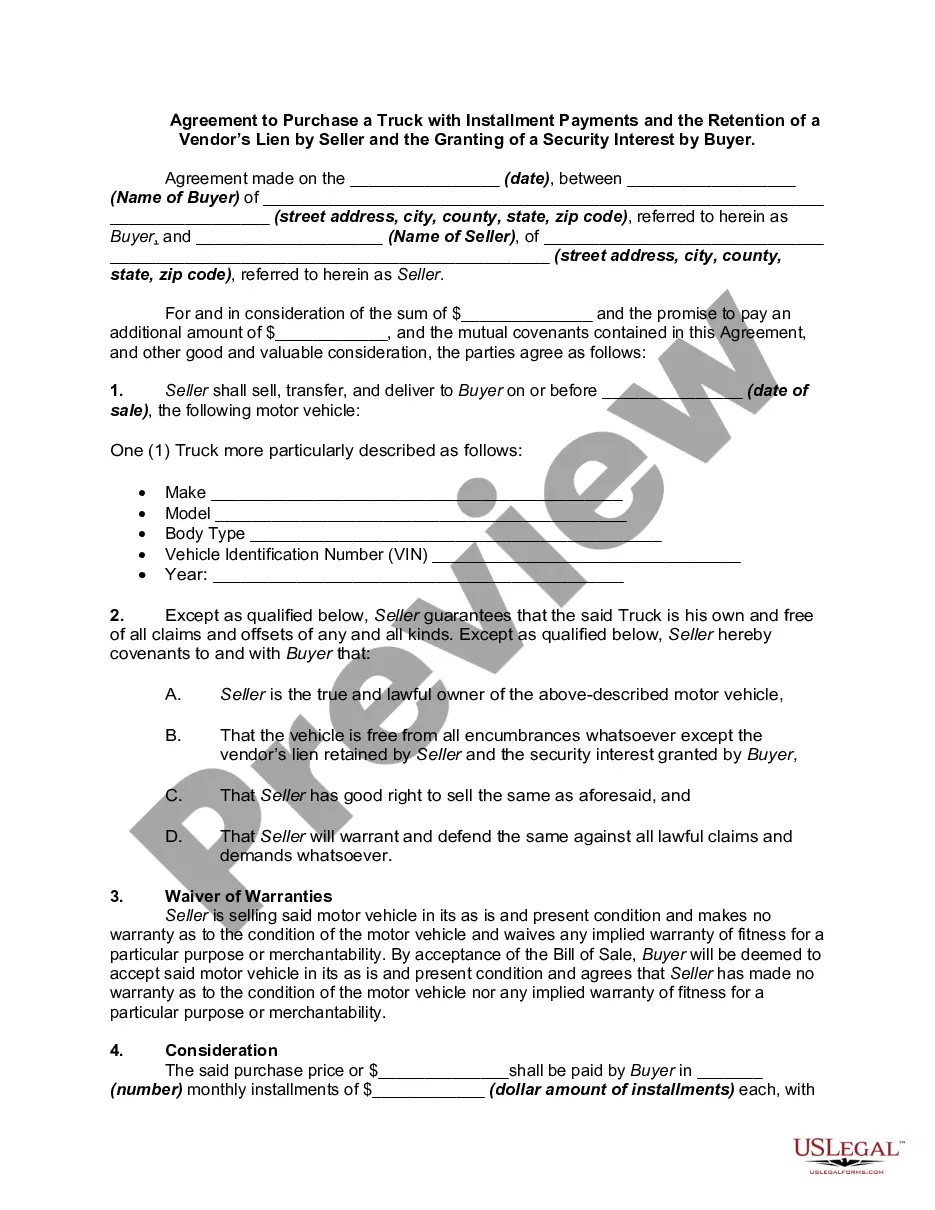
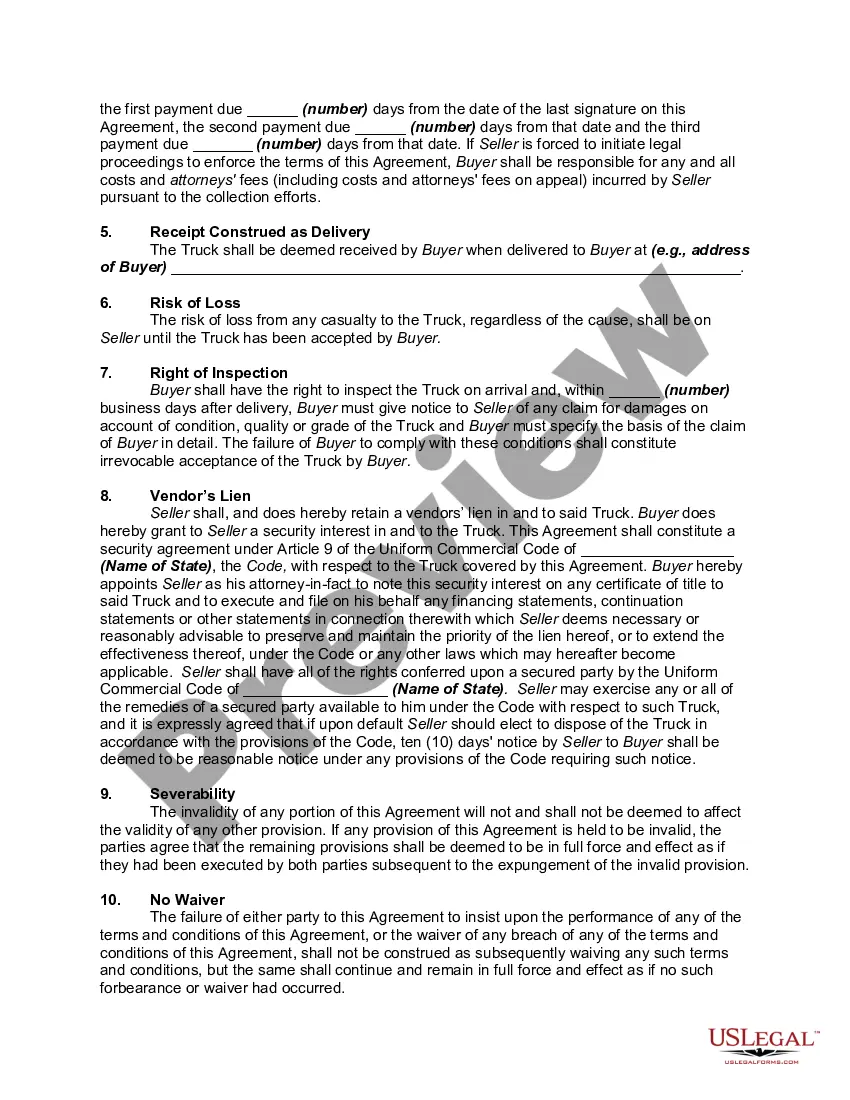
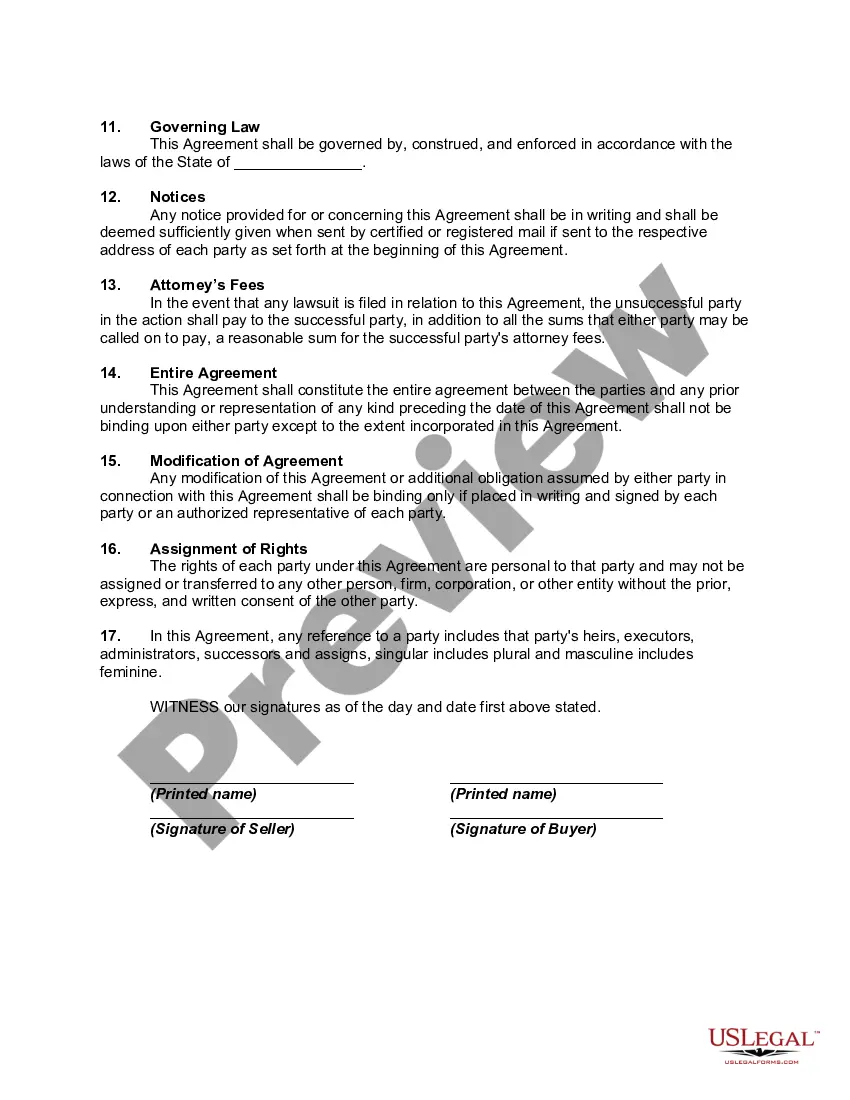
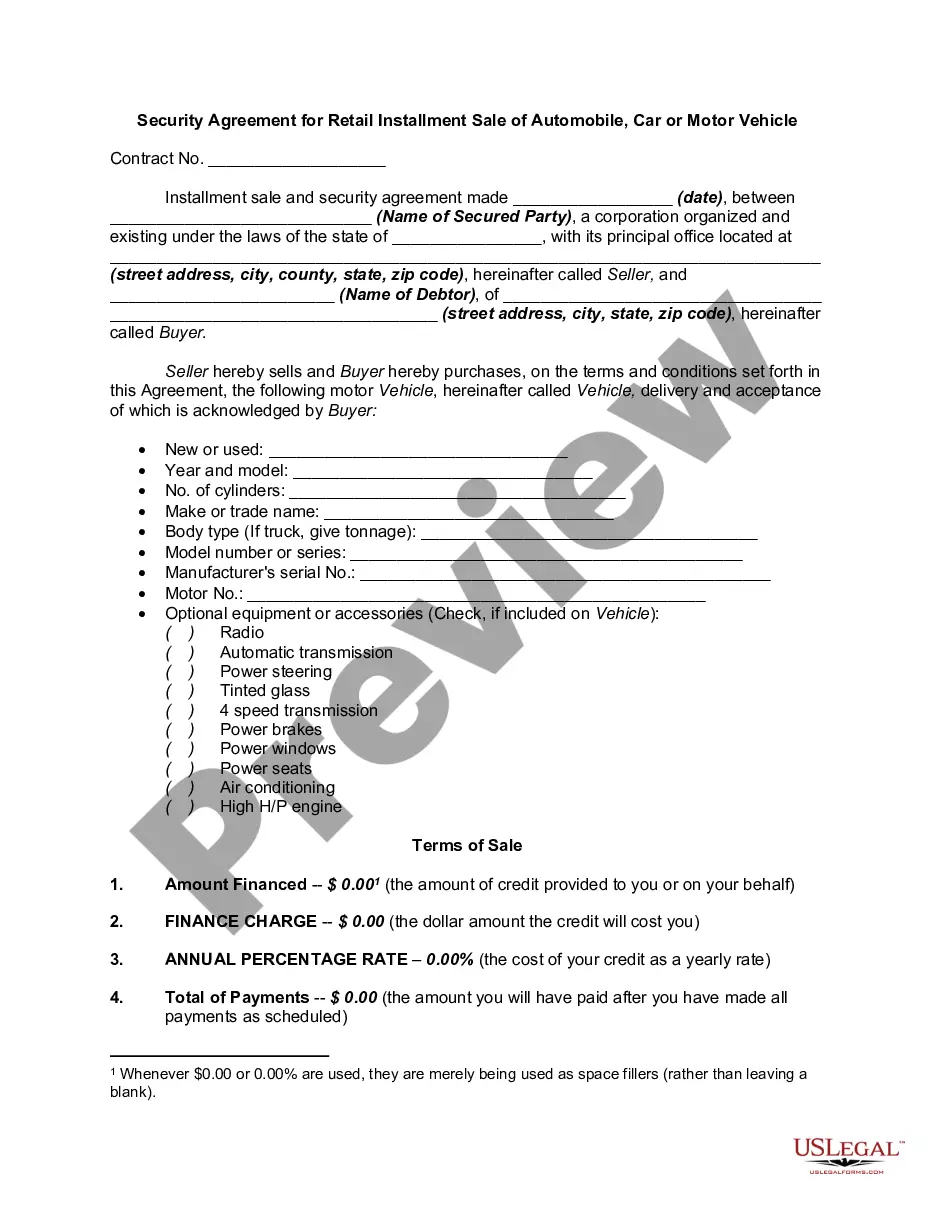
Vehicle Loan Agreement With Collateral
Description
Get your form ready online
Our built-in tools help you complete, sign, share, and store your documents in one place.
Make edits, fill in missing information, and update formatting in US Legal Forms—just like you would in MS Word.
Download a copy, print it, send it by email, or mail it via USPS—whatever works best for your next step.
Sign and collect signatures with our SignNow integration. Send to multiple recipients, set reminders, and more. Go Premium to unlock E-Sign.
If this form requires notarization, complete it online through a secure video call—no need to meet a notary in person or wait for an appointment.
We protect your documents and personal data by following strict security and privacy standards.

Make edits, fill in missing information, and update formatting in US Legal Forms—just like you would in MS Word.

Download a copy, print it, send it by email, or mail it via USPS—whatever works best for your next step.

Sign and collect signatures with our SignNow integration. Send to multiple recipients, set reminders, and more. Go Premium to unlock E-Sign.

If this form requires notarization, complete it online through a secure video call—no need to meet a notary in person or wait for an appointment.

We protect your documents and personal data by following strict security and privacy standards.
Looking for another form?


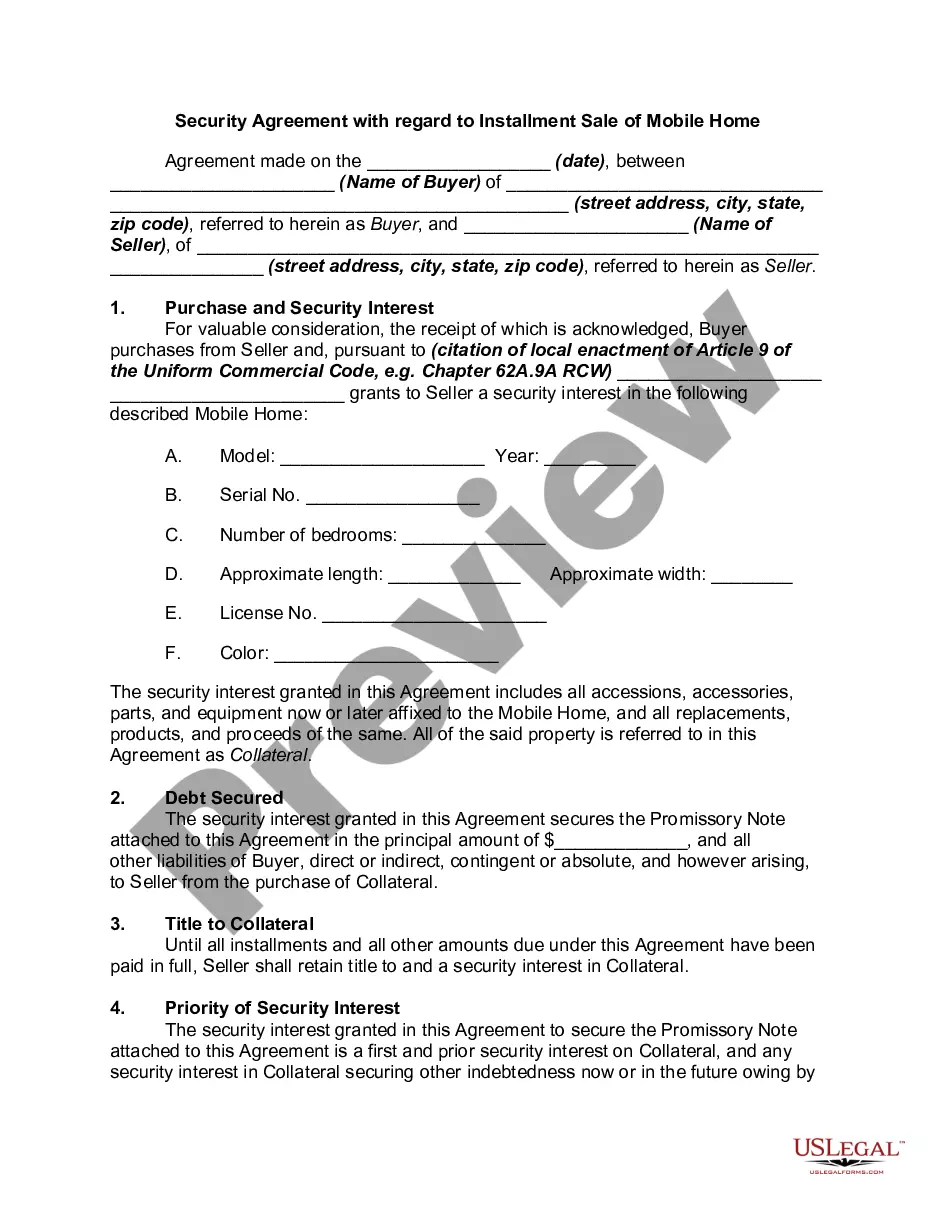
How to fill out Agreement To Purchase A Truck With Installment Payments And The Retention Of A Vendor's Lien By Seller And The Granting Of A Security Interest By Buyer?
It’s clear that you cannot become a legal authority overnight, nor can you quickly understand how to efficiently prepare a Vehicle Loan Agreement With Collateral without possessing a specific skill set.
Drafting legal documents is a lengthy undertaking that necessitates particular education and expertise.
So why not entrust the formulation of the Vehicle Loan Agreement With Collateral to the professionals.
You can access your documents again from the My documents section at any time. If you’re an existing customer, simply Log In, and find and download the template from the same section.
Regardless of the intention behind your forms—be it financial and legal or personal—our website provides solutions for you. Give US Legal Forms a try today!
- Find the document you need by utilizing the search bar located at the top of the page.
- Preview it (if this feature is available) and review the accompanying description to ascertain whether the Vehicle Loan Agreement With Collateral is what you are looking for.
- Initiate your search once more if you require a different template.
- Create a complimentary account and choose a subscription option to acquire the template.
- Click Buy now. Once the payment is processed, you can download the Vehicle Loan Agreement With Collateral, complete it, print it, and send or mail it to the necessary individuals or organizations.
Form popularity
FAQ
A collateral document typically includes any paperwork that proves the collateral's ownership and value. In the context of a vehicle loan agreement with collateral, this could be the title of the vehicle or a bill of sale. These documents demonstrate that you own the car, and they provide security for the lender. Using a platform like US Legal Forms can help you create and manage these documents efficiently.
To write a car loan agreement, start by clearly stating the parties involved and the vehicle's details. Include the loan amount, interest rate, repayment terms, and the collateral clause, which is essential in a vehicle loan agreement with collateral. Be sure to outline the consequences of defaulting on the loan, as well as any fees or penalties. Using a platform like USLegalForms can simplify the process by providing templates tailored to your needs.
The collateral clause in a vehicle loan agreement with collateral specifies the asset that secures the loan. This clause protects the lender by allowing them to claim the collateral if you fail to repay the loan. Essentially, it outlines the terms under which the lender can take possession of the vehicle if necessary. Understanding this clause is crucial for both parties involved.
Auto loans are a type of debt that may involve collateral. In this type of loan, the vehicle generally serves as the collateral. If the borrower fails to repay the loan, the lender may be able to repossess the vehicle to recoup some of the money for the loan.
Collateral is an item of value pledged to secure a loan. Collateral reduces the risk for lenders. If a borrower defaults on the loan, the lender can seize the collateral and sell it to recoup its losses.
For example, if X agrees to buy goods from Y that will, ingly, be manufactured by Z, and does so on the strength of Z's assurance as to the high quality of the goods, X and Z may be held to have made a collateral contract consisting of Z's promise of quality given in consideration of X's promise to enter into the ...
You can use your car as collateral for a loan. Secured loans require an asset the lender can repossess should you fail to repay the loan. Collateral may help you qualify for a loan, particularly if you have bad credit.
A contract for a collateral loan should clearly state what asset(s) are being used to secure the loan and include a clause on what could happen to the asset if the borrower defaults. It should also clearly outline the circumstances under which the collateral could be forfeited to the lender.