Sample Letter with Request for Accident Report
What is this form?
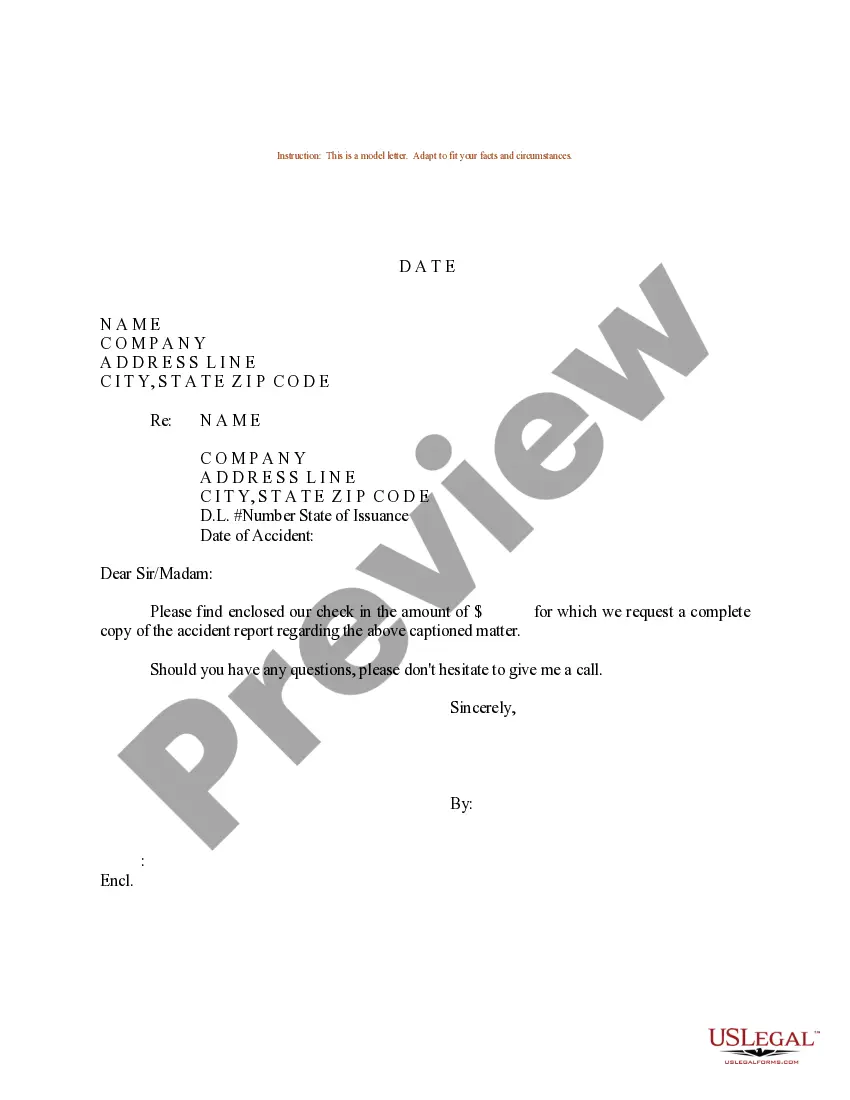
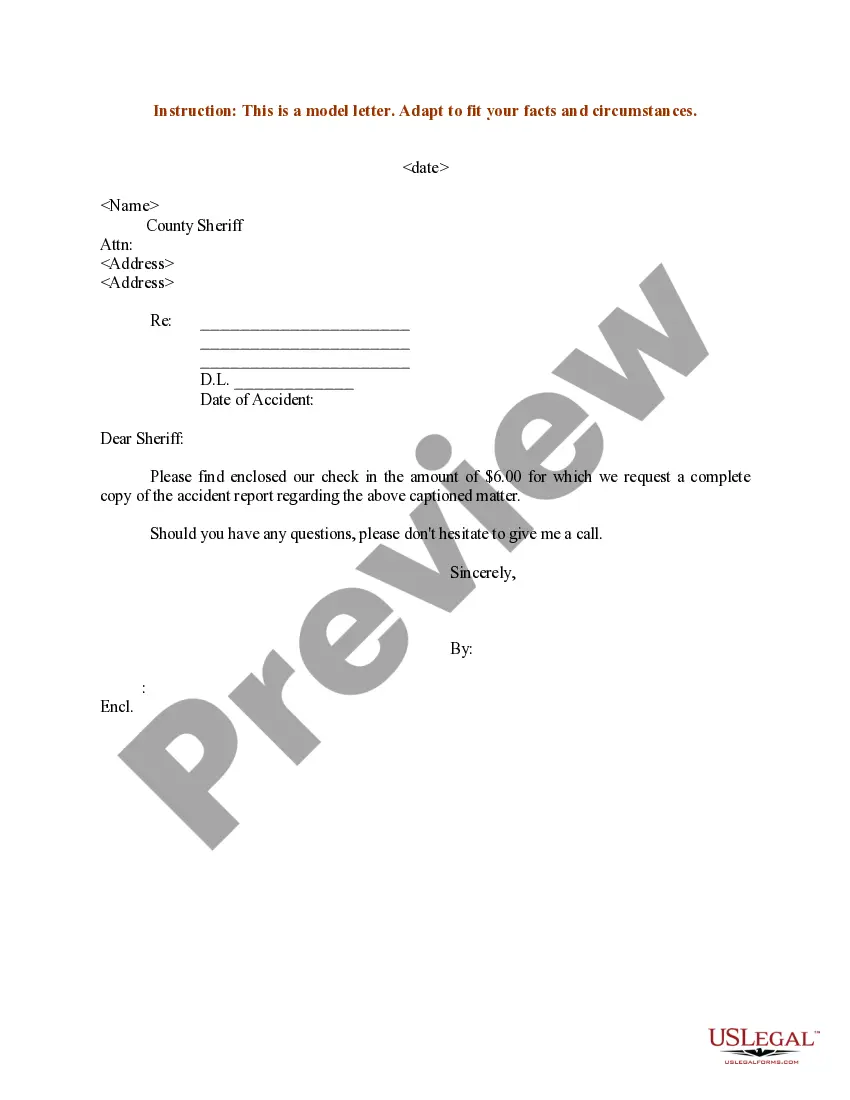
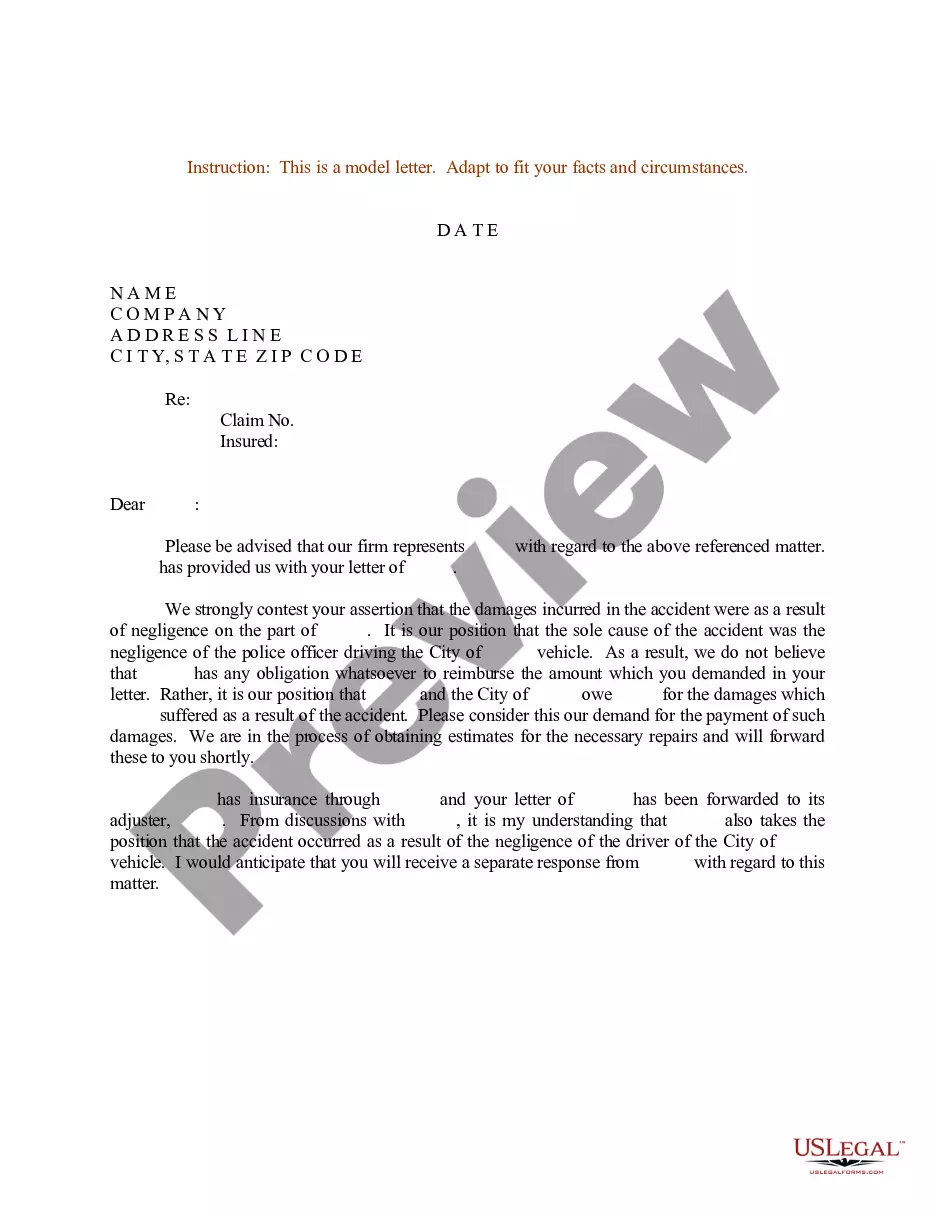
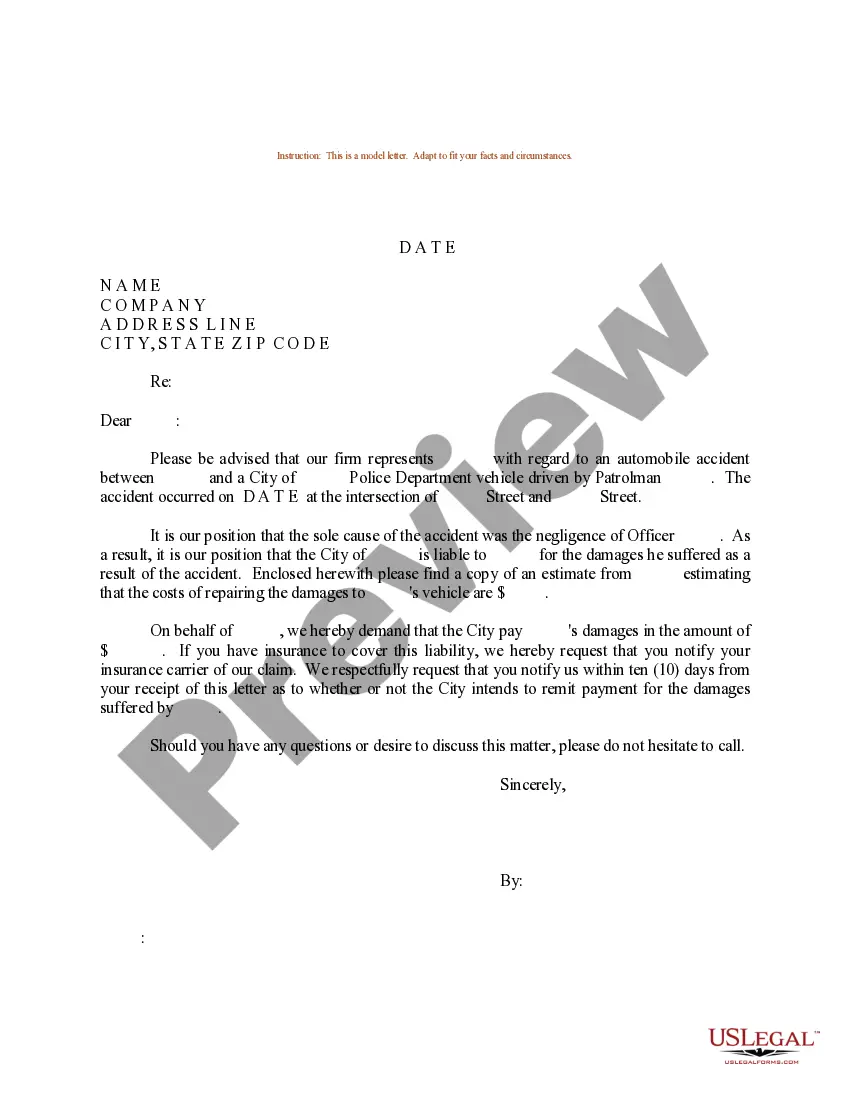
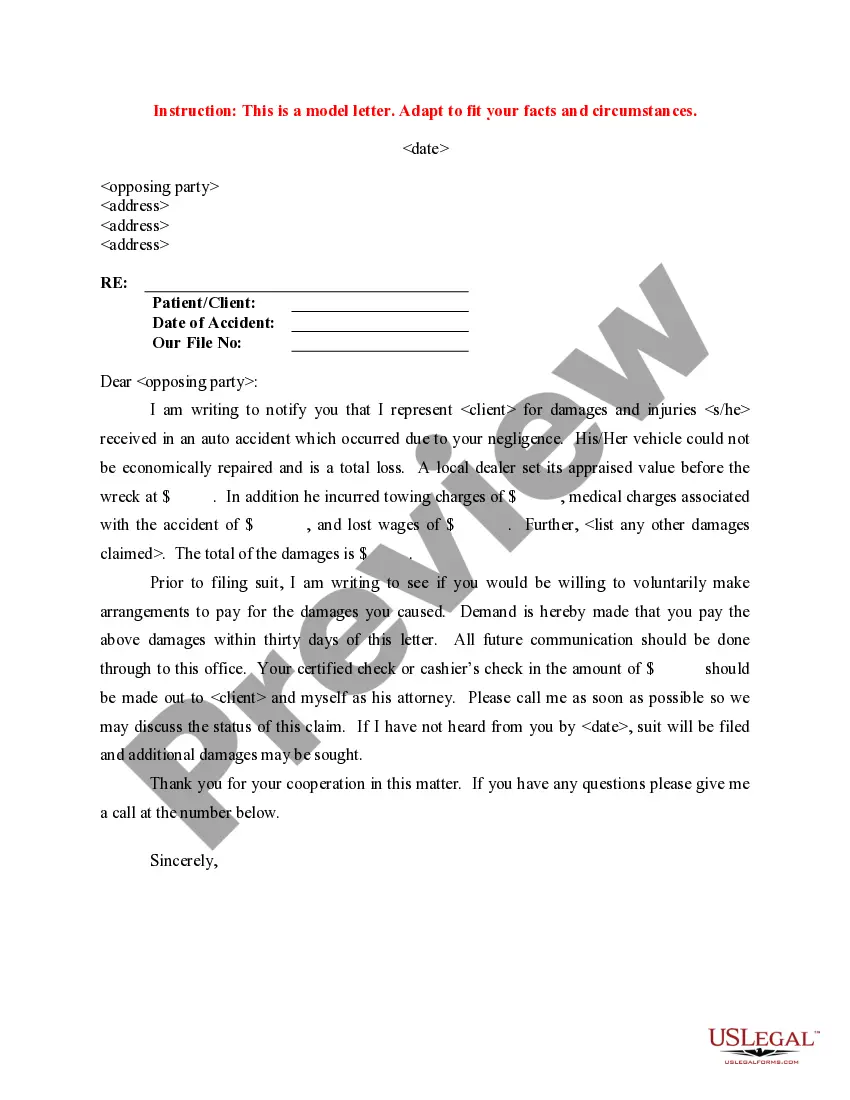
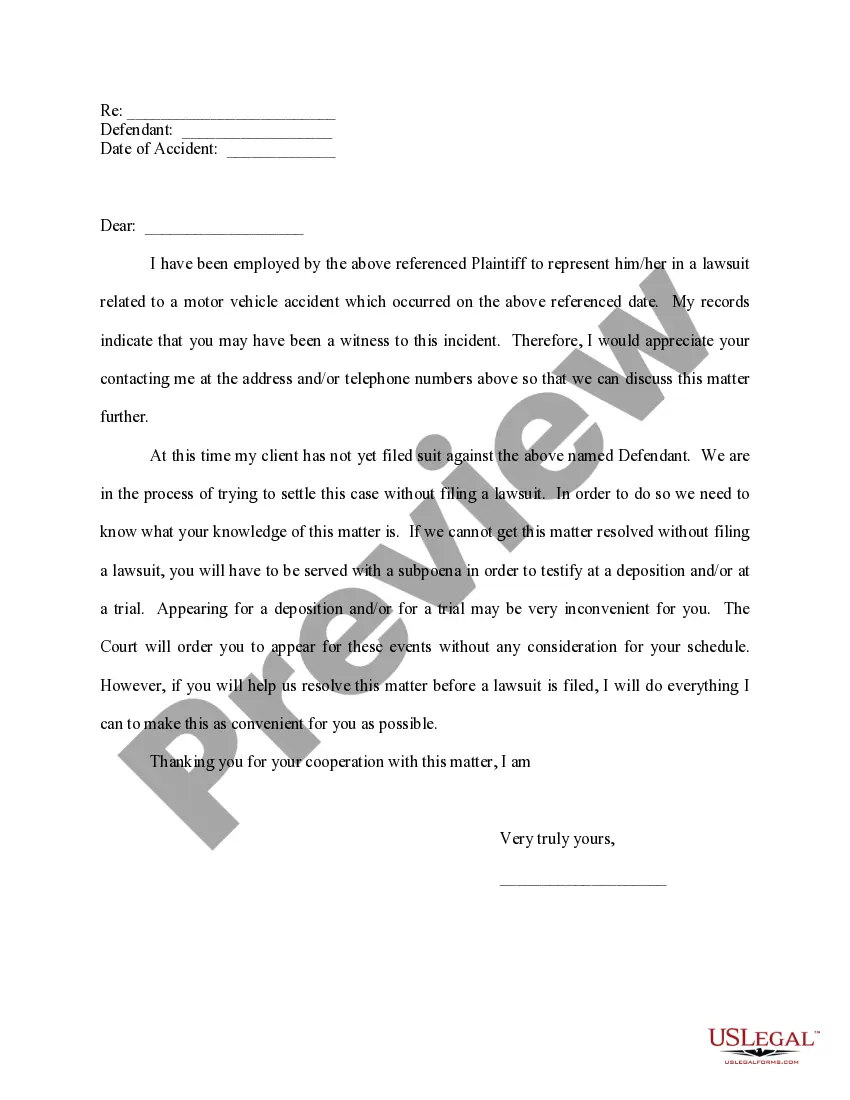
This Sample Letter with Request for Accident Report serves as a template to formally request an accident report from an insurance company or relevant authority. It is structured to facilitate communication while ensuring that you provide all necessary information to expedite the handling of your request. This letter format specifically aids those seeking records related to traffic incidents, injury claims, or accident investigations, distinguishing it from less formal request formats.
What’s included in this form
- Date of the request.
- Senderâs name and contact information.
- Recipientâs details, including name and address.
- Subject line stating the purpose of the letter.
- Body of the letter requesting the accident report.
- Signature line for the sender.
When to use this document
You should use this form when you need to formally request an accident report for various purposes, including filing an insurance claim, legal proceedings, or personal records. This letter can be useful after being involved in an accident where you require detailed documentation to support your case or to ensure an accurate understanding of the events that transpired.
Who should use this form
- Individuals who have been involved in a vehicle accident.
- Insurance policyholders seeking accident documentation.
- Legal representatives managing accident-related cases.
Completing this form step by step
- Enter the date at which you are writing the letter.
- Fill in your name and contact details in the header section.
- Add the recipientâs name and address accurately.
- Clearly state the purpose of your request in the subject line.
- Compose the body of the letter, including relevant details of the accident and your request for the report.
- Sign the letter to validate your request.
Notarization requirements for this form
This form does not typically require notarization unless specified by local law. Ensure to check any local regulations that may apply to your request for an accident report.
Get your form ready online
Our built-in tools help you complete, sign, share, and store your documents in one place.
Make edits, fill in missing information, and update formatting in US Legal Forms—just like you would in MS Word.
Download a copy, print it, send it by email, or mail it via USPS—whatever works best for your next step.
Sign and collect signatures with our SignNow integration. Send to multiple recipients, set reminders, and more. Go Premium to unlock E-Sign.
If this form requires notarization, complete it online through a secure video call—no need to meet a notary in person or wait for an appointment.
We protect your documents and personal data by following strict security and privacy standards.

Make edits, fill in missing information, and update formatting in US Legal Forms—just like you would in MS Word.

Download a copy, print it, send it by email, or mail it via USPS—whatever works best for your next step.

Sign and collect signatures with our SignNow integration. Send to multiple recipients, set reminders, and more. Go Premium to unlock E-Sign.

If this form requires notarization, complete it online through a secure video call—no need to meet a notary in person or wait for an appointment.

We protect your documents and personal data by following strict security and privacy standards.
Common mistakes to avoid
- Failing to include essential details such as the date and location of the accident.
- Not providing adequate contact information for follow-up questions.
- Neglecting to sign the letter, which may hinder its validity.
Why use this form online
- Convenient access to a professionally drafted template.
- Easy to edit and customize based on your specific circumstances.
- Reliable format that adheres to standard communication practices.
What to keep in mind
- The Sample Letter with Request for Accident Report is crucial for obtaining necessary accident documentation.
- Properly filling out this form can streamline communication with insurance companies and law enforcement.
- Understanding when and how to use this letter can facilitate smoother claim processes.
Looking for another form?

Form popularity
FAQ
Your letter should include: Your full name and contact information. Injury date and location. Brief description of the incident, such as car accident or slip and fall The at-fault party's name and contact information.
Date, time and specific location of incident. Names, job titles and department of employees involved and immediate supervisors. Names and accounts of witnesses. Events leading up to incident. Specifically what the employee was doing at the moment of the accident.
When you begin to structure your letter, create a short introduction that tells who you are and how you relate to the incident. Also give the date and time that the accident occurred. Use the body of the letter to recount the events leading up to the accident in as much detail as possible, starting at the beginning.
It should include your name, address, and a date for the letter. If sending to an insurance company, you would include their name, address, and a line directing the personal injury demand letter to the attention of an adjustor by name and title if one has been assigned to your claim.
The authority should be addressed properly. The problem/ issue should be mentioned clearly and precisely. The date, time, place of the occurrence should be mentioned, if any. A request should be made for the required action to be taken. Proper format should be followed.
Find the Facts. First, you must determine the facts surrounding the injury. Determine the Sequence or Timeline. It is important to document in the report the sequence of events or timeline surrounding the incident that resulted in the injury. Analyze and Provide Feedback.
Date, time, and specific location of incident. Names, job titles, and department of employees involved and immediate supervisor(s) Names and accounts of witnesses. Events leading up to incident. Exactly what employee was doing at the moment of the accident.
Date, time, and specific location of incident. Names, job titles, and department of employees involved and immediate supervisor(s) Names and accounts of witnesses. Events leading up to incident. Exactly what employee was doing at the moment of the accident.