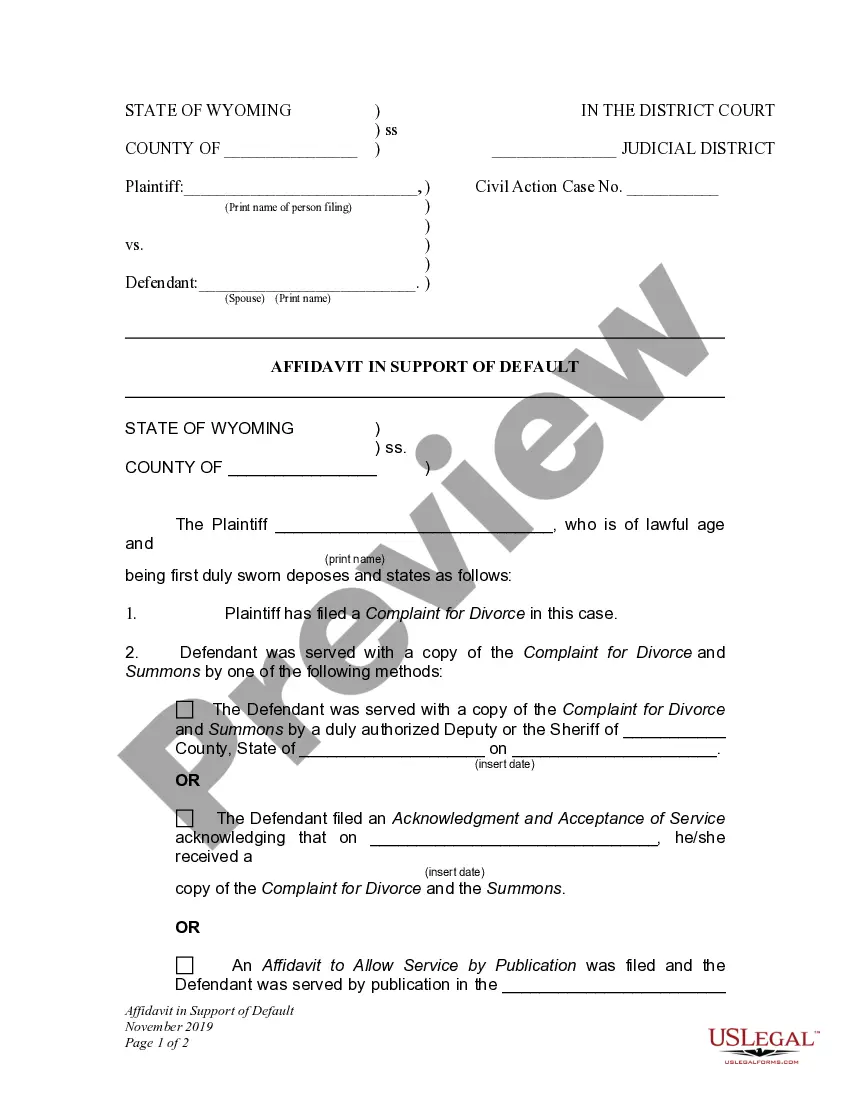
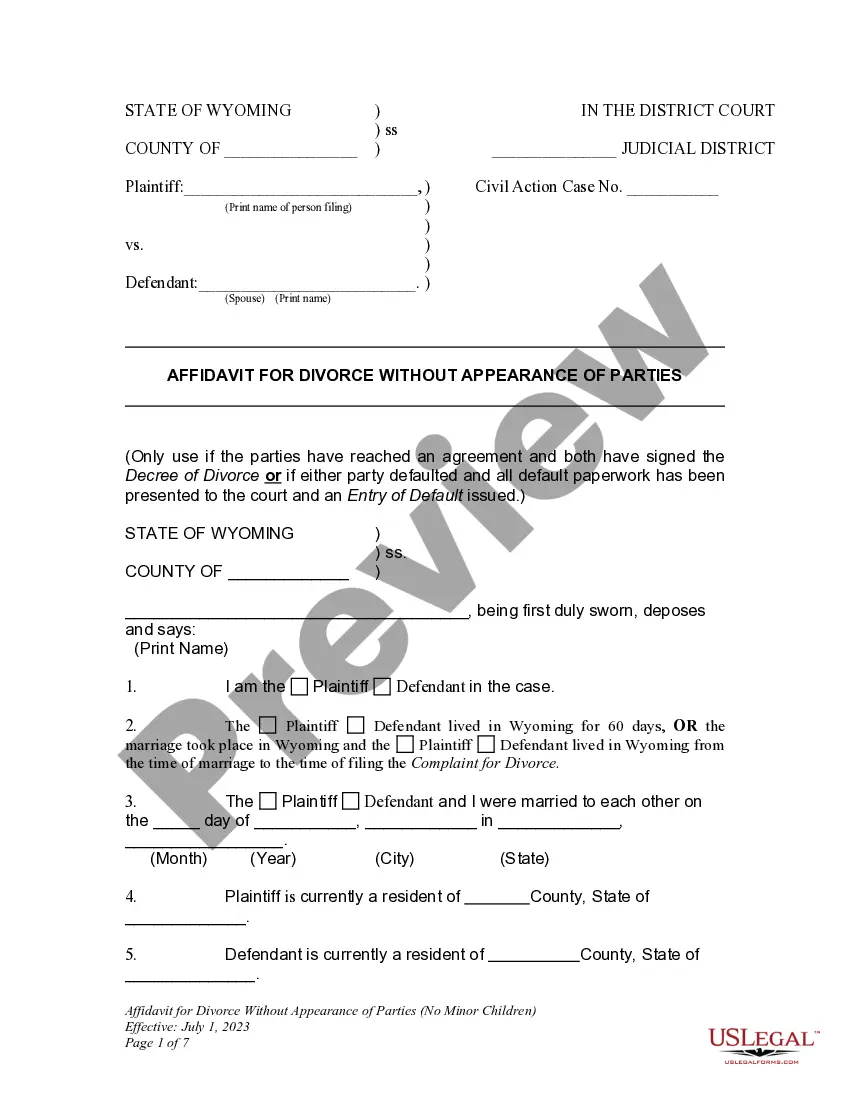
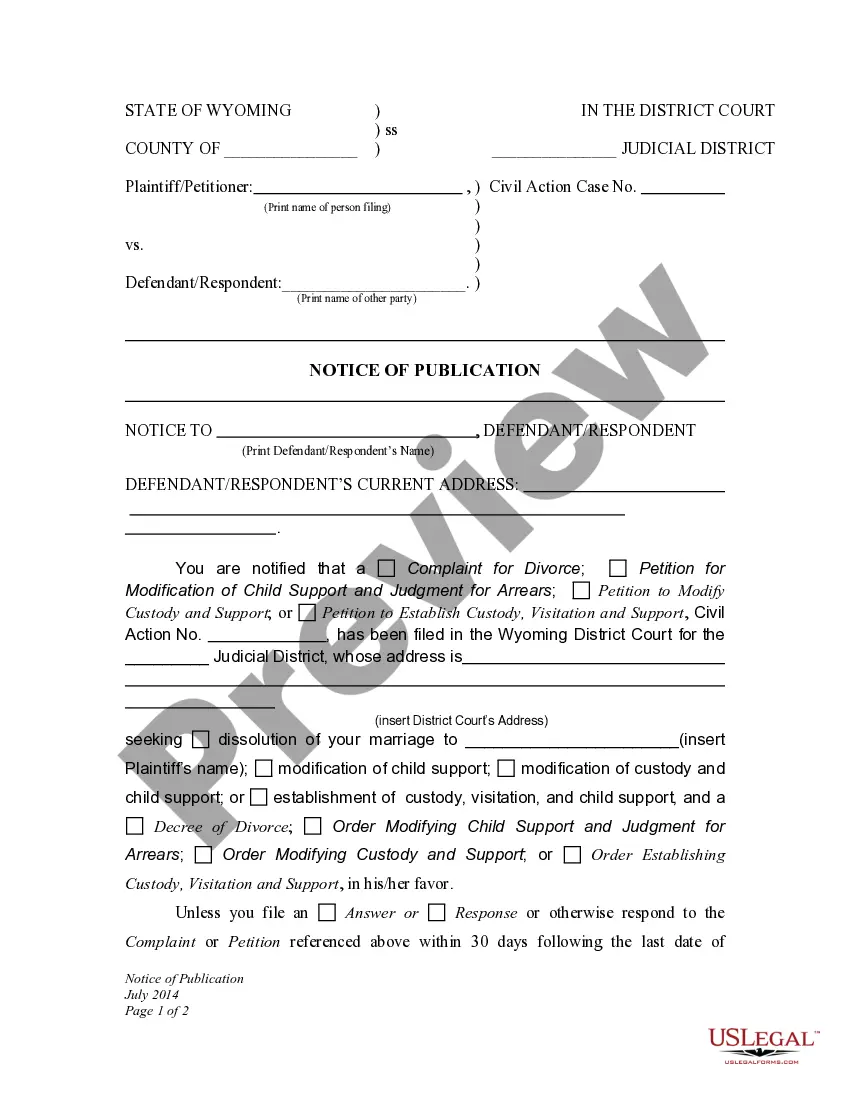
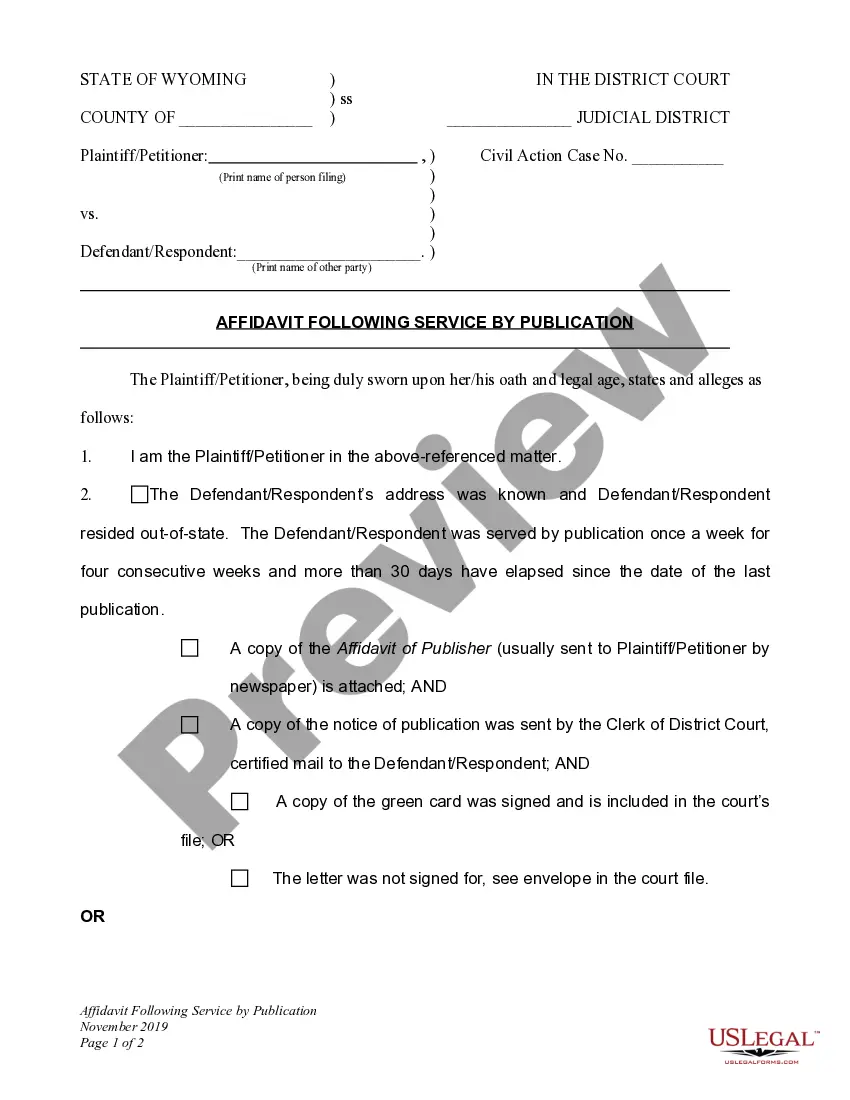
Collective Bargaining Agreement Between School District and Community Teachers' Association
What is this form?
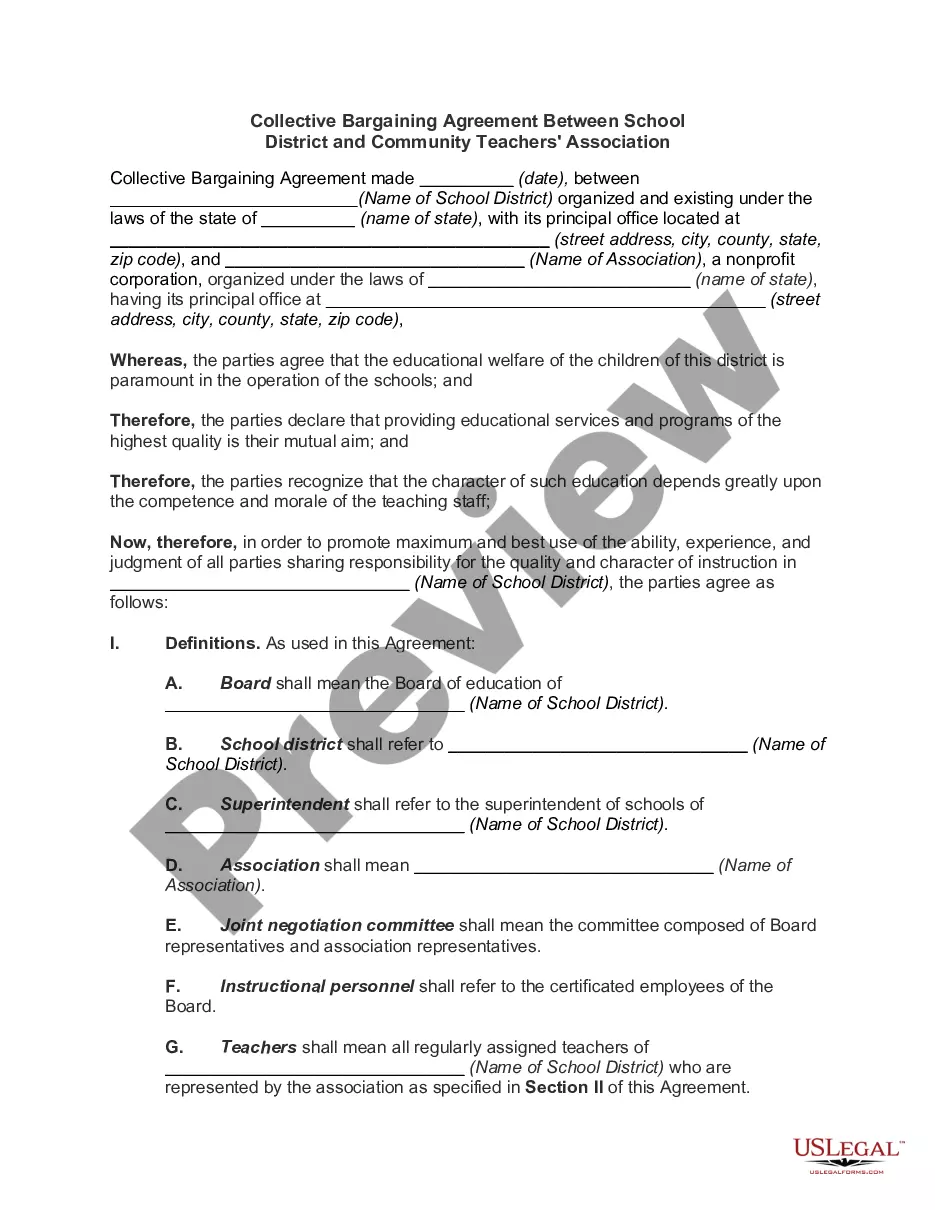
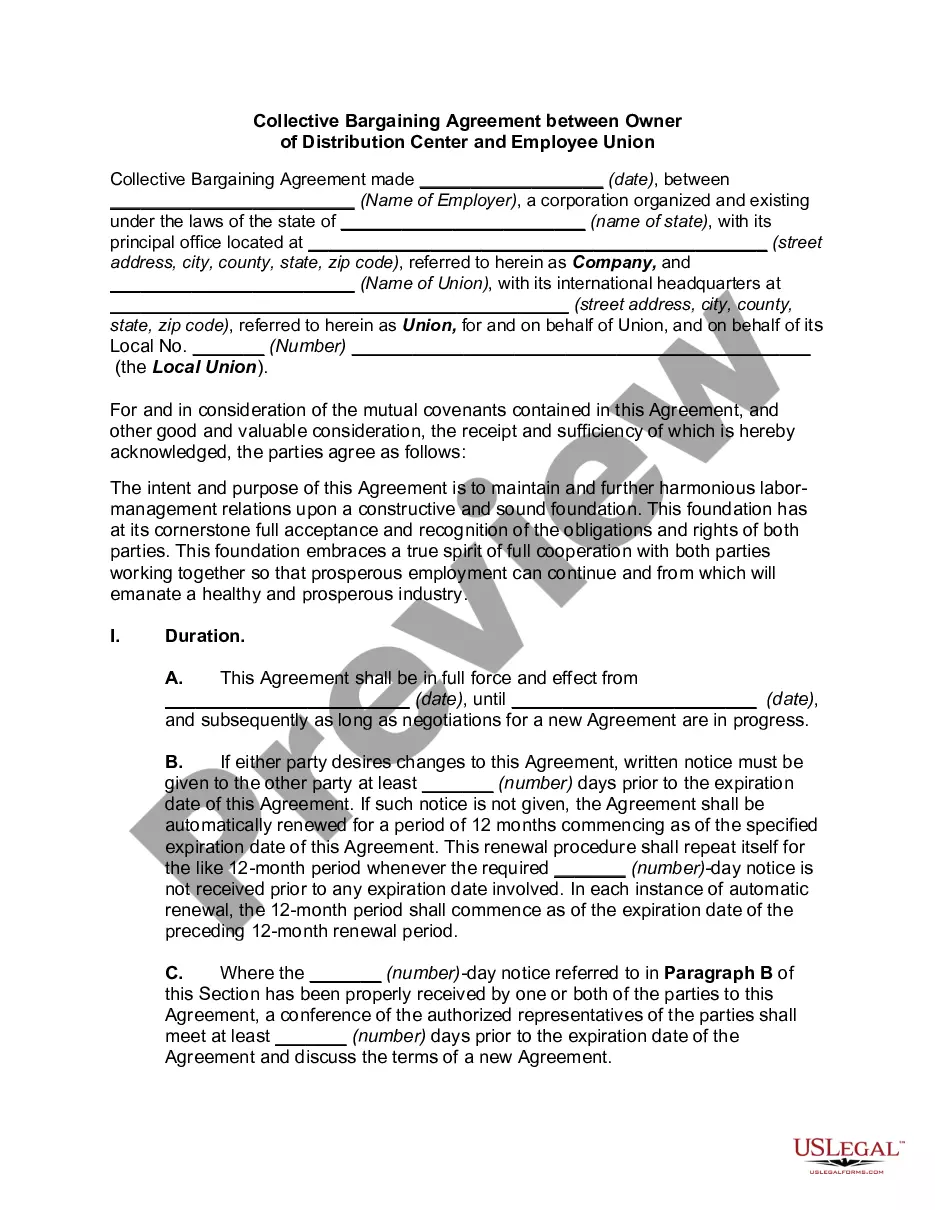
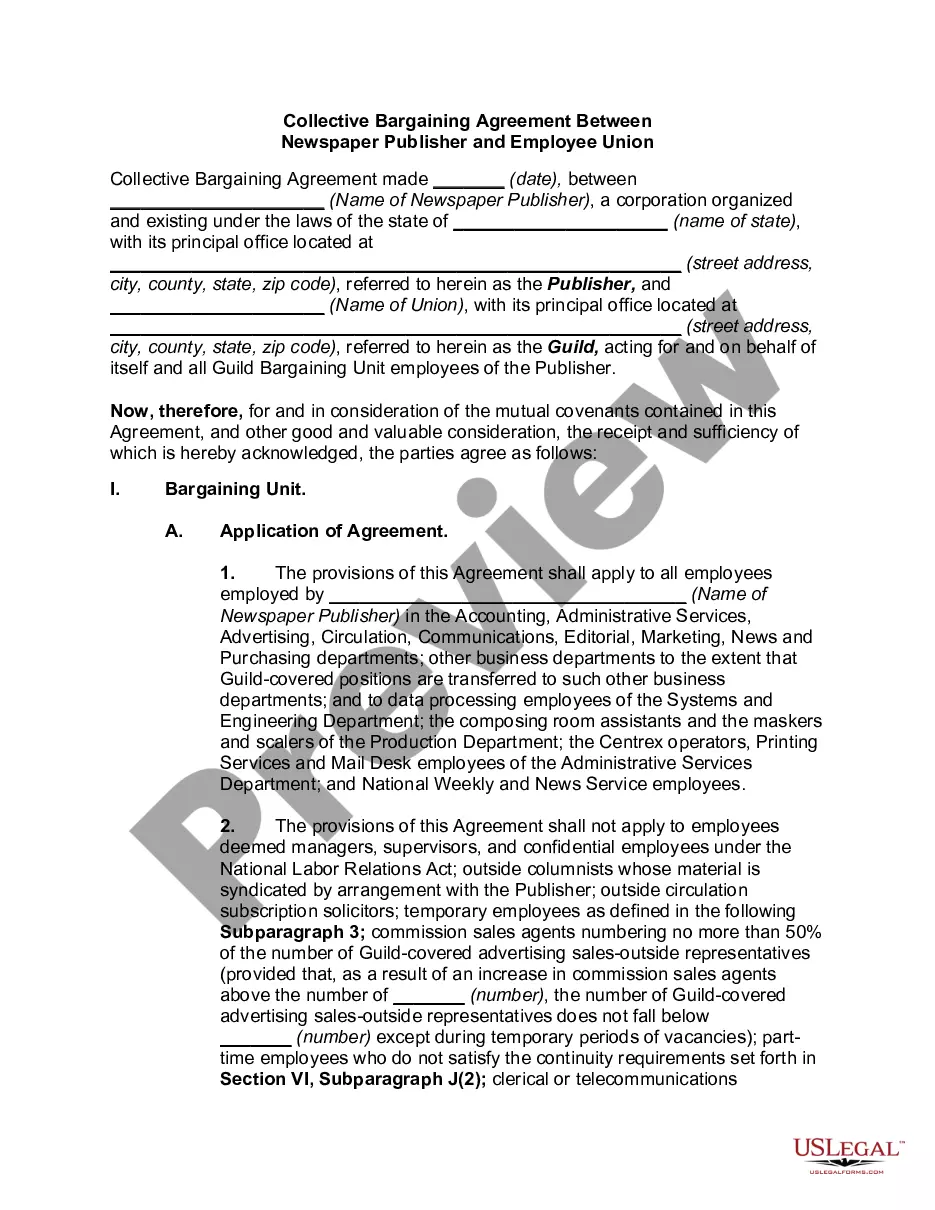
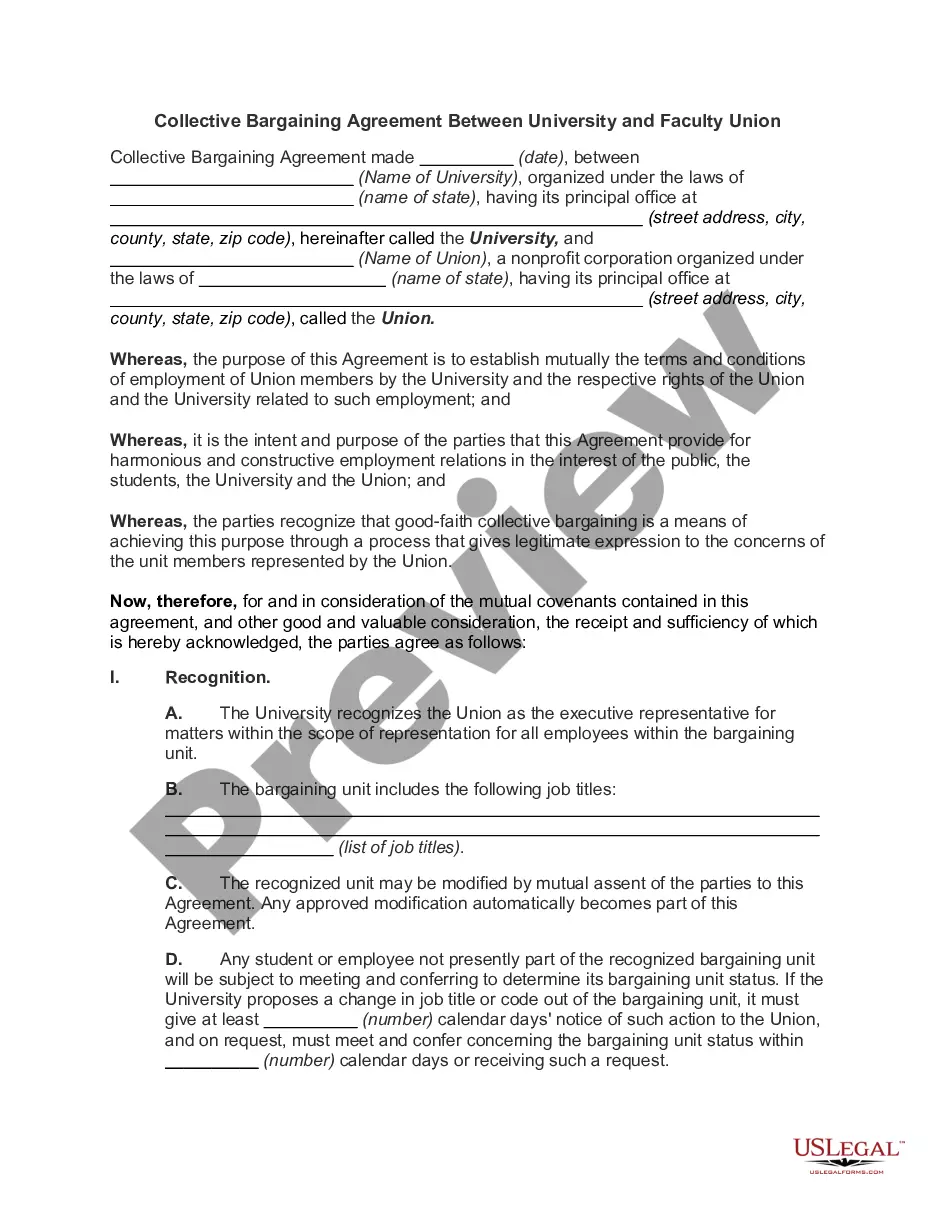
A Collective Bargaining Agreement is a formal contract that outlines the terms of employment, including hiring, working conditions, and dispute resolution between a school district and its teachers' association. This Agreement is crucial as it ensures that both parties, the school district and the union representing the teachers, collaboratively negotiate and maintain favorable working conditions while prioritizing the educational welfare of students. Unlike basic employment contracts, this Agreement specifically addresses the unique needs and rights of educators within the school environment.
Form components explained
- Definitions of terms used throughout the Agreement, such as "Board," "Superintendent," and "Association."
- Recognition clause stating the union's authority to represent instructional personnel.
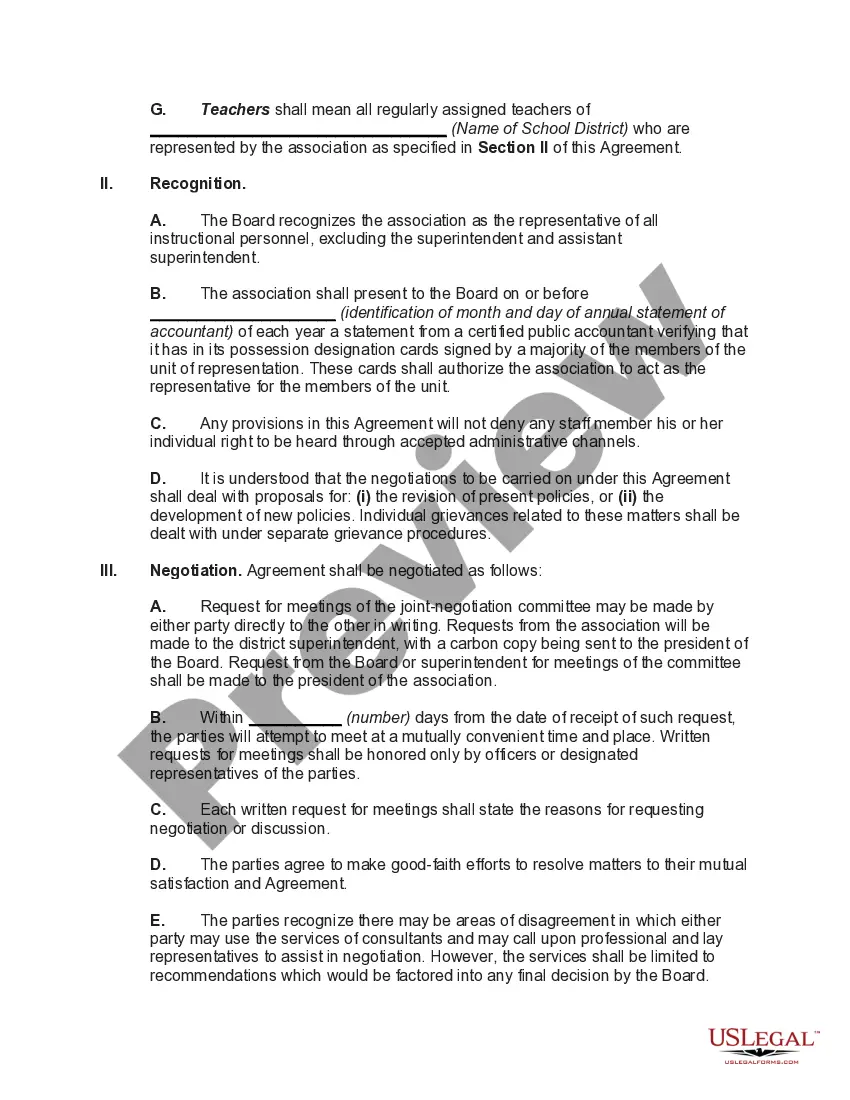
- Negotiation procedures detailing how meetings between parties will be requested and conducted.
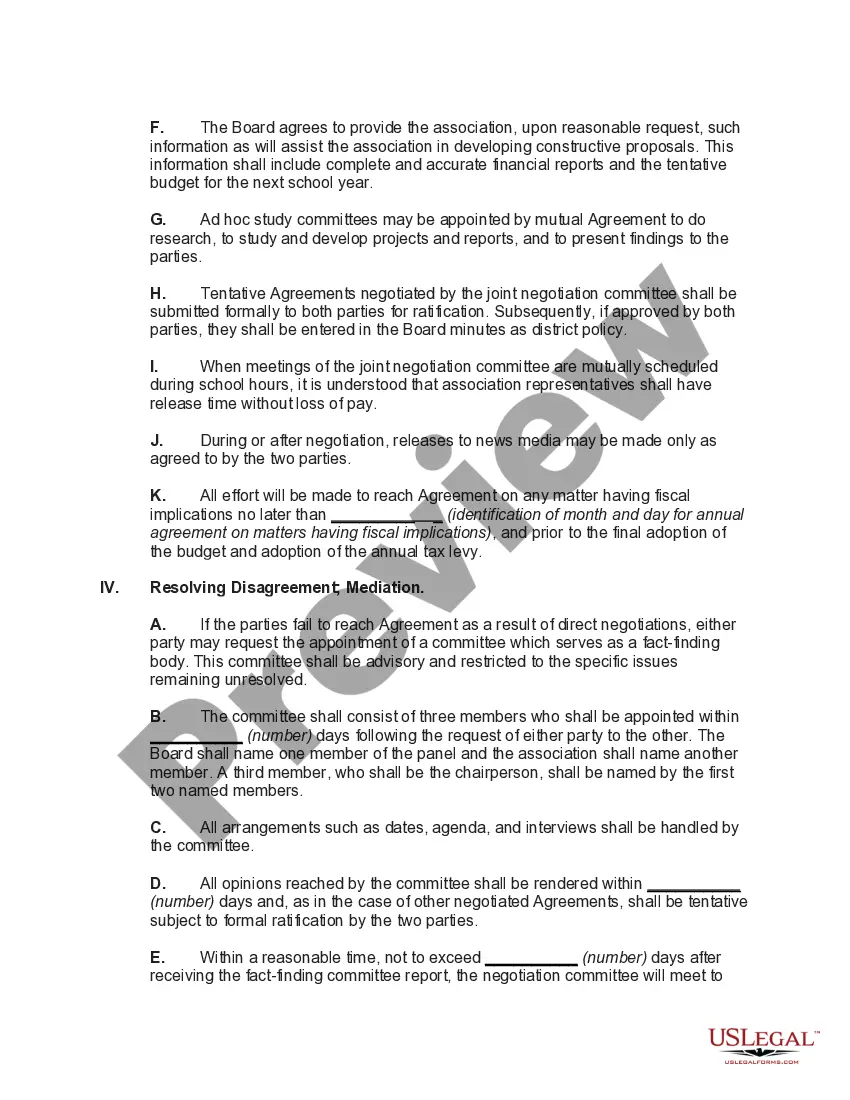
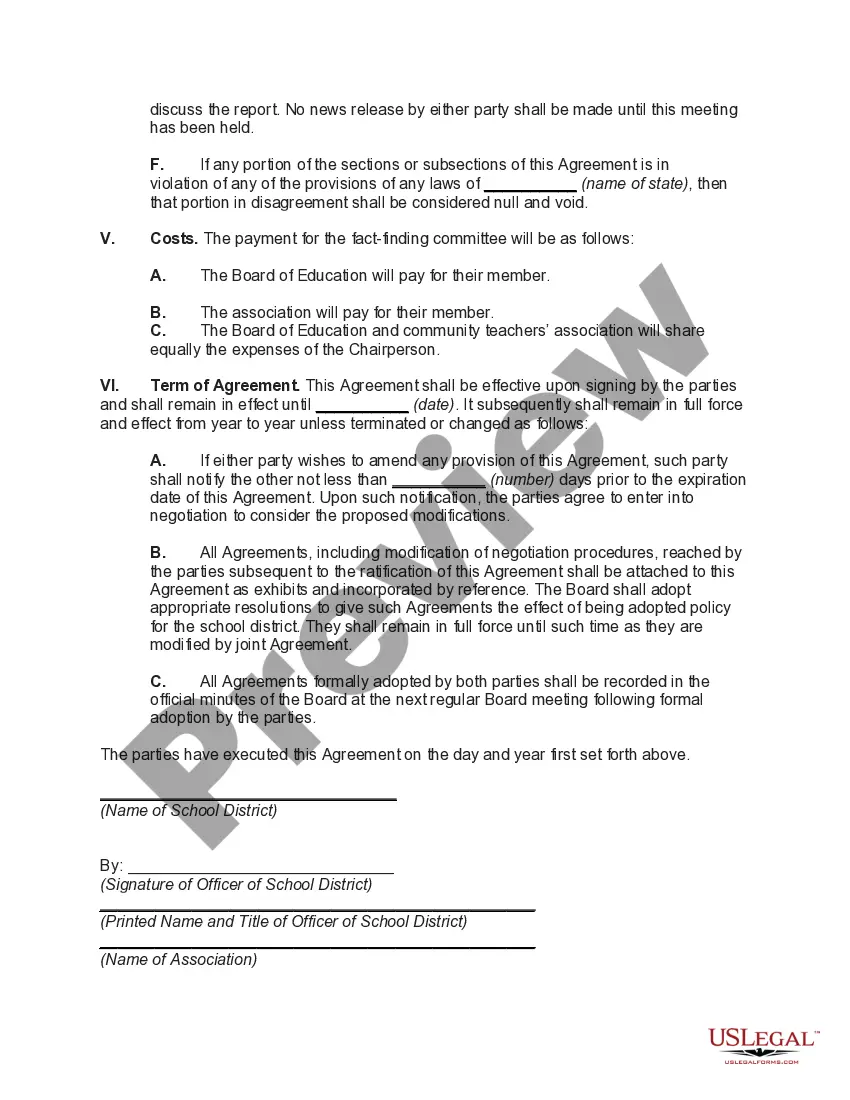
- Dispute resolution process that includes the appointment of a fact-finding committee if direct negotiations fail.
- Cost-sharing provisions related to the fact-finding committee.
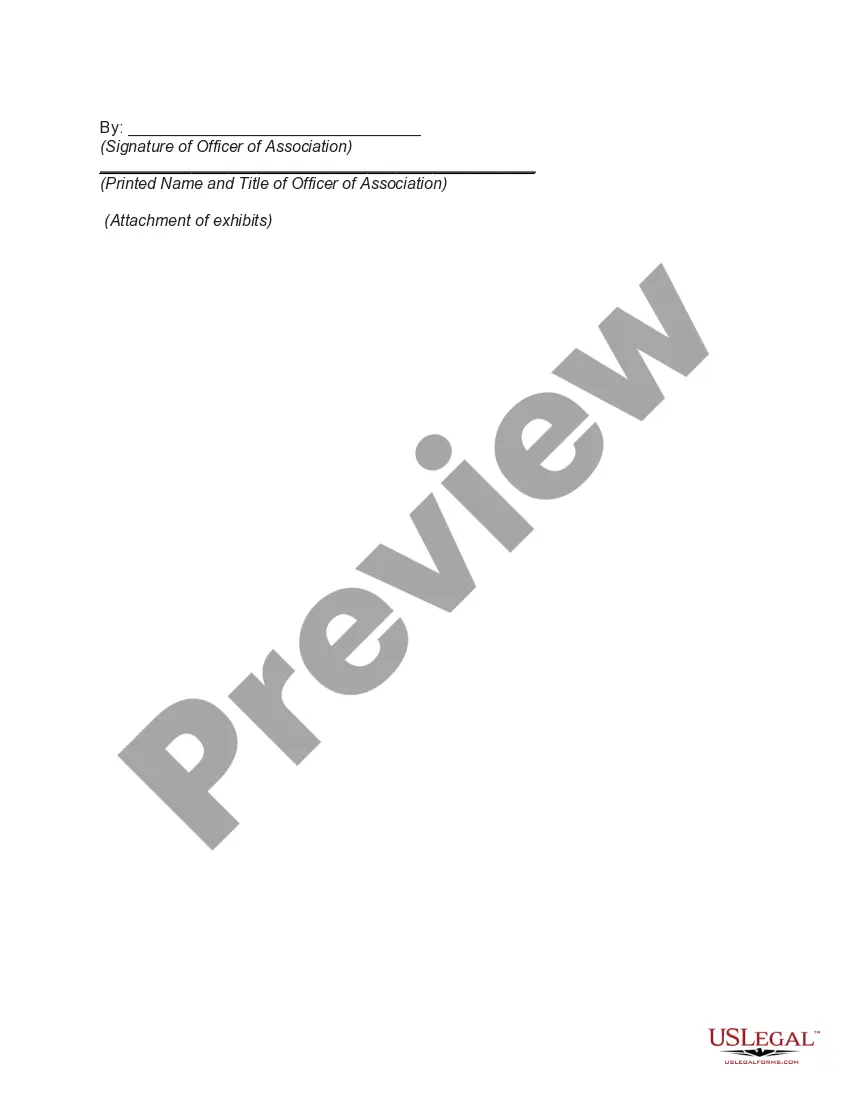
- Term of the Agreement, including renewal and modification conditions.
When to use this document
This Collective Bargaining Agreement should be used when a school district and its teachers' association need to formalize terms of employment. It's essential during negotiations for hiring practices, working conditions, salary agreements, and other employment-related decisions. This form is particularly important before contract renewals, amendments of existing agreements, or in response to changes in legislation affecting teachersâ rights and responsibilities.
Who can use this document
- School district representatives seeking to establish a formal contract with the teachers' union.
- Leaders of the community teachers' association responsible for negotiating on behalf of instructional personnel.
- Legal advisors working with educational institutions to ensure compliance with labor laws.
- Human resources personnel within the school district managing teacher contracts and negotiations.
Instructions for completing this form
- Identify and enter the names of the school district and the teachers' association involved in the Agreement.
- Specify the date when the Agreement comes into effect.
- Fill in the addresses of both parties, ensuring accuracy for official correspondence.
- Detail the agreed-upon terms regarding negotiation procedures and expectations for both parties.
- Indicate the duration of the Agreement and any conditions for amendments or renewals.
Does this form need to be notarized?
This form does not typically require notarization unless specified by local law. However, parties may choose to notarize the document to enhance its validity and formality.
Get your form ready online
Our built-in tools help you complete, sign, share, and store your documents in one place.
Make edits, fill in missing information, and update formatting in US Legal Forms—just like you would in MS Word.
Download a copy, print it, send it by email, or mail it via USPS—whatever works best for your next step.
Sign and collect signatures with our SignNow integration. Send to multiple recipients, set reminders, and more. Go Premium to unlock E-Sign.
If this form requires notarization, complete it online through a secure video call—no need to meet a notary in person or wait for an appointment.
We protect your documents and personal data by following strict security and privacy standards.

Make edits, fill in missing information, and update formatting in US Legal Forms—just like you would in MS Word.

Download a copy, print it, send it by email, or mail it via USPS—whatever works best for your next step.

Sign and collect signatures with our SignNow integration. Send to multiple recipients, set reminders, and more. Go Premium to unlock E-Sign.

If this form requires notarization, complete it online through a secure video call—no need to meet a notary in person or wait for an appointment.

We protect your documents and personal data by following strict security and privacy standards.
Common mistakes
- Failure to include all required partiesâ names and addresses, which can lead to challenges in enforcement.
- Omitting specific details regarding the negotiation process or dispute resolution methods.
- Not adhering to state-specific requirements, potentially invalidating the Agreement.
- Leaving sections blank that require customization, leading to ambiguity.
Why complete this form online
- Convenience of downloading and filling out the form at any time.
- Easy access to templates drafted by licensed attorneys, ensuring legal compliance.
- Editability allows for quick adjustments to the Agreement as needed.
- Reliable source of legal forms, tailored to meet specific contractual needs.
Looking for another form?


Form popularity
FAQ
Examples of subjects that are mandatory for bargaining include wages, benefits such as health care and pension, grievance and arbitration procedures, contract length, seniority, union security clauses, strikes and lock outs, management rights clauses, and other terms and conditions of employment.
The National Labor Relations Act (NLRA) grants most private sector employees the right to organize unions and collectively bargain.The prohibition of bargaining is considered by Human Rights Watch to be in direct violation of international human rights law.
Five, mostly overlapping, states Georgia, North Carolina, South Carolina, Virginia, plus Texas do not allow collective bargaining for teachers. North Carolina, South Carolina, and Virginia have blanket statutes that prohibit collective bargaining for all public-sector employees and do not make exceptions.
North Carolina and Virginia explicitly ban collective bargaining for public employees. In two states with long-established and comprehensive collective bargaining laws for public sector workers, Republican governments have gutted them, Wisconsin in 2011, and Iowa in 2017.
Not only is the NEA the largest teachers' union in the United States, but also the largest white-collar labor union overall. This massive union was formed through a few mergers, one of the most notable being a 1966 merger with the historically black American Teachers Association.
2013 Legislation Tennessee was the only state to pass legislation, prohibiting waiver of rights to join or refrain from joining a union.
Wages. Working hours and conditions. Employee benefits. Grievance and arbitration procedures. Limitations on strikes. The union's rights and responsibilities. Management's rights and responsibilities.
Some of the most famous illegal strikes in recent years have been the teachers strikes. Because government employees are not covered by the NLRA, they are subject to state laws. And in West Virginia, Kentucky, and Oklahoma, it's illegal for public school teachers to strike.
There are two main national teachers unions in the USA: the National Education Association (NEA) and the American Federation of Teachers (AFT).