Trustee Site
Description
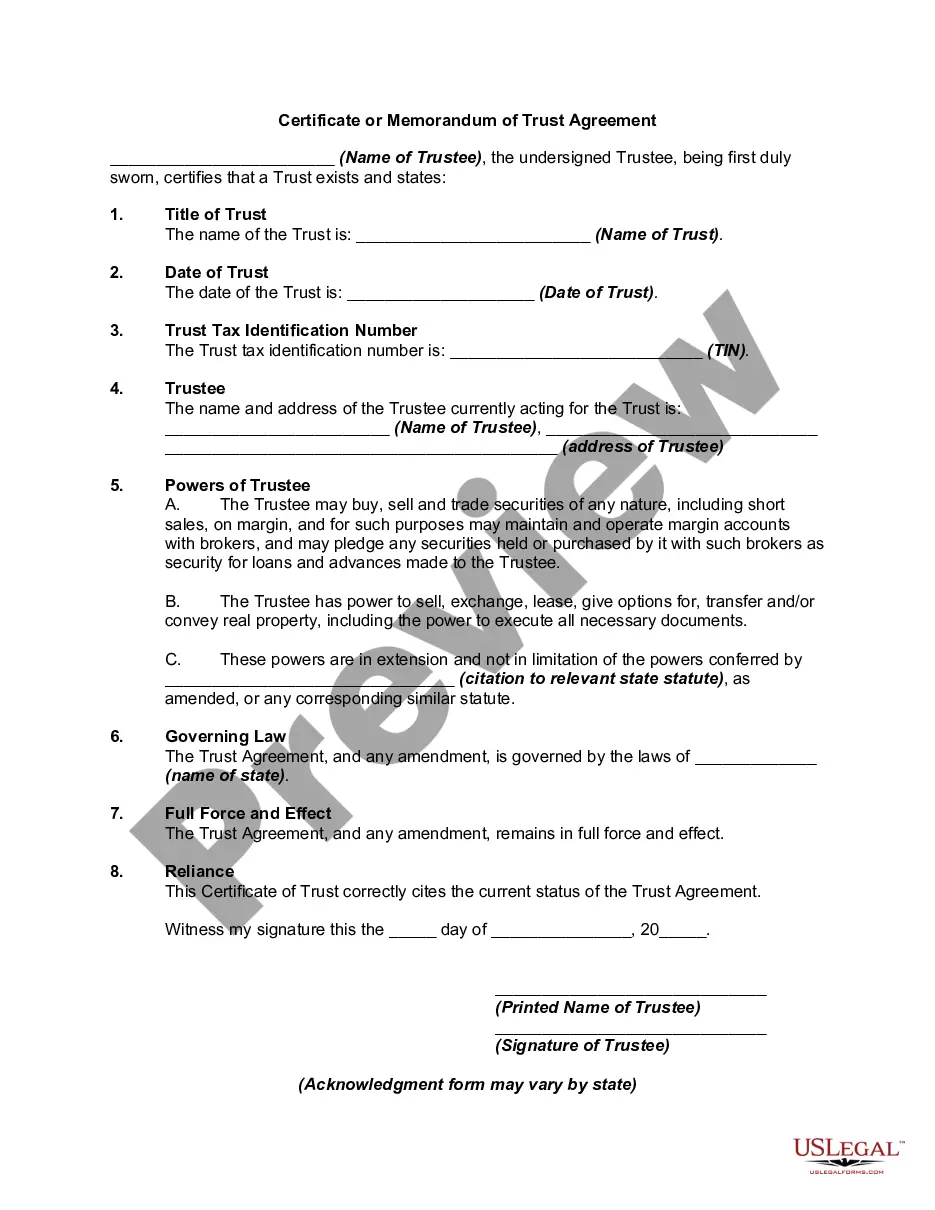

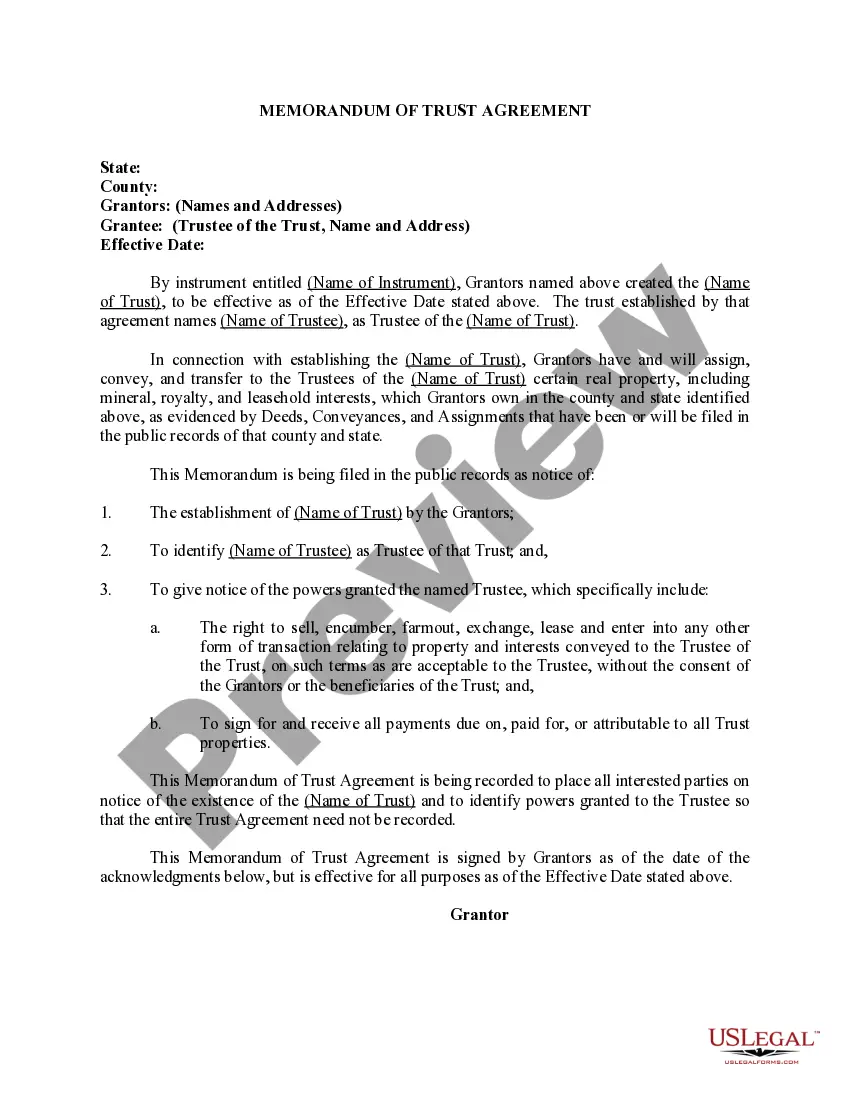
Get your form ready online
Our built-in tools help you complete, sign, share, and store your documents in one place.
Make edits, fill in missing information, and update formatting in US Legal Forms—just like you would in MS Word.
Download a copy, print it, send it by email, or mail it via USPS—whatever works best for your next step.
Sign and collect signatures with our SignNow integration. Send to multiple recipients, set reminders, and more. Go Premium to unlock E-Sign.
If this form requires notarization, complete it online through a secure video call—no need to meet a notary in person or wait for an appointment.
We protect your documents and personal data by following strict security and privacy standards.

Make edits, fill in missing information, and update formatting in US Legal Forms—just like you would in MS Word.

Download a copy, print it, send it by email, or mail it via USPS—whatever works best for your next step.

Sign and collect signatures with our SignNow integration. Send to multiple recipients, set reminders, and more. Go Premium to unlock E-Sign.

If this form requires notarization, complete it online through a secure video call—no need to meet a notary in person or wait for an appointment.

We protect your documents and personal data by following strict security and privacy standards.
Looking for another form?






How to fill out Certificate Or Memorandum Of Trust Agreement?
- If you're a returning user, log in to your account. Confirm your subscription is active; renew if necessary to ensure uninterrupted access.
- For new users, begin by browsing through the extensive library of over 85,000 fillable legal forms. Check the form descriptions carefully to find the one that fits your requirements and complies with local jurisdiction.
- If your search yields unsatisfactory results, use the Search tab to explore other related templates. Make sure to verify that the selected document meets your needs.
- To acquire your chosen document, click the Buy Now button. You'll need to choose a subscription plan that fits your usage, which will require account registration for full access.
- Proceed to checkout by entering your payment details—either a credit card or PayPal—to finalize your subscription and gain access to the document.
- Download the form directly to your device, allowing you to complete it at your convenience. You can always revisit your saved documents in the My Forms section of your account. When in doubt, remember you can consult premium experts available through the site for assistance.
By following these straightforward steps, you'll easily navigate the trustee site and access the necessary legal forms without hassle. This user-centric design not only saves time but ensures all documents are legally sound and tailored to your needs.
Ready to simplify your legal document needs? Start exploring the US Legal Forms trustee site today!
Form popularity
FAQ
Yes, trustee fees are considered income and must be reported to the IRS. These fees should be included in the trust's accounting and reported accordingly on the trustee's tax returns. By utilizing the trusted tools available on the trustee site, you can ensure accurate reporting and compliance with IRS regulations.
Trust income is typically reported to the IRS using IRS Form 1041, depending on the structure of the trust. The trustee is responsible for filing this form and providing any beneficiaries with their respective K-1 forms, which outline their portion of the trust's income. The trustee site can offer valuable resources to make this reporting process straightforward.
Reporting trustee income involves completing the appropriate tax forms and including trust income on your personal tax return if you are the beneficiary. It’s essential to document all income accurately to prevent any misunderstandings with the IRS. The trustee site provides step-by-step guides to help you navigate this process with ease.
Yes, if the trust earns income, you may receive a 1099 form detailing that income. This form is an important document for reporting purposes on your personal tax return. The trustee site can assist you in understanding how to manage these forms effectively, ensuring you remain compliant with IRS requirements.
Yes, trustees are generally required to file a tax return for the trust if it generates income. This requirement ensures that any income generated by the trust is reported accurately. The trustee site provides guides and forms necessary for fulfilling this obligation seamlessly. It's important to stay compliant to avoid any penalties.
Choosing the right trustee is crucial for managing your trust. Ideally, you should appoint someone who is responsible, trustworthy, and has financial acumen. Consider a family member, a close friend, or even a professional like an attorney or financial advisor. The trustee site offers resources to help you make this decision confidently.
The best place to open a trust account often depends on your specific circumstances and location. Look for banks or financial institutions that offer beneficial fees, quality service, and digital access. Trustee sites can help you find reputable institutions tailored to your trust management needs.
To get a trustee account, you need to select a financial institution that provides these services. After gathering necessary documentation like the trust agreement and identification, you can apply for the account at the bank. Many trustee sites offer step-by-step guides to simplify this process.
The best choice for a trustee depends on several factors, including trust management skills and familiarity with your family's needs. You can opt for a family member, a friend, or a professional service. Trustee sites can aid you in evaluating potential candidates and understanding the implications of your choice.
Various banks and credit unions propose trust accounts, each with distinct terms and benefits. Common options include national banks like Bank of America and local banks that provide personalized services. Researching trustee sites can help you compare these offerings and find the best fit for your specific needs.