Trusts Irrevocable
Description

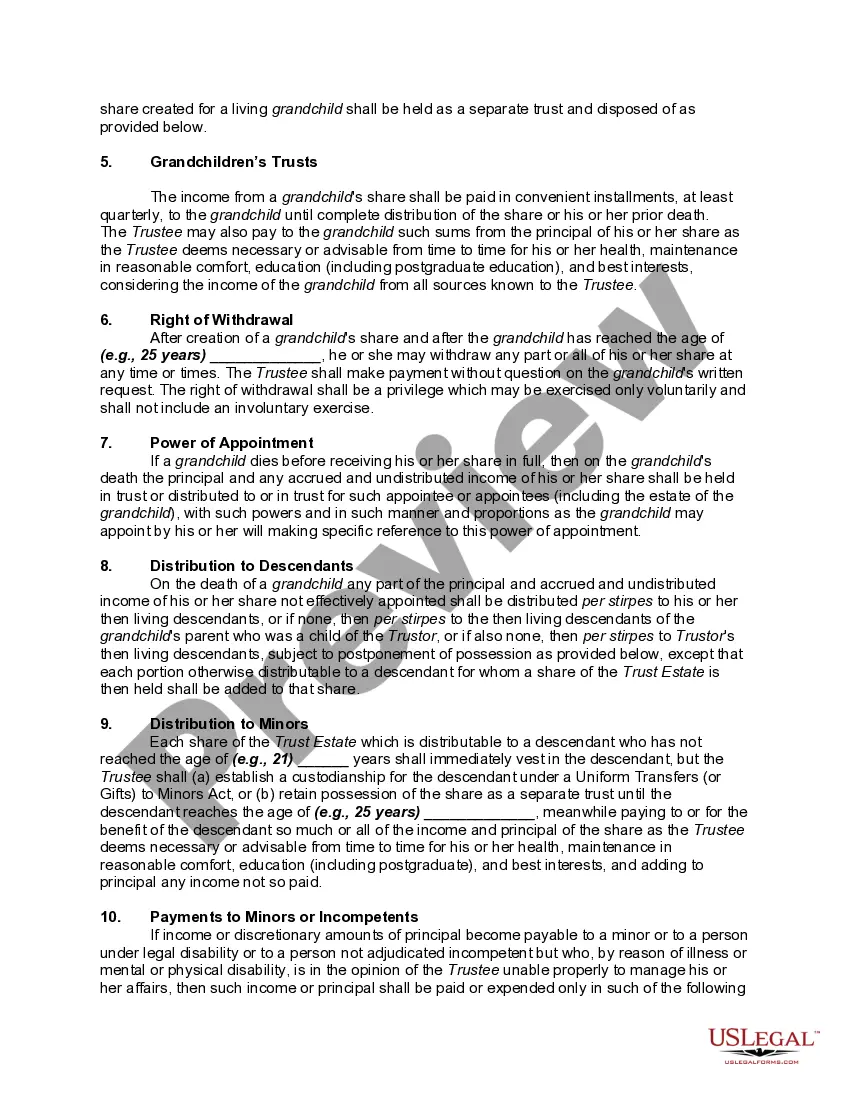
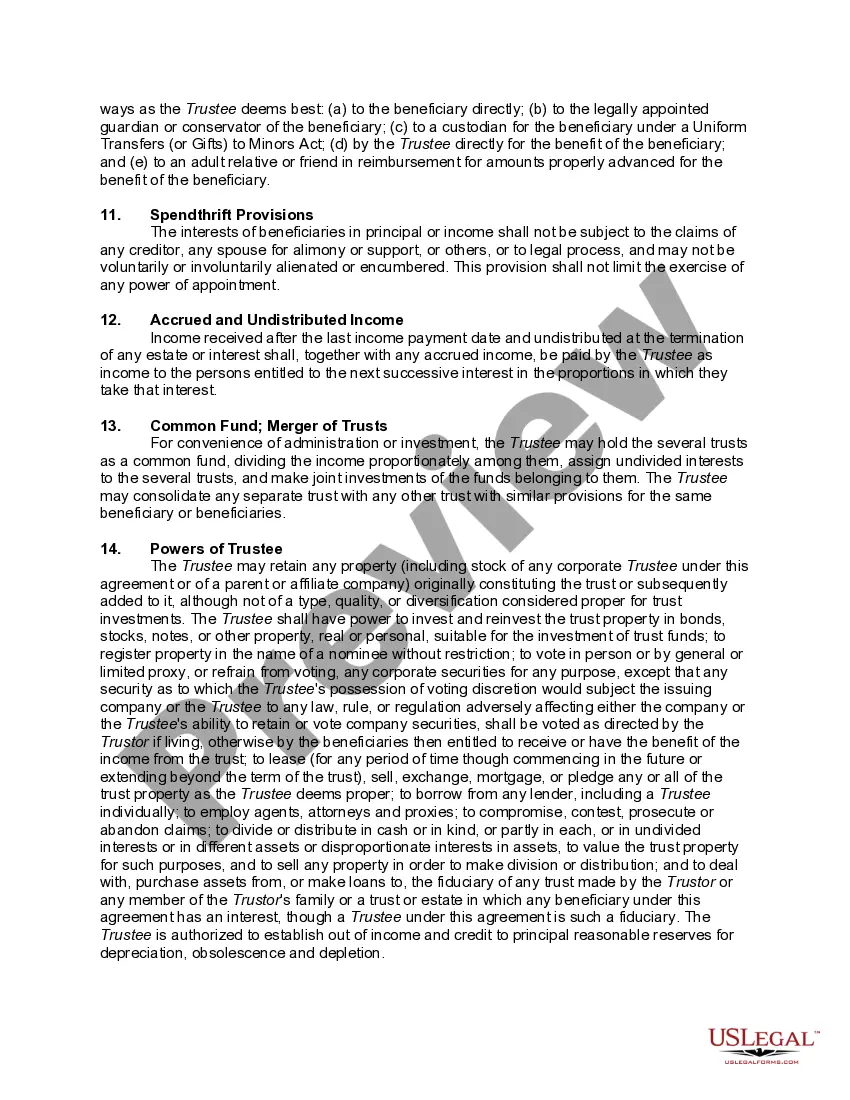
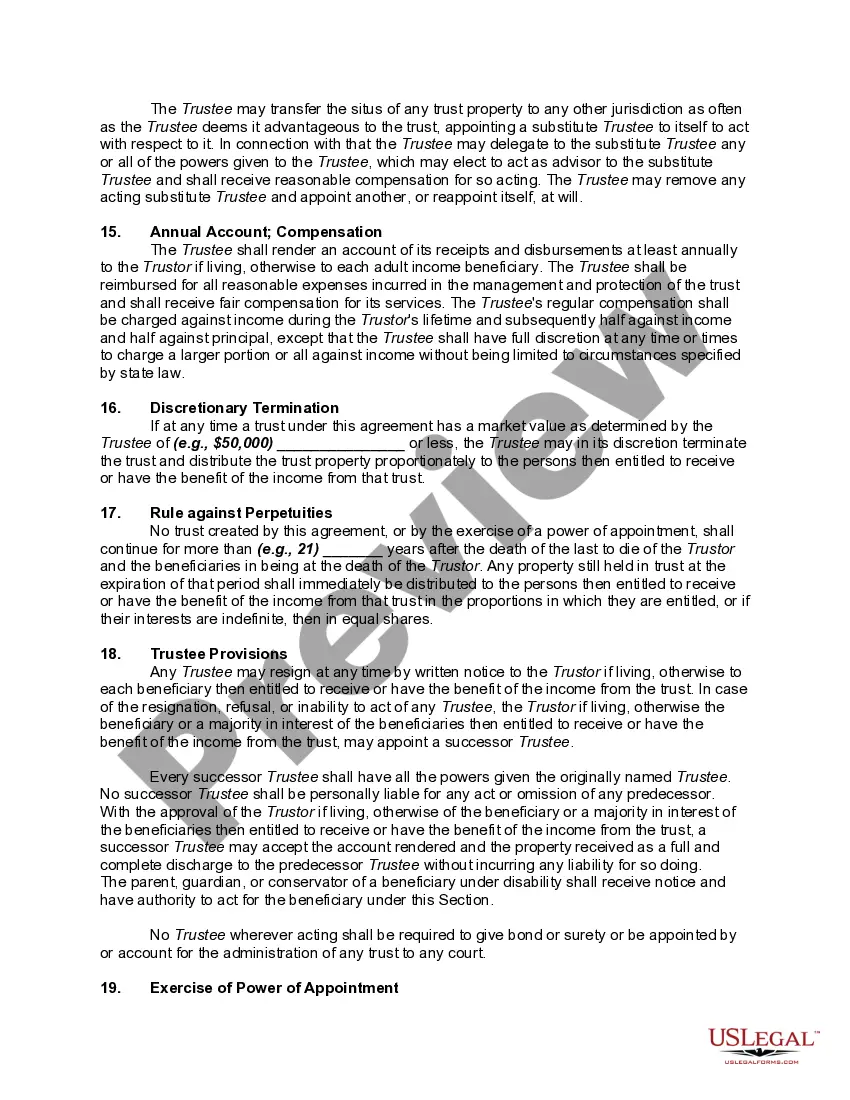
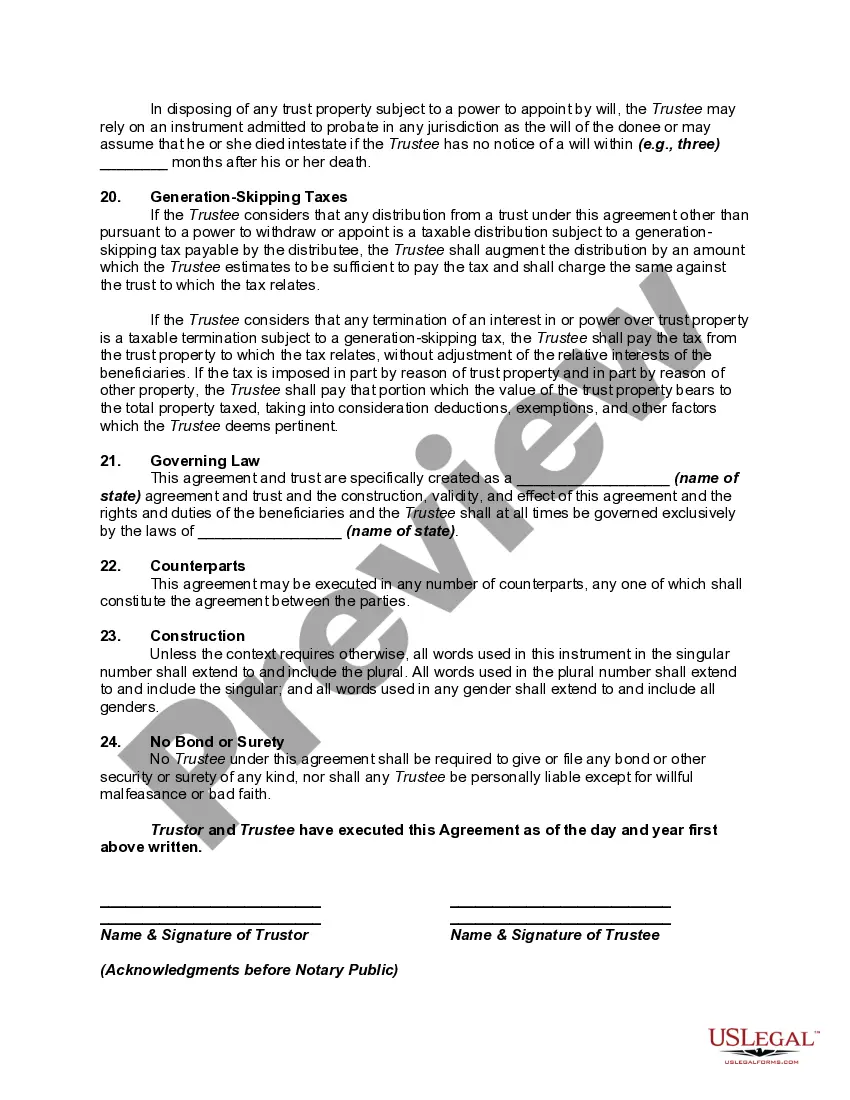


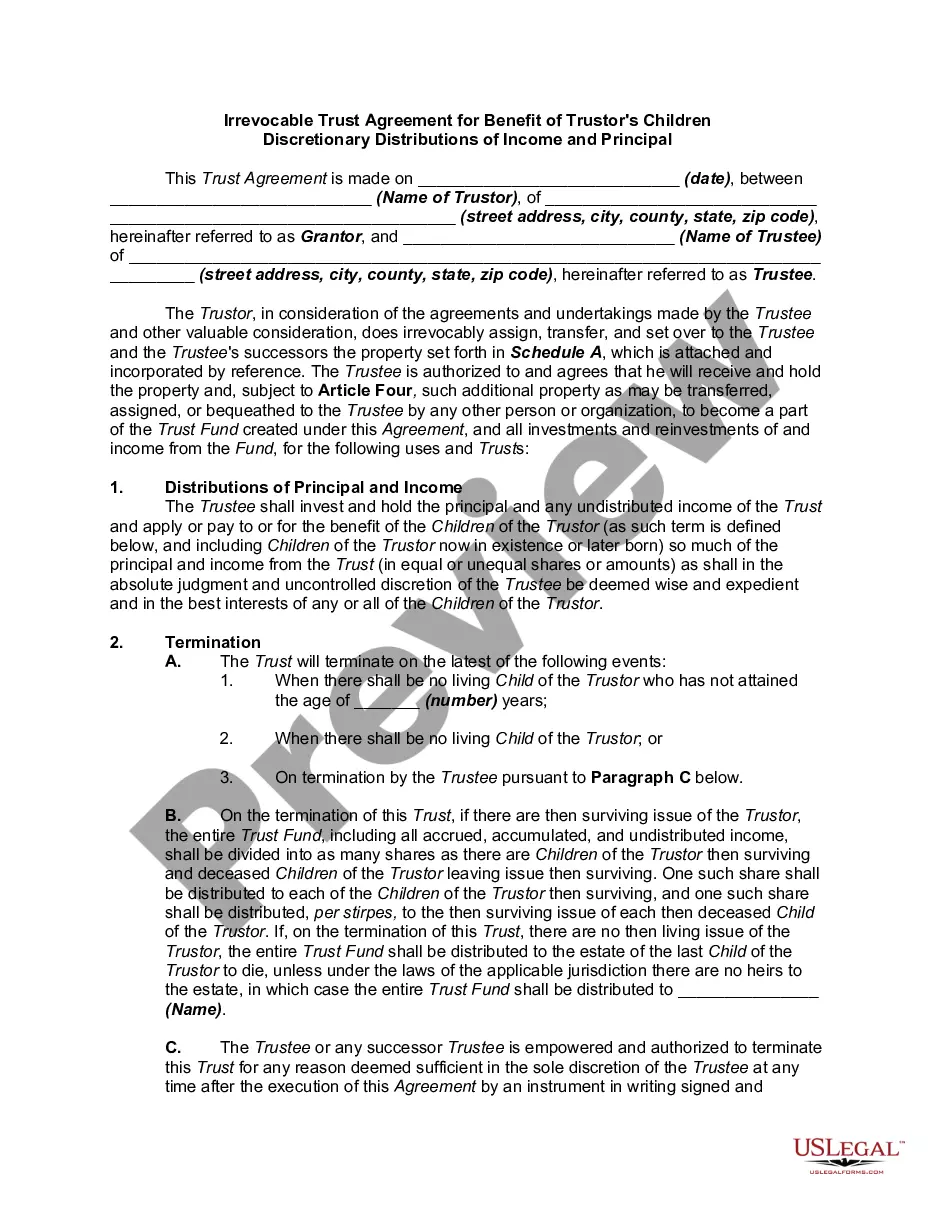
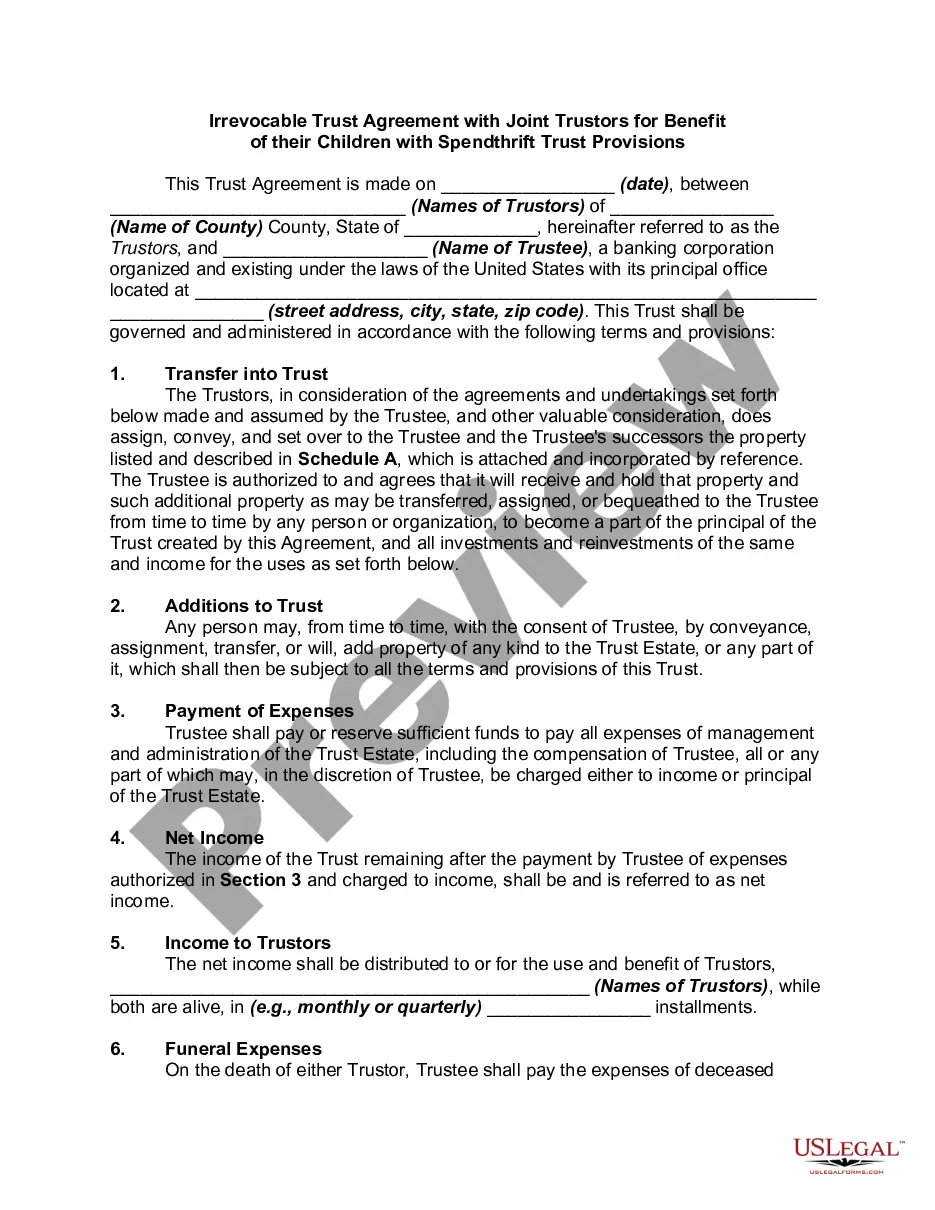

Get your form ready online
Our built-in tools help you complete, sign, share, and store your documents in one place.
Make edits, fill in missing information, and update formatting in US Legal Forms—just like you would in MS Word.
Download a copy, print it, send it by email, or mail it via USPS—whatever works best for your next step.
Sign and collect signatures with our SignNow integration. Send to multiple recipients, set reminders, and more. Go Premium to unlock E-Sign.
If this form requires notarization, complete it online through a secure video call—no need to meet a notary in person or wait for an appointment.
We protect your documents and personal data by following strict security and privacy standards.

Make edits, fill in missing information, and update formatting in US Legal Forms—just like you would in MS Word.

Download a copy, print it, send it by email, or mail it via USPS—whatever works best for your next step.

Sign and collect signatures with our SignNow integration. Send to multiple recipients, set reminders, and more. Go Premium to unlock E-Sign.

If this form requires notarization, complete it online through a secure video call—no need to meet a notary in person or wait for an appointment.

We protect your documents and personal data by following strict security and privacy standards.
Looking for another form?





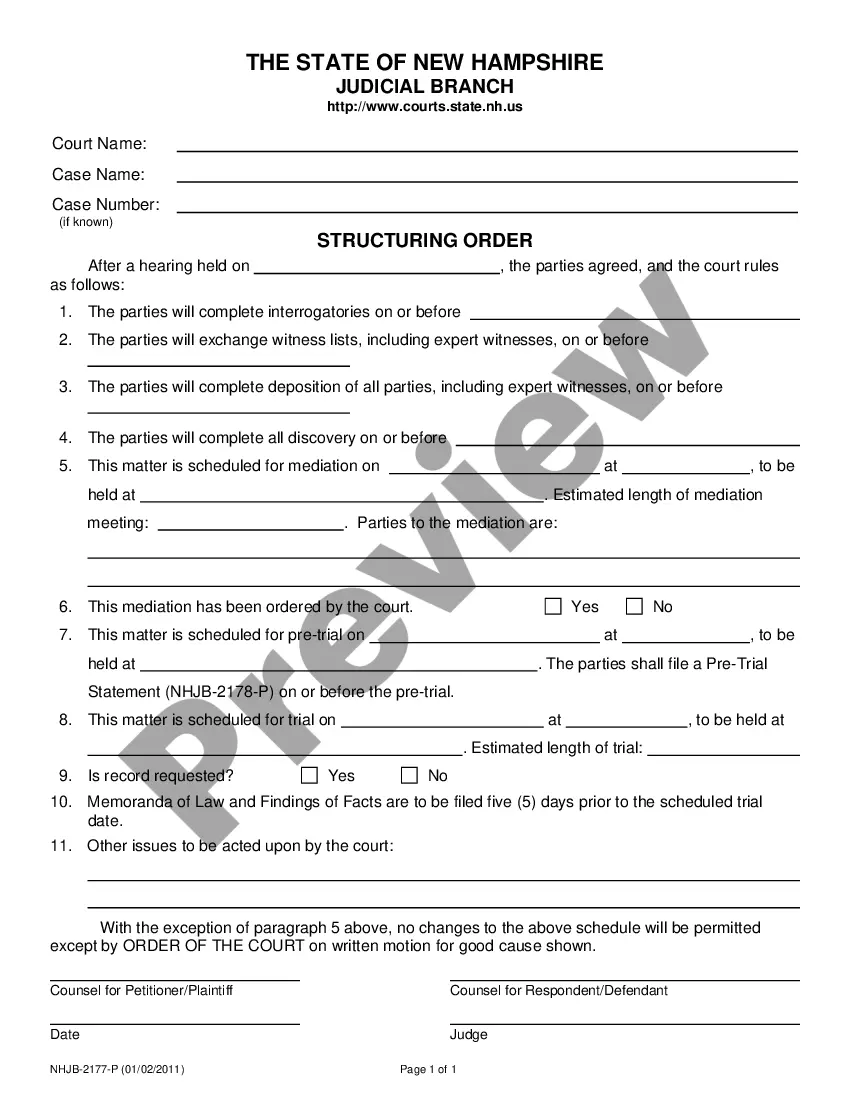
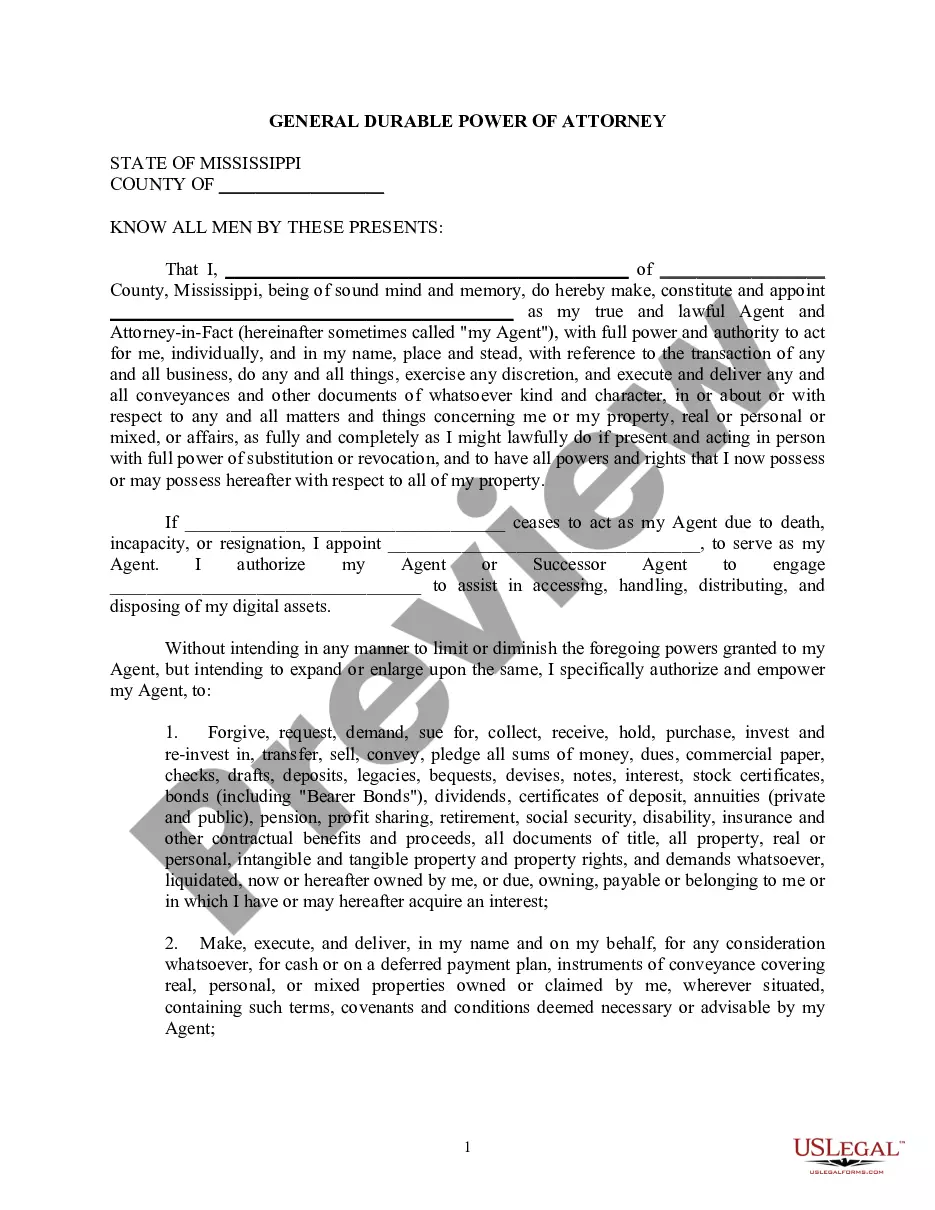

How to fill out Irrevocable Trust Agreement For Benefit Of Trustor's Children And Grandchildren With Spendthrift Trust Provisions?
- Log in to your account if you are a returning user, ensuring your subscription is active. If not, renew it according to your payment plan.
- Explore the Preview mode and form descriptions to find the appropriate 'trusts irrevocable' template that meets your specific requirements and complies with local jurisdiction.
- If your first choice doesn't meet your needs, utilize the Search tab to find alternative templates that suit your situation.
- Once you identify the correct document, click the 'Buy Now' button and select a subscription plan that best fits your needs, remembering to create an account for full access.
- Proceed to checkout by entering your payment information, either via credit card or PayPal, to finalize your purchase.
- Download your selected form and save it on your device, enabling easy access and completion. Remember, you can find it anytime in the 'My Forms' section of your profile.
In conclusion, US Legal Forms simplifies the process of obtaining 'trusts irrevocable' documents with its extensive library and user-friendly interface. With more forms available than competitors, this platform empowers both individuals and attorneys to ensure accuracy and efficiency in legal documentation.
Start your journey with US Legal Forms today and experience the convenience of hassle-free legal document management.
Form popularity
FAQ
New updates regarding irrevocable trusts often involve changes in tax laws and regulations around estate planning. These rules can affect how trusts are treated financially and legally. Staying informed about any changes to IRS rules or state laws is vital for effective trust management. Resources like US Legal Forms can keep you updated and help navigate these changes.
One of the most significant mistakes parents make is failing to communicate their intentions and plans with their children. This lack of transparency can lead to misunderstandings during challenging times. Additionally, ensuring that the trust fund aligns with your family's specific needs and financial goals is essential. A platform like US Legal Forms can assist in creating a clear and effective trust structure.
The IRS treats irrevocable trusts as separate taxable entities. This means that the trust must file its tax returns and can also be subject to special tax rules, including those on income distribution. Understanding these rules is crucial because the trust's income can impact your overall tax situation. Consulting tax professionals familiar with trusts irrevocable is highly recommended.
An irrevocable trust is valid when it is properly created according to state laws. Key elements include a clear declaration of intent, identifiable trust property, and a designated trustee. Additionally, all parties involved must have the legal capacity to understand the trust terms. Using US Legal Forms can help ensure you adhere to all legal standards.
Generally, you do not have to file an irrevocable trust with the court. The trust operates outside of probate and remains private unless a legal dispute arises. Keep in mind that certain trusts, like those with real estate, may need to be recorded. Consulting legal resources can clarify specifics based on your situation.
Yes, you can create an irrevocable trust yourself, but the process requires careful attention to detail. It is crucial to ensure the trust meets legal requirements and includes favorite clauses to secure your assets effectively. Many find using a platform like US Legal Forms a helpful resource, as it provides templates and guidance to simplify the process.
You typically do not need to file an irrevocable trust with any government office. However, you may need to prepare and maintain copies of the document in secure locations, such as with your lawyer or in a safety deposit box. If the trust holds real estate, you should record the trust in the county where the property is located. Using platforms like US Legal Forms can guide you through the proper documentation process.
Making a trust irrevocable can provide valuable benefits, such as tax advantages and asset protection. By transferring assets into an irrevocable trust, you can remove them from your taxable estate, which may lower taxes for your heirs. Additionally, this type of trust protects the assets from creditors, ensuring that your beneficiaries will receive their intended inheritance.
Generally, assets that require regular access or are subject to significant fluctuations should not be placed in an irrevocable trust. For example, personal residences or high-liability vehicles may not be suitable, as they can require frequent decision-making. Additionally, assets with values that change quickly, such as collectibles or certain investments, might be better held outside of such a trust.
One significant downside of irrevocable trusts is that the grantor cannot modify or terminate the trust without the beneficiaries' consent. This lack of control may concern individuals who want flexibility in managing their assets. Additionally, assets transferred to an irrevocable trust are usually not available to the grantor, which may limit their access to those funds in times of need.