Sample Irrevocable Trust For Minor Child
Description



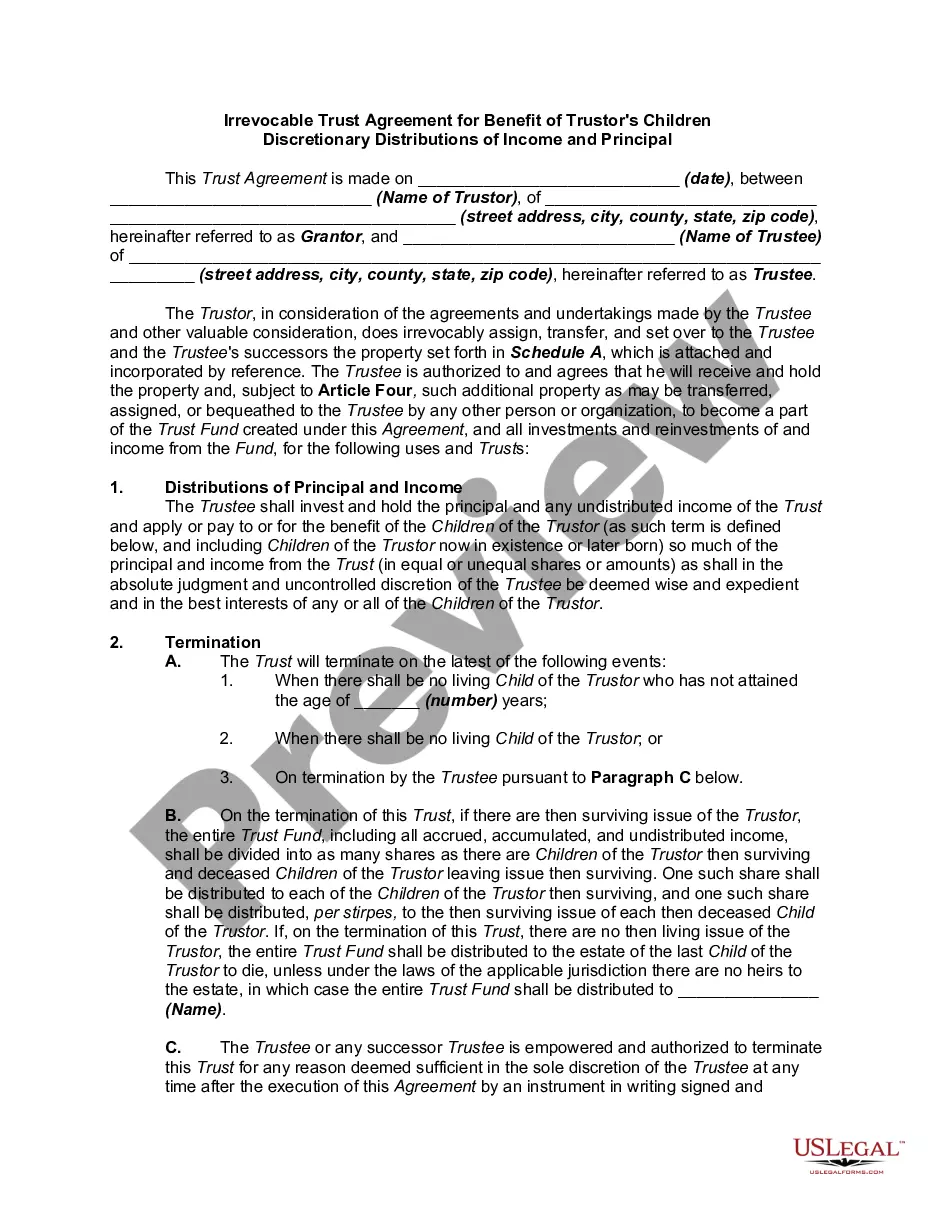
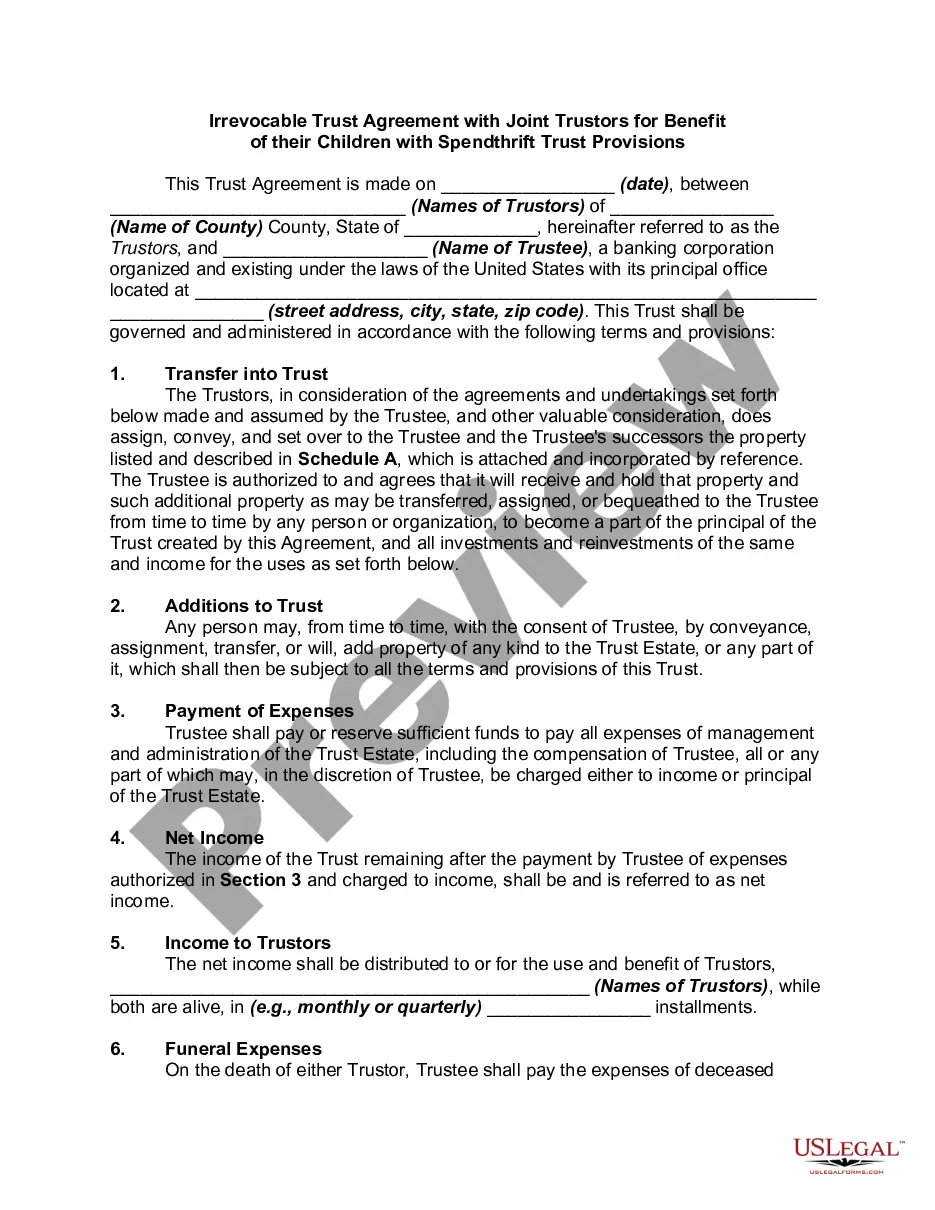

Get your form ready online
Our built-in tools help you complete, sign, share, and store your documents in one place.
Make edits, fill in missing information, and update formatting in US Legal Forms—just like you would in MS Word.
Download a copy, print it, send it by email, or mail it via USPS—whatever works best for your next step.
Sign and collect signatures with our SignNow integration. Send to multiple recipients, set reminders, and more. Go Premium to unlock E-Sign.
If this form requires notarization, complete it online through a secure video call—no need to meet a notary in person or wait for an appointment.
We protect your documents and personal data by following strict security and privacy standards.

Make edits, fill in missing information, and update formatting in US Legal Forms—just like you would in MS Word.

Download a copy, print it, send it by email, or mail it via USPS—whatever works best for your next step.

Sign and collect signatures with our SignNow integration. Send to multiple recipients, set reminders, and more. Go Premium to unlock E-Sign.

If this form requires notarization, complete it online through a secure video call—no need to meet a notary in person or wait for an appointment.

We protect your documents and personal data by following strict security and privacy standards.
Looking for another form?
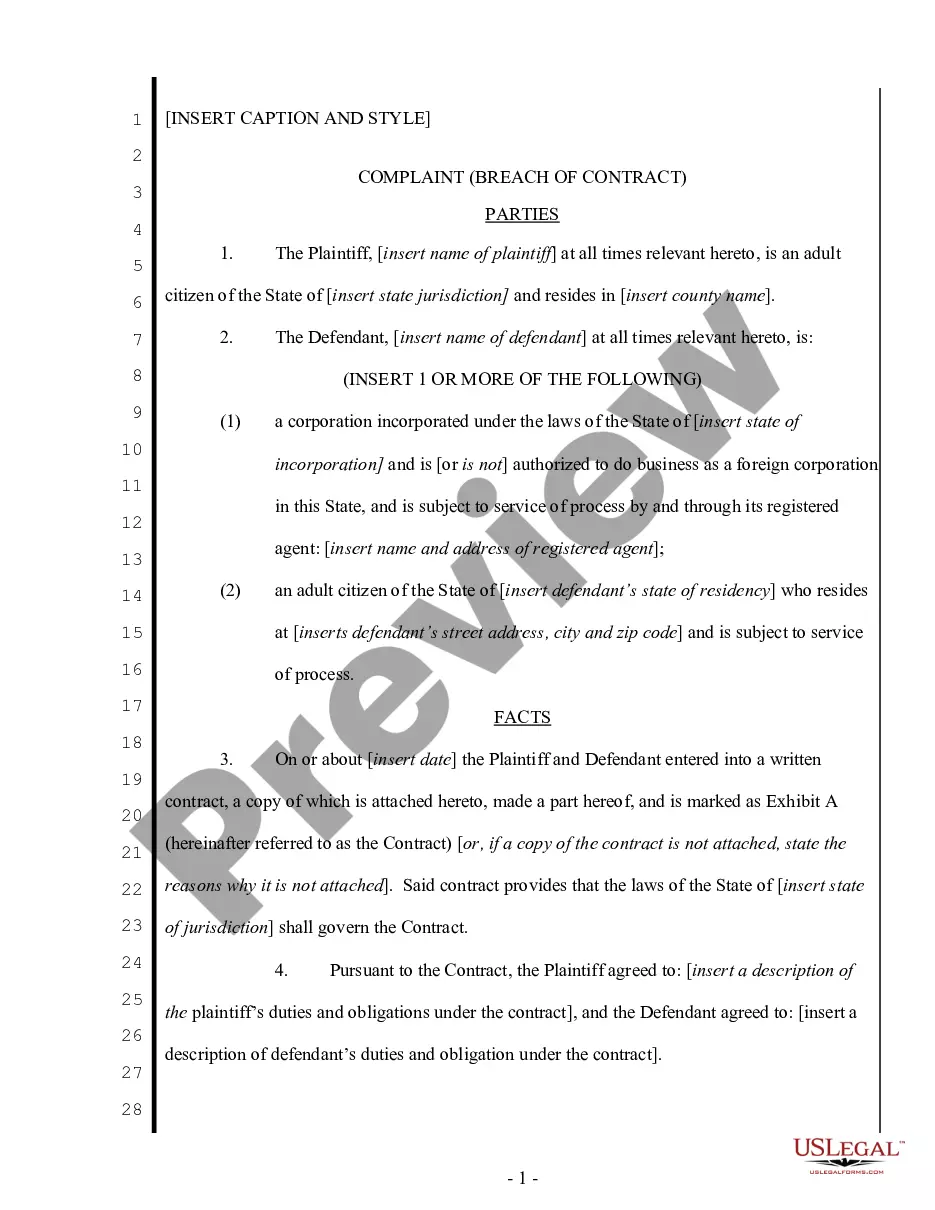

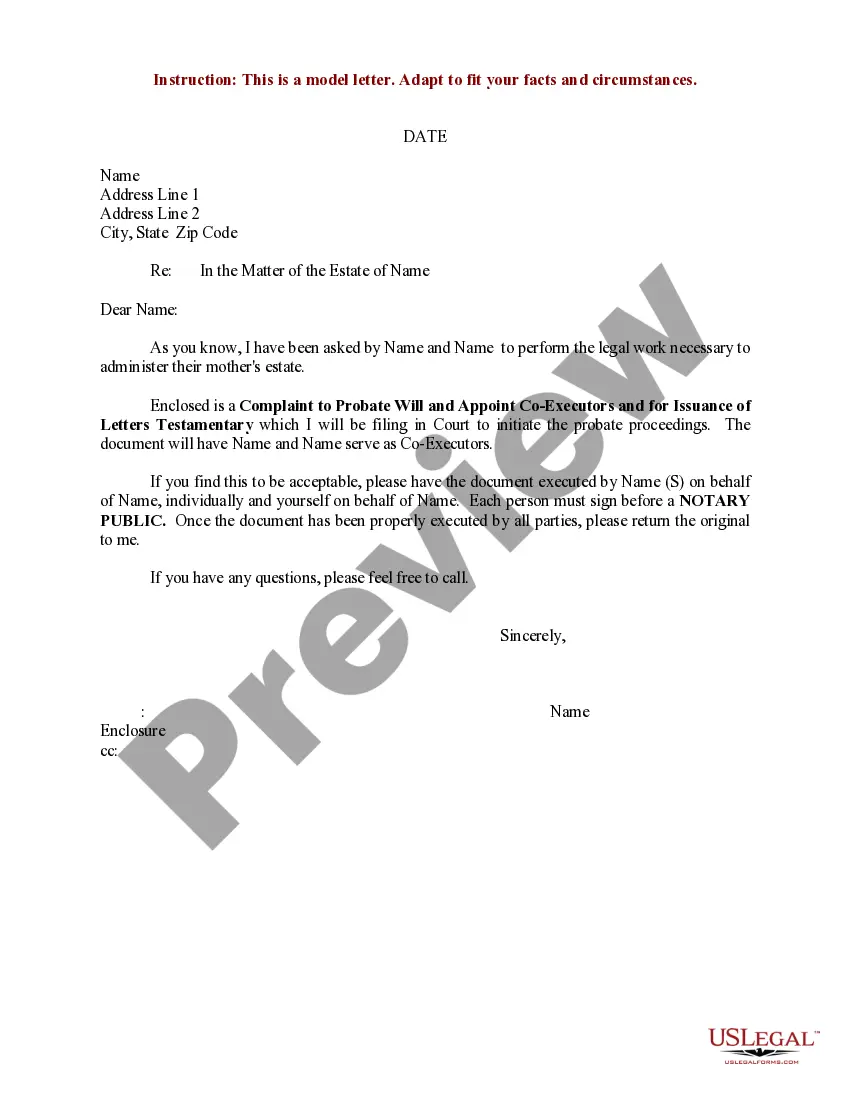
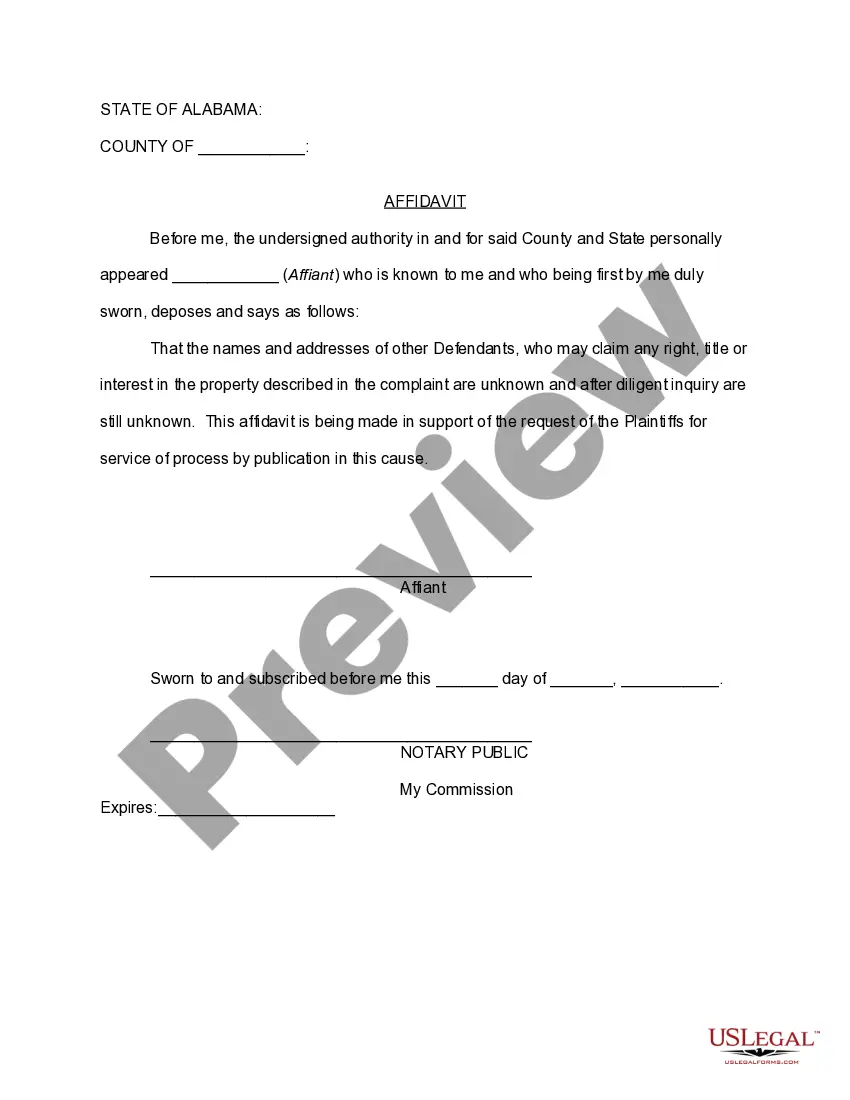
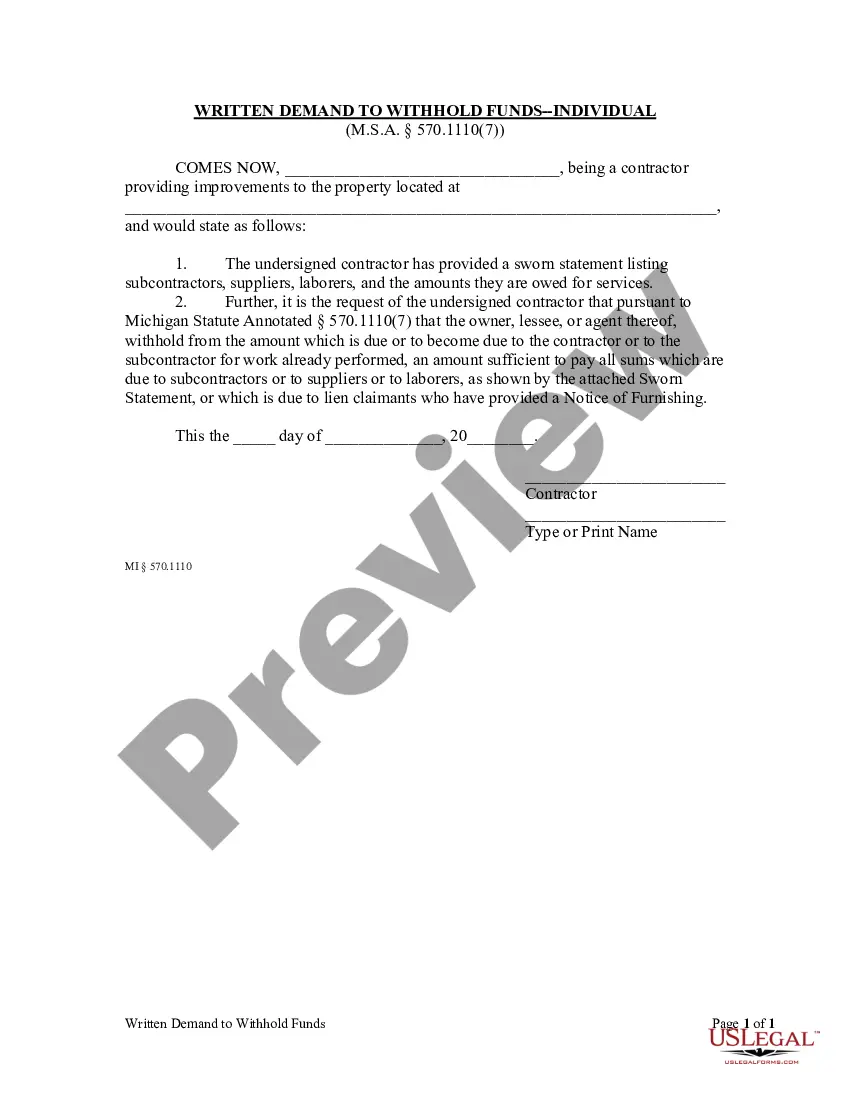
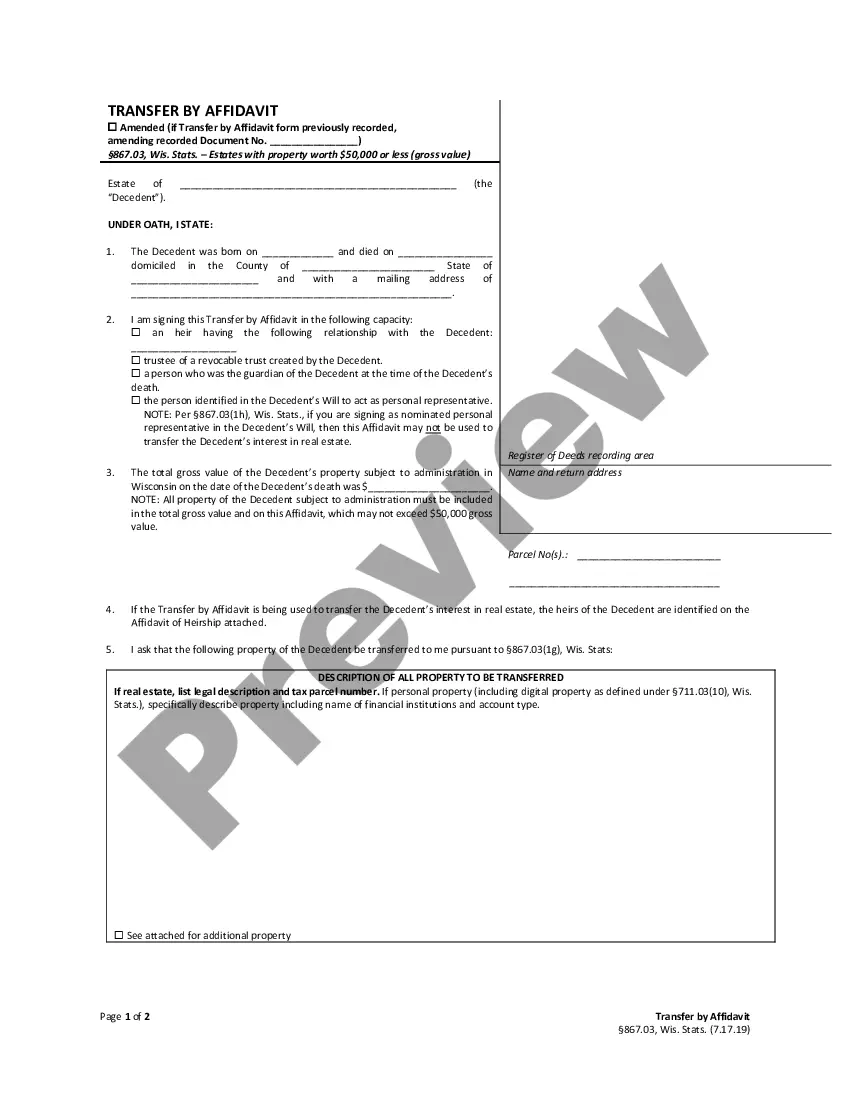
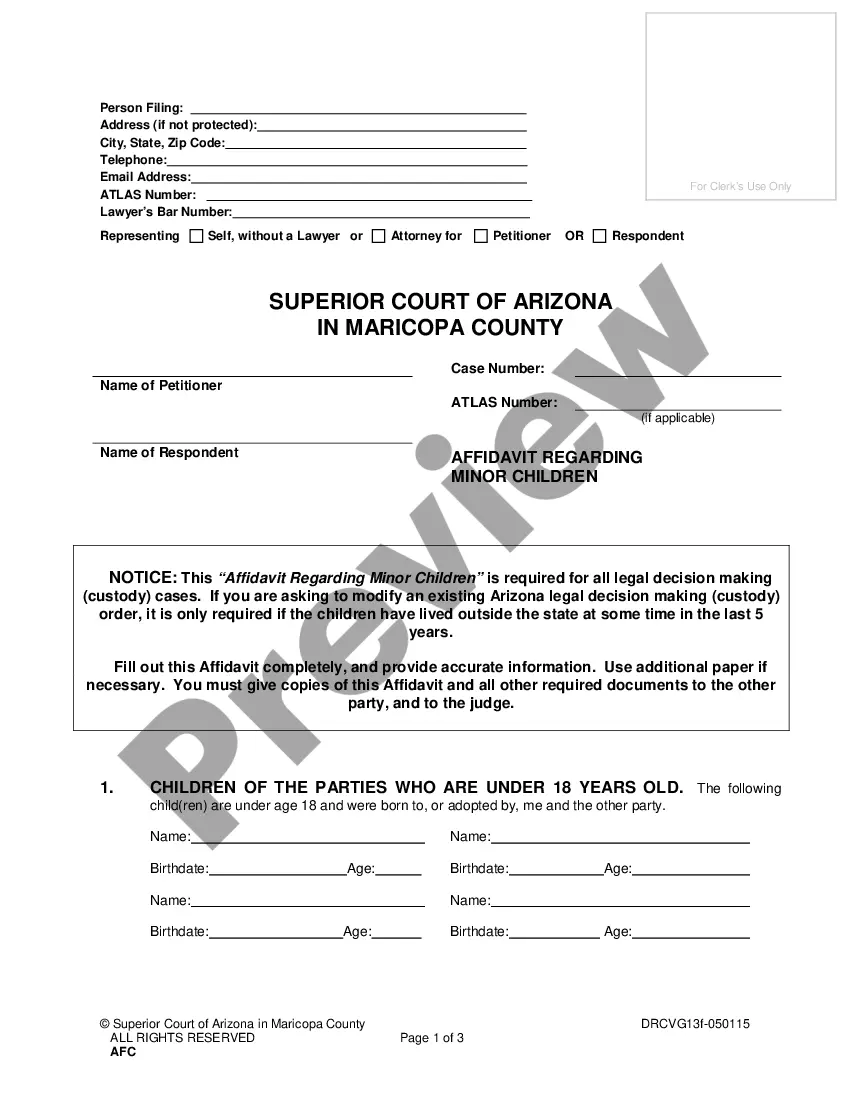
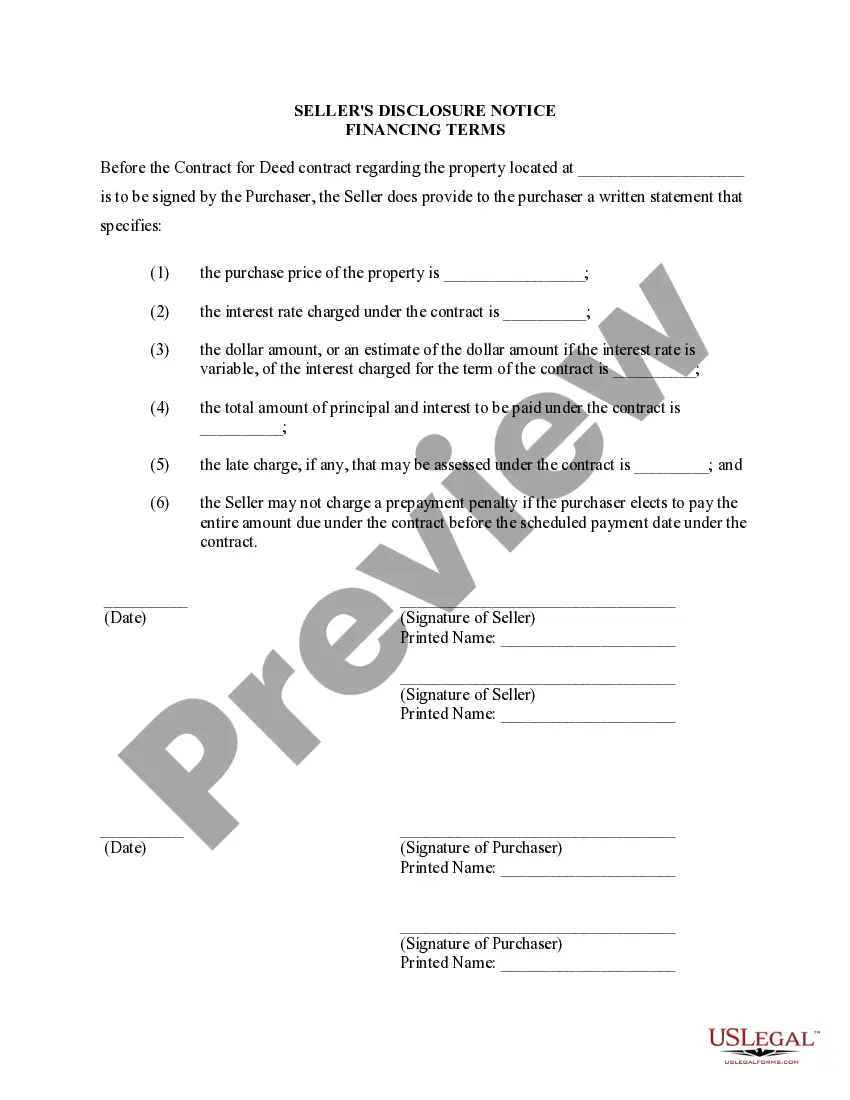
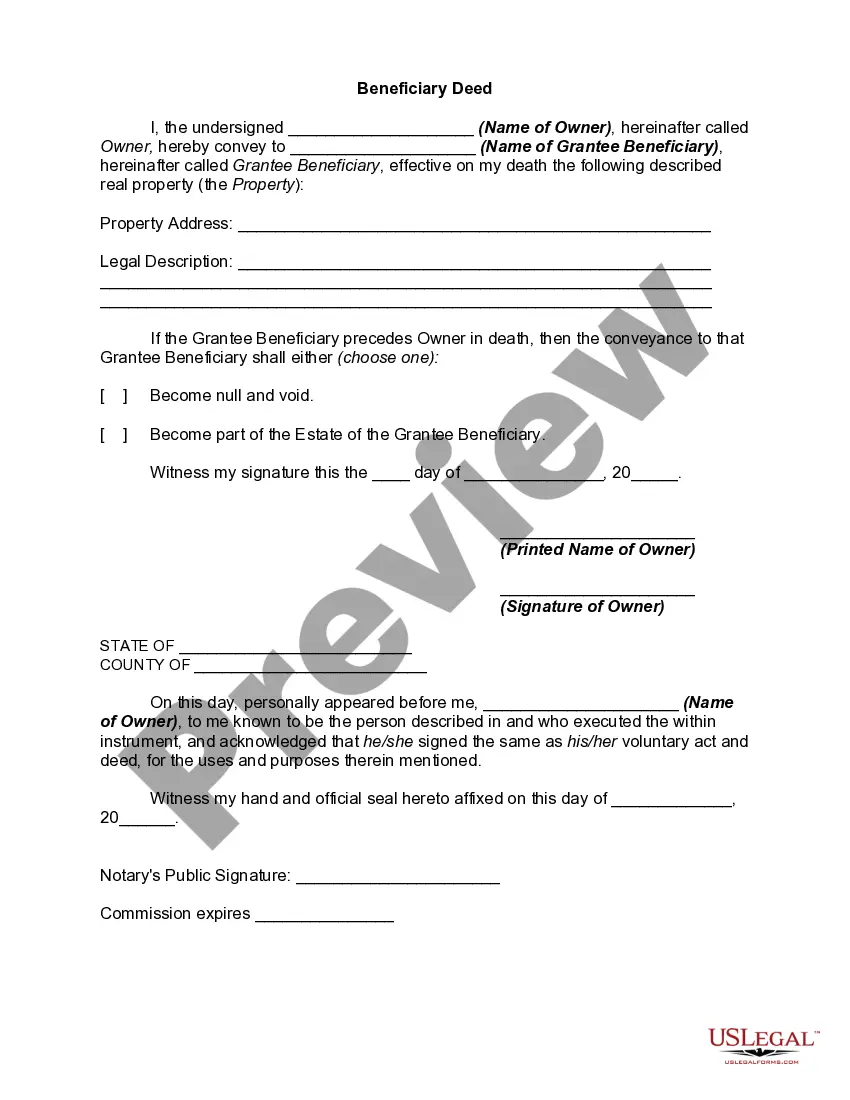
How to fill out Irrevocable Trust Agreement For Benefit Of Trustor's Children And Grandchildren With Spendthrift Trust Provisions?
Obtaining a primary resource for the latest and most pertinent legal documents is a significant part of navigating bureaucracy.
Finding the appropriate legal papers requires precision and carefulness, which is why it's essential to obtain samples of Sample Irrevocable Trust For Minor Child exclusively from trustworthy sources, such as US Legal Forms.
Once you have the form on your device, you can edit it with the editor or print it and complete it manually. Eliminate the complexities that come with your legal documents. Explore the extensive US Legal Forms catalog to find legal templates, verify their relevance to your situation, and download them instantly.
- Utilize the catalog navigation or search bar to locate your template.
- Review the form's details to confirm it meets the regulations of your state and locality.
- Access the form preview, if available, to ensure the template aligns with what you are looking for.
- Return to the search to find the correct document if the Sample Irrevocable Trust For Minor Child does not meet your requirements.
- When you are confident about the form's applicability, download it.
- If you are a registered member, click Log in to verify and access your chosen forms in My documents.
- If you haven't created an account yet, click Buy now to acquire the form.
- Select the pricing option that fits your needs.
- Proceed with the registration to finalize your purchase.
- Complete your transaction by choosing a payment method (credit card or PayPal).
- Select the document format for downloading Sample Irrevocable Trust For Minor Child.
Form popularity
FAQ
An example of an irrevocable trust is a sample irrevocable trust for a minor child, where a parent places funds or property into the trust for the child's future benefit. This ensures that the assets are managed by a trustee, who makes decisions in the child’s best interests. Such trusts can cover education expenses, health care, or other needs as designated.
How do you write an irrevocable trust document? Draft the written irrevocable trust agreement. Spell out which assets will be placed into the trust, name a trustee and beneficiaries, and outline the terms by which the trust assets will be distributed (how, when, to whom, etc.).
Irrevocable trusts are generally set up to minimize estate taxes, access government benefits, and protect assets.
The trusts shall be irrevocable, and the Grantor expressly waives all rights and powers, whether alone or in conjunction with others, and regardless of when or from what source he may have acquired such rights or powers, to alter, amend, revoke, or terminate the trusts, or any of the terms of this Agreement, in whole ...
Unlike a Revocable Trust, which allows for flexibility, you cannot change or revoke this type of trust. Like a Revocable Trust, however, an Irrevocable Trust should be set up with the assistance of a reputable estate planning attorney.
The most common example of when a declaration of trust is used is the situation where an adult son or daughter borrows money for a deposit on a first house from his or her parents. The parents may have a mortgage already, and the terms of that mortgage prevent them from borrowing under another.