Grantor Trust
Description

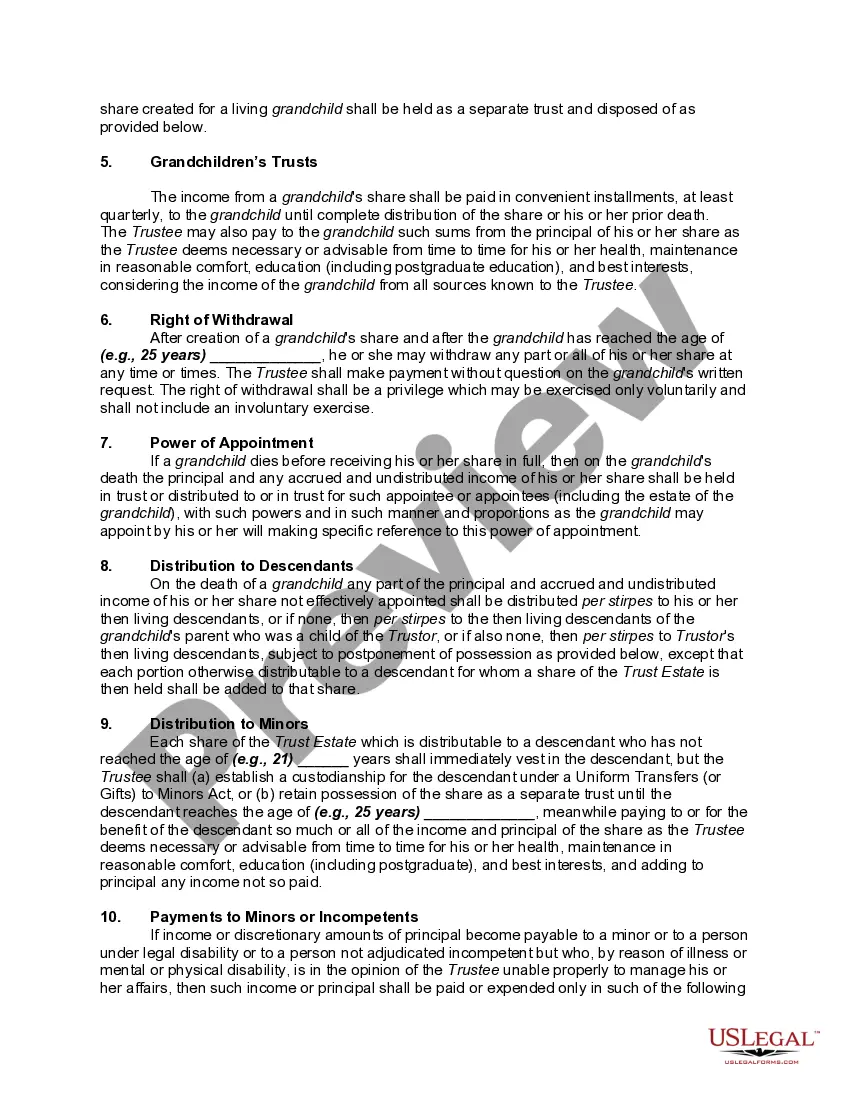
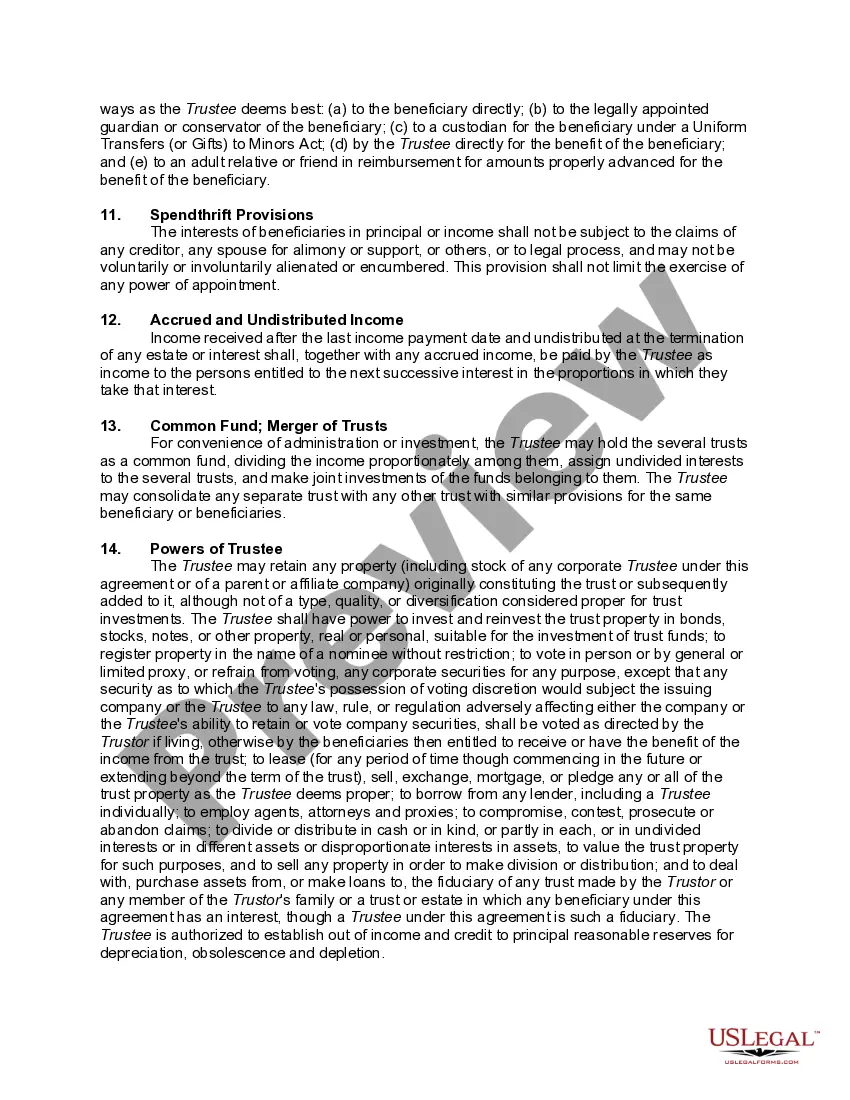
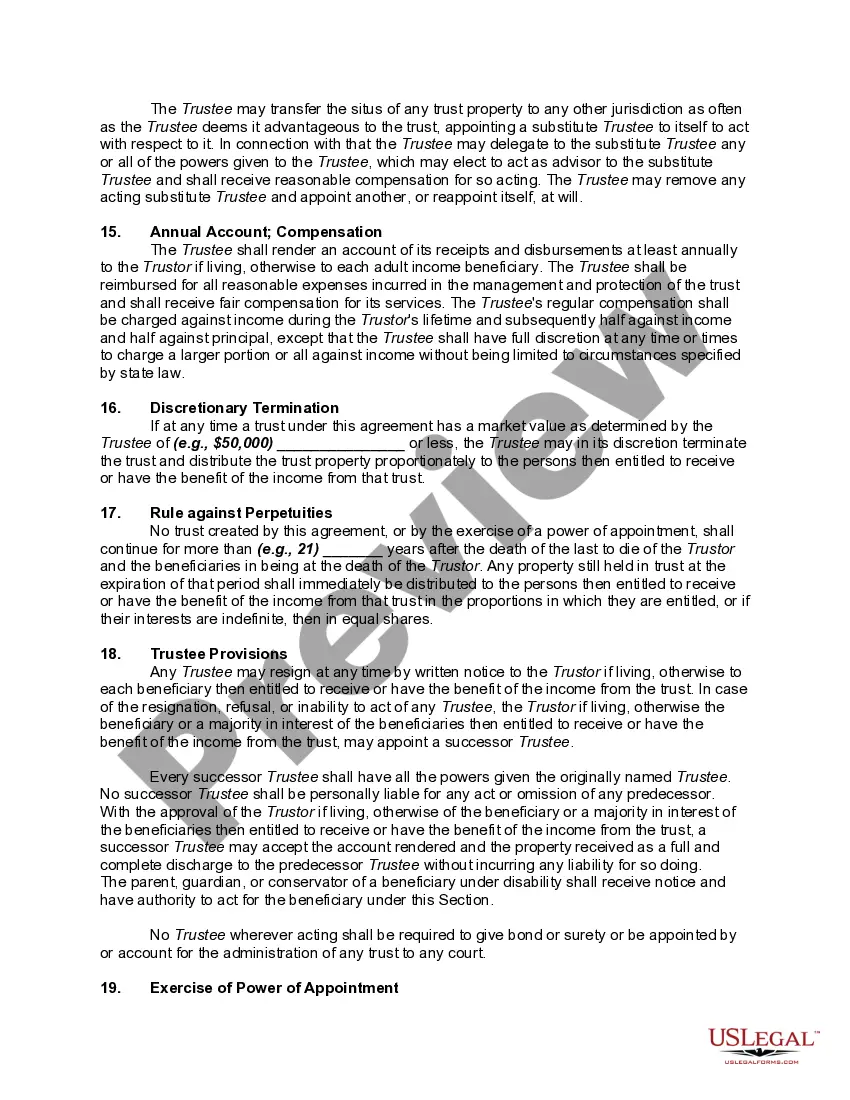
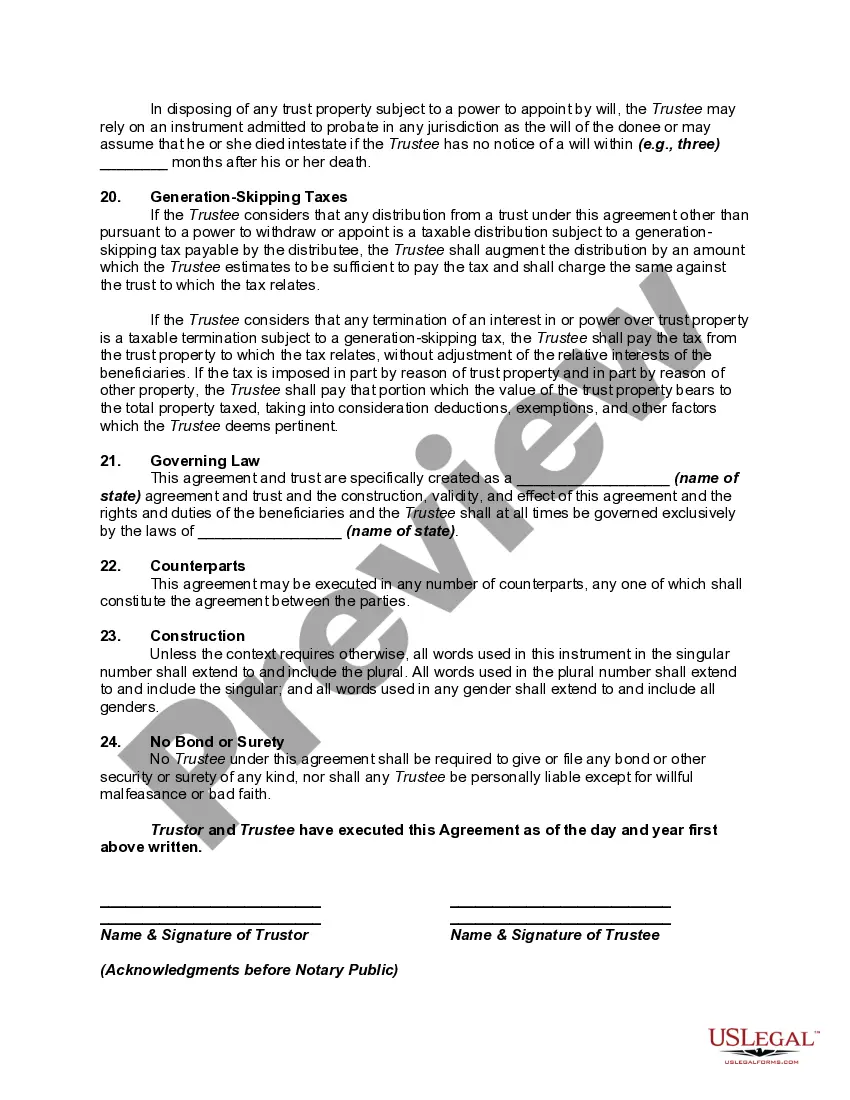


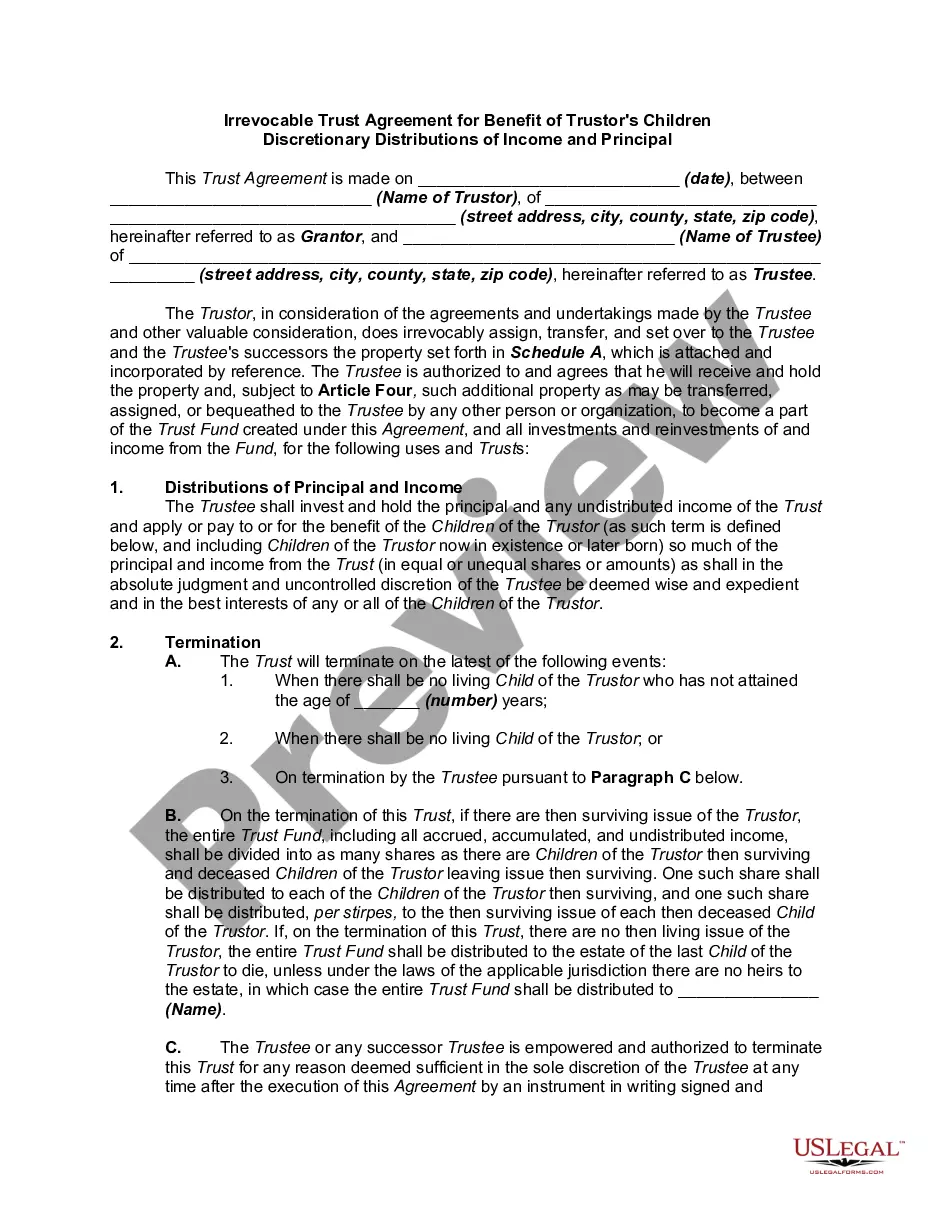
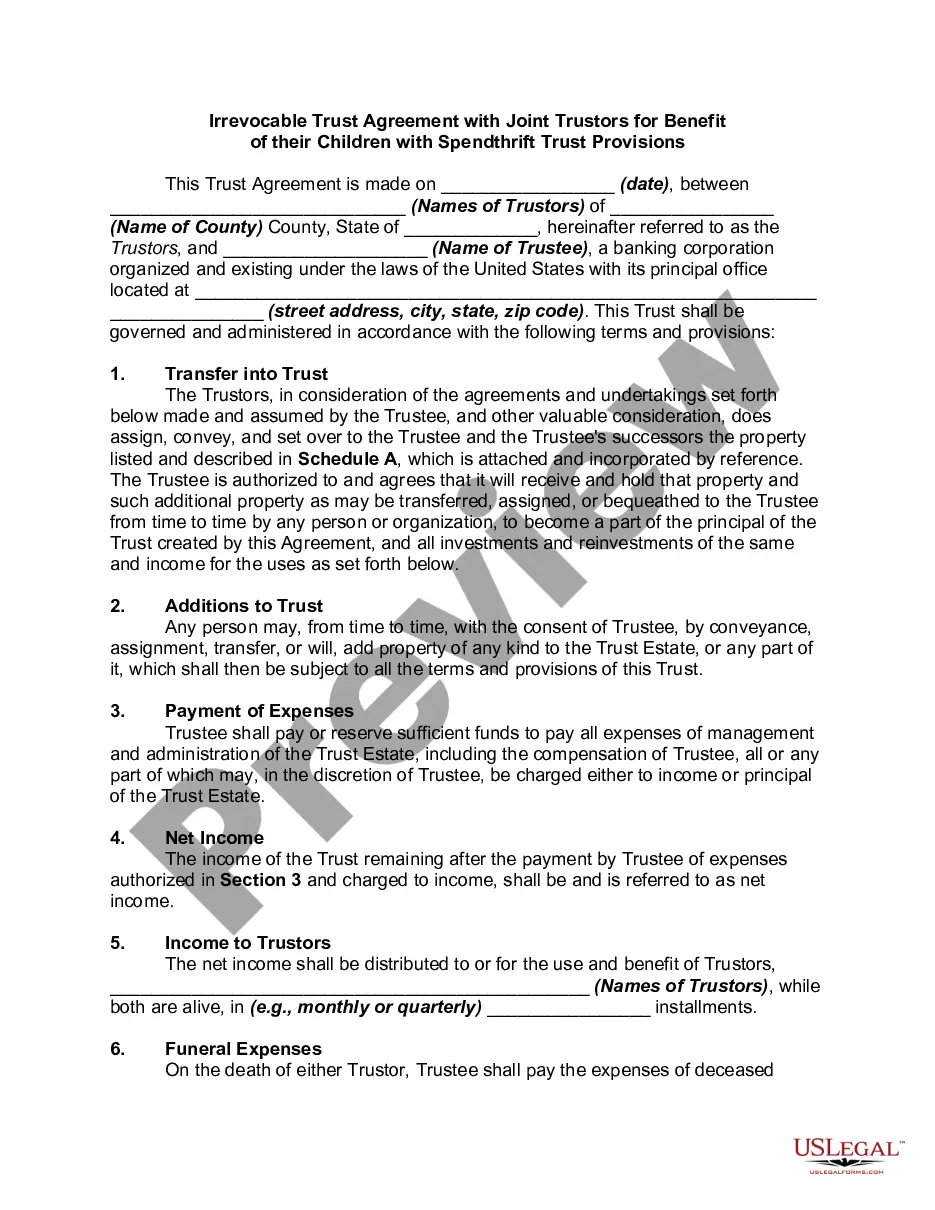
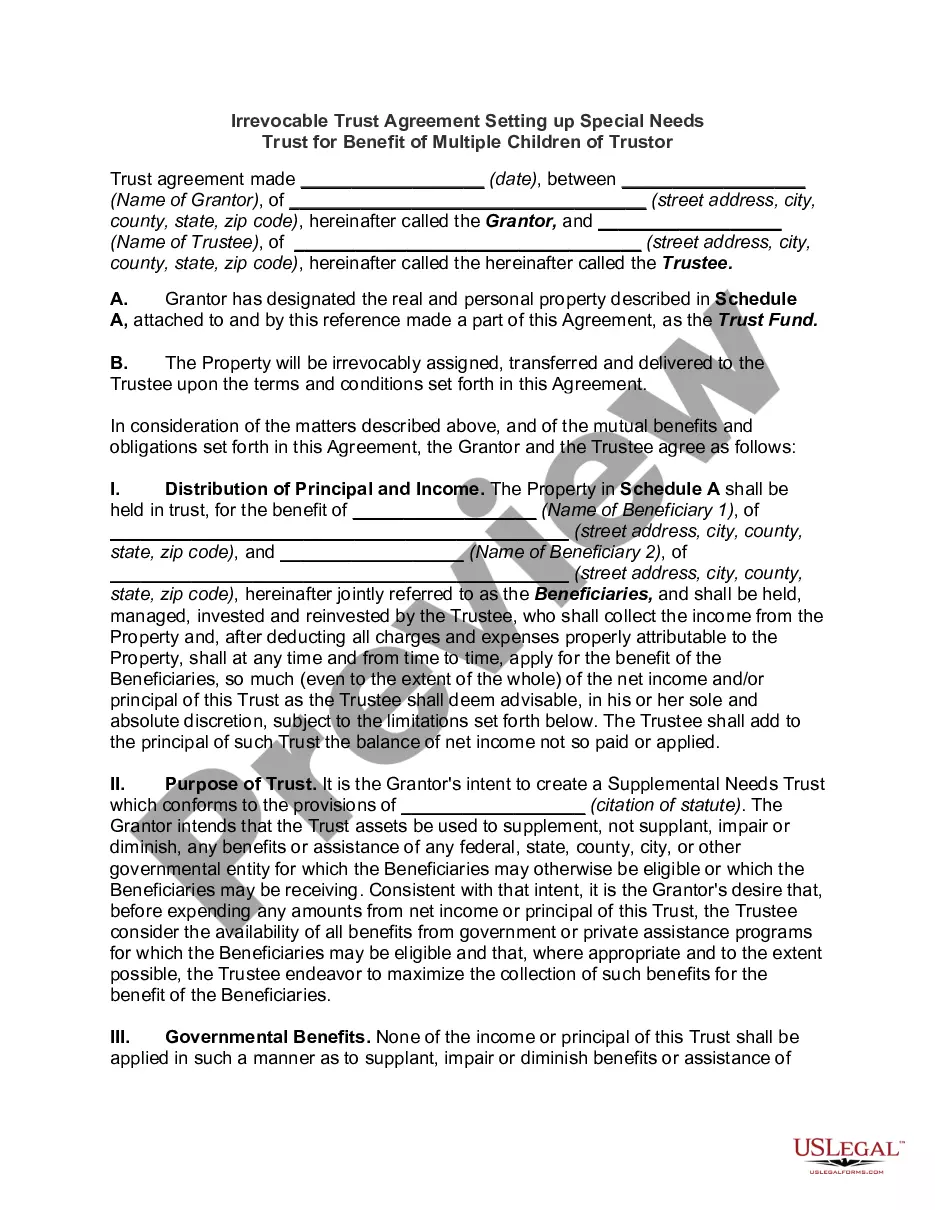
Get your form ready online
Our built-in tools help you complete, sign, share, and store your documents in one place.
Make edits, fill in missing information, and update formatting in US Legal Forms—just like you would in MS Word.
Download a copy, print it, send it by email, or mail it via USPS—whatever works best for your next step.
Sign and collect signatures with our SignNow integration. Send to multiple recipients, set reminders, and more. Go Premium to unlock E-Sign.
If this form requires notarization, complete it online through a secure video call—no need to meet a notary in person or wait for an appointment.
We protect your documents and personal data by following strict security and privacy standards.

Make edits, fill in missing information, and update formatting in US Legal Forms—just like you would in MS Word.

Download a copy, print it, send it by email, or mail it via USPS—whatever works best for your next step.

Sign and collect signatures with our SignNow integration. Send to multiple recipients, set reminders, and more. Go Premium to unlock E-Sign.

If this form requires notarization, complete it online through a secure video call—no need to meet a notary in person or wait for an appointment.

We protect your documents and personal data by following strict security and privacy standards.
Looking for another form?





How to fill out Irrevocable Trust Agreement For Benefit Of Trustor's Children And Grandchildren With Spendthrift Trust Provisions?
- Log in to your US Legal Forms account if you're a returning user and ensure your subscription is active.
- For new users, begin by browsing the extensive collection of forms. Use the Preview mode to check if the chosen grantor trust template meets your specific requirements and local jurisdiction.
- If you need a different template, utilize the Search function to find suitable alternatives.
- Select the appropriate document and click the Buy Now button to choose your preferred subscription plan.
- Complete your purchase by entering your payment details or using PayPal.
- Once purchased, download your grantor trust form to your device, or access it later through the My Forms section in your account.
By following these straightforward steps, you can efficiently secure the legal templates you need. US Legal Forms not only provides a user-friendly platform but also ensures that you are covered with expert guidance when required.
Start simplifying your legal process today with US Legal Forms and gain access to the resources necessary for creating a comprehensive grantor trust.
Form popularity
FAQ
Setting up a grantor trust involves creating a trust agreement, transferring assets, and appointing a trustee to manage those assets. Utilize user-friendly services like US Legal Forms, which provide the necessary resources and guidance for drafting a compliant trust agreement. By doing so, you'll facilitate the estate planning process and maintain control over your assets.
To establish a grantor trust, start by drafting a trust agreement that specifies how you want the assets managed and distributed. You can utilize templates available on platforms like US Legal Forms to ensure you cover all necessary legal aspects. Once the agreement is created, fund the trust by transferring assets into it, which formally activates the grantor trust.
One of the biggest mistakes parents make when establishing a trust fund is failing to clearly outline the distribution terms and conditions. This can lead to confusion among beneficiaries and may not reflect the parents' true intentions. It's crucial to think through how and when your heirs receive funds to prevent potential disputes down the line.
The least expensive way to establish a trust often involves using a do-it-yourself approach alongside online legal platforms like US Legal Forms, which can guide you through the necessary steps. By using templates and resources, you can create a grantor trust without incurring high attorney fees. However, ensure that the documents meet your state's legal requirements to avoid complications.
A grantor trust offers flexibility and control over the trust assets, allowing you to manage how the assets are distributed over time. You may want this type of trust for estate planning benefits, as it can help you avoid probate and reduce estate taxes. Additionally, the income generated by the trust can be taxed at your personal income rate, often yielding lower tax liabilities.
The IRS requires that a grantor trust has specific provisions that empower the grantor to retain certain powers, such as the ability to revoke or modify the trust. This structure ensures that the grantor is considered the owner of the trust's income for tax purposes. Consequently, any income generated by the trust is reported on the grantor's personal tax return, streamlining tax obligations.
The grantor of a trust is typically the person who creates the trust and contributes assets to it. In most cases, this individual should be someone who wants to retain control over their assets while providing a structured way to manage and distribute those assets after their passing. Selecting the right grantor is essential, as it can affect the trust's operation and the benefits derived from a grantor trust. If you're considering setting up a grantor trust, exploring resources on the US Legal Forms platform can help simplify the process.
A grantor trust refers to a trust in which the person who creates the trust, known as the grantor, retains certain powers or ownership rights. This means that for tax purposes, the income generated is typically taxed to the grantor rather than the trust itself. The trust structure allows for greater flexibility in estate planning, as the grantor can manage the assets while alive. Understanding the meaning of grantor trust helps in making informed decisions related to asset management and tax implications.
An example of a grantor trust is the revocable living trust. In this arrangement, the grantor can change the terms of the trust at any time and control the assets while alive. This type of grantor trust also helps in avoiding probate, ensuring a smoother transition of assets to beneficiaries upon the grantor's passing. Such trusts are versatile and widely used in estate planning.
While both a grantor trust and a revocable trust allow the grantor to maintain control over their assets, the key difference is in the tax treatment. A grantor trust may allow for specific tax benefits, as income is reported on the grantor's personal tax returns. On the other hand, a revocable trust primarily focuses on avoiding probate and can convert to an irrevocable trust after the grantor passes away. Understanding these differences can help you choose the right trust for your needs.