Removal After Answer
Description
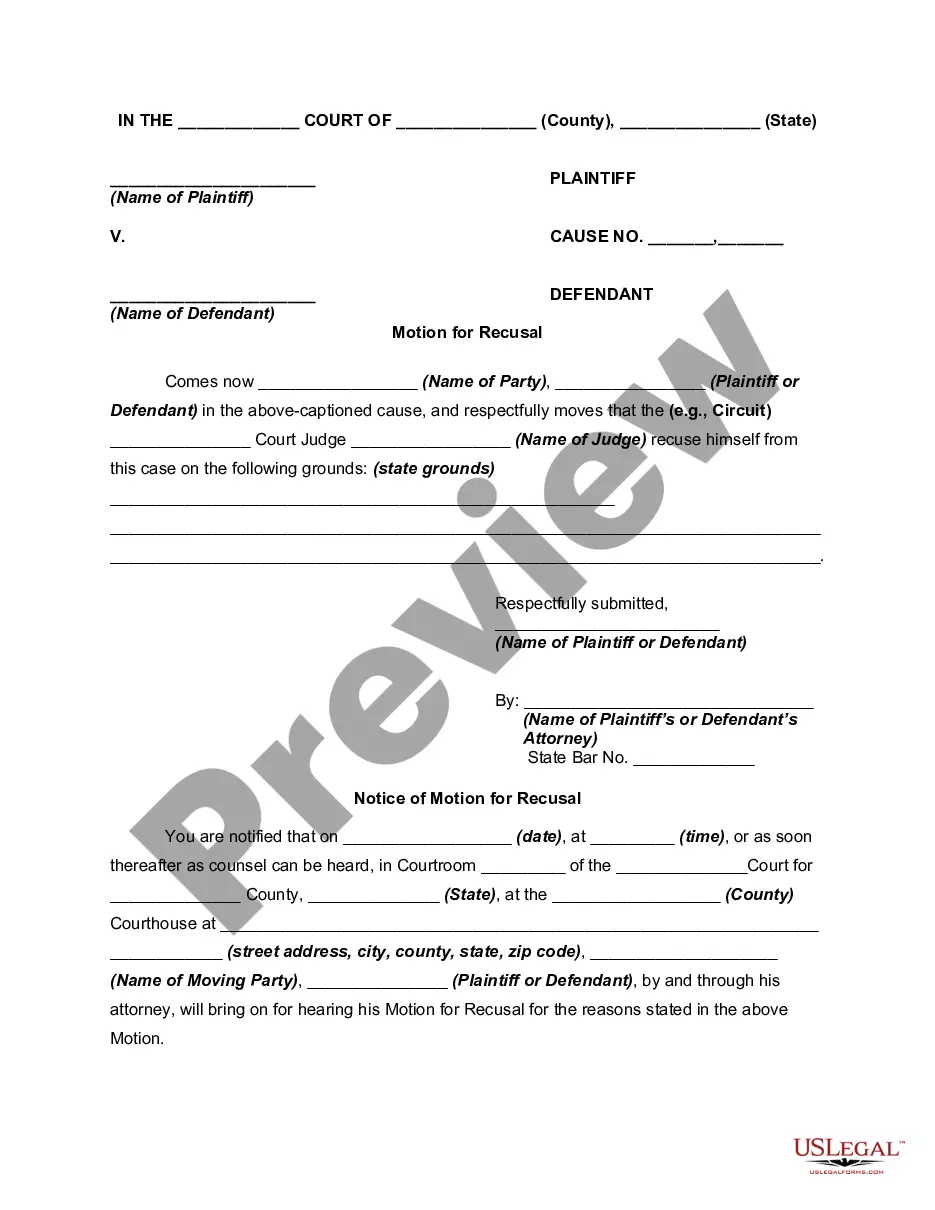
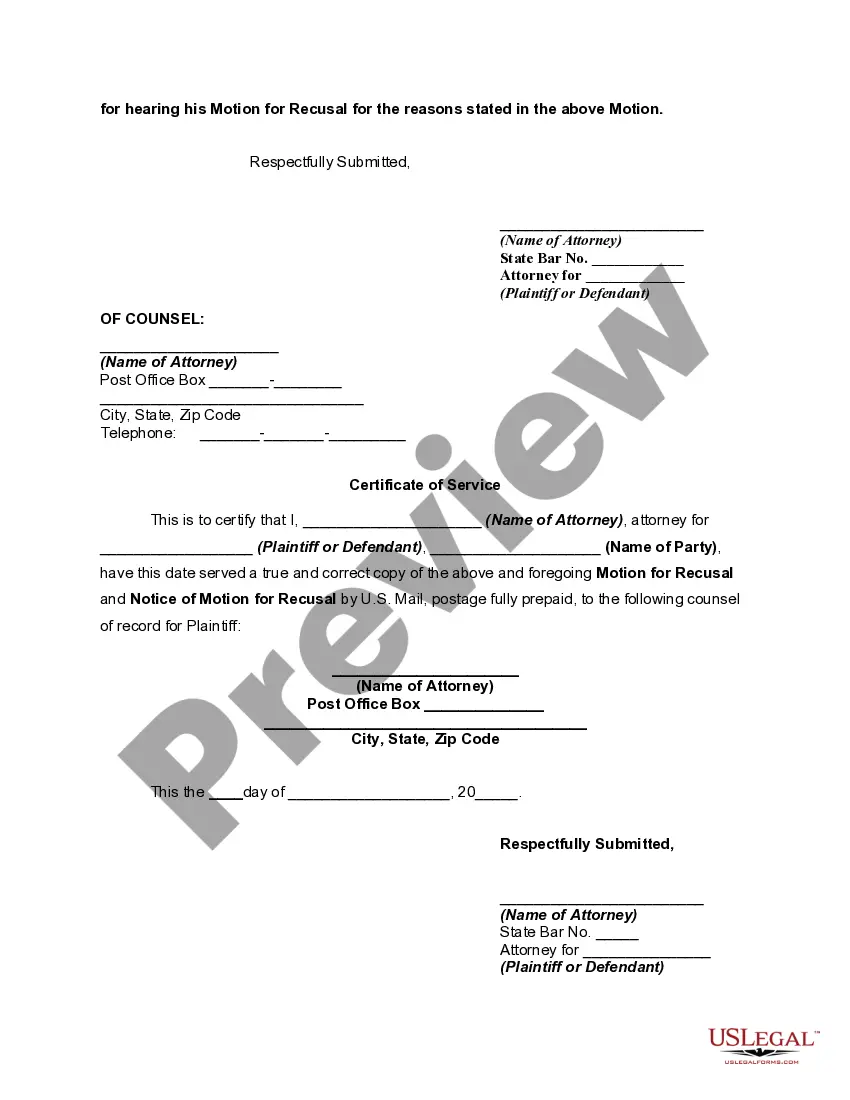
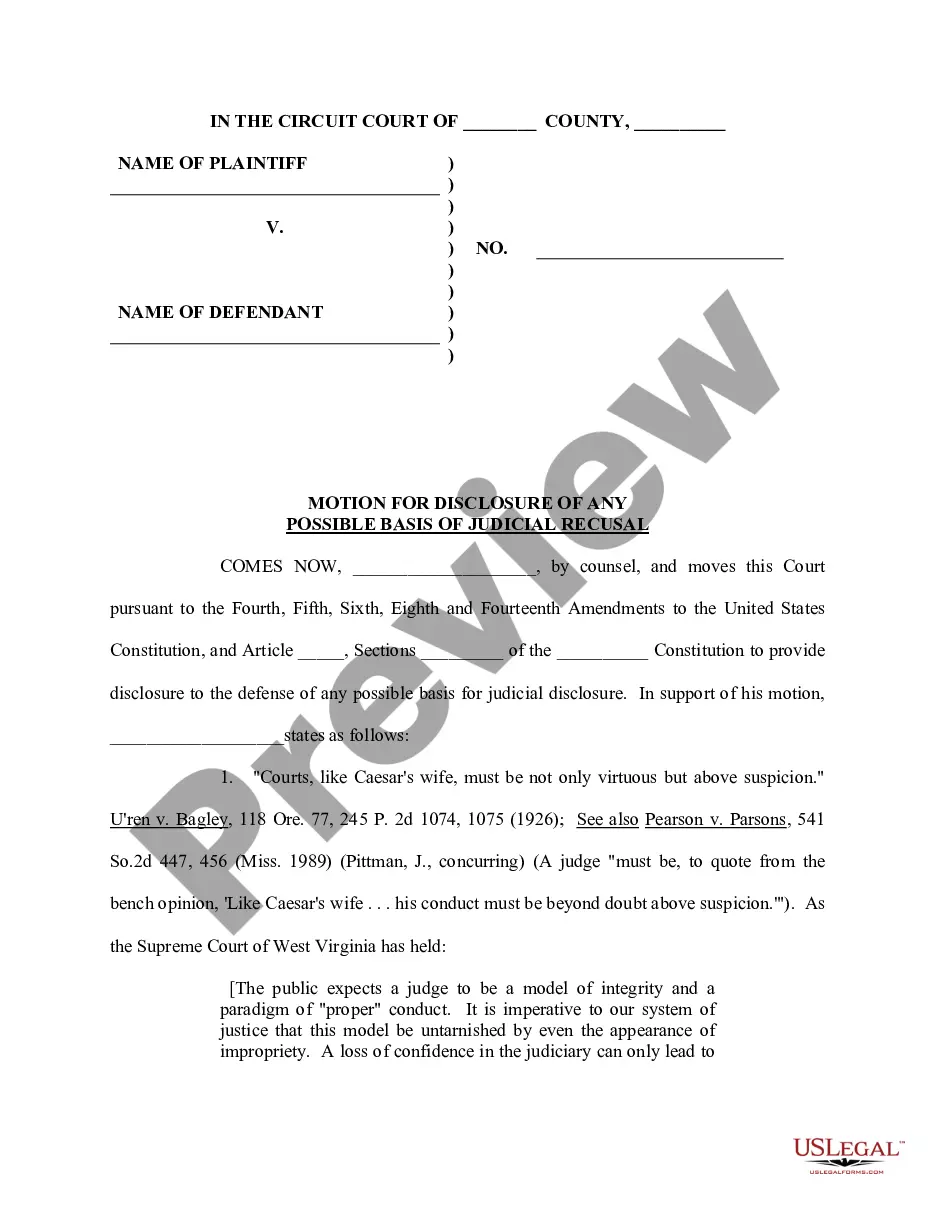
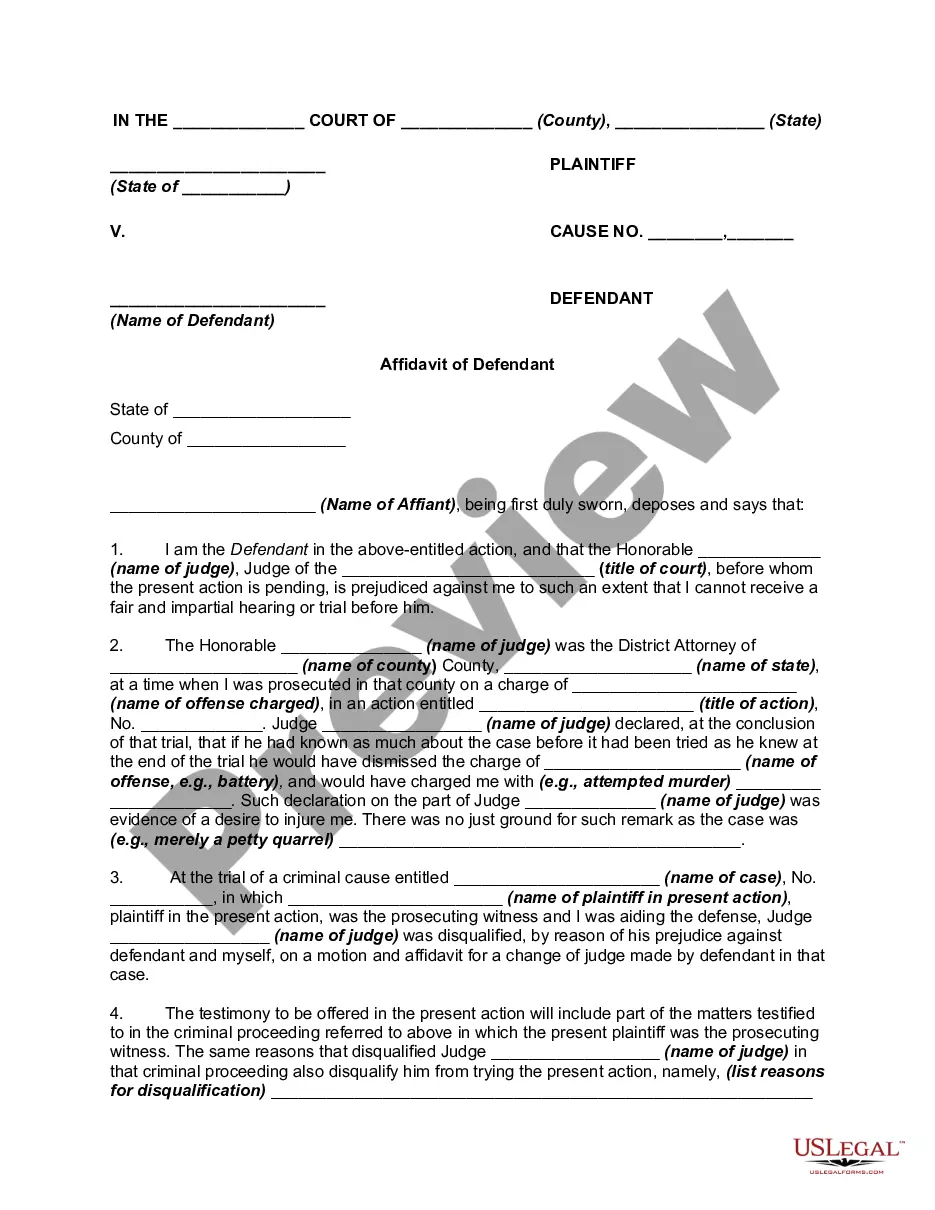
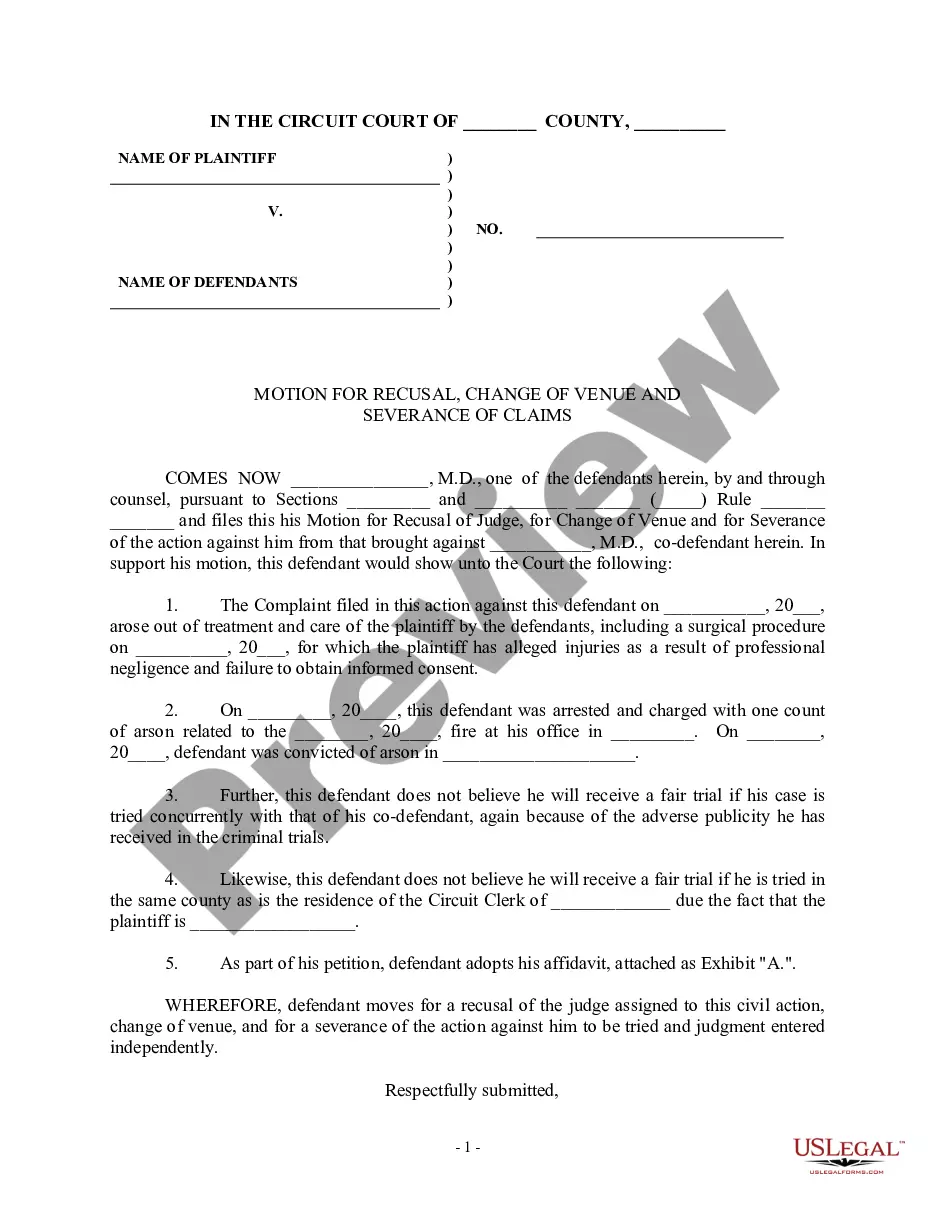
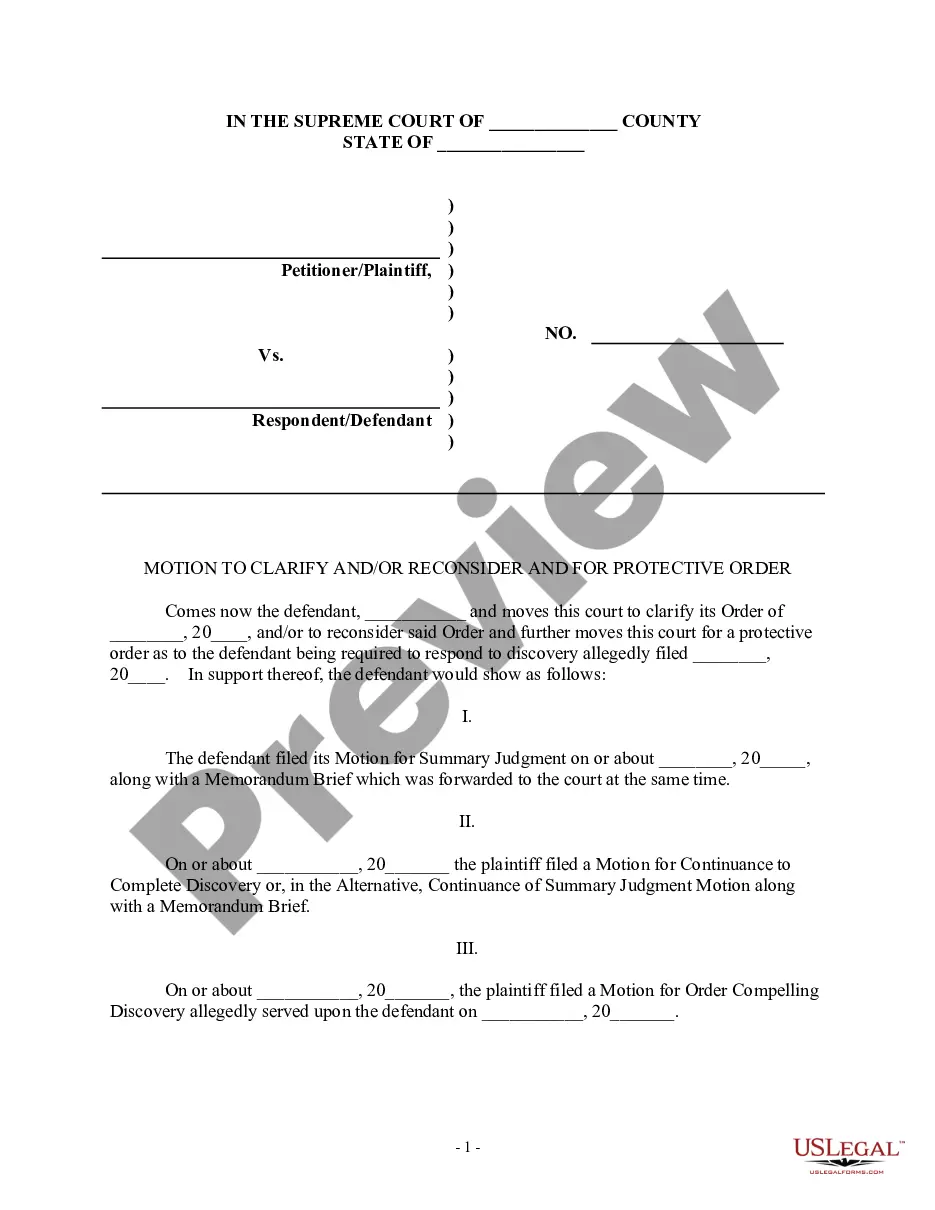
Get your form ready online
Our built-in tools help you complete, sign, share, and store your documents in one place.
Make edits, fill in missing information, and update formatting in US Legal Forms—just like you would in MS Word.
Download a copy, print it, send it by email, or mail it via USPS—whatever works best for your next step.
Sign and collect signatures with our SignNow integration. Send to multiple recipients, set reminders, and more. Go Premium to unlock E-Sign.
If this form requires notarization, complete it online through a secure video call—no need to meet a notary in person or wait for an appointment.
We protect your documents and personal data by following strict security and privacy standards.

Make edits, fill in missing information, and update formatting in US Legal Forms—just like you would in MS Word.

Download a copy, print it, send it by email, or mail it via USPS—whatever works best for your next step.

Sign and collect signatures with our SignNow integration. Send to multiple recipients, set reminders, and more. Go Premium to unlock E-Sign.

If this form requires notarization, complete it online through a secure video call—no need to meet a notary in person or wait for an appointment.

We protect your documents and personal data by following strict security and privacy standards.
Looking for another form?
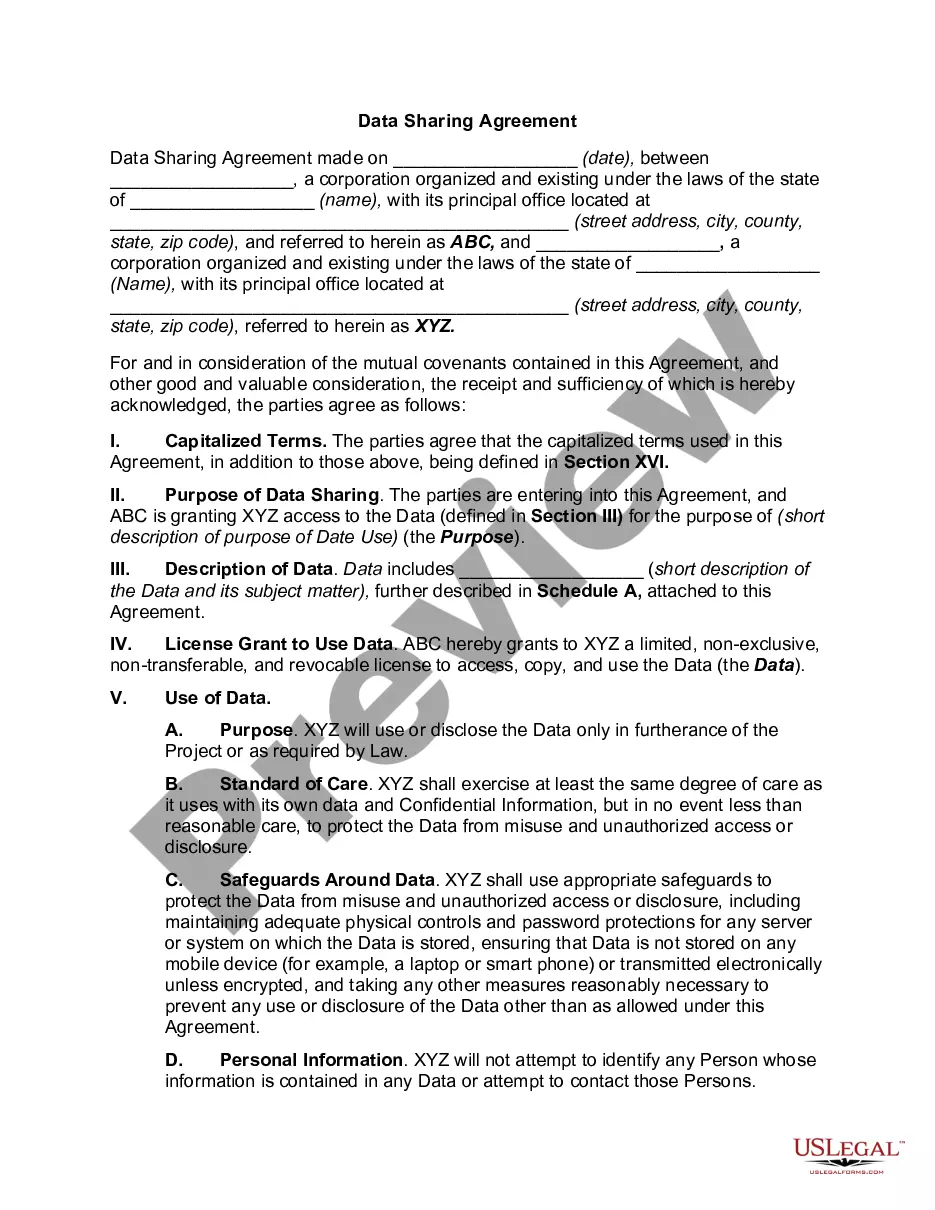


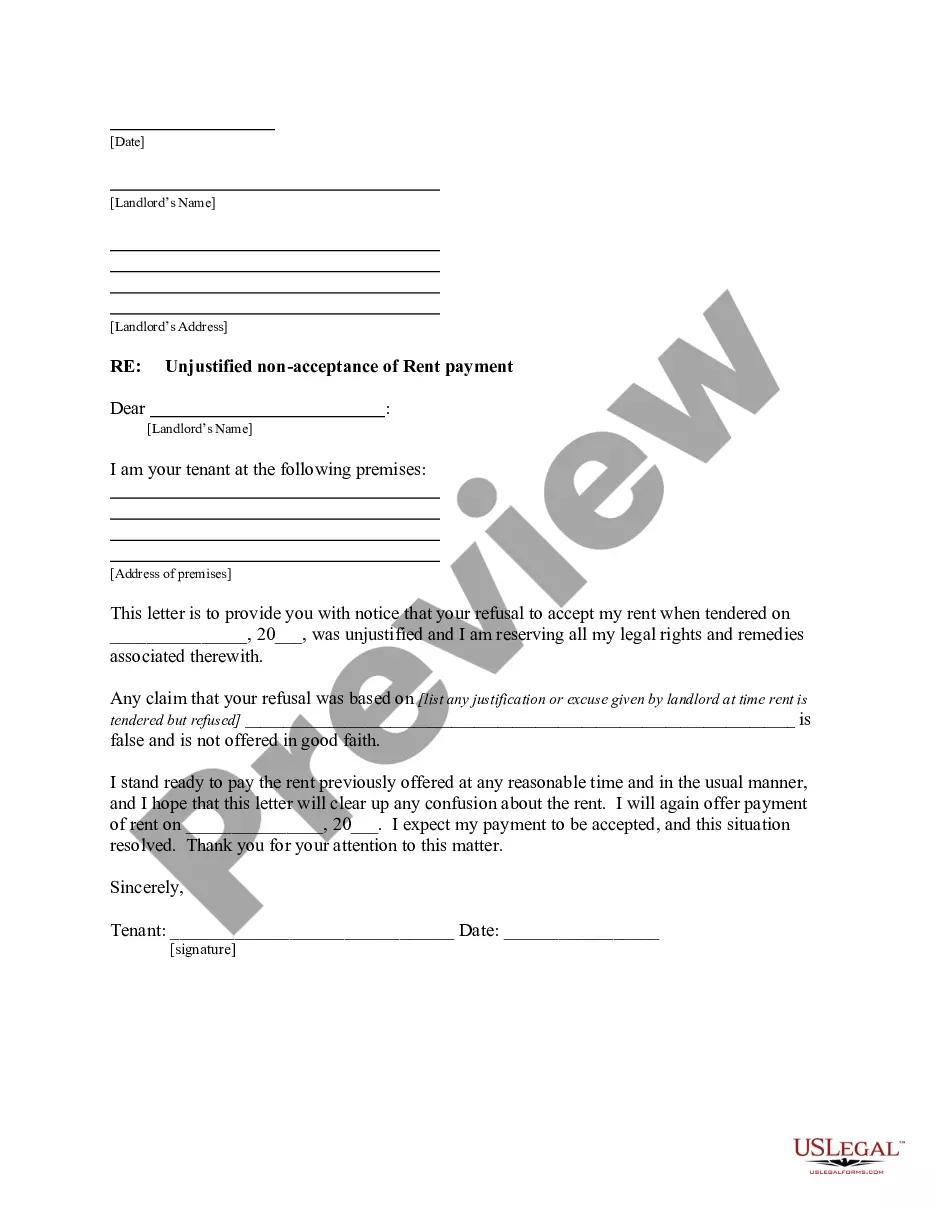

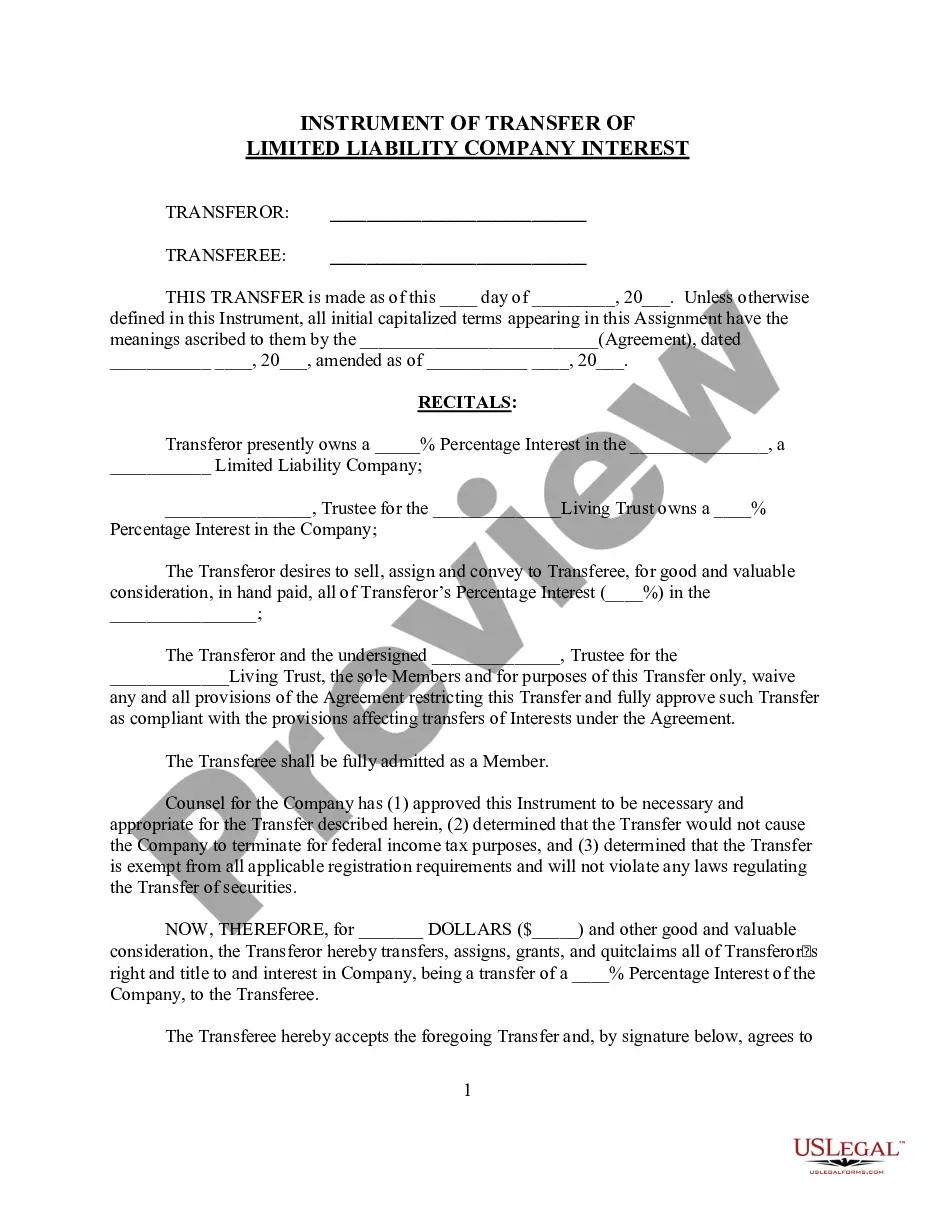

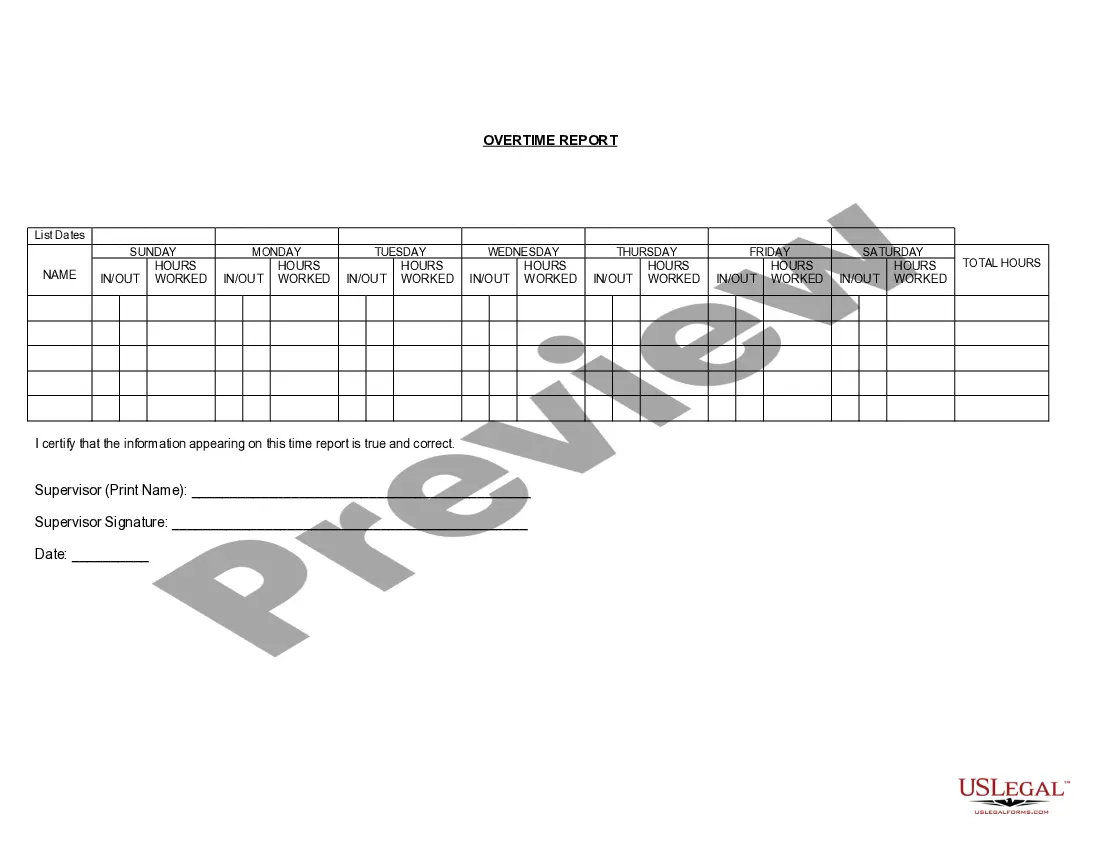

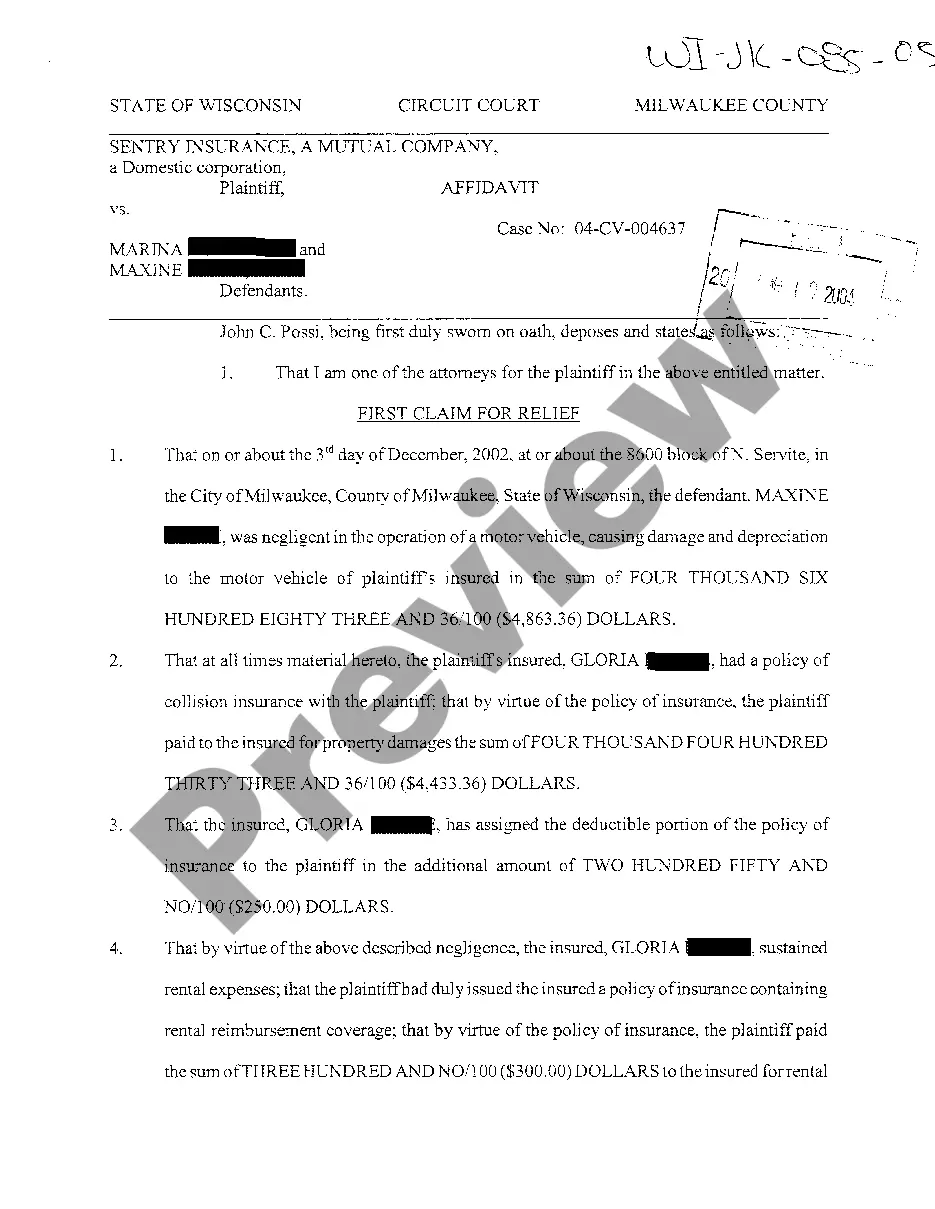
How to fill out Motion For Recusal Of Judge - Removal?
Utilizing legal templates that align with federal and state regulations is essential, and the internet provides numerous options to choose from.
However, what is the benefit of spending time looking for the correct Removal After Answer template online when the US Legal Forms digital library already has those templates gathered in one location.
US Legal Forms is the largest virtual legal repository featuring over 85,000 editable templates created by attorneys for any business and personal situation.
Evaluate the template using the Preview feature or through the text outline to confirm it fulfills your needs.
- They are easy to navigate with all documents categorized by state and intended use.
- Our specialists keep up with legal changes, ensuring that your documents are always current and compliant when obtaining a Removal After Answer from our site.
- Acquiring a Removal After Answer is swift and straightforward for both existing and new users.
- If you already have an account with an active subscription, sign in and download the document template you require in the desired format.
- If you are a newcomer to our website, follow the instructions below.
Form popularity
FAQ
Yes, a motion to dismiss can be filed after an answer, but it must be based on specific grounds. While some defenses may be waived if not included in the answer, others can still be raised. It's important to understand which grounds remain available to you after responding to the complaint. For further guidance, USLegalForms can provide templates and information to help you navigate this process.
The 2 dismissal rule states that if a plaintiff voluntarily dismisses an action twice, they cannot bring the same claim again in federal court. This rule is significant as it prevents plaintiffs from repeatedly attempting to improve their case by dismissing and re-filing. Understanding this rule is crucial when considering the implications of removal after answer. Resources on USLegalForms can clarify this rule further.
Yes, you can move to dismiss after filing an answer, but it depends on the grounds for dismissal. Generally, if you have not waived your right to seek dismissal, you can file a motion. However, keep in mind that addressing specific grounds for dismissal might be affected by your prior answer. To streamline this process, consider using the tools available on USLegalForms.
Yes, all defendants must consent to the removal for it to be valid. This requirement ensures that the interests of all parties are considered. If even one defendant does not consent, the removal may be challenged. If you are unsure about the consent process, USLegalForms offers valuable resources to assist you.
Proper grounds for a motion to dismiss include lack of subject matter jurisdiction, failure to state a claim upon which relief can be granted, and improper venue. Each of these grounds is essential for establishing a solid legal basis. When addressing these grounds, consider the implications of filing a removal after answer. Resources on USLegalForms can guide you in preparing a well-founded motion.
You should file for removal to federal court when the case meets the criteria for federal jurisdiction, such as diversity of citizenship or a federal question. Timing is crucial; you generally must file the notice of removal within 30 days after receiving the initial complaint. If you miss this deadline, you may lose your chance for removal. Utilizing a platform like USLegalForms can help you navigate the process effectively.
A notice of removal is a legal document that transfers a case from state court to federal court. This action typically occurs when the case involves parties from different states or federal questions. Understanding this process is crucial, as it can affect your strategy and next steps. For clarity and efficient handling of your case, you can rely on US Legal Forms to provide the necessary resources.
The timeframe for responding after a removal can vary, but generally, you have 30 days to file your answer. This period starts from the date of the notice of removal. It’s essential to act promptly to protect your rights. If you need help navigating this process, consider using US Legal Forms for accurate documents and guidance.