Trust Form Real Estate Withdrawal
Description

Get your form ready online
Our built-in tools help you complete, sign, share, and store your documents in one place.
Make edits, fill in missing information, and update formatting in US Legal Forms—just like you would in MS Word.
Download a copy, print it, send it by email, or mail it via USPS—whatever works best for your next step.
Sign and collect signatures with our SignNow integration. Send to multiple recipients, set reminders, and more. Go Premium to unlock E-Sign.
If this form requires notarization, complete it online through a secure video call—no need to meet a notary in person or wait for an appointment.
We protect your documents and personal data by following strict security and privacy standards.

Make edits, fill in missing information, and update formatting in US Legal Forms—just like you would in MS Word.

Download a copy, print it, send it by email, or mail it via USPS—whatever works best for your next step.

Sign and collect signatures with our SignNow integration. Send to multiple recipients, set reminders, and more. Go Premium to unlock E-Sign.

If this form requires notarization, complete it online through a secure video call—no need to meet a notary in person or wait for an appointment.

We protect your documents and personal data by following strict security and privacy standards.
Looking for another form?



How to fill out Personal Residence Trust?
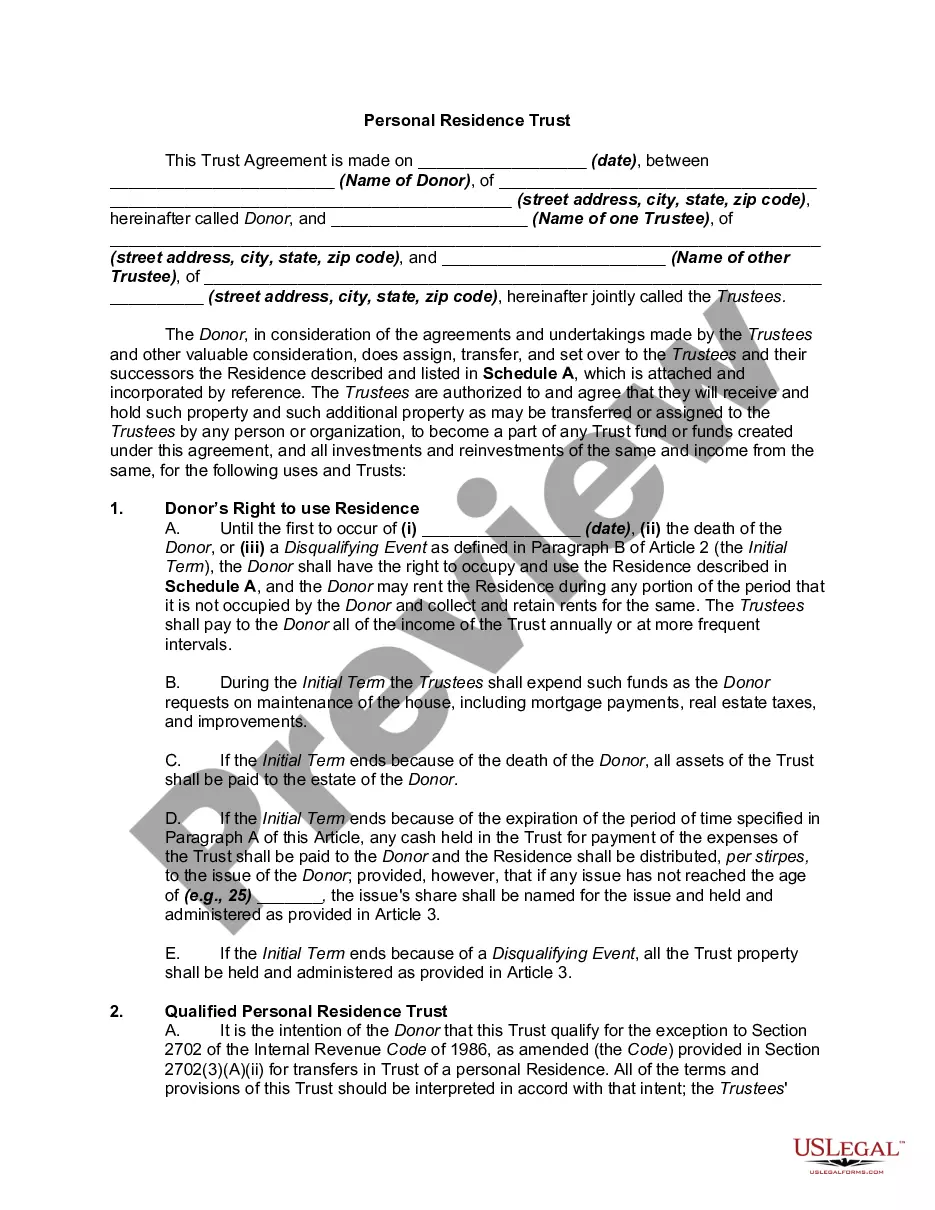
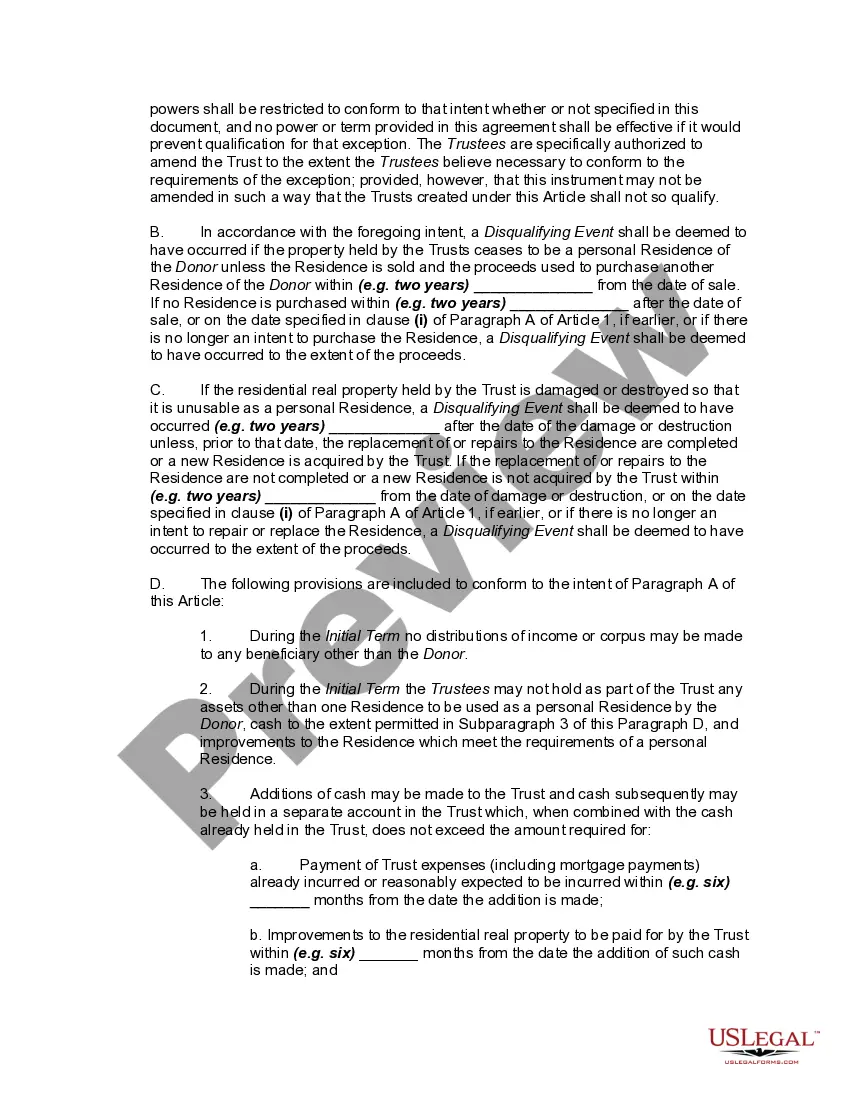
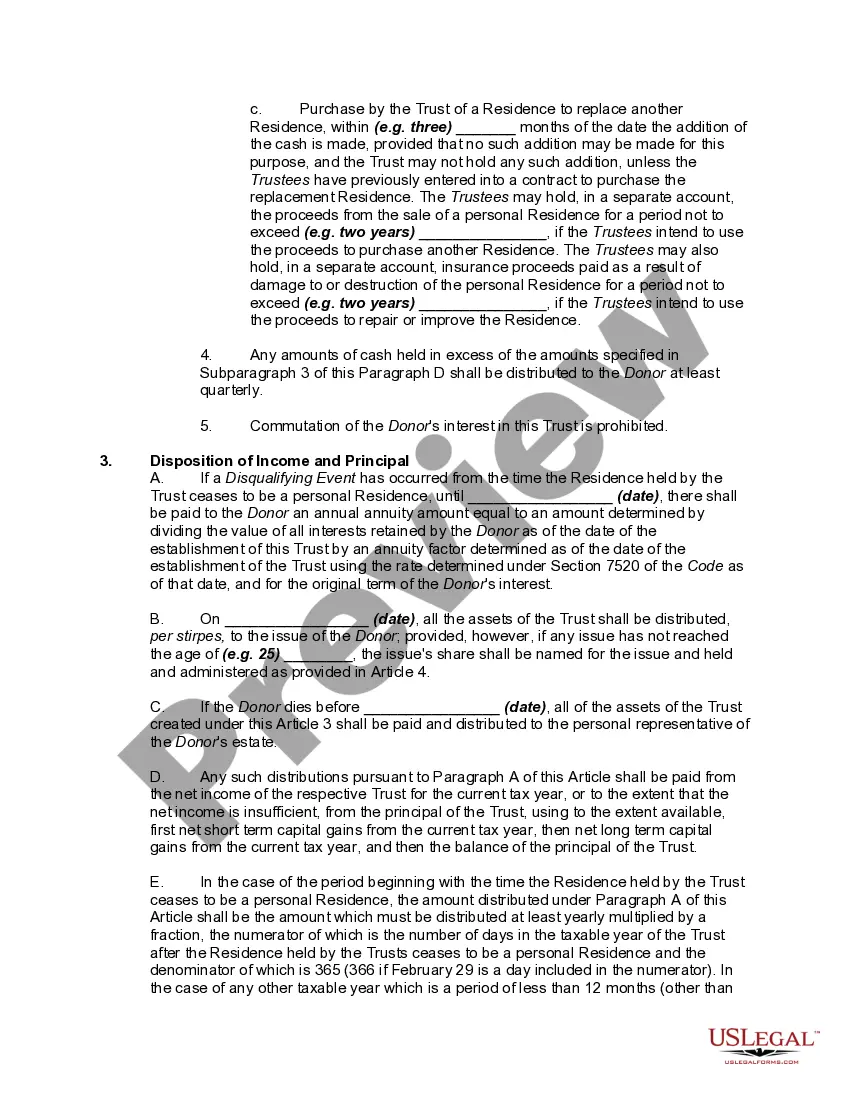
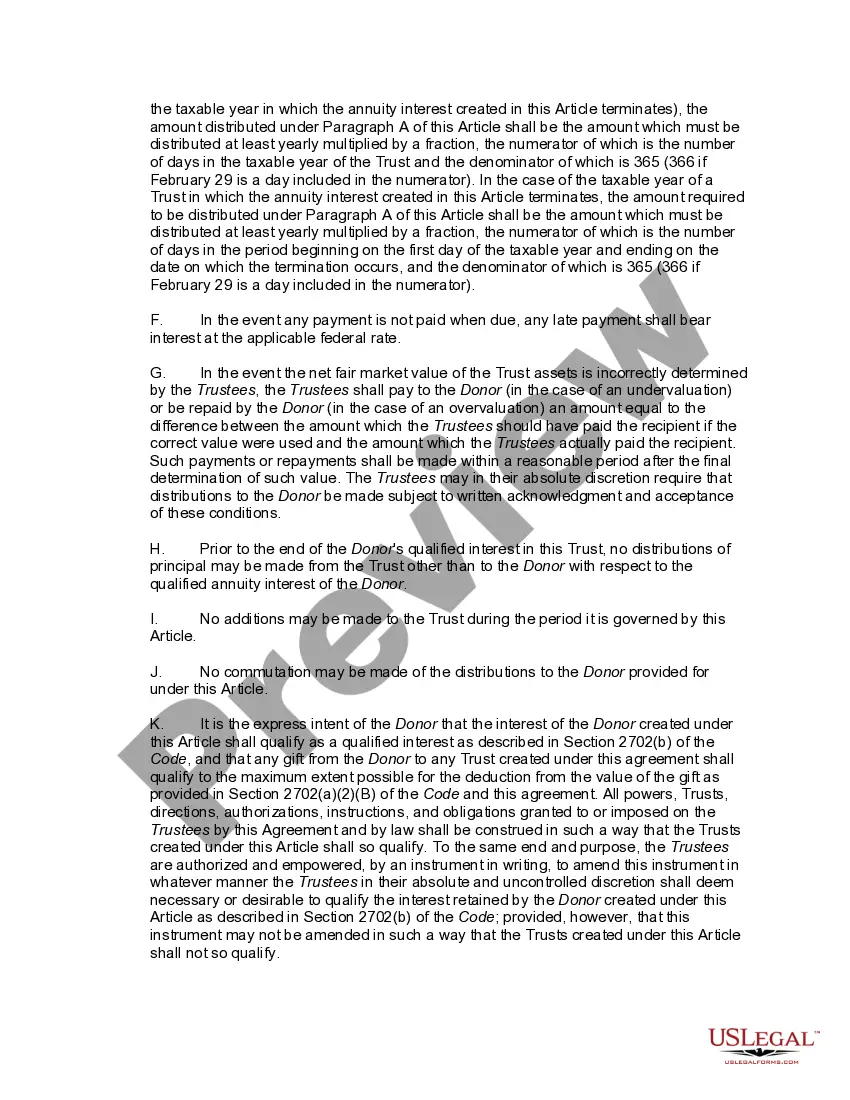
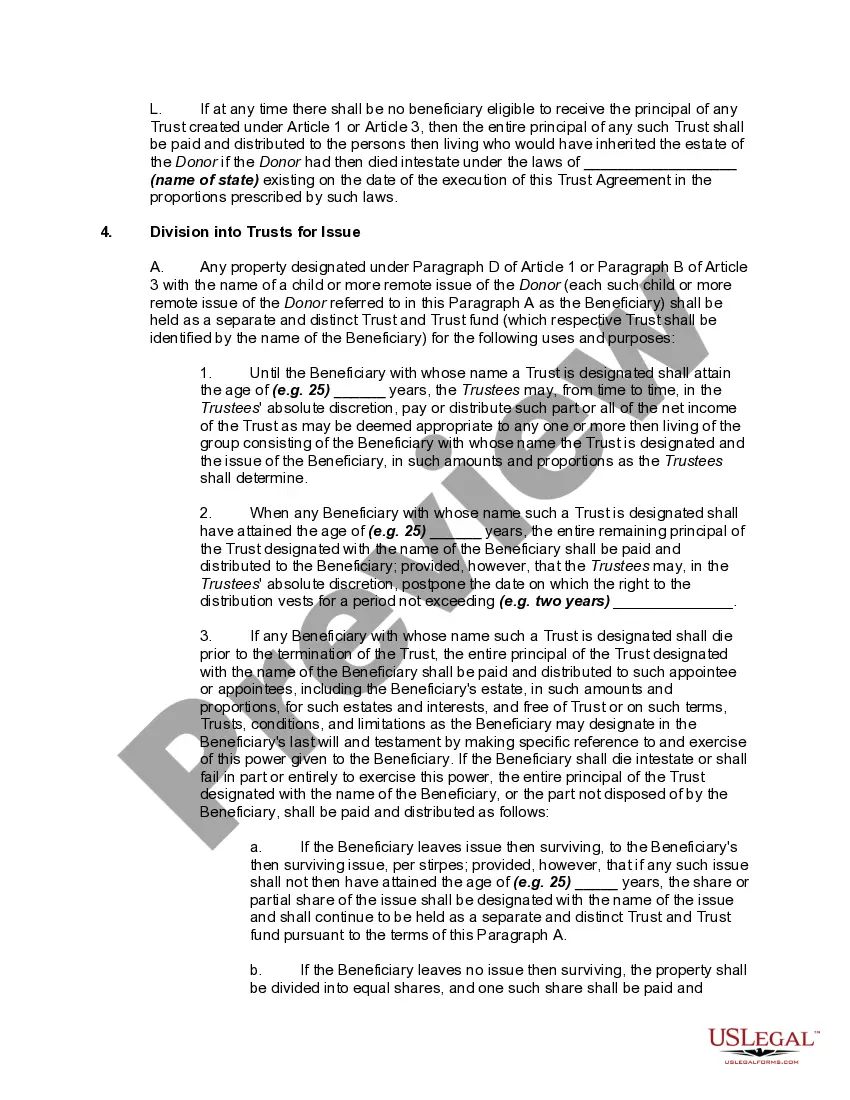
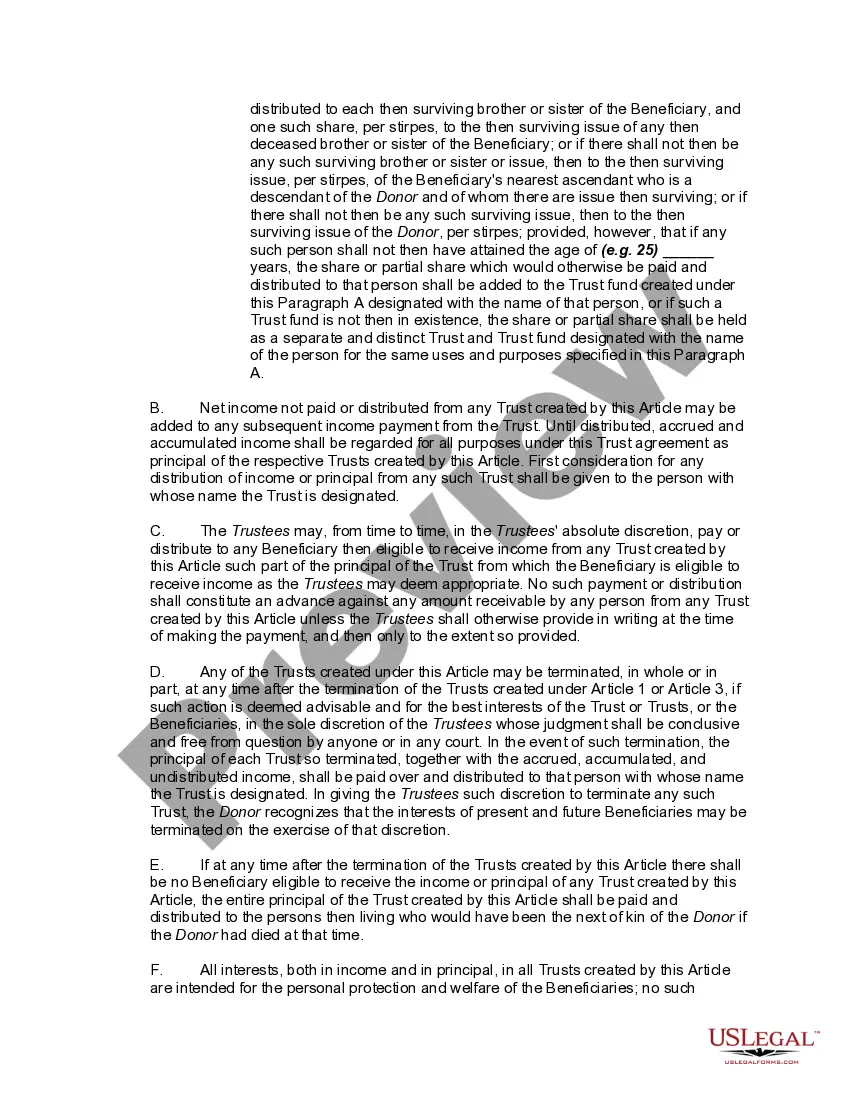
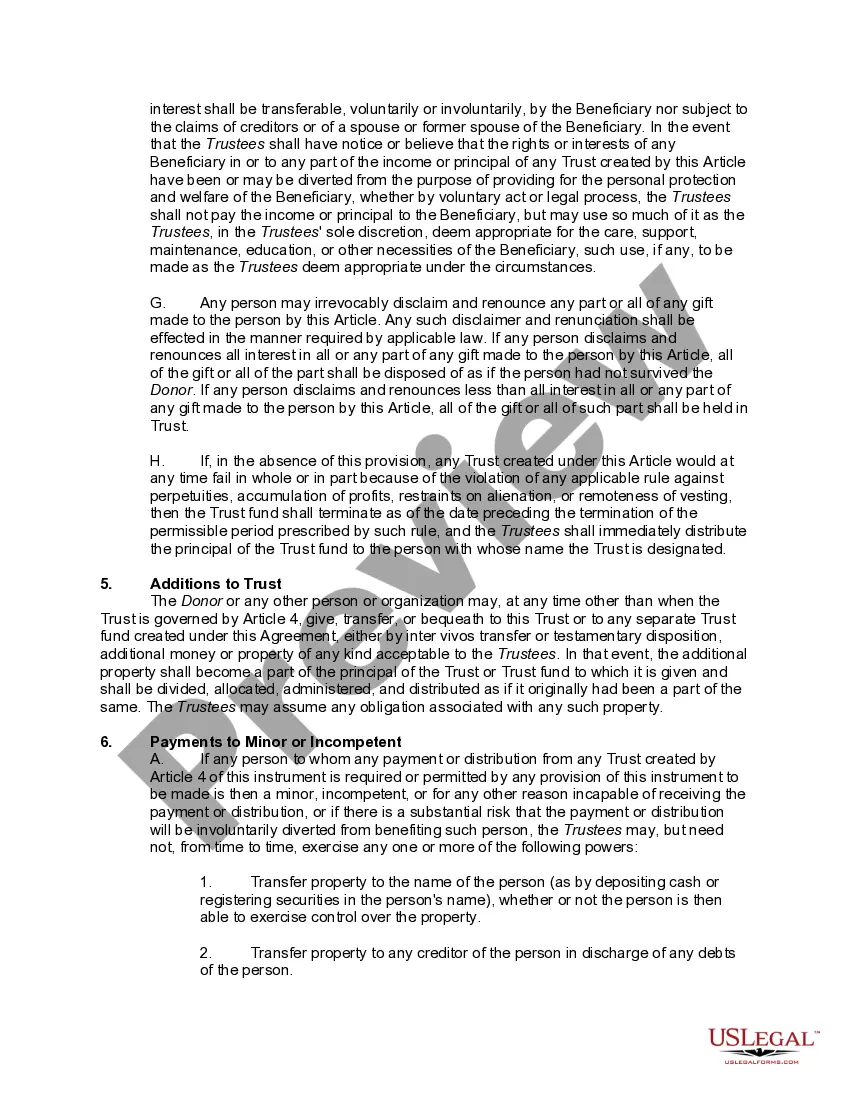
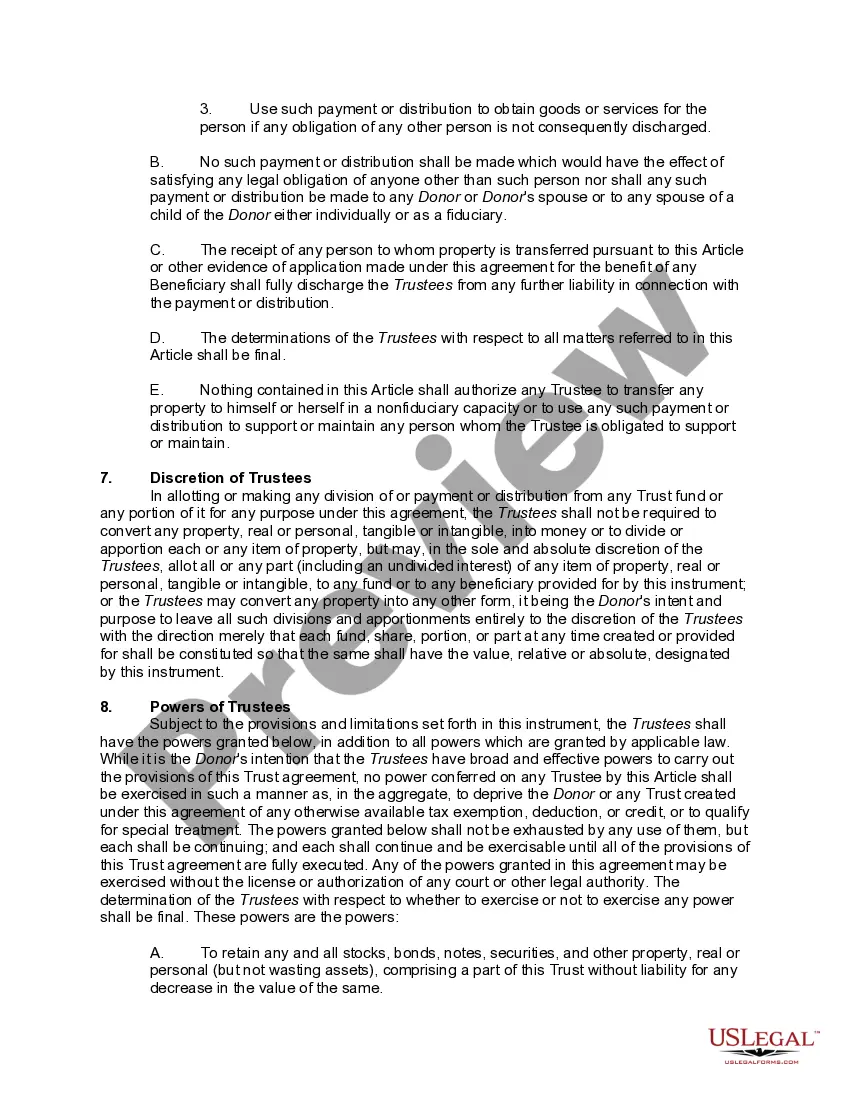
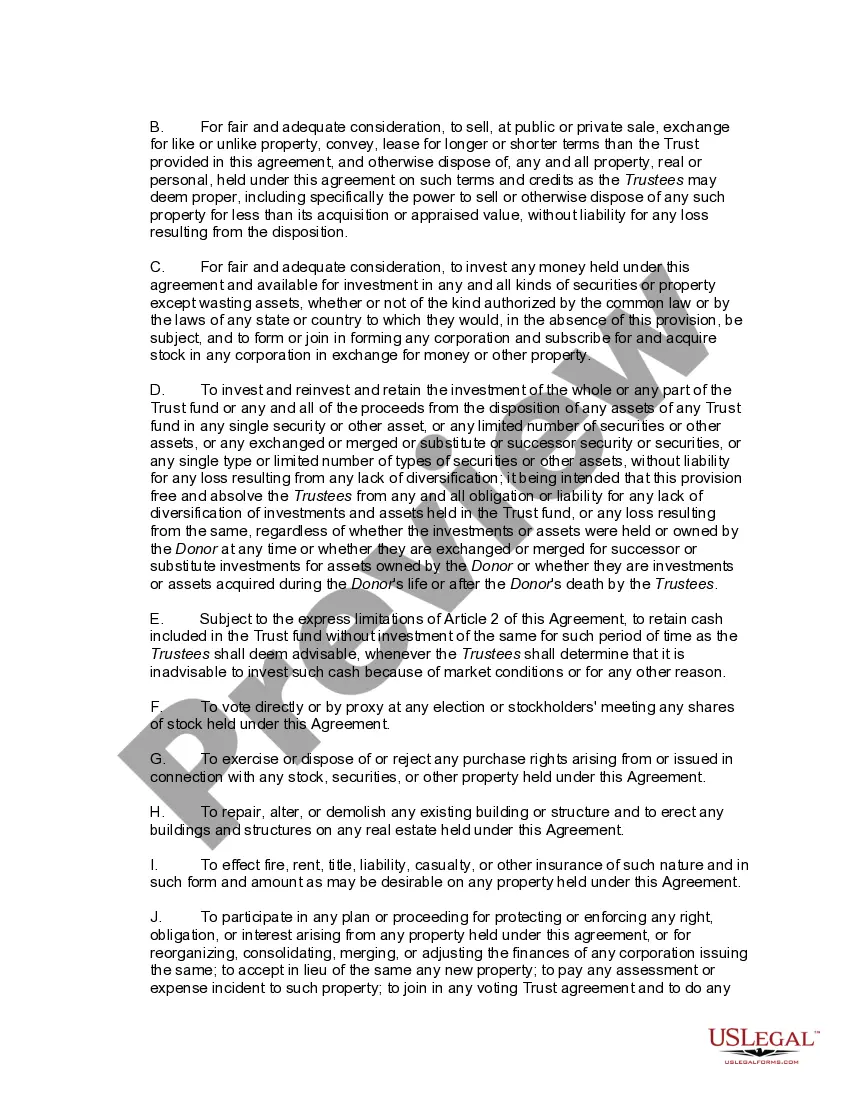
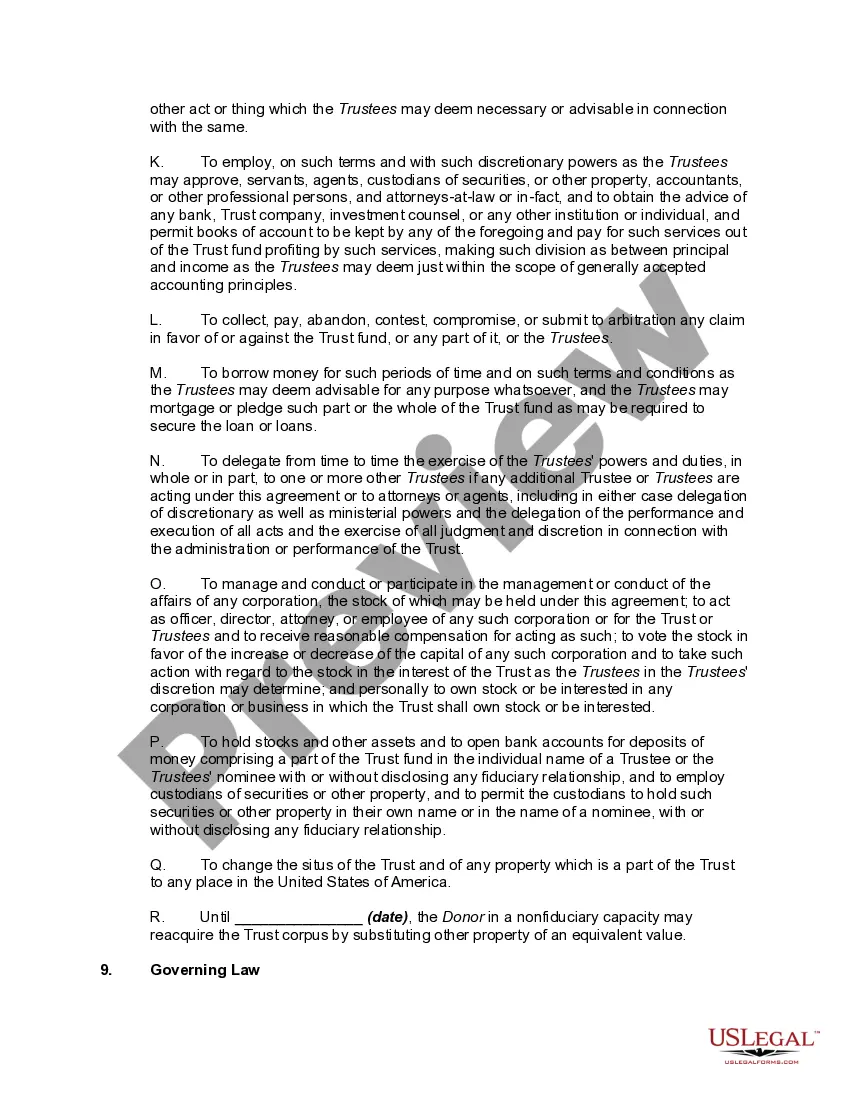
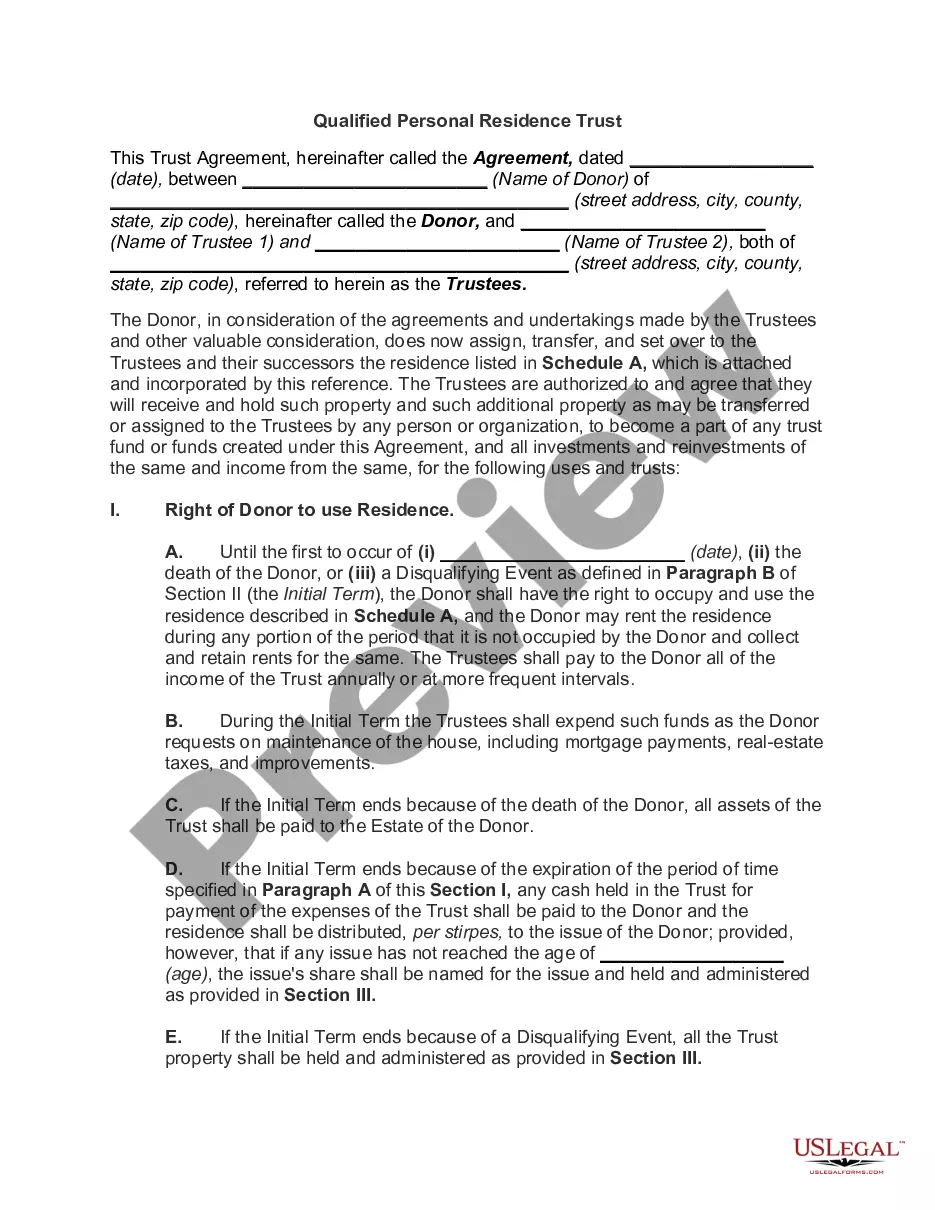
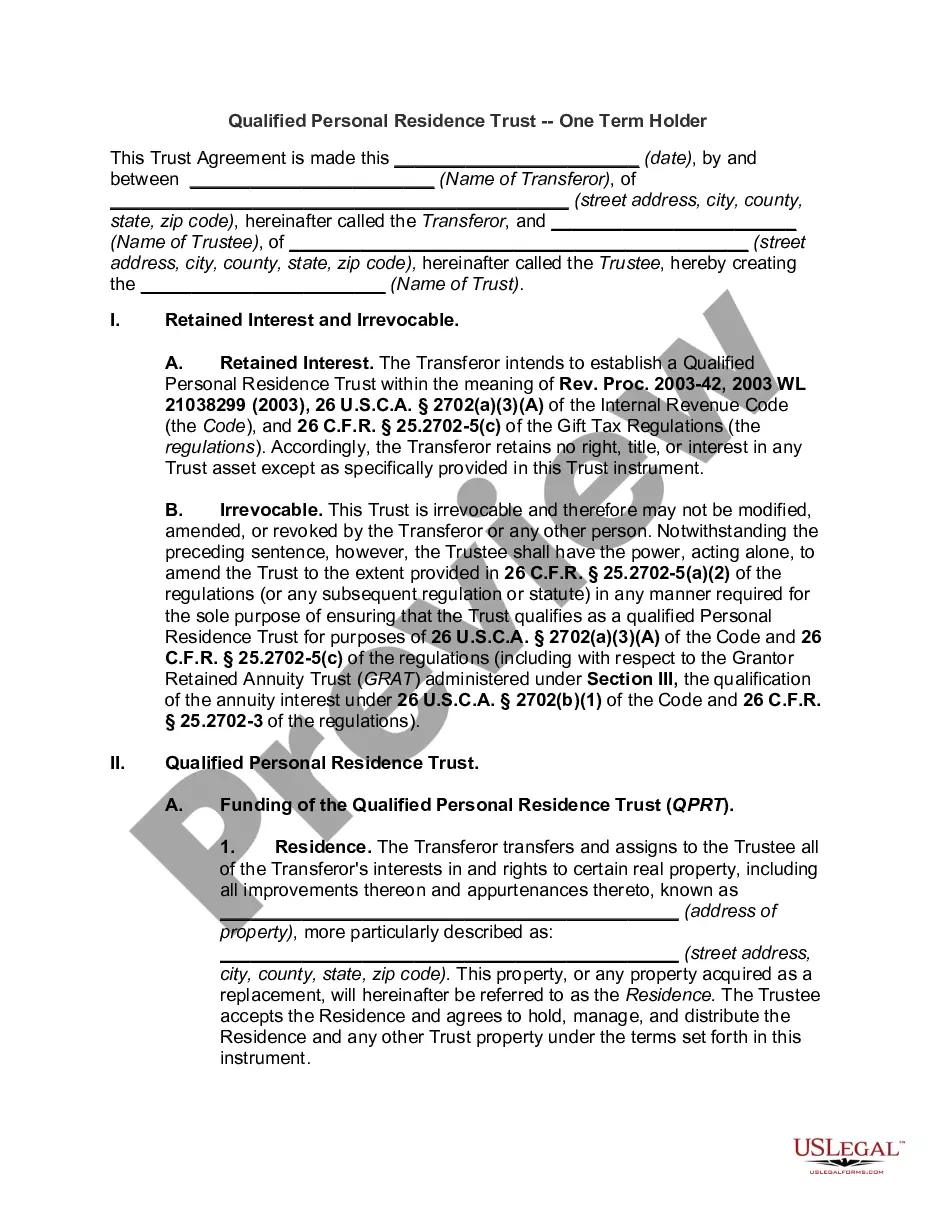
The Trust Form Real Estate Withdrawal displayed on this page is a versatile formal template created by skilled attorneys in accordance with federal and state laws and regulations.
For over 25 years, US Legal Forms has offered individuals, companies, and lawyers more than 85,000 verified, state-specific forms for various business and personal circumstances. It is the fastest, easiest, and most reliable method to acquire the documents you require, as the service ensures the highest level of data security and anti-malware safeguards.
Register with US Legal Forms to have validated legal templates for all of life’s situations at your fingertips.
- Browse for the document you require and review it.
- Navigate through the file you searched and preview it or check the form description to confirm it meets your needs. If it does not, use the search feature to find the suitable one. Click Buy Now once you have found the template you need.
- Subscribe and Log In.
- Select the pricing plan that fits you and create an account. Use PayPal or a credit card to make a swift payment. If you already have an account, Log In and review your subscription to proceed.
- Obtain the editable template.
Form popularity
FAQ
Withdrawing from a trust involves a legal process that can be straightforward. First, you need to identify the type of trust and the specific terms outlined in the trust document. Generally, you will need to submit a trust form real estate withdrawal request to the trustee. They will then assess it based on the trust's guidelines, ensuring a smooth transaction while adhering to legal requirements.
You can obtain a trust amendment form through legal document providers such as US Legal Forms, which offers a wide variety of customizable templates. This platform makes it easy to find the specific trust amendment you need. If you are looking specifically for a trust form real estate withdrawal, US Legal Forms has resources that can assist you in making the process smooth.
In general, beneficiaries of the trust have the right to view the trust documents, as they outline their interests. However, the trustee also plays a critical role in determining access. If you need to review the trust for reasons concerning your stake or a trust form real estate withdrawal, consider discussing it directly with the trustee.
Yes, you can make withdrawals from a trust, but it depends on the terms outlined in the trust document. The trustee typically has the authority to distribute funds, including real estate withdrawal, as specified. If you want to initiate a trust form real estate withdrawal, ensure you understand any limitations or requirements set by the trust.
When you take a house out of a trust, the property ownership transfers to the individual rather than the trust. This transfer can have various legal and tax implications, particularly in terms of potential gift taxes or property taxes. It's important to consult with a professional to understand the consequences fully, especially while handling trust form real estate withdrawals.
An executor can distribute an estate to beneficiaries after settling all debts, taxes, and claims against the estate. This process generally involves completing the probate procedure, which ensures that everything is in order. Therefore, patience and thoroughness are vital as you navigate estate distributions, especially concerning trust form real estate withdrawals.
Form 593 is normally filed by individuals who receive California source income from estates or trusts. If you receive distributions that fall under California tax law, you should be aware of your filing obligations. Ensure you follow the guidelines correctly to avoid potential issues with tax authorities, especially when managing trust form real estate withdrawals.
To report estate distributions to beneficiaries, you should provide them with Form K-1 if required. This form outlines the distribution and any taxable income involved. Additionally, ensure that all estate-related transactions are documented accurately. Using the right tools, like USLegalForms, can facilitate clear reporting when dealing with complex trust form real estate withdrawals.
Withdrawals from a trust can be taxable, depending on the nature of the assets and the trust's structure. Generally, if you withdraw assets from a revocable trust, there may be no immediate tax implications. However, if a withdrawal involves income-generating assets, you might face tax consequences. It’s wise to review your situation with a tax advisor, especially when considering trust form real estate withdrawal.
Yes, K-1 estate distributions are typically considered income. Beneficiaries may need to include these distributions when filing taxes, depending on their specific tax situation. It's essential to consult with a tax professional to understand how these distributions influence your overall tax liability, especially in situations involving a trust form real estate withdrawal.