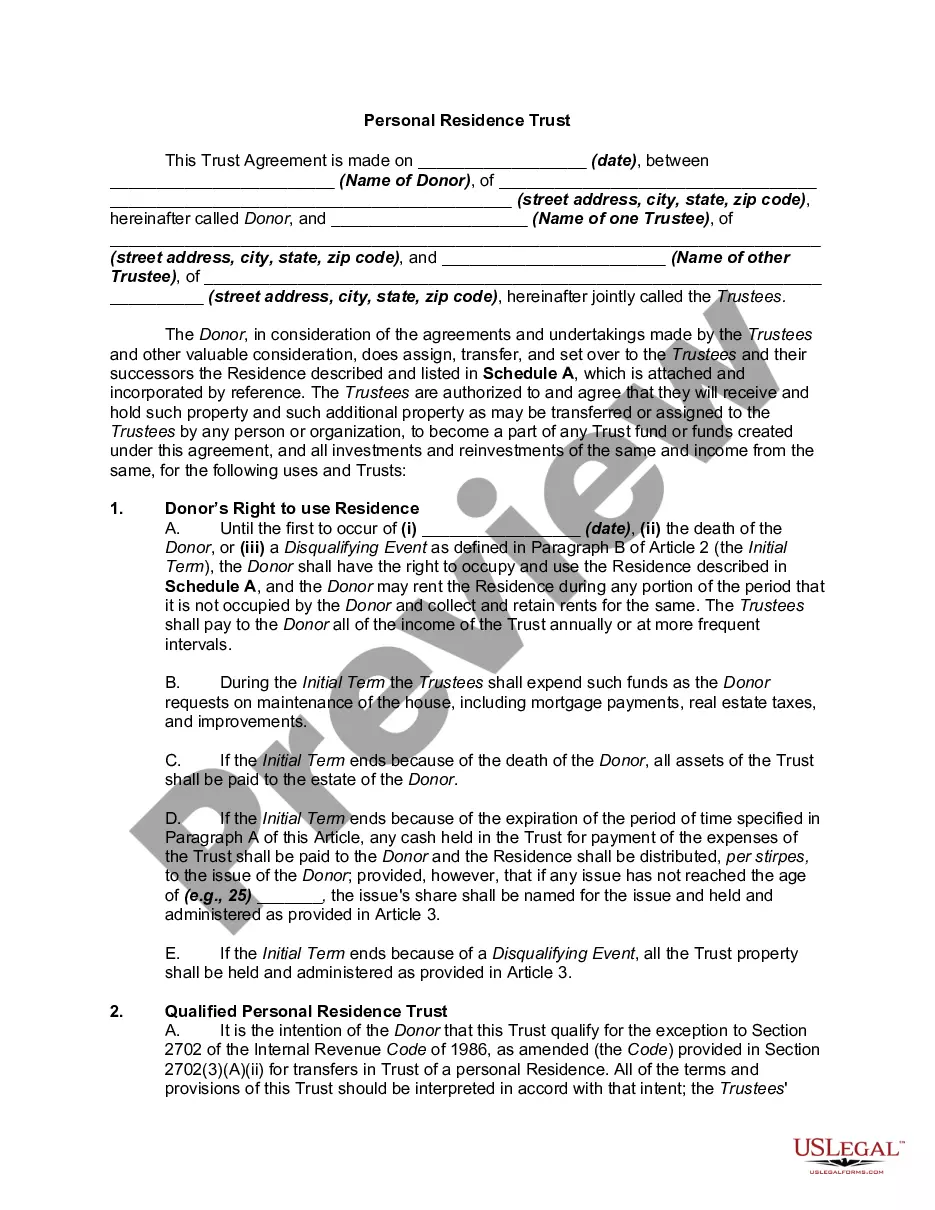
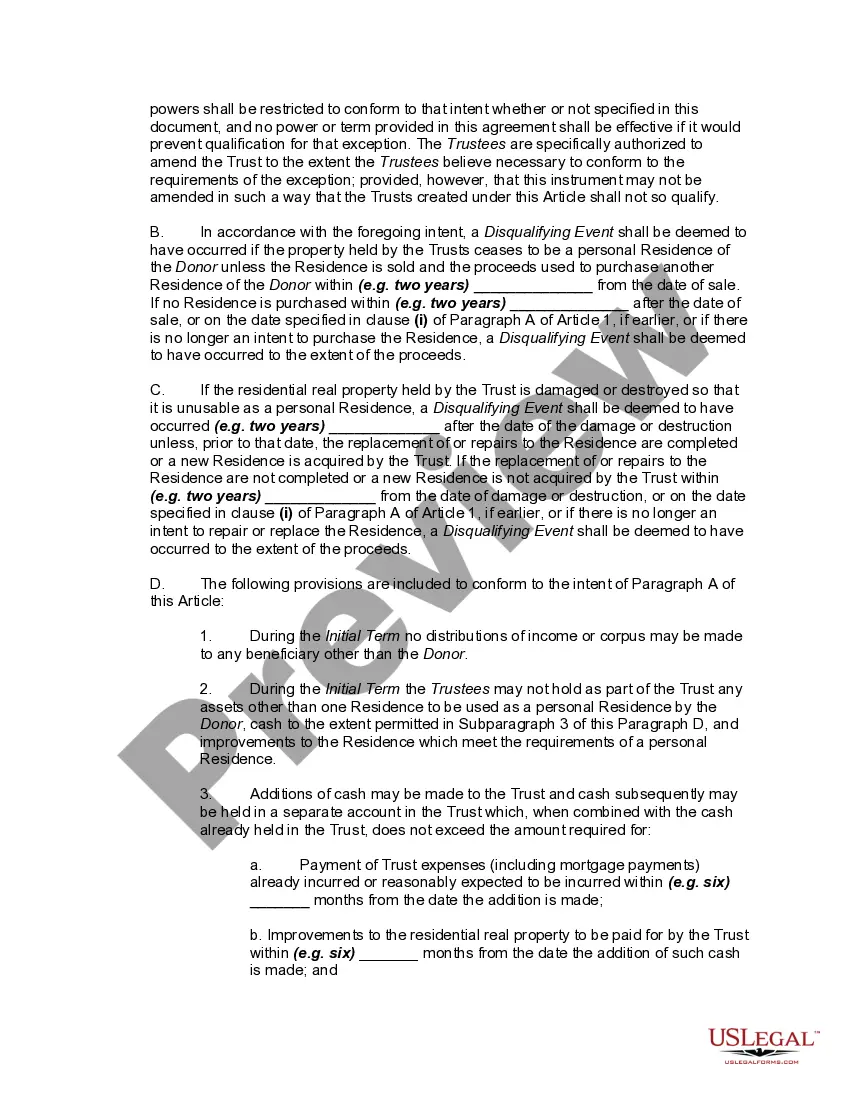
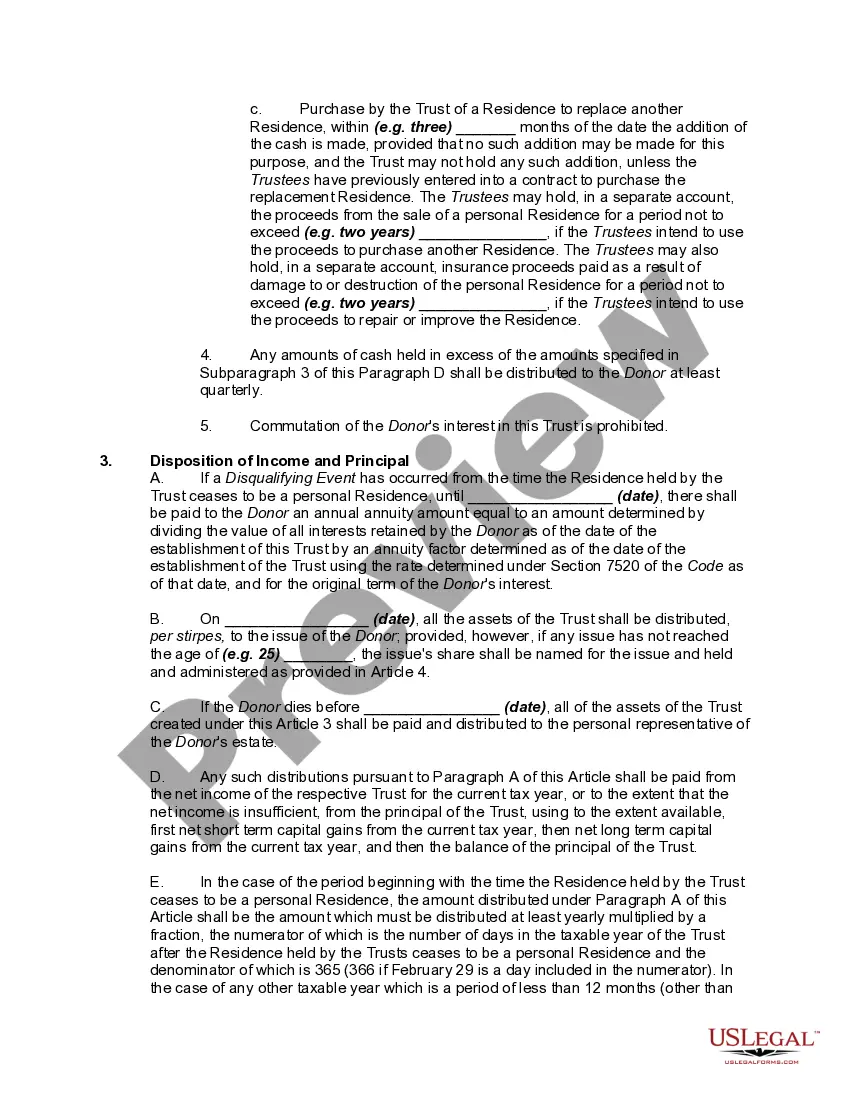
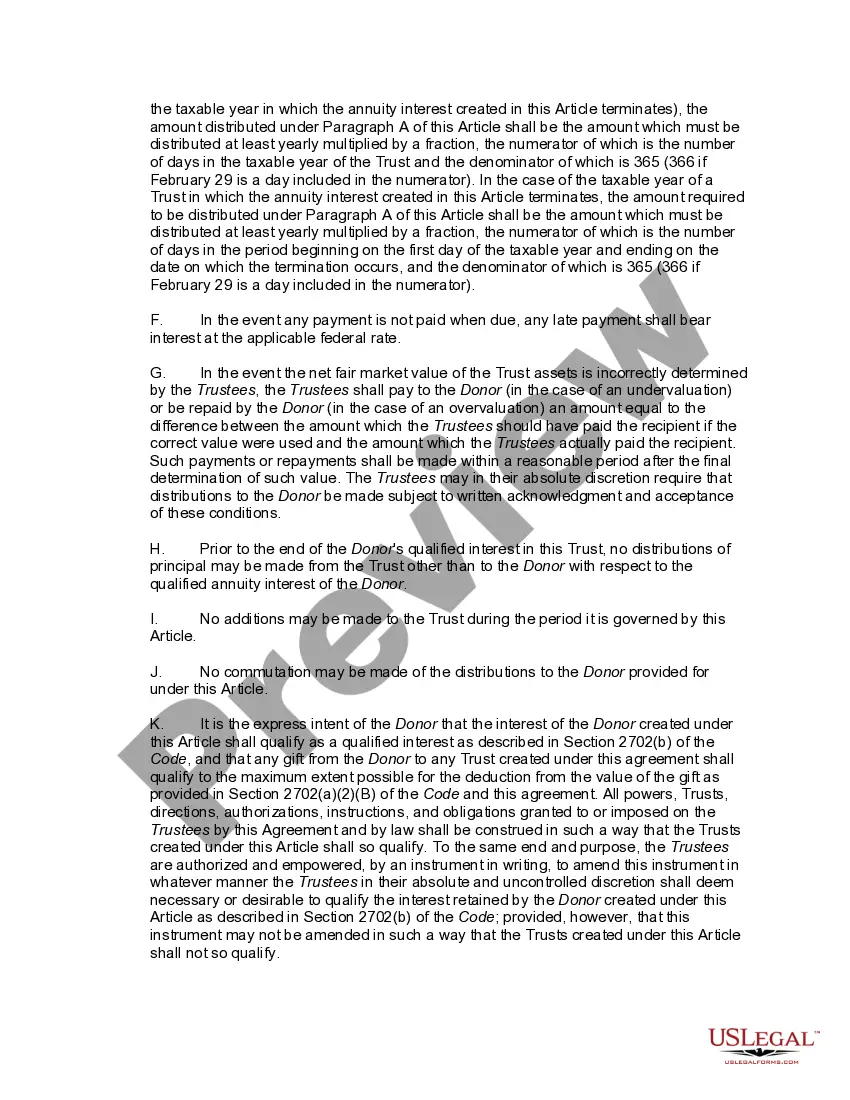
Trust Form Real Estate For Family
Description
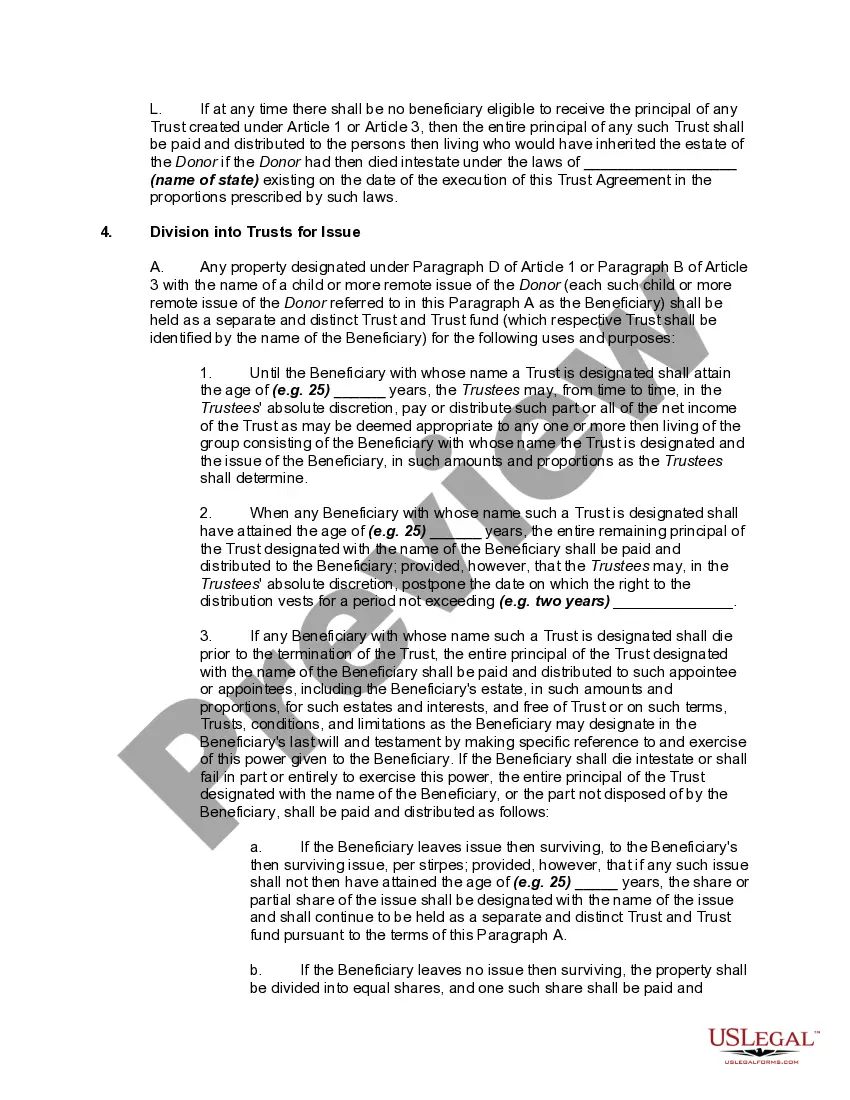
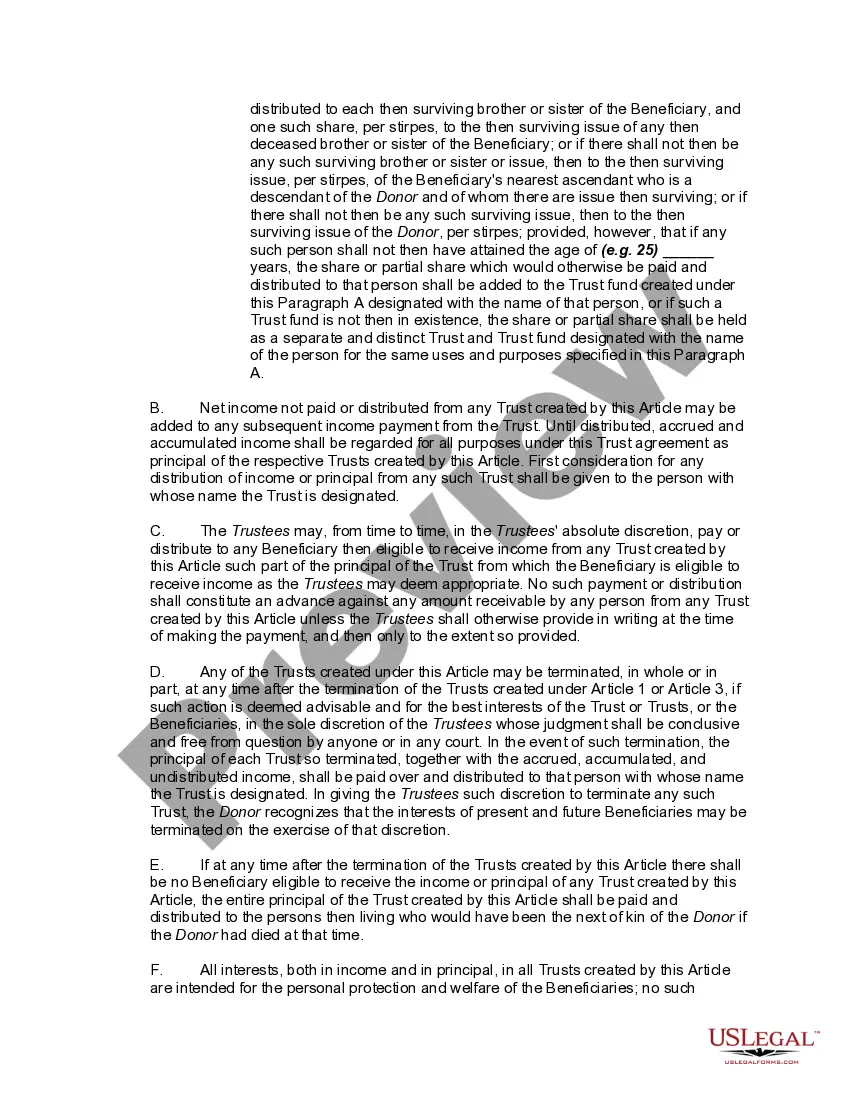
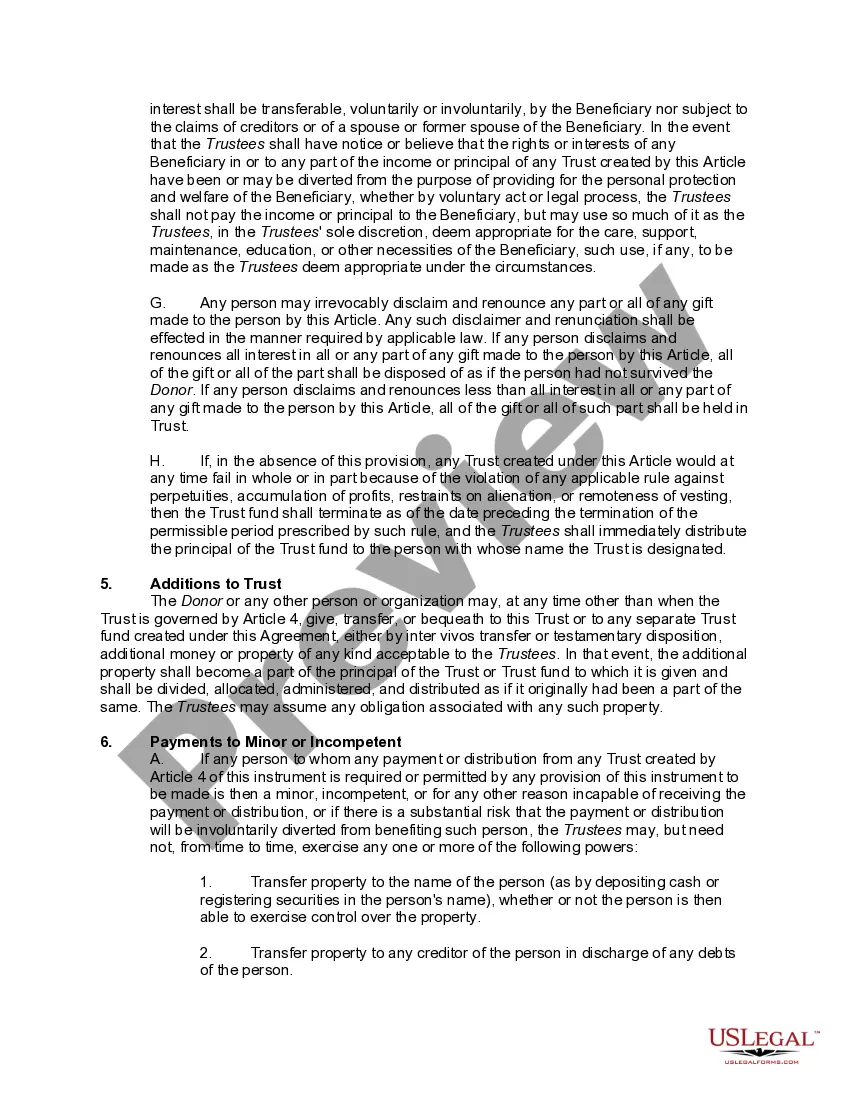
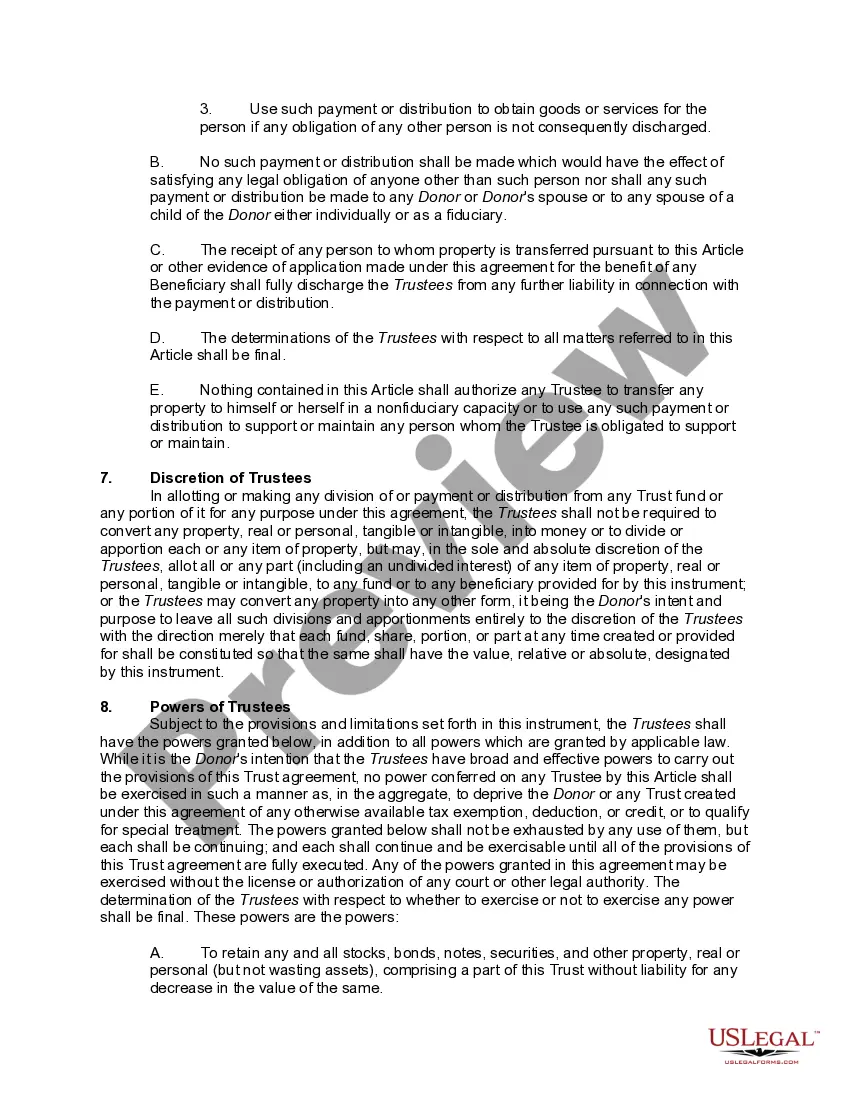
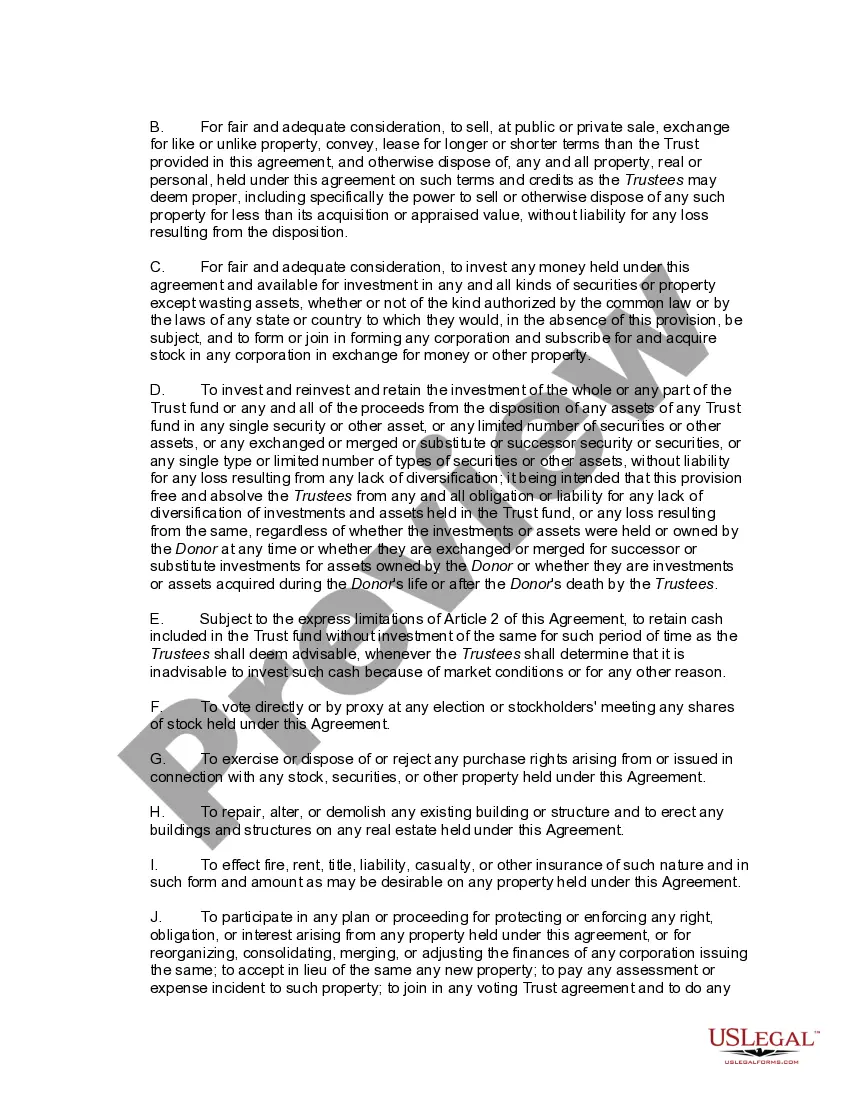
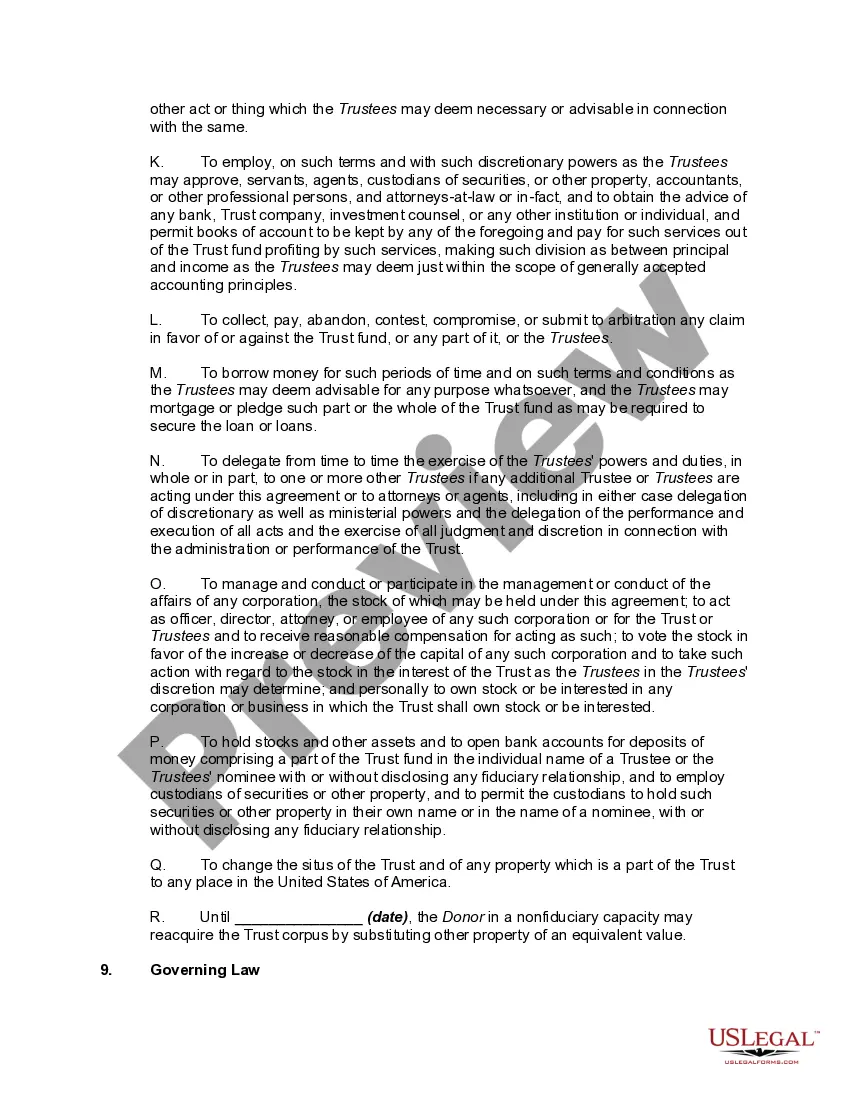

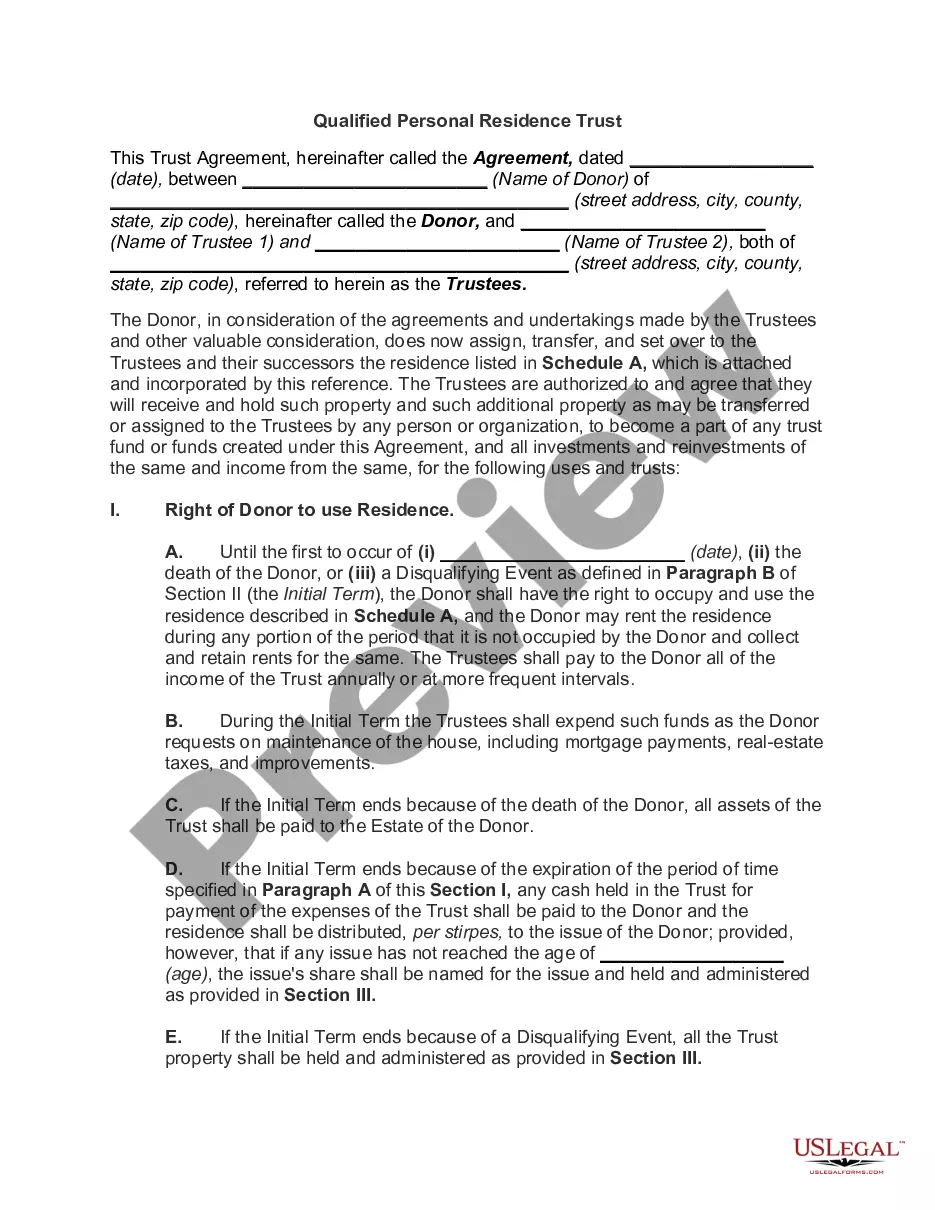
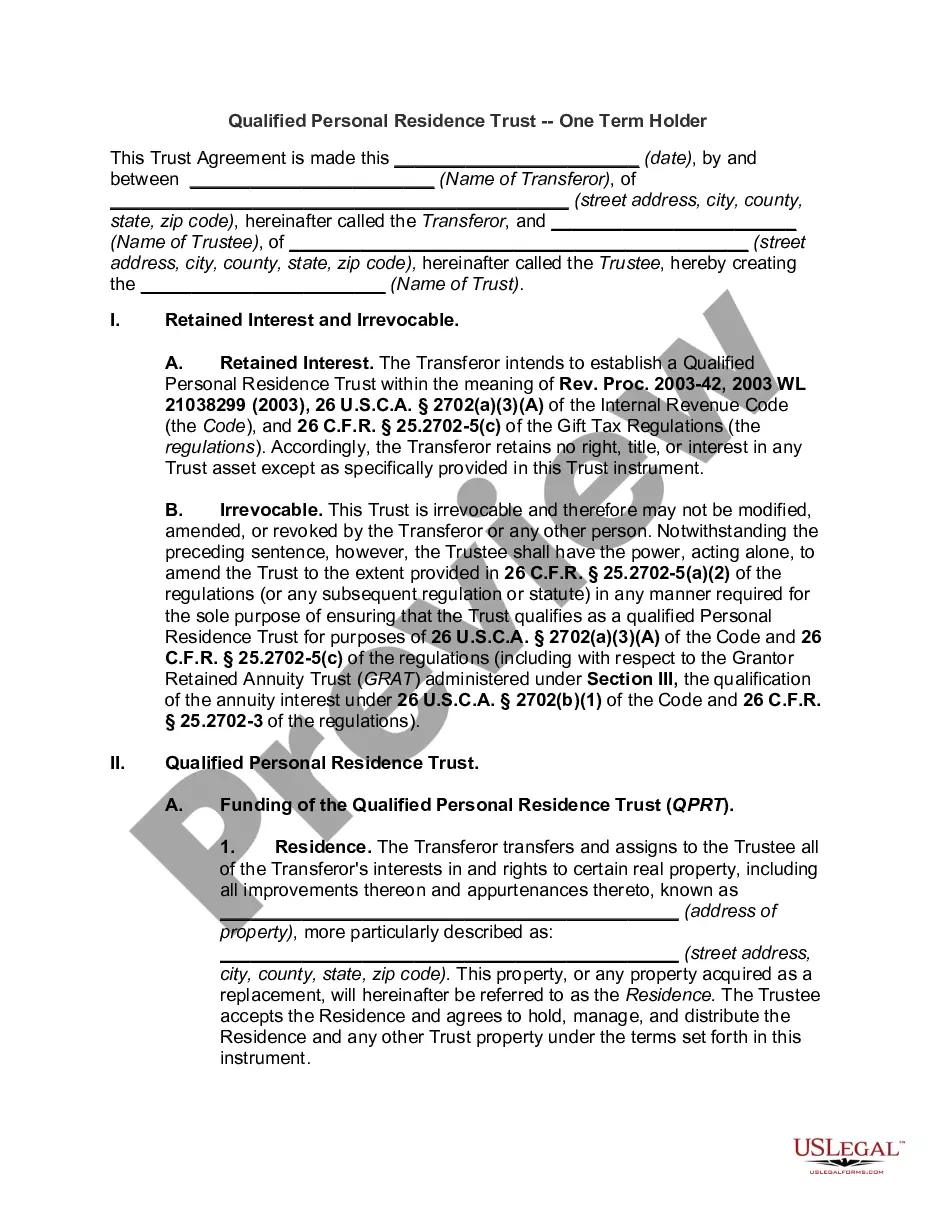
Get your form ready online
Our built-in tools help you complete, sign, share, and store your documents in one place.
Make edits, fill in missing information, and update formatting in US Legal Forms—just like you would in MS Word.
Download a copy, print it, send it by email, or mail it via USPS—whatever works best for your next step.
Sign and collect signatures with our SignNow integration. Send to multiple recipients, set reminders, and more. Go Premium to unlock E-Sign.
If this form requires notarization, complete it online through a secure video call—no need to meet a notary in person or wait for an appointment.
We protect your documents and personal data by following strict security and privacy standards.

Make edits, fill in missing information, and update formatting in US Legal Forms—just like you would in MS Word.

Download a copy, print it, send it by email, or mail it via USPS—whatever works best for your next step.

Sign and collect signatures with our SignNow integration. Send to multiple recipients, set reminders, and more. Go Premium to unlock E-Sign.

If this form requires notarization, complete it online through a secure video call—no need to meet a notary in person or wait for an appointment.

We protect your documents and personal data by following strict security and privacy standards.
Looking for another form?
How to fill out Personal Residence Trust?
Finding a reliable source for the latest and most applicable legal templates is a significant part of navigating bureaucracy.
Selecting the appropriate legal documents necessitates precision and meticulousness, which is why it’s crucial to obtain samples of Trust Form Real Estate For Family exclusively from credible providers, like US Legal Forms. An incorrect template could waste your time and delay your situation.
Eliminate the stress associated with your legal paperwork. Explore the extensive US Legal Forms library where you can discover legal templates, assess their relevance to your situation, and download them instantly.
- Use the catalog navigation or search bar to locate your sample.
- Access the form's details to confirm it meets the requirements of your state and area.
- View the form preview, if available, to ensure it is indeed the one you need.
- Return to the search if the Trust Form Real Estate For Family doesn't fulfill your requirements and look for the correct document.
- If you are confident in the form's suitability, download it.
- As a registered user, click Log in to verify your account and access your selected templates in My documents.
- If you haven't created an account, click Buy now to acquire the form.
- Select the pricing plan that best fits your needs.
- Proceed with registration to complete your transaction.
- Finalize your purchase by selecting a payment option (credit card or PayPal).
- Choose the file format for downloading Trust Form Real Estate For Family.
- Once the form is on your device, you can edit it with an editor or print and complete it by hand.
Form popularity
FAQ
The best trust for family property often depends on your specific circumstances and goals. A revocable living trust is a popular option as it allows for flexibility during your lifetime and provides for a seamless transition of assets after your death. You can also consider an irrevocable trust if you wish to protect assets from creditors. Using a reliable platform like USLegalForms can help you create the right trust form for real estate for family, ensuring you meet all legal requirements.
Yes, creating a trust for your real estate can be a beneficial decision for your family. A trust helps facilitate the smooth transfer of properties while potentially reducing estate taxes. This arrangement also enhances privacy and can help avoid lengthy probate processes. By using a trust for real estate for family, you can ensure your loved ones receive their inheritance with fewer complications.
Yes, you can place your property in a trust without a lawyer, but caution is essential. Using online resources like uslegalforms can guide you through the process and help you access the necessary documents. However, ensure you understand the implications of your decisions, as mistakes can complicate your family's real estate trust. Doing thorough research can enable you to navigate the trust setup confidently.
Creating a family real estate trust involves several steps. Begin by defining the purpose of the trust and selecting a trustee to manage it. You can then gather necessary documents, such as the property deed, and work on drafting the trust agreement. Utilizing a platform like uslegalforms can streamline this process and ensure you fulfill all legal requirements for your trust for real estate for family.
Placing your house in a trust can lead to drawbacks, including potential costs. You may incur fees for setting up and maintaining the trust, which could add to your expenses. Additionally, if you need to access funds or sell the property, the process might become more complex. Always weigh the benefits against these factors when considering a trust for real estate for family.
If the ultimate beneficiaries of the Living Trust are family members of the person who created the trust, the trust will often be referred to as a ?Family Trust.? If those beneficiaries include friends, charities, or other non-family members, then the trust is typically called a ?Living Trust.?
When you create a trust, you set up a plan to take care of the people you love when you're no longer around or lack capacity to assist them. Not only can a trust simplify the process of asset distribution, it can also help you leave a lasting financial legacy.
To form a family trust, a settlor needs to give assets or a sum of money to the trustee and sign the trust deed. Once the trust has been set up, the settlor will have no ongoing involvement in the trust. For tax reasons, the settlor should be someone with no other connection to the trust.
Disadvantages of a Family Trust You must prepare and submit legal documents, which the court charges a fee to process. The second financial disadvantage of a family trust is the lack of tax benefits, especially when it comes to filing income taxes. When the grantor dies, the trust must file a federal tax return.