Personal Form Estate For Taxes
Description
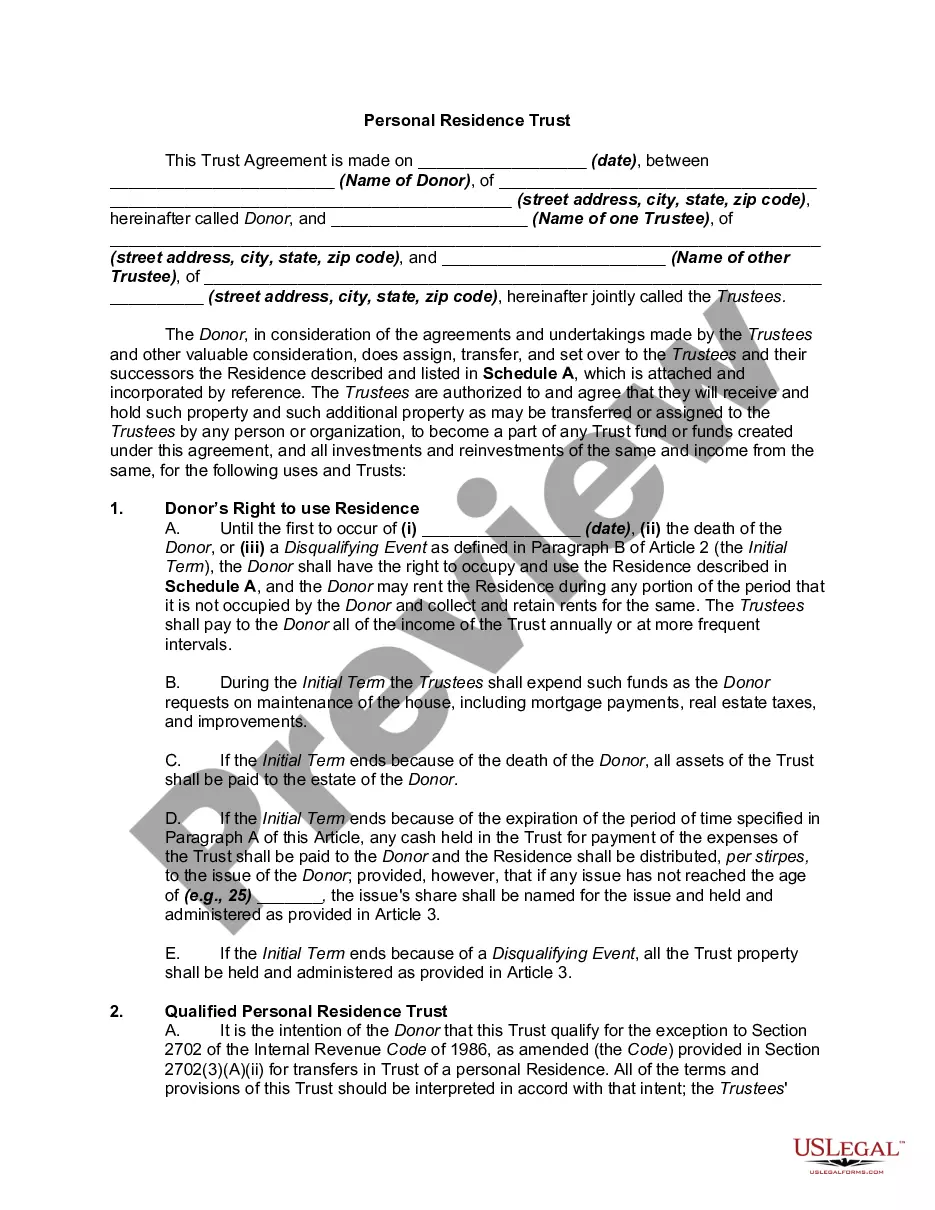
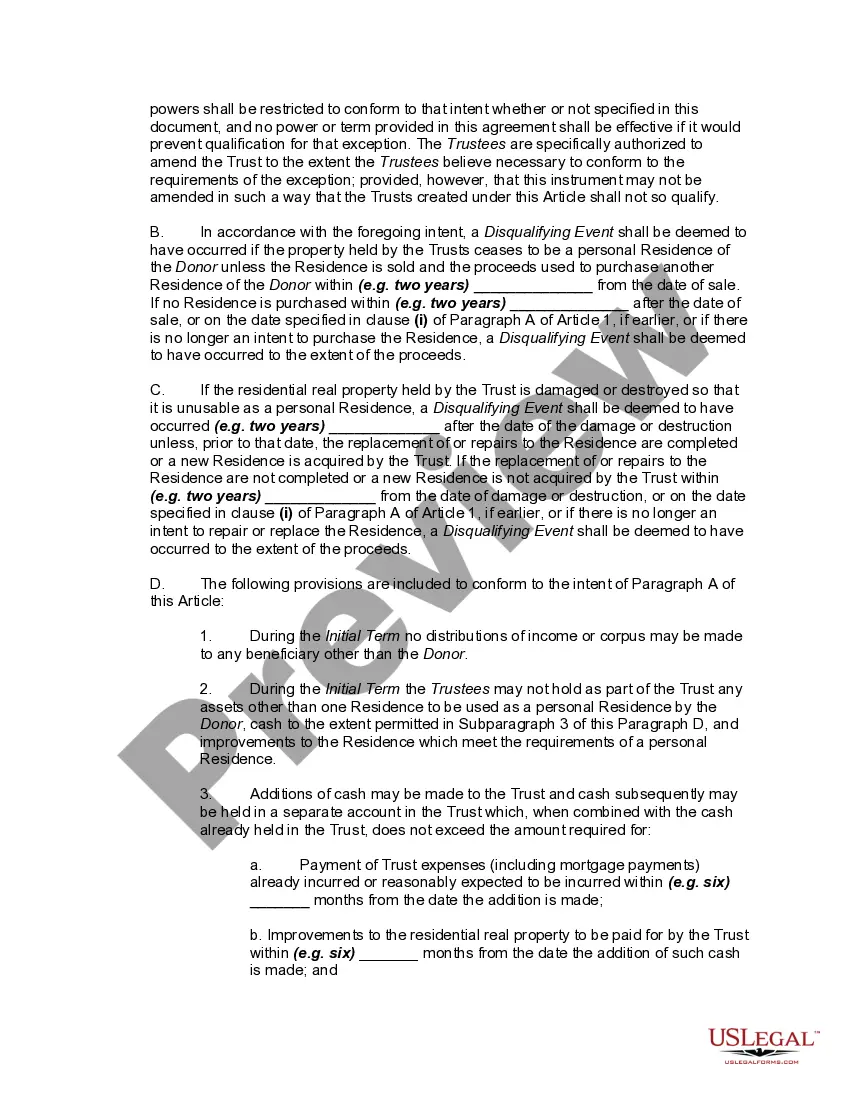
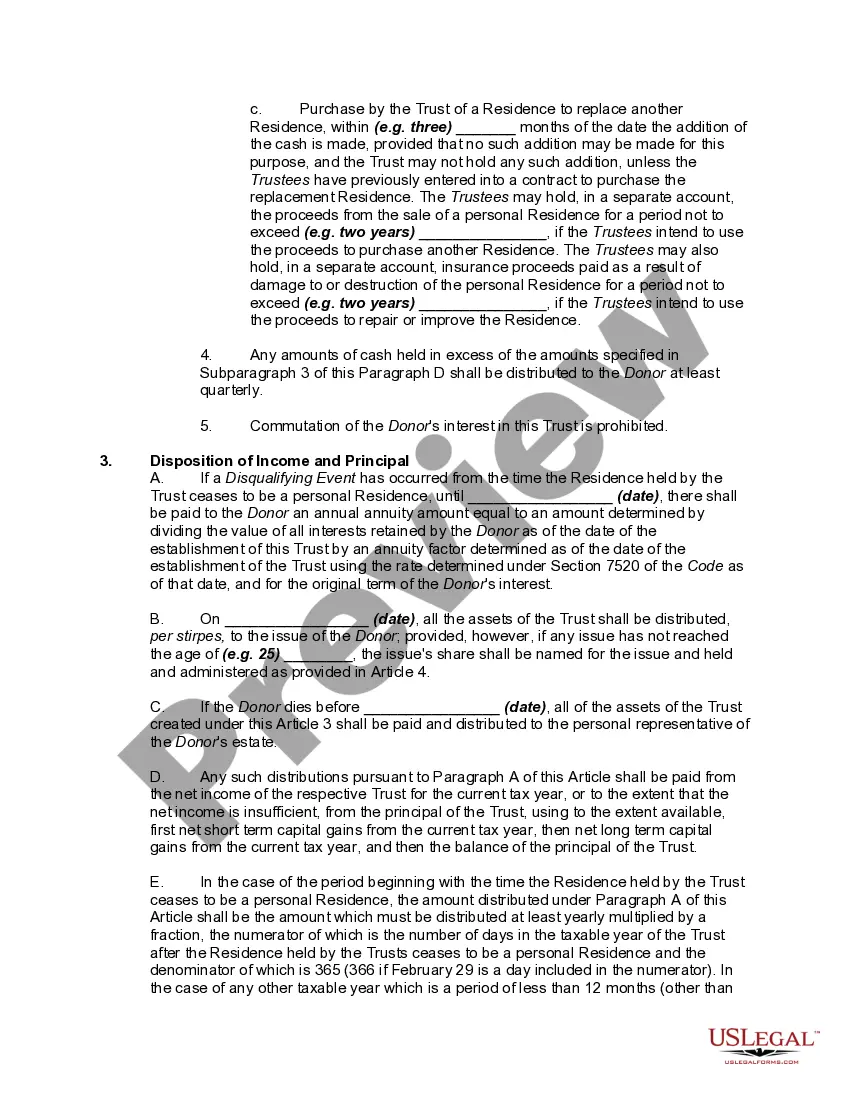
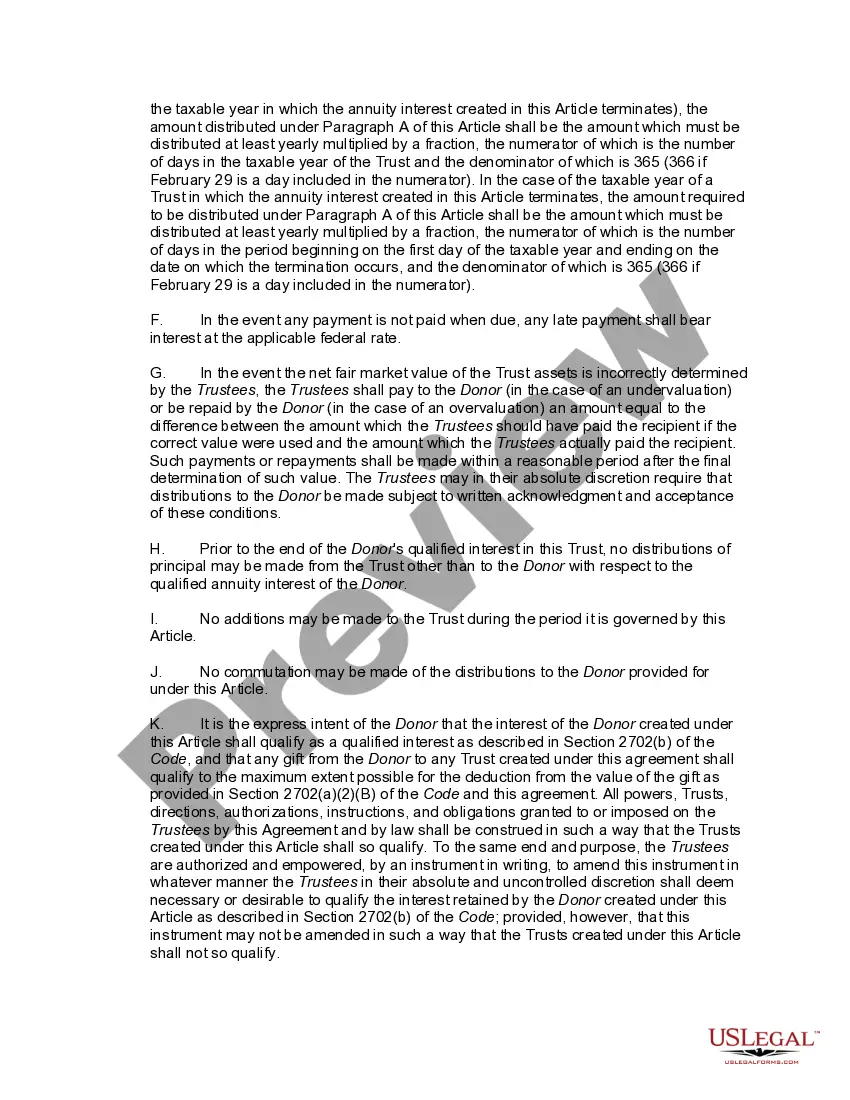

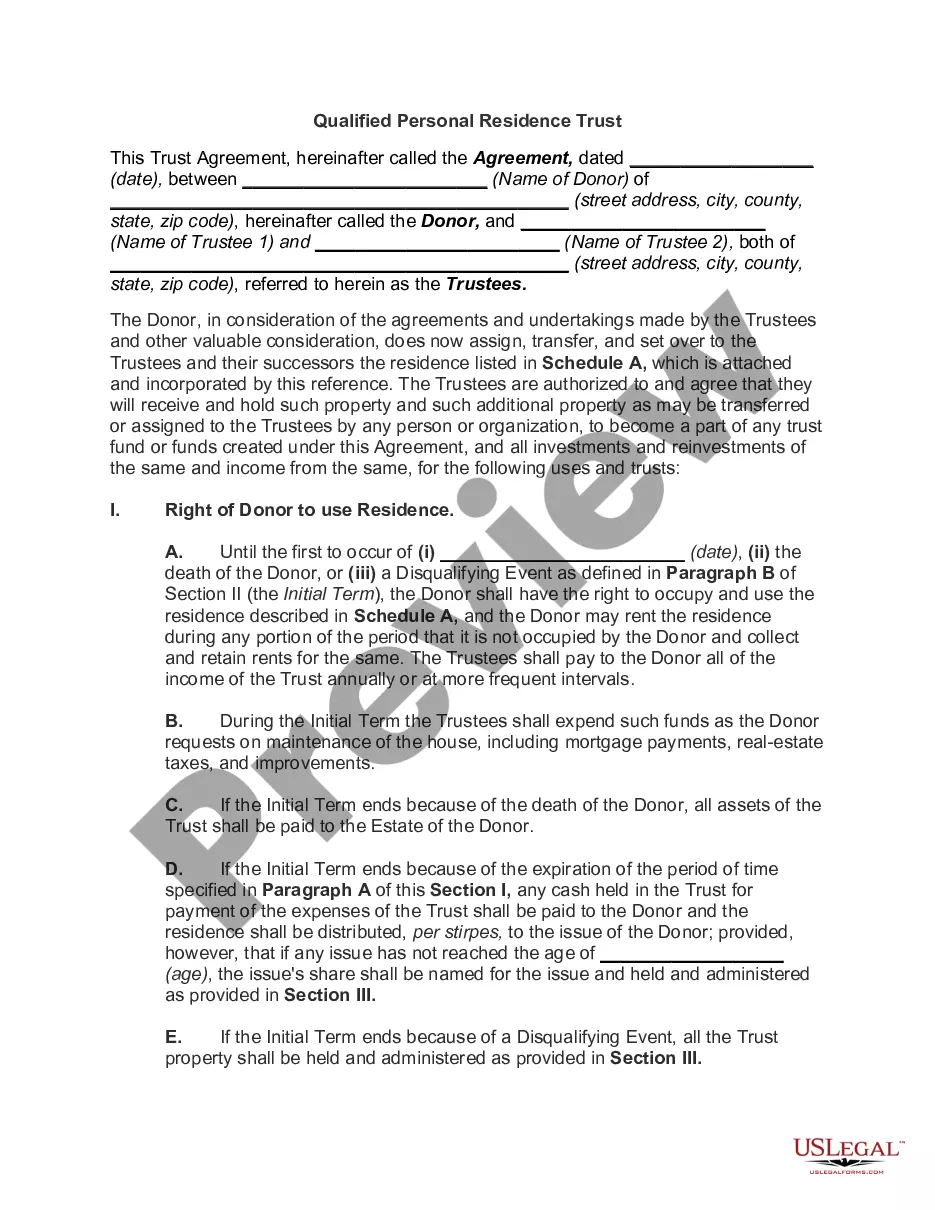
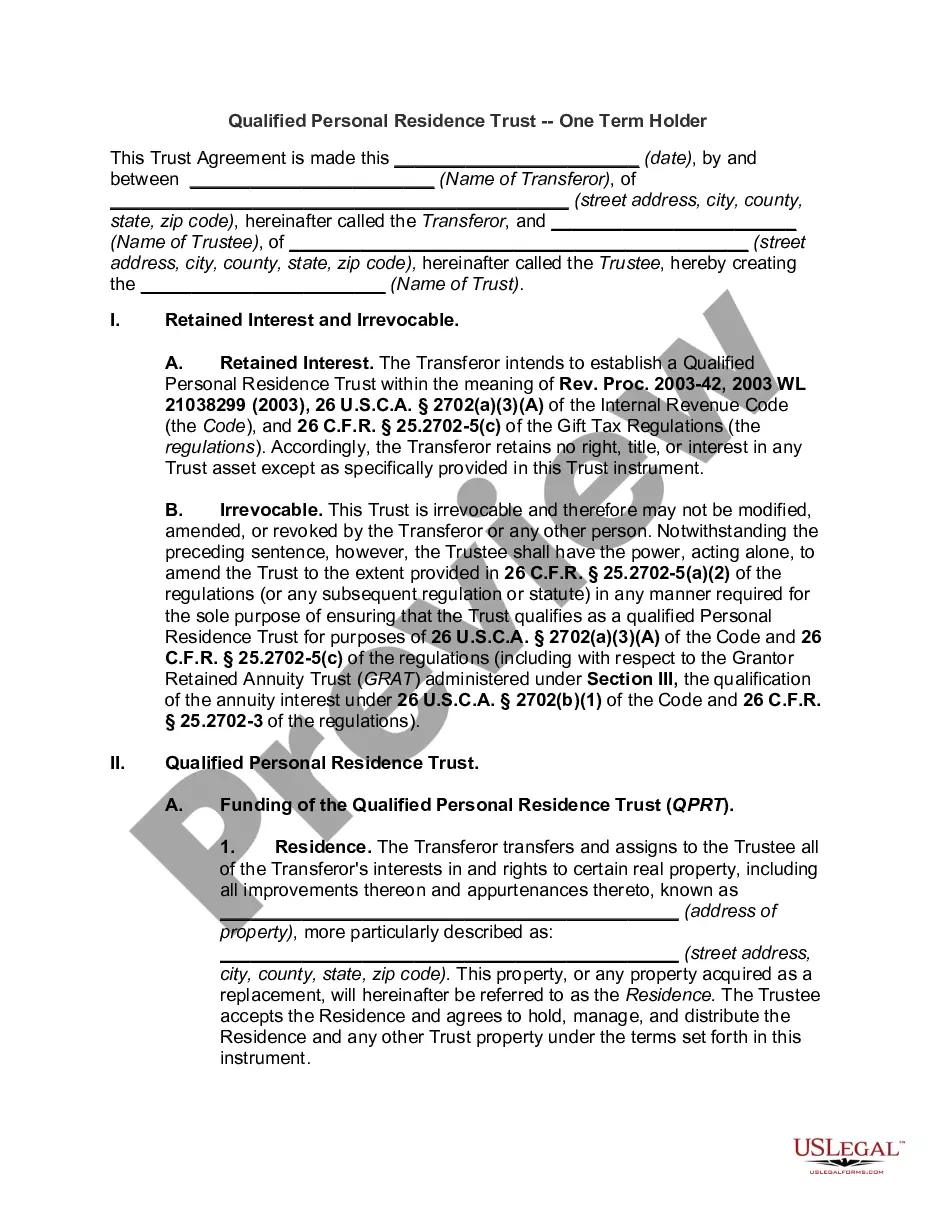
Get your form ready online
Our built-in tools help you complete, sign, share, and store your documents in one place.
Make edits, fill in missing information, and update formatting in US Legal Forms—just like you would in MS Word.
Download a copy, print it, send it by email, or mail it via USPS—whatever works best for your next step.
Sign and collect signatures with our SignNow integration. Send to multiple recipients, set reminders, and more. Go Premium to unlock E-Sign.
If this form requires notarization, complete it online through a secure video call—no need to meet a notary in person or wait for an appointment.
We protect your documents and personal data by following strict security and privacy standards.

Make edits, fill in missing information, and update formatting in US Legal Forms—just like you would in MS Word.

Download a copy, print it, send it by email, or mail it via USPS—whatever works best for your next step.

Sign and collect signatures with our SignNow integration. Send to multiple recipients, set reminders, and more. Go Premium to unlock E-Sign.

If this form requires notarization, complete it online through a secure video call—no need to meet a notary in person or wait for an appointment.

We protect your documents and personal data by following strict security and privacy standards.
Looking for another form?






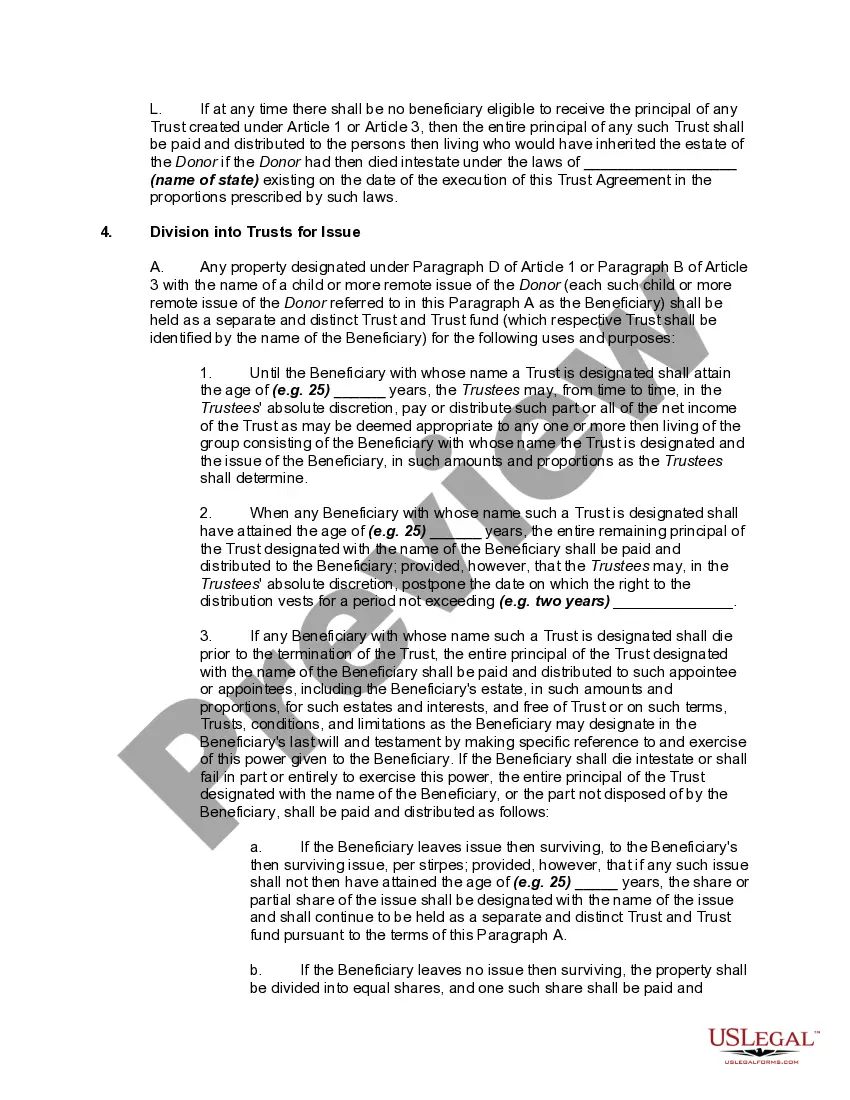
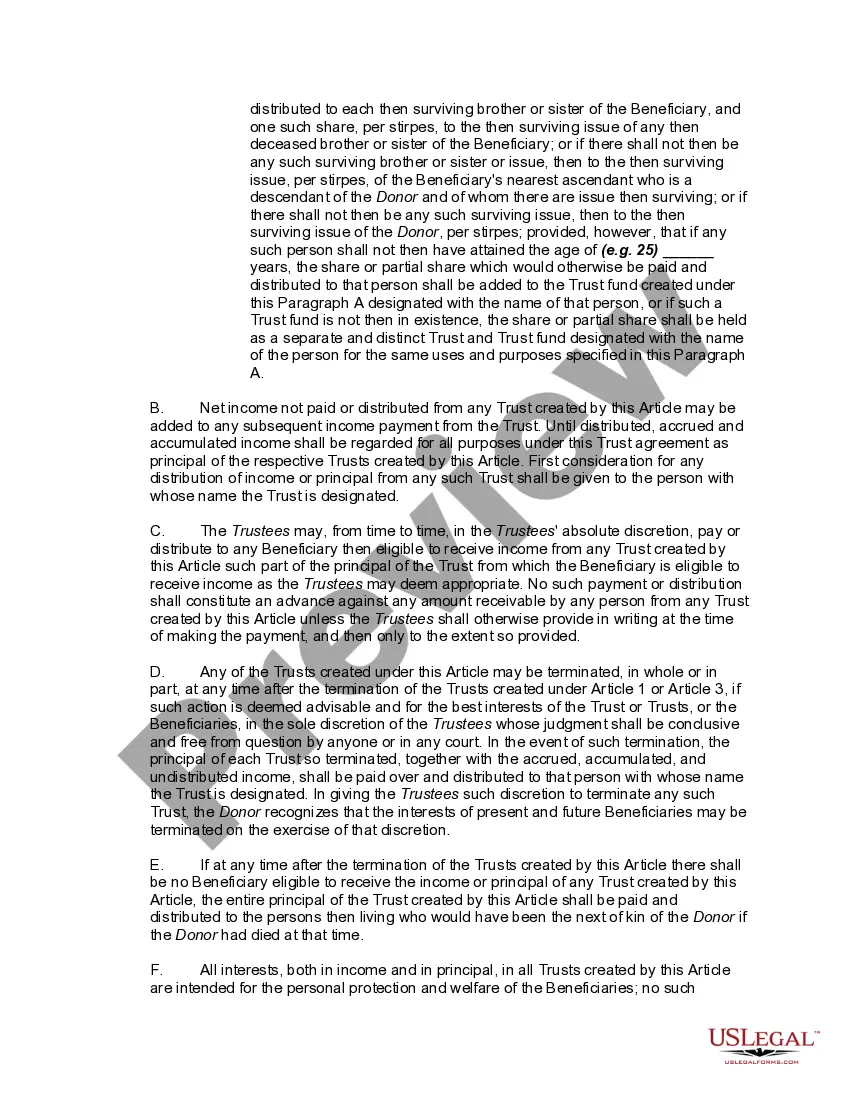
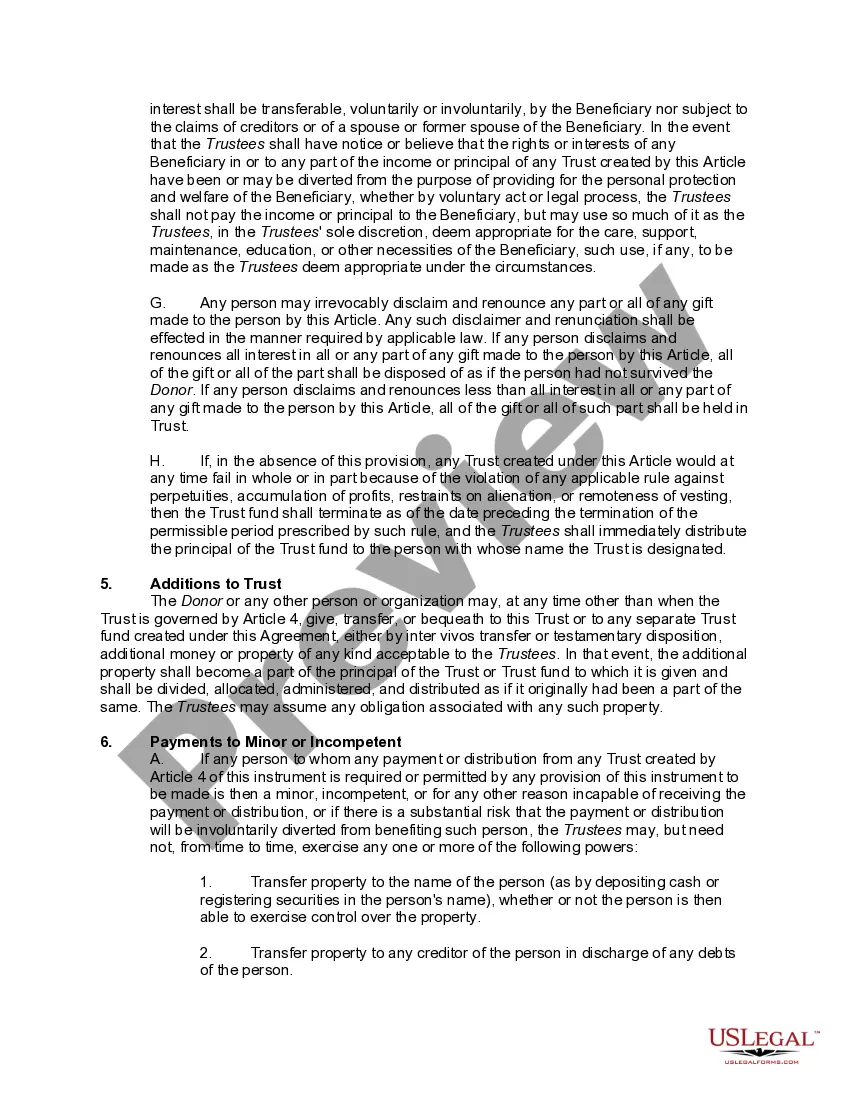
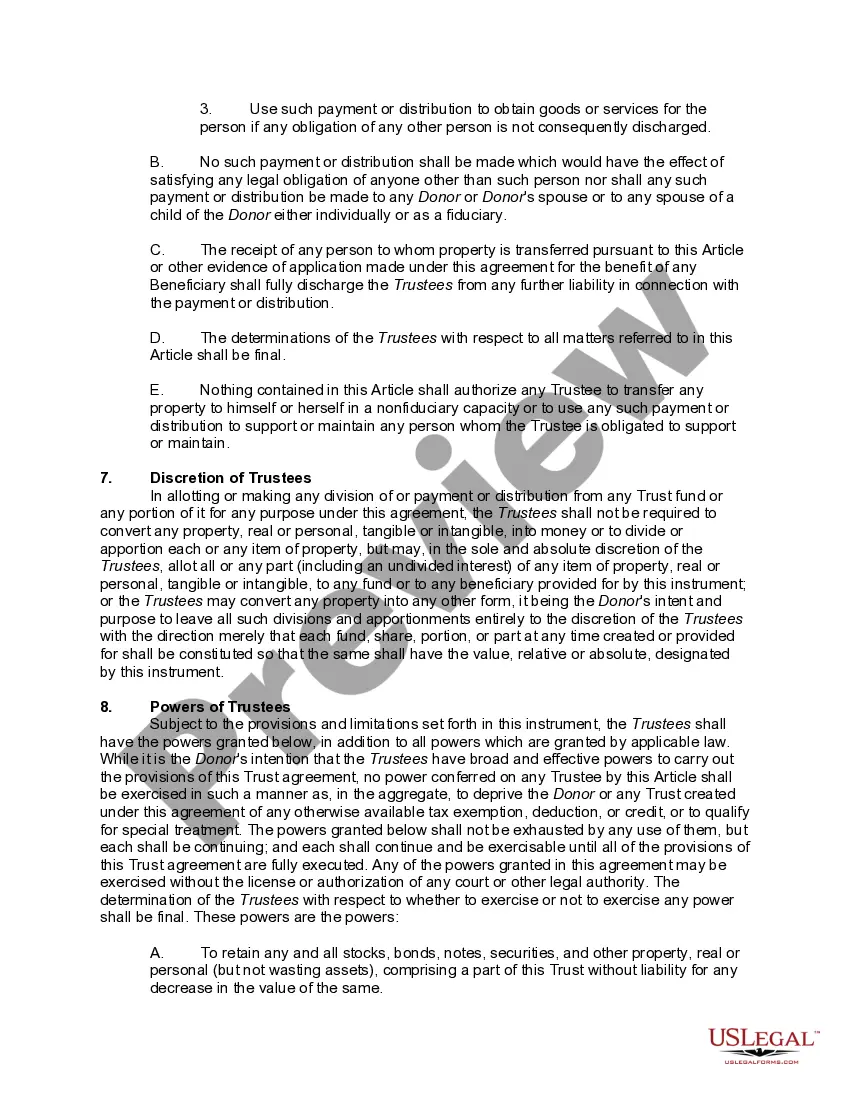
How to fill out Personal Residence Trust?
It’s well-known that one cannot instantly become a legal authority, nor can one swiftly learn how to effectively prepare Personal Form Estate For Taxes without having a specialized background.
Assembling legal documents is a lengthy process that requires particular education and expertise. So, why not leave the development of the Personal Form Estate For Taxes to the experts.
With US Legal Forms, which boasts one of the largest collections of legal documents, you can discover anything from legal filings to templates for internal business communication. We understand how important adherence and compliance with federal and state regulations are.
You can regain access to your documents anytime from the My documents section. If you are an existing customer, you can simply Log In to find and download the template from the same section.
Regardless of the purpose of your documents—whether financial, legal, or personal—our platform has you covered. Give US Legal Forms a try today!
- Locate the document you require using the search bar at the top of the page.
- View it (if this option is available) and read the accompanying description to determine if Personal Form Estate For Taxes is what you need.
- Start your search over if you require any additional template.
- Create a free account and choose a subscription plan to purchase the form.
- Select Buy now. Once the payment is processed, you can obtain the Personal Form Estate For Taxes, fill it out, print it, and send it or mail it to the relevant individuals or organizations.
Form popularity
FAQ
How to File the Terminal Tax Return in Canada (step-by-step) Apply for authorized representative. One of the first steps an executor must take when dealing with the estate taxes - is to notify the CRA. ... Gather the Necessary Documents. ... Fill Out the Tax Return. ... Claim Deductions and Credits. ... Submit the Return.
A personal representative for a decedent's estate is also a fiduciary. Form 56. If you are appointed to act in a fiduciary capacity for another, you must file a written notice with the IRS stating this. Form 56 is used for this purpose.
More Filing Tips For Executors of Estates When filing as an executor of estate, on the Form 1040, include only income and expense items up to the date of death. You'll also file a return for the estate on Form 1041. Include only income and expense items after the date of death.
If paper-filed, write ?Deceased,? the taxpayer's name, and the taxpayer's date of death across the top of the final return. If e-filed, follow the directions provided by the tax software and be sure to indicate the taxpayer is deceased and the date of death.
If the estate generates more than $600 in annual gross income, you are required to file Form 1041, U.S. Income Tax Return for Estates and Trusts. An estate may also need to pay quarterly estimated taxes. See Form 1041 instructions for information on when to file quarterly estimated taxes.