Tort Of Conversion Money
Description
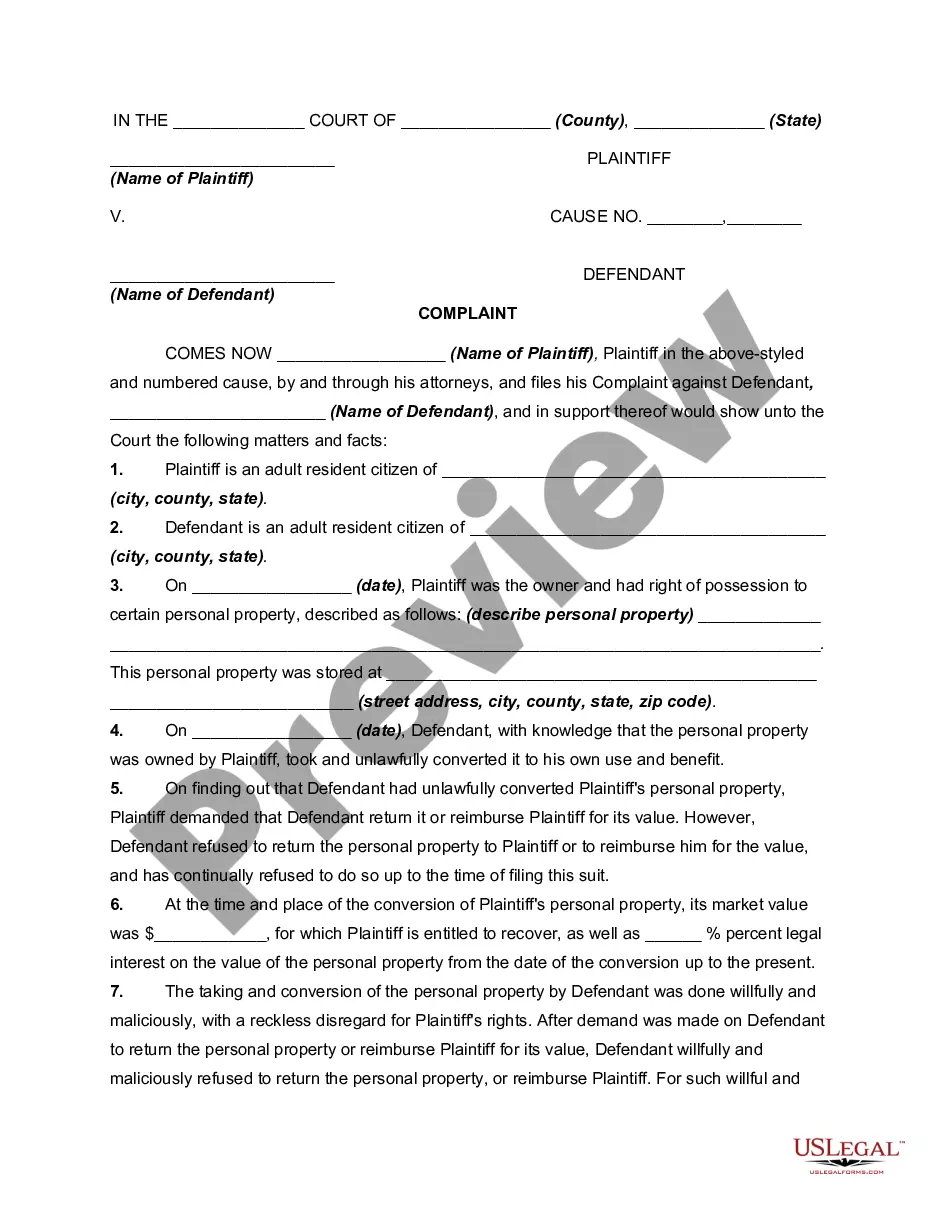
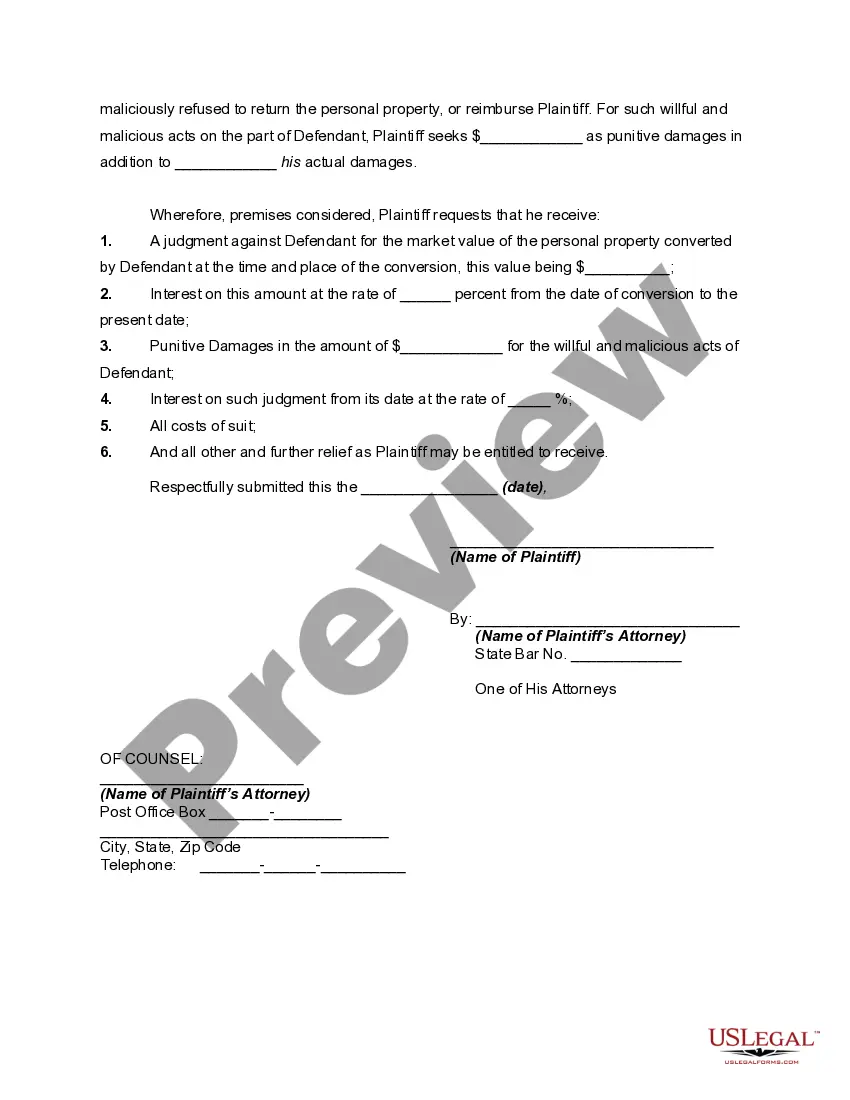

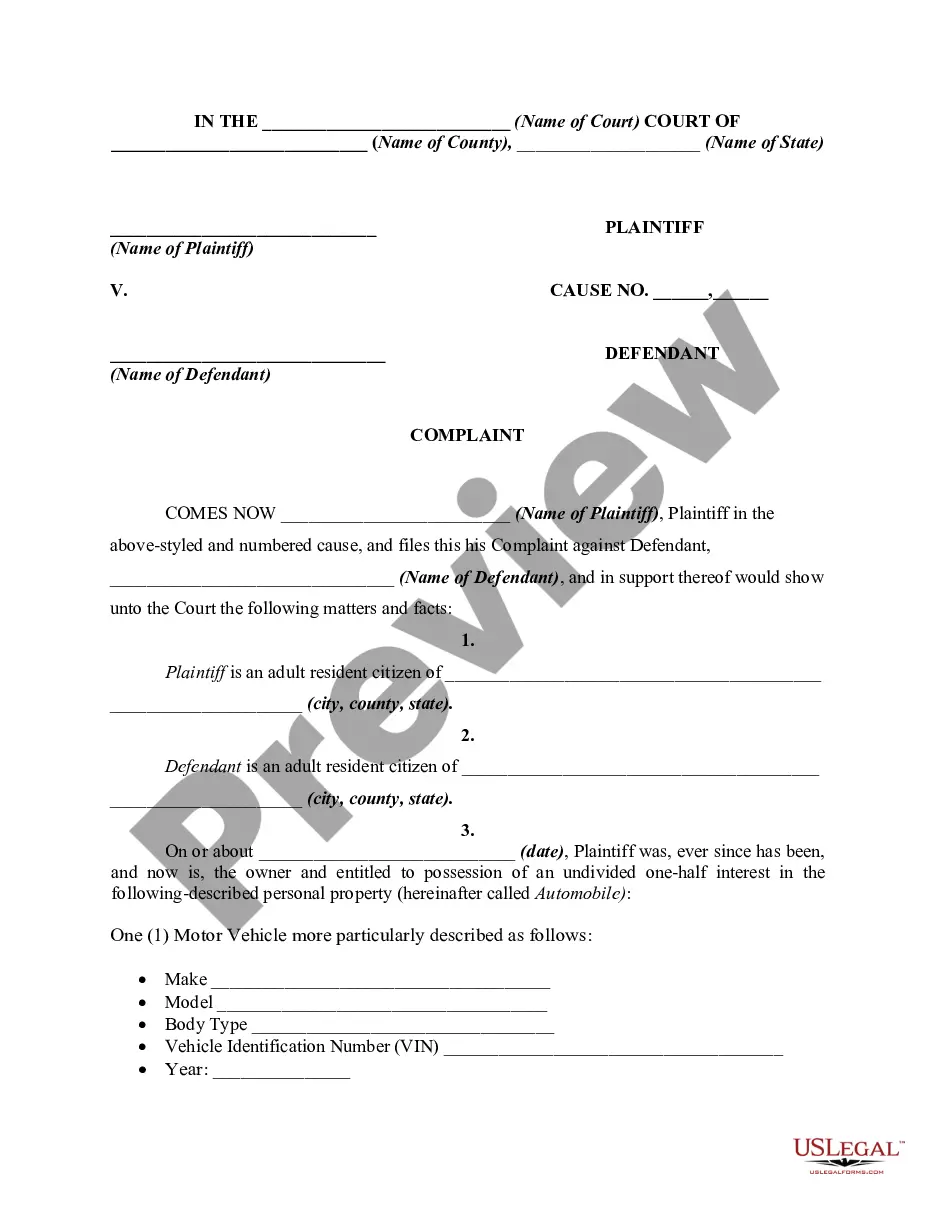
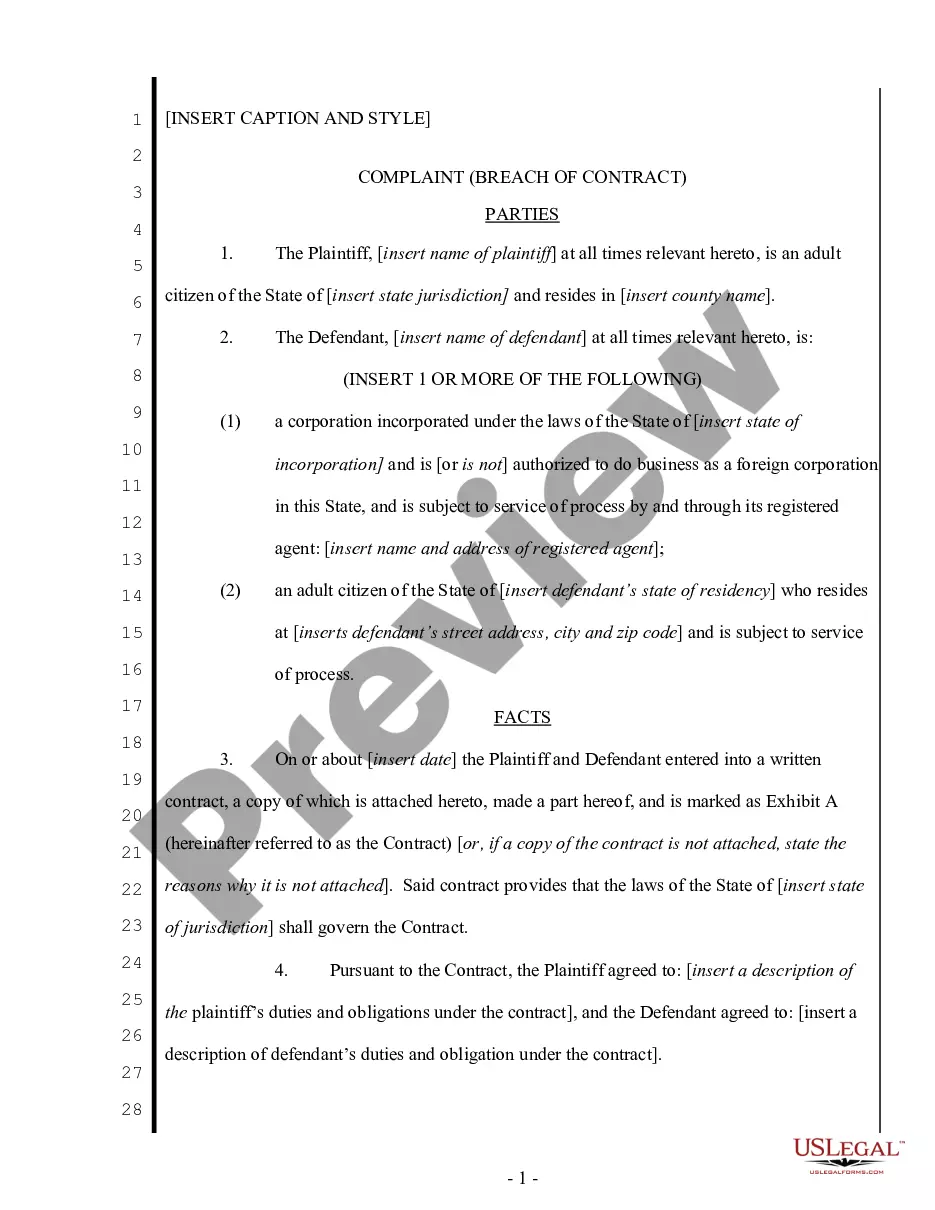
Get your form ready online
Our built-in tools help you complete, sign, share, and store your documents in one place.
Make edits, fill in missing information, and update formatting in US Legal Forms—just like you would in MS Word.
Download a copy, print it, send it by email, or mail it via USPS—whatever works best for your next step.
Sign and collect signatures with our SignNow integration. Send to multiple recipients, set reminders, and more. Go Premium to unlock E-Sign.
If this form requires notarization, complete it online through a secure video call—no need to meet a notary in person or wait for an appointment.
We protect your documents and personal data by following strict security and privacy standards.

Make edits, fill in missing information, and update formatting in US Legal Forms—just like you would in MS Word.

Download a copy, print it, send it by email, or mail it via USPS—whatever works best for your next step.

Sign and collect signatures with our SignNow integration. Send to multiple recipients, set reminders, and more. Go Premium to unlock E-Sign.

If this form requires notarization, complete it online through a secure video call—no need to meet a notary in person or wait for an appointment.

We protect your documents and personal data by following strict security and privacy standards.
Looking for another form?





How to fill out Complaint For Conversion Seeking Punitive Damages?
The Tort of Conversion Funds displayed on this site is a reusable official template created by experienced attorneys in accordance with federal and state laws.
For over 25 years, US Legal Forms has offered individuals, companies, and legal practitioners more than 85,000 verified, state-specific forms for various business and personal needs. It's the quickest, simplest, and most reliable option to secure the documents you require, as the service guarantees bank-level data safety and anti-virus protection.
Subscribe to US Legal Forms to have verified legal templates for every aspect of life readily available.
- Search for the document you require and review it.
- Browse the example you've searched and preview it or check the form description to verify it meets your needs. If it doesn't, use the search feature to locate the appropriate one. Click Buy Now once you locate the template you require.
- Register and sign in.
- Select the pricing option that fits your needs and create an account. Use PayPal or a credit card to make a speedy payment. If you already possess an account, Log In and verify your subscription to proceed.
- Obtain the editable template.
- Choose the format you prefer for your Tort of Conversion Funds (PDF, DOCX, RTF) and download the sample to your device.
- Complete and sign the documents.
- Print the template to fill it out manually. Alternatively, utilize an online multifunctional PDF editor to swiftly and accurately complete and sign your form with a valid.
- Re-download your documents as needed.
- Access the same document whenever required. Go to the My documents section in your profile to re-download any previously obtained forms.
Form popularity
FAQ
The tort of conversion involves the wrongful act of taking or controlling someone else's property as if it were your own. This legal concept applies to all types of property, including physical items and money. If you have experienced a situation where your possessions or funds were misappropriated, you may have a valid claim under the tort of conversion money. Many individuals find the US Legal Forms platform useful for understanding their rights and seeking legal resources related to this matter.
Proving the tort of conversion money involves demonstrating that you had ownership or a legal right to the property in question, and that someone else took control of it without your permission. You should show clear evidence of your ownership, such as receipts or contracts, and illustrate how the other party unlawfully dispossessed you of your property. This can include detailing the actions taken by the other party that interfered with your rights. If you need help navigating this process, consider using US Legal Forms, which provides resources to help you effectively pursue claims relating to the tort of conversion money.
The tort of conversion can be committed through various actions, such as taking money or diverting funds without permission. Examples include misappropriating funds from a business account or using someone's money for personal gain. Addressing these violations swiftly can aid in recovering losses and minimizing damage. Seeking legal guidance can help navigate these complex situations.
While conversion is often seen as an intentional act, it can also occur through negligence. If someone takes or uses money without permission, even accidentally, they may still face conversion claims. This aspect is crucial for understanding how the tort of conversion money can be applied in various situations. It emphasizes the importance of respecting others' property rights.
Conversion under tort law represents an interference with someone's right to possess their property. This tort applies not only to physical items but also to money and other assets. When someone improperly takes or uses another's funds, it exemplifies conversion. Addressing conversion claims promptly can help recover losses and restore rightful ownership.
In conversion law, proving that someone wrongfully possessed or controlled another's property is vital. This includes showing that the property was taken without consent and that the rightful owner lost access to it. In cases involving money, these requirements establish a clear violation of property rights. Demonstrating these elements effectively can strengthen your legal position.
For a negligence tort, four essential elements must exist: duty of care, breach of that duty, causation, and damages. Firstly, the party must owe a duty to another party. Secondly, there must be a failure to meet that duty, resulting in harm. When it comes to the tort of conversion money, these elements help establish liability for unauthorized financial actions.
The tort of conversion refers to an unauthorized act that deprives someone of their property. In the context of money, this means handling funds without permission, even if the original intent was not to steal. Essentially, it disrupts the rightful owner's control over their money, which can lead to legal action for recovery. Understanding this tort is crucial for anyone dealing with financial disputes.