Qualified Trust Caps Statement Withholding
Description
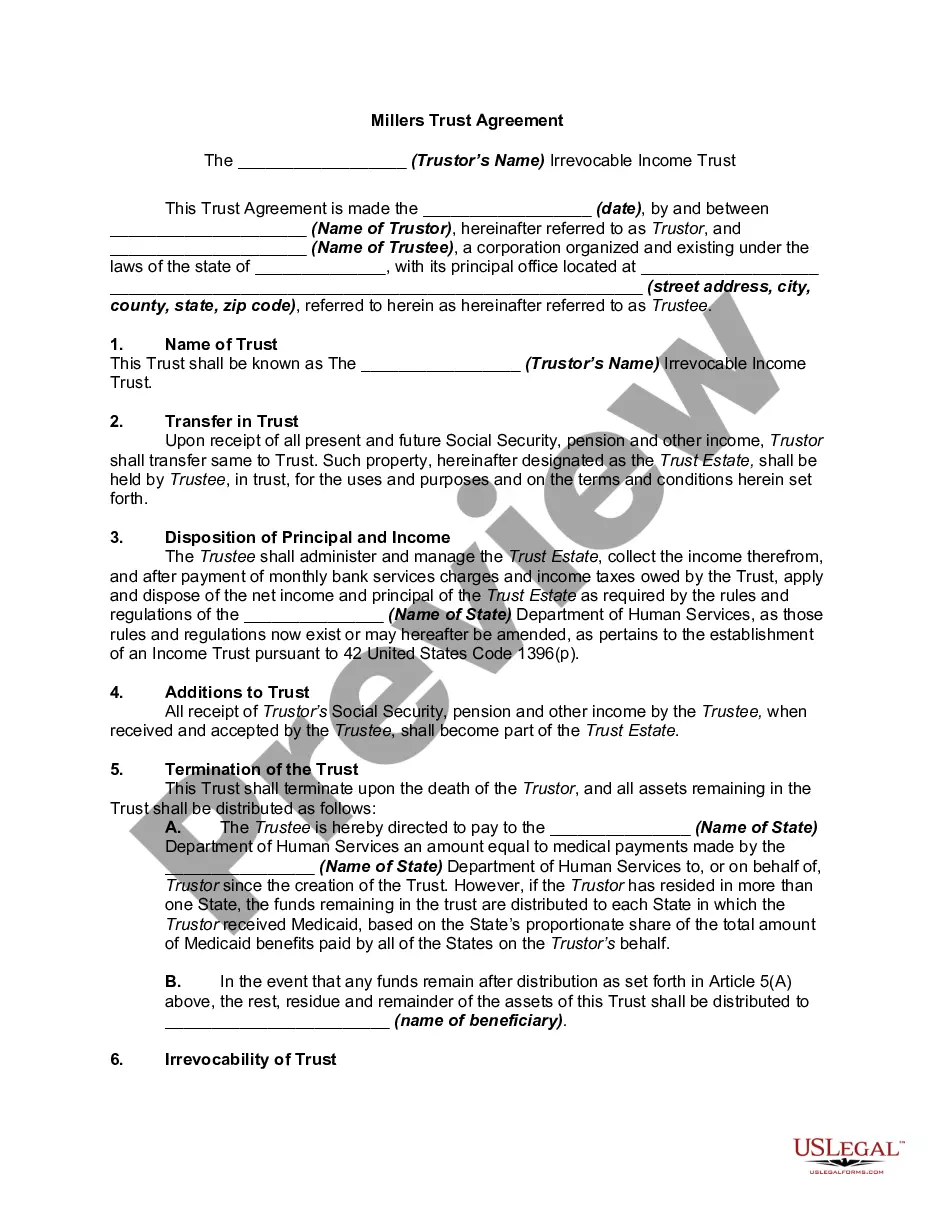
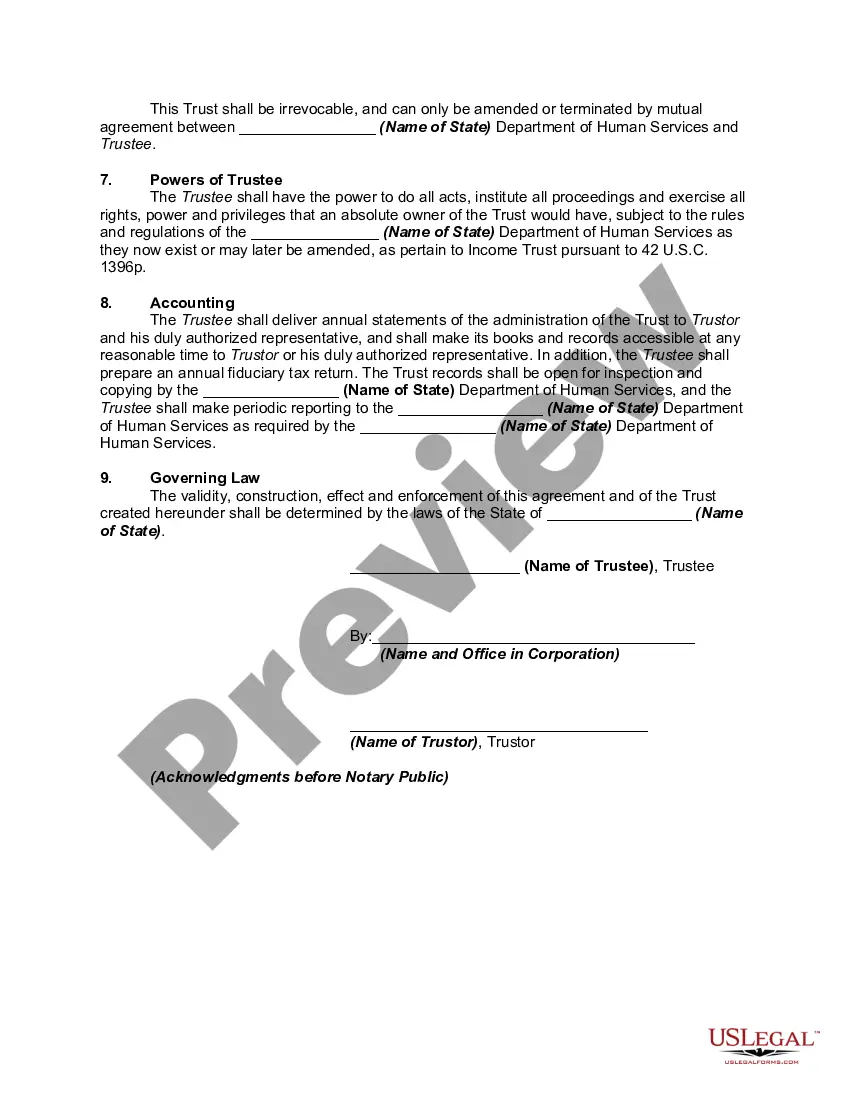
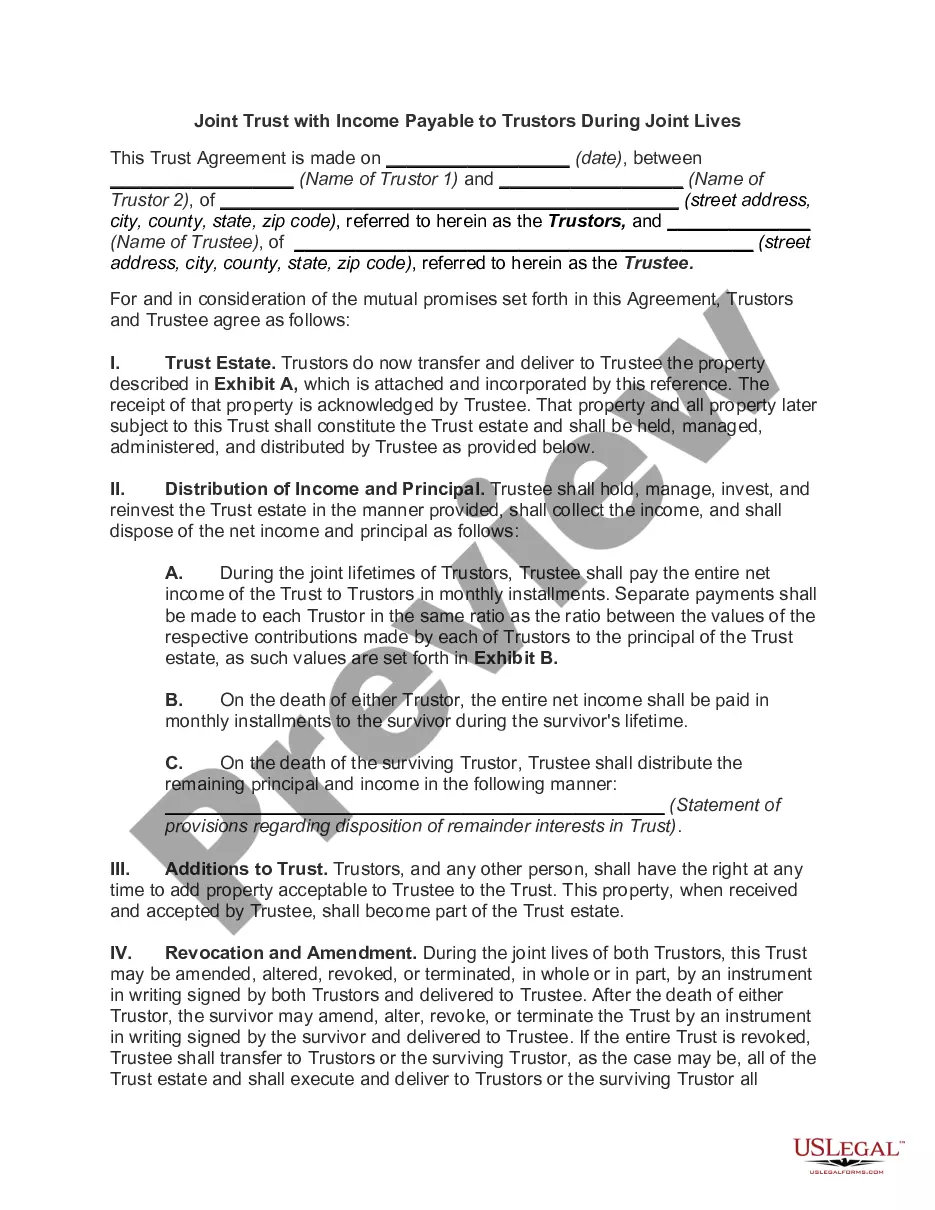

Get your form ready online
Our built-in tools help you complete, sign, share, and store your documents in one place.
Make edits, fill in missing information, and update formatting in US Legal Forms—just like you would in MS Word.
Download a copy, print it, send it by email, or mail it via USPS—whatever works best for your next step.
Sign and collect signatures with our SignNow integration. Send to multiple recipients, set reminders, and more. Go Premium to unlock E-Sign.
If this form requires notarization, complete it online through a secure video call—no need to meet a notary in person or wait for an appointment.
We protect your documents and personal data by following strict security and privacy standards.

Make edits, fill in missing information, and update formatting in US Legal Forms—just like you would in MS Word.

Download a copy, print it, send it by email, or mail it via USPS—whatever works best for your next step.

Sign and collect signatures with our SignNow integration. Send to multiple recipients, set reminders, and more. Go Premium to unlock E-Sign.

If this form requires notarization, complete it online through a secure video call—no need to meet a notary in person or wait for an appointment.

We protect your documents and personal data by following strict security and privacy standards.
Looking for another form?




How to fill out Qualified Income Miller Trust?
- If you are a returning user, log in to your US Legal Forms account and download your required form template by clicking the Download button. Confirm that your subscription is active; if not, renew it according to your plan.
- For first-time users, start by reviewing the Preview mode and form descriptions to select the correct document that meets your needs and satisfies local jurisdictional requirements.
- If the current form doesn't meet your expectations, utilize the Search tab at the top to find an alternative that suits your needs.
- Once you've found the appropriate template, click the Buy Now button and select your preferred subscription plan. Registering an account will grant you access to the complete resource library.
- Complete your purchase by entering your credit card information or opting to pay via PayPal.
- Save the downloaded form on your device, allowing easy access for completion whenever needed, or revisit it in the My Forms section of your account.
By using US Legal Forms, you benefit from a robust collection of over 85,000 legal forms, ensuring you find exactly what you need. Plus, with the option to consult premium experts, you can be confident your documents will be accurately completed and legally sound.
In conclusion, accessing the Qualified Trust Caps Statement Withholding via US Legal Forms is straightforward and reliable. Don't miss out on the advantages of a comprehensive legal library—start your journey today!
Form popularity
FAQ
Yes, a trust can pass out withholding tax to a beneficiary in certain cases, particularly when distributions are made. This process relates to qualified trust caps statement withholding which requires specific reporting by both the trust and the beneficiary. Understanding your responsibilities in this process is crucial for effective tax planning.
A withholding statement details the amount of tax withheld by the payer, such as a trust or employer. This document outlines your income and the related amount set aside for taxes, linked to qualified trust caps statement withholding. Keeping track of these notices aids in accurate tax filing and ensures you meet your financial obligations.
To reclaim backup withholding, you must file a tax return with your accurate income report, including any qualified trust caps statement withholding. You may also need to provide documentation supporting your claim for refund, such as forms indicating the withholding amounts. The IRS will process your return and issue a refund if you qualify.
Exemptions from withholding generally apply to individuals who meet specific criteria outlined by the IRS, such as having low income or claiming certain allowances. Additionally, if you expect to have no tax liability for the year, you may qualify for exemption. It's essential to evaluate your situation each year to ensure compliance with the qualified trust caps statement withholding regulations.
K1 income, commonly associated with qualified trust caps statement withholding, appears on your IRS Form 1040, typically on Schedule E. You report the income from partnerships, S corporations, and trusts reported to you on a K1. Make sure you include these amounts correctly, as they contribute to your overall tax liability.
Filling out a withholding allowance form requires you to provide essential personal information, including your filing status and number of allowances. Accurate completion of this form can help manage qualified trust caps statement withholding effectively. The US Legal Forms platform provides user-friendly resources that guide you through this process, ensuring you understand each section. Be thorough and review your form carefully before submission.
Individuals and entities engaged in transactions involving California property may be subject to state withholding. Generally, sellers of California real estate or individuals paying nonresidents for services fall under these regulations. Ensuring compliance with qualified trust caps statement withholding can prevent issues during the transaction process. Familiarize yourself with these requirements to better navigate your responsibilities.
California Form 590 needs to be filled out by sellers or withholding agents claiming an exemption from withholding requirements. This may include individuals selling property or businesses making applicable payments. Understanding the nuances of qualified trust caps statement withholding can help determine your need for this form. Use resources like US Legal Forms to ensure you fill out your form correctly.
California Form 592 is required for certain payers remitting California income tax on nonresident payments. This includes individuals or entities making rental payments, royalties, or compensation to nonresidents. To avoid complications related to qualified trust caps statement withholding, it is important to understand your filing requirements and complete this form accurately. Check the California Franchise Tax Board’s website for detailed guidelines.
Filling out a withholding exemption form involves providing your personal information, checking appropriate exemption boxes, and signing the document. It's crucial to ensure all details are correct to avoid complications with qualified trust caps statement withholding. The US Legal Forms platform offers templates and instructional resources that simplify this process, ensuring you correctly complete your form. Double-check your entries before submission.