Qualified Trust Caps Statement With Beneficiary
Description
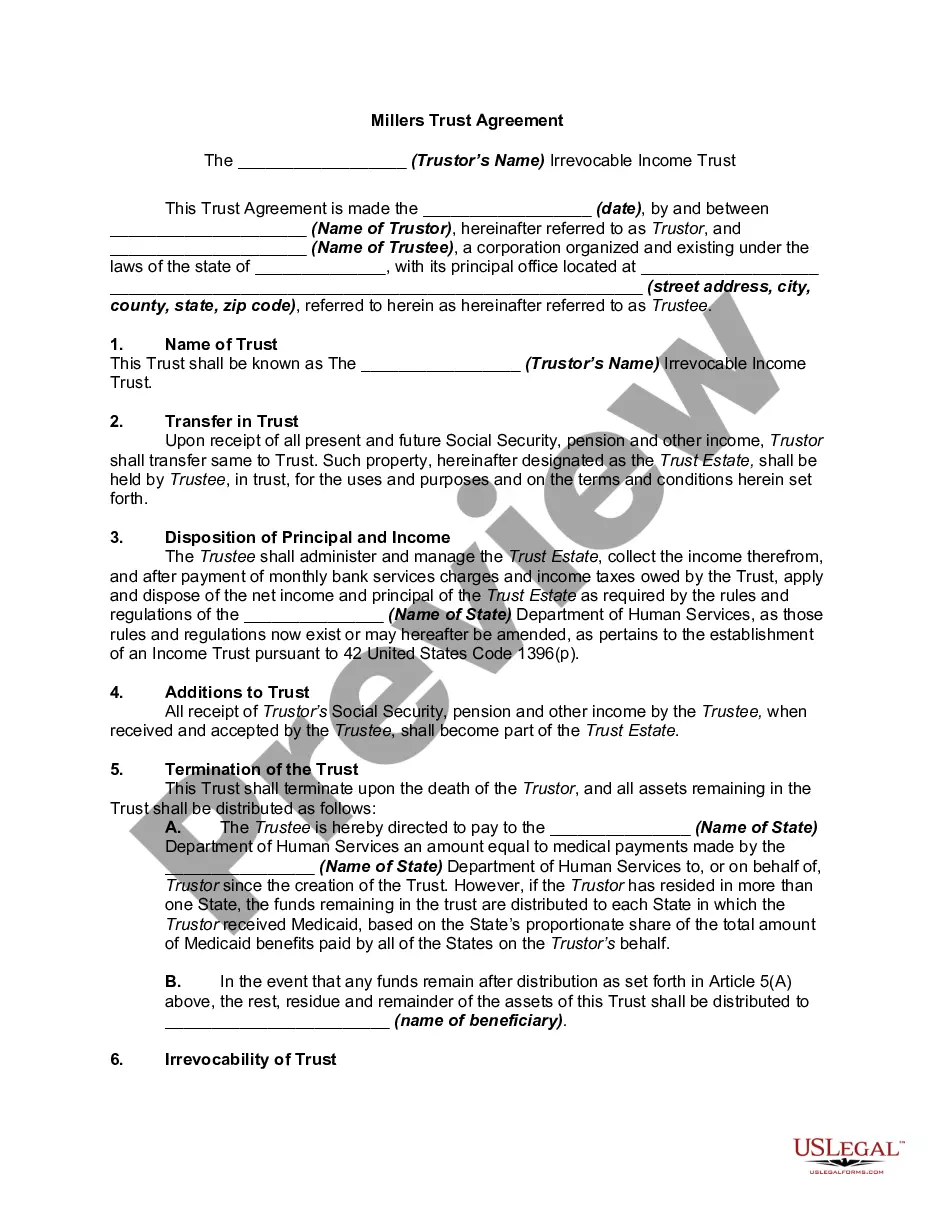
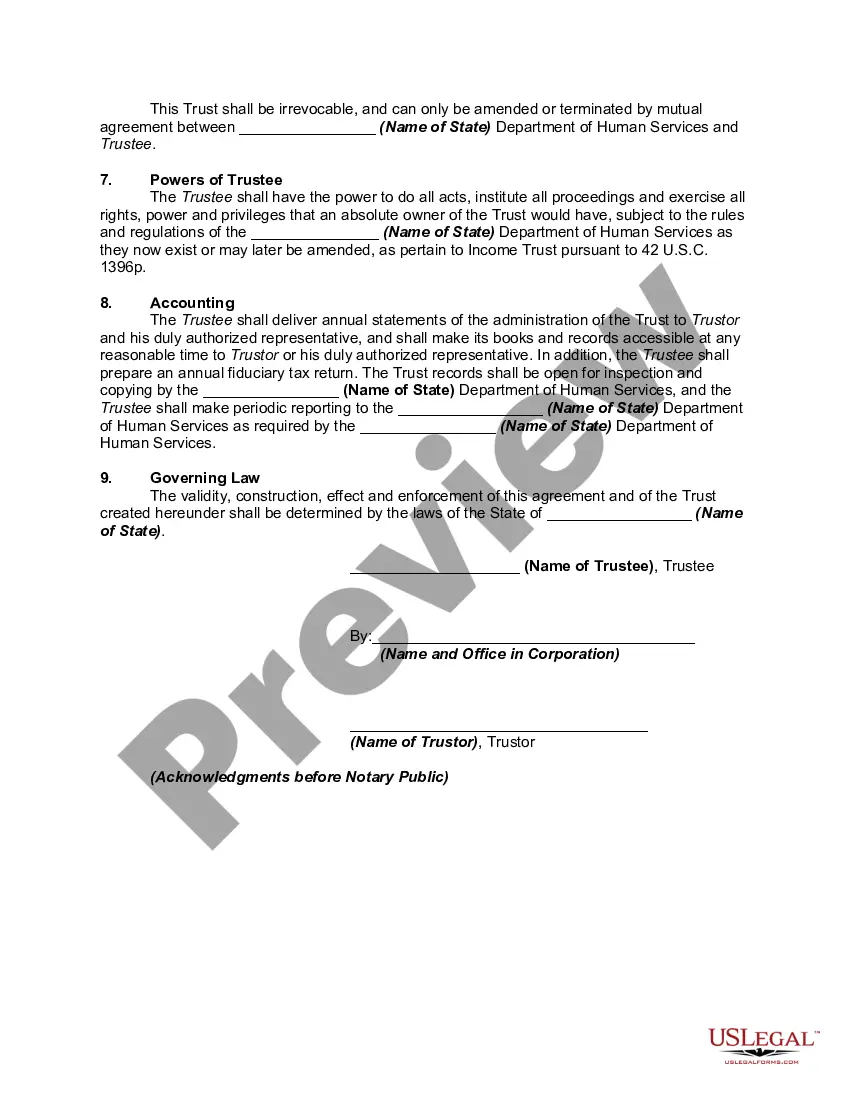
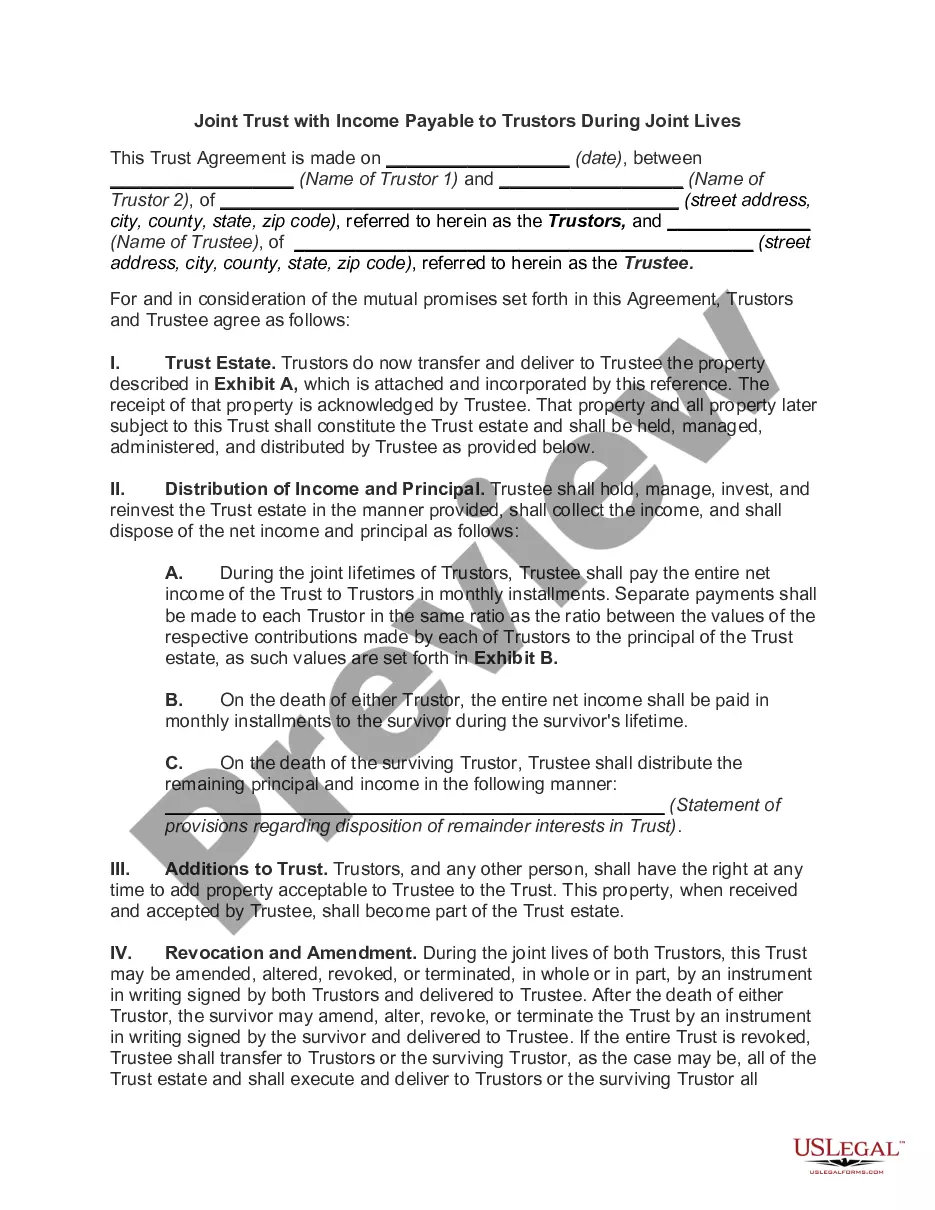

Get your form ready online
Our built-in tools help you complete, sign, share, and store your documents in one place.
Make edits, fill in missing information, and update formatting in US Legal Forms—just like you would in MS Word.
Download a copy, print it, send it by email, or mail it via USPS—whatever works best for your next step.
Sign and collect signatures with our SignNow integration. Send to multiple recipients, set reminders, and more. Go Premium to unlock E-Sign.
If this form requires notarization, complete it online through a secure video call—no need to meet a notary in person or wait for an appointment.
We protect your documents and personal data by following strict security and privacy standards.

Make edits, fill in missing information, and update formatting in US Legal Forms—just like you would in MS Word.

Download a copy, print it, send it by email, or mail it via USPS—whatever works best for your next step.

Sign and collect signatures with our SignNow integration. Send to multiple recipients, set reminders, and more. Go Premium to unlock E-Sign.

If this form requires notarization, complete it online through a secure video call—no need to meet a notary in person or wait for an appointment.

We protect your documents and personal data by following strict security and privacy standards.
Looking for another form?
How to fill out Qualified Income Miller Trust?
- If you are already a US Legal Forms user, simply log in to your account and download the Qualified Trust Caps Statement with Beneficiary. Ensure your subscription remains active; if not, renew it as per your existing plan.
- If you are new to US Legal Forms, start by reviewing the document preview and description to confirm it meets your needs and complies with local jurisdiction requirements.
- If the selected template doesn't suit your needs, utilize the Search tab to find a more appropriate document.
- After finding your desired form, click on the 'Buy Now' button. Choose a subscription plan that fits your needs, and register an account for full library access.
- Proceed to payment by entering your credit card information or opting for PayPal to finalize your subscription.
- Once the purchase is complete, download the form to your device. You can revisit it anytime through the My documents section of your profile.
US Legal Forms empowers users by offering an expansive library of over 85,000 fillable and editable legal documents, ensuring you find the right forms for your requirements.
In conclusion, obtaining a Qualified Trust Caps Statement with Beneficiary is straightforward with US Legal Forms. Take advantage of this comprehensive platform to ensure your legal documents are accurate and compliant. Start your journey today and secure your assets!
Form popularity
FAQ
Yes, trust tax returns can be filed electronically using certain software options approved by the IRS. Electronic filing can expedite processing and reduce the risk of errors. When submitting a qualified trust caps statement with beneficiary details, ensure all necessary information is included to avoid delays. Consulting with a tax professional helps streamline this electronic filing process efficiently.
The IRS frequently updates regulations concerning trusts, including tax reporting and compliance obligations. Recently, there have been adjustments affecting how trusts report income and manage distributions to beneficiaries. Understanding these changes and using a qualified trust caps statement with beneficiary information will help you remain compliant. Keeping informed through a tax professional can ensure your trust operates within updated IRS guidelines.
Distributing funds from a trust involves following the terms outlined in the trust document and ensuring compliance with legal requirements. Typically, you will prepare a distribution check or transfer funds directly to beneficiaries. Utilizing a qualified trust caps statement with beneficiary details streamlines this process by clarifying amounts and recipients. It’s wise to consult with a legal expert to ensure all distributions meet trust obligations.
Yes, trusts may receive Form 1099 if they earn income from interest or dividends. This form reports the income and helps ensure correct tax filing. If you have a qualified trust caps statement with beneficiary details, it aids in understanding how the distributions are handled. Always verify with a tax advisor to ensure proper handling of all income received by the trust.
Yes, a Qualified Subchapter S Trust (QSST) must file Form 1041 to report its income and expenses. The income is usually passed through to the beneficiaries, who will then report it on their individual tax returns. Including a qualified trust caps statement with beneficiary allocations simplifies the process by clearly outlining the distributions. Working with a tax advisor can help manage this requirement effectively.
Filing taxes for a trust involves completing IRS Form 1041, the U.S. Income Tax Return for Estates and Trusts. You will report the income, deductions, and distributions to beneficiaries on this form. A qualified trust caps statement with beneficiary details can assist in preparing the return accurately. It's advisable to work with a tax professional to ensure compliance and optimize tax benefits.
When a trust distributes gifts to beneficiaries, it may need to file a gift tax return, especially if the amounts exceed the annual exclusion limit. If you provide a qualified trust caps statement with beneficiary information, it helps ensure accurate reporting for tax purposes. Remember, the obligation to file may depend on the type of trust and the amounts involved. Consulting with a tax professional can clarify your specific situation.
The trust capital gains loophole refers to a tax strategy that allows certain trusts to avoid or delay taxes on capital gains. This can benefit both the trust and its beneficiaries if managed correctly. However, it’s important for beneficiaries to have a clear understanding of their rights and the implications, particularly when reviewing a qualified trust caps statement with beneficiary details. Consulting with legal experts can ensure sound strategies are in place.
Yes, capital gains in trust can be taxed to beneficiaries, particularly when the gains are distributed. Beneficiaries need to be aware that any income reported from the trust could reflect on their personal tax returns. Therefore, reviewing the qualified trust caps statement with beneficiary details is essential to understand these tax obligations. Seeking guidance from tax professionals can help navigate these complicated situations.
One significant disadvantage of a trust to a beneficiary is the potential for complex tax implications. Beneficiaries may find themselves dealing with unexpected tax liabilities depending on how assets are managed and distributed. Additionally, beneficiaries may not have immediate access to their inheritance without proper documentation, such as a qualified trust caps statement with beneficiary information. Transparency in trust management is vital to avoid misunderstandings.