Grantor Trust
Description
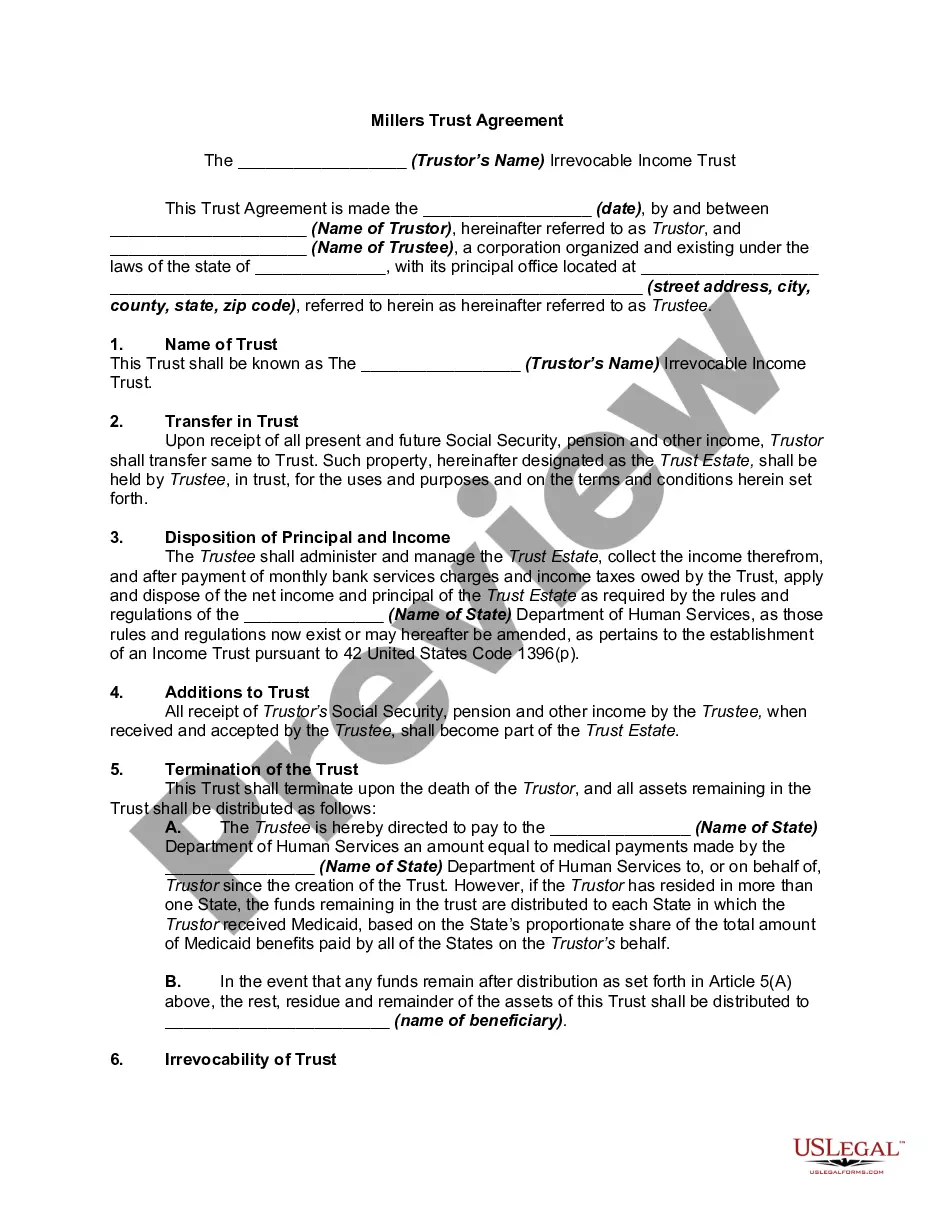
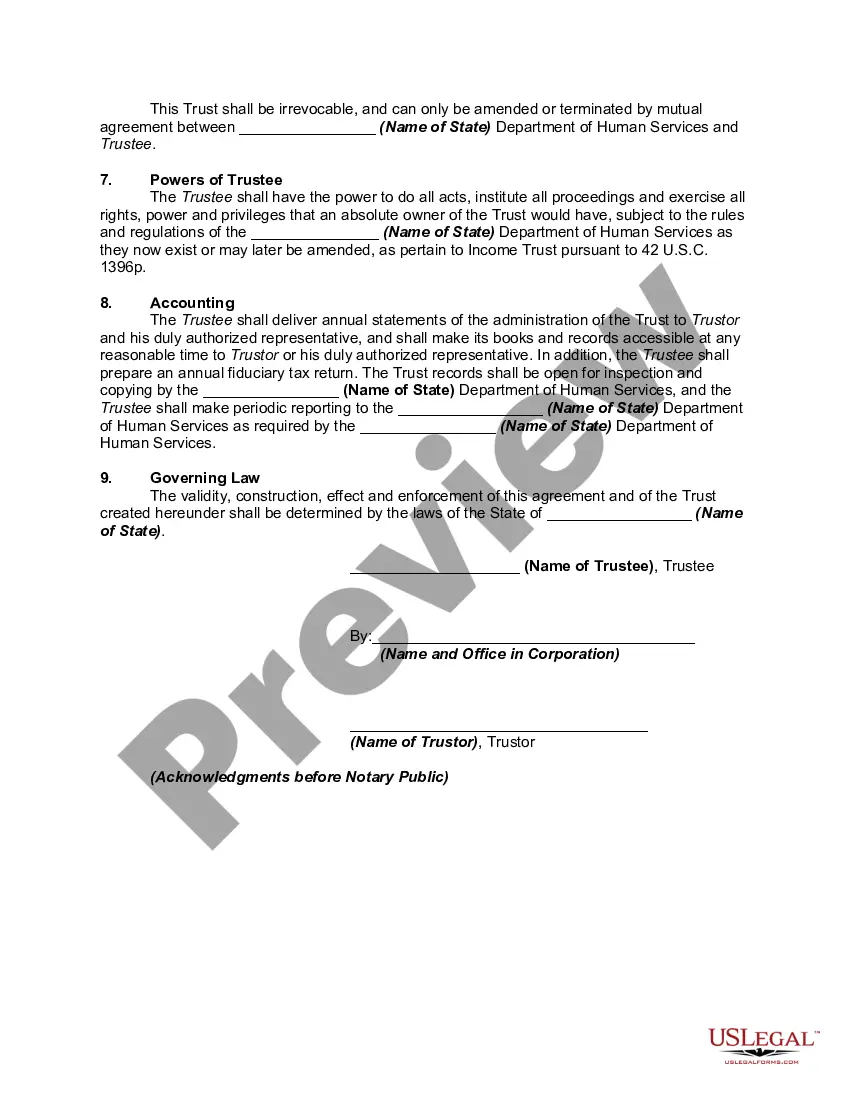
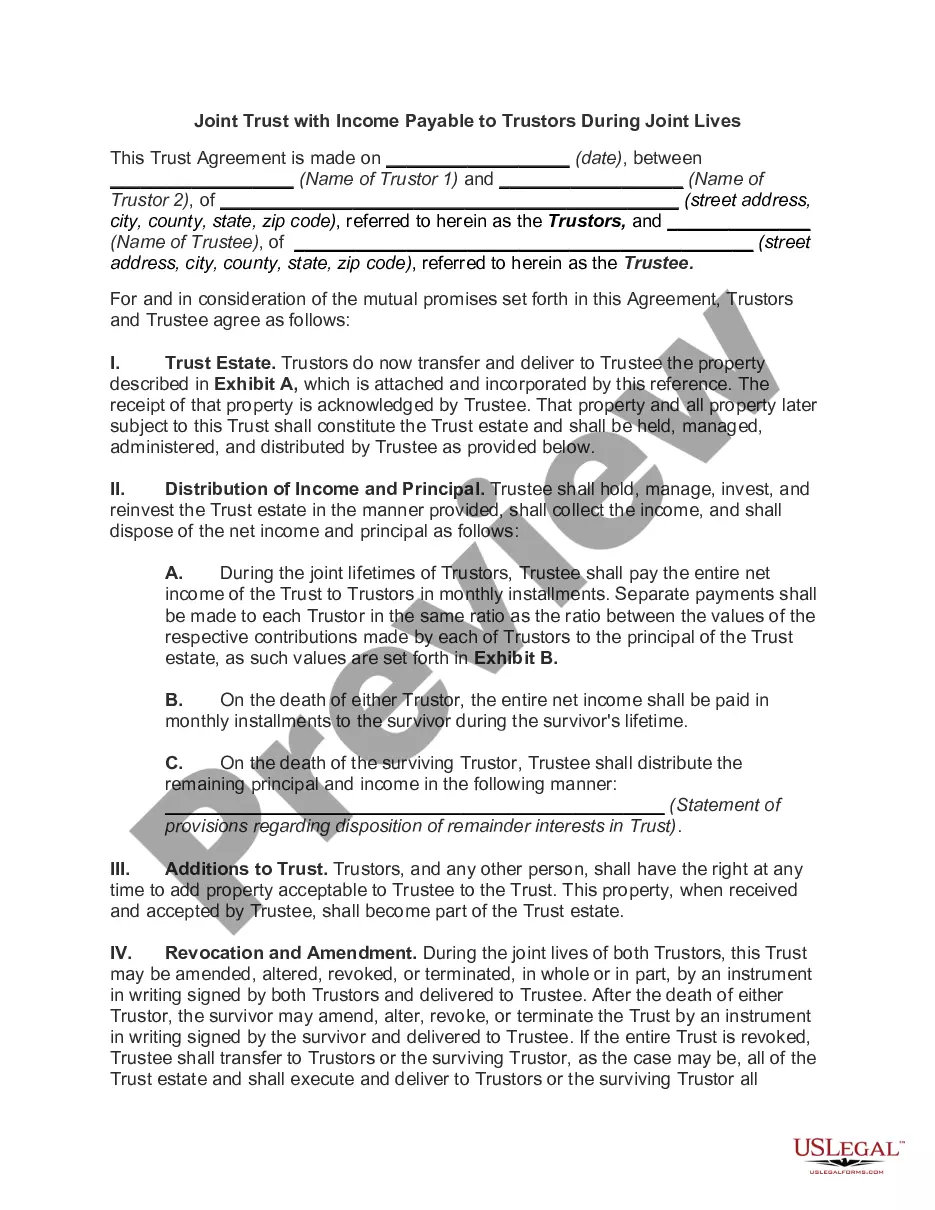

Get your form ready online
Our built-in tools help you complete, sign, share, and store your documents in one place.
Make edits, fill in missing information, and update formatting in US Legal Forms—just like you would in MS Word.
Download a copy, print it, send it by email, or mail it via USPS—whatever works best for your next step.
Sign and collect signatures with our SignNow integration. Send to multiple recipients, set reminders, and more. Go Premium to unlock E-Sign.
If this form requires notarization, complete it online through a secure video call—no need to meet a notary in person or wait for an appointment.
We protect your documents and personal data by following strict security and privacy standards.

Make edits, fill in missing information, and update formatting in US Legal Forms—just like you would in MS Word.

Download a copy, print it, send it by email, or mail it via USPS—whatever works best for your next step.

Sign and collect signatures with our SignNow integration. Send to multiple recipients, set reminders, and more. Go Premium to unlock E-Sign.

If this form requires notarization, complete it online through a secure video call—no need to meet a notary in person or wait for an appointment.

We protect your documents and personal data by following strict security and privacy standards.
Looking for another form?




How to fill out Qualified Income Miller Trust?
- If you're already a member, log in to your account and locate your grantor trust template. Click the Download button to save it to your device. Ensure your subscription is active; if not, renew it based on your plan.
- For first-time users, begin by browsing the extensive collection of legal forms. Use the Preview mode to review the grantor trust description, confirming that it fits your specific needs and complies with local requirements.
- Should you need a different document, utilize the Search tab to find a more suitable form. Once you identify the correct grantor trust template, proceed to the next step.
- To purchase the document, click the Buy Now button, select your preferred subscription plan, and create an account to access the library.
- Complete your payment by entering your credit card details or using PayPal. After the transaction is successful, you can download your grantor trust form instantly.
- Finally, save the template on your device for completion and find it anytime in the My Forms section of your profile.
With US Legal Forms, you’re not just gaining access to forms; you’re leveraging a powerful tool that empowers you to navigate legal processes with confidence. Their commitment to providing extensive resources ensures you always have the right document at your fingertips.
Start your journey to creating a legally sound grantor trust today. Sign up at US Legal Forms and explore the unmatched benefits they offer!
Form popularity
FAQ
The grantor of a trust is often the individual who creates the trust and decides how it will be managed. Typically, anyone with assets they wish to protect or pass on can serve as the grantor. When considering a grantor trust, it's essential to assess your personal financial goals and needs. Platforms like USLegalForms provide valuable resources to help you understand your role as a grantor and facilitate the creation of a trust that aligns with your objectives.
While grantor trusts offer flexibility, they also have drawbacks. One significant disadvantage is that the grantor remains responsible for taxes on the income generated. This can result in a higher tax burden during the grantor's lifetime. Additionally, assets in a grantor trust might not be protected from creditors. Understanding these issues can guide your decision-making process.
Setting up a grantor trust involves deciding on the assets to include and drafting a legally binding trust document. The document must specify the grantor, trustee, beneficiaries, and terms of the trust. Additionally, funding the trust with the chosen assets is crucial. For a smoother setup, consider using uslegalforms to access templates and instructions tailored for grantor trusts.
Generally, a grantor trust does not need an Employer Identification Number (EIN) as long as the grantor is alive and the trust remains revocable. Instead, the trust’s income is reported with the grantor's Social Security Number. However, if the grantor appoints a successor trustee or if the trust becomes irrevocable, you might need an EIN. Always verify your needs with a professional.
Typically, you do not need to file a separate tax return for a grantor trust. Instead, the income is reported directly on the grantor's personal tax return. However, if the trust generates significant income or has other requirements, you may need to file certain forms. Consulting a tax advisor can provide clarity on your specific situation.
In a grantor trust, the grantor is responsible for reporting the income on their personal tax return. This means that any income generated by the trust is taxed as part of the grantor's income. This provides transparency and can help simplify tax matters. If you're unsure about the reporting process, consider seeking help from tax professionals.
Setting up a grantor trust involves several key steps. First, you should choose a trustee to manage the trust. Then, draft the trust document, which outlines the terms and purposes of the trust. Finally, fund the trust with assets, ensuring it meets legal requirements. If you need assistance, uslegalforms can guide you through the process.
The IRS requires that a grantor trust adhere to specific guidelines to maintain its status. Grantors must fulfill certain requirements about control over assets and income distributions. It is essential to ensure that all paperwork aligns with IRS regulations to avoid complications and ensure tax benefits are realized.
A trust is considered a grantor trust for tax purposes when the grantor retains certain powers or interests in the trust. Key factors include the ability to revoke the trust or control the income and principal distributions. These elements ensure that the grantor is treated as the owner of the trust's assets for federal income tax purposes.
To establish a grantor trust, begin by defining your goals and assets you wish to include. Next, work with an experienced attorney or use a reliable platform like USLegalForms to create a comprehensive trust document. Once the trust document is prepared and executed, you will need to transfer the designated assets into the trust to activate its benefits.