Services Bookkeeping Complete For Churches
Description
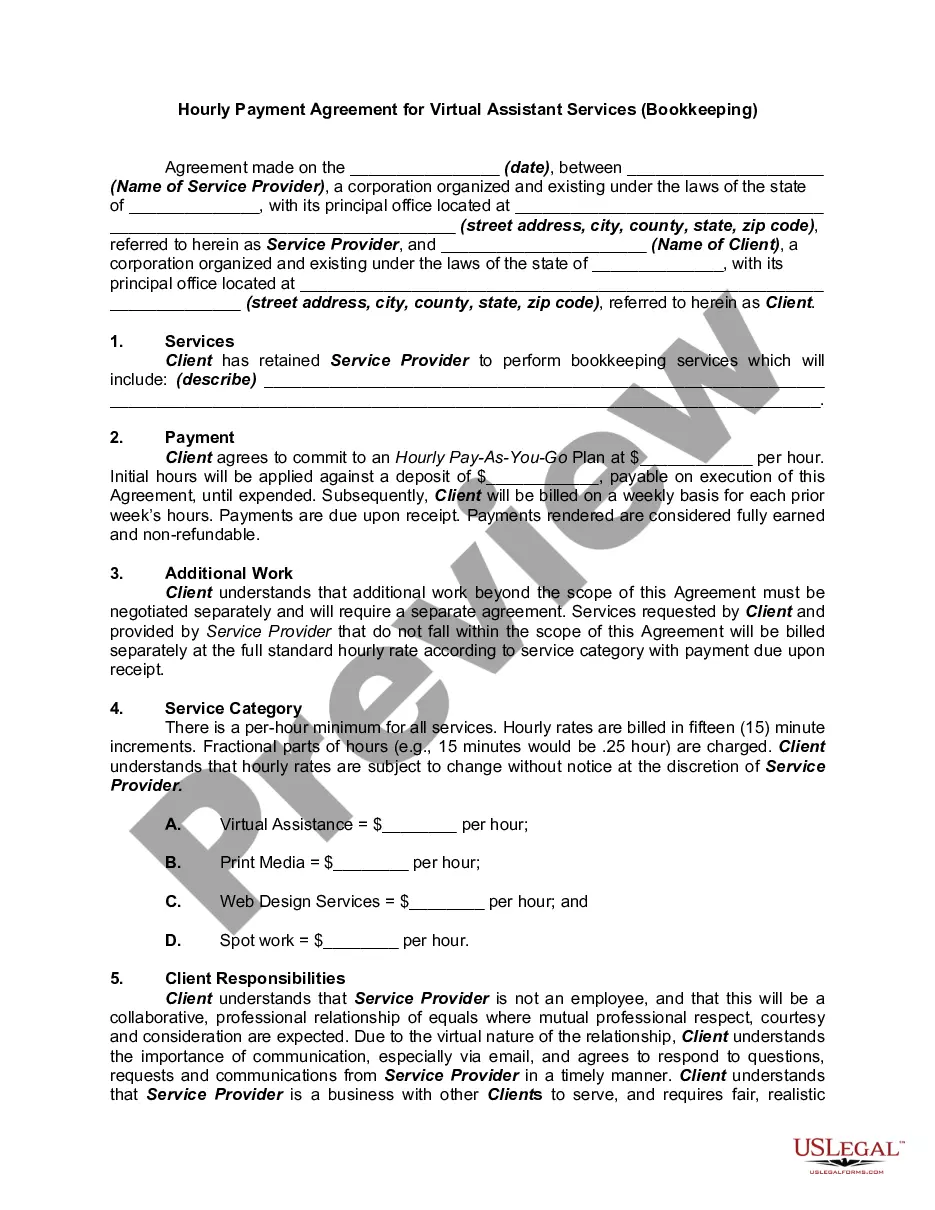
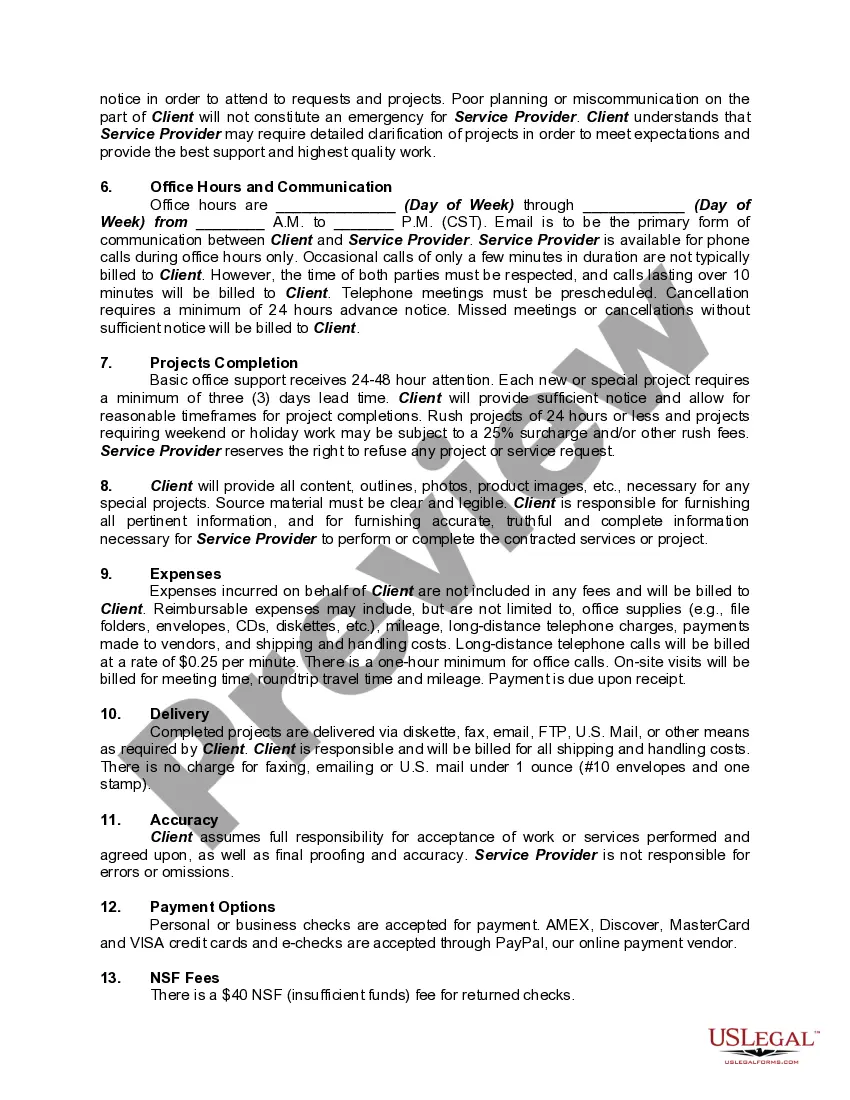
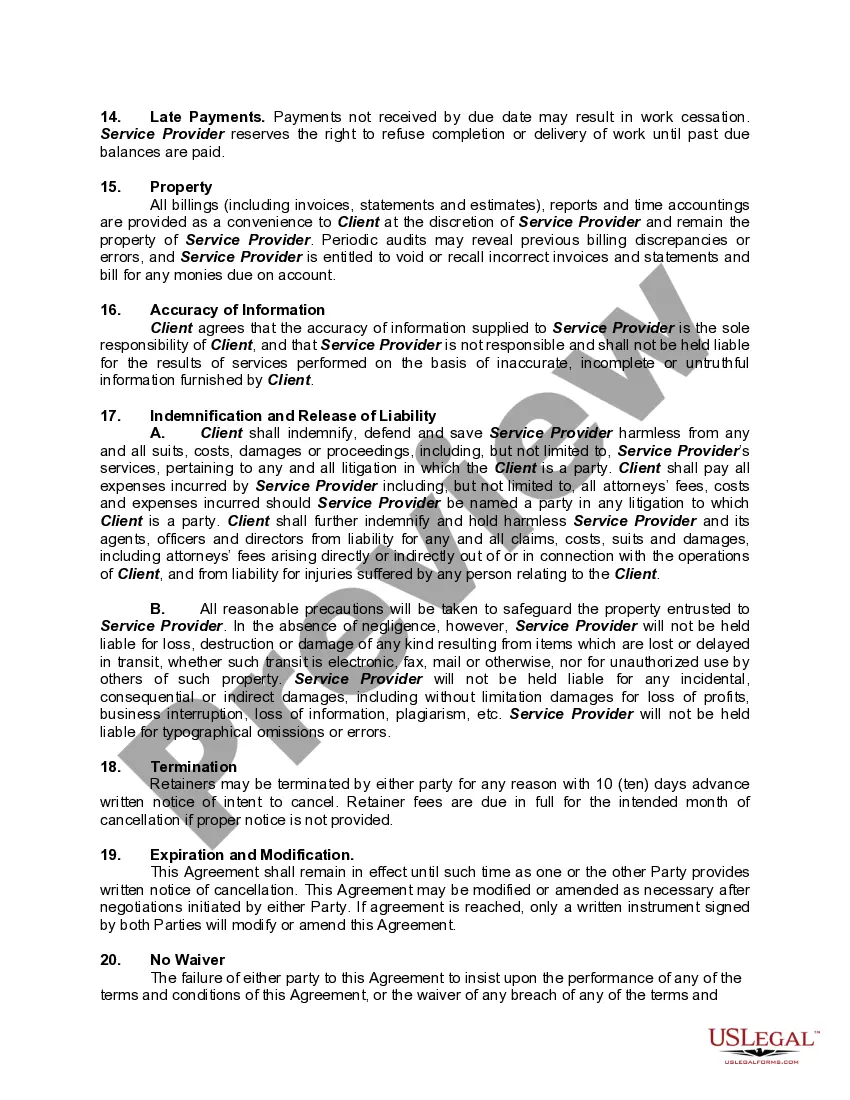
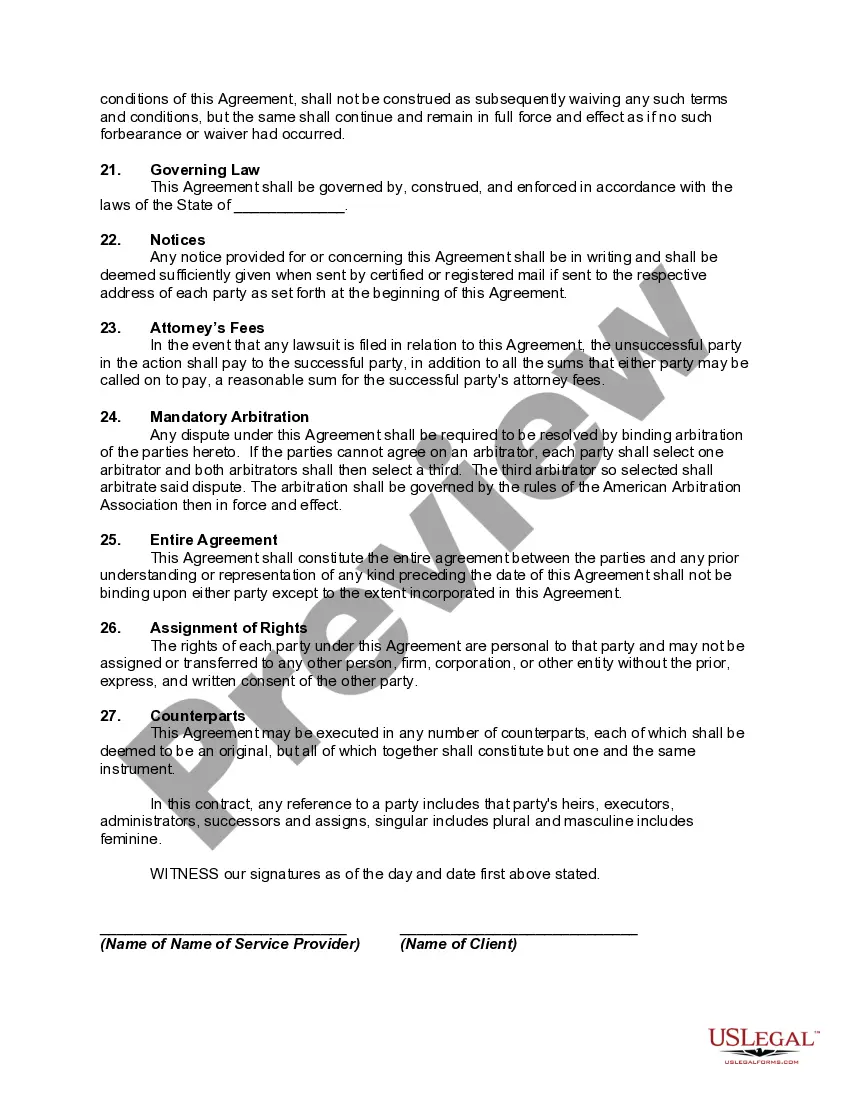
Get your form ready online
Our built-in tools help you complete, sign, share, and store your documents in one place.
Make edits, fill in missing information, and update formatting in US Legal Forms—just like you would in MS Word.
Download a copy, print it, send it by email, or mail it via USPS—whatever works best for your next step.
Sign and collect signatures with our SignNow integration. Send to multiple recipients, set reminders, and more. Go Premium to unlock E-Sign.
If this form requires notarization, complete it online through a secure video call—no need to meet a notary in person or wait for an appointment.
We protect your documents and personal data by following strict security and privacy standards.

Make edits, fill in missing information, and update formatting in US Legal Forms—just like you would in MS Word.

Download a copy, print it, send it by email, or mail it via USPS—whatever works best for your next step.

Sign and collect signatures with our SignNow integration. Send to multiple recipients, set reminders, and more. Go Premium to unlock E-Sign.

If this form requires notarization, complete it online through a secure video call—no need to meet a notary in person or wait for an appointment.

We protect your documents and personal data by following strict security and privacy standards.
Looking for another form?
How to fill out Hourly Payment Agreement For Virtual Assistant Services - Bookkeeping?
Creating legal documents from the ground up can occasionally be daunting.
Certain situations may entail extensive research and significant financial commitments.
If you seek a more straightforward and budget-friendly approach to preparing Services Bookkeeping Complete For Churches or other documents without navigating through unnecessary obstacles, US Legal Forms is consistently available for you.
Our digital repository of over 85,000 current legal documents encompasses nearly every aspect of your financial, legal, and personal affairs. With just a few clicks, you can quickly access state- and county-specific templates meticulously crafted for you by our legal experts.
Review the document preview and descriptions to confirm you are selecting the correct form. Ensure that the form you select aligns with the regulations of your state and county. Opt for the appropriate subscription choice to acquire the Services Bookkeeping Complete For Churches. Download the file, then complete, validate, and print it. US Legal Forms boasts a flawless reputation and over 25 years of expertise. Join us today and simplify your document processing experience!
- Utilize our platform whenever you require dependable and trustworthy services to effortlessly locate and download the Services Bookkeeping Complete For Churches.
- If you're familiar with our services and have previously created an account with us, simply Log In to your account, find the template, and download it immediately or access it again later in the My documents section.
- Not registered yet? No worries. Setting up an account takes minimal time and allows you to browse the catalog.
- Before proceeding to download Services Bookkeeping Complete For Churches, please adhere to the following suggestions.
Form popularity
FAQ
What are Church Accounting Best Practices? Use Multiple Ledgers. As your church does not sell any goods or services, a single ledger cannot work here. ... Prepare Bank Deposits & Track Contributions. ... Keep A Dedicated Person For Signing Checks. ... Proper Bank Reconciliation. ... Make Proper Financial Documents.
Prepare monthly reports for the Finance Committee. Process payroll on a semi-monthly basis. Prepare monthly, quarterly and yearly payroll tax forms and make necessary deposits and prepare W-2s and 1099's at year-end. Prepare a yearly budget draft for review and adoption by the Church Council.
You need to hold onto IRS forms and payroll tax records. This includes payroll registers and W-4 forms as well as payroll deductions. Keep track of investment records and any contracts you have. These records also include employee expense reports and personal records after employment separation.
Churches and other nonprofits use fund accounting because it emphasizes accountability and transparency, which are more important than the profitability that for-profit businesses track.
Reconciling petty cash receipts. Balancing checking and investment accounts. Preparing weekly, biweekly, monthly, and yearly reports of the church's financial records. Creating a yearly budget.