Ct Estate Tax Return Form Ct-706 Nt
Description
Get your form ready online
Our built-in tools help you complete, sign, share, and store your documents in one place.
Make edits, fill in missing information, and update formatting in US Legal Forms—just like you would in MS Word.
Download a copy, print it, send it by email, or mail it via USPS—whatever works best for your next step.
Sign and collect signatures with our SignNow integration. Send to multiple recipients, set reminders, and more. Go Premium to unlock E-Sign.
If this form requires notarization, complete it online through a secure video call—no need to meet a notary in person or wait for an appointment.
We protect your documents and personal data by following strict security and privacy standards.

Make edits, fill in missing information, and update formatting in US Legal Forms—just like you would in MS Word.

Download a copy, print it, send it by email, or mail it via USPS—whatever works best for your next step.

Sign and collect signatures with our SignNow integration. Send to multiple recipients, set reminders, and more. Go Premium to unlock E-Sign.

If this form requires notarization, complete it online through a secure video call—no need to meet a notary in person or wait for an appointment.

We protect your documents and personal data by following strict security and privacy standards.
Looking for another form?


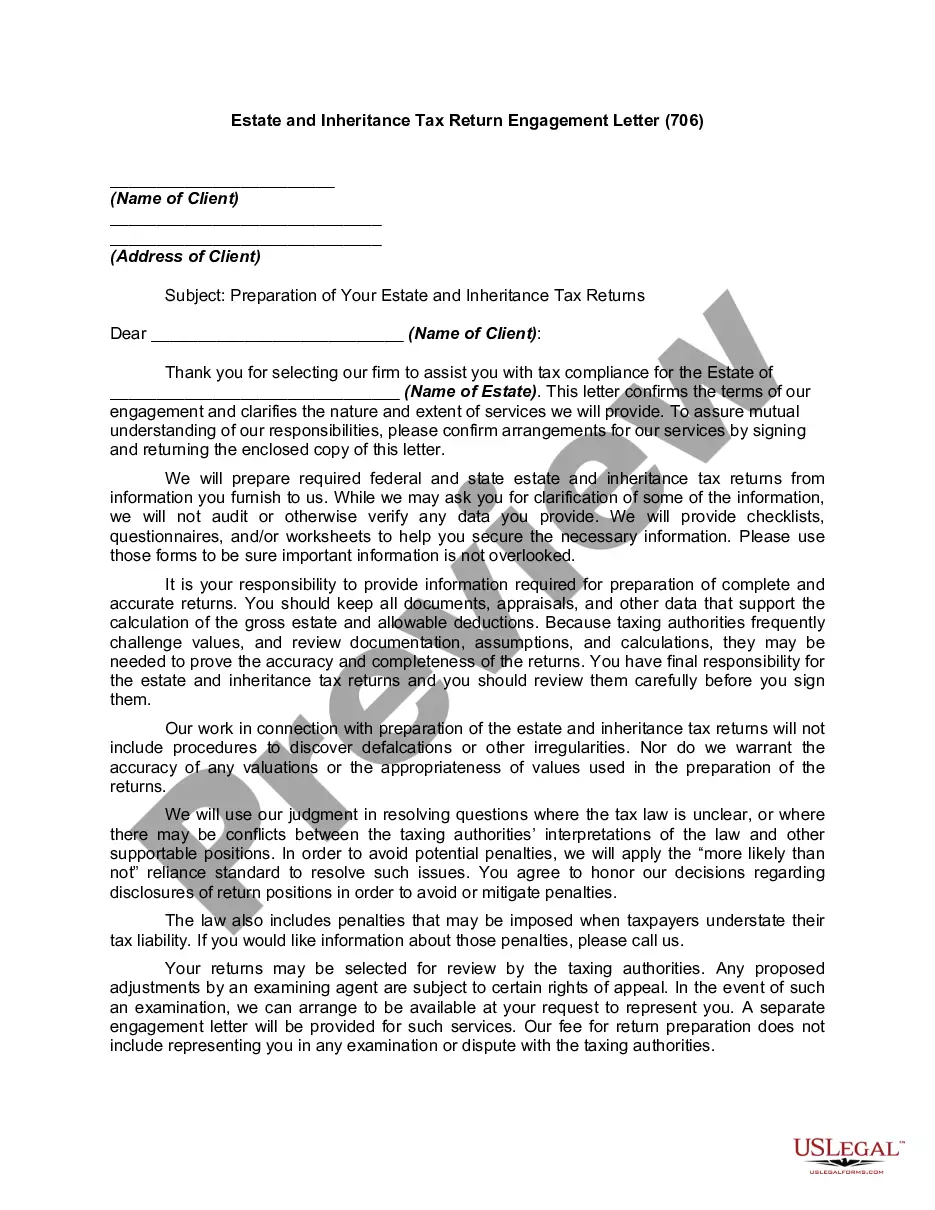
How to fill out Estate And Inheritance Tax Return Engagement Letter - 706?
Creating legal documents from the ground up can often feel daunting. Some situations may require extensive research and significant financial investment.
If you are searching for a more straightforward and economical method to prepare the Ct Estate Tax Return Form Ct-706 Nt or any other paperwork without unnecessary complications, US Legal Forms is consistently available to assist you.
Our online repository of over 85,000 current legal forms encompasses nearly every facet of your financial, legal, and personal matters. With just a few clicks, you can promptly access state- and county-compliant forms thoroughly crafted for you by our legal professionals.
Utilize our website whenever you require a dependable and trustworthy service through which you can swiftly find and download the Ct Estate Tax Return Form Ct-706 Nt. If you’re already familiar with our site and have an existing account, simply Log In to your account, find the form and download it or re-download it at any time later in the My documents tab.
US Legal Forms possesses an impeccable reputation and over 25 years of expertise. Join us today and transform document completion into an effortless and efficient experience!
- Not registered yet? No problem. It only takes a few minutes to create an account and browse the library.
- However, before proceeding to download the Ct Estate Tax Return Form Ct-706 Nt, consider these suggestions.
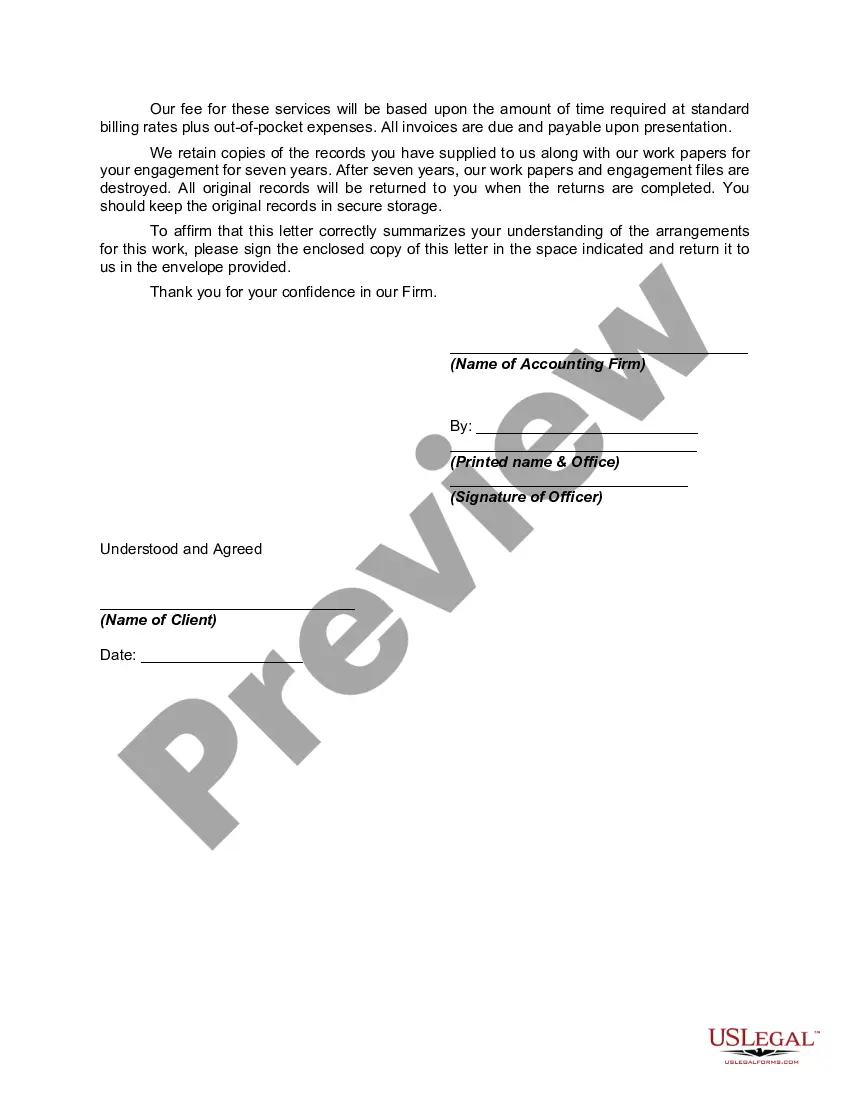
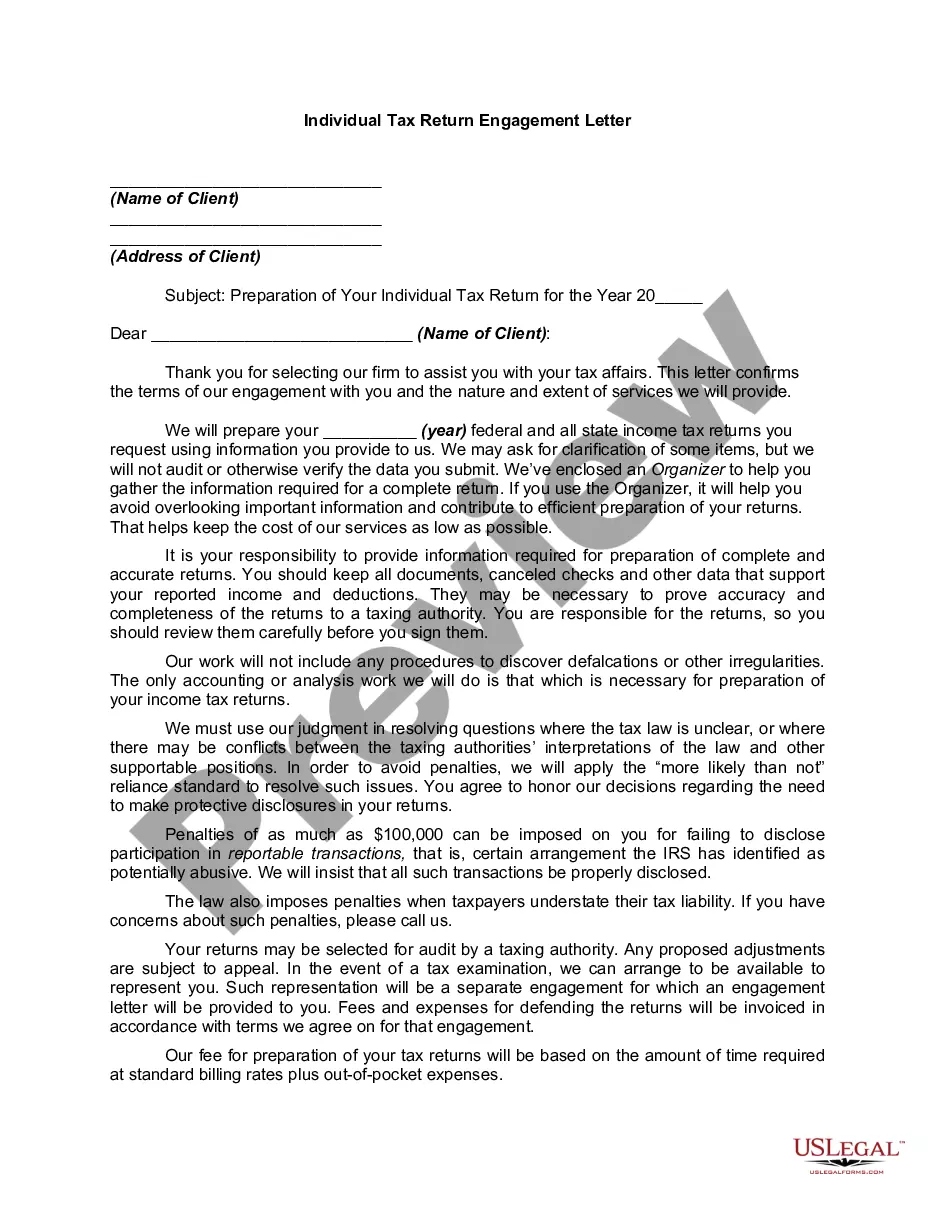
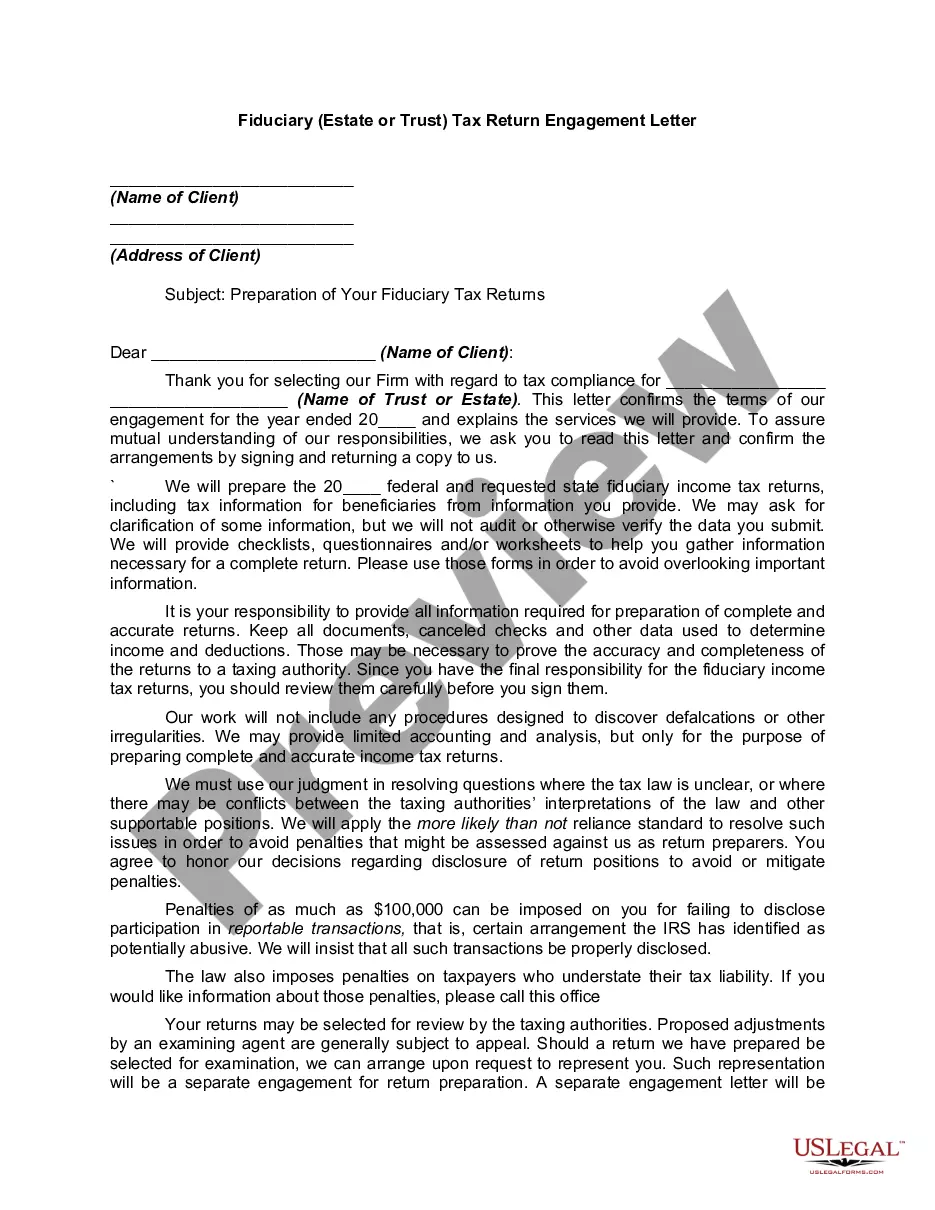
- Examine the document preview and descriptions to verify you are accessing the correct document.
- Ensure that the template you select adheres to the regulations and laws applicable in your state and county.
- Select the appropriate subscription plan to obtain the Ct Estate Tax Return Form Ct-706 Nt.
- Download the file. Then complete, sign, and print it.
Form popularity
FAQ
To obtain a copy of your estate tax return, you can request it from the Connecticut Department of Revenue Services. Be prepared to provide identification details related to the estate and the necessary authorizations. If you used UsLegalForms to file, check your account for any saved documents related to your estate tax return as well.
The CT-706 NT form is the Connecticut estate tax return form specifically for estates that are exempt from state estate taxes. This allows executors to formally report the estate's value and indicate it does not owe any tax. Filing this form can help provide clarity and closure in the administration of the estate. For those needing assistance with this process, UsLegalForms is a valuable resource.
Form 709 is used for reporting gifts, but not everyone must file it. Individuals who have not gifted above the annual exclusion amount, currently set by the IRS, are not required to file this form. If your gifts are below the threshold, you can focus on managing your estate without worrying about form 709. For more advice on gift reporting and estate planning, explore UsLegalForms.
You must report the sale of inherited property to the IRS, as it may impact your tax situation. Generally, inherited property receives a step-up in basis, which simplifies reporting. However, any gains made from the sale should be documented on your tax return. If you're uncertain about the specifics, UsLegalForms offers helpful resources to guide you through the reporting process.
Federal estate income tax returns are not required for every estate. Only estates that generate income above a certain threshold during the period of administration need to file. Ensure you assess the estate's income and consult the federal guidelines for clarity. UsLegalForms can provide the forms and support you need to address this obligation.
Not all estates are required to file form 706. The need to file depends on the total value of the estate and whether it exceeds the federal estate tax exemption threshold. For smaller estates that fall below this limit, filing may not be necessary. If you're unsure, you can check with UsLegalForms for guidance tailored to your estate.
To file an estate tax return in Connecticut, you must complete the Ct estate tax return form ct-706 nt. This form requires detailed information about the deceased's assets and liabilities. You can submit the form to the Connecticut Department of Revenue Services within nine months of the date of death. For assistance, consider using the resources available on the UsLegalForms platform to simplify the process.
The form CT-706 NT is the Connecticut Estate Tax Return for estates not subject to federal estate tax. It is essential for reporting Connecticut estate taxes on estates that fall under specific thresholds. This form helps in calculating the tax owed to the state based on the estate's value. By using services like US Legal Forms, you can access resources and templates for completing the Ct estate tax return form ct-706 nt effectively and efficiently.
Yes, an estate typically needs to file the Ct estate tax return form ct-706 nt if the value of the estate exceeds a certain threshold. This form is essential for reporting the estate's assets and determining the tax owed. Filing is necessary to ensure compliance with state tax laws and avoid penalties. Utilizing resources like US Legal Forms can simplify the filing process and keep your documents in order.
To file the estate tax return 706 in Connecticut, you must complete and submit the Ct estate tax return form ct-706 nt within nine months of the decedent's death. All relevant information about the estate must be included, along with any necessary documentation. By complying with these requirements, you can effectively manage the tax obligations tied to the estate and protect the interests of the heirs.