Child Support Now Formula
Description
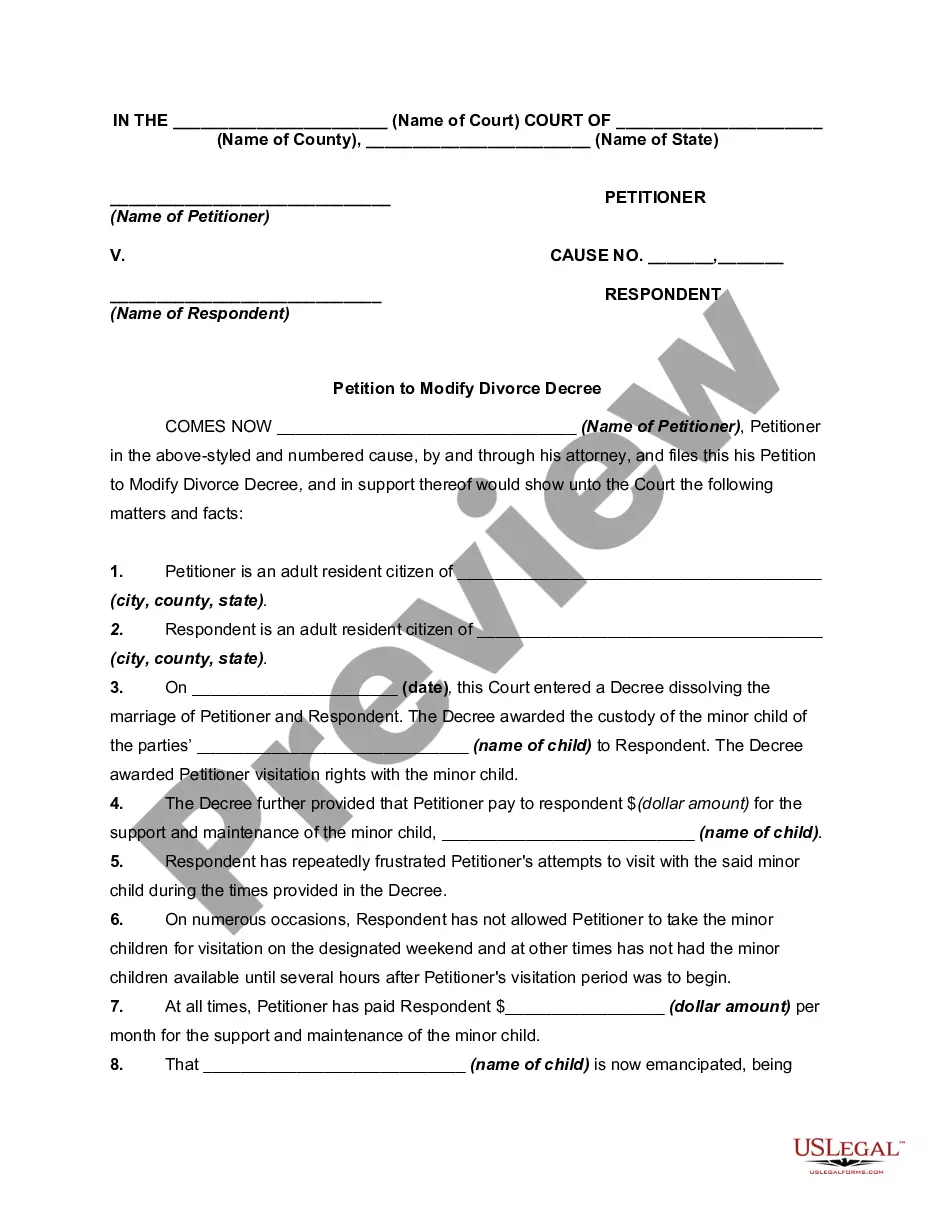
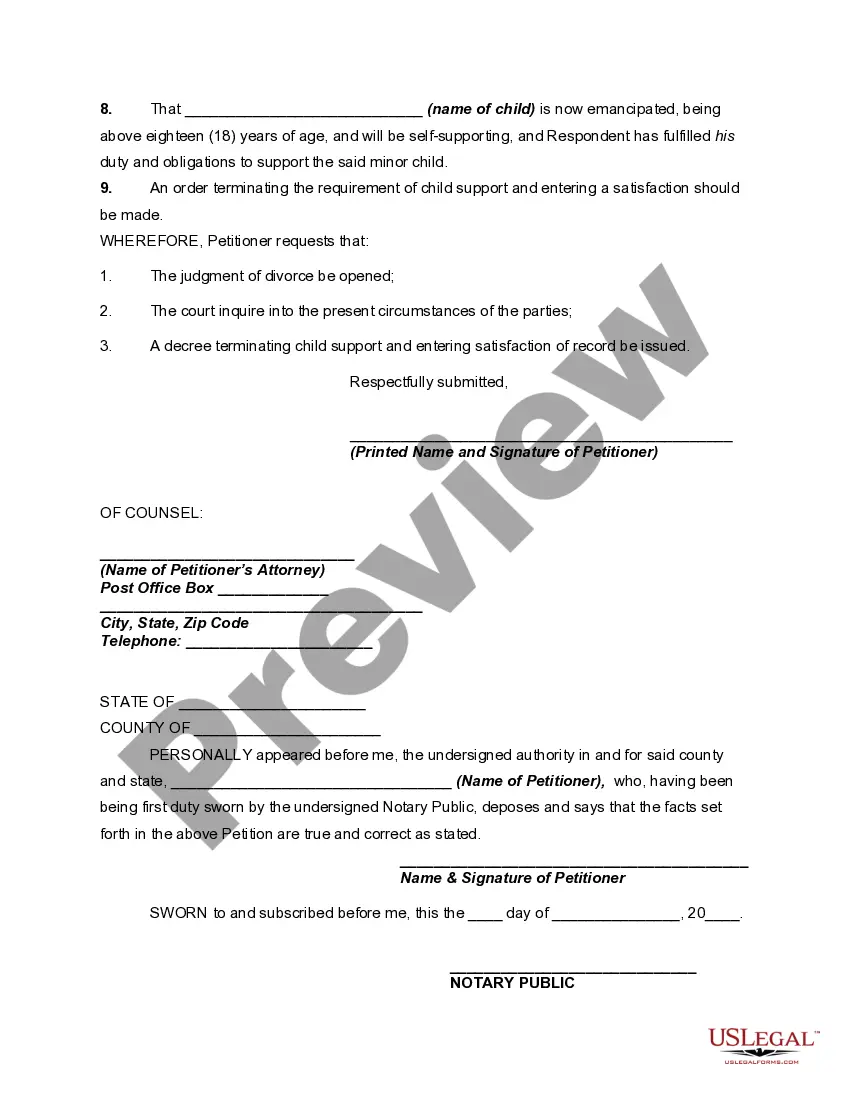

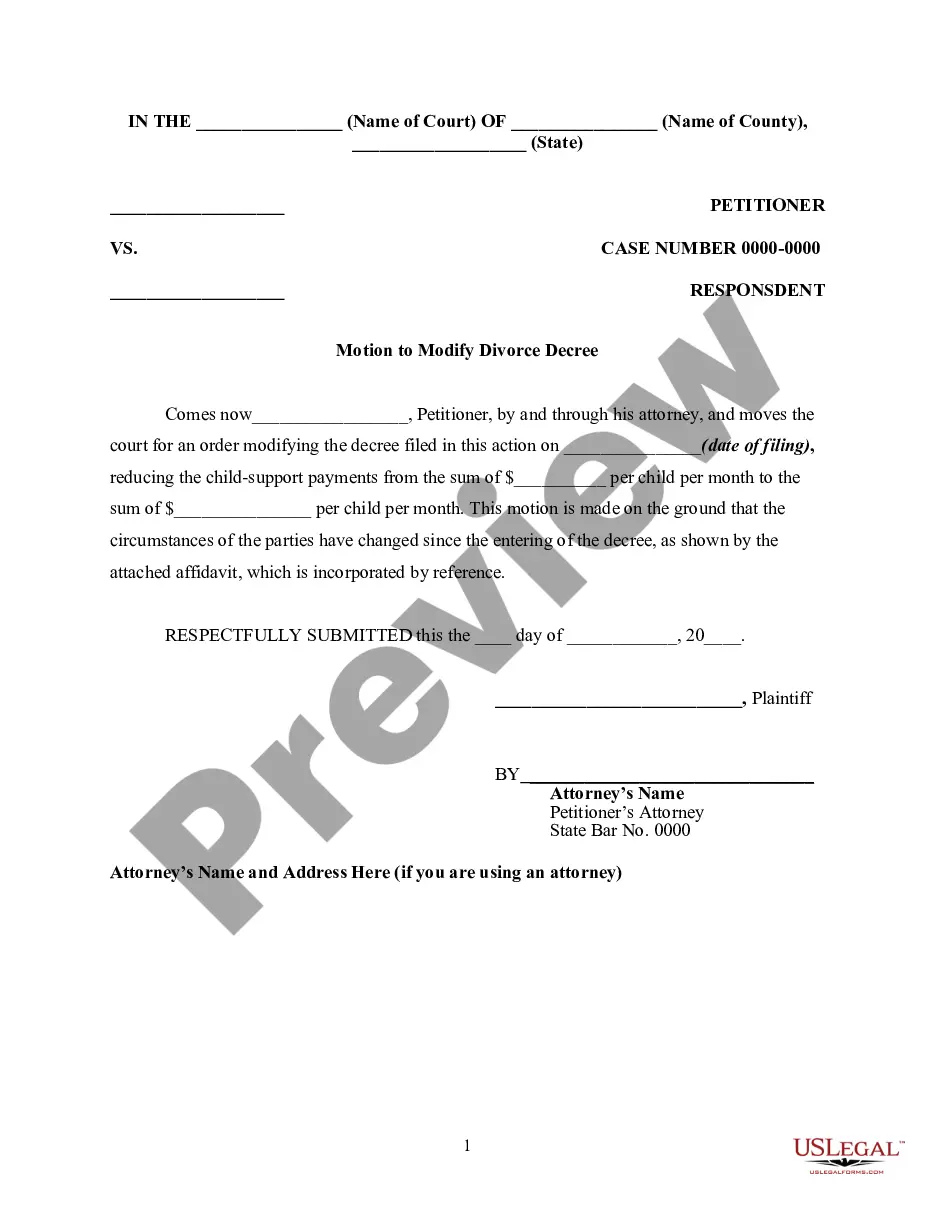
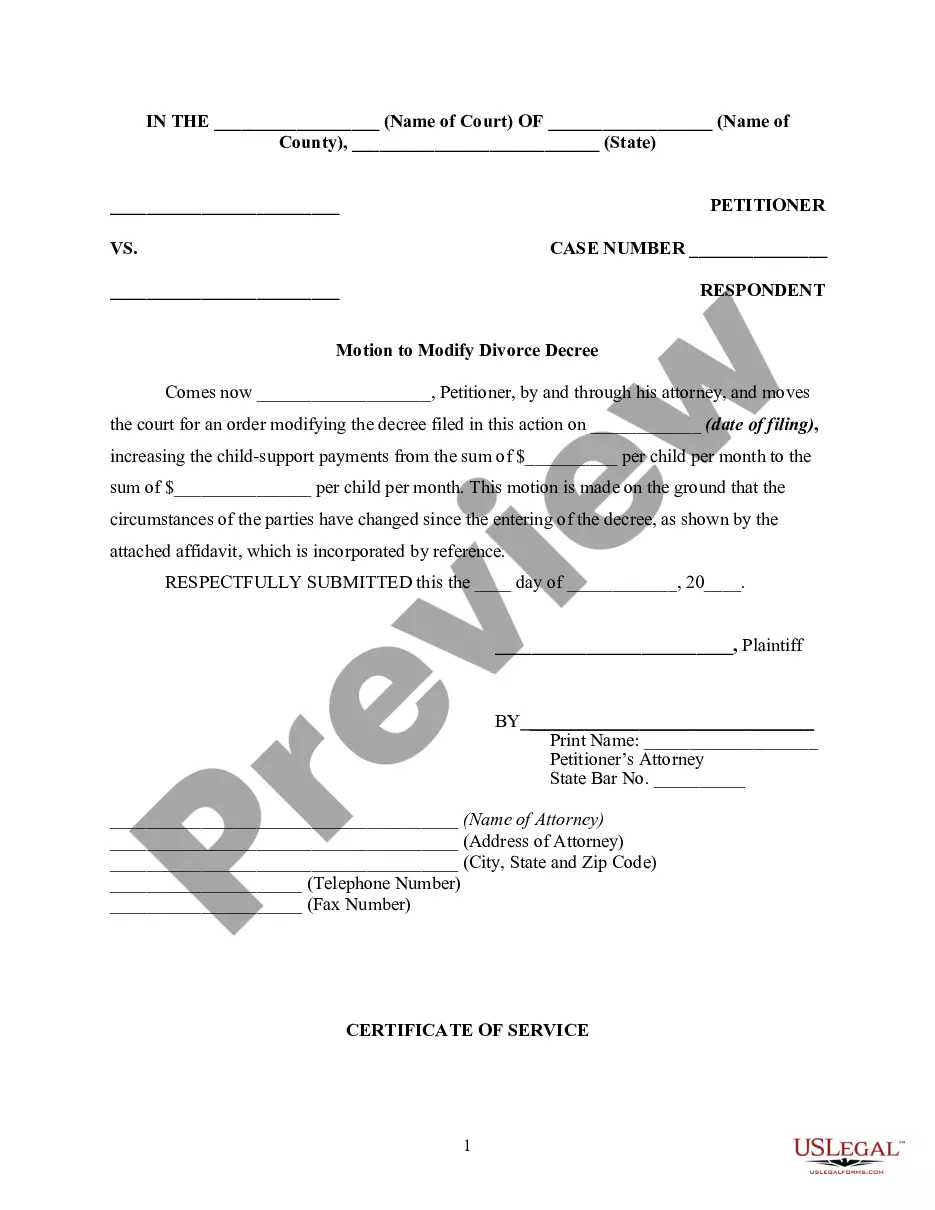
Get your form ready online
Our built-in tools help you complete, sign, share, and store your documents in one place.
Make edits, fill in missing information, and update formatting in US Legal Forms—just like you would in MS Word.
Download a copy, print it, send it by email, or mail it via USPS—whatever works best for your next step.
Sign and collect signatures with our SignNow integration. Send to multiple recipients, set reminders, and more. Go Premium to unlock E-Sign.
If this form requires notarization, complete it online through a secure video call—no need to meet a notary in person or wait for an appointment.
We protect your documents and personal data by following strict security and privacy standards.

Make edits, fill in missing information, and update formatting in US Legal Forms—just like you would in MS Word.

Download a copy, print it, send it by email, or mail it via USPS—whatever works best for your next step.

Sign and collect signatures with our SignNow integration. Send to multiple recipients, set reminders, and more. Go Premium to unlock E-Sign.

If this form requires notarization, complete it online through a secure video call—no need to meet a notary in person or wait for an appointment.

We protect your documents and personal data by following strict security and privacy standards.
Looking for another form?








How to fill out Petition To Modify Or Amend Divorce Decree Stopping Child Support On The Grounds That Respondent Interfered With Visitation Rights And Child Is Now An Adult?
Regardless of whether it's for professional reasons or personal matters, everyone must handle legal issues at some point during their lifetime.
Completion of legal paperwork requires meticulous care, beginning with choosing the correct document template.
With an extensive US Legal Forms catalog available, you don't have to waste time searching for the right template online. Take advantage of the library’s easy navigation to locate the right template for any circumstance.
- Obtain the template you require through the search bar or catalog browsing.
- Verify the form's details to ensure it corresponds to your situation, state, and locality.
- Select the form's preview to view it.
- If it is not the correct form, return to the search option to find the Child Support Now Formula sample you require.
- Acquire the template once it aligns with your requirements.
- If you already have a US Legal Forms account, simply click Log in to access previously saved documents in My documents.
- If you have yet to create an account, you can obtain the form by clicking Buy now.
- Choose the suitable pricing option.
- Fill out the account registration form.
- Choose your payment method: credit card or PayPal.
- Pick the document format you desire and download the Child Support Now Formula.
- After it is downloaded, you may complete the form using editing software or print it and finish it by hand.
Form popularity
FAQ
A: The average amount of money paid in child support by non-custodial parents is about $430 a month for one child. The amount paid in child support per child may change based on the number of children being supported, the income of both parents, and the amount needed to raise the children in this particular dynamic.
While it's difficult to provide an exact average, most dads typically pay between 15-25% of their gross income for one child, with the percentage increasing for additional children.
To calculate it by long hand, take the Combined Parental Income (but only up to $141,000) and multiply it by the applicable Child Support Percentages (1 child in the care of the custodial parent: 17%, 2 children: 25%, 3 children: 29%, 4 children: 31%, 5 or more children: 35% or more).
Rule 90.3 says that the portion of an adjusted annual income over $126,000 will not be used in calculating the child support amount, unless the other parent presents evidence showing the higher income should be used in the calculation. If the cap is used, the AI will be $126,000 for the calculation.
Is there a limit to the amount of money that can be taken from my paycheck for child support? 50 percent of disposable income if an obligated parent has a second family. 60 percent if there is no second family.