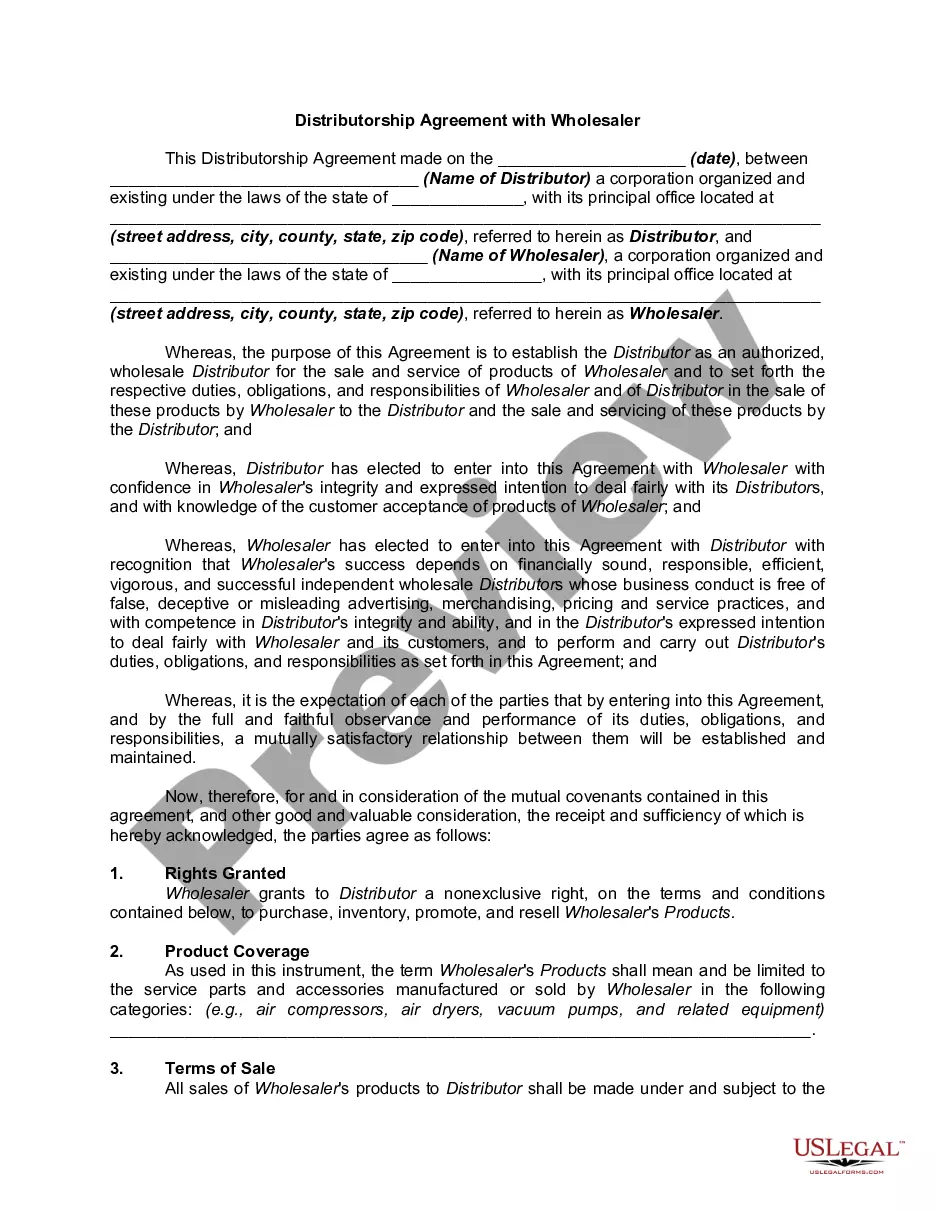
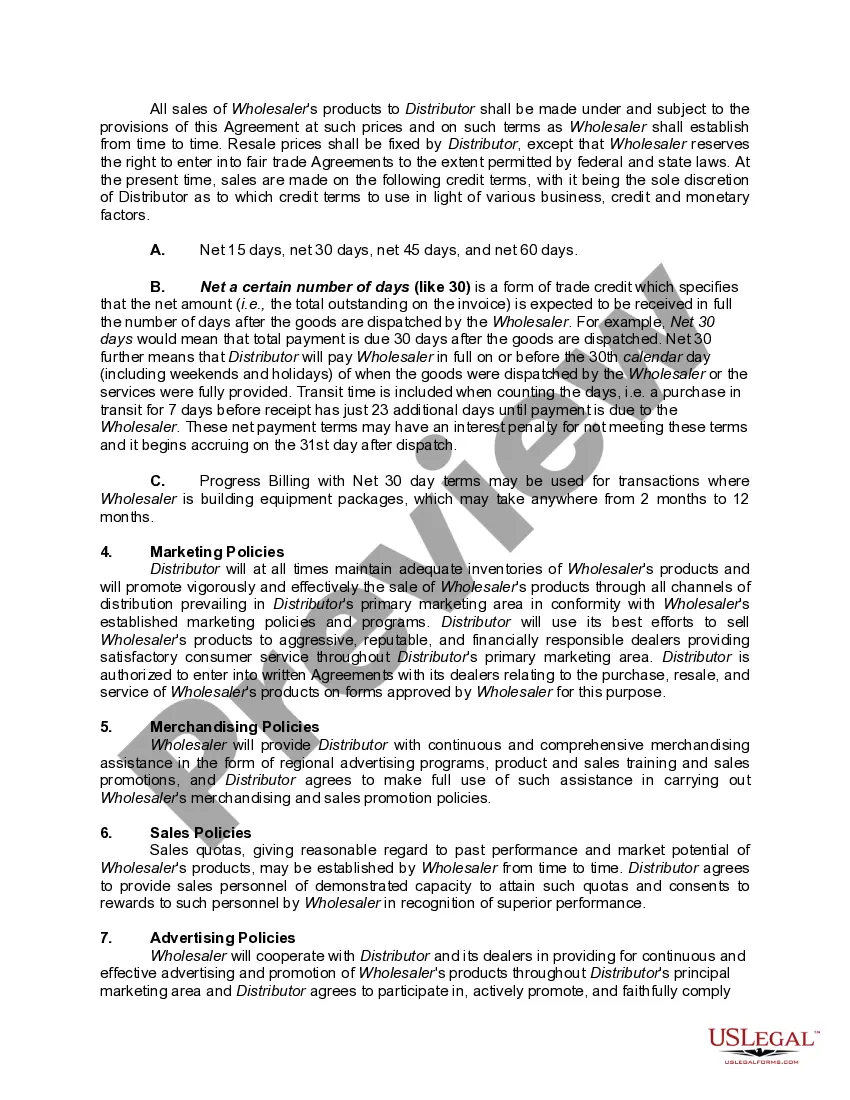
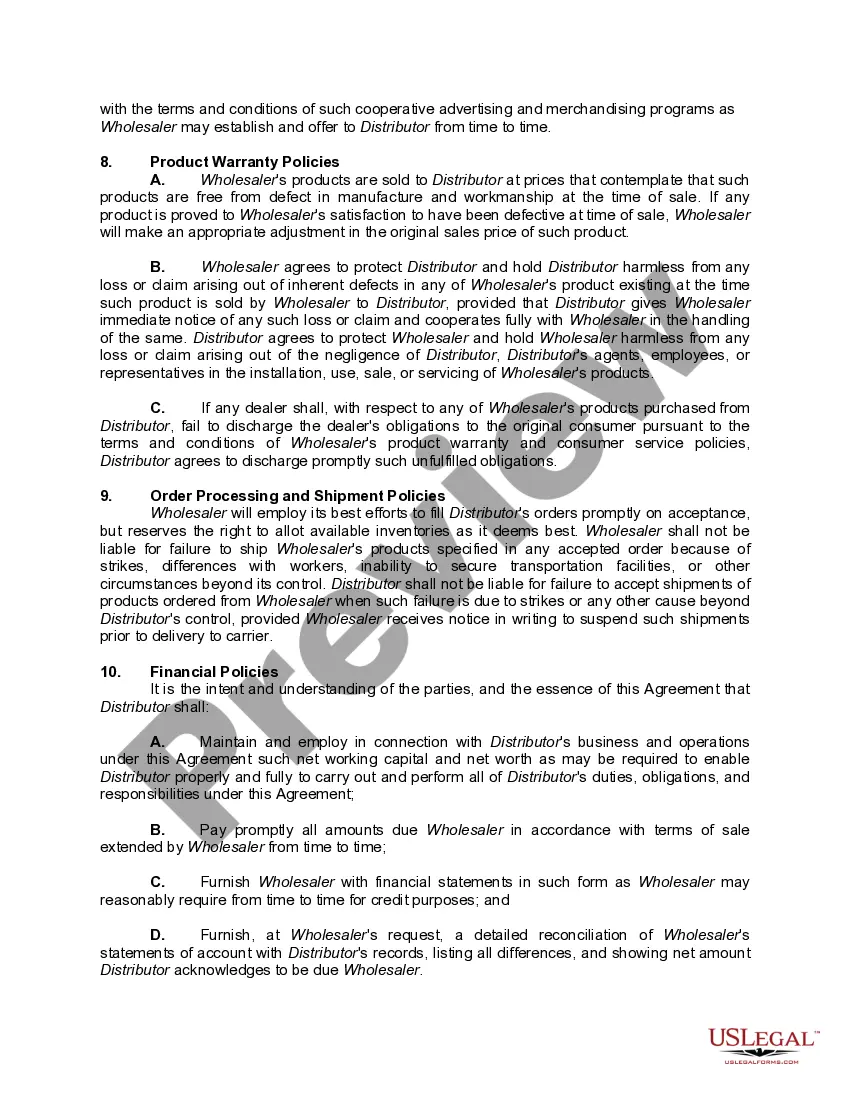
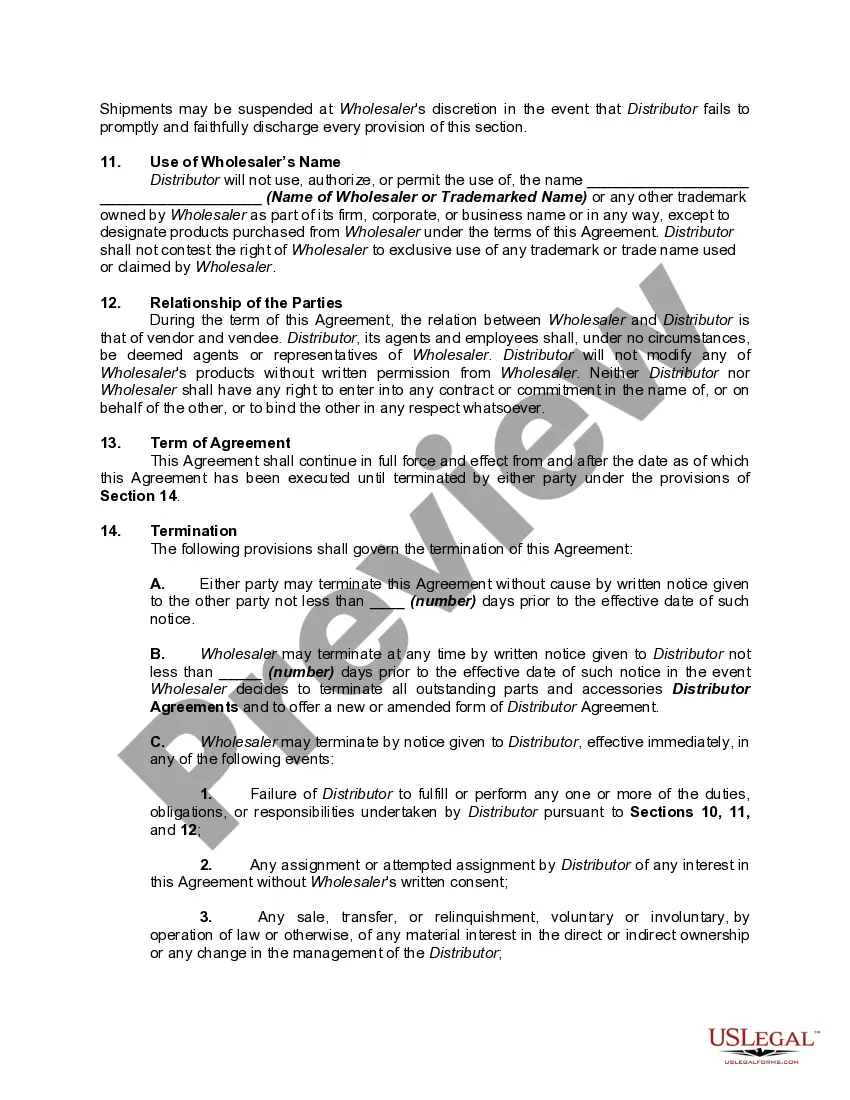
Simple Distribution Agreement Template
Description
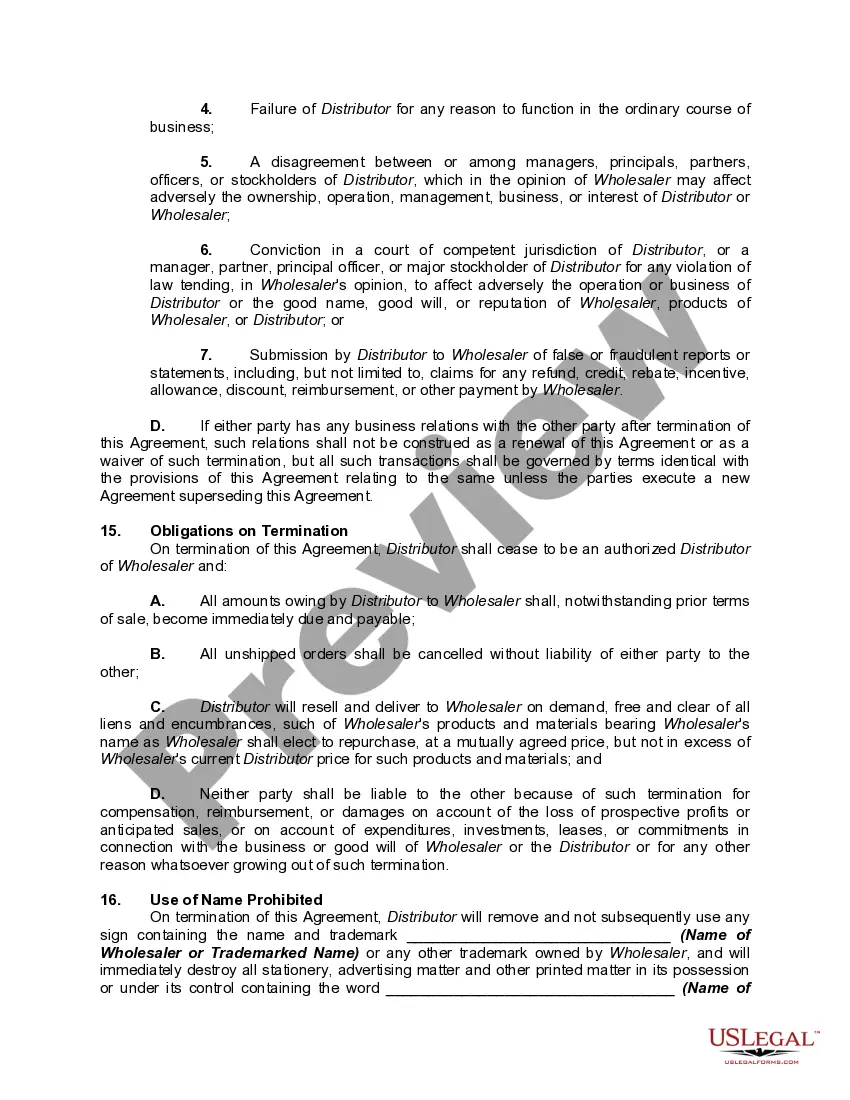
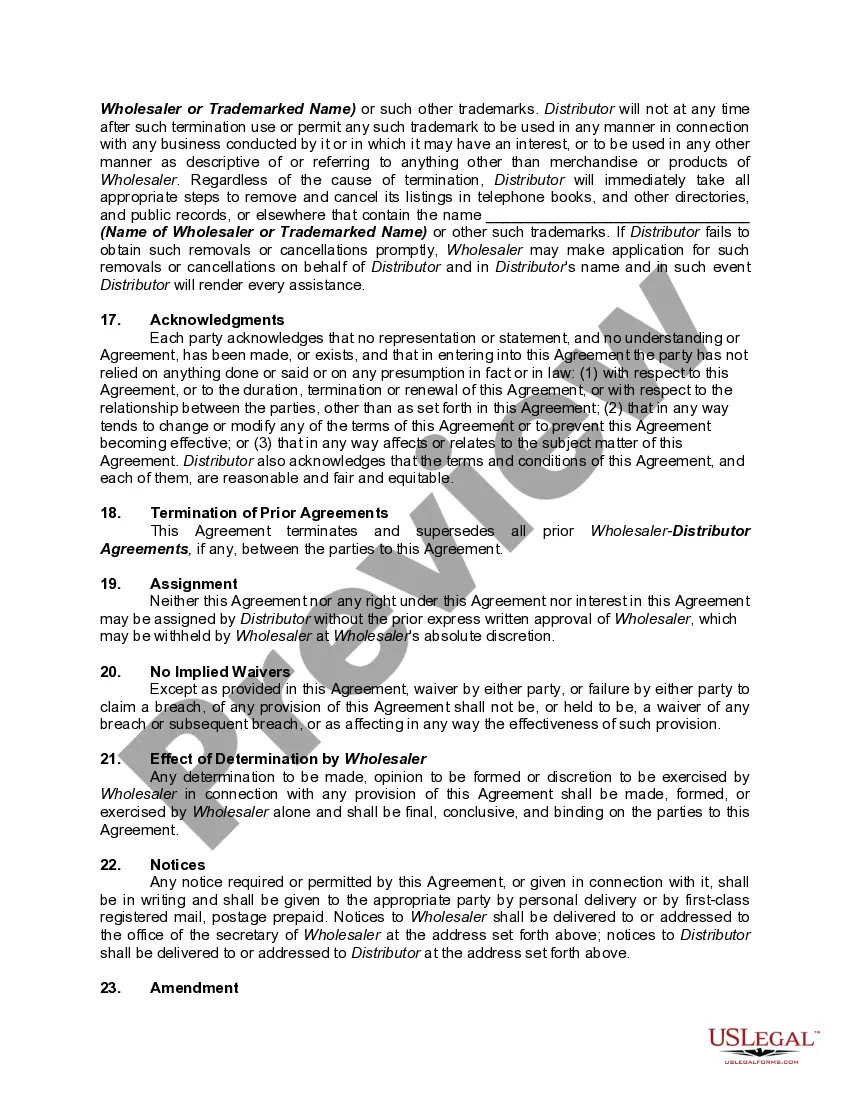
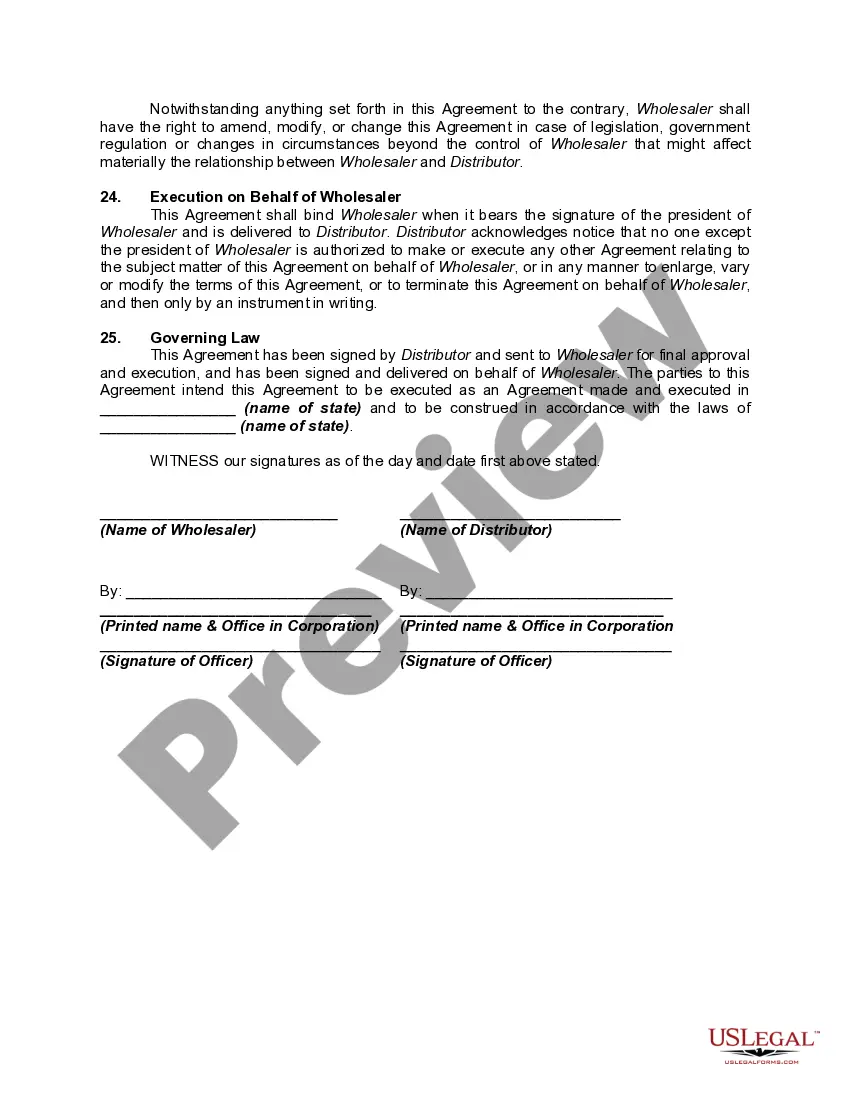
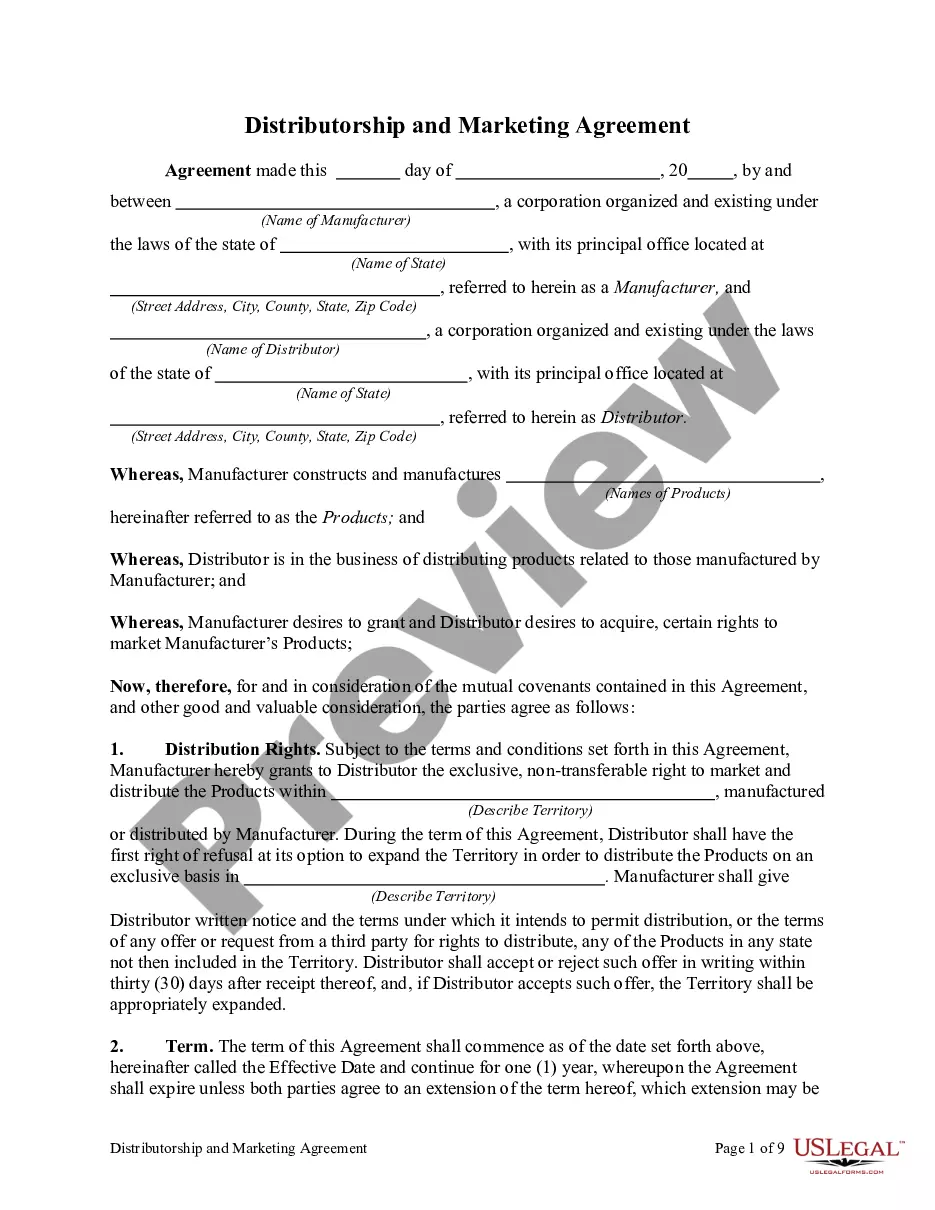
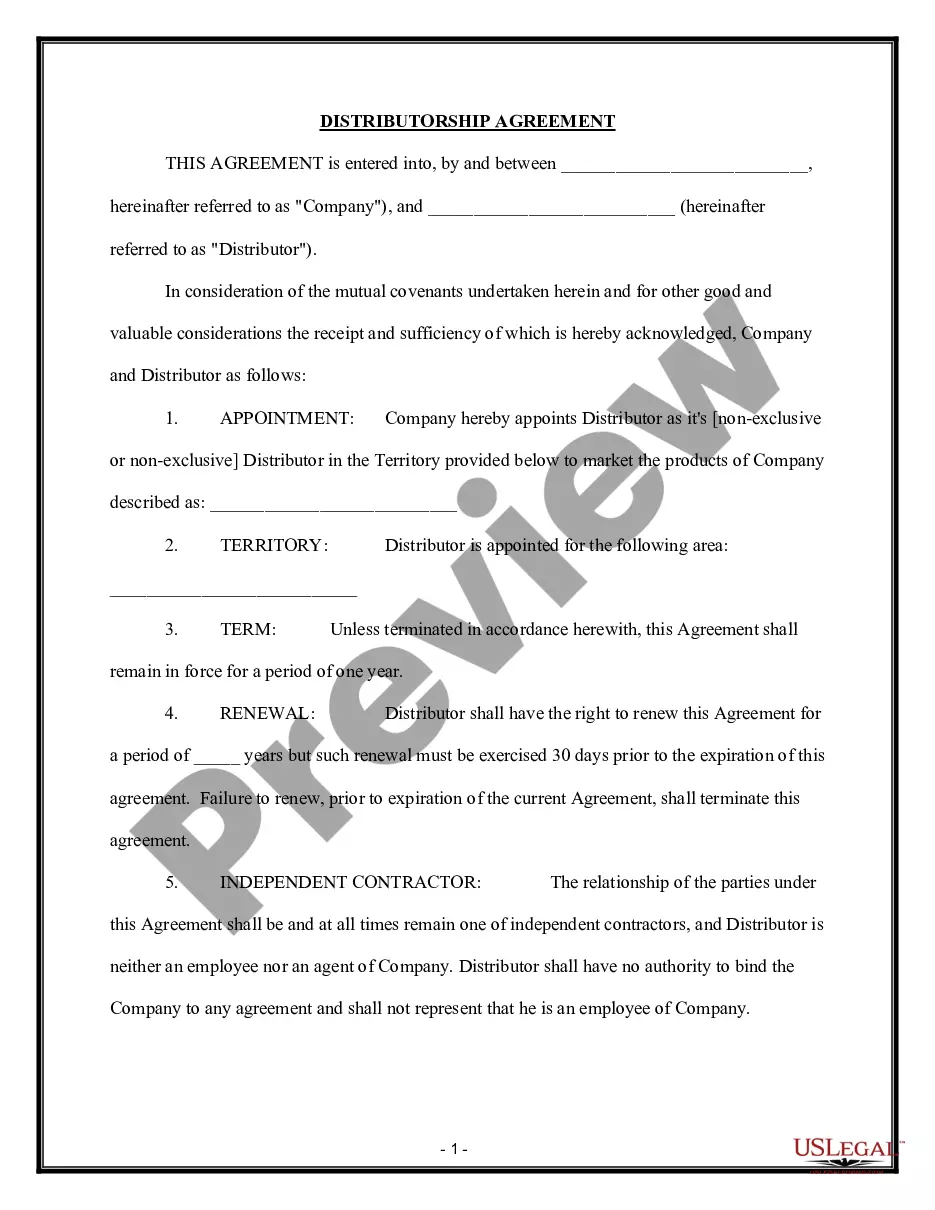
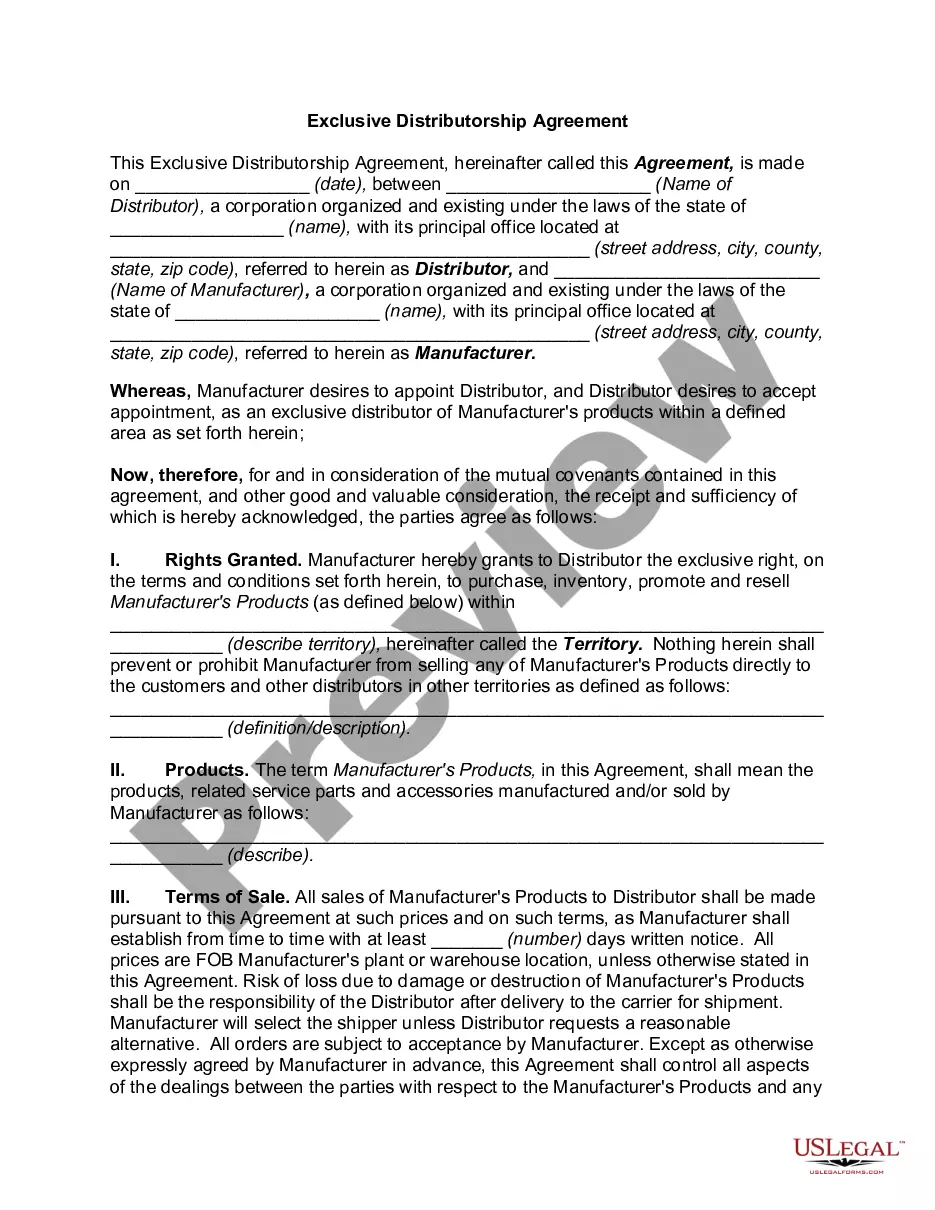
Get your form ready online
Our built-in tools help you complete, sign, share, and store your documents in one place.
Make edits, fill in missing information, and update formatting in US Legal Forms—just like you would in MS Word.
Download a copy, print it, send it by email, or mail it via USPS—whatever works best for your next step.
Sign and collect signatures with our SignNow integration. Send to multiple recipients, set reminders, and more. Go Premium to unlock E-Sign.
If this form requires notarization, complete it online through a secure video call—no need to meet a notary in person or wait for an appointment.
We protect your documents and personal data by following strict security and privacy standards.

Make edits, fill in missing information, and update formatting in US Legal Forms—just like you would in MS Word.

Download a copy, print it, send it by email, or mail it via USPS—whatever works best for your next step.

Sign and collect signatures with our SignNow integration. Send to multiple recipients, set reminders, and more. Go Premium to unlock E-Sign.

If this form requires notarization, complete it online through a secure video call—no need to meet a notary in person or wait for an appointment.

We protect your documents and personal data by following strict security and privacy standards.
Looking for another form?
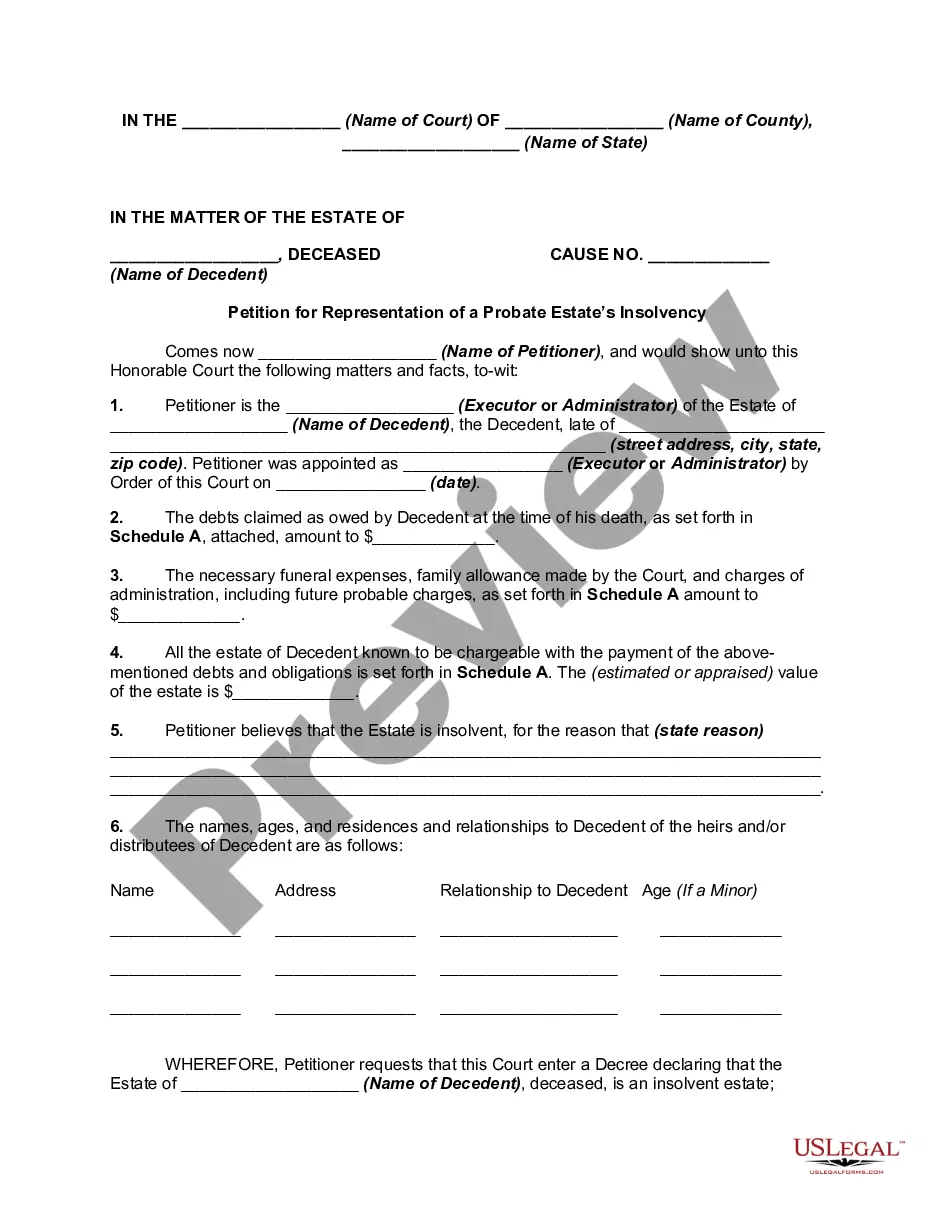

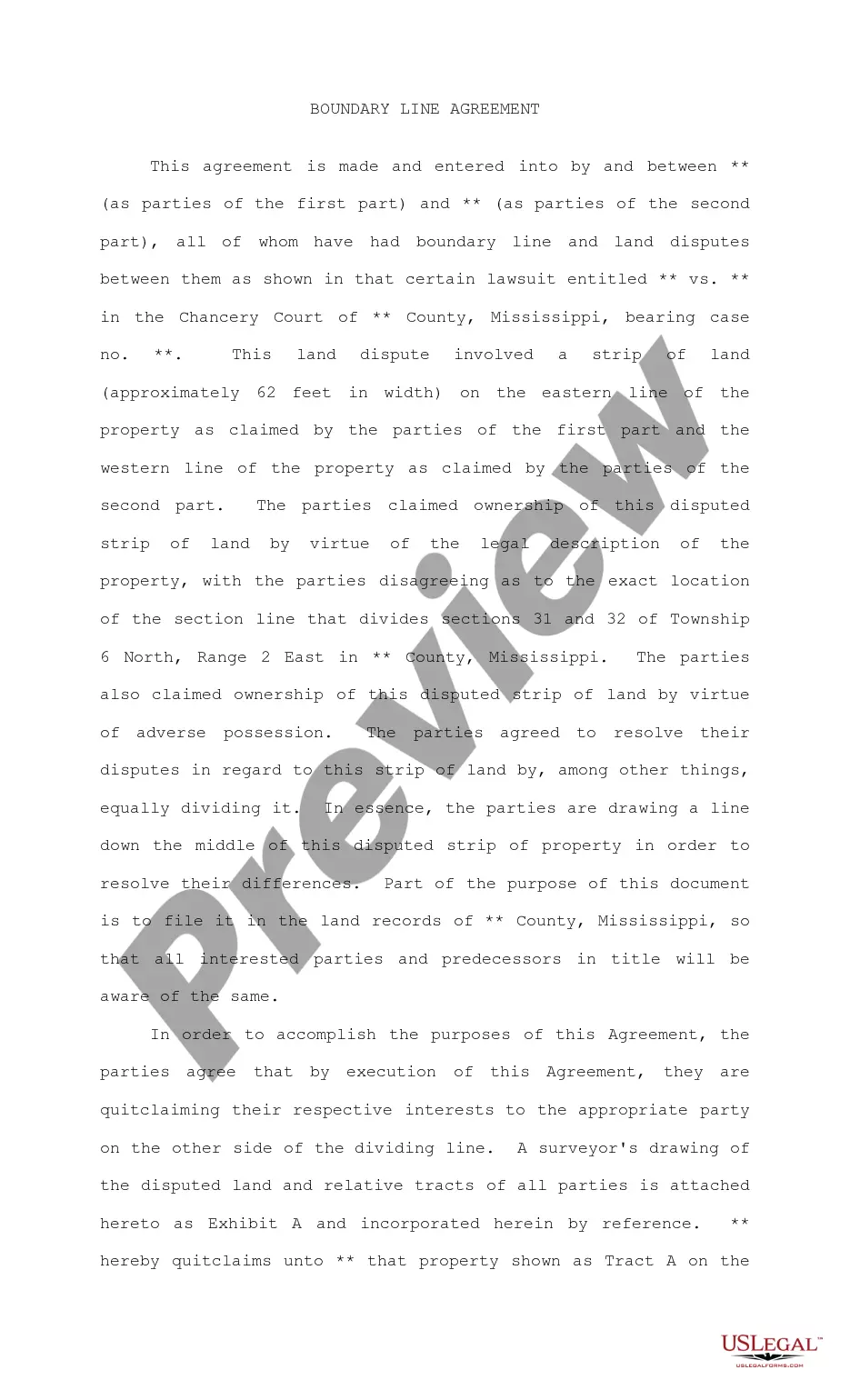



How to fill out Distributorship Agreement With Wholesaler?
- If you are a returning user, log in to your US Legal Forms account to find the template you need. Ensure your subscription is active to proceed.
- For first-time users, review the Preview mode and description of the simple distribution agreement template to confirm it meets your specific needs and adheres to local jurisdiction requirements.
- If adjustments are necessary, utilize the Search tab to find additional templates that might be more suitable before proceeding.
- Select the document you wish to purchase by clicking the Buy Now button and choose your preferred subscription plan. An account registration will grant you access to a vast array of resources.
- Complete your purchase using a credit card or PayPal, providing all necessary payment information.
- Download the simple distribution agreement template and save it on your device. You can access it anytime in the My Forms section of your profile.
With US Legal Forms, users can benefit from an extensive collection of over 85,000 legal forms at competitive rates. This enables both individuals and attorneys to create precise documents effectively.
Get started today! Visit US Legal Forms to effortlessly assemble your simple distribution agreement template and enjoy expert guidance throughout the process.
Form popularity
FAQ
The two main types of licensing agreements are exclusive and non-exclusive licenses. An exclusive license grants rights to only one licensee, while a non-exclusive license allows multiple parties to use the same property. Choosing the right type can impact your business strategy, so utilizing a simple distribution agreement template can help clarify these terms in your contracts.
A distribution agreement primarily involves the selling and distribution of goods, while a license agreement allows for the usage rights of certain intellectual property. In essence, the former facilitates product movement, and the latter facilitates usage rights. To navigate these complexities, you might find it helpful to use a simple distribution agreement template that delineates all key aspects to prevent confusion.
In the music industry, licensing agreements grant permission to use music tracks, while distribution agreements focus on the sale of those tracks. Licensing allows for a specific use of music, whereas distribution refers to how music is delivered to the public. Understanding this distinction is crucial for music professionals and can be simplified by utilizing a simple distribution agreement template tailored for the music sector.
Another common term for a distribution agreement is a supply agreement. This term emphasizes the relationship where one party supplies products to another for resale. To ensure clarity in your contracts, consider using a simple distribution agreement template that incorporates all relevant terminology.
A license agreement and a distribution agreement serve different purposes. A license agreement grants permission to use intellectual property, whereas a distribution agreement focuses on the sale and distribution of products. Therefore, while they may have overlapping elements, they are not interchangeable. Understanding this difference helps in choosing the right template for your needs.
Creating a distribution agreement involves several key steps. First, you should clearly define the roles of each party, including the distributor and the supplier. Next, outline the distribution rights, territories, and terms of sale. Finally, consider using a simple distribution agreement template to ensure you include all necessary legal clauses.
To structure an agreement effectively, start with an introduction stating who is involved and the purpose. Follow this with specific sections that outline terms, conditions, and obligations of all parties. Conclude with a section for signatures to validate the agreement. A simple distribution agreement template can help you create a well-structured agreement, enhancing clarity for all parties involved.
The format of writing an agreement should be structured and professional. Begin with a title, followed by an introduction stating the parties and purpose. Include sections for terms and conditions, rights, responsibilities, and signatures at the end. A simple distribution agreement template can provide an effective format, ensuring that nothing crucial is overlooked.
The length of a distribution agreement can vary based on the products and market strategy. Generally, a clear and concise agreement of 5 to 10 pages is sufficient to cover all essential aspects without overwhelming details. Consider using a simple distribution agreement template, which typically includes all vital sections in an organized manner.
An example of a formal agreement is a rental contract between a landlord and a tenant. This document clearly lays out the terms of the rental, including payment, duration, and responsibilities. Similarly, a simple distribution agreement template serves as a formal agreement between a supplier and distributor, highlighting each party's obligations and rights.