Testamentary Petition For Succession Certificate
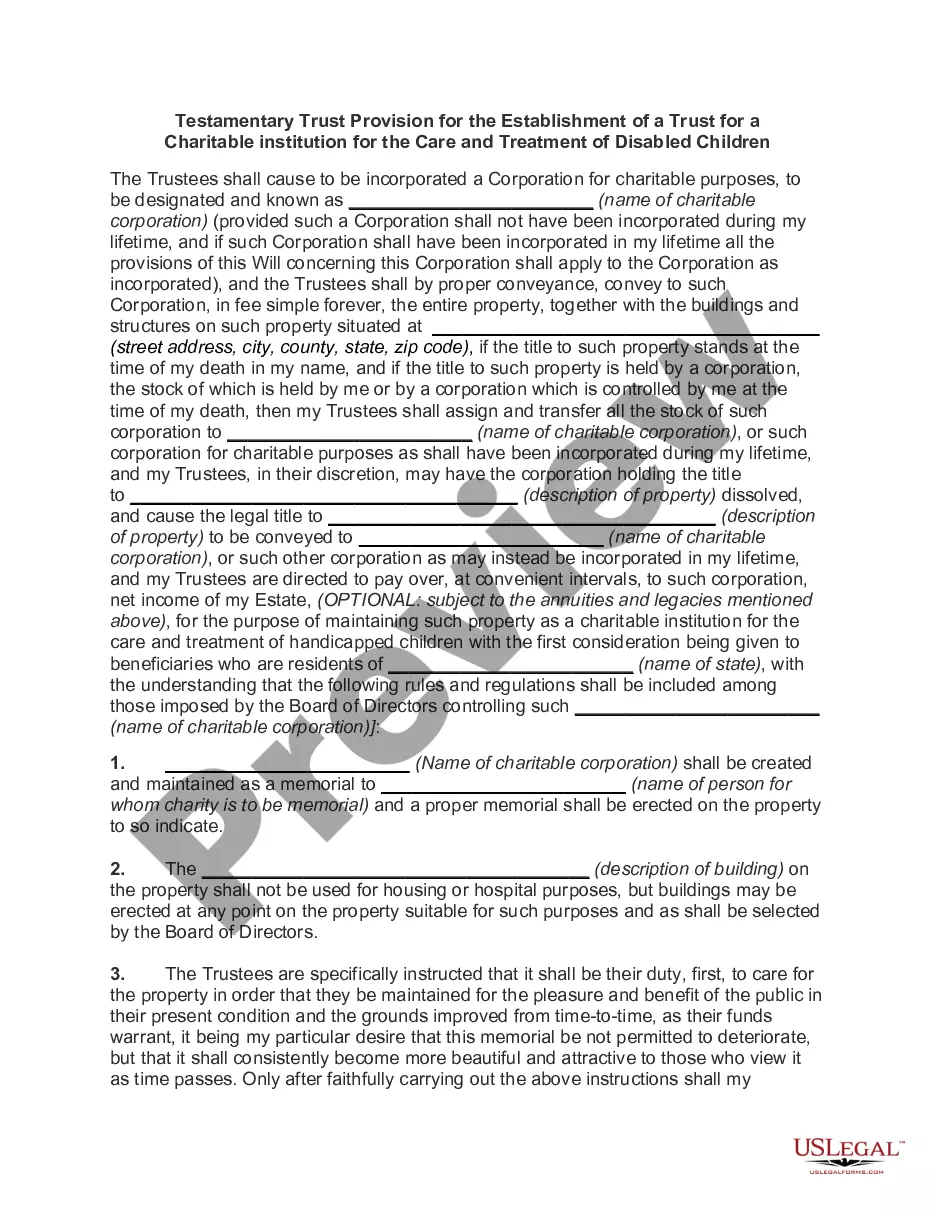
Description
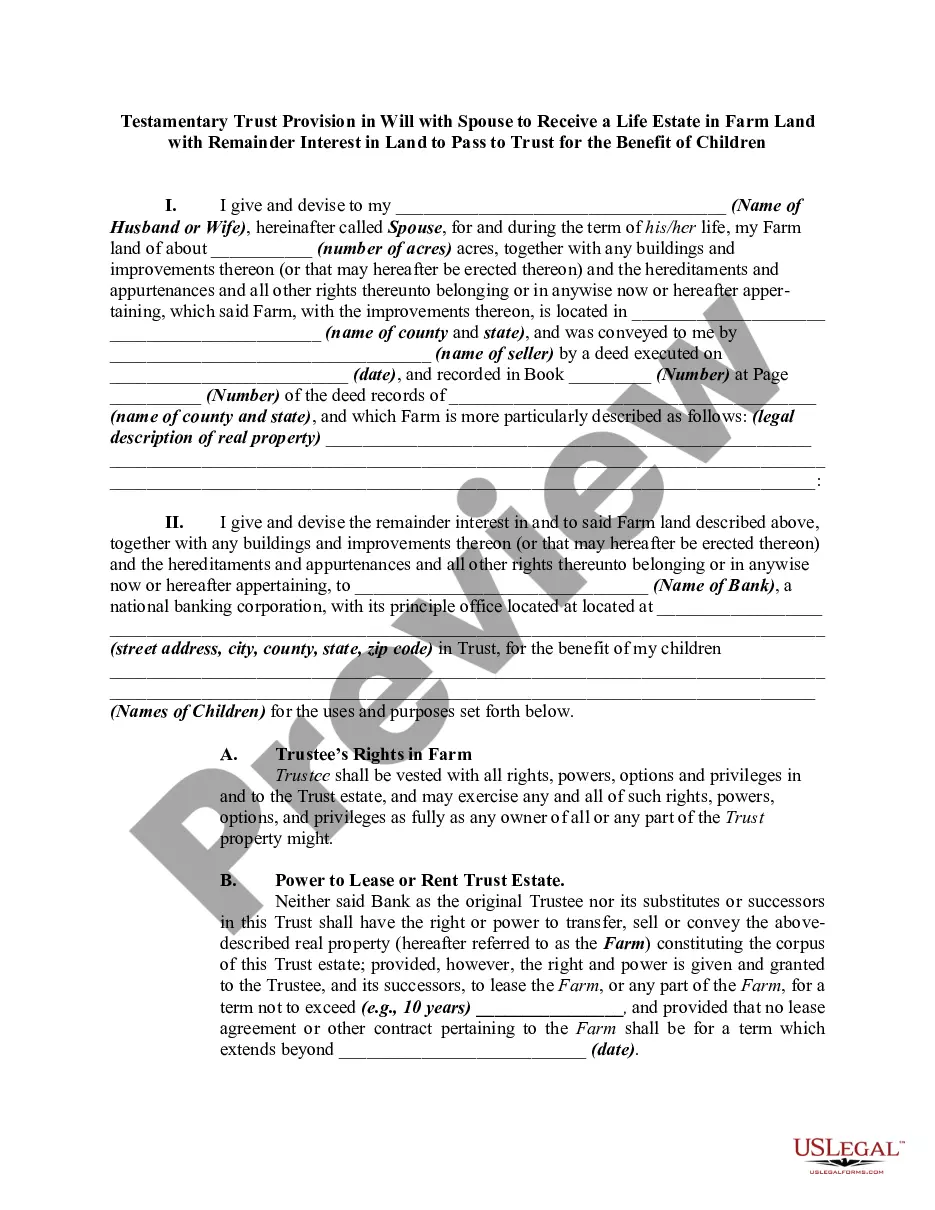
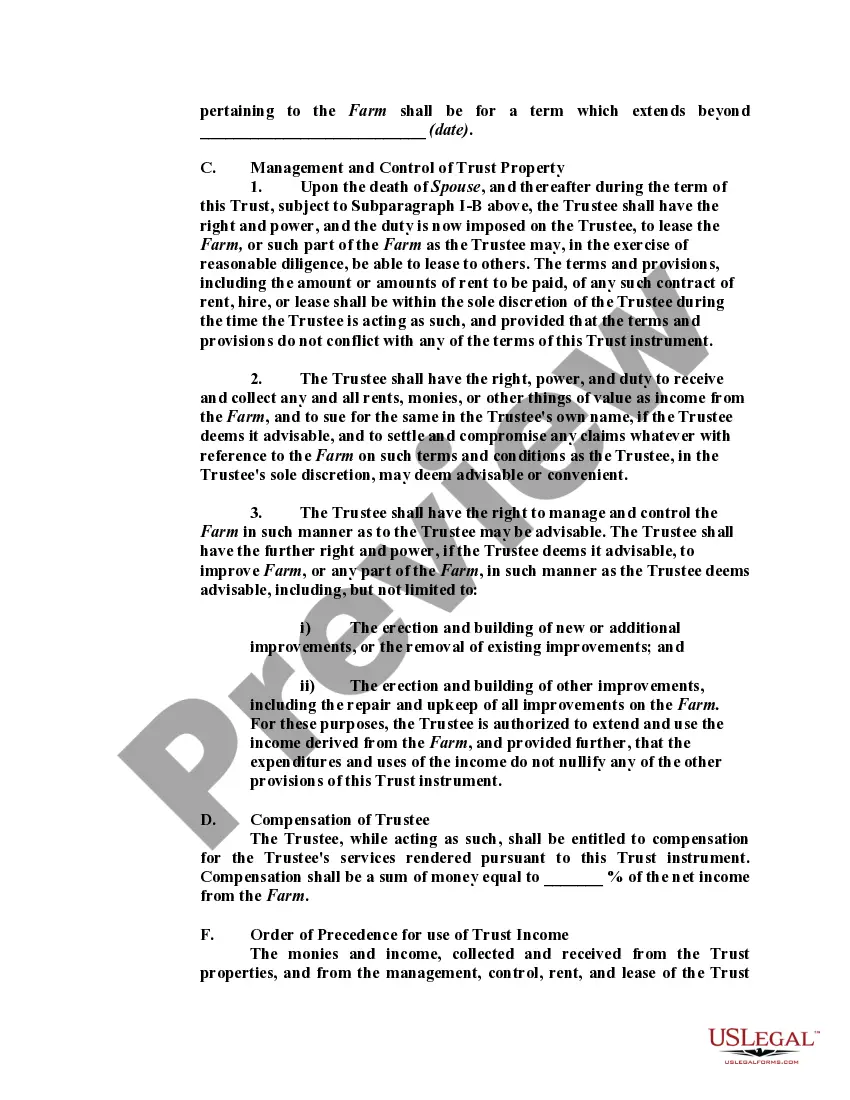
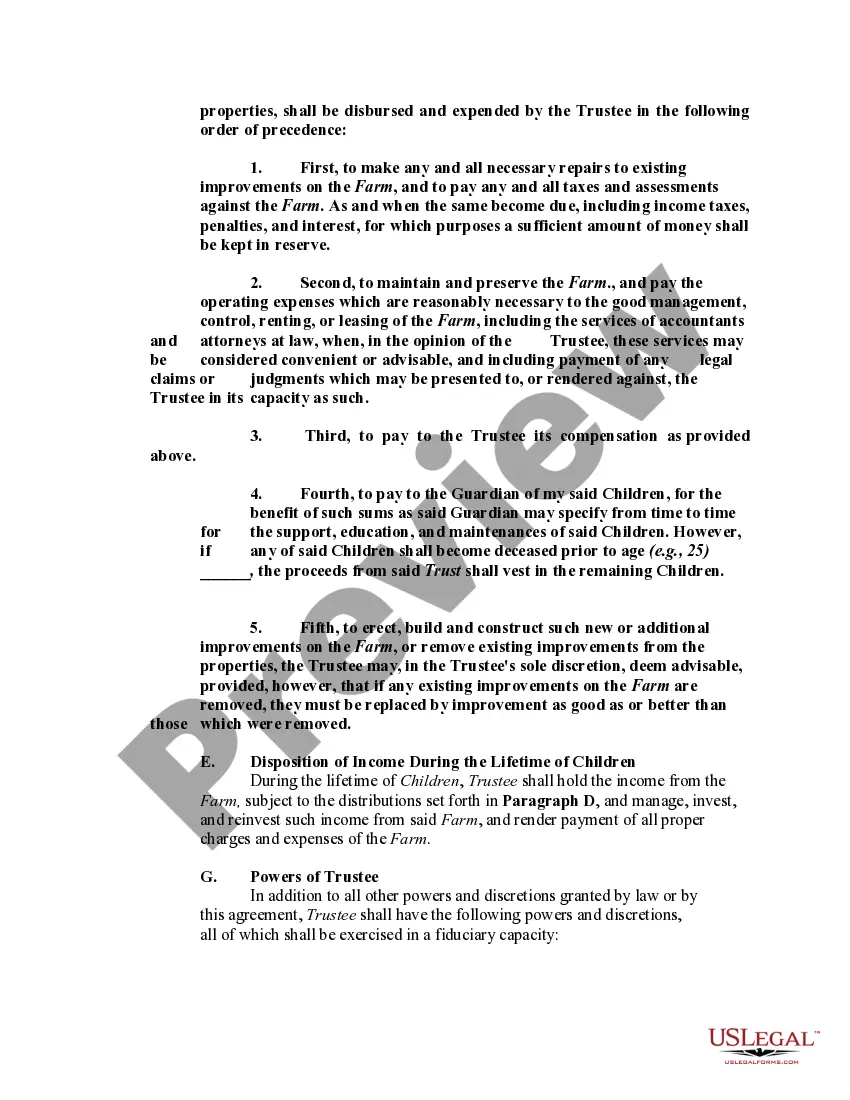
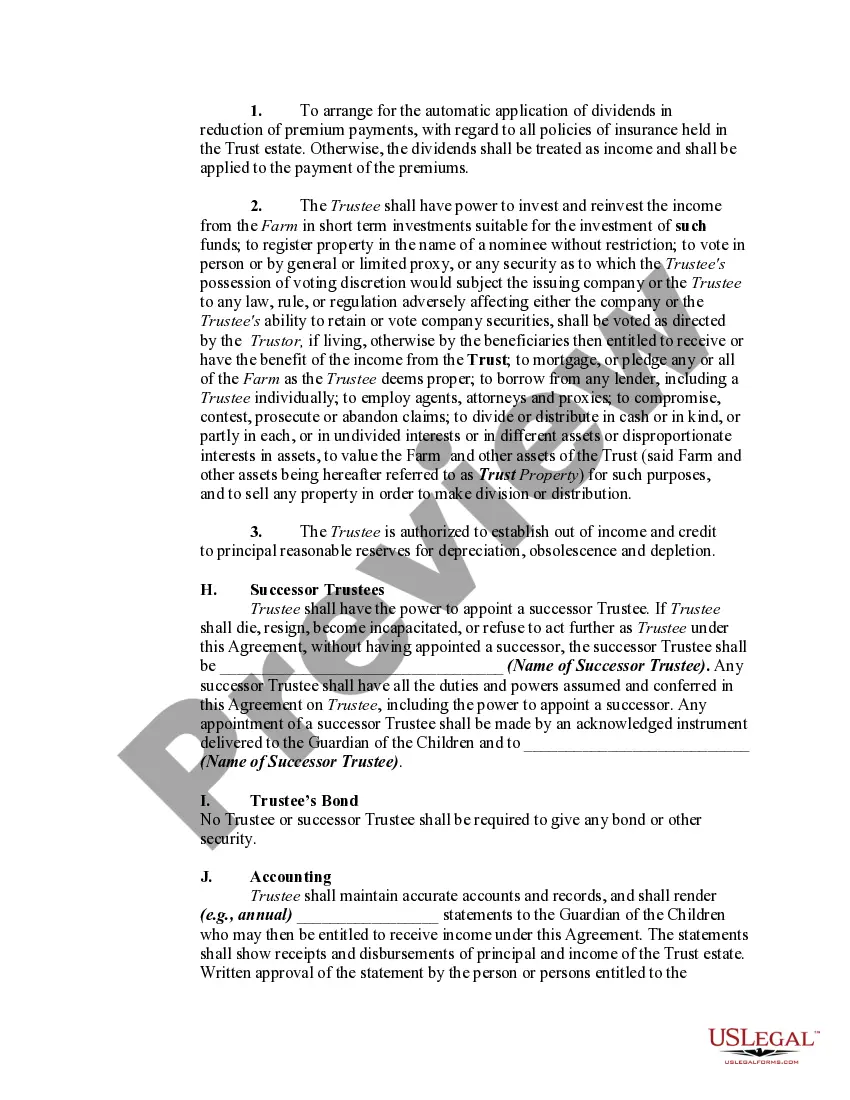
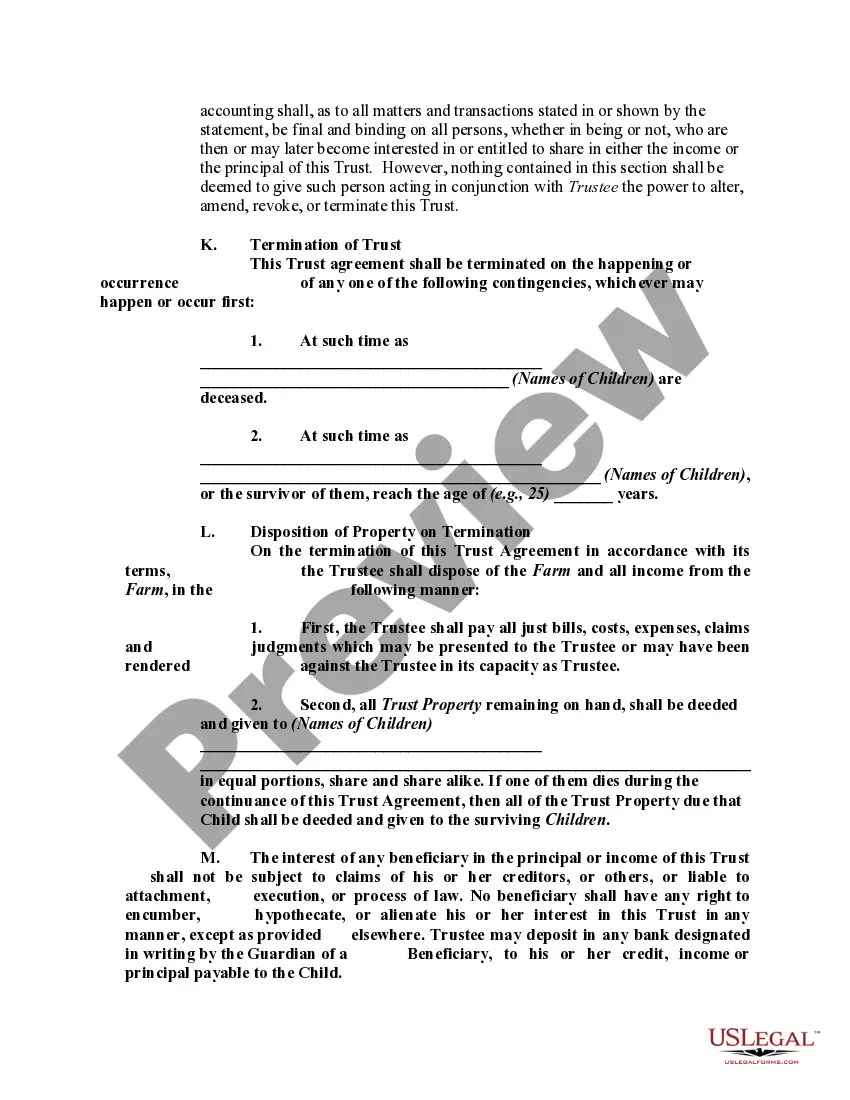
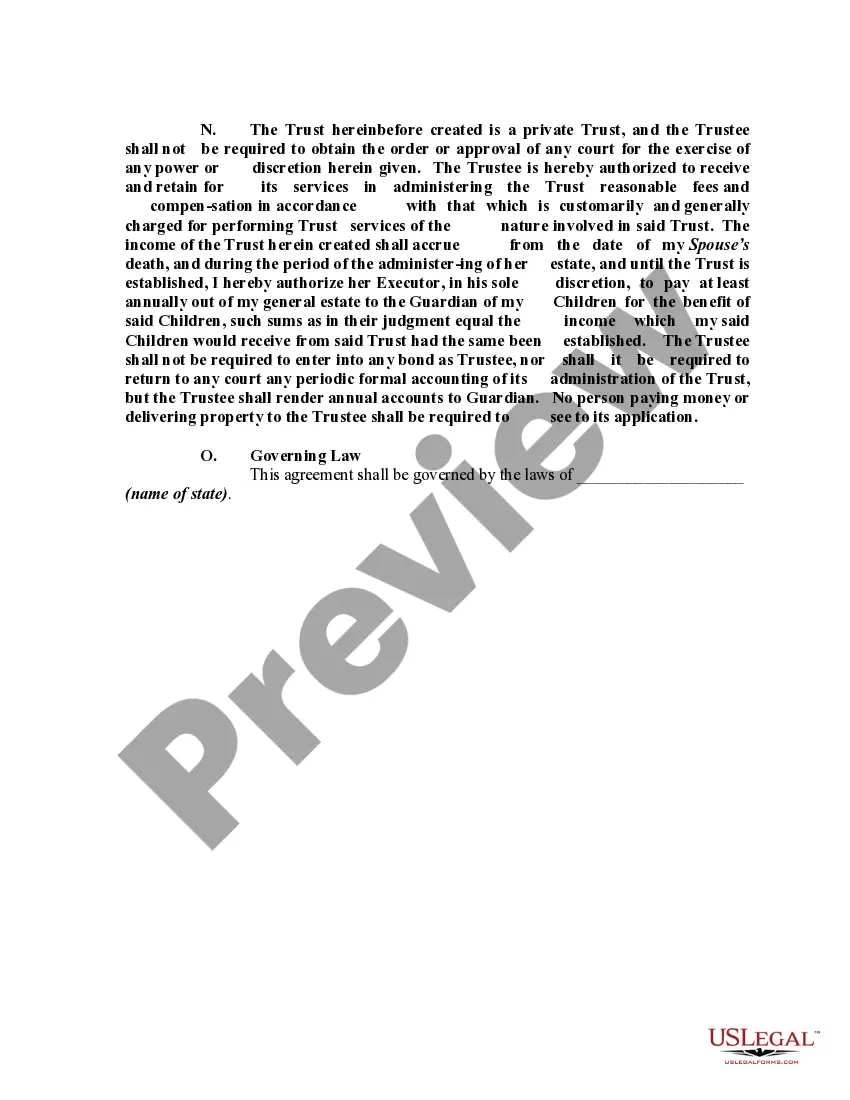
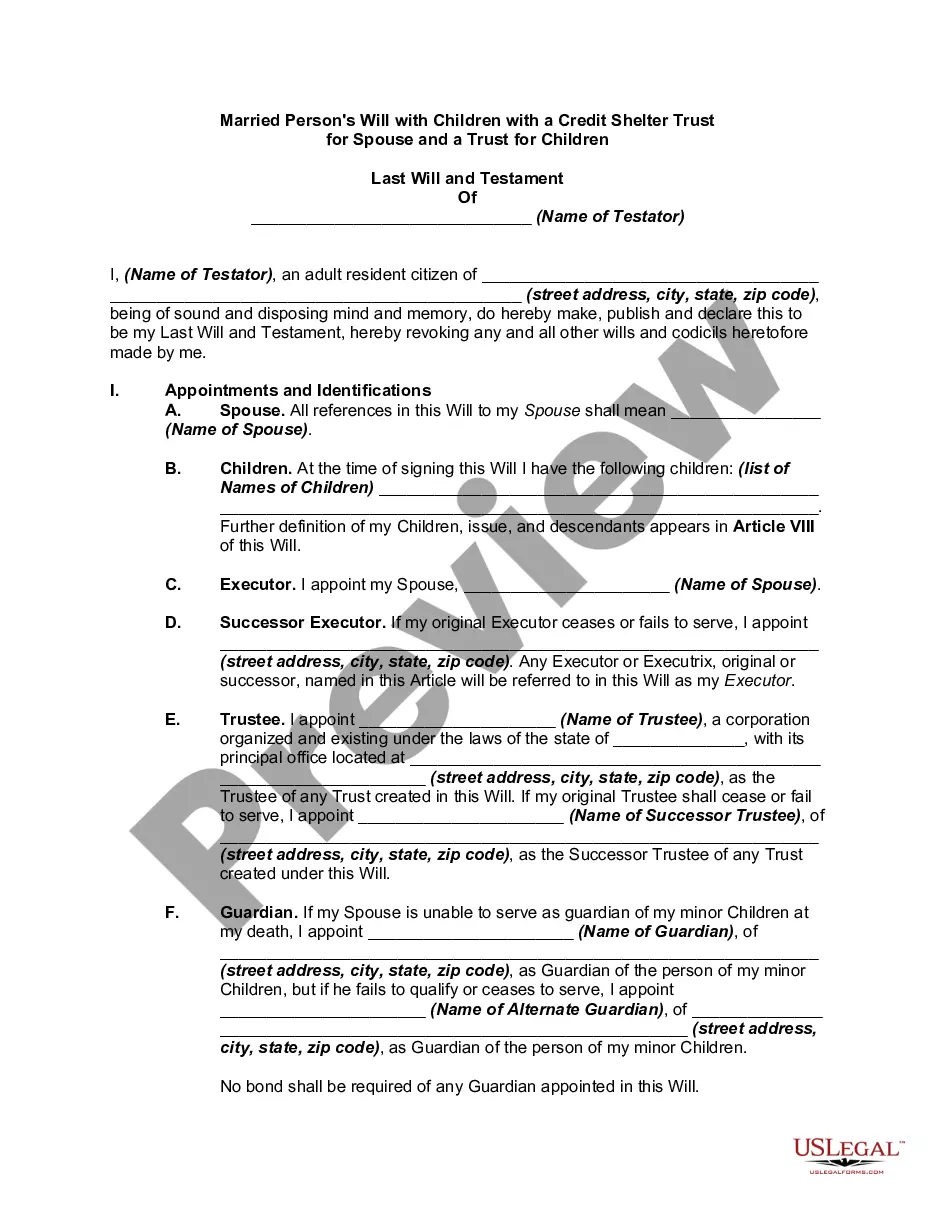
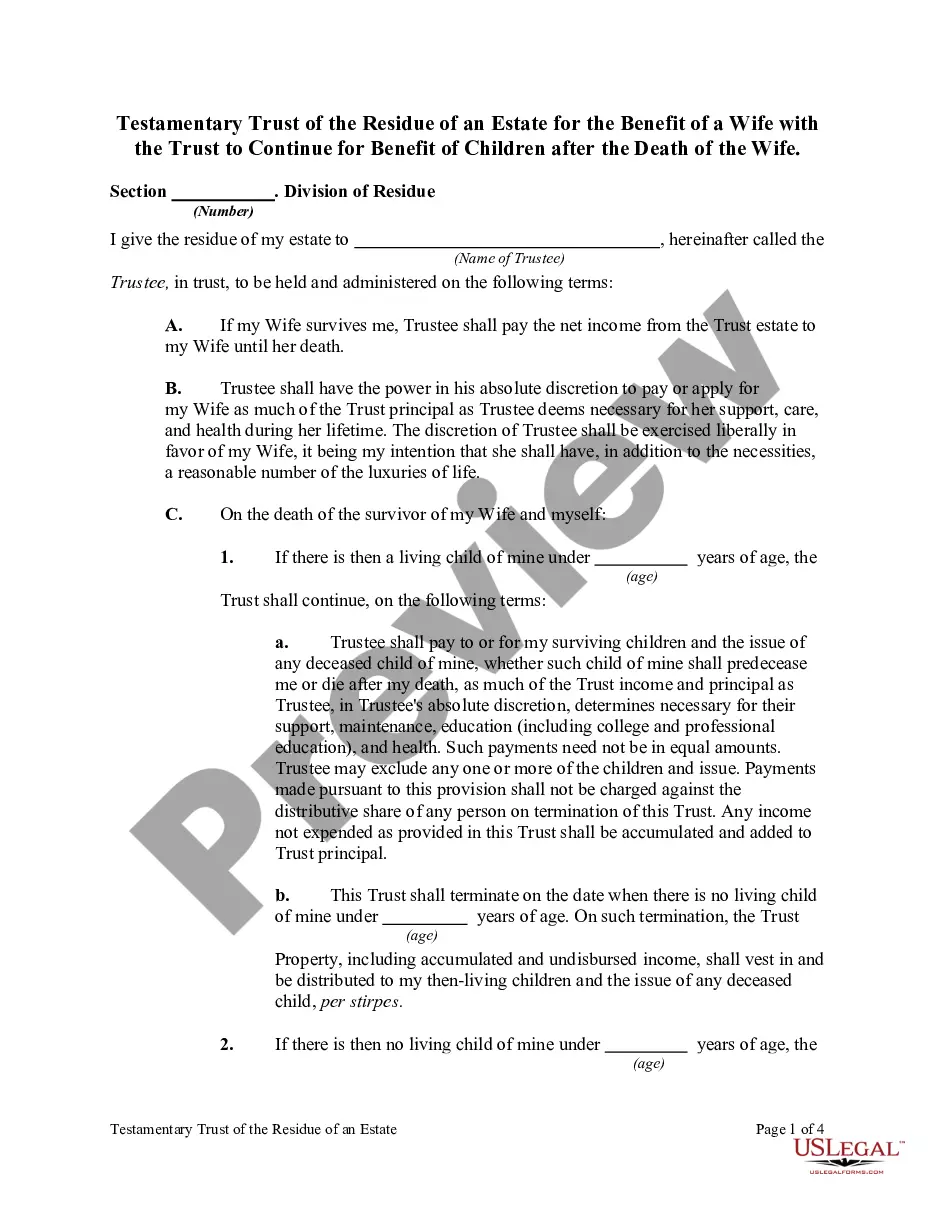

Get your form ready online
Our built-in tools help you complete, sign, share, and store your documents in one place.
Make edits, fill in missing information, and update formatting in US Legal Forms—just like you would in MS Word.
Download a copy, print it, send it by email, or mail it via USPS—whatever works best for your next step.
Sign and collect signatures with our SignNow integration. Send to multiple recipients, set reminders, and more. Go Premium to unlock E-Sign.
If this form requires notarization, complete it online through a secure video call—no need to meet a notary in person or wait for an appointment.
We protect your documents and personal data by following strict security and privacy standards.

Make edits, fill in missing information, and update formatting in US Legal Forms—just like you would in MS Word.

Download a copy, print it, send it by email, or mail it via USPS—whatever works best for your next step.

Sign and collect signatures with our SignNow integration. Send to multiple recipients, set reminders, and more. Go Premium to unlock E-Sign.

If this form requires notarization, complete it online through a secure video call—no need to meet a notary in person or wait for an appointment.

We protect your documents and personal data by following strict security and privacy standards.
Looking for another form?

How to fill out Testamentary Trust Provision In Will With Spouse To Receive A Life Estate In Farm Land With Remainder Interest In Land To Pass To Trust For The Benefit Of Children?
- Log in to your US Legal Forms account if you're a returning user. Ensure your subscription is current to access the download feature.
- For first-time users, begin by reviewing the preview mode and form description. This ensures you select the right testamentary petition that aligns with your specific requirements.
- If adjustments are needed, utilize the search bar to locate alternative templates that fit your needs properly.
- Proceed to purchase the document by clicking the 'Buy Now' button and selecting a suitable subscription plan. Remember to create an account during this process.
- Complete your purchase by providing payment details with either a credit card or your PayPal account.
- Finally, download your completed form directly to your device and find it later in the 'My Forms' section of your profile.
In conclusion, US Legal Forms simplifies the process of obtaining essential legal documents, such as the testamentary petition for succession certificate. With a rich collection of over 85,000 fillable forms and access to expert assistance, you're assured of a smooth experience.
Take control of your legal needs today—visit US Legal Forms and find the form that's right for you!
Form popularity
FAQ
The primary difference is that probate is a legal requirement for validating a will, while succession is the broader process of asset distribution. Not every estate requires probate, especially if there are trusts or joint ownerships involved. Recognizing these differences can clarify the process for your testamentary petition for succession certificate. It can also save time and resources as you manage your loved one's estate.
Succession and probate are related concepts but not identical. Succession refers to the process of transferring assets after someone dies, while probate specifically pertains to the legal proceedings that validate a will. Knowing the distinction is important when preparing your testamentary petition for succession certificate. This helps you understand what steps you need to take during the estate administration.
Probate can be a lengthy and costly process, often involving court fees and attorney costs. Additionally, it becomes a matter of public record, which means sensitive family information can be exposed. Understanding these disadvantages can help you make informed decisions about your testamentary petition for succession certificate. Exploring alternatives like trusts may offer privacy and efficiency.
Even if you are the only heir, probate may still be necessary to legally transfer the deceased's assets. However, some states offer simplified processes for small estates that could expedite your testamentary petition for succession certificate. It's beneficial to consult with a legal expert or use resources like US Legal Forms to guide you through the requirements.
To fill out an affidavit of inheritance, start by gathering necessary information, such as details about the deceased and the heirs. Use clear language and follow the required format, often available online. The process is vital when preparing your testamentary petition for succession certificate. If unsure, consider using US Legal Forms for tailored templates that simplify your experience.
In Massachusetts, assets that typically go through probate include real estate, bank accounts, and personal valuables solely owned by the deceased. Any property subject to a testamentary petition for succession certificate must go through this legal process to be properly transferred. This can also include debts and obligations that may require settlement. Understanding which assets are affected allows for better estate planning.
You have up to one year to file probate after the death of a person in Massachusetts. However, starting the process sooner with a testamentary petition for succession certificate is advisable to avoid complications. Each situation can be unique, so assessing your case early on with professional guidance can save time and stress. Moreover, timely filing helps in managing the estate more effectively.
In Massachusetts, there is no specific minimum value for an estate to go through probate. Any estate that needs a testamentary petition for succession certificate must enter the probate process, regardless of its size. This can include real estate, bank accounts, and other assets. Understanding this can help you plan better for estate management and your family's future.
In Massachusetts, the statute of limitations for probate is generally one year after the individual's death. However, a testamentary petition for succession certificate can sometimes be filed even after this period, depending on specific circumstances. It’s crucial to consult with legal professionals to understand your rights and responsibilities fully. Doing so ensures that you handle the estate matters appropriately.
Typically, you start the probate process within a few weeks after the death of the individual. It's essential to initiate a testamentary petition for succession certificate promptly to manage the deceased's estate efficiently. Delaying this process can complicate matters and may lead to additional legal challenges later. Thus, acting quickly can benefit all parties involved.