Revocable Trust For Property
Description
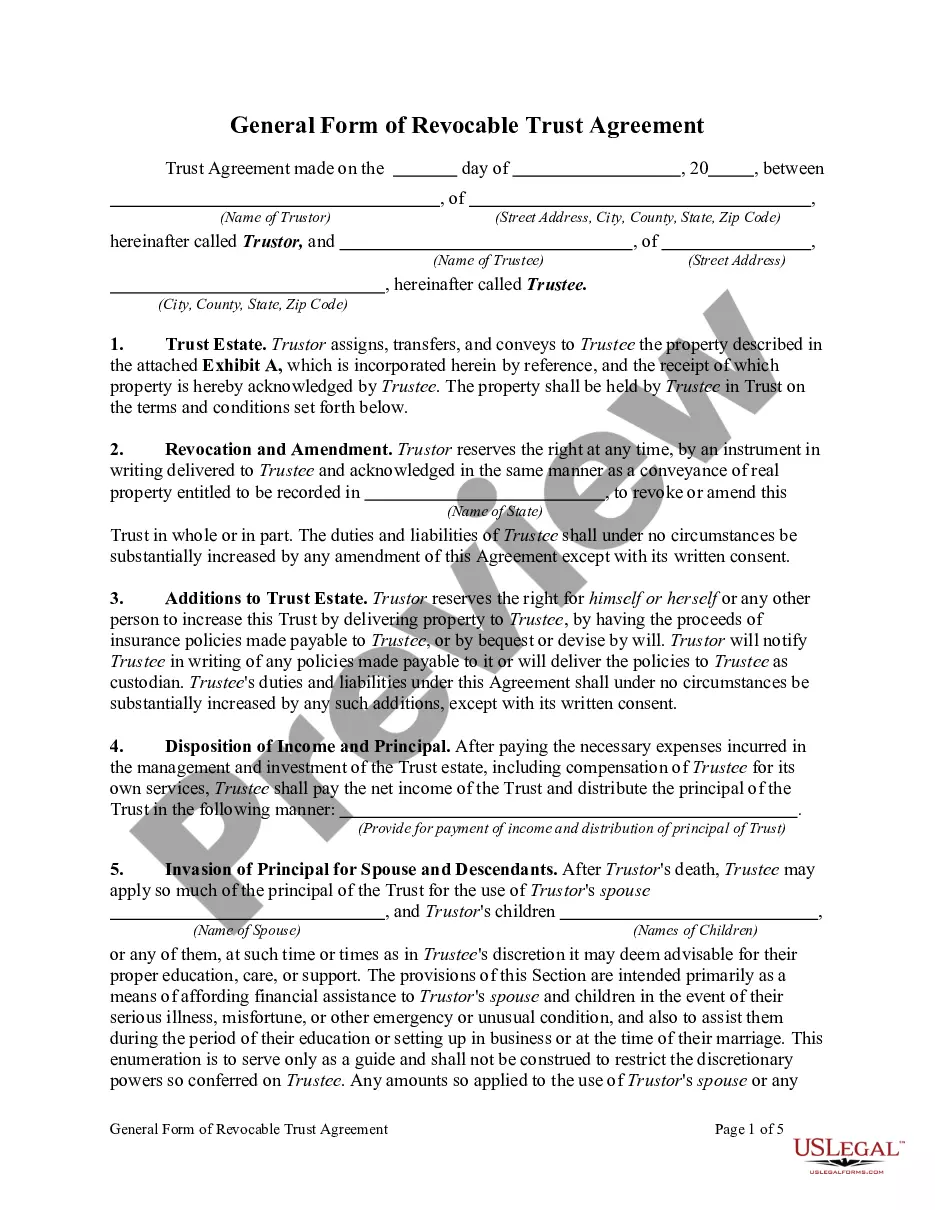
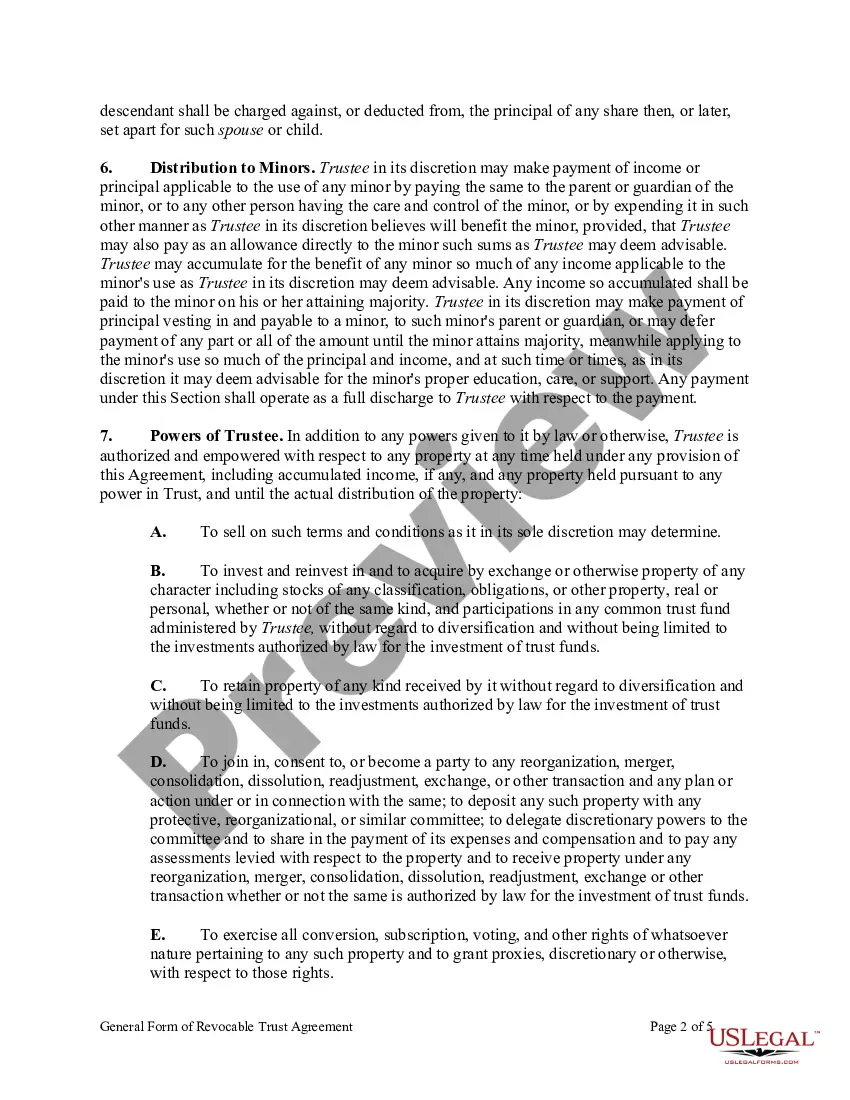
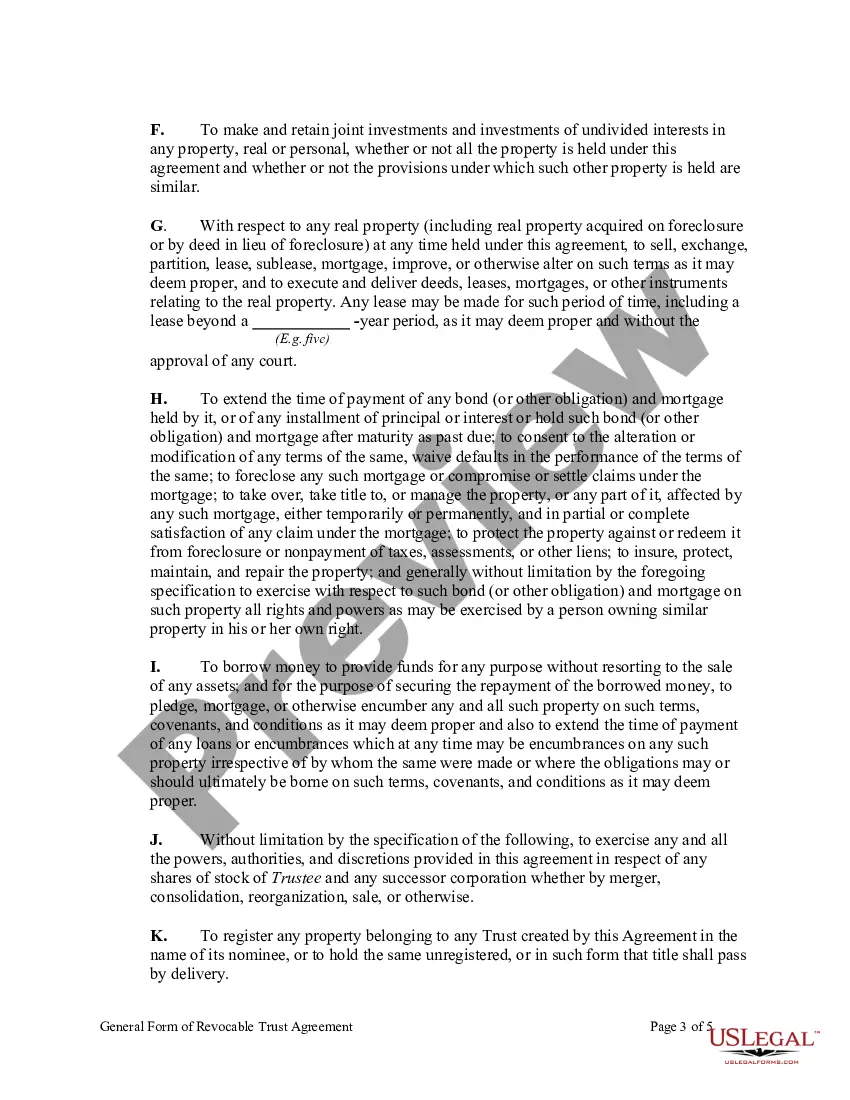
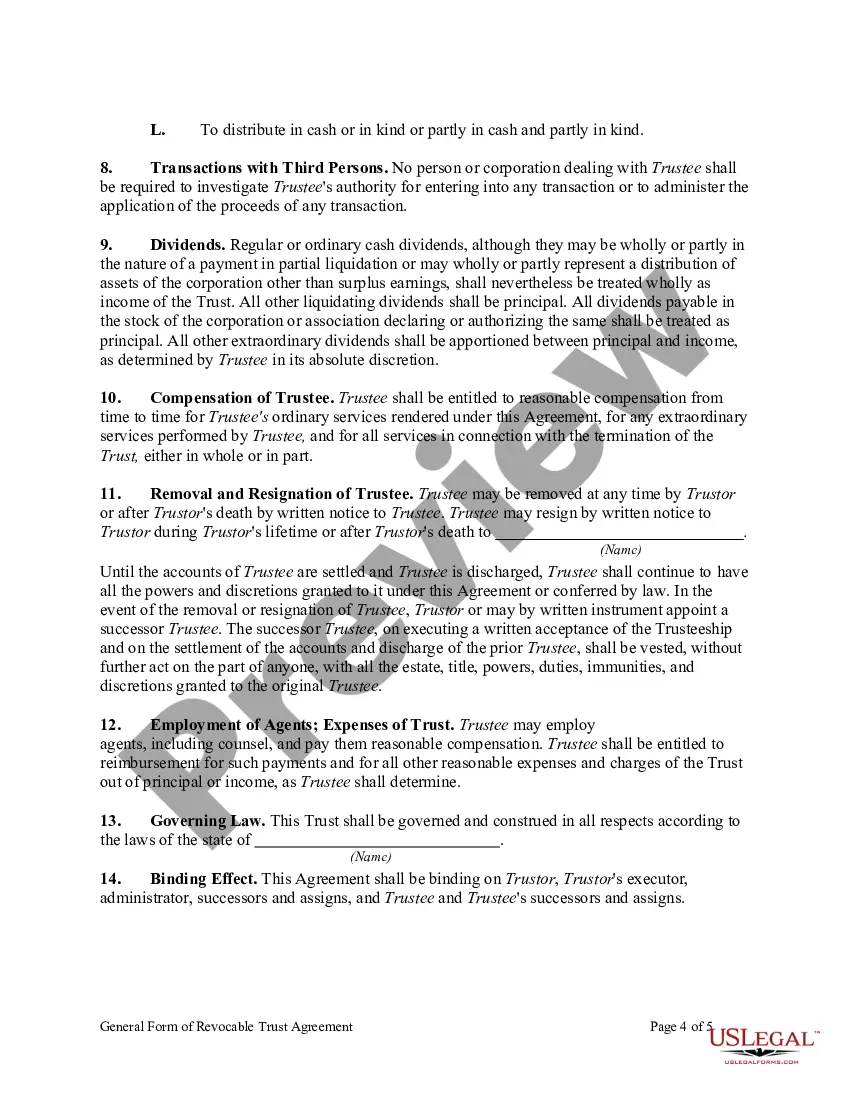
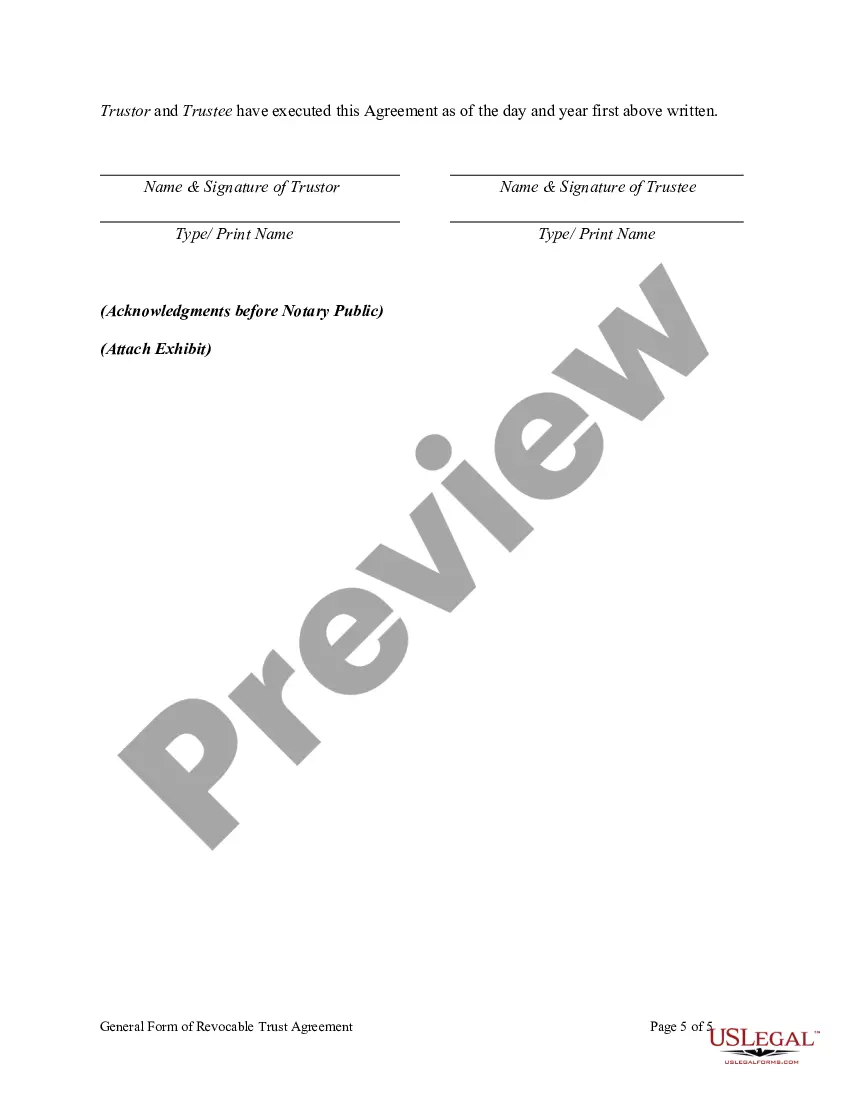
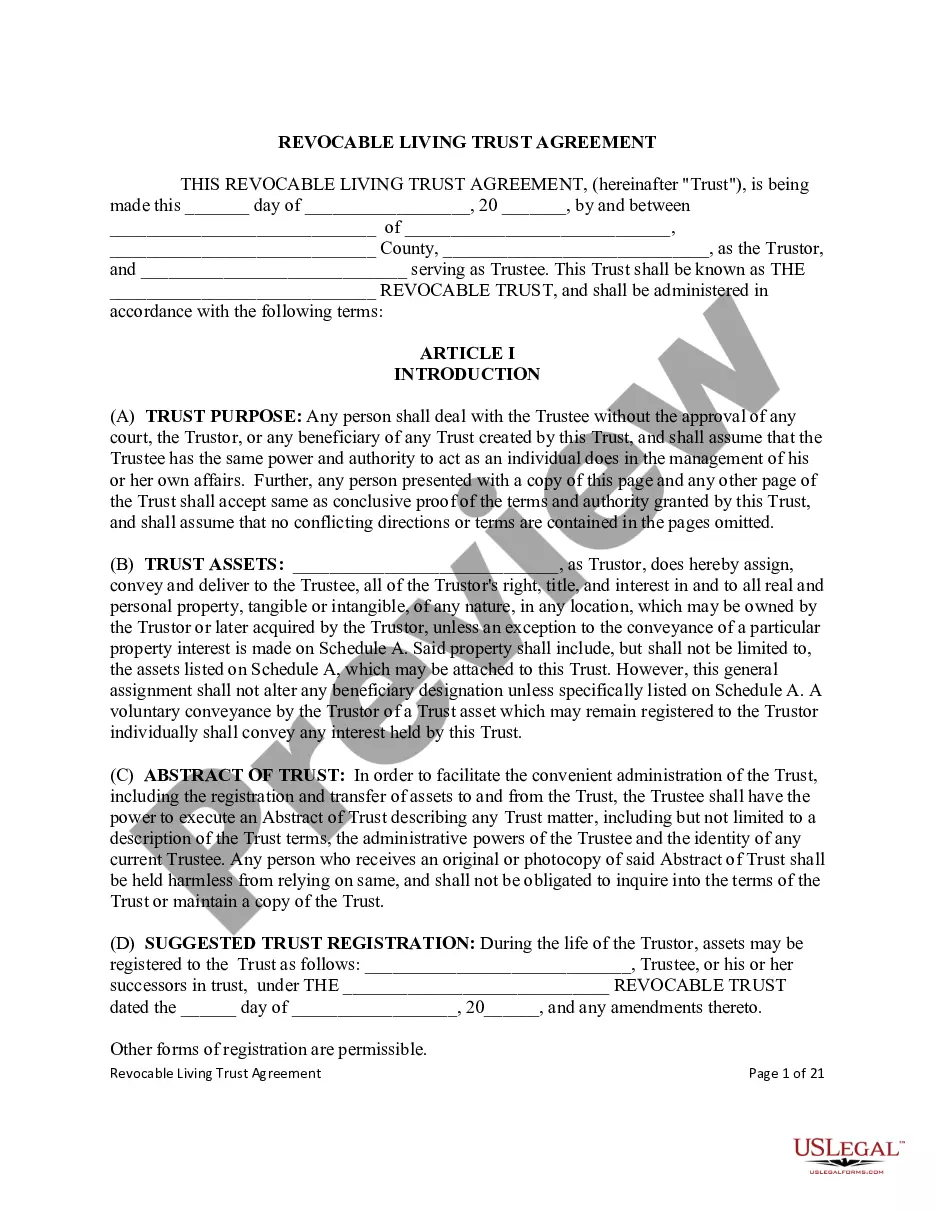
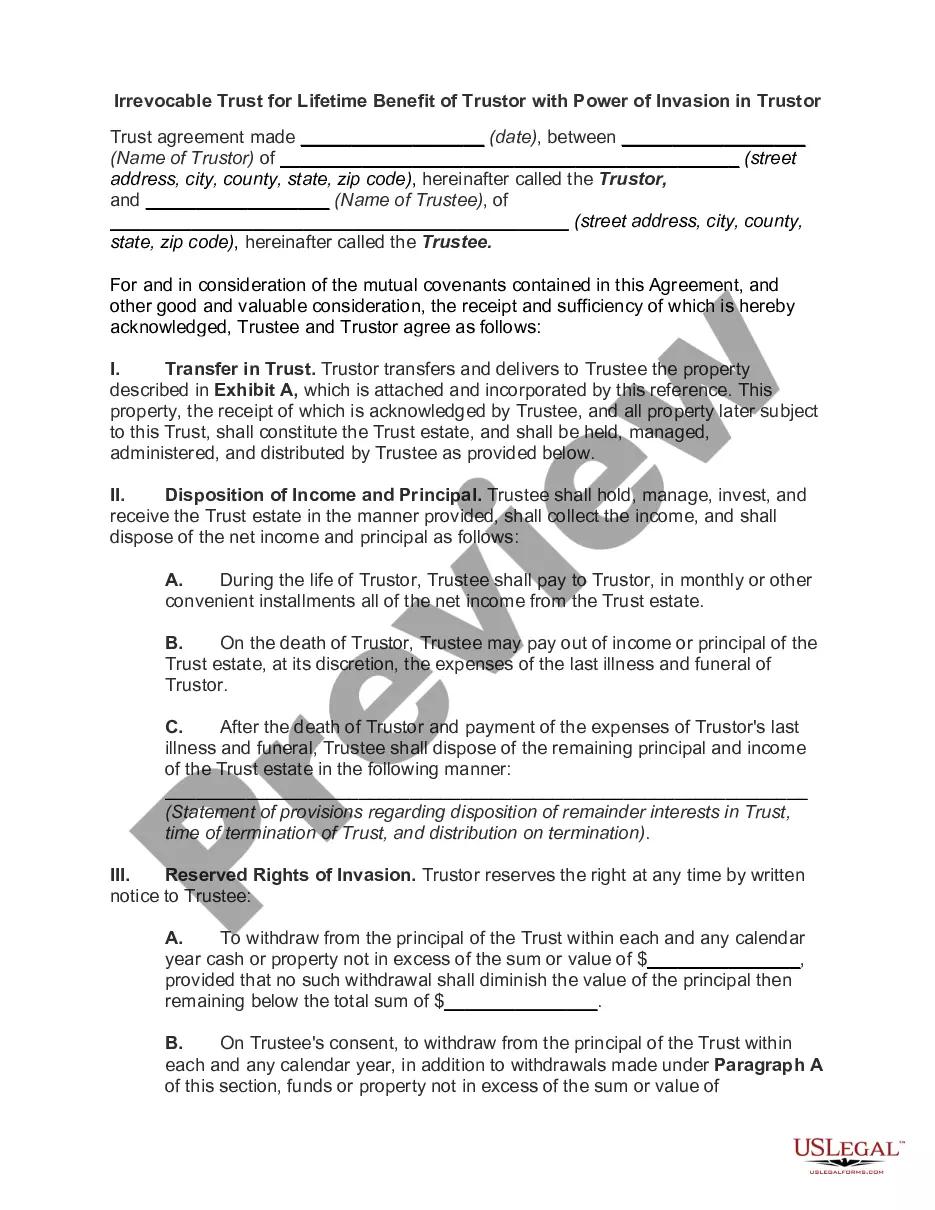
Get your form ready online
Our built-in tools help you complete, sign, share, and store your documents in one place.
Make edits, fill in missing information, and update formatting in US Legal Forms—just like you would in MS Word.
Download a copy, print it, send it by email, or mail it via USPS—whatever works best for your next step.
Sign and collect signatures with our SignNow integration. Send to multiple recipients, set reminders, and more. Go Premium to unlock E-Sign.
If this form requires notarization, complete it online through a secure video call—no need to meet a notary in person or wait for an appointment.
We protect your documents and personal data by following strict security and privacy standards.

Make edits, fill in missing information, and update formatting in US Legal Forms—just like you would in MS Word.

Download a copy, print it, send it by email, or mail it via USPS—whatever works best for your next step.

Sign and collect signatures with our SignNow integration. Send to multiple recipients, set reminders, and more. Go Premium to unlock E-Sign.

If this form requires notarization, complete it online through a secure video call—no need to meet a notary in person or wait for an appointment.

We protect your documents and personal data by following strict security and privacy standards.
Looking for another form?
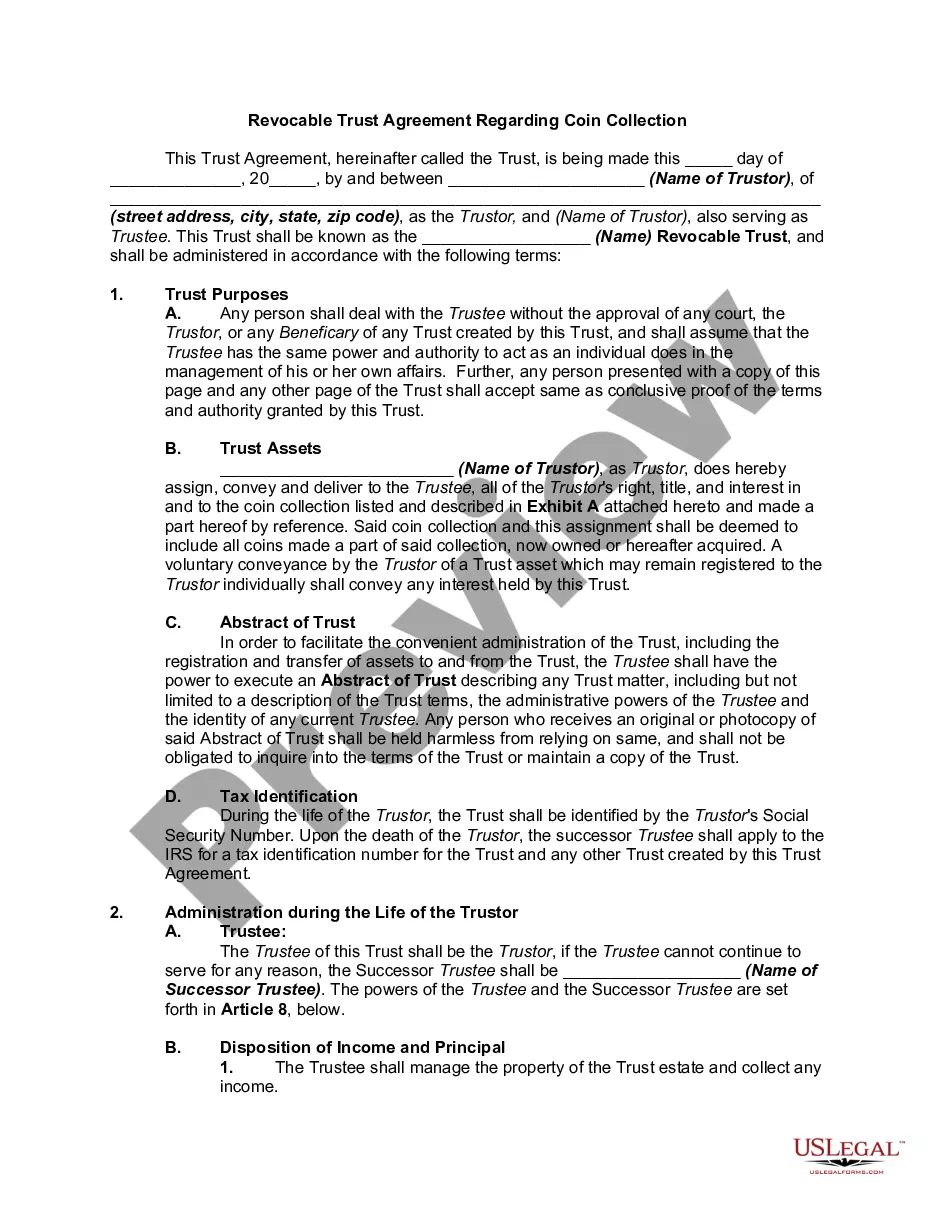






How to fill out Revocable Trust For Asset Protection?
- If you have an account, log in to download your desired form. Ensure your subscription is still active, and renew it if necessary.
- Confirm that the form you selected meets your needs by reviewing the Preview mode and description. Make sure it complies with local jurisdiction requirements.
- If adjustments are needed, utilize the Search tab to find the appropriate template that fits your specifications.
- Once you have the correct form, click the Buy Now button and choose your subscription plan. You’ll need to create an account for full access.
- Complete your purchase by providing payment through a credit card or your PayPal account.
- Download the completed form to your device, and access it anytime from the My Forms section of your profile.
With US Legal Forms, you gain access to an extensive library of over 85,000 legal forms. This service not only simplifies document creation but also connects you with experts for accurate guidance.
Start securing your revocable trust today for peace of mind in managing your property. Explore the diverse offerings at US Legal Forms for all your legal document needs.
Form popularity
FAQ
Some assets are better kept outside of a revocable trust for property. Typically, assets like retirement accounts, life insurance policies, and certain types of jointly owned properties might not be suitable. Including them could complicate your estate plan and trigger unintended tax consequences. Always consult with a professional to ensure your estate plan aligns with your goals and avoids potential pitfalls.
Placing your house in a revocable trust can provide significant benefits. It can help you avoid probate, ensuring your property passes directly to your beneficiaries after your death. Additionally, a revocable trust for property allows you to maintain control and make changes whenever needed. This flexibility offers peace of mind, knowing that your wishes will be honored.
Setting up a revocable trust for property is generally straightforward, especially with the right guidance. You will need to decide how you want to structure the trust and which assets to include. Legal documents are necessary, and while you can do it yourself, seeking assistance from professionals can make the process smoother. Consider using US Legal Forms to access templates and expert advice tailored to your needs.
The biggest mistake parents often make when setting up a revocable trust for property is failing to fund the trust after its establishment. Even if the trust is properly drafted, if assets are not transferred into it, the trust won't serve its intended purpose. Additionally, parents sometimes overlook the importance of clear communication with their heirs regarding the trust structure and management. Addressing these issues early can prevent confusion and ensure that their wishes are honored.
Determining whether your parents should place their assets in a revocable trust for property depends on their unique financial situation and goals. A trust can provide a seamless way to manage and distribute their assets, offering benefits such as avoiding probate and ensuring privacy. It would be wise for them to consult with estate planning professionals who can provide tailored advice. This way, they can make informed choices about their future and legacy.
One disadvantage of a family trust is the complexity it introduces to estate planning. While a revocable trust for property can help streamline the transfer of assets, it may require ongoing management and updates as family circumstances change. Furthermore, family dynamics can complicate decisions regarding asset division and management. Therefore, thorough communication and planning are essential to ensure everyone is on the same page.
A significant downside of placing assets in a revocable trust for property is that you might lose certain legal protections for those assets. If you are sued, the assets in the trust could still be vulnerable to claims, as you retain control over them. Furthermore, you might face limitations on your ability to fully leverage these assets until the trust is dissolved. Thus, it’s critical to weigh both advantages and disadvantages before moving forward.
In a revocable trust for property, the trust creator maintains control over the assets while they are alive. This type of trust allows you to transfer ownership of your property to the trust but retains the power to revoke or alter the trust at any time. The trust becomes effective during your lifetime, ensuring that your property is managed according to your wishes. It also simplifies the transfer of your property upon your passing.
While a revocable trust offers numerous benefits, there are some downsides to consider. One key drawback is that assets in the trust are not protected from creditors, which means they can be reached to satisfy debts. Additionally, setting up and maintaining a revocable trust can involve legal fees and ongoing administrative tasks. It’s crucial to weigh these factors when determining if a revocable trust for property aligns with your overall estate plan.
Having a property owned by a revocable trust means that the trust acts as the legal entity holding title to that property. This setup allows the trustor the ability to outline the future distribution and management of the property, providing clarity for heirs. Moreover, it often helps in avoiding the lengthy probate process, ensuring that your wishes are honored promptly. By utilizing a revocable trust for property, you gain control and peace of mind regarding your assets.