Liability Tenant Rent For A Month
Description
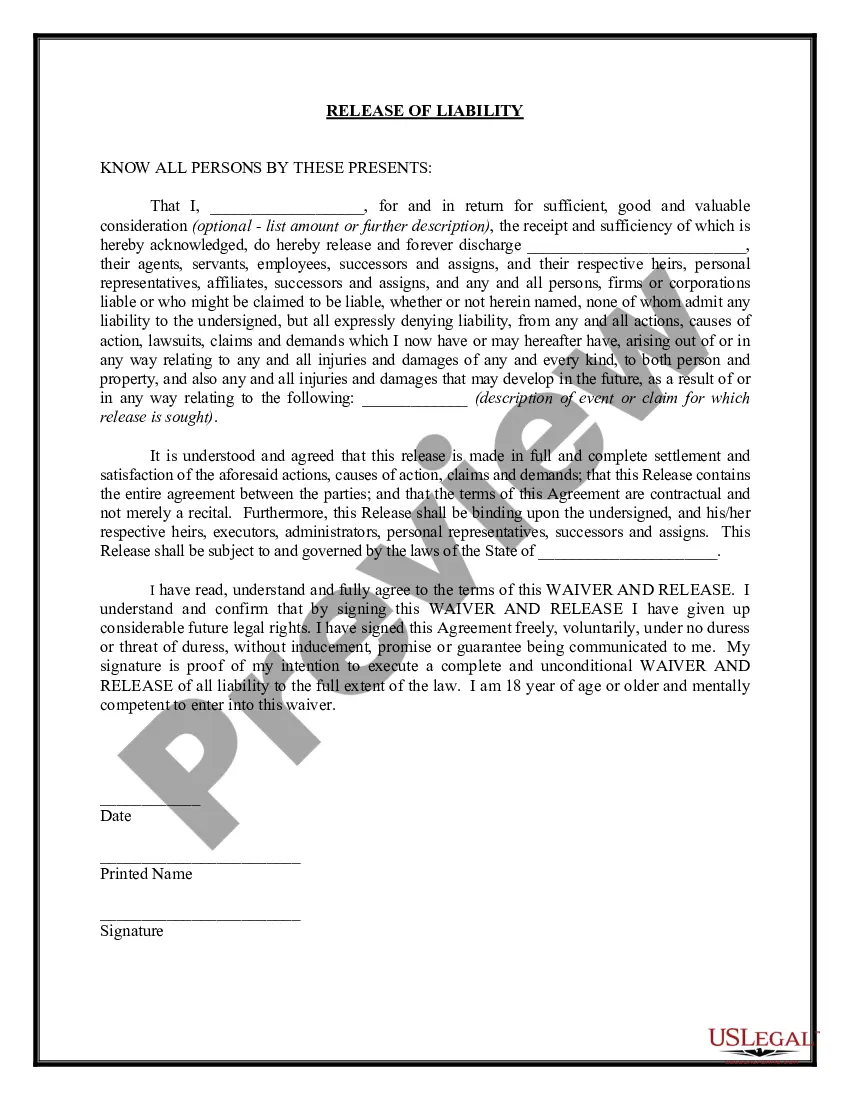

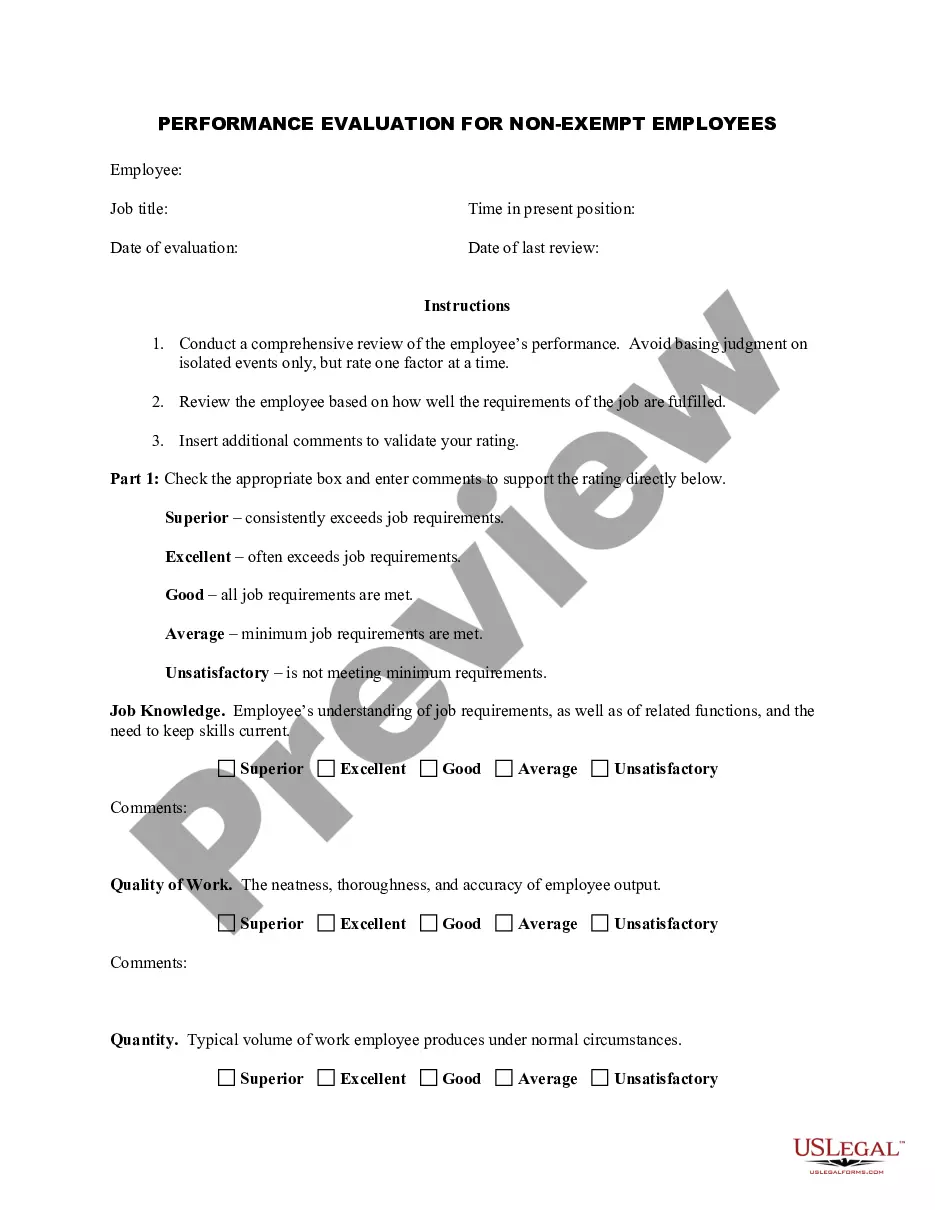
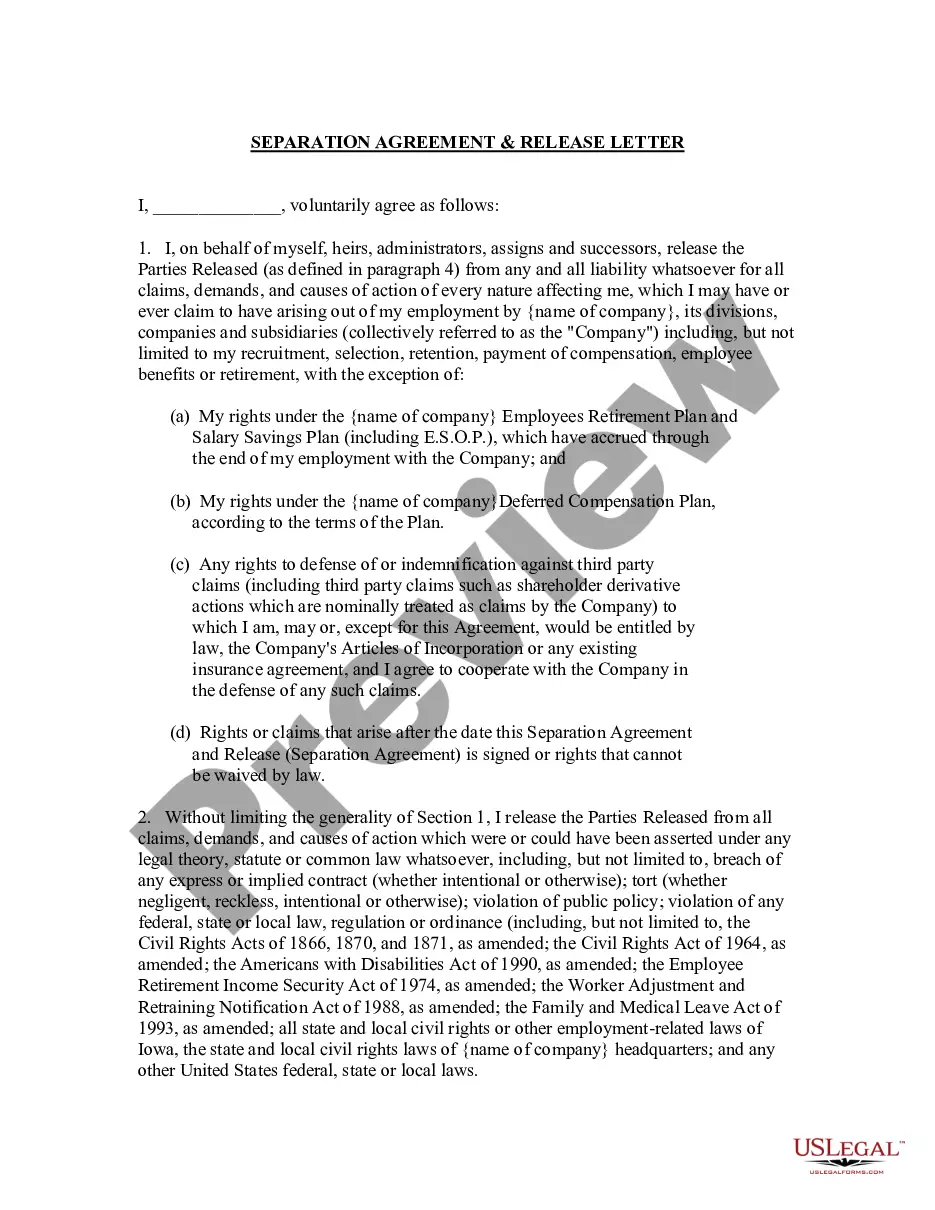

How to fill out Release And Waiver Of Liability Given In Favor Of Homeowner Allowing Tenant To Stay At Residence Without Paying Rent Including Assumption Of All Risks Of Personal Bodily Injury?
- Login to your US Legal Forms account if you are an existing user, ensuring your subscription is up-to-date.
- If you are a new user, start by browsing the extensive library. Use the Preview mode to verify the document's suitability for your local jurisdiction.
- Should the initial template not meet your needs, utilize the search function to explore other options that may be more fitting.
- Select the document you need and click on the 'Buy Now' button. Choose a subscription plan that fits your requirements.
- Complete your purchase by providing payment details through credit card or PayPal.
- Download the finalized document to your device for ease of access and completion later. You can also retrieve it anytime from the 'My Forms' section in your account.
Once you follow these steps, you’ll have your liability tenant rent document in no time. US Legal Forms makes it easy, providing access to over 85,000 legal forms to meet diverse needs.
Don’t hesitate—start your journey towards legally sound document preparation today!
Form popularity
FAQ
One major downside of a month-to-month lease is the potential for rent increases with short notice. Additionally, landlords may choose to terminate the lease more easily, which can leave tenants in uncertain situations. It's important to weigh these factors against your needs, particularly around liability tenant rent for a month. Understanding these cons will help you make informed decisions about your housing situation.
tomonth payment typically involves paying rent at the beginning of each month. This arrangement allows for flexible tenancy, where either party can end the lease with proper notice. Ensure that your payment schedule aligns with your lease terms to manage your liability tenant rent for a month effectively. This setup often works well for individuals needing shortterm housing.
While it's possible to have a verbal agreement for a month-to-month lease, it is advisable to sign a written lease. A signed lease provides clarity on terms and conditions, protecting both the tenant and landlord. It helps manage expectations around liability tenant rent for a month and any related responsibilities or obligations. Having a written document can prevent misunderstandings, ensuring everyone is on the same page.
Yes, many insurance providers offer renters insurance policies for short terms, including one month. This type of policy can cover personal belongings and provide liability protection, addressing potential claims against you as a tenant. It's crucial to ensure that the policy meets your specific needs related to liability tenant rent for a month, especially if you are only renting temporarily.
In Texas, month-to-month leases allow tenants and landlords to maintain flexibility. The law requires both parties to agree to the terms, which should be documented in writing. It's essential to provide proper notice before either party can terminate the agreement, usually 30 days. Understanding these laws helps protect your rights regarding liability tenant rent for a month.
Typically, a guest can stay for a limited time without being added to the lease, often around 30 days. However, this duration can depend on your lease terms and local regulations. It’s also important to communicate any changes to avoid complications regarding liability tenant rent for a month. Consider consulting resources like US Legal Forms to establish clear house rules.
Limiting liability for your rental property involves several strategies. Ensure you have a comprehensive lease agreement that clearly outlines tenant responsibilities. Moreover, maintaining the property well can reduce potential legal claims. Understanding liability tenant rent for a month can also guide you in structuring your rental agreements for maximum protection.
In New York, a tenant cannot stay indefinitely without paying rent. Legal proceedings can begin after a rent is missed for a month, allowing landlords to pursue eviction. Knowing your rights and responsibilities around liability tenant rent for a month is crucial to managing these situations. It is advisable to consult legal resources or professionals for guidance.
Yes, you can sue a tenant for unpaid rent in NYC. The process generally involves filing a claim in housing court. It is essential to document all rent payments and lease agreements to support your case. Additionally, understanding liability tenant rent for a month can help you navigate this process effectively.
The rule for rent per month often depends on market rates and the specifics of your lease agreement. It’s important to research the average rental prices in your area to set a competitive yet fair rate. Remember, accurately stating your liability tenant rent for a month is crucial for maintaining a good landlord-tenant relationship.