Disputes
Description
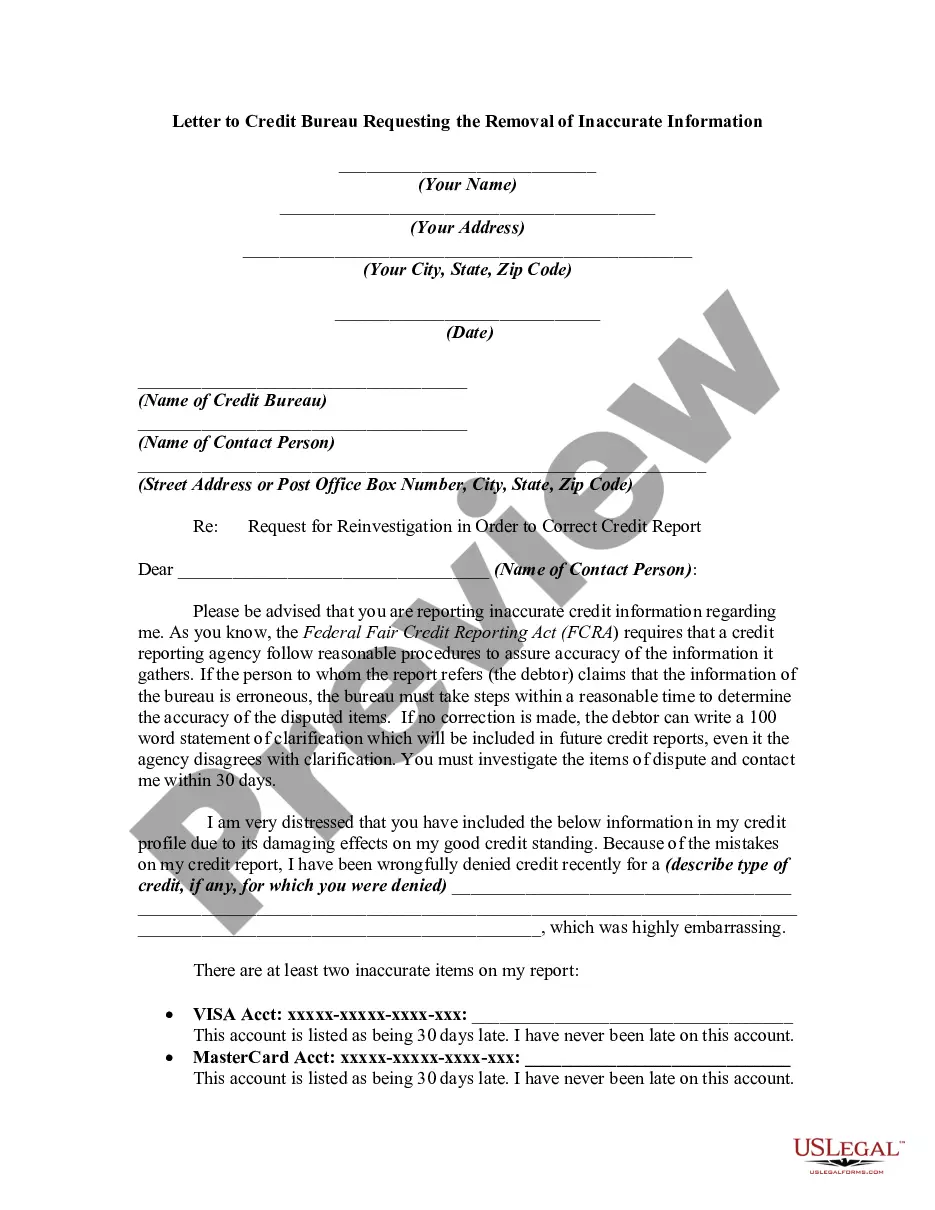
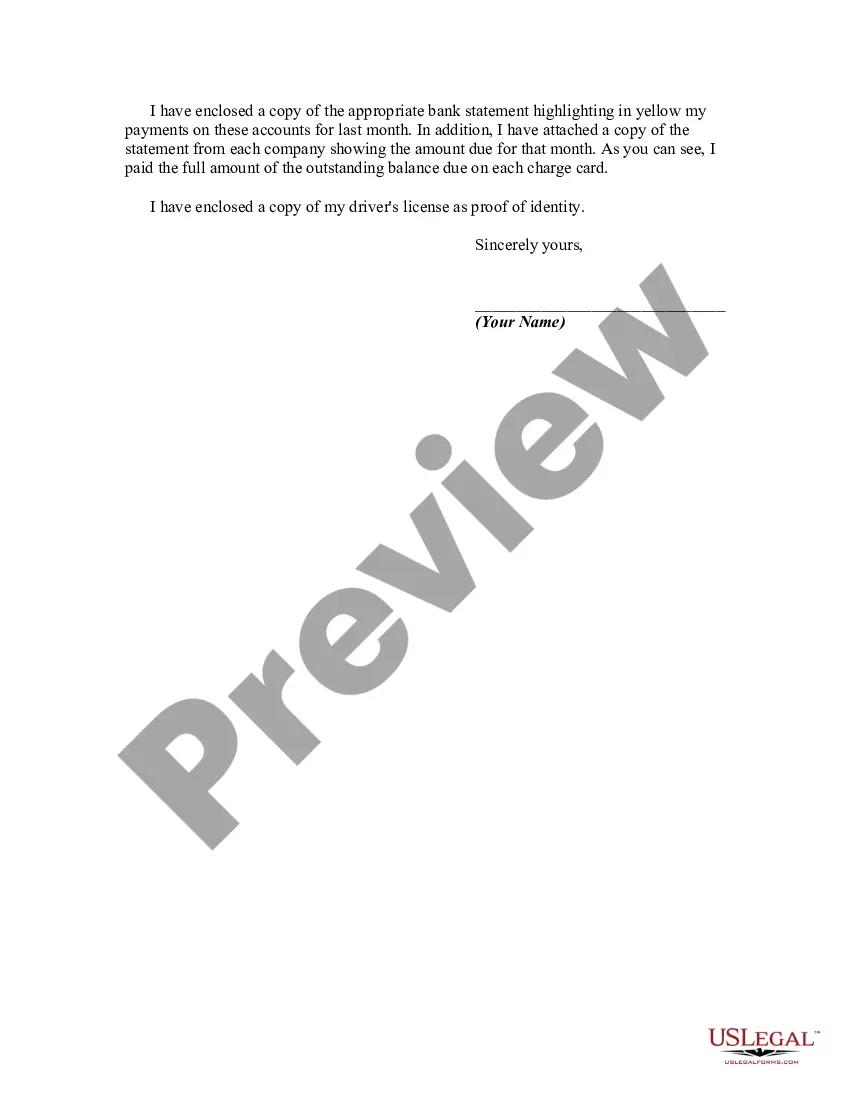
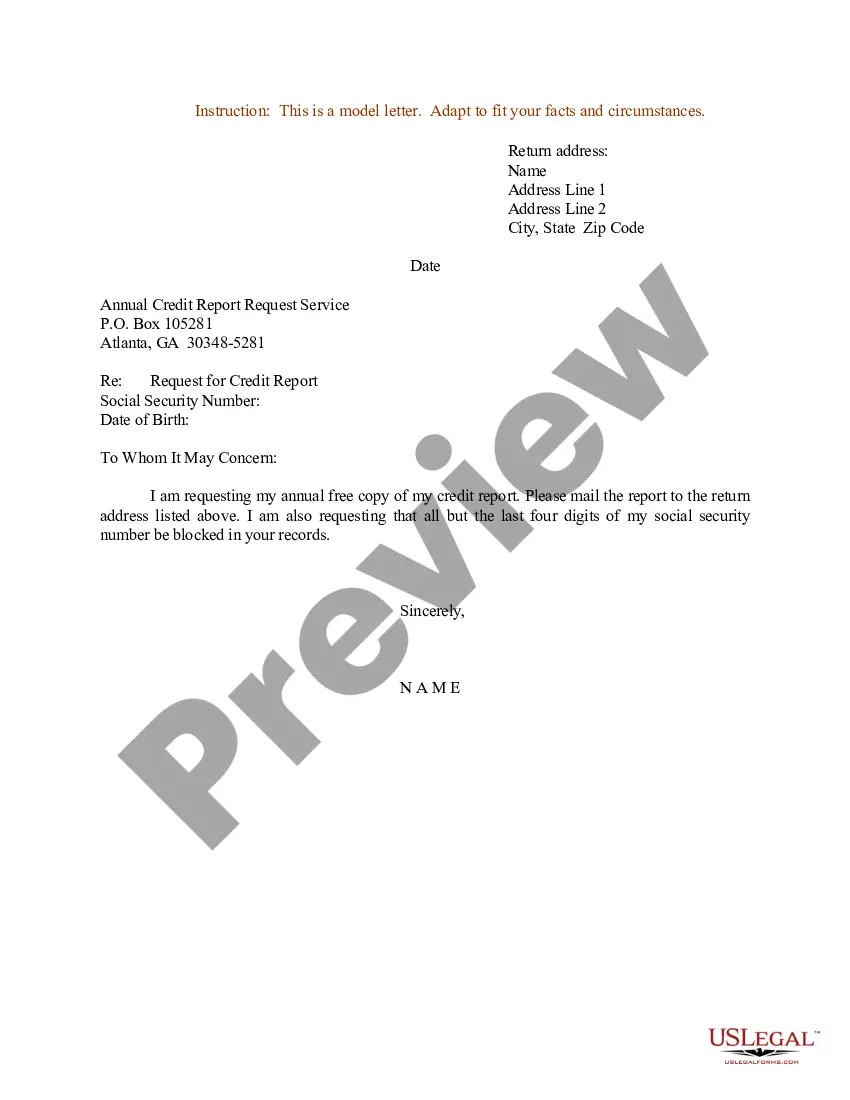
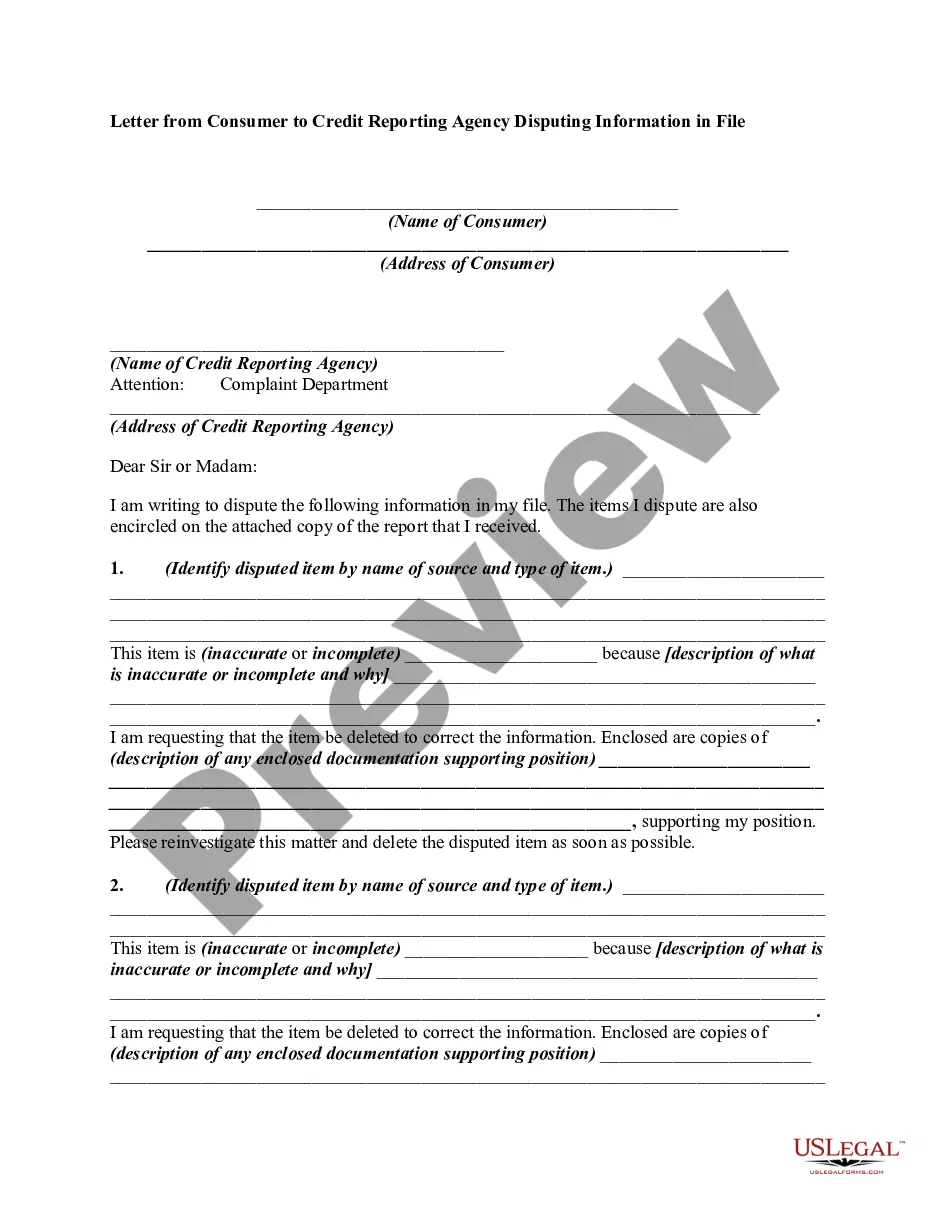
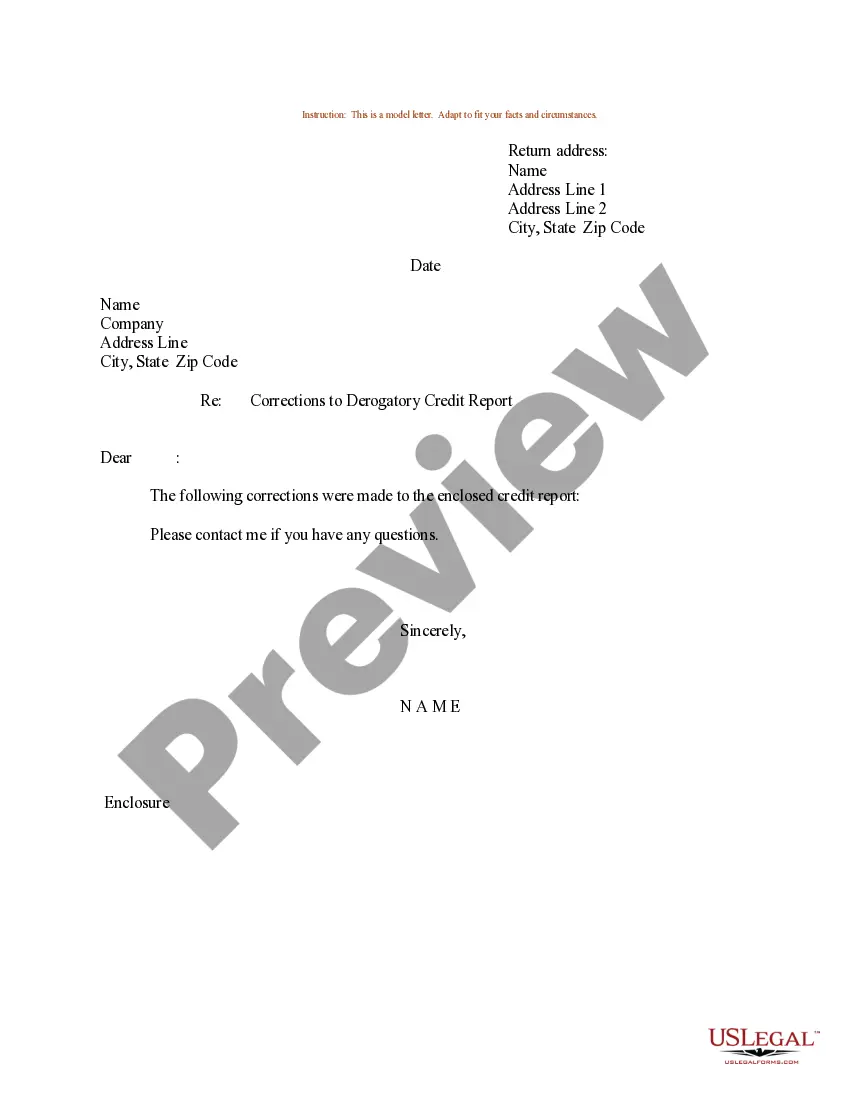
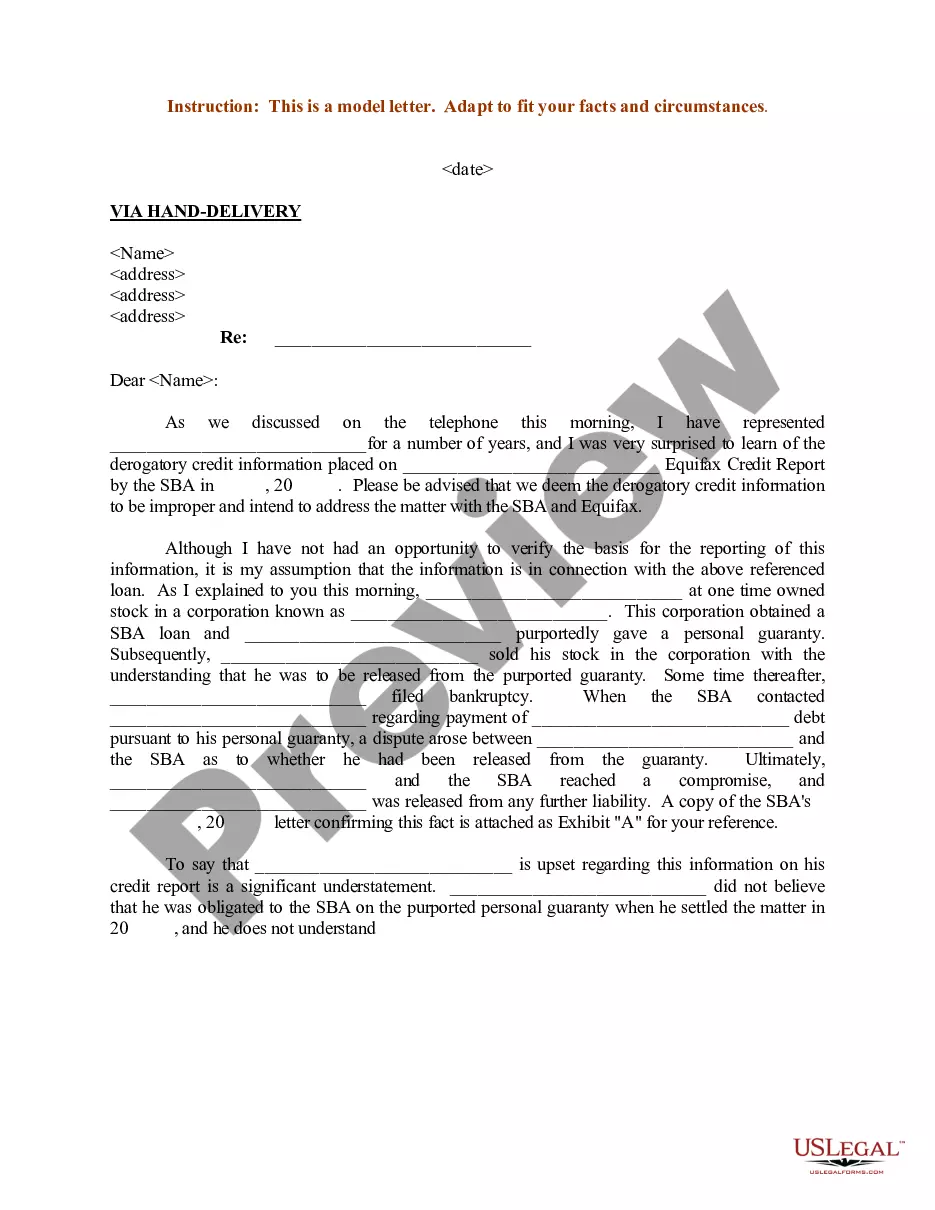
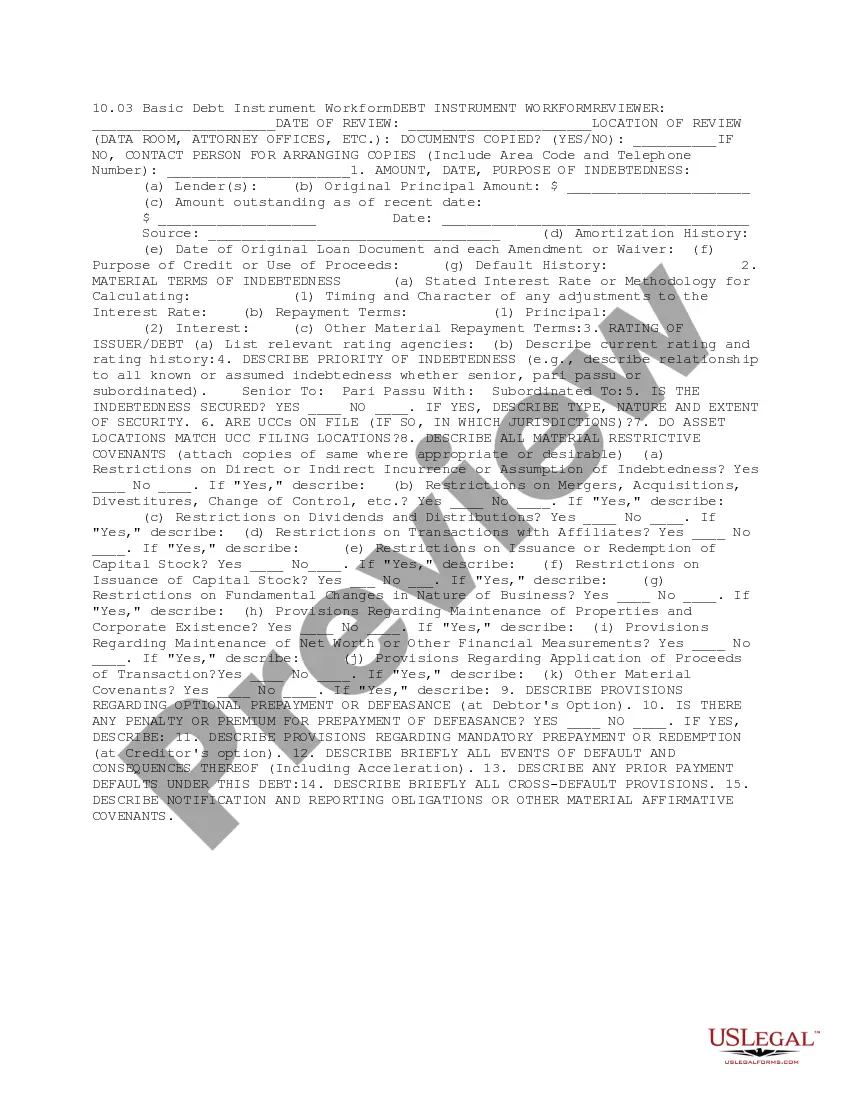
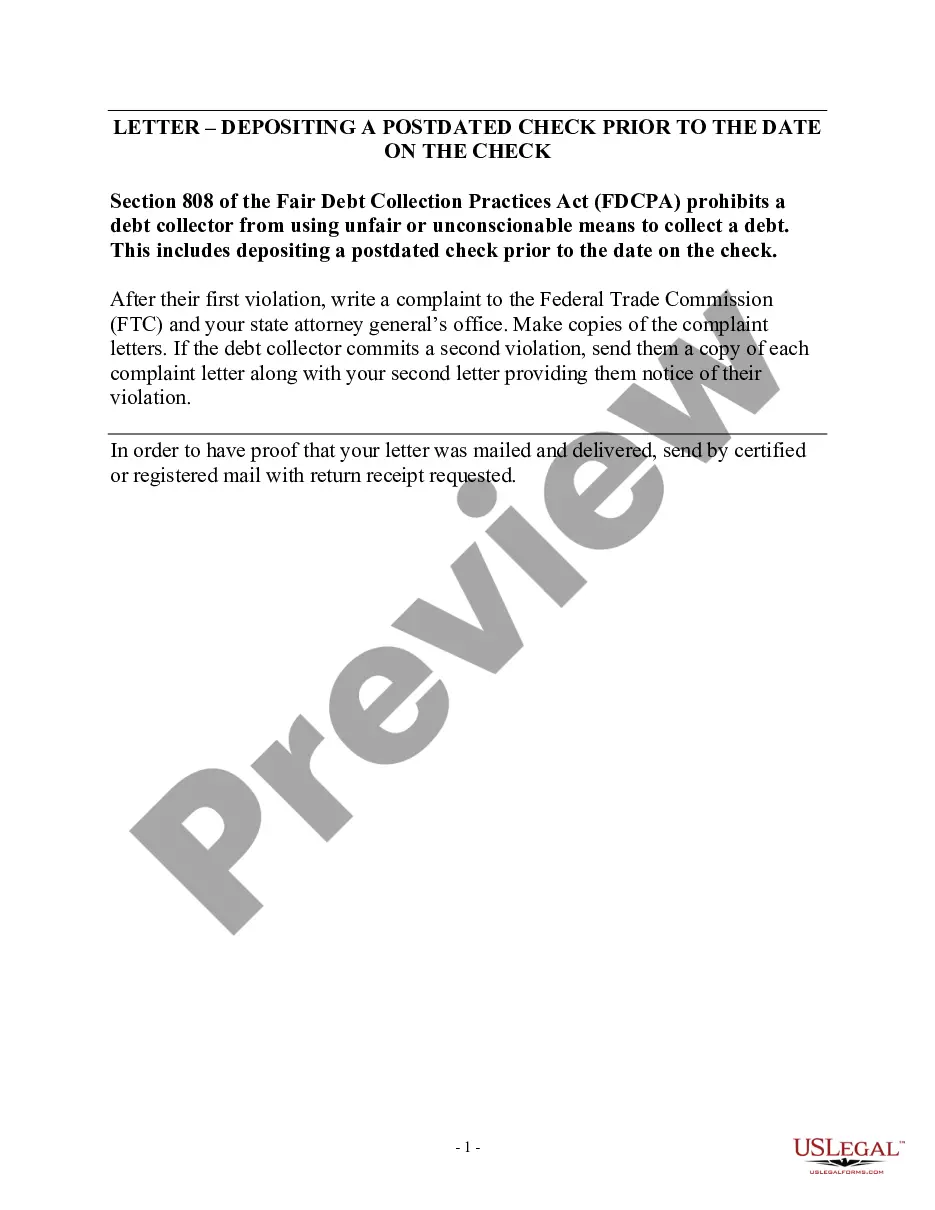
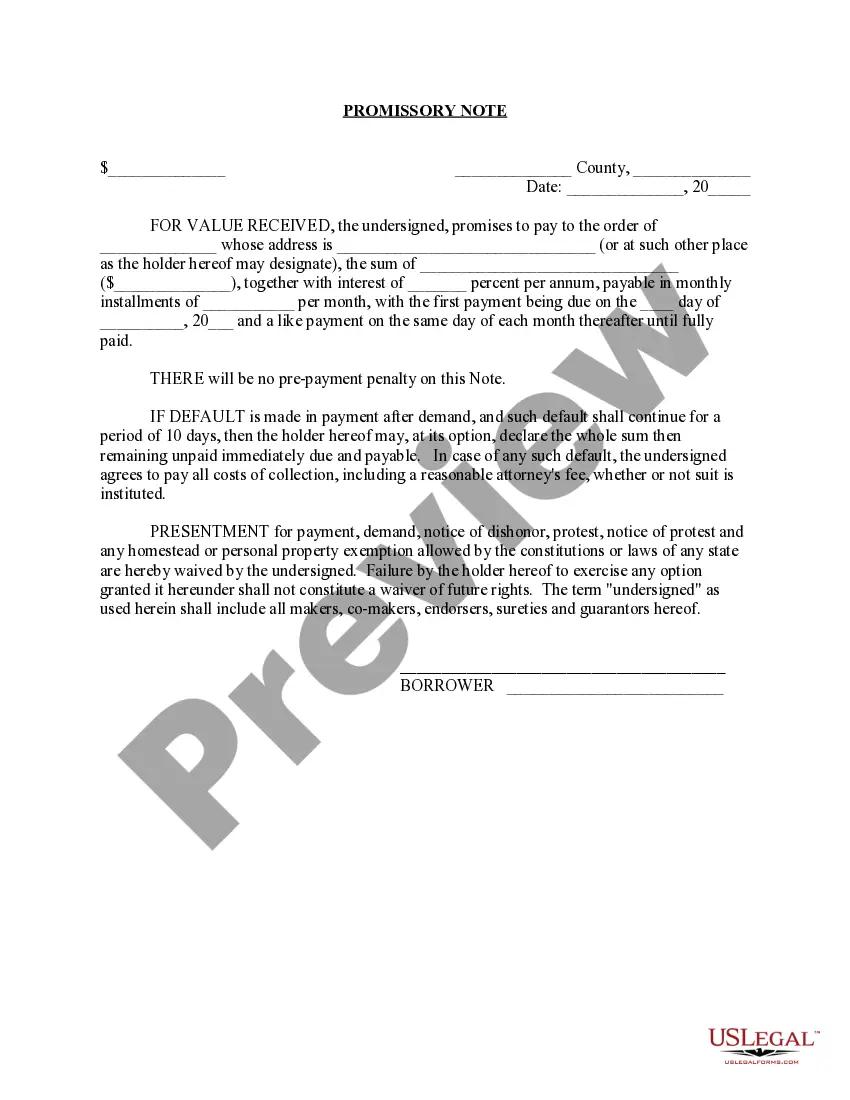

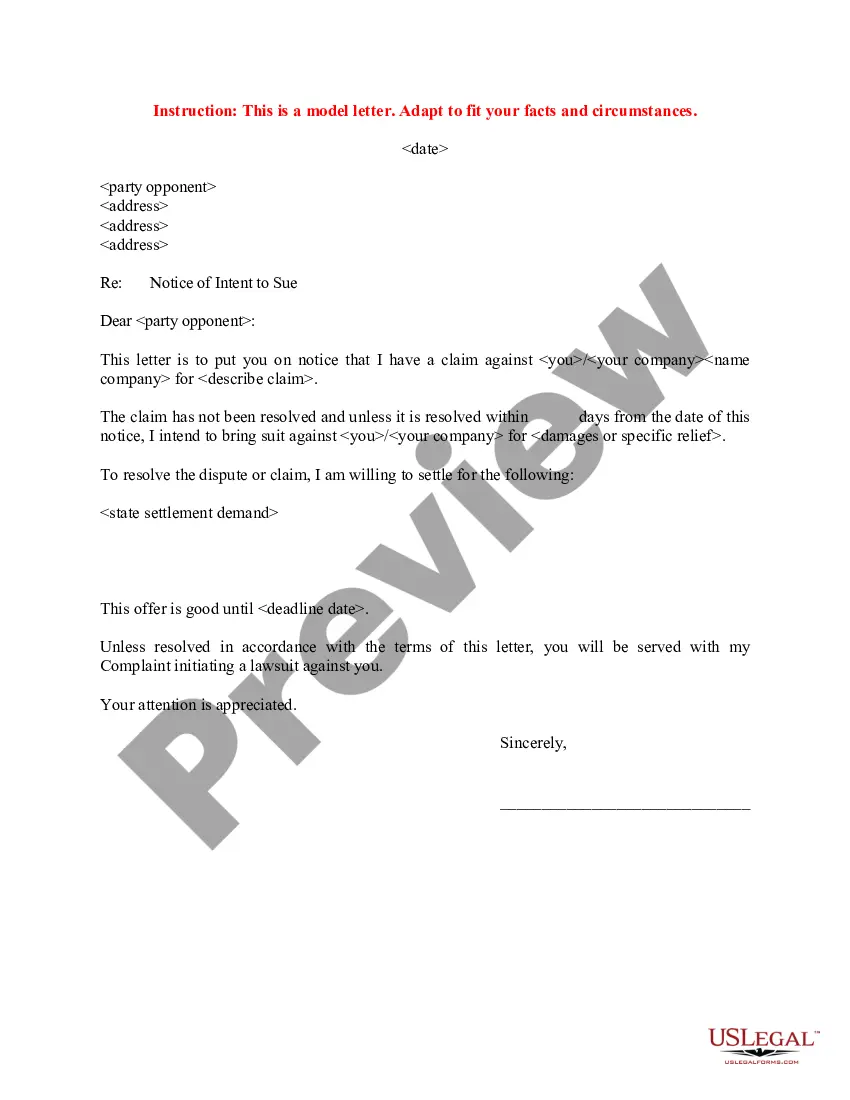
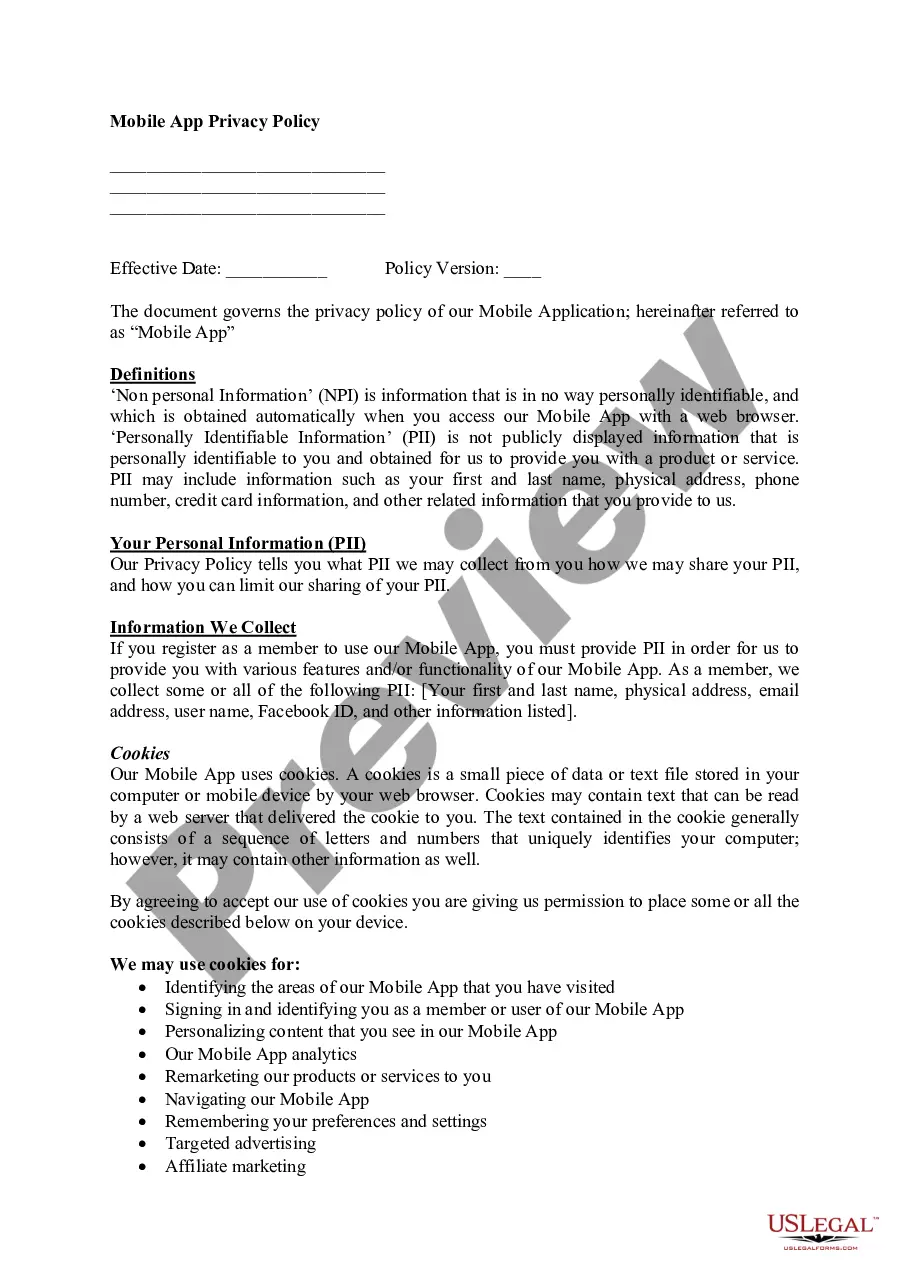
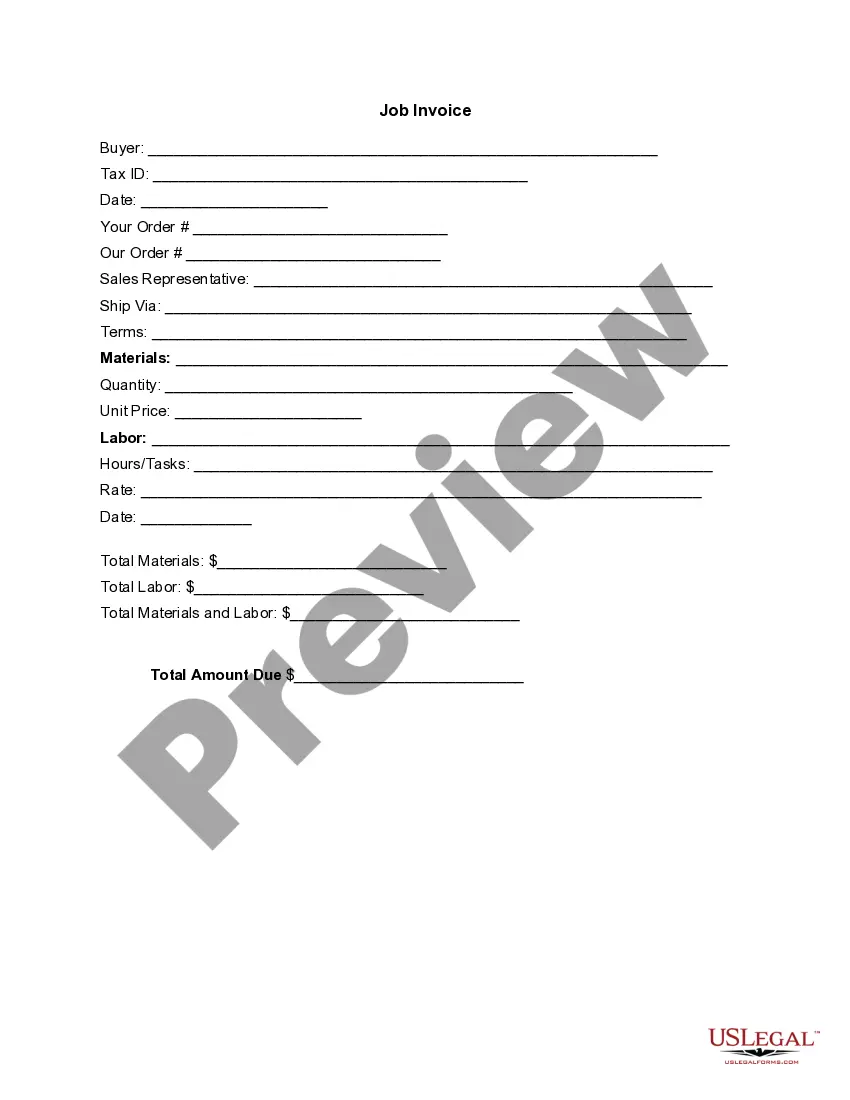
How to fill out Letter To Credit Bureau Requesting The Removal Of Inaccurate Information?
- If you are a returning user, log into your account and check your subscription status. Ensure it's active before proceeding to download.
- For first-time users, start by examining the Preview mode and detailed description of the desired form to confirm it meets your needs and complies with local laws.
- If necessary, utilize the Search feature to find alternative templates that may be more suitable.
- Once you've found the correct document, click on the Buy Now button. Choose a subscription that fits your requirements and create an account for full access.
- Complete your purchase using your credit card or PayPal to finalize your subscription.
- Download the template to your device and find it anytime in the 'My Forms' section of your profile.
By following these straightforward steps, you can quickly obtain the legal documents needed to resolve any disputes. US Legal Forms not only offers a user-friendly platform but also gives access to premium experts for added support.
Don't let legal complexities overwhelm you. Start using US Legal Forms today and simplify your dispute resolution process!
Form popularity
FAQ
Writing a legal dispute letter involves outlining your issue in a formal document that includes relevant details and legal references. Start by stating the purpose of the letter, and define the legal grounds for your dispute clearly. Include any supporting documents that validate your claims, and request a specific resolution to ensure the recipient understands your expectations. Utilizing resources from uslegalforms can simplify the process and enhance your letter's impact.
Filing disputes does not directly hurt your credit score; however, it can temporarily affect the way lenders view your credit report. When you dispute an item, creditors might see it as a sign of risk, which can lead to inquiries. Still, resolving the disputes positively can ultimately improve your credit standing, as it shows you are proactive in managing your financial history.
To write a successful dispute letter, start with your contact information and the recipient's details. Clearly state your dispute and include any necessary documentation to back your claims. Be sure to outline the specific issues and what you seek as a resolution. Using a professional template, such as those provided by uslegalforms, can help ensure your letter is well-structured.
When disputing a collection, the best approach is to express your concerns directly and honestly. State the reasons for your dispute clearly, mentioning any inaccuracies in the debt or its reporting. Use a professional tone and ask for verification of the debt to ensure that all parties understand your position. This can effectively communicate your stance and initiate dialogue.
To write a good dispute, clearly state your position and provide relevant details about the issue. Start with a calm and respectful tone, which will help you communicate your point effectively. Include any evidence that supports your claims, such as contracts or correspondence, to strengthen your dispute. Remember, being clear and concise will improve your chances of a positive resolution.
Disputes can be defined as conflicts arising from differing views or claims among parties. They can manifest in various forms, such as legal disputes, financial disagreements, or interpersonal conflicts. Understanding the definitions surrounding disputes helps in recognizing their complexity and the need for resolution. Tools like uslegalforms are beneficial in navigating the definitions and processes related to disputes.
Disputed issues refer to specific points of contention that parties disagree on. These issues can be as simple as differing opinions on a policy or as complex as legal interpretations in a lawsuit. Addressing disputed issues requires careful examination of the facts and interests involved. Effective resolution methods can help clarify these issues and lead to mutual agreement.
Examples of disputes include legal battles over contracts, family disagreements regarding inheritance, and business conflicts over trade practices. Each type of dispute involves differing perspectives that require resolution. Additionally, workplace disputes can arise over policies or employee relations. Utilizing platforms like uslegalforms can streamline the process of resolving these disputes.
A synonym for dispute is disagreement. When parties have conflicting views or interests, it can lead to various types of disagreements. Understanding synonyms like 'conflict' or 'argument' can enhance our communication about disputes. This awareness allows for clearer discussions and resolutions.
Two common types of disputes include civil disputes and commercial disputes. Civil disputes often involve individuals or organizations in issues like contracts or property rights. Commercial disputes typically arise between businesses, often related to transactions or agreements. Identifying the type of dispute can help determine the appropriate resolution strategy.