Contract Good Faith For Business
Description
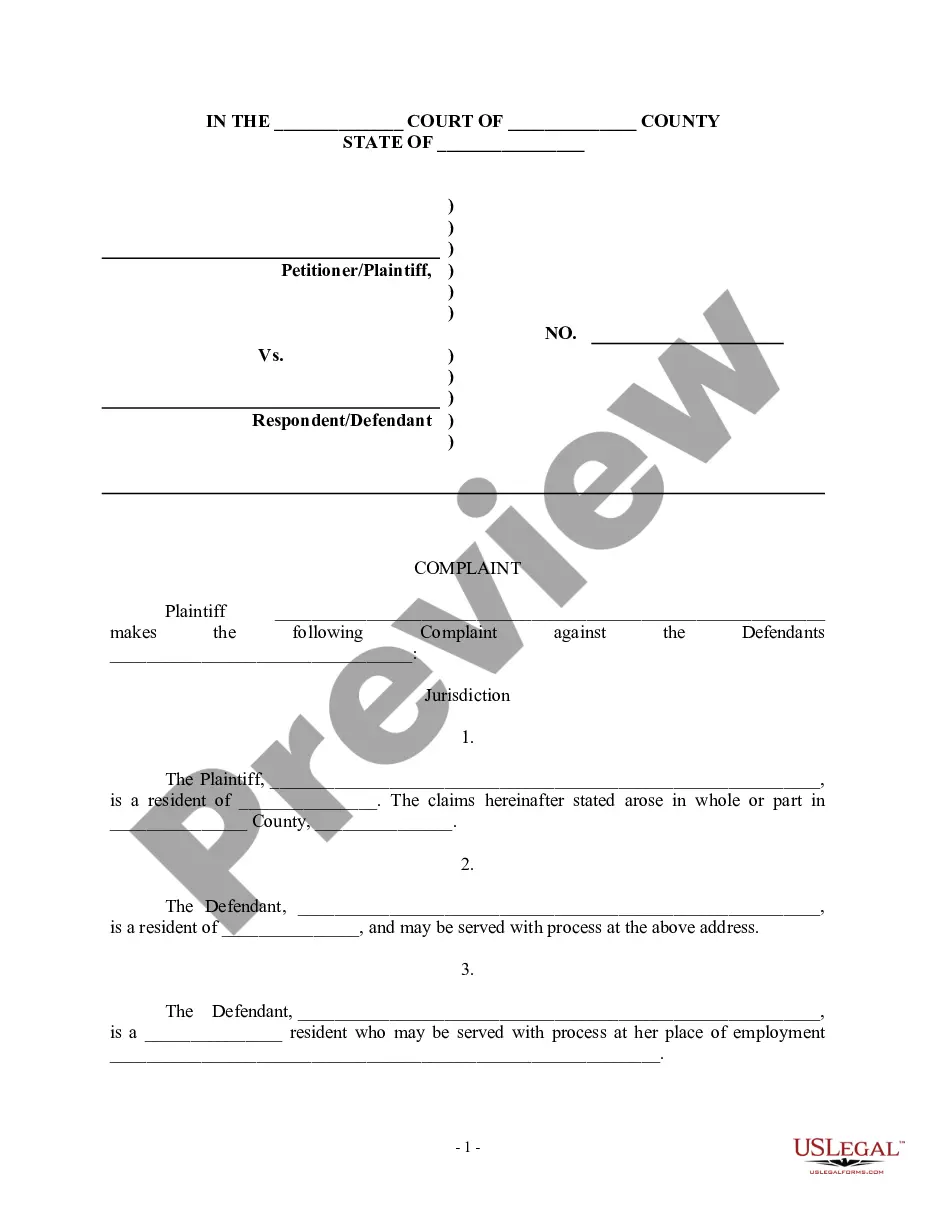
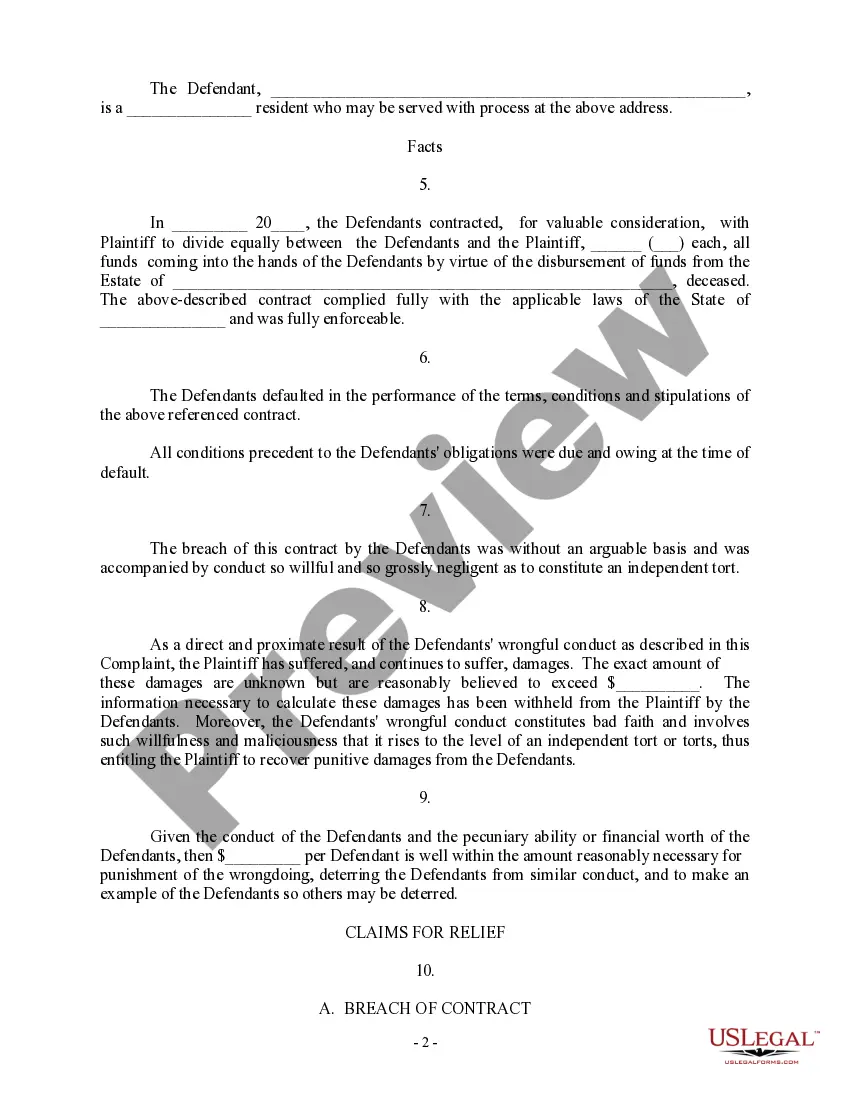
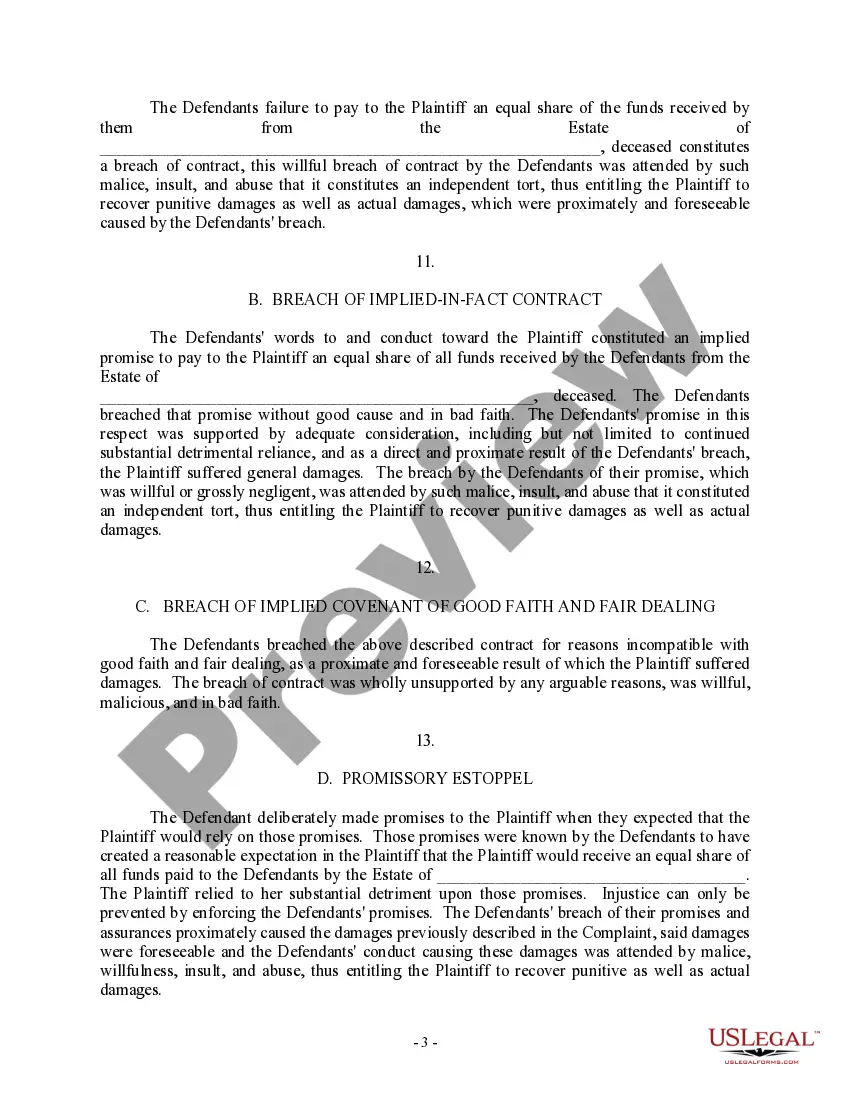
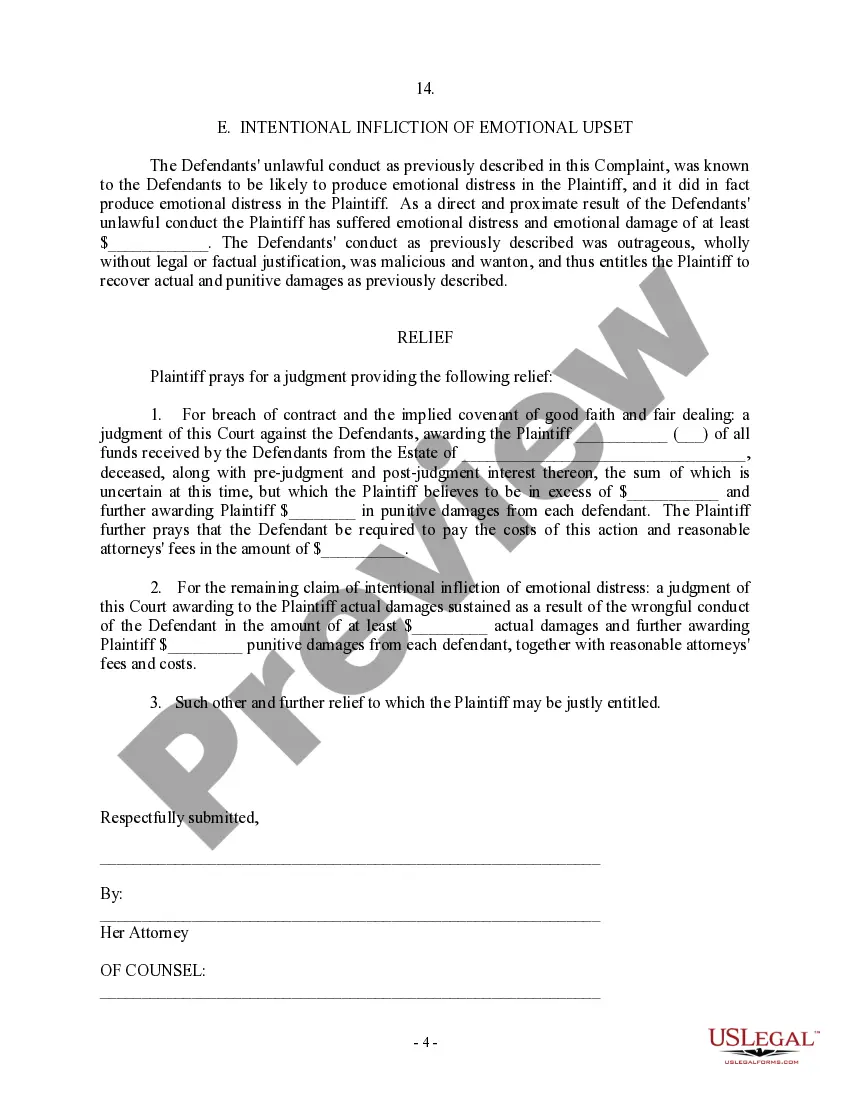

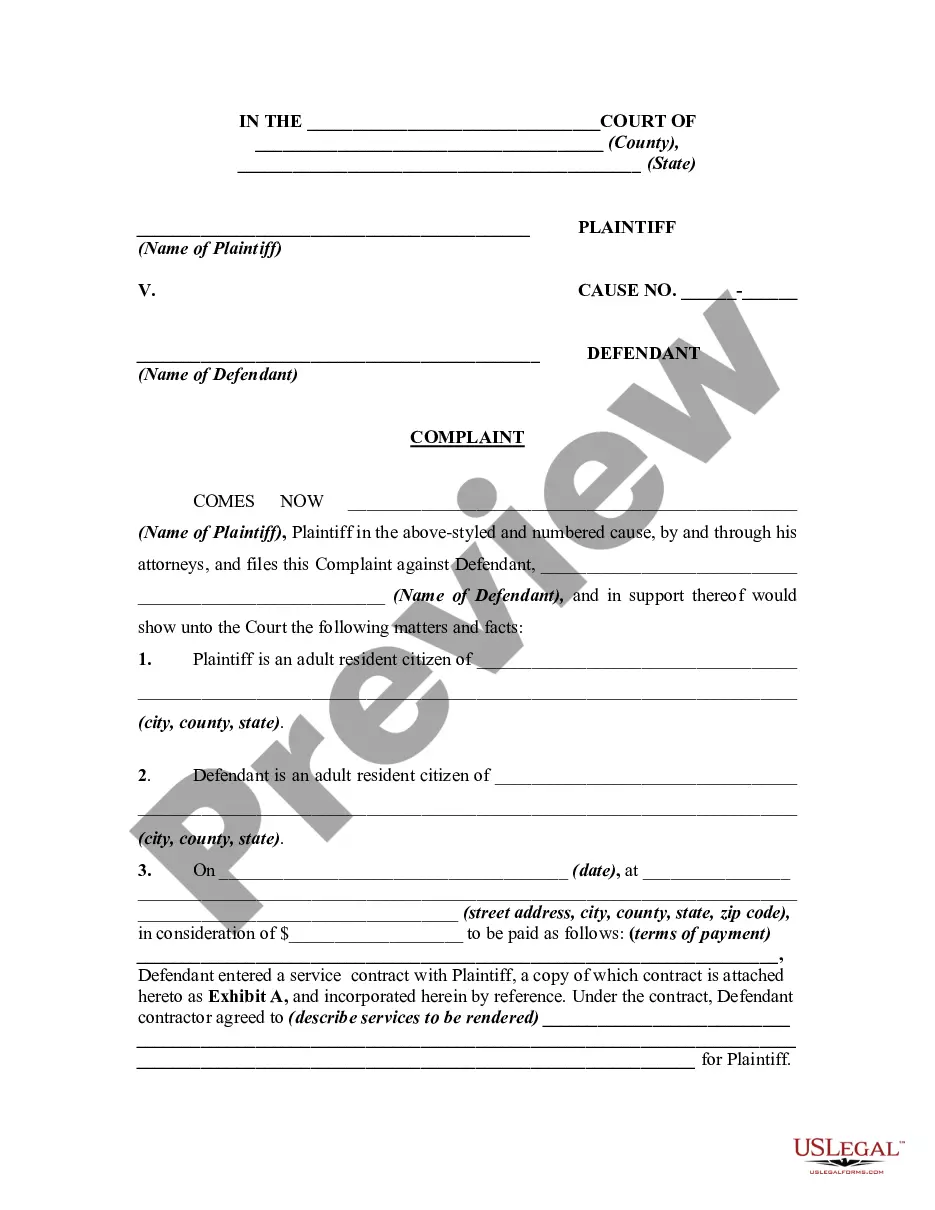
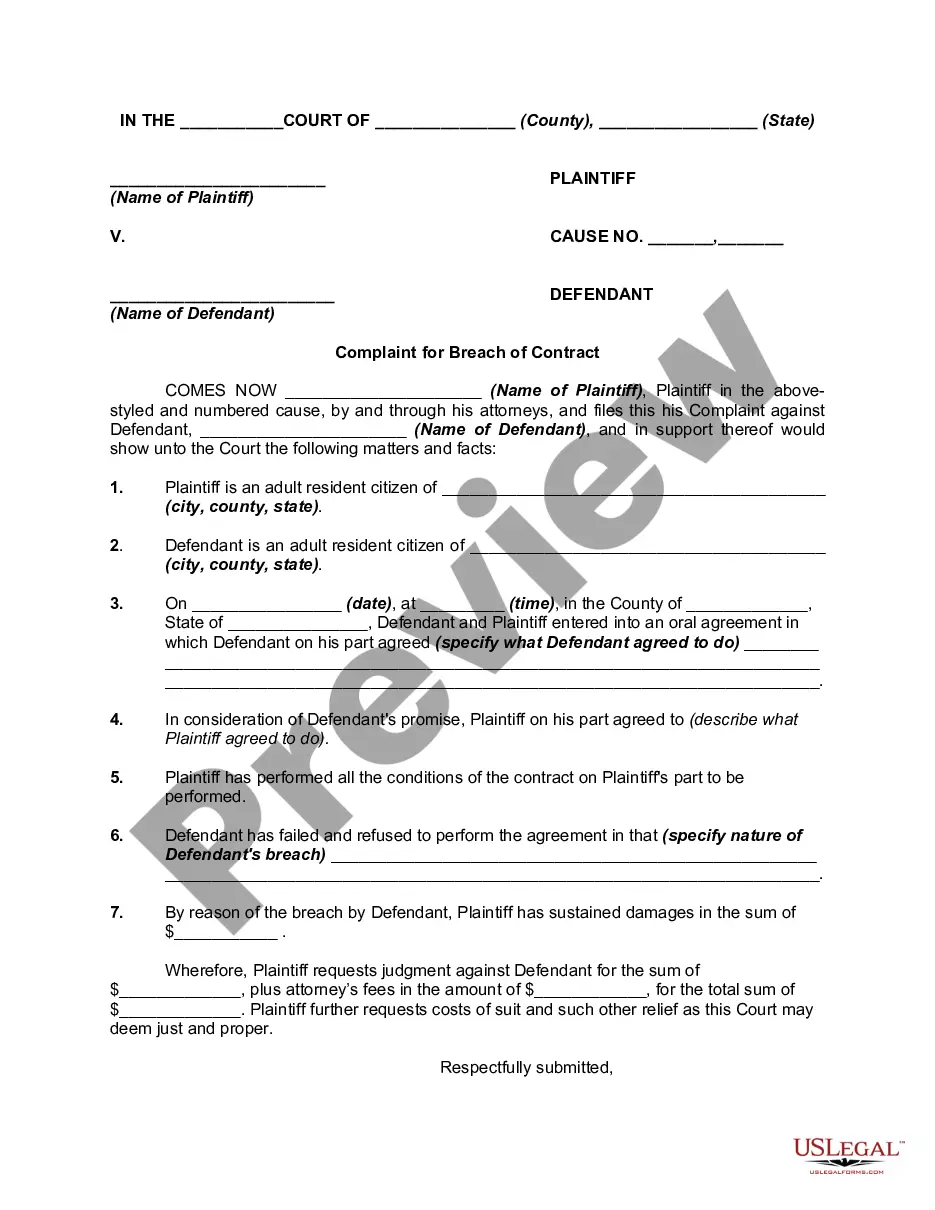
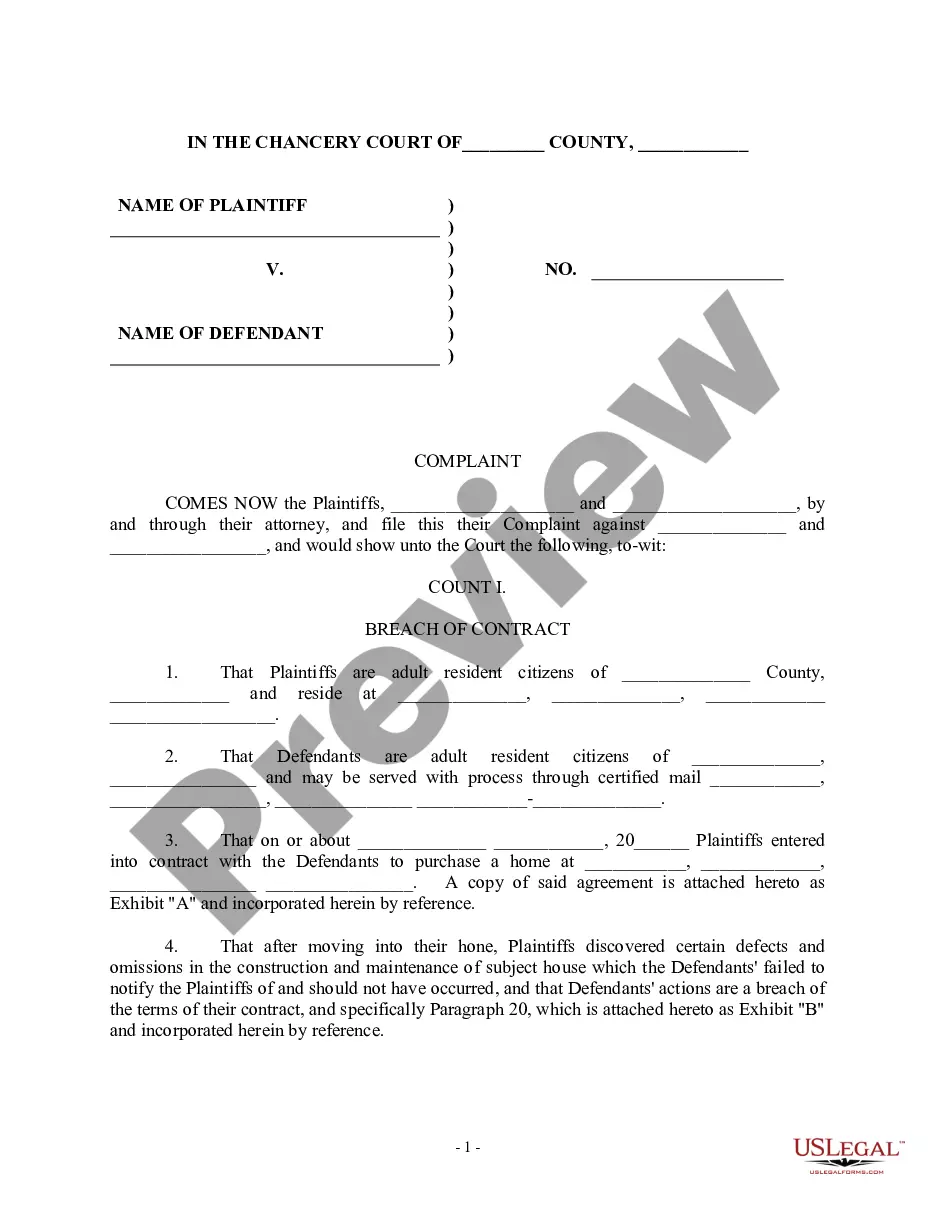
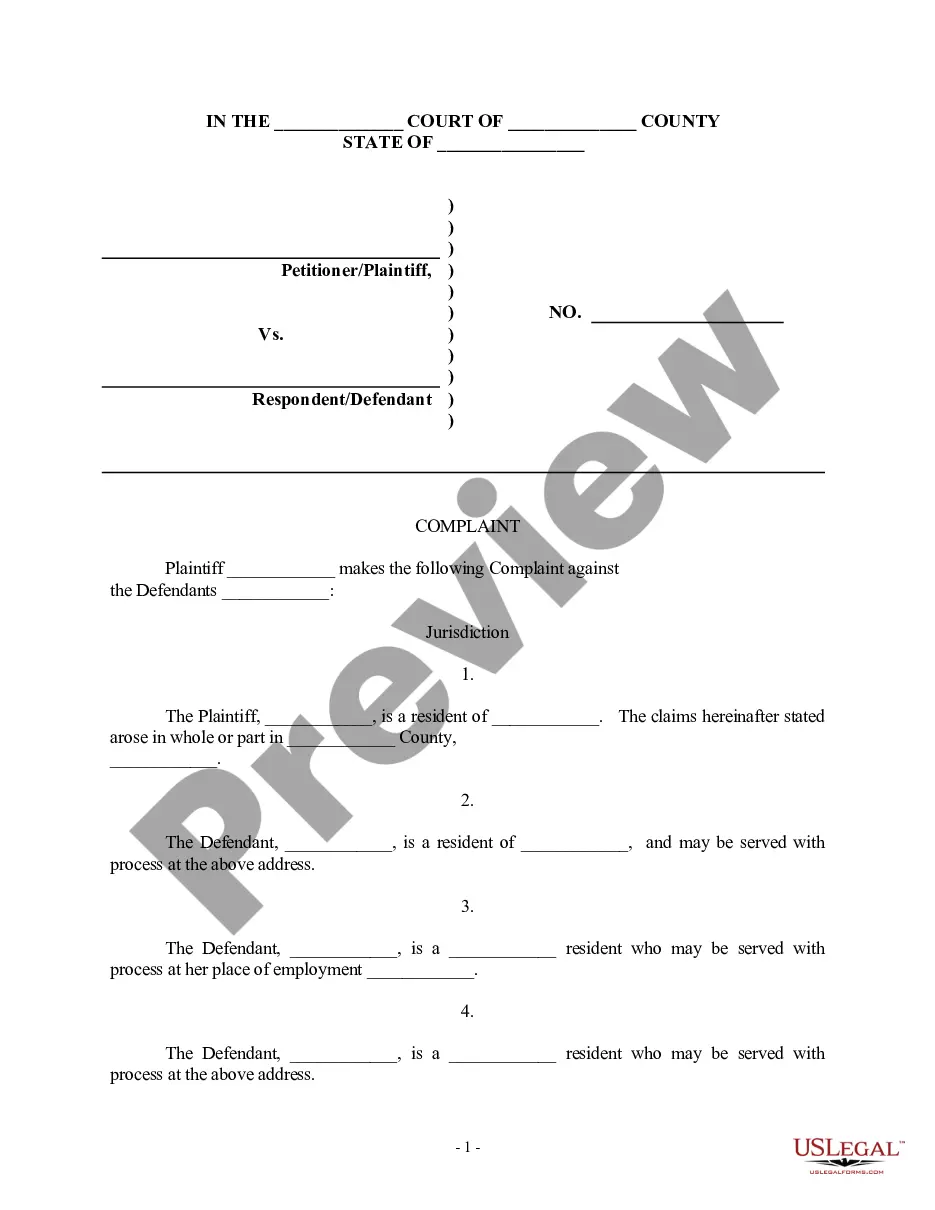
Get your form ready online
Our built-in tools help you complete, sign, share, and store your documents in one place.
Make edits, fill in missing information, and update formatting in US Legal Forms—just like you would in MS Word.
Download a copy, print it, send it by email, or mail it via USPS—whatever works best for your next step.
Sign and collect signatures with our SignNow integration. Send to multiple recipients, set reminders, and more. Go Premium to unlock E-Sign.
If this form requires notarization, complete it online through a secure video call—no need to meet a notary in person or wait for an appointment.
We protect your documents and personal data by following strict security and privacy standards.

Make edits, fill in missing information, and update formatting in US Legal Forms—just like you would in MS Word.

Download a copy, print it, send it by email, or mail it via USPS—whatever works best for your next step.

Sign and collect signatures with our SignNow integration. Send to multiple recipients, set reminders, and more. Go Premium to unlock E-Sign.

If this form requires notarization, complete it online through a secure video call—no need to meet a notary in person or wait for an appointment.

We protect your documents and personal data by following strict security and privacy standards.
Looking for another form?






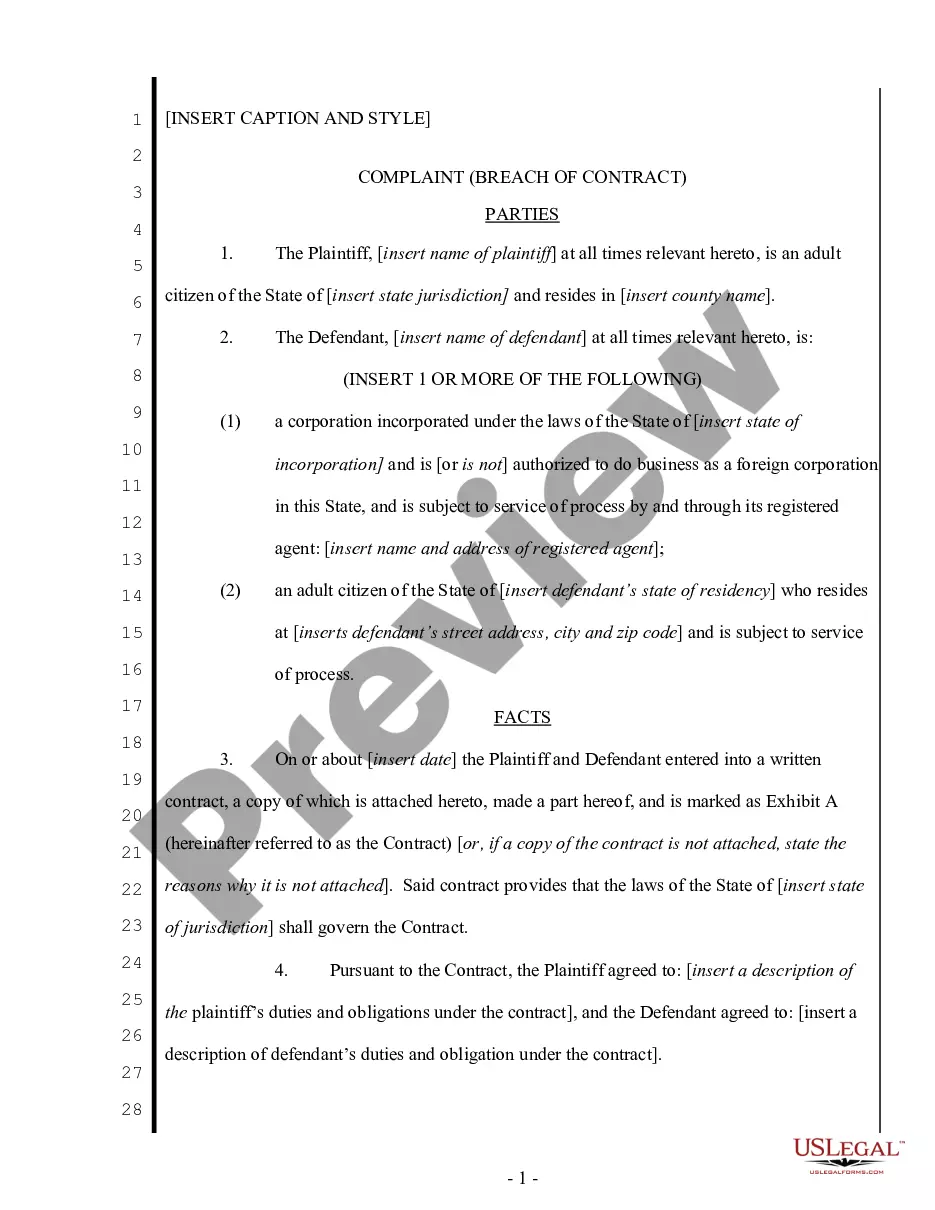
How to fill out Complaint Regarding Breach Of Contract, Implied Contract, Good Faith And Fair Dealing, Promissory Estoppel, Emotional Distress?
Regardless of whether it is for corporate reasons or personal matters, everyone eventually needs to deal with legal issues in their lifetime.
Completing legal documentation requires meticulous care, beginning with choosing the suitable template.
After downloading, you can complete the form using editing software or print it and fill it out by hand. With an extensive US Legal Forms library available, you won’t need to waste time searching for the right template online. Utilize the library’s simple navigation to find the appropriate document for any situation.
- Locate the template you require by utilizing the search bar or browsing the catalog.
- Review the document’s details to ensure it aligns with your situation, jurisdiction, and area.
- Click on the document’s preview to examine it.
- If it is not the correct document, return to the search function to find the Contract Good Faith For Business template you need.
- Obtain the document when it fulfills your specifications.
- If you possess a US Legal Forms account, simply click Log in to access previously stored files in My documents.
- In case you do not have an account yet, you can acquire the document by clicking Buy now.
- Select the appropriate payment option.
- Complete the profile registration form.
- Choose your payment method: you can use a credit card or PayPal account.
- Select the file format you prefer and download the Contract Good Faith For Business.
Form popularity
FAQ
An example of an utmost good faith contract can be found in insurance agreements where both parties must disclose all pertinent information. For instance, an applicant must provide truthful details about their health when applying for health insurance. This relationship emphasizes contract good faith for business, where honesty and transparency are key.
Good faith is a broad term that's used to encompass honest dealing. Depending on the exact setting, good faith may require an honest belief or purpose, faithful performance of duties, observance of fair dealing standards, or an absence of fraudulent intent.
Good faith is a broad term that's used to encompass honest dealing. Depending on the exact setting, good faith may require an honest belief or purpose, faithful performance of duties, observance of fair dealing standards, or an absence of fraudulent intent.
If you want the parties to act in good faith, expressly state it in the contract. Specify what it means to act in good faith, such as the actions required to meet good faith. Include objectives, like deadlines and time limits. Good faith obligations don't override the express terms of the contract.
In general, every contract contains an implied duty of good faith and fair dealing. This duty requires that neither party will do anything that will destroy or injure the right of the other party to receive the benefits of the contract.
What Is Good Faith? Acting in good faith means you will be honest in upholding your end of the contract and not stand in the way of the success of the other party in performing their end of the contract or from reaping the benefits of the agreed-upon contract.