Irs Form 1041 Irrevocable Trust
Description

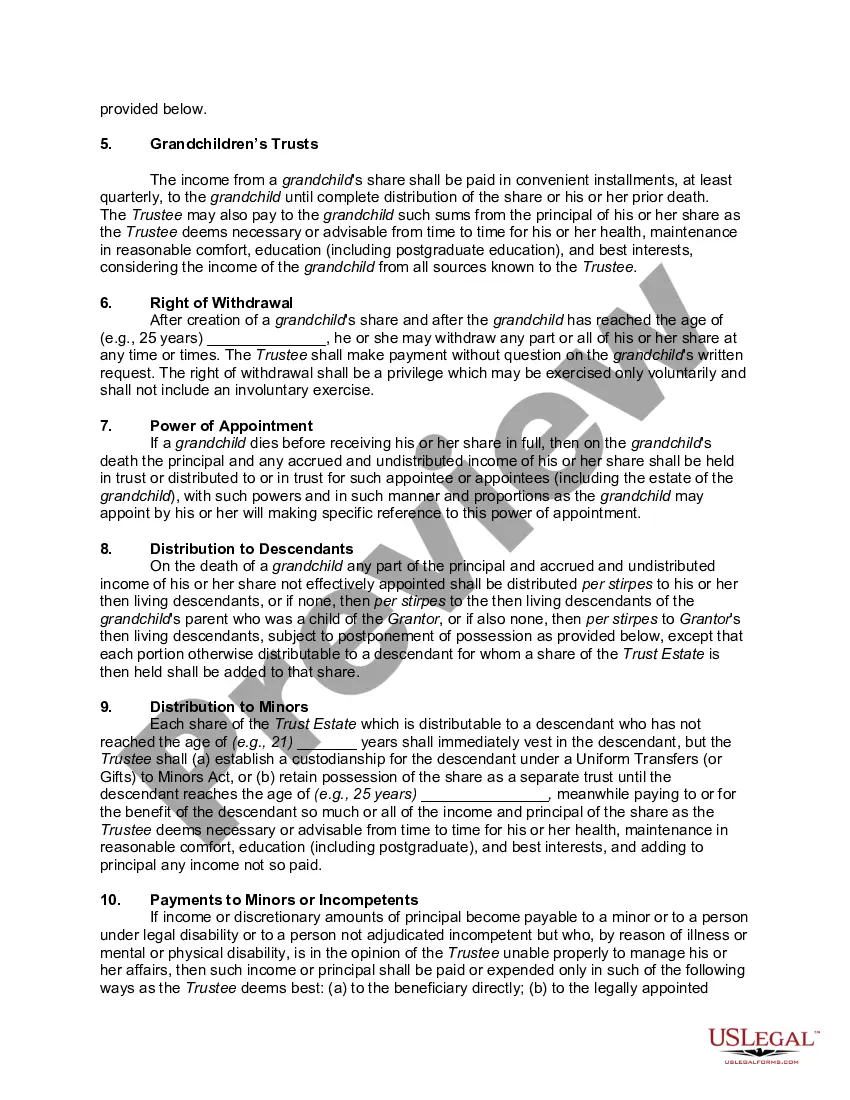
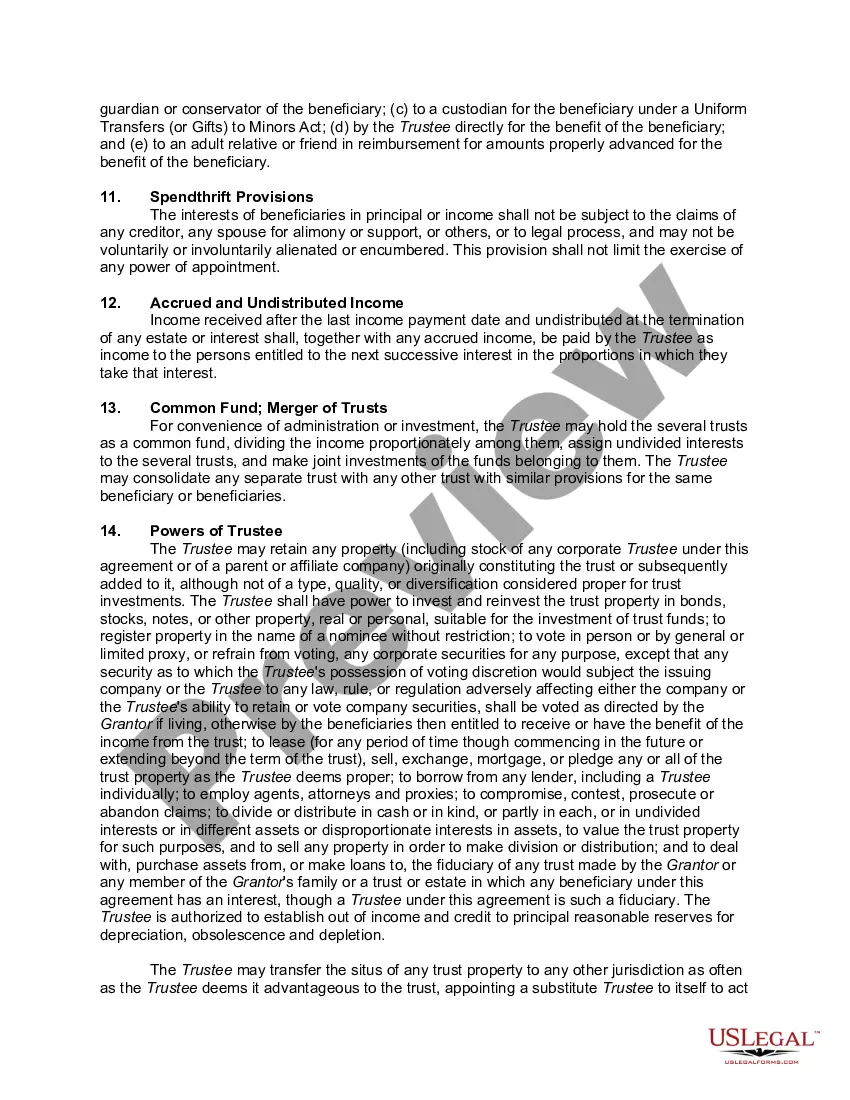
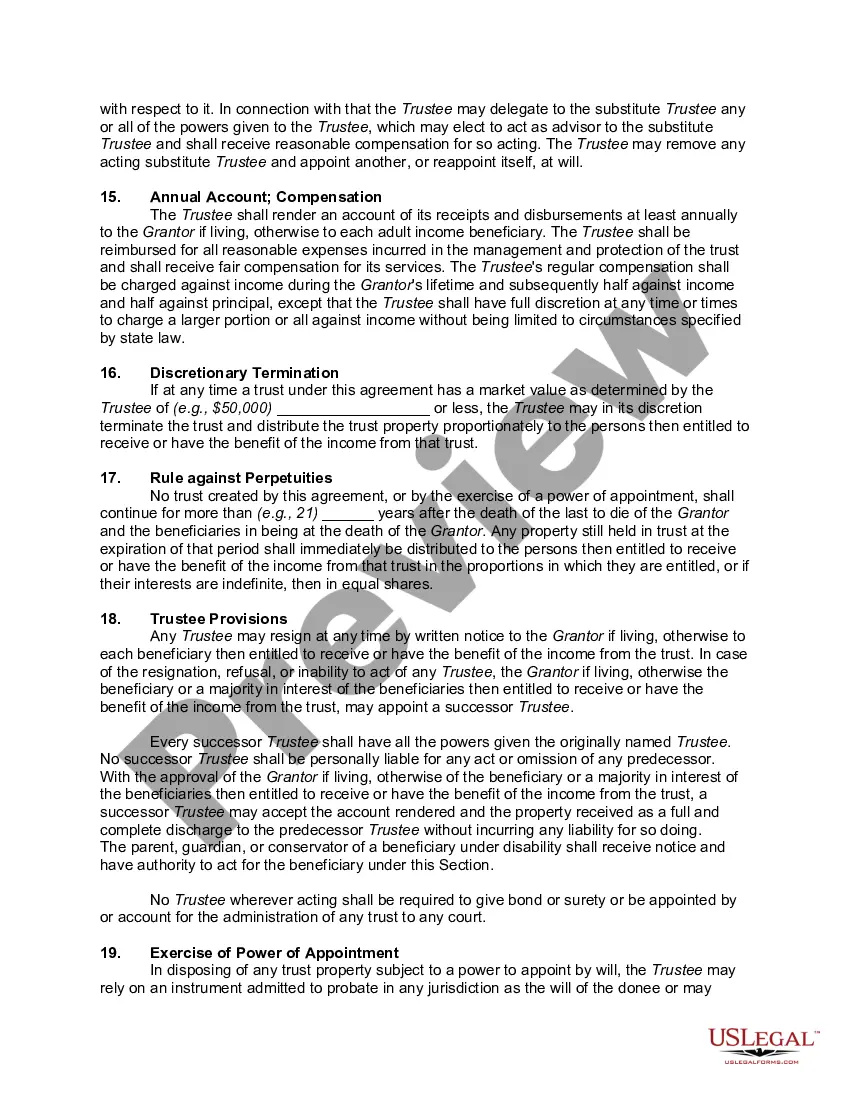
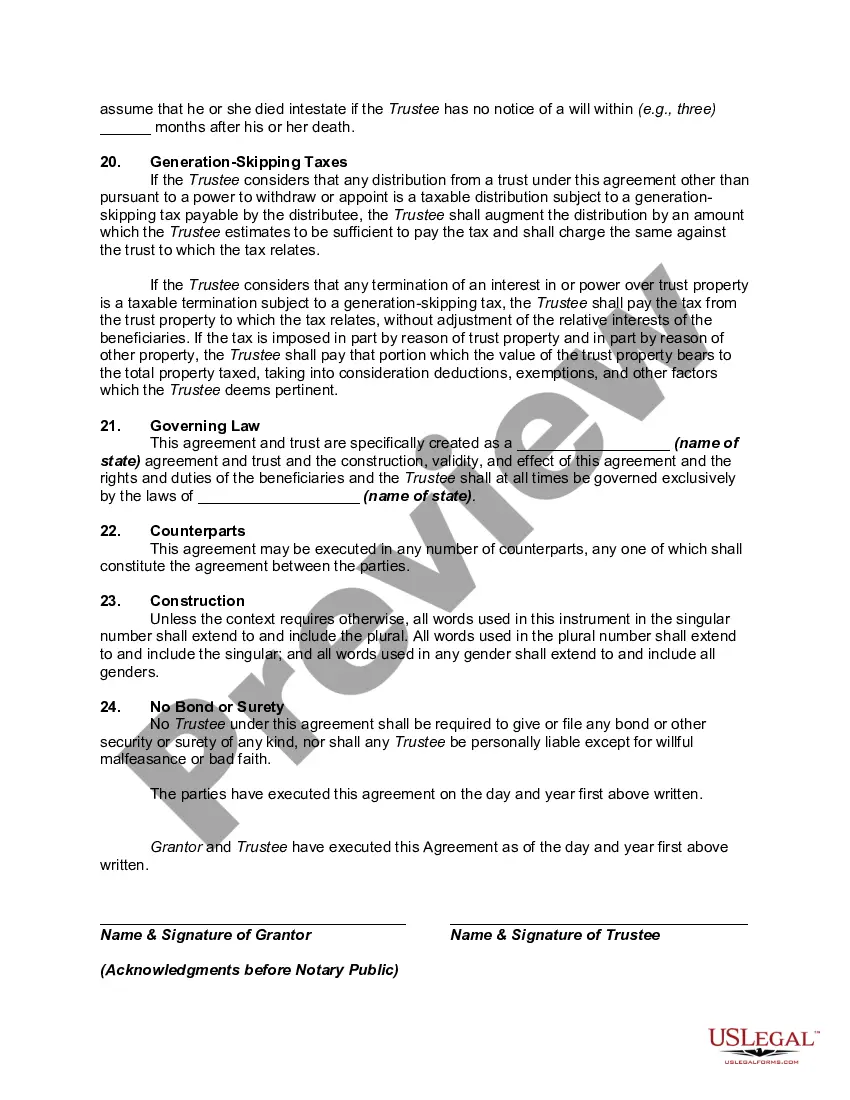


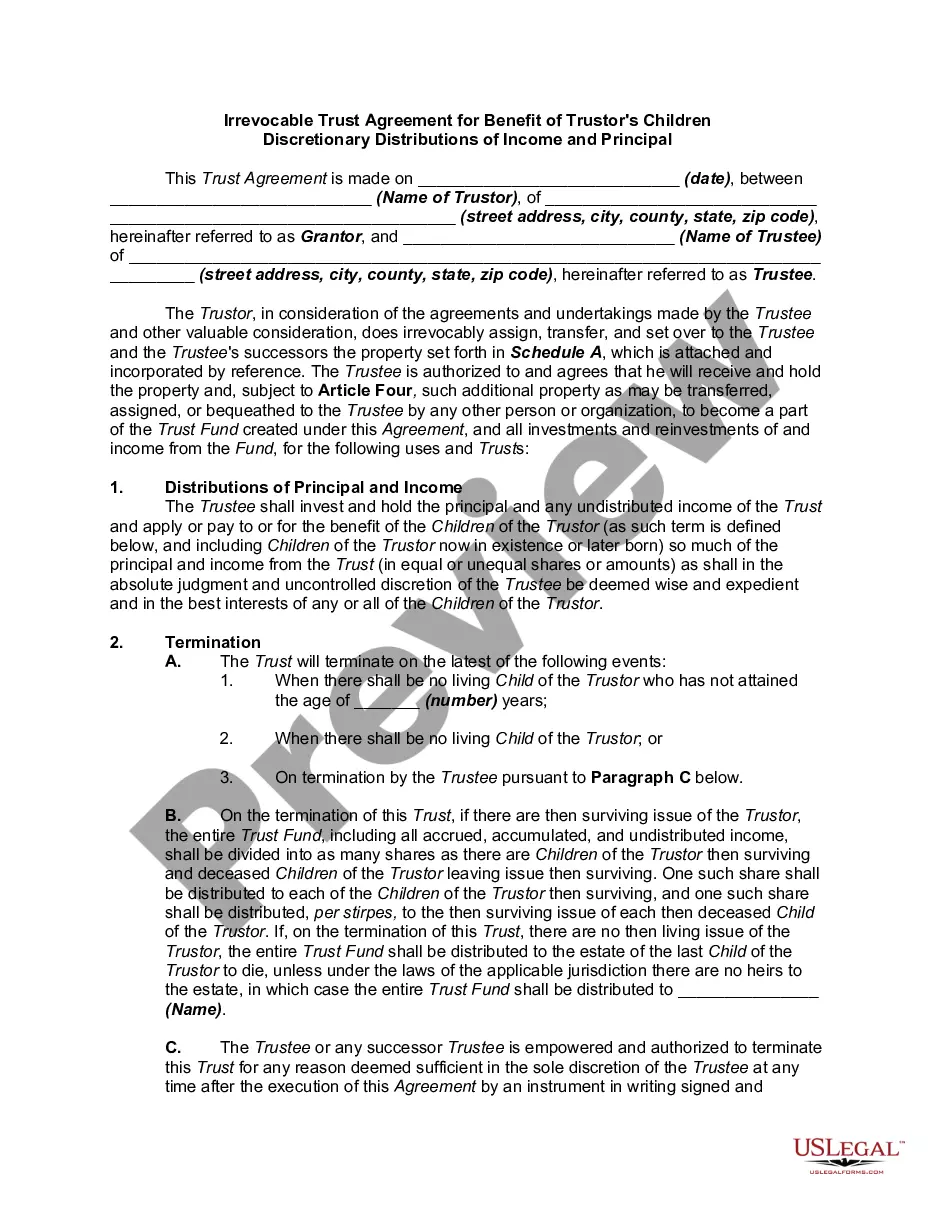

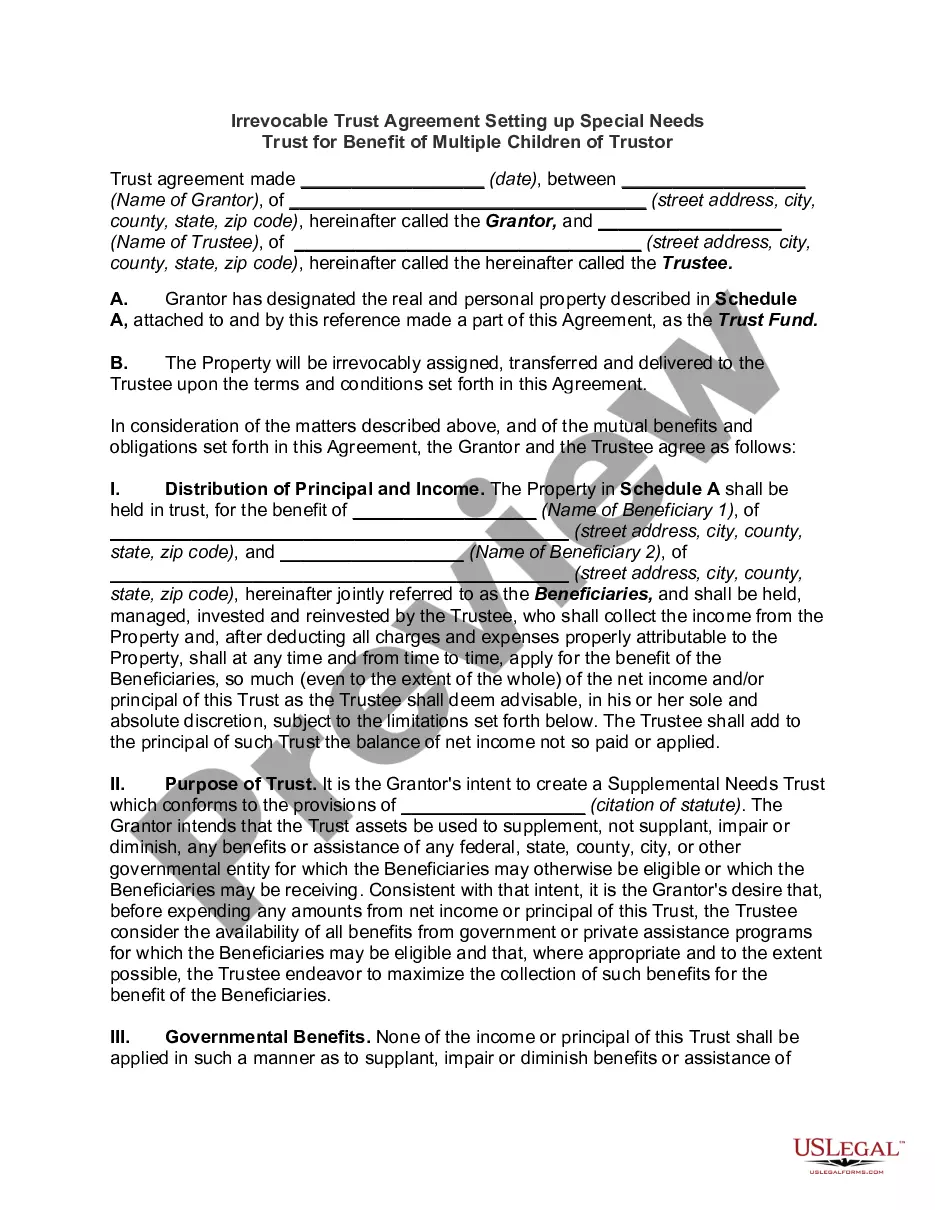
Get your form ready online
Our built-in tools help you complete, sign, share, and store your documents in one place.
Make edits, fill in missing information, and update formatting in US Legal Forms—just like you would in MS Word.
Download a copy, print it, send it by email, or mail it via USPS—whatever works best for your next step.
Sign and collect signatures with our SignNow integration. Send to multiple recipients, set reminders, and more. Go Premium to unlock E-Sign.
If this form requires notarization, complete it online through a secure video call—no need to meet a notary in person or wait for an appointment.
We protect your documents and personal data by following strict security and privacy standards.

Make edits, fill in missing information, and update formatting in US Legal Forms—just like you would in MS Word.

Download a copy, print it, send it by email, or mail it via USPS—whatever works best for your next step.

Sign and collect signatures with our SignNow integration. Send to multiple recipients, set reminders, and more. Go Premium to unlock E-Sign.

If this form requires notarization, complete it online through a secure video call—no need to meet a notary in person or wait for an appointment.

We protect your documents and personal data by following strict security and privacy standards.
Looking for another form?









How to fill out Irrevocable Trust Agreement For Benefit Of Trustor's Children And Grandchildren?
- Start by logging into your US Legal Forms account. If you're a new user, you'll need to create an account first.
- Search for 'IRS Form 1041 irrevocable trust' in the online library and preview the available templates.
- Once you confirm that the form matches your requirements, proceed to purchase the document.
- Select a subscription plan that best suits your needs and complete the registration process.
- Make your payment using a credit card or PayPal, then you’ll gain access to the form.
- After the purchase, download the form to your device and access it anytime through the 'My Forms' section in your account.
Once you have your form, you can easily fill it out and ensure it complies with local jurisdictional requirements. US Legal Forms provides an extensive repository of over 85,000 editable templates, exceeding many competitors.
In conclusion, using US Legal Forms streamlines the process of acquiring and completing legal documents like the IRS Form 1041 irrevocable trust. Don’t miss out on the opportunity to ensure your documents are accurate and professionally handled—visit US Legal Forms today!
Form popularity
FAQ
Filling out an irrevocable trust requires clear organization of essential information such as the trust's name, beneficiary details, and income sources. Use IRS Form 1041 to report the trust's income accurately and to declare any distributions made to beneficiaries. Take your time to ensure all information is correctly entered to avoid complications. For expert assistance, consider utilizing U.S. Legal Forms to guide you through this process.
Any irrevocable trust that generates income or has non-resident alien beneficiaries must file IRS Form 1041. This includes various types of irrevocable trusts, such as charitable trusts or special needs trusts, depending on their income generation. Understanding which trusts require filing can impact your tax responsibilities significantly. For comprehensive resources, U.S. Legal Forms is here to help.
Filing an irrevocable trust with the IRS involves submitting IRS Form 1041 annually for the trust's income. First, gather all relevant financial documents, including income statements and records of distributions to beneficiaries. Then, complete Form 1041 accurately and file it by the due date. U.S. Legal Forms can assist you in navigating the filing process smoothly and correctly.
IRS Form 1041 is the tax return form used for reporting income for an irrevocable trust. Simply put, it helps the IRS track income generated within the trust and any distributions made to beneficiaries. You fill out this form to ensure your trust complies with tax laws and to report any taxable income. For simplified guidance on completing this form, visit U.S. Legal Forms.
You need to file IRS Form 1041 for an irrevocable trust if the trust earns more than $600 in gross income during the tax year. Additionally, if the beneficiaries are non-resident aliens, you must also file this form. It is essential to determine your filing obligation correctly, as the IRS takes trust income seriously. Consider consulting U.S. Legal Forms for guidance on your filing responsibilities.
For IRS Form 1041, there is a basic exemption of $100 for most irrevocable trusts. This means that the first $100 of taxable income generated by the trust is not subject to tax. However, the exact amount can vary based on specific trust circumstances. To navigate these details more easily, consider using uslegalforms, which can guide you through the filing process.
Beneficiaries of an irrevocable trust are taxed on distributions they receive, which can be reported on their personal tax returns. The trust itself may also be liable for taxes on any undistributed income. It’s important to understand how these taxes work, as they can impact beneficiaries' net income. The uslegalforms platform provides valuable tools to help clarify these tax implications.
IRS Form 1041 for an irrevocable trust should be filed by the 15th day of the fourth month following the end of the trust's tax year. For example, if your trust's tax year ends on December 31, the form is due by April 15. Filing on time is crucial to maintain compliance with IRS rules. You can track deadlines and gain access to necessary forms easily through the uslegalforms website.
You must file IRS Form 1041 for an irrevocable trust when the income reaches $600 or more in any tax year. Additionally, if the trust has a non-resident alien as a beneficiary, you still need to file, regardless of the income threshold. Filing timely can help you avoid late penalties. To make this process simpler, consider utilizing the resources available on the uslegalforms platform.
The taxable income threshold for trusts is quite low, generally around $600 for most irrevocable trusts according to IRS guidelines. Once the income exceeds this threshold, trustees must file IRS Form 1041. This figure is crucial for determining whether you need to report earnings generated by the trust. Understanding these thresholds can save you from unexpected tax obligations.