Irrevocable Trust Withdrawals For House
Description

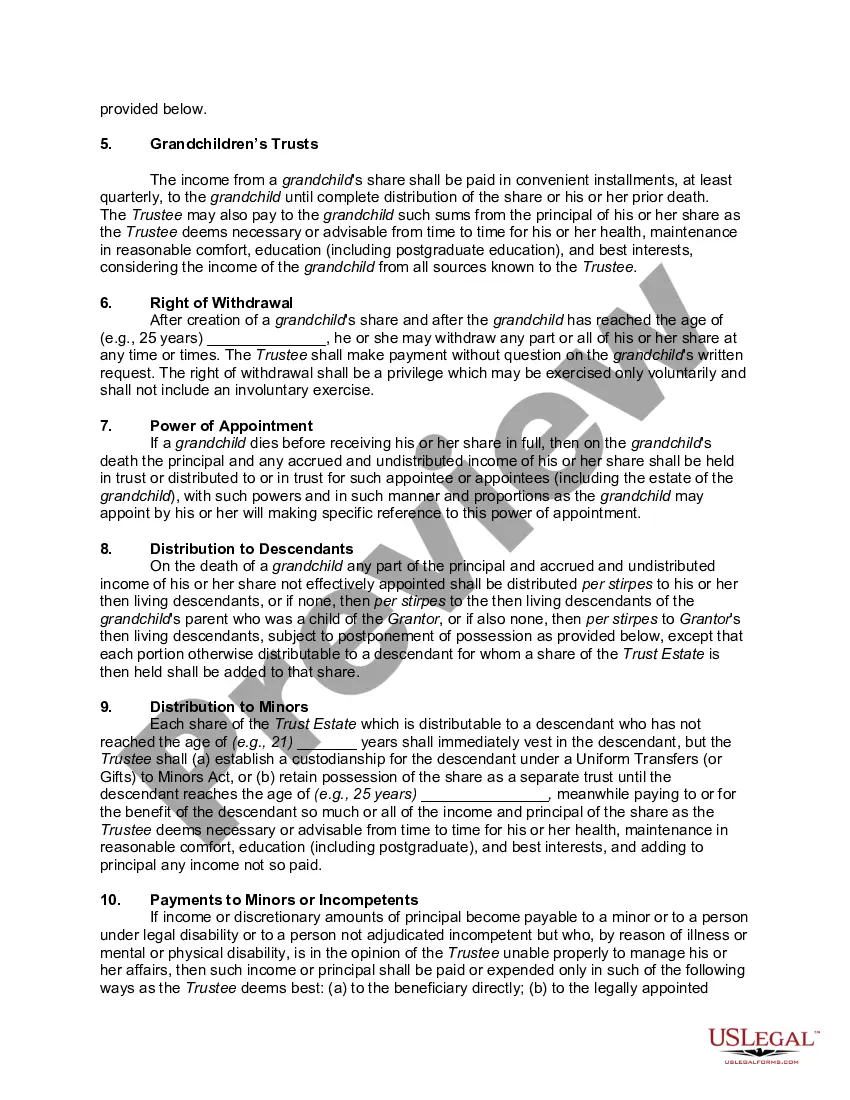
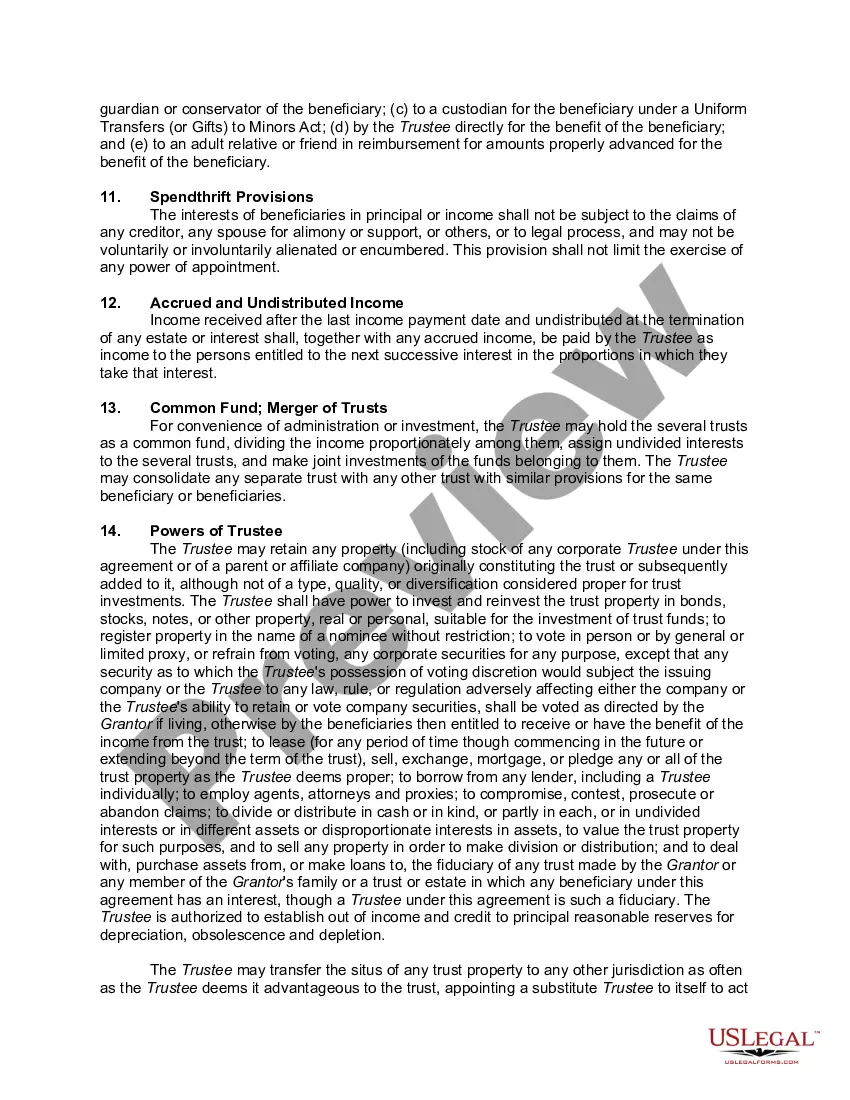
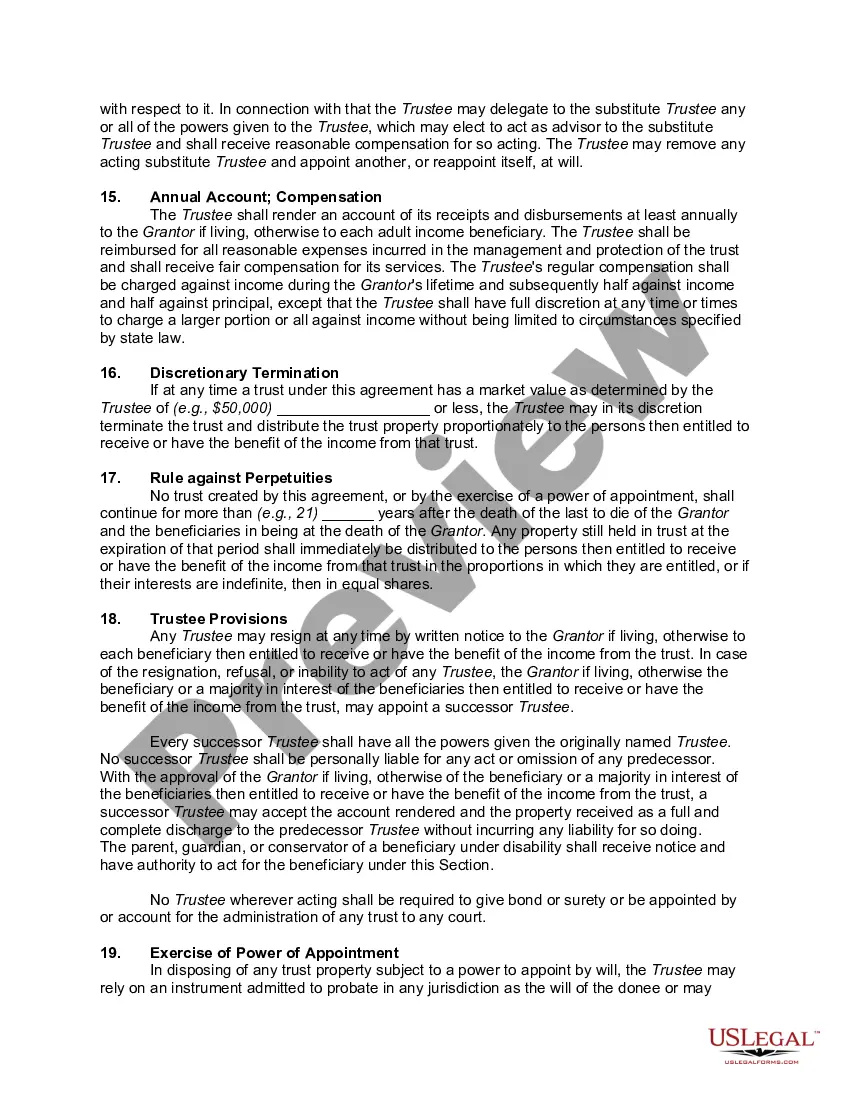
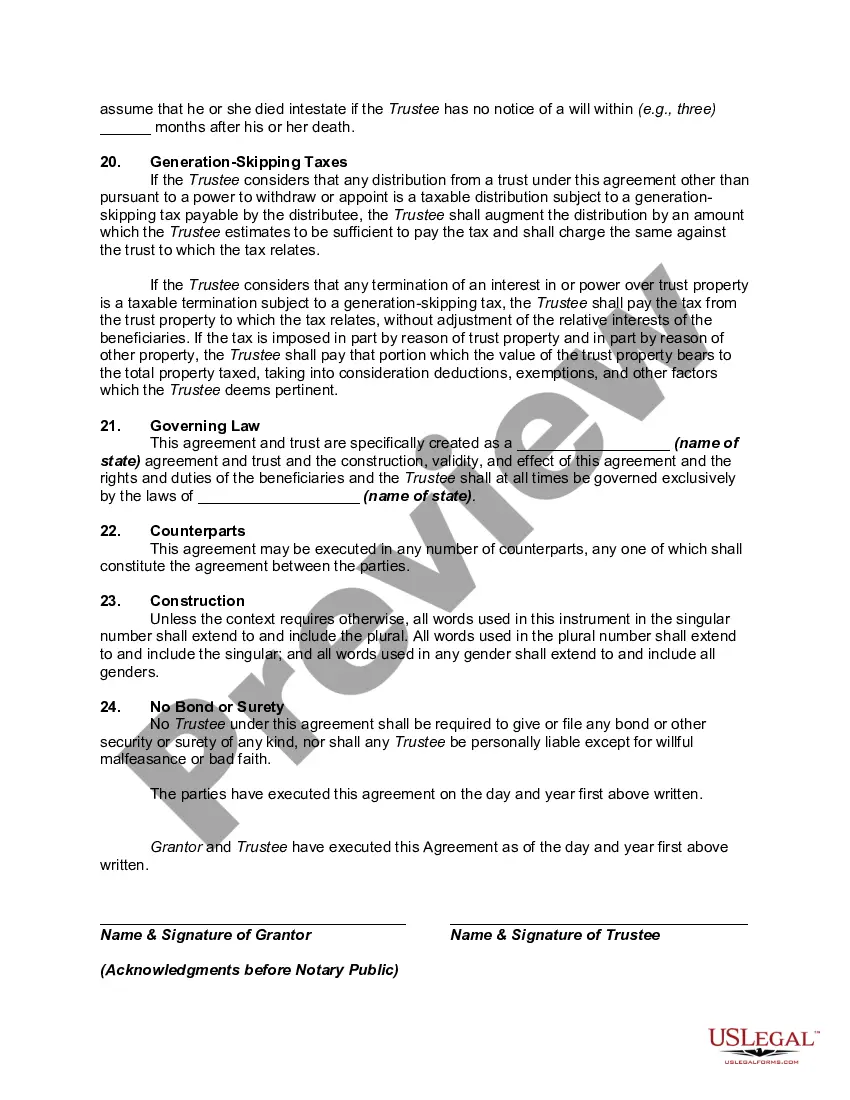

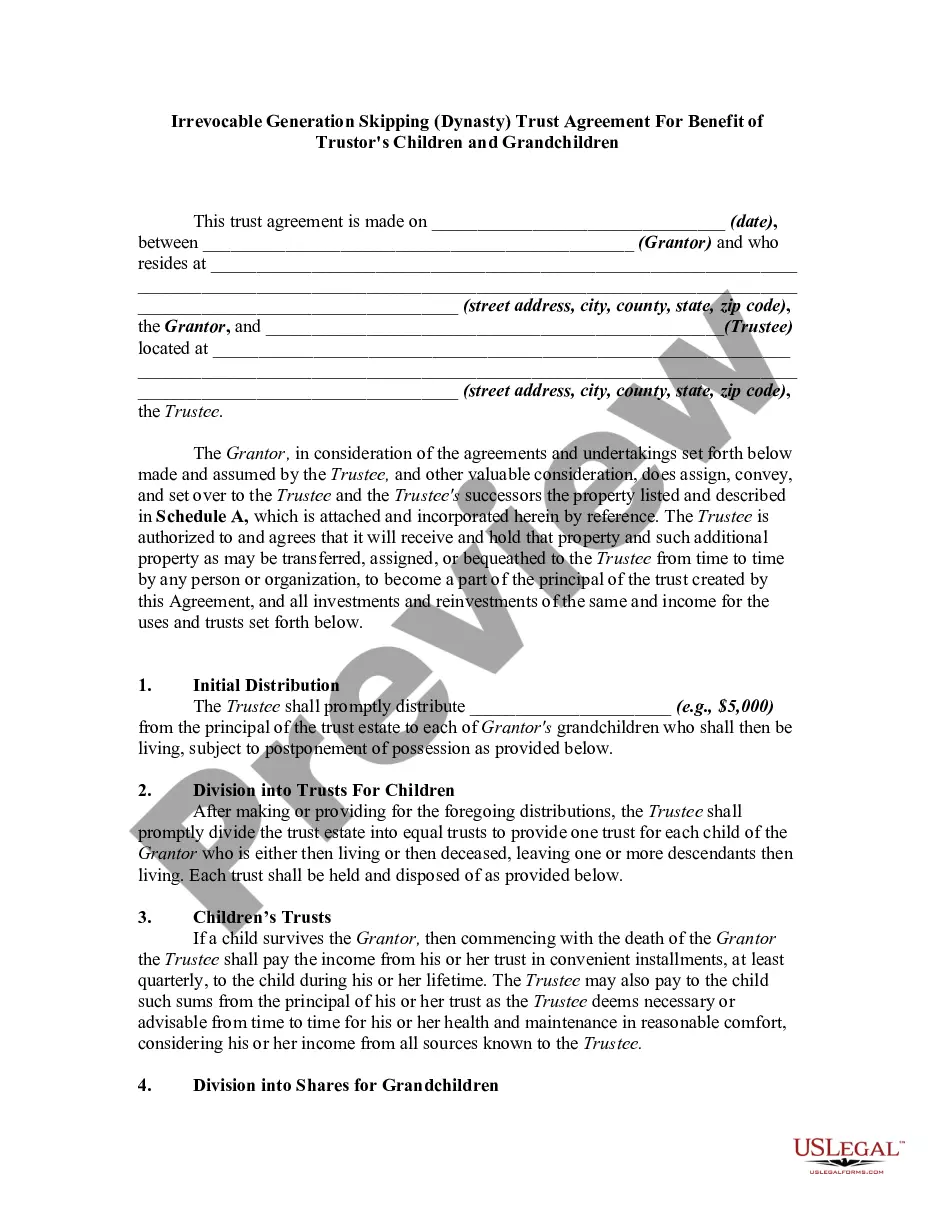
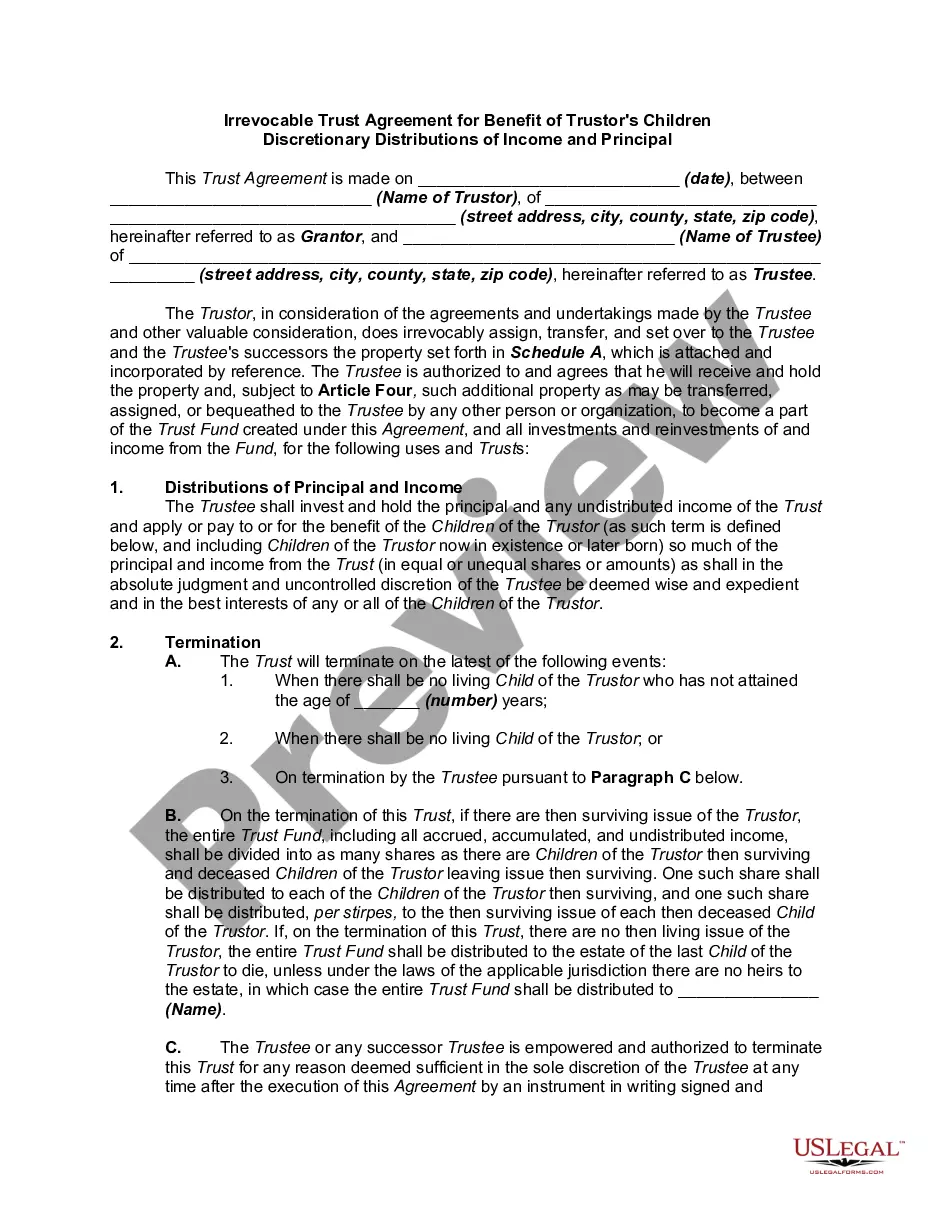


Get your form ready online
Our built-in tools help you complete, sign, share, and store your documents in one place.
Make edits, fill in missing information, and update formatting in US Legal Forms—just like you would in MS Word.
Download a copy, print it, send it by email, or mail it via USPS—whatever works best for your next step.
Sign and collect signatures with our SignNow integration. Send to multiple recipients, set reminders, and more. Go Premium to unlock E-Sign.
If this form requires notarization, complete it online through a secure video call—no need to meet a notary in person or wait for an appointment.
We protect your documents and personal data by following strict security and privacy standards.

Make edits, fill in missing information, and update formatting in US Legal Forms—just like you would in MS Word.

Download a copy, print it, send it by email, or mail it via USPS—whatever works best for your next step.

Sign and collect signatures with our SignNow integration. Send to multiple recipients, set reminders, and more. Go Premium to unlock E-Sign.

If this form requires notarization, complete it online through a secure video call—no need to meet a notary in person or wait for an appointment.

We protect your documents and personal data by following strict security and privacy standards.
Looking for another form?







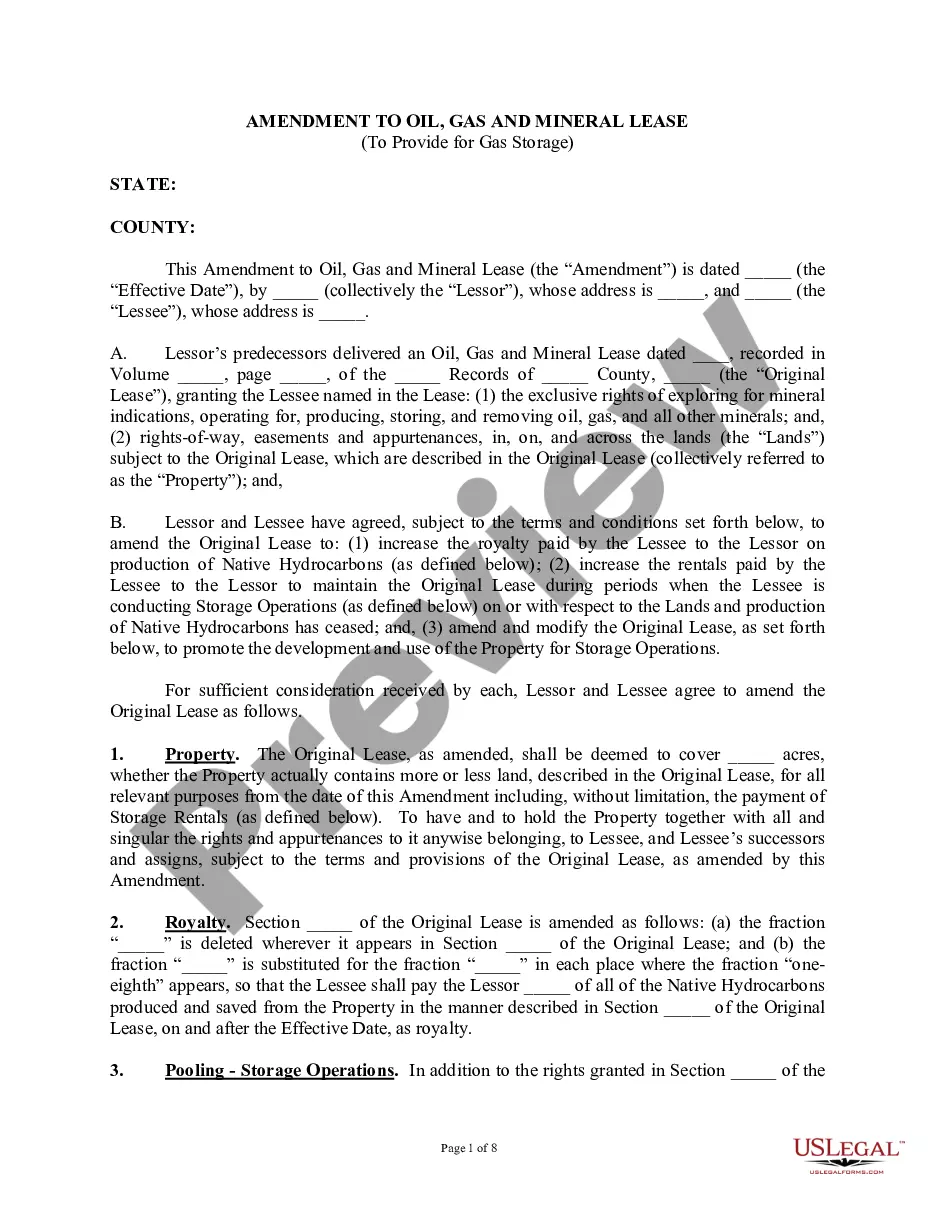
How to fill out Irrevocable Trust Agreement For Benefit Of Trustor's Children And Grandchildren?
Handling legal documents can be overwhelming, even for experienced professionals.
When you are looking for an Irrevocable Trust Withdrawals For House and don’t have the opportunity to spend time locating the correct and updated version, the undertakings can be challenging.
US Legal Forms meets any requirements you may have, ranging from personal to corporate paperwork, all in one place.
Utilize advanced tools to fill out and manage your Irrevocable Trust Withdrawals For House.
Here are the steps to follow after downloading your desired form: Verify that it’s the correct one by previewing and reviewing its details.
- Access a comprehensive resource library of articles, guides, and materials relevant to your situation and needs.
- Save time and energy searching for the necessary documents by using US Legal Forms’ enhanced search and Preview tool to find Irrevocable Trust Withdrawals For House and obtain it.
- If you have a subscription, Log In to your US Legal Forms account, search for the form, and acquire it.
- Check your My documents section to review previously saved documents and manage your folders as desired.
- If you are a new user, create a free account to gain unlimited access to all platform benefits.
- A robust online form library can revolutionize the way individuals manage these situations effectively.
- US Legal Forms is a leading provider of online legal documents, offering over 85,000 state-specific forms accessible at any time.
- US Legal Forms permits you to access a variety of state- or county-specific legal and business documents.
Form popularity
FAQ
Breaking an irrevocable trust is complex and often requires a court's approval, especially if the trust's terms are not favorable for your situation. You may present valid reasons, such as changed circumstances or hardship. Understanding your options is essential, thus consulting with a legal professional familiar with irrevocable trust withdrawals for house can provide valuable insights.
If the trust is revocable, the person who set up the trust or grantor, has the right to remove the house from their trust by executing a deed conveying the property from the trust back to the grantor. However, if the trust is irrevocable, the house cannot be removed unless the terms of the trust allow it.
Unless the assets are included in the taxable estate of the original owner (or ?grantor?), the basis doesn't reset. To get the step-up in basis, the assets in the irrevocable trust now must be included in the taxable estate at the time of the grantor's death.
With an irrevocable trust, the transfer of assets is permanent. So once the trust is created and assets are transferred, they generally can't be taken out again. You can still act as the trustee but you'd be limited to withdrawing money only on an as-needed basis to cover necessary expenses.
If the trust holds the income and does not disburse it to the beneficiary by year-end, then the trust is liable for the taxes. However, if funds are distributed to one or more beneficiaries, the income is taxable to the person who receives it. The taxable amount depends on the interest vs. principal allocation.
Irrevocable Trust Tax Return The trustee will report estate taxes using Form 1041, U.S. Income Tax Return for Estates and Trusts. On this form, you'll disclose any interest income, deductions, gains and losses for the trust. You'll also report any distributions on this form.