Irrevocable Private Trust
Description


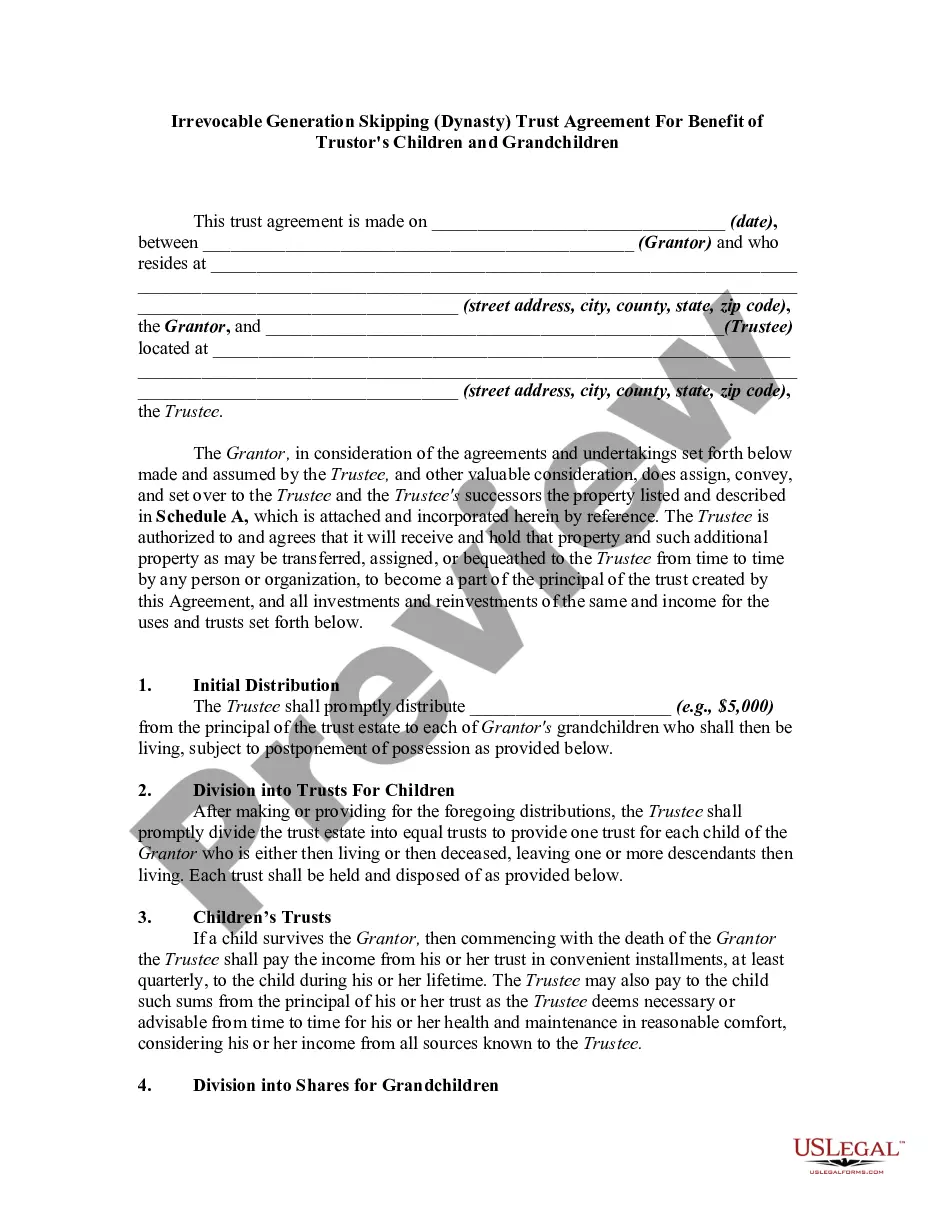
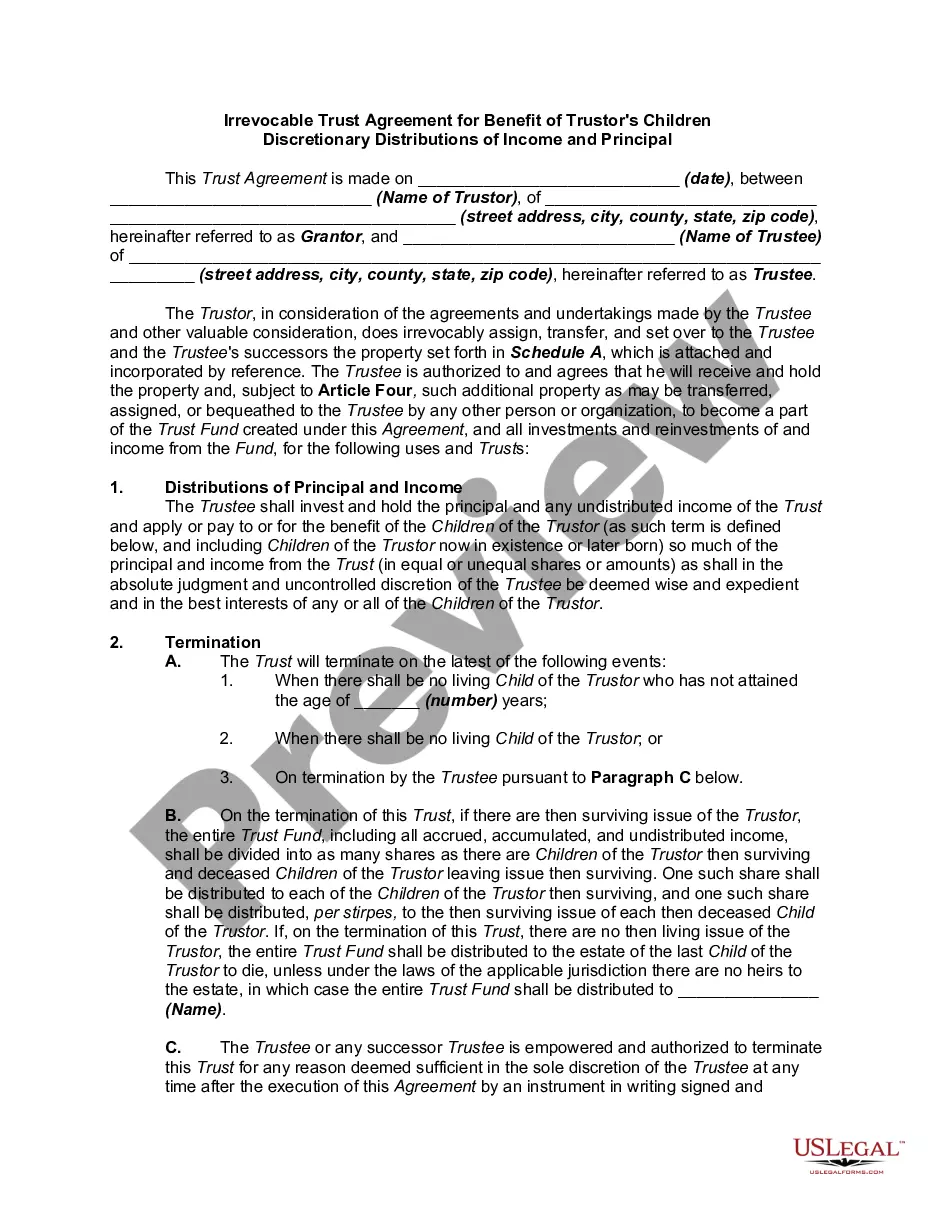
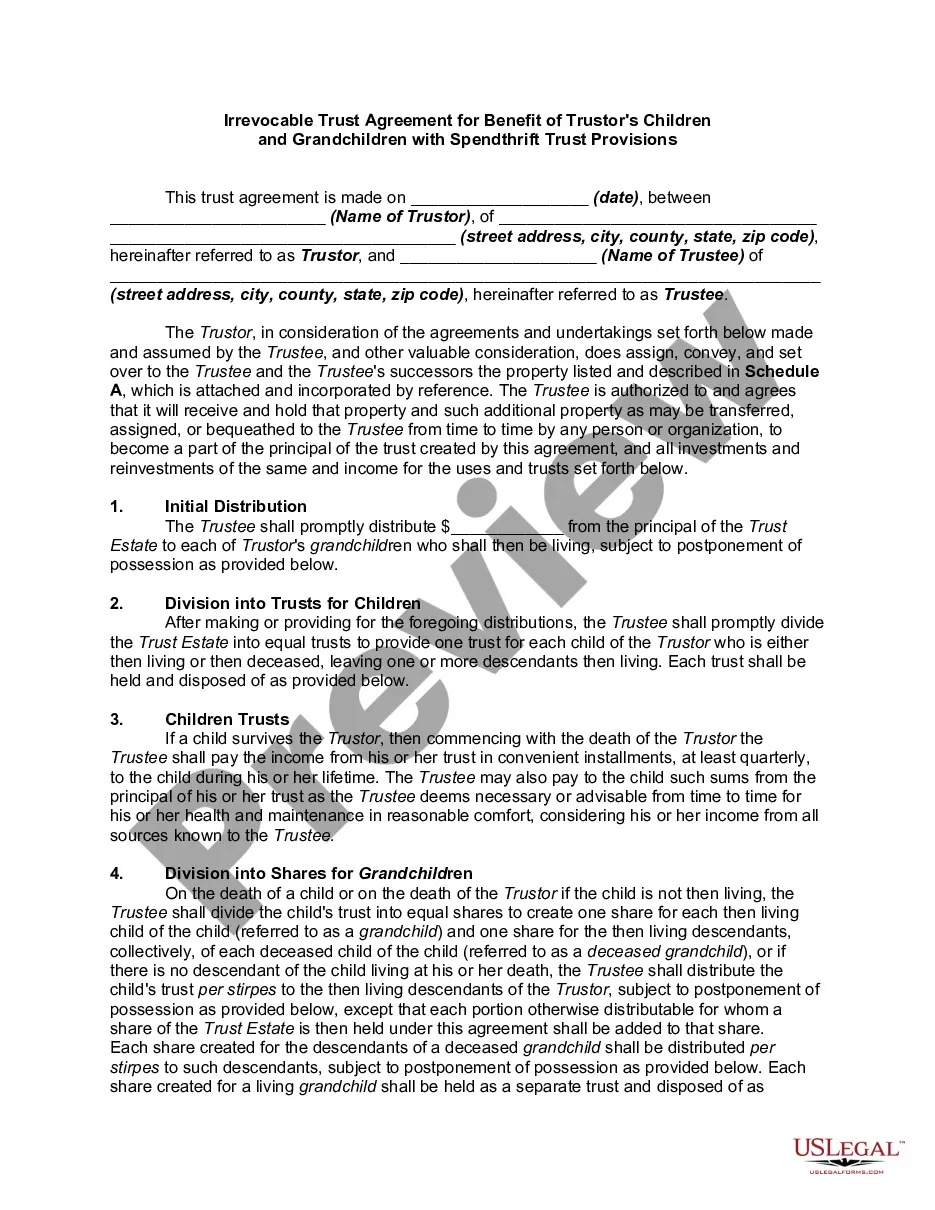

Get your form ready online
Our built-in tools help you complete, sign, share, and store your documents in one place.
Make edits, fill in missing information, and update formatting in US Legal Forms—just like you would in MS Word.
Download a copy, print it, send it by email, or mail it via USPS—whatever works best for your next step.
Sign and collect signatures with our SignNow integration. Send to multiple recipients, set reminders, and more. Go Premium to unlock E-Sign.
If this form requires notarization, complete it online through a secure video call—no need to meet a notary in person or wait for an appointment.
We protect your documents and personal data by following strict security and privacy standards.

Make edits, fill in missing information, and update formatting in US Legal Forms—just like you would in MS Word.

Download a copy, print it, send it by email, or mail it via USPS—whatever works best for your next step.

Sign and collect signatures with our SignNow integration. Send to multiple recipients, set reminders, and more. Go Premium to unlock E-Sign.

If this form requires notarization, complete it online through a secure video call—no need to meet a notary in person or wait for an appointment.

We protect your documents and personal data by following strict security and privacy standards.
Looking for another form?




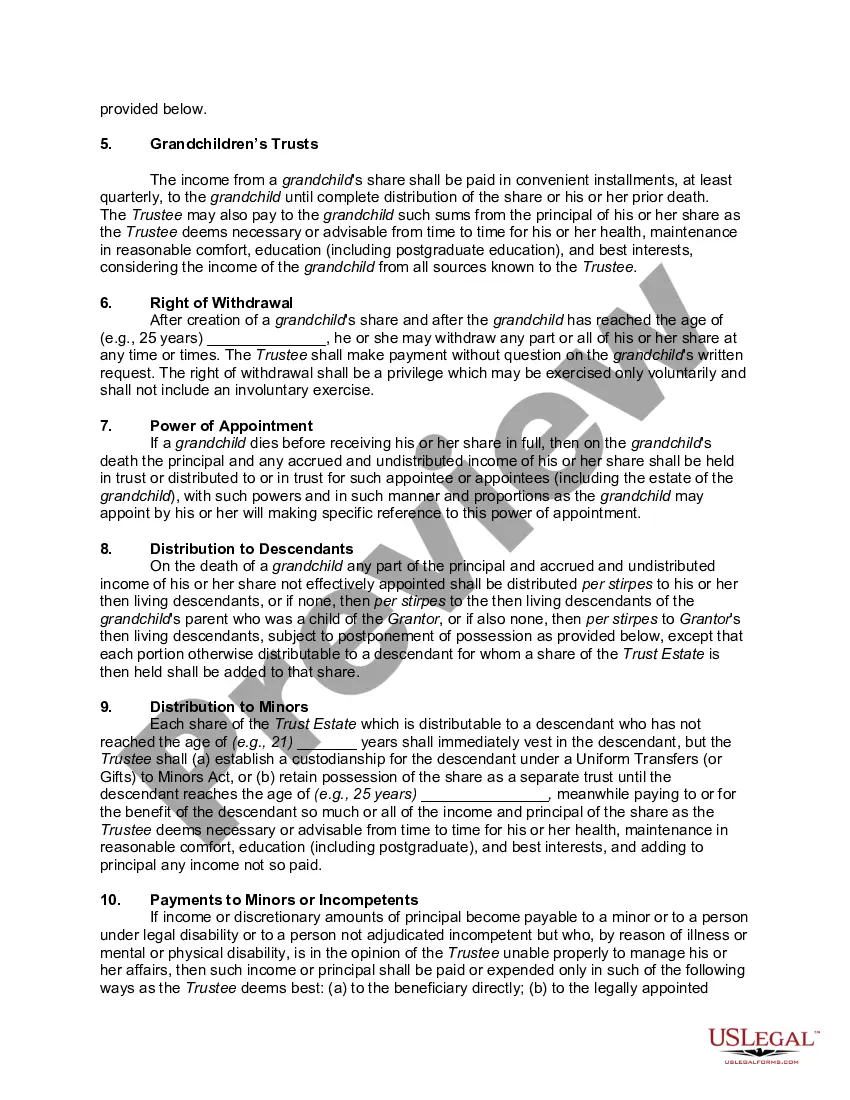
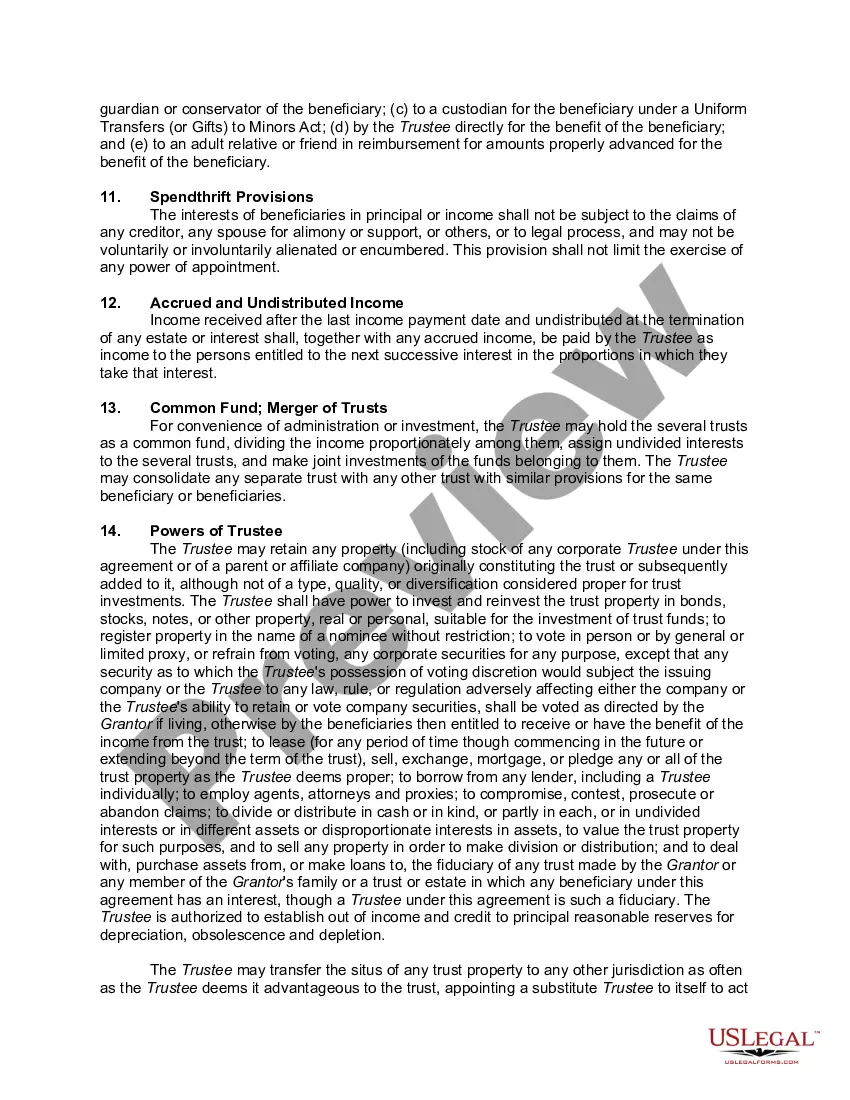
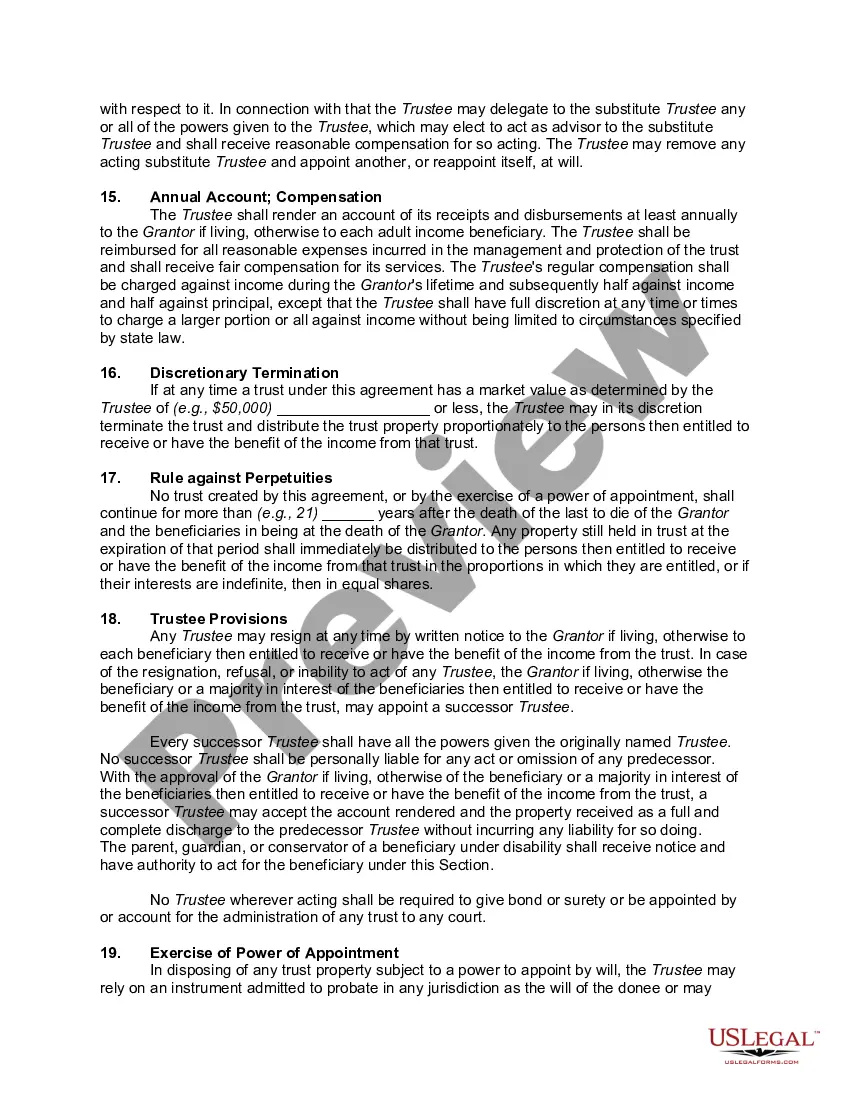
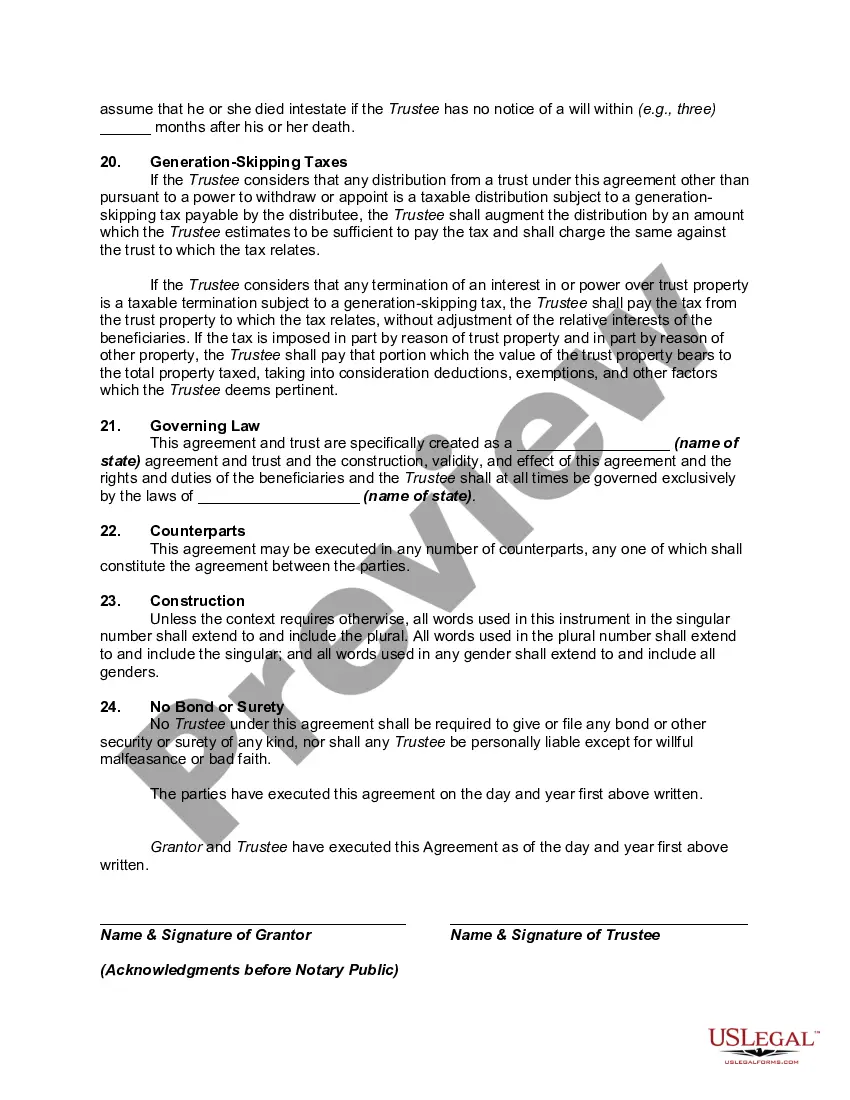
How to fill out Irrevocable Trust Agreement For Benefit Of Trustor's Children And Grandchildren?
- Log in to your existing US Legal Forms account if you are a returning user. Ensure your subscription is active; renew it if necessary to access the templates you need.
- In the Preview mode, review the details and descriptions of the irrevocable private trust forms. Confirm that the selected template aligns with your needs and adheres to your state’s regulations.
- If required, utilize the Search function to find the correct form. Select an appropriate template that resolves any discrepancies in your initial choice.
- Proceed to purchase the document by clicking the ‘Buy Now’ button. Choose a subscription plan that suits your needs, and create an account for full access to the library.
- Complete your purchase securely using either a credit card or PayPal.
- Download the completed form directly to your device for immediate use, and locate it in the ‘My Forms’ section of your profile whenever you need to access it again.
In conclusion, creating an irrevocable private trust is manageable with the right resources at your disposal. US Legal Forms offers an extensive selection of documents and expert assistance to ensure your legal needs are met accurately.
Explore US Legal Forms today to efficiently set up your irrevocable private trust!
Form popularity
FAQ
Filling out an irrevocable private trust involves several key steps. Start by gathering all necessary personal information, including details about the assets you plan to place in the trust. Next, clearly define the beneficiaries and the terms of distribution. Lastly, consider using the US Legal Forms platform, as it provides straightforward templates and guidance for crafting and completing your trust effectively.
Yes, you can write your own irrevocable private trust, but it is essential to understand the intricacies involved. Drafting a legally sound trust requires careful consideration of various state laws and specific terms. While using templates or resources can help, consulting a legal professional can provide additional guidance to ensure the trust meets legal requirements and reflects your intentions.
One major mistake parents often make when establishing an irrevocable private trust is not clearly defining their goals. Without a clear purpose, the trust may not fulfill its intended function. Additionally, parents sometimes overlook the importance of selecting the right trustee. A capable trustee is vital for managing the trust assets and ensuring compliance with its terms.
While it is possible to set up an irrevocable private trust without a lawyer, it is crucial to have a good understanding of the legal aspects involved. If you take this route, ensure you have access to accurate information and forms that comply with your state’s laws. Remember, an irrevocable private trust involves long-term commitments, so consider using services like US Legal Forms, which can guide you through the process efficiently, helping ensure compliance and clarity.
Yes, you can set up an irrevocable private trust for yourself. However, this may seem counterintuitive, as the trust usually relinquishes your control over the assets. By establishing an irrevocable private trust, you protect your assets from creditors and can achieve specific estate planning goals. Remember, once the trust is established, you cannot easily alter it, which is why using a trusted platform like US Legal Forms can provide the support you might need.
You can create an irrevocable private trust without an attorney, but it requires careful consideration of legal requirements and implications. While there are many resources available online, consulting a legal expert can help avoid potential pitfalls. It’s important to understand that an irrevocable private trust is a significant legal arrangement and any mistakes can have lasting consequences. Using platforms like US Legal Forms can guide you through the process, ensuring you meet all necessary legal standards.
People often establish an irrevocable private trust to protect assets from creditors and provide tax benefits. By removing assets from your estate, you can also reduce estate taxes, making this option attractive for estate planning. Additionally, it ensures that your assets will be distributed according to your wishes, avoiding probate complications.
The three common types of irrevocable private trusts are irrevocable life insurance trusts, charitable remainder trusts, and special needs trusts. Each type serves a distinct purpose, such as managing life insurance proceeds, supporting charitable causes, or ensuring benefits for individuals with disabilities. Understanding these types helps you choose the right structure for your needs.
The primary downside of an irrevocable private trust is the permanent loss of control over the assets you assign to it. Once funding occurs, you cannot change or revoke the trust without potentially serious consequences. This rigidity can present problems if unexpected life events arise, making it crucial to assess your long-term plans carefully.
Certain assets may not be suitable for an irrevocable private trust, including those that require active management, such as businesses or rental properties. Placing these assets in the trust can complicate their management and reduce flexibility. Also, personal items with sentimental value, like heirlooms, may be better kept outside the trust.