Loan Maturity Notice Letter Foreclosure
Description


Get your form ready online
Our built-in tools help you complete, sign, share, and store your documents in one place.
Make edits, fill in missing information, and update formatting in US Legal Forms—just like you would in MS Word.
Download a copy, print it, send it by email, or mail it via USPS—whatever works best for your next step.
Sign and collect signatures with our SignNow integration. Send to multiple recipients, set reminders, and more. Go Premium to unlock E-Sign.
If this form requires notarization, complete it online through a secure video call—no need to meet a notary in person or wait for an appointment.
We protect your documents and personal data by following strict security and privacy standards.
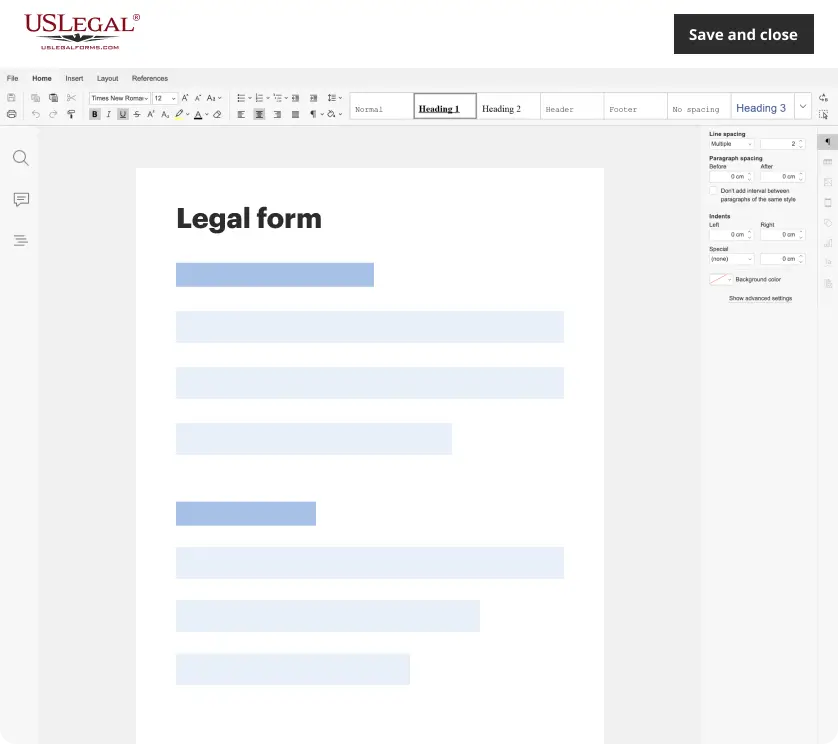
Make edits, fill in missing information, and update formatting in US Legal Forms—just like you would in MS Word.
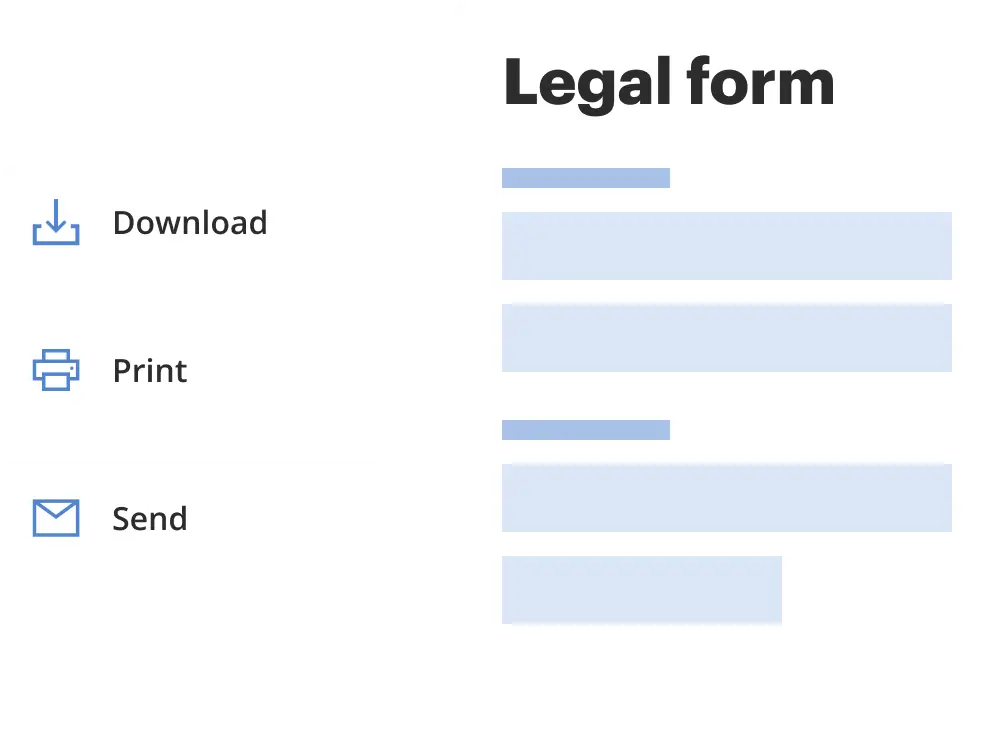
Download a copy, print it, send it by email, or mail it via USPS—whatever works best for your next step.
Sign and collect signatures with our SignNow integration. Send to multiple recipients, set reminders, and more. Go Premium to unlock E-Sign.
If this form requires notarization, complete it online through a secure video call—no need to meet a notary in person or wait for an appointment.
We protect your documents and personal data by following strict security and privacy standards.
Looking for another form?
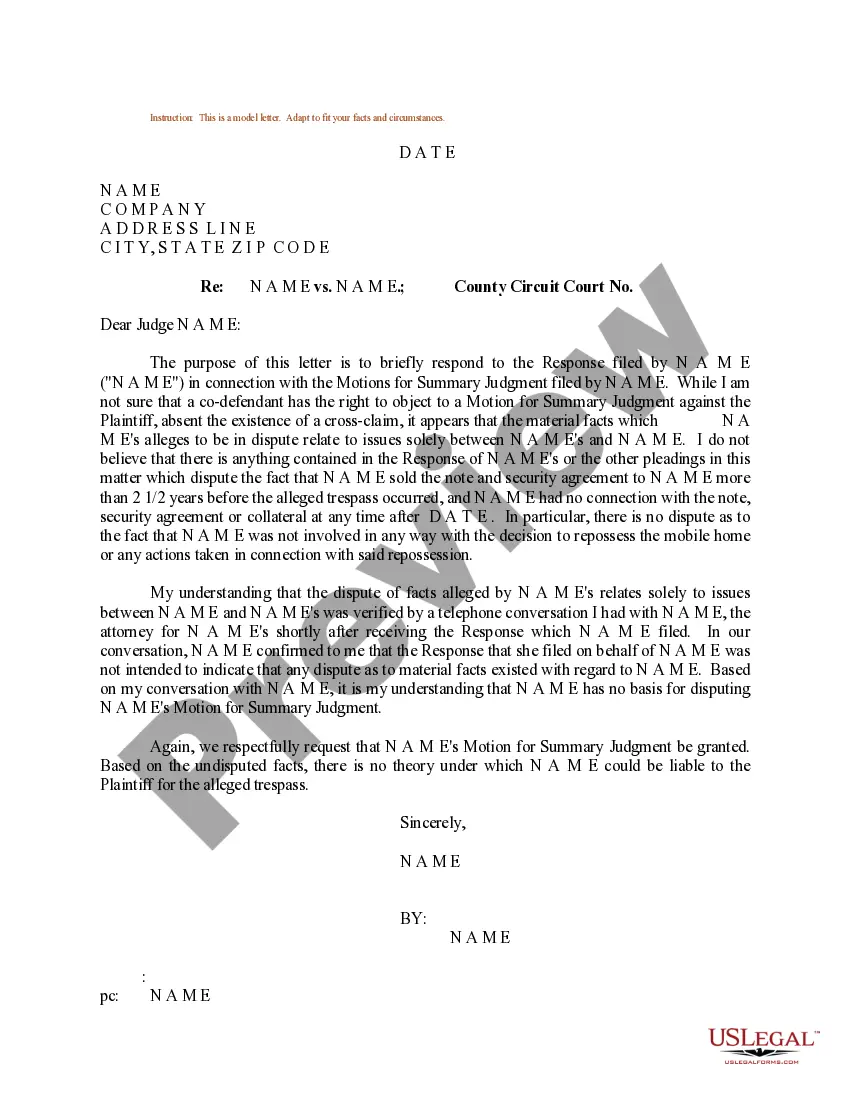
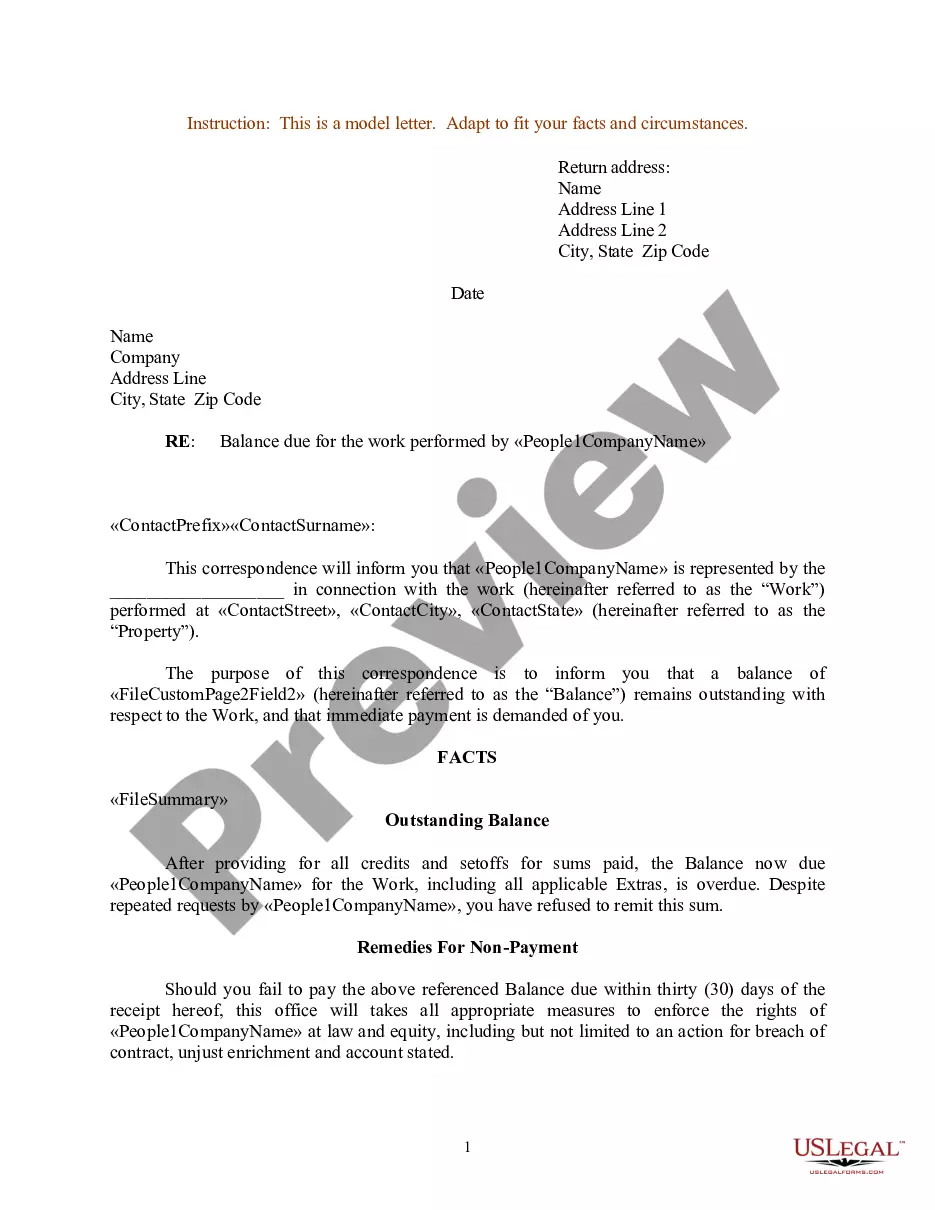
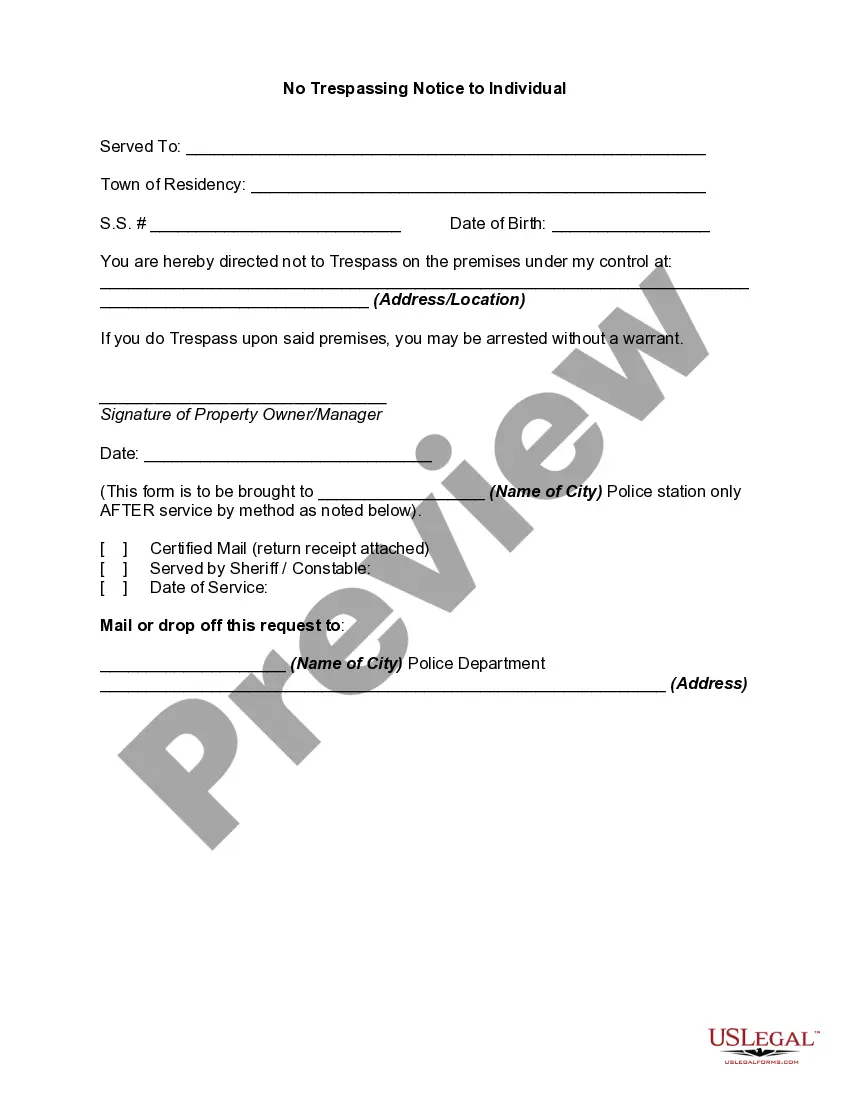
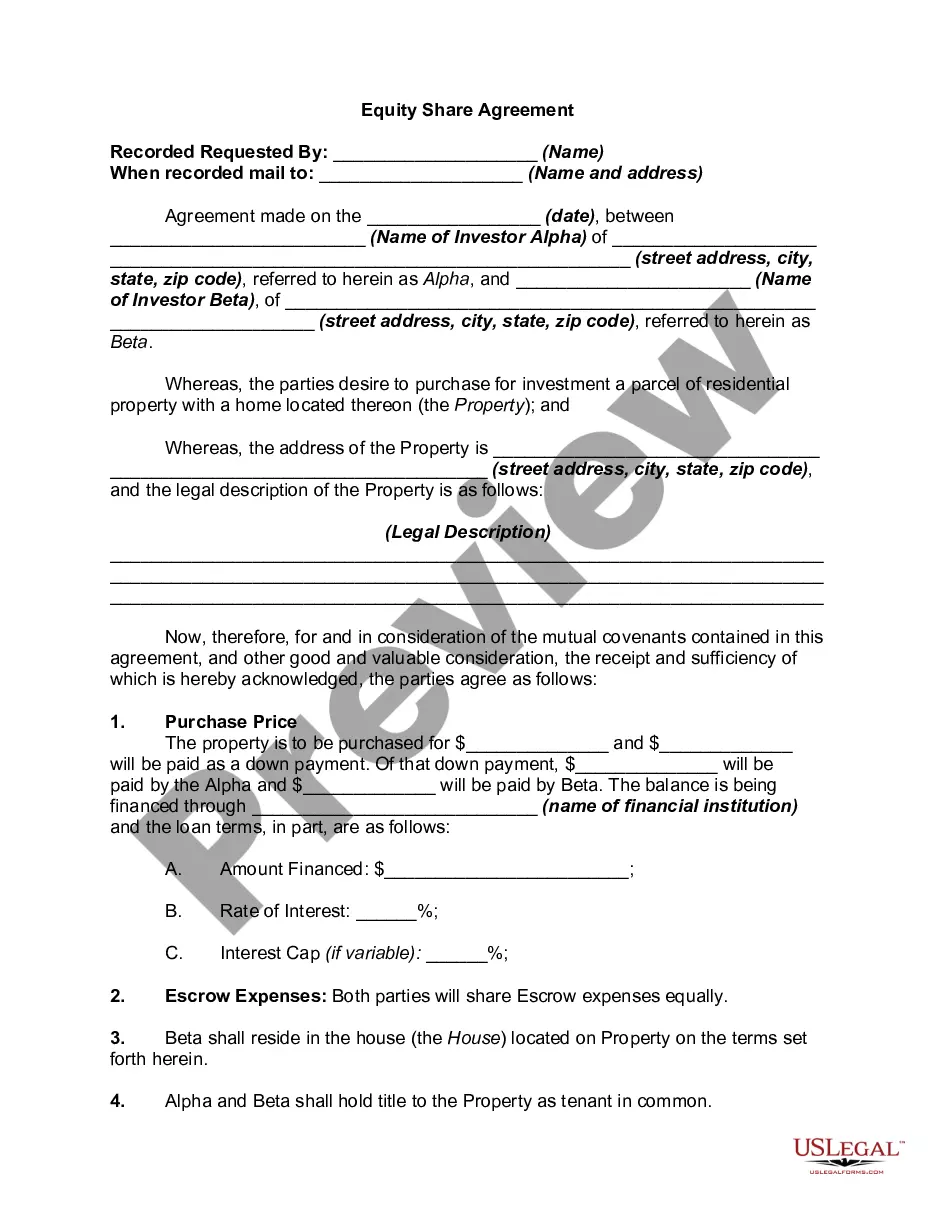
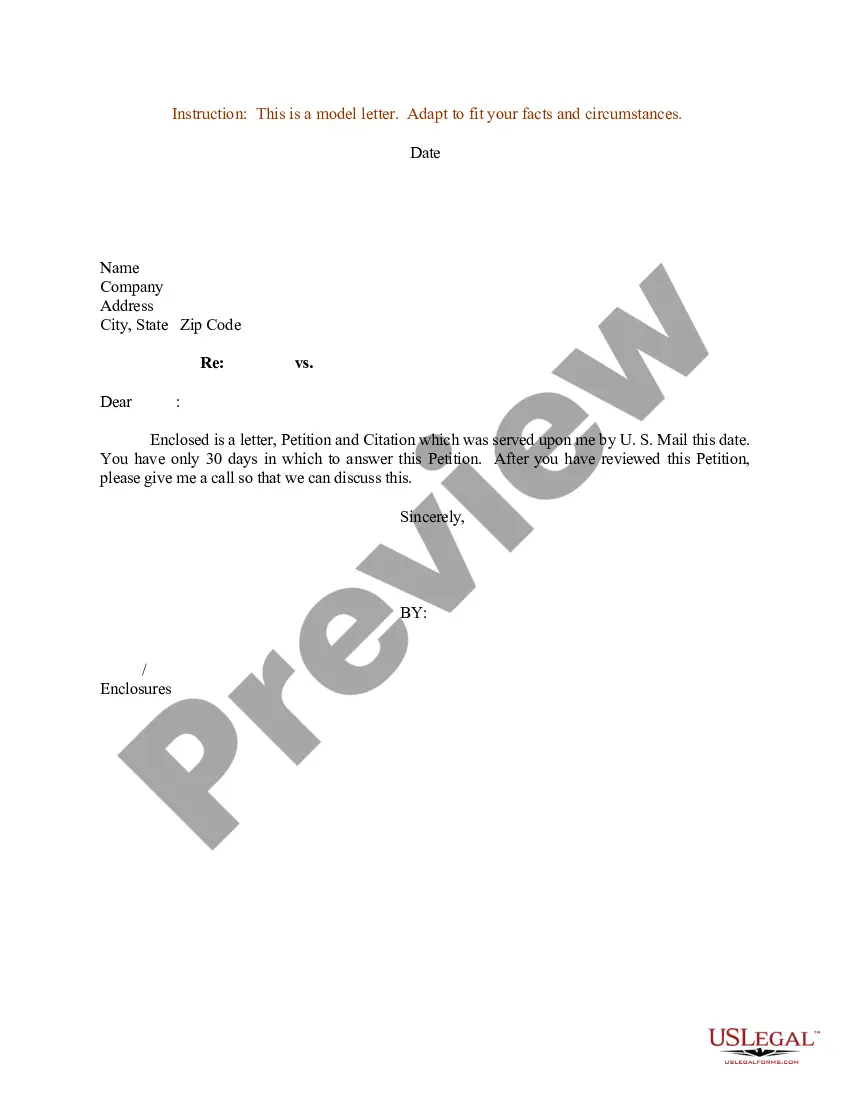
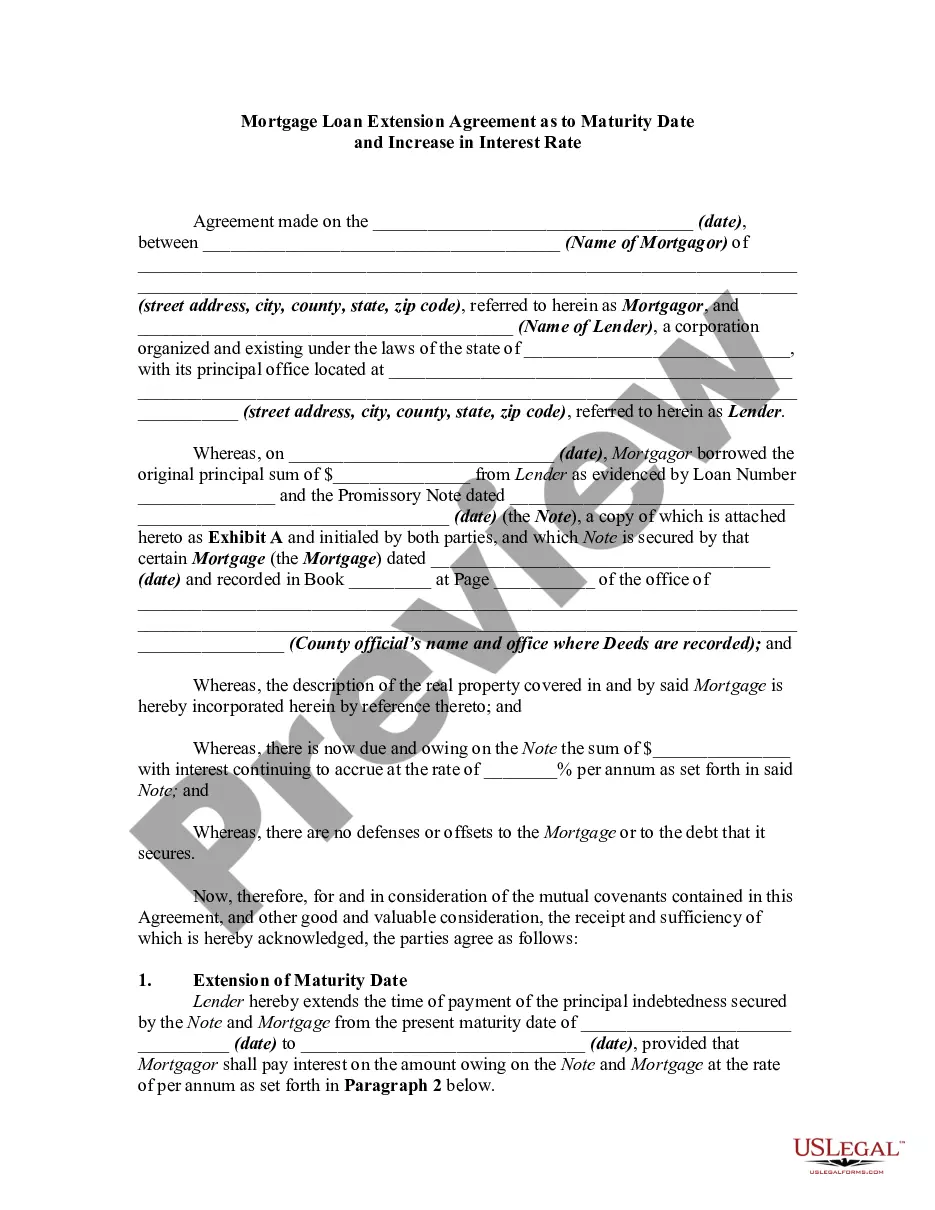
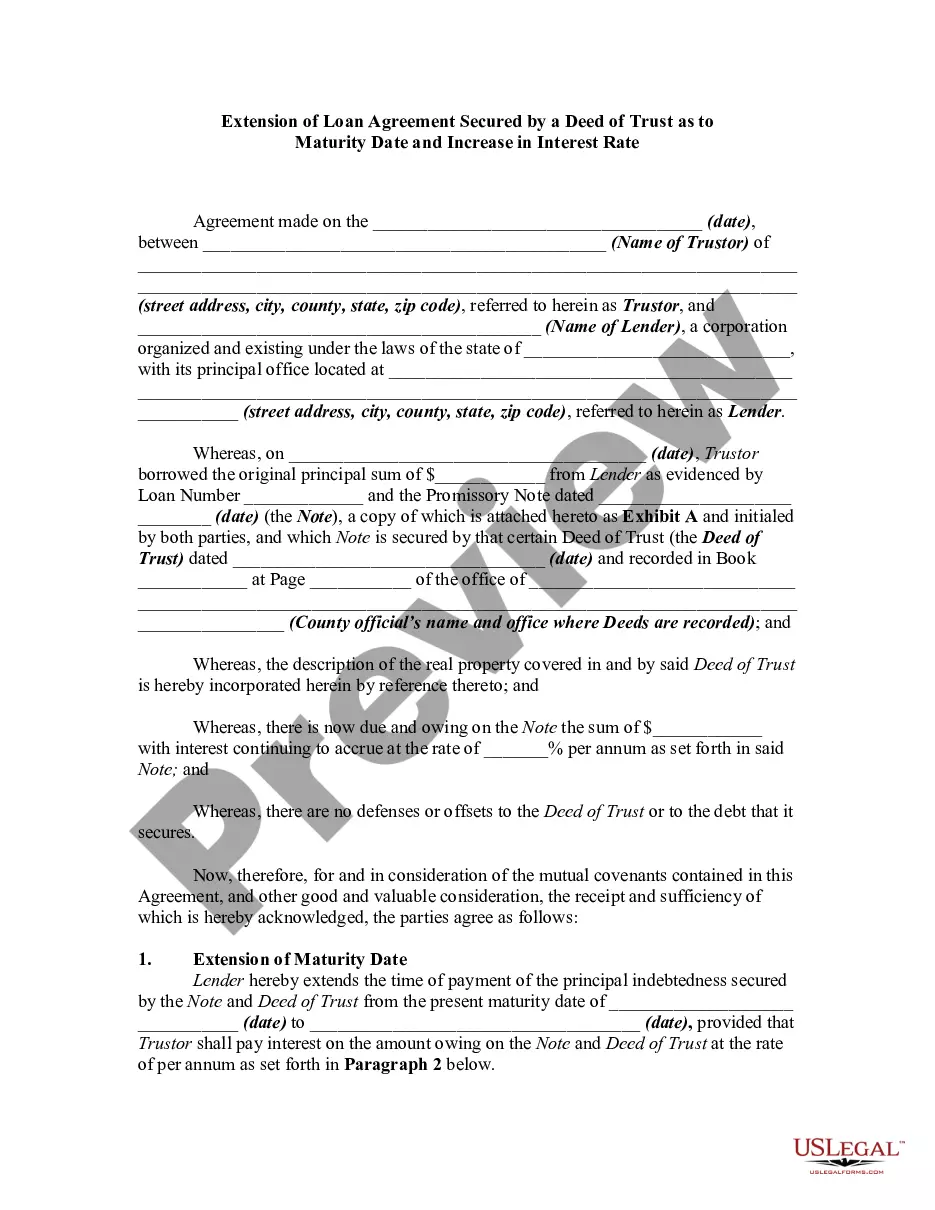
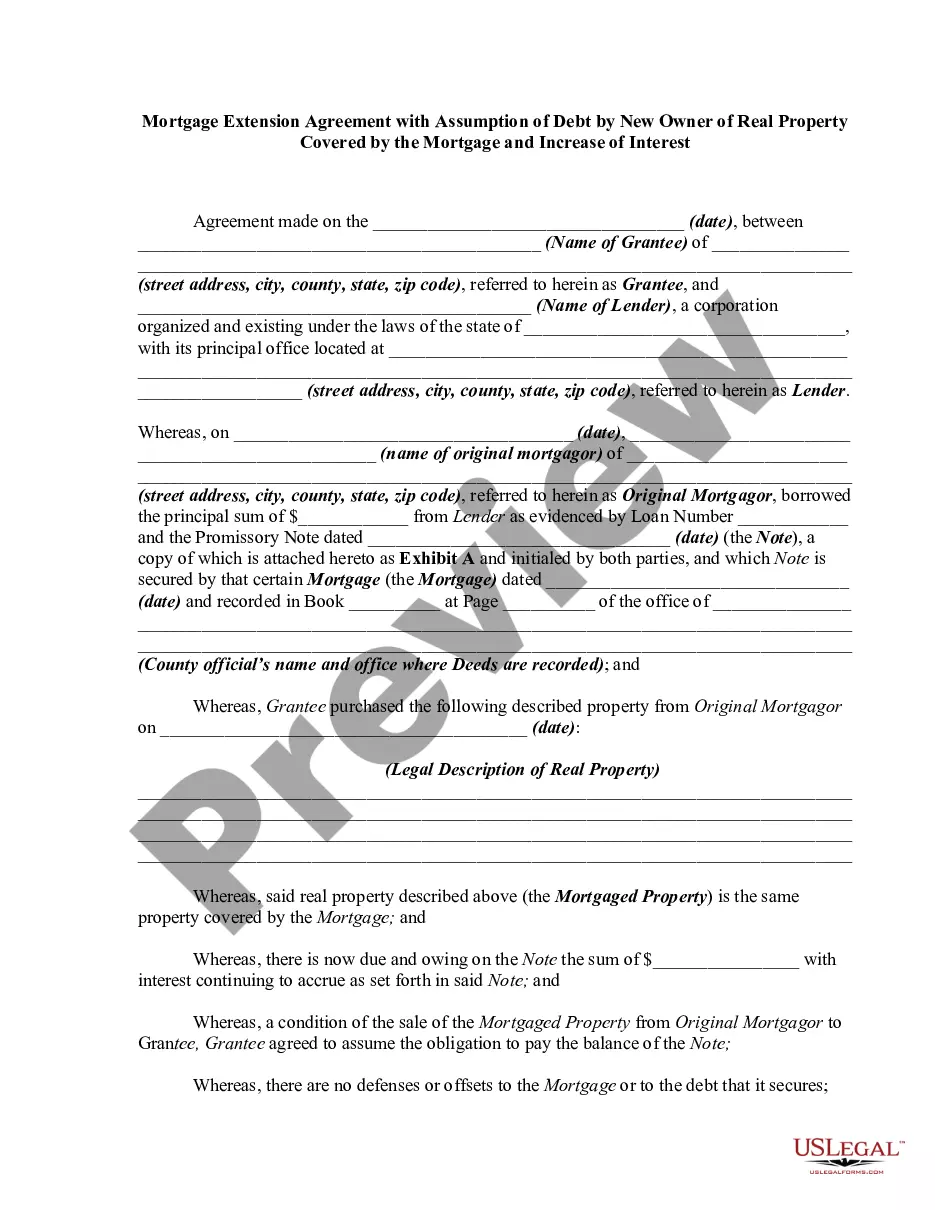
How to fill out Mortgage Loan Extension Agreement As To Maturity Date And Increase In Interest Rate?
Utilizing legal templates that adhere to federal and state regulations is essential, and the internet provides numerous options to select from.
However, what's the benefit of wasting time looking for the properly drafted Loan Maturity Notice Letter Foreclosure example online if the US Legal Forms digital library already compiles such templates in a single location.
US Legal Forms is the most extensive online legal repository with over 85,000 fillable templates crafted by attorneys for various professional and personal scenarios. They are straightforward to navigate, with all documents organized by state and intended use.
Utilize the most comprehensive and user-friendly legal document service!
- Our experts keep up with legal updates, so you can always be assured your document is current and compliant when obtaining a Loan Maturity Notice Letter Foreclosure from our site.
- Acquiring a Loan Maturity Notice Letter Foreclosure is quick and easy for both existing and new users.
- If you possess an account with an active subscription, Log In and save the template you require in the preferred format.
- If you are new to our platform, follow the instructions below.
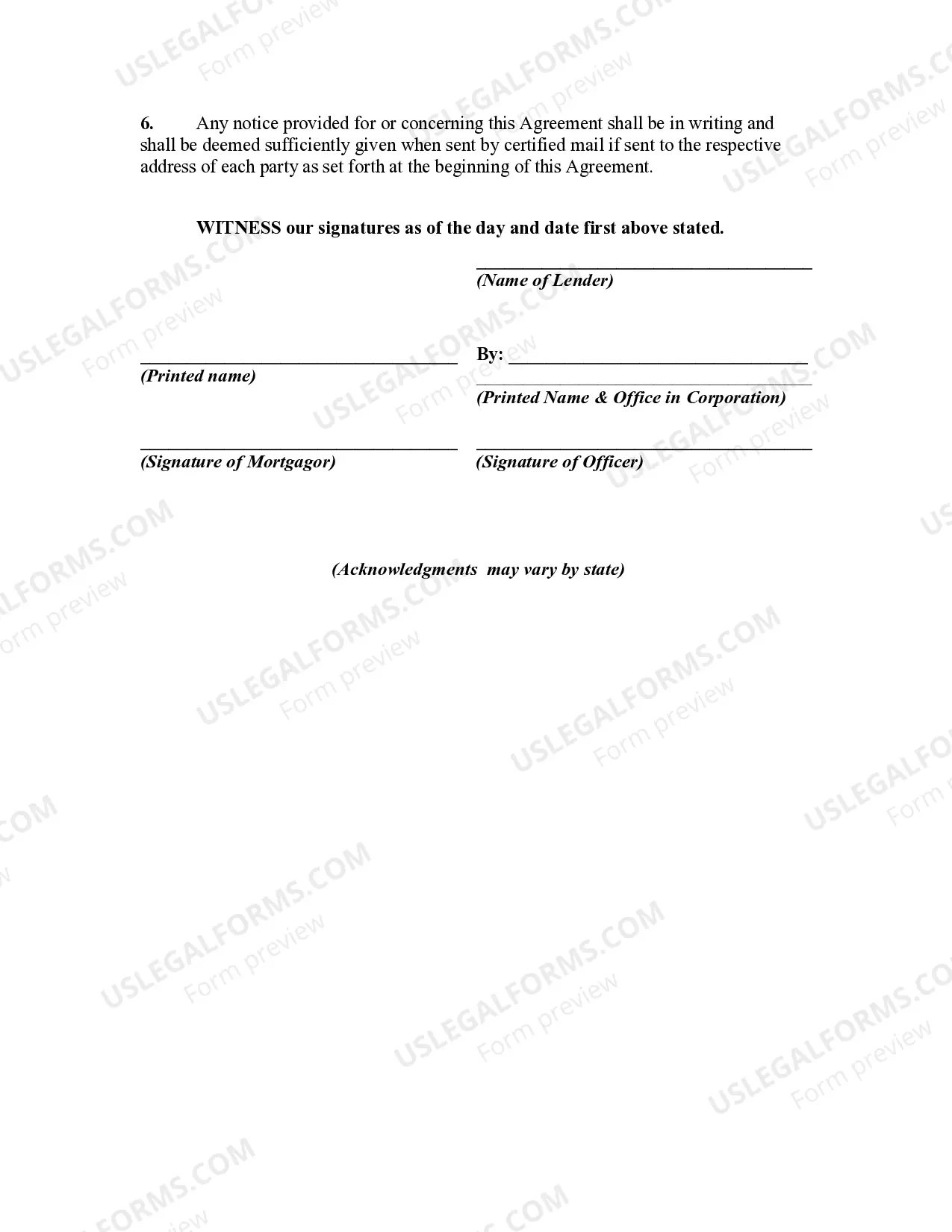
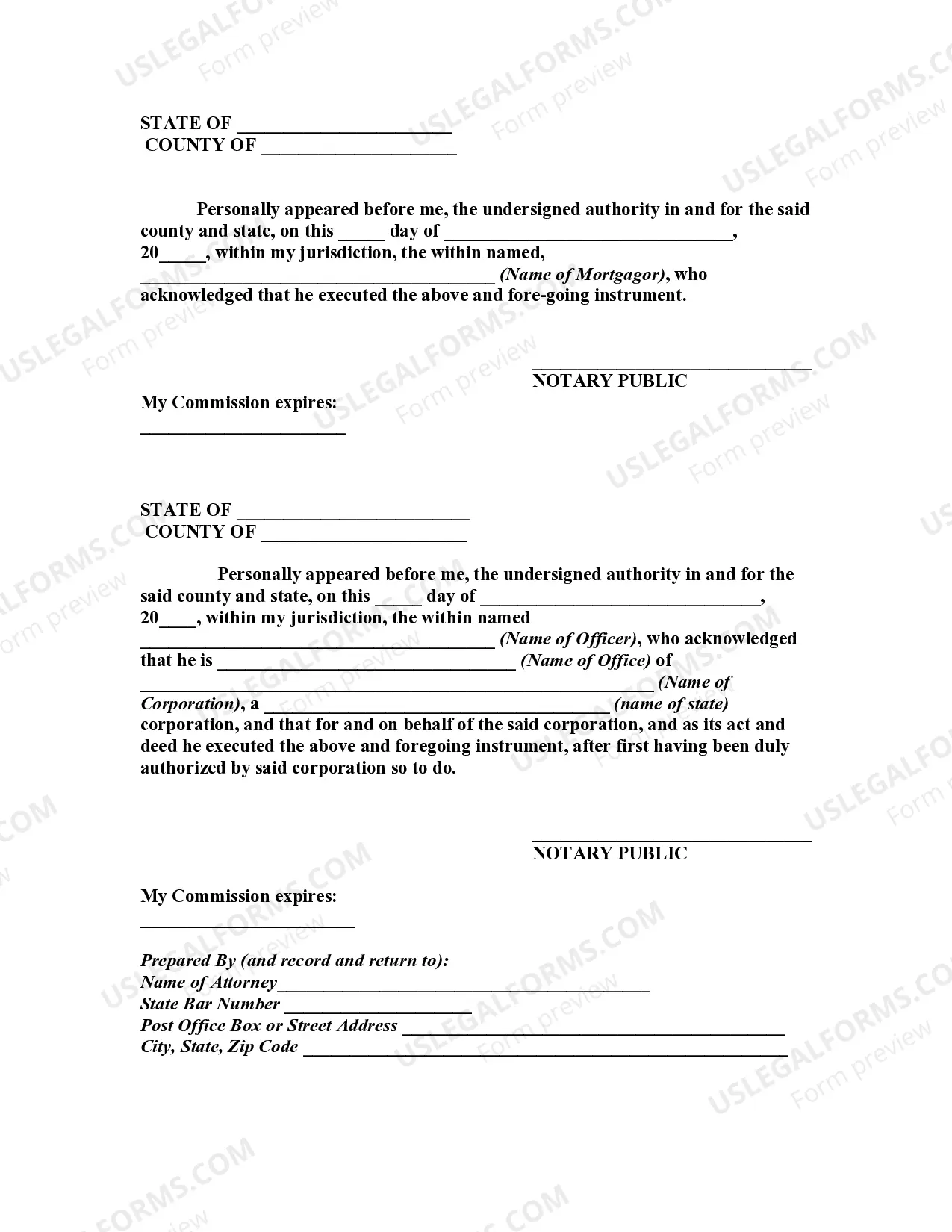
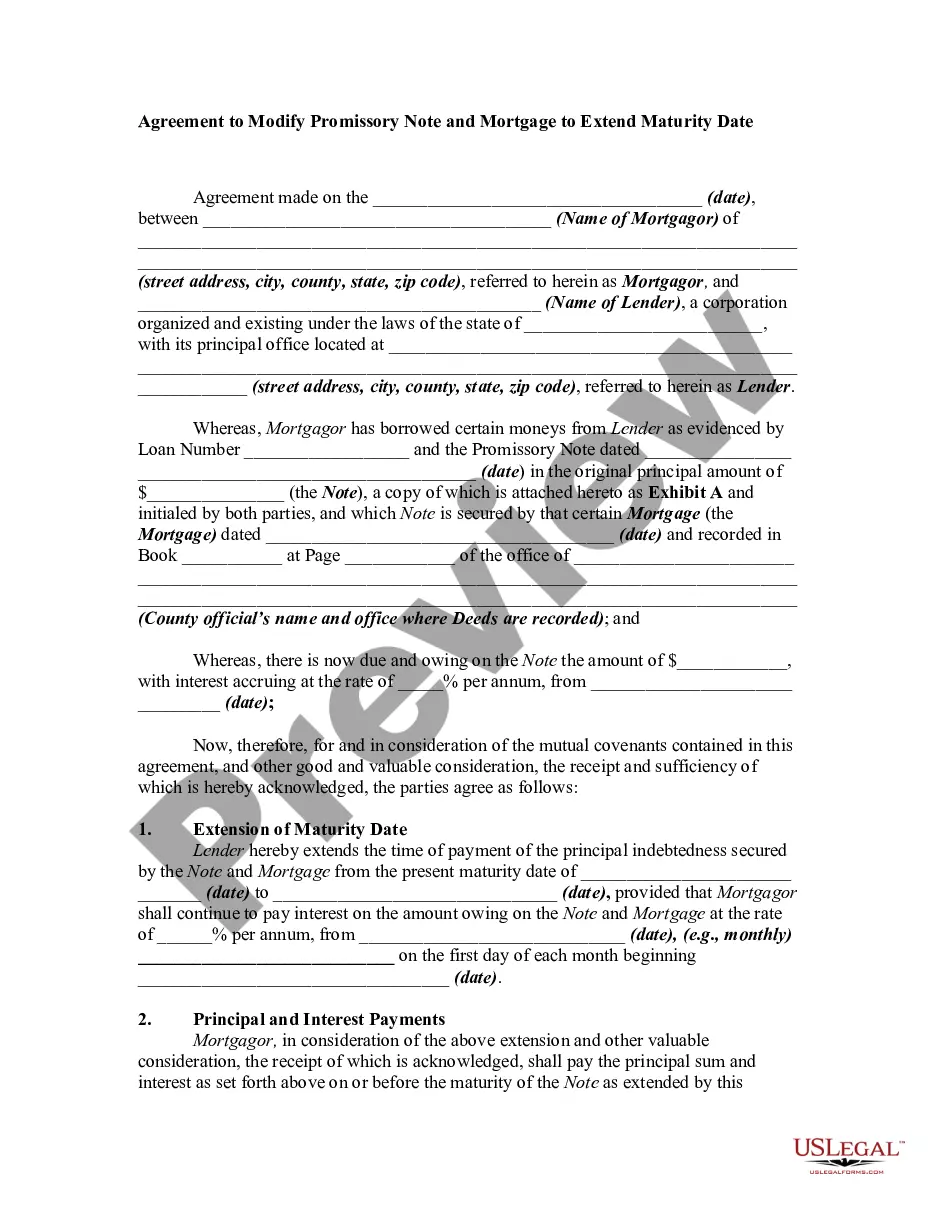
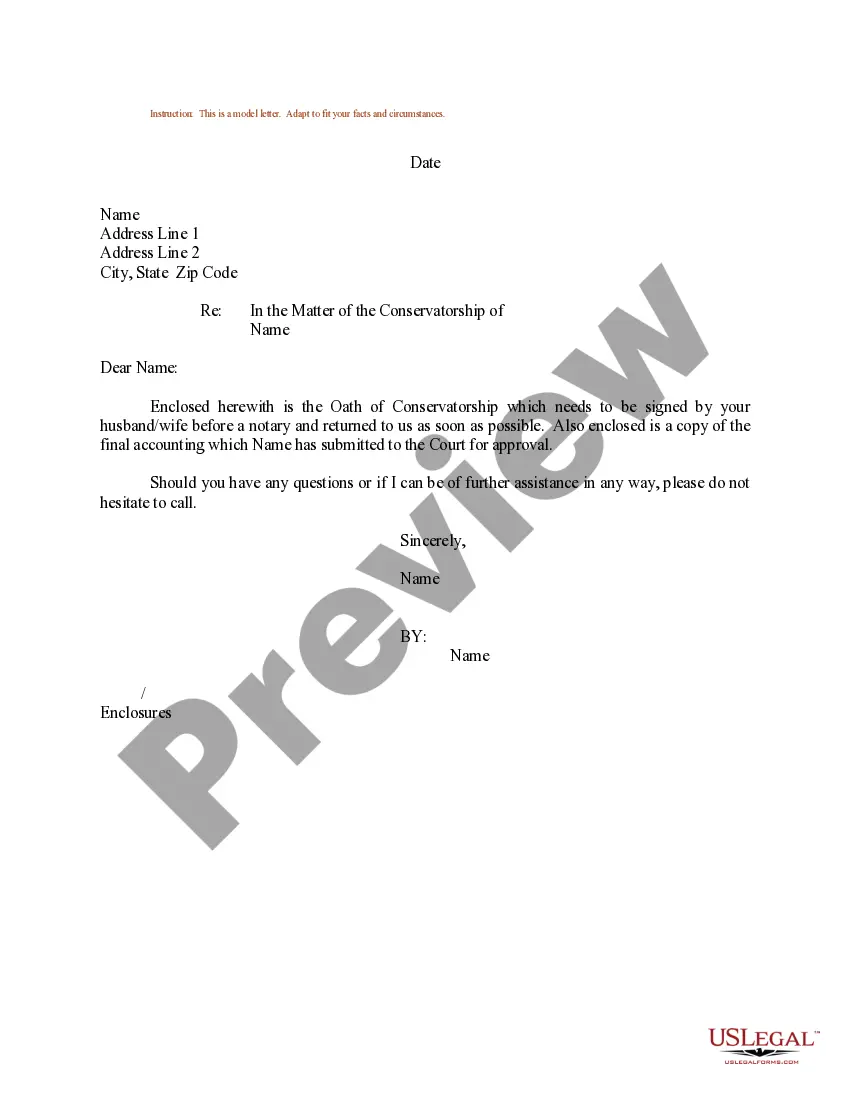
- Review the template using the Preview feature or through the textual outline to ensure it meets your requirements.
Form popularity
FAQ
Discovery is how you gather the evidence you will need to prove your case as plaintiff, or defeat the plaintiff's case as a defendant. You use discovery to find out things like: What the other side plans to say about an issue in your case. What facts or witnesses support their side.
(a) In all formal proceedings, discovery is available to the commission and the judge or justice under the Indiana Rules of Civil Procedure. A motion requesting a discovery order must be made to the circuit court, superior court, or probate court judge in the county in which the commission hearing is held.
In most jurisdictions in Indiana the prosecutor has mandatory discovery requirements. This essentially means if there is evidence the State has in its possession or in the possession of law enforcement then they are obligated to turn that over to the defendant.
To request a copy of a court record, please use our online records request portal. Many court records can be found online on mycase.in.gov.
A party may discover facts known or opinions held by an expert who has been retained or specially employed by another party in anticipation of litigation or preparation for trial and who is not expected to be called as a witness at trial, only as provided in Rule 35(B) or upon a showing of exceptional circumstances ...
Discovery may be had in a manner generally pursuant to the rules governing any other civil action, but only upon the approval of the court and under such limitations as may be specified. The court should grant discovery only upon notice and good cause shown and should limit such action to the necessities of the case.
Anyone may search mycase.in.gov for public (non-confidential) case information and documents. Many documents are available online, free of charge. However, some documents are not online and the availability of documents may not include older cases.
(A) If an arrestee does not present a substantial risk of flight or danger to themselves or others, the court should release the arrestee without money bail or surety subject to such restrictions and conditions as determined by the court except when: (1) The arrestee is charged with murder or treason.