A Transfer Of Real Property Interest For Valuable Consideration
Description
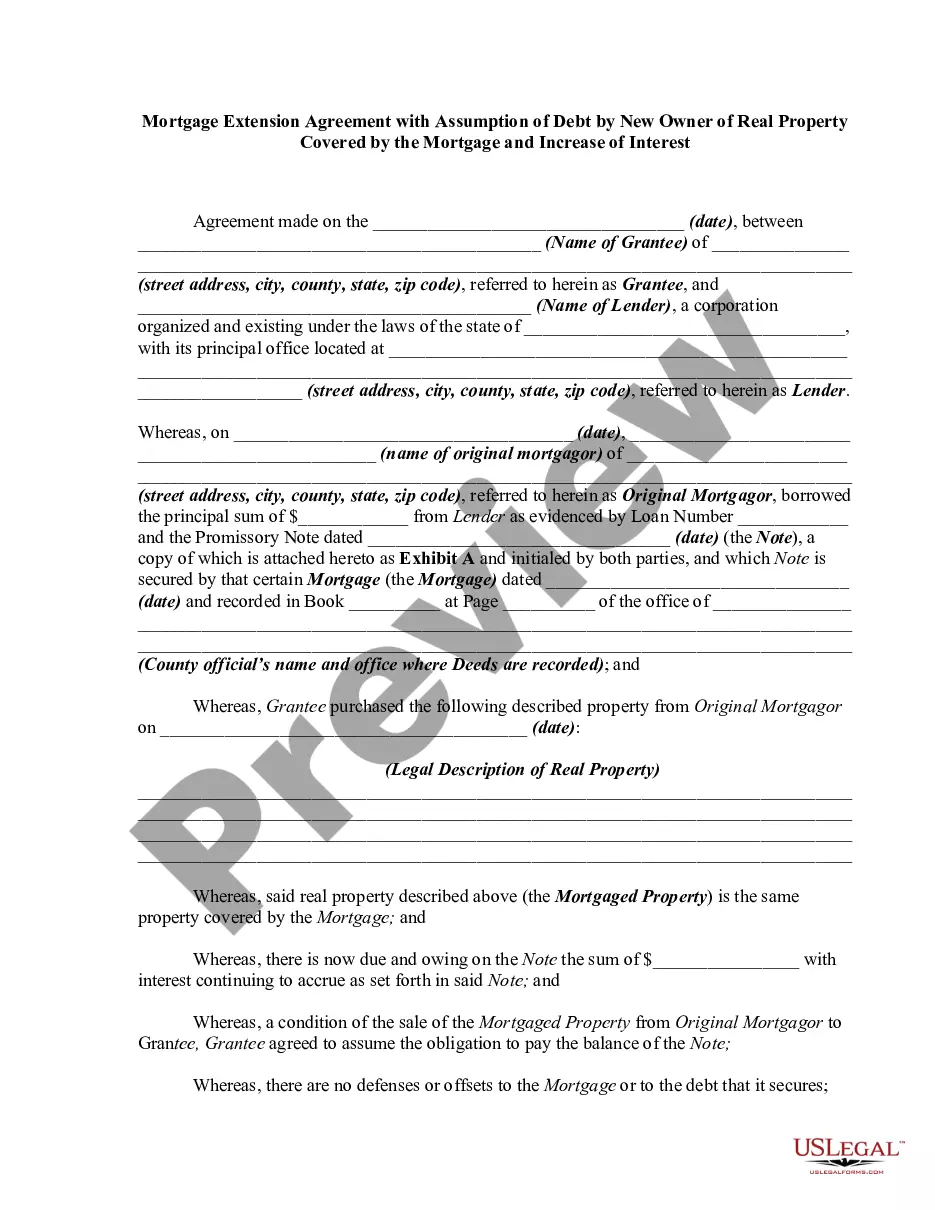
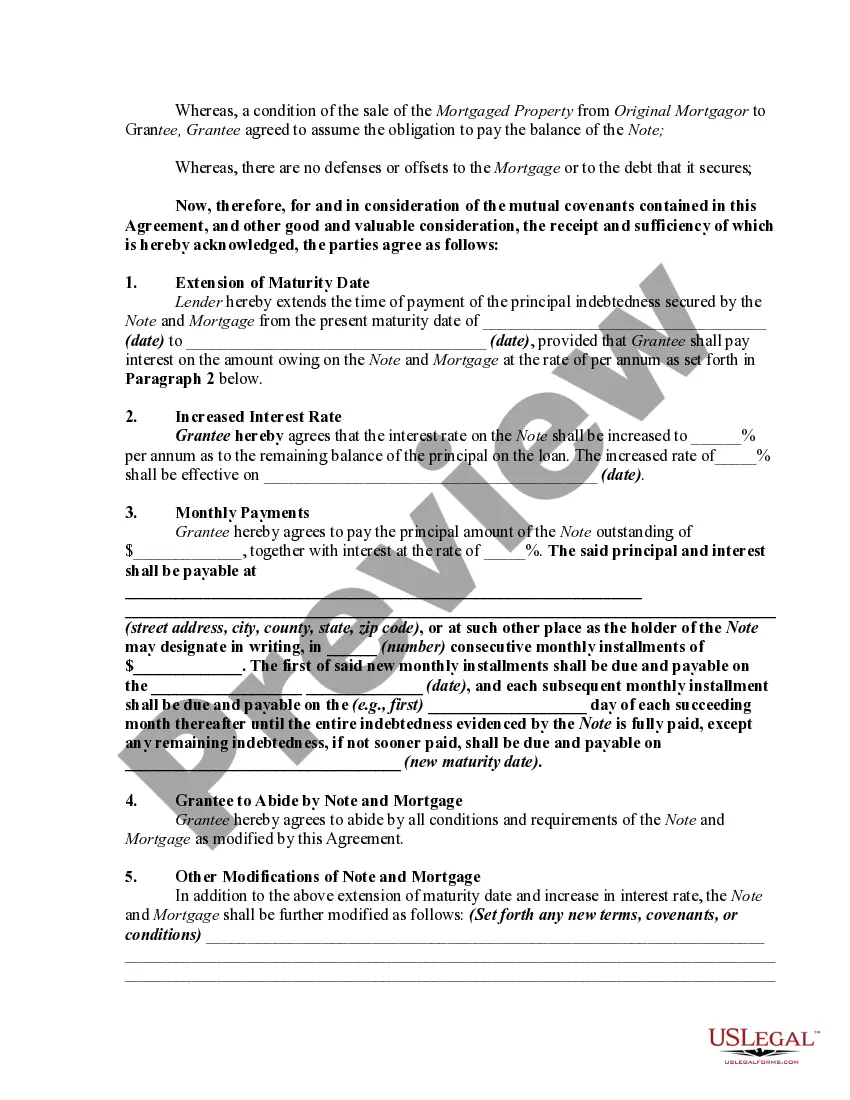
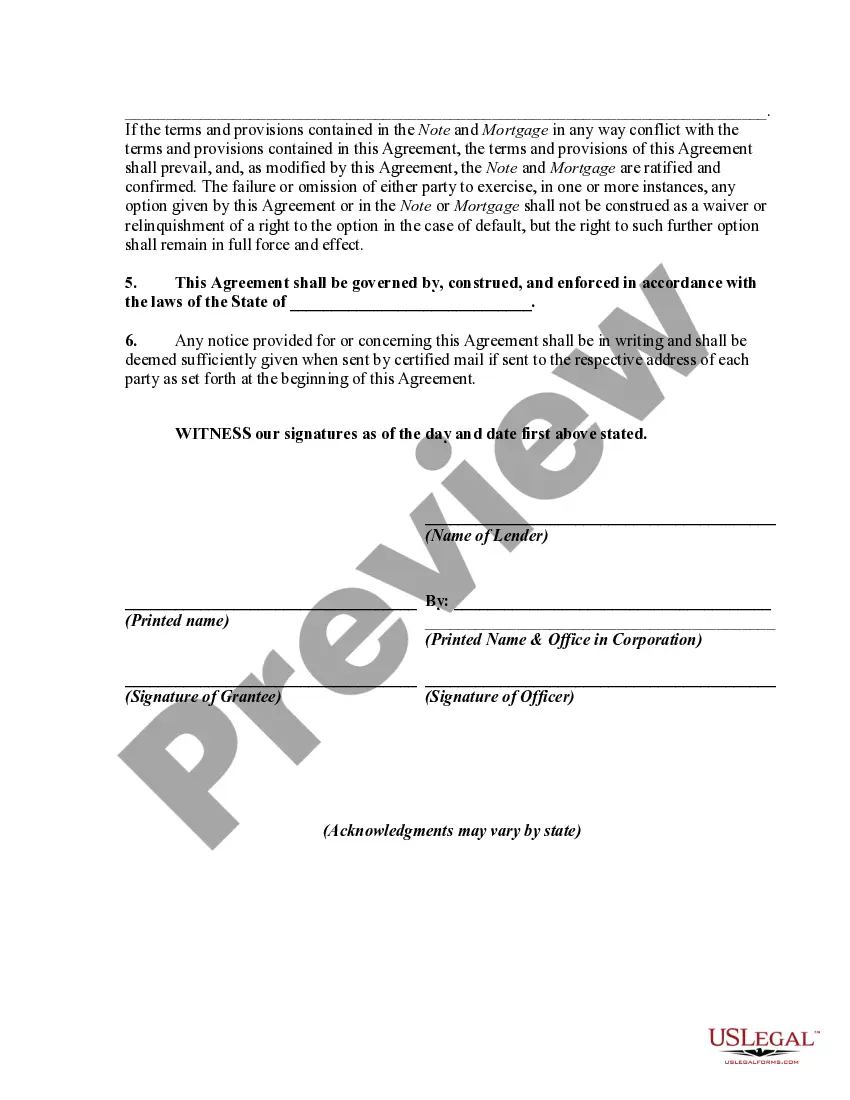
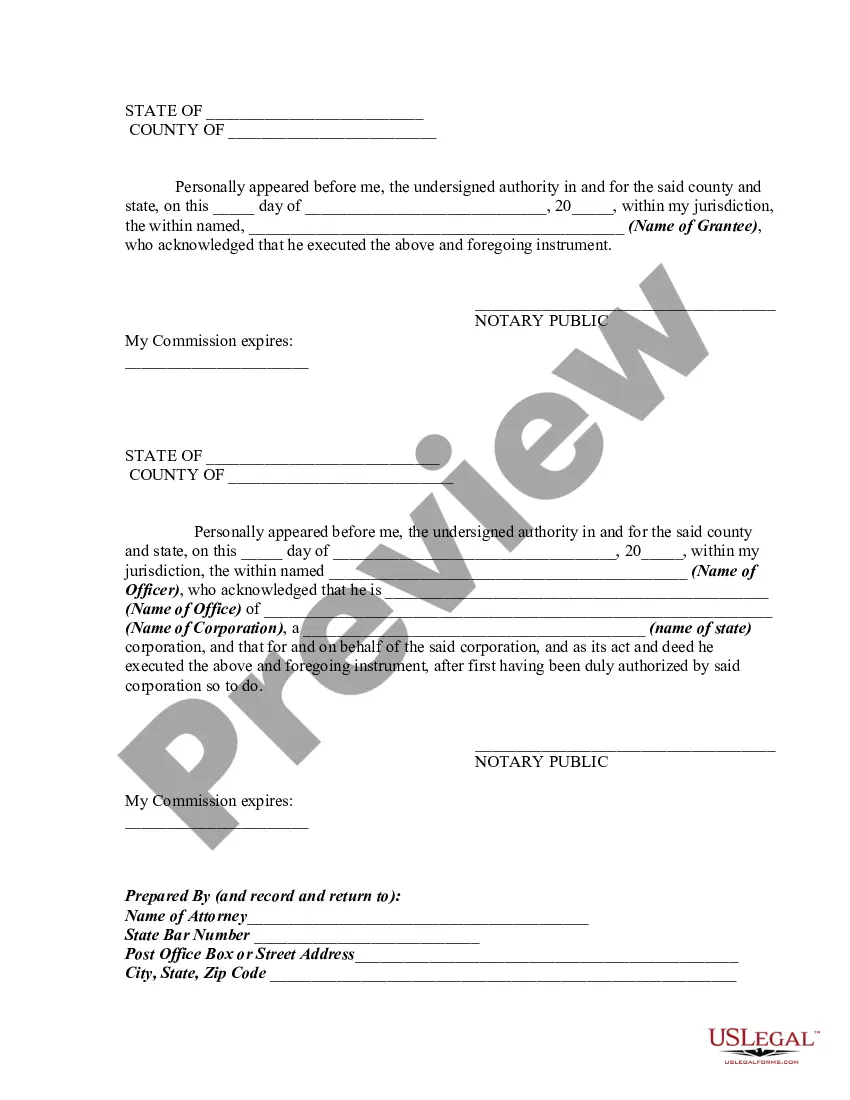
Get your form ready online
Our built-in tools help you complete, sign, share, and store your documents in one place.
Make edits, fill in missing information, and update formatting in US Legal Forms—just like you would in MS Word.
Download a copy, print it, send it by email, or mail it via USPS—whatever works best for your next step.
Sign and collect signatures with our SignNow integration. Send to multiple recipients, set reminders, and more. Go Premium to unlock E-Sign.
If this form requires notarization, complete it online through a secure video call—no need to meet a notary in person or wait for an appointment.
We protect your documents and personal data by following strict security and privacy standards.

Make edits, fill in missing information, and update formatting in US Legal Forms—just like you would in MS Word.

Download a copy, print it, send it by email, or mail it via USPS—whatever works best for your next step.

Sign and collect signatures with our SignNow integration. Send to multiple recipients, set reminders, and more. Go Premium to unlock E-Sign.

If this form requires notarization, complete it online through a secure video call—no need to meet a notary in person or wait for an appointment.

We protect your documents and personal data by following strict security and privacy standards.
Looking for another form?
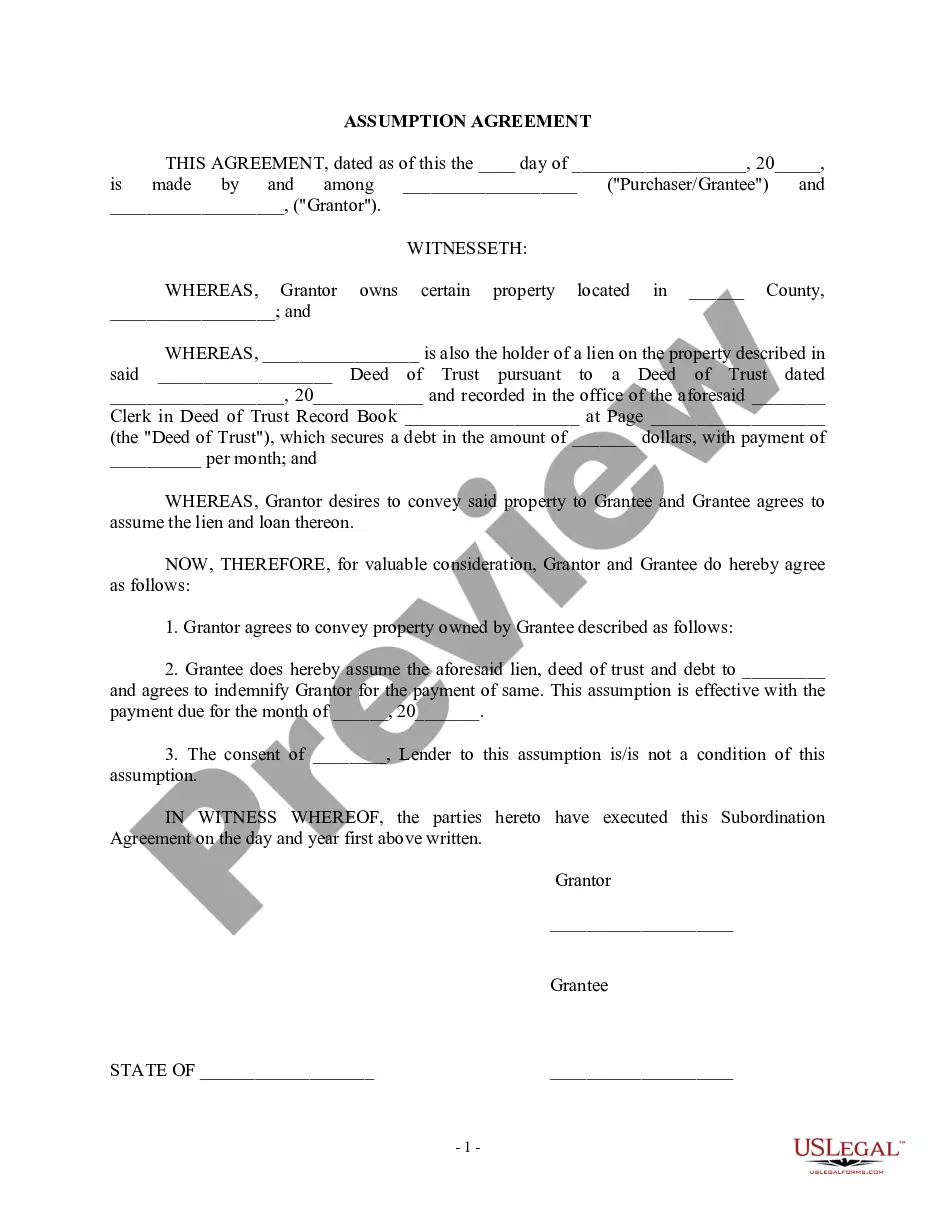
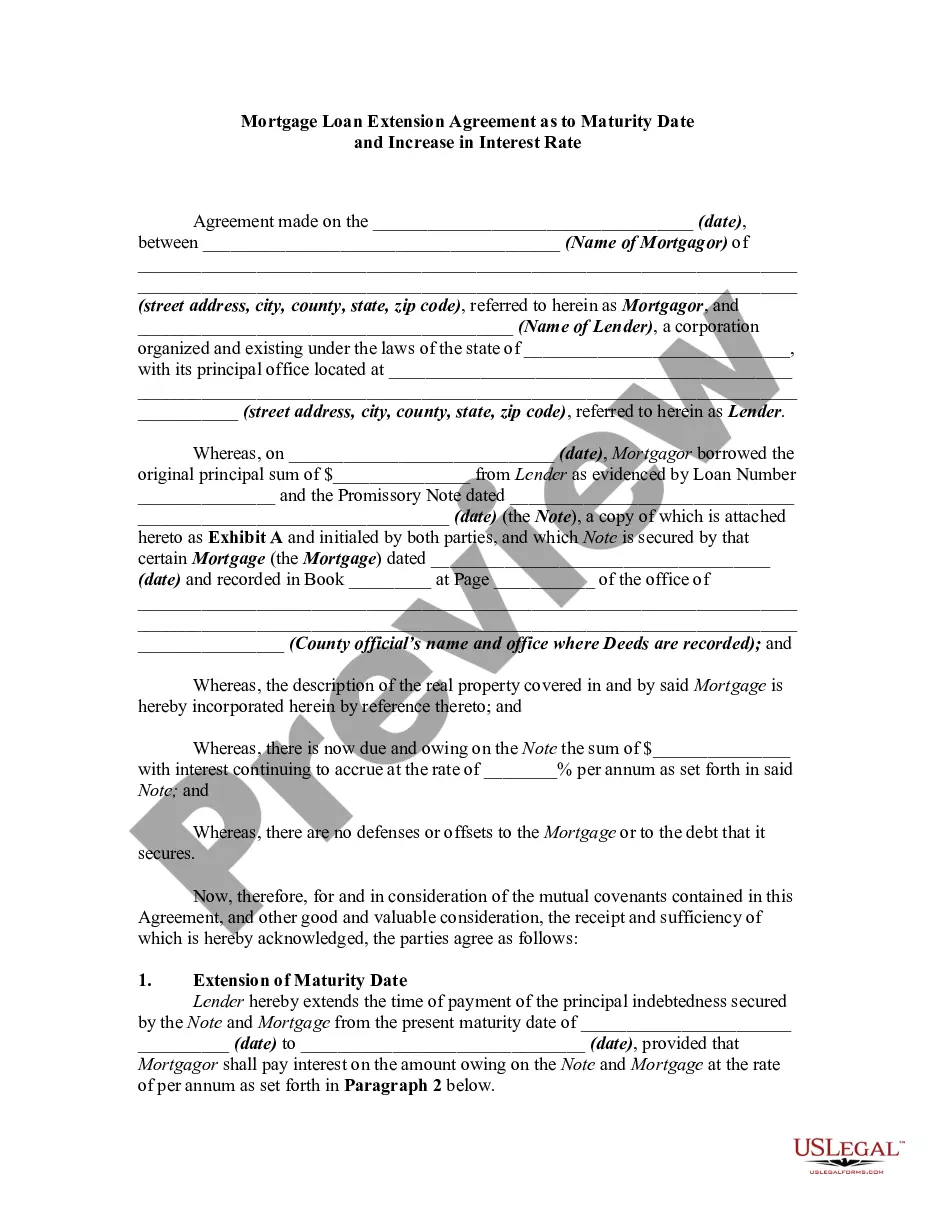
How to fill out Mortgage Extension Agreement With Assumption Of Debt By New Owner Of Real Property Covered By The Mortgage And Increase Of Interest?
- Log in to your US Legal Forms account if you're a returning user. Ensure your subscription is active before proceeding.
- Preview the form description and double-check that it meets your particular requirements and complies with local jurisdiction.
- If necessary, utilize the Search function to find additional templates that better suit your needs.
- Purchase the document by clicking the Buy Now button and selecting a suitable subscription plan. You’ll need to create an account for access.
- Enter your payment information through a credit card or PayPal to complete the subscription purchase.
- Download your form to your device. You can access it anytime from the My Forms section of your profile.
In conclusion, US Legal Forms makes it easy for you to manage legal documentation, empowering you with access to over 85,000 forms and expert support. Streamline your experience today and ensure that your documents are both compliant and accurate.
Get started now and explore the extensive library available at US Legal Forms!
Form popularity
FAQ
Property disclosure form requirements vary by state; not all states mandate them. However, many states, including Indiana, emphasize the importance of disclosures during a transfer of real property interest for valuable consideration. To navigate these differences confidently, consider using the US Legal Forms platform, which offers comprehensive resources to assist buyers and sellers in understanding their obligations.
Indeed, an Indiana sales disclosure form is required for most residential real estate transactions. It plays a crucial role in the process, promoting transparency and trust between buyers and sellers during the transfer of real property interest for valuable consideration. By providing this form, sellers help buyers assess the property accurately.
When a buyer receives an amended transfer disclosure statement in a residential property transaction, he is entitled to review the changes made. This ensures that the buyer is fully informed about any new issues that may affect the property's value or safety during the transfer of real property interest for valuable consideration. Being privy to updated information empowers buyers to make sound decisions.
In Indiana, the responsibility to complete the seller's residential real estate sales disclosure form lies with the seller. The seller must provide accurate information about the property's condition to ensure transparency during the transfer of real property interest for valuable consideration. Buyers benefit from this disclosure, as it equips them with essential knowledge for making informed decisions.
A grantor can transfer an uncertain interest in real property through a quitclaim deed, which conveys whatever interest the grantor may have in the property, without guaranteeing its validity. This type of deed is particularly useful when the extent of the interest is unclear. In such cases, it represents a straightforward method of a transfer of real property interest for valuable consideration, though it may carry more risk for the grantee.
The primary document used to transfer real estate interests is the deed. A deed includes essential information about the transaction and serves as proof of ownership after the transfer. When you want a seamless transfer of real property interest for valuable consideration, utilizing a professionally drafted deed is crucial to avoid future disputes.
The most common way to transfer ownership interests in property is through a deed. A deed acts as a legal document that officially outlines the transfer details, including the parties involved and the property description. This process exemplifies a transfer of real property interest for valuable consideration, providing a clear record of the ownership change.
Interests in leased property can be transferred through assignments or subleases, depending on the specific terms of the lease agreement. This allows the original tenant to transfer their rights and obligations to another party. When this transfer occurs, it often requires that a transfer of real property interest for valuable consideration be explicitly stated to ensure all parties understand the arrangement.
Conveying interest in a property means transferring the legal rights or ownership of that property from one party to another. This process is essential in real estate transactions, and it usually involves a formal agreement. A transfer of real property interest for valuable consideration signifies that something of value is exchanged, which reinforces the validity of the transaction.
Interests in real property are transferred through legal instruments such as deeds, contracts, or agreements. Each method requires a clear understanding of valuable consideration to ensure validity. By using platforms like USLegalForms, you can easily create the necessary documents to facilitate a smooth transfer of real property interest for valuable consideration.