Fair Housing Act In 1988
Description
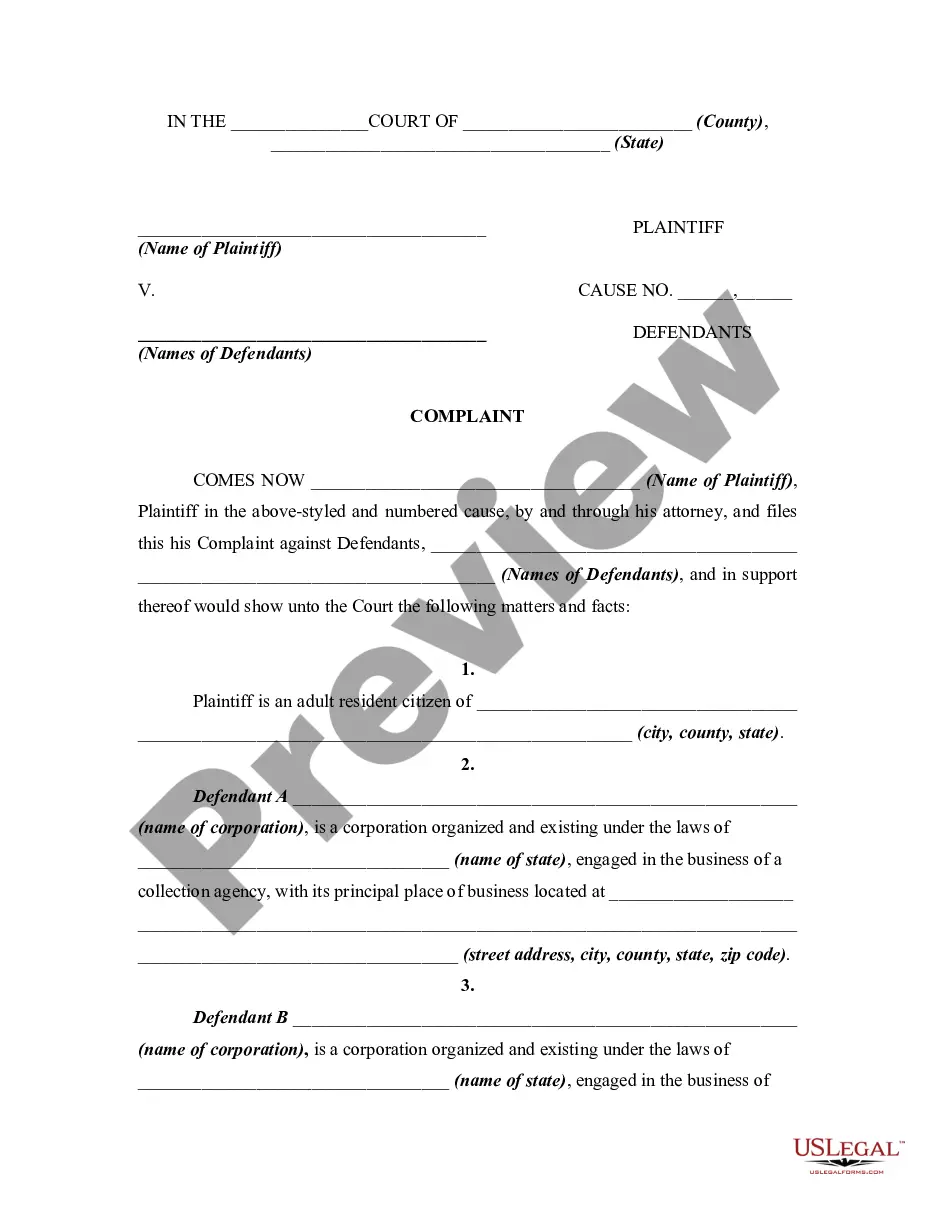
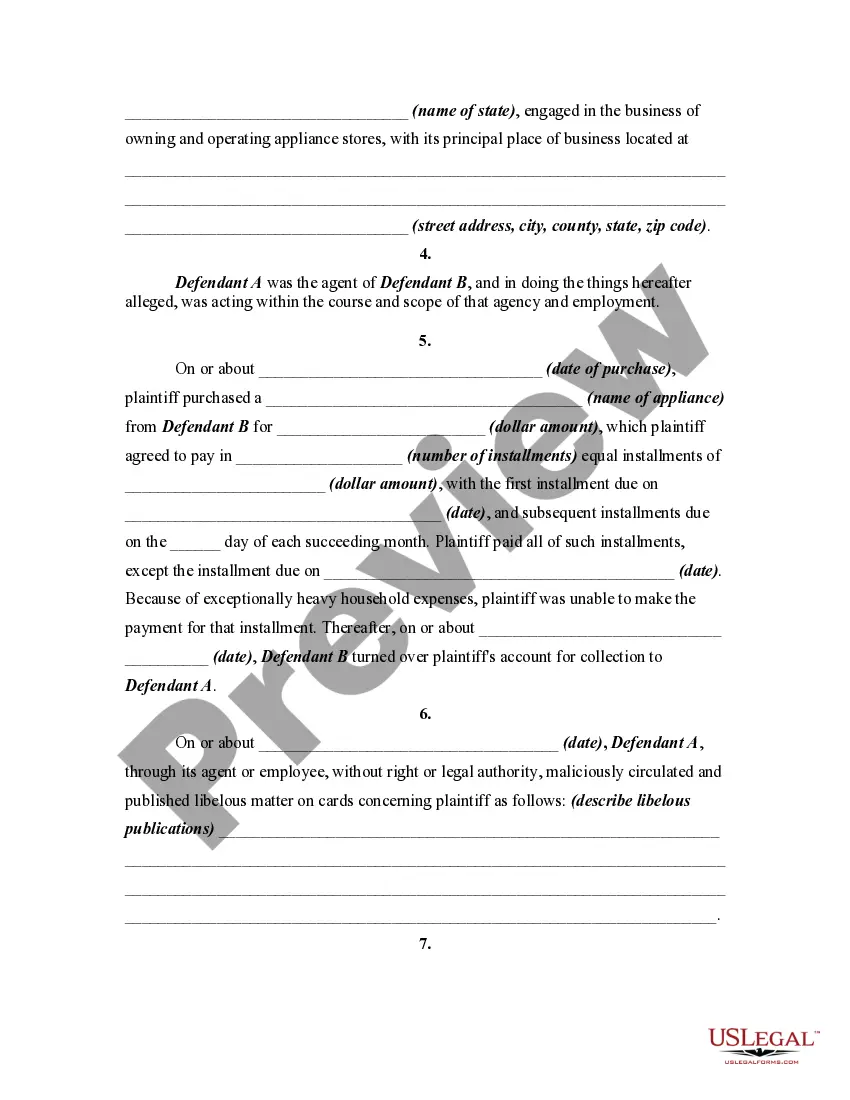
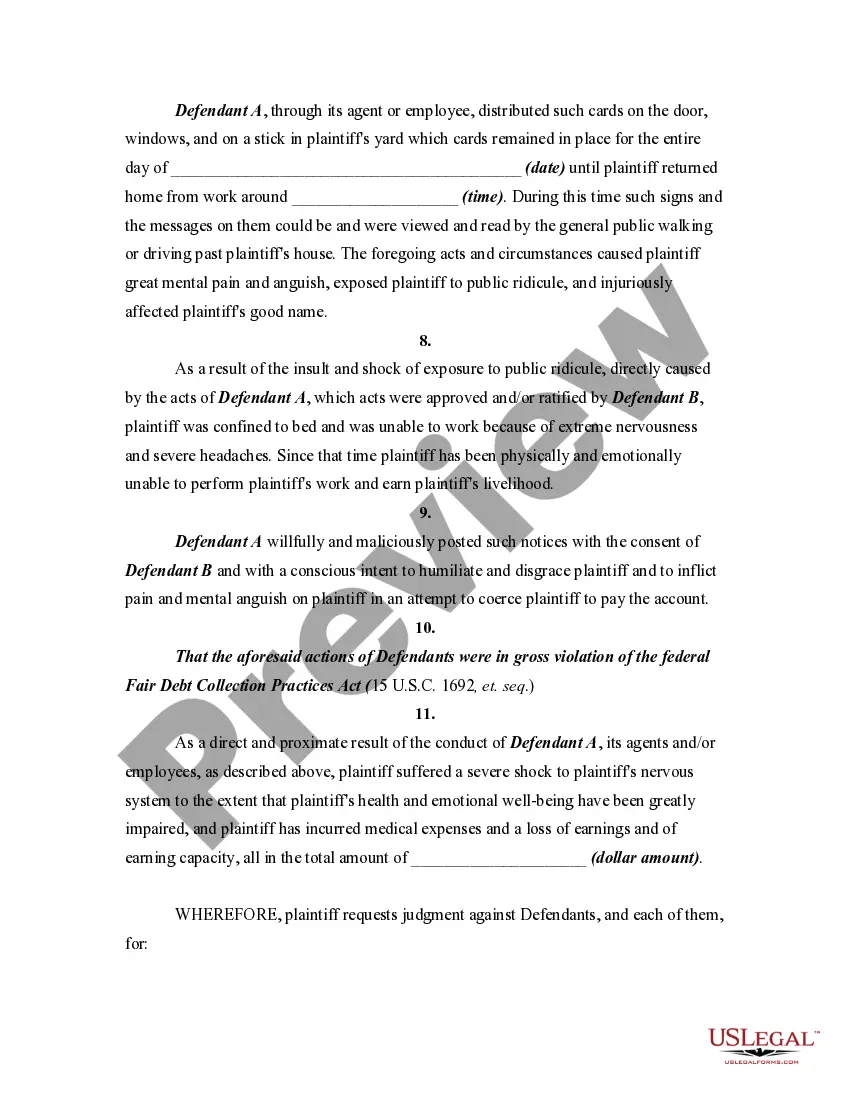
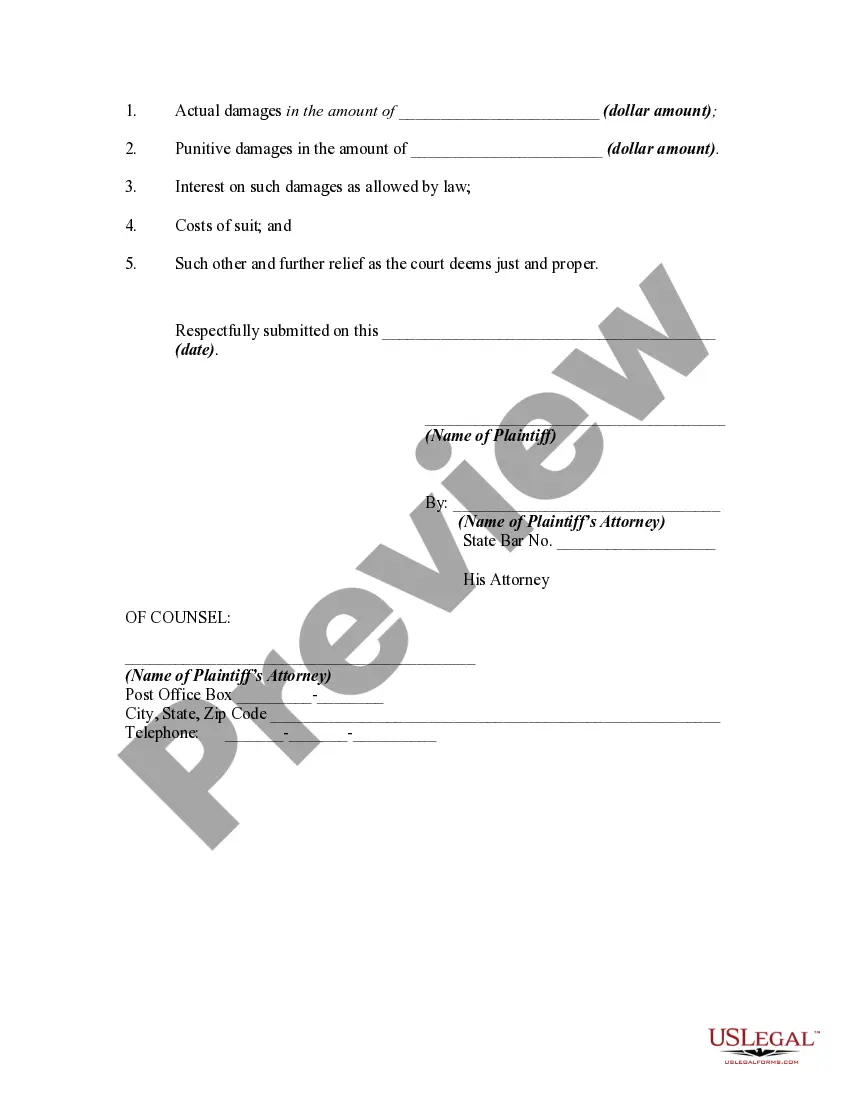
Get your form ready online
Our built-in tools help you complete, sign, share, and store your documents in one place.
Make edits, fill in missing information, and update formatting in US Legal Forms—just like you would in MS Word.
Download a copy, print it, send it by email, or mail it via USPS—whatever works best for your next step.
Sign and collect signatures with our SignNow integration. Send to multiple recipients, set reminders, and more. Go Premium to unlock E-Sign.
If this form requires notarization, complete it online through a secure video call—no need to meet a notary in person or wait for an appointment.
We protect your documents and personal data by following strict security and privacy standards.

Make edits, fill in missing information, and update formatting in US Legal Forms—just like you would in MS Word.

Download a copy, print it, send it by email, or mail it via USPS—whatever works best for your next step.

Sign and collect signatures with our SignNow integration. Send to multiple recipients, set reminders, and more. Go Premium to unlock E-Sign.

If this form requires notarization, complete it online through a secure video call—no need to meet a notary in person or wait for an appointment.

We protect your documents and personal data by following strict security and privacy standards.
Looking for another form?

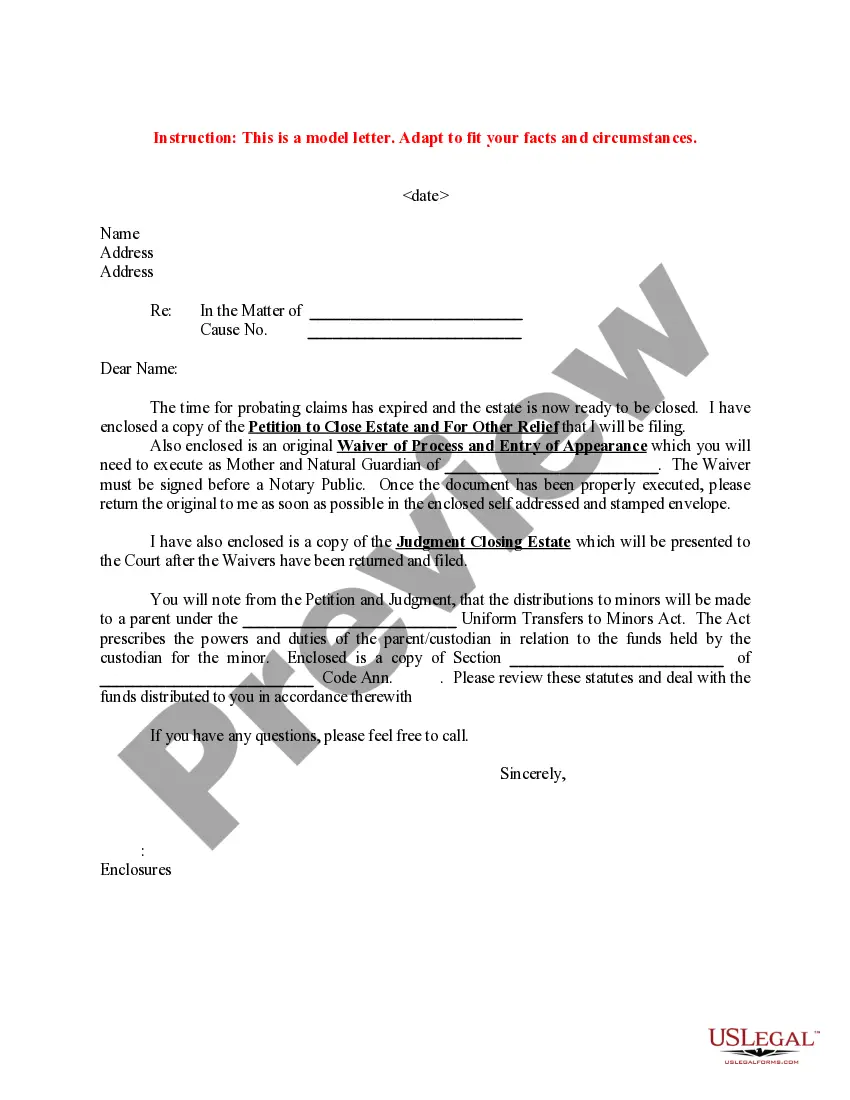
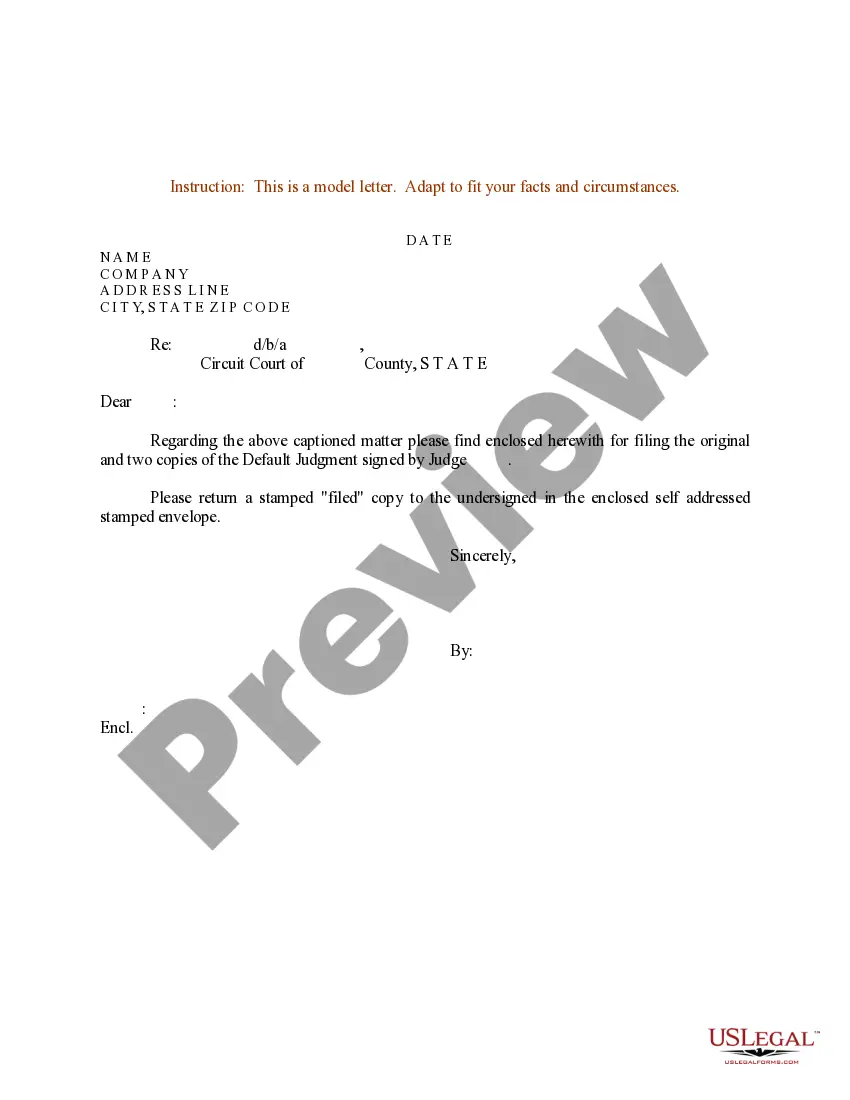
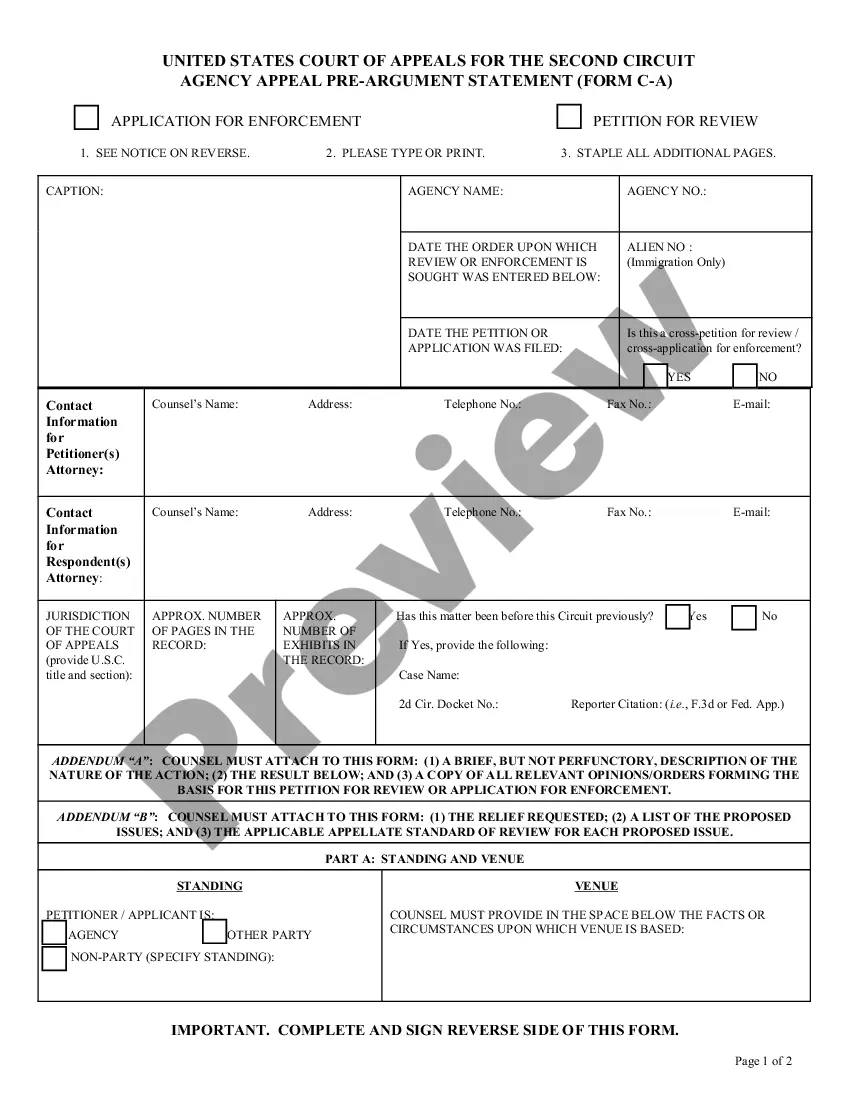
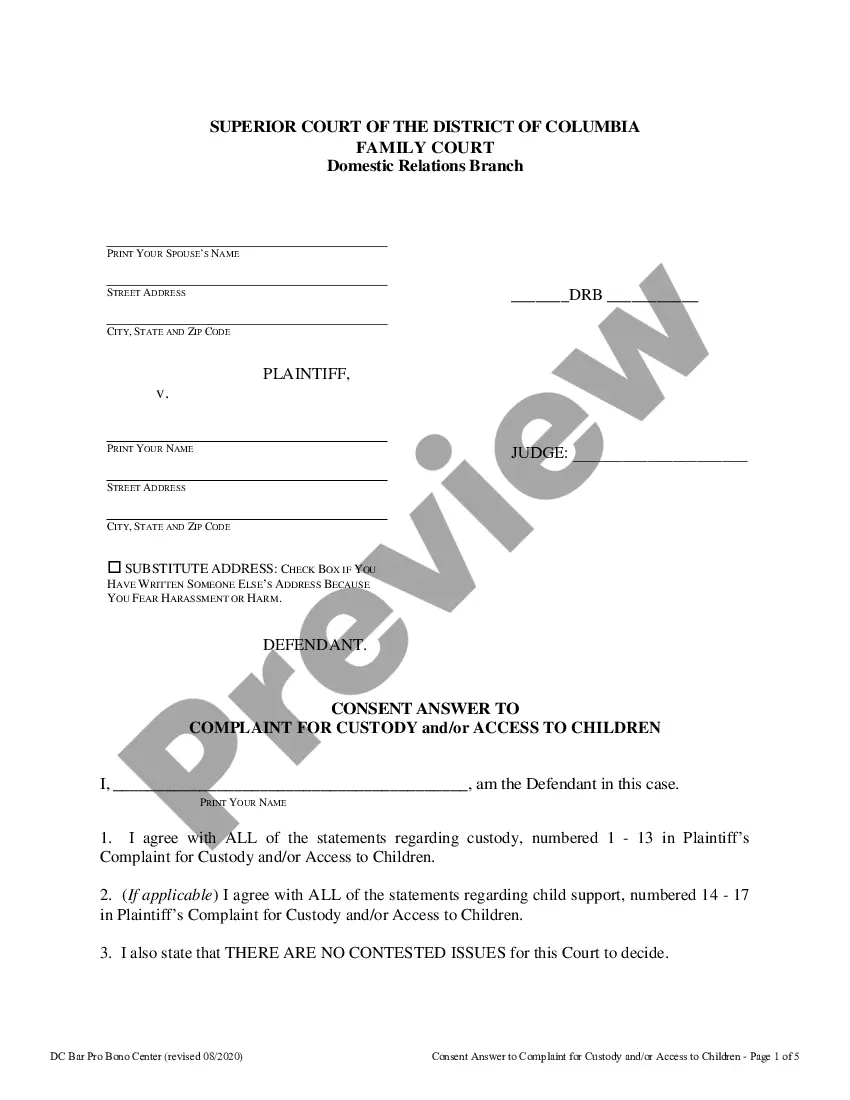
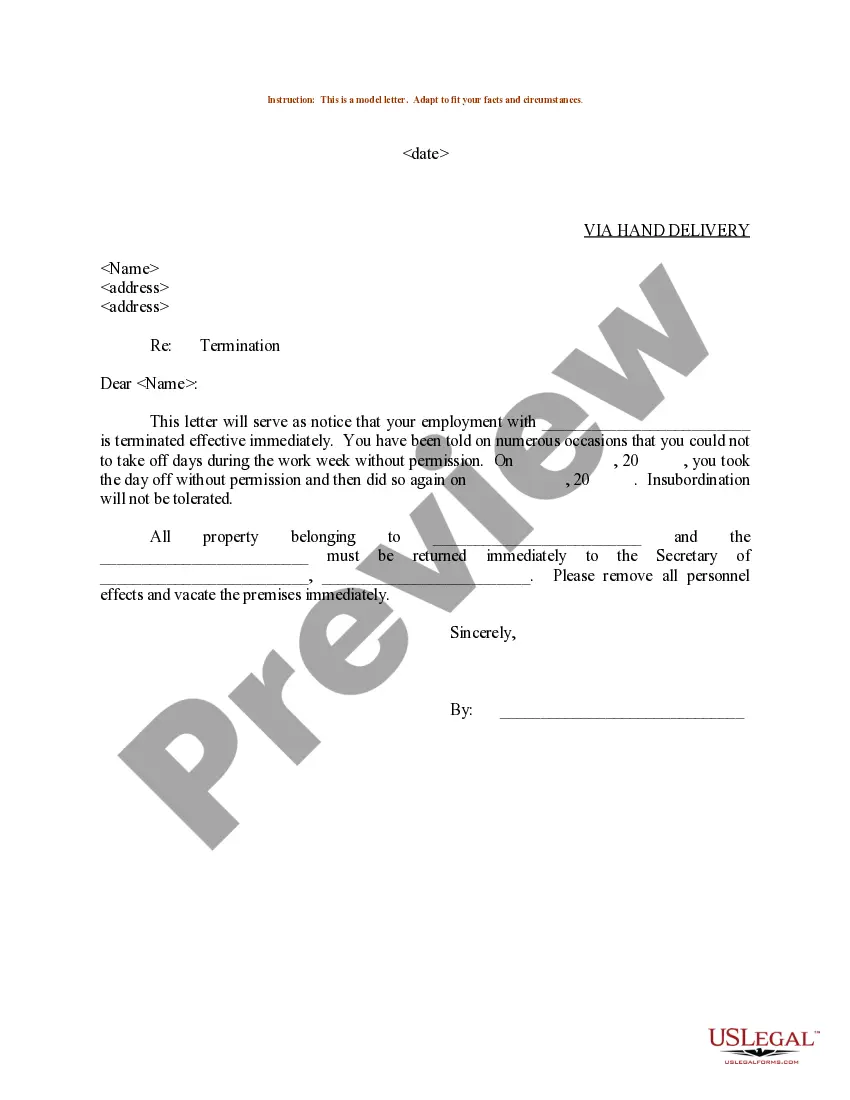
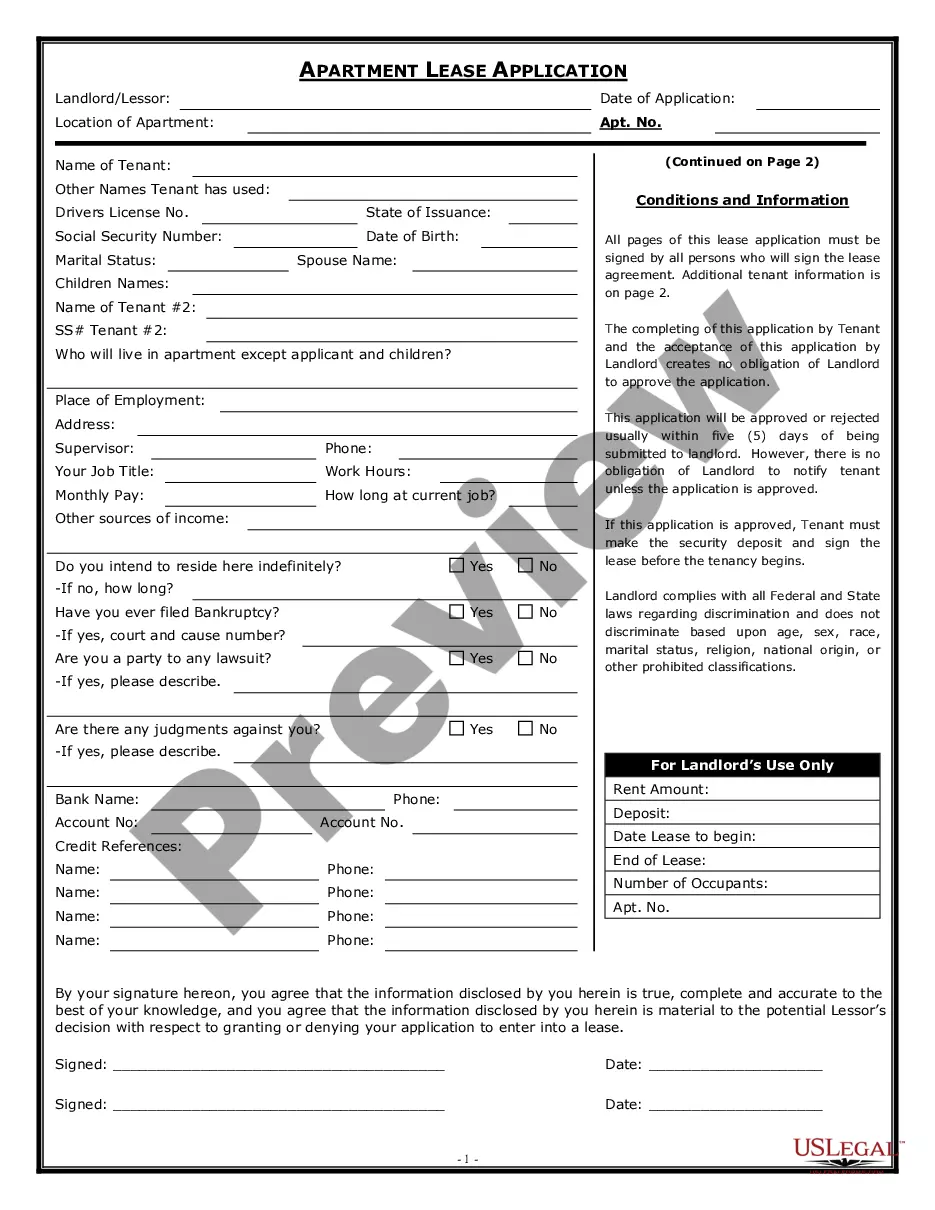
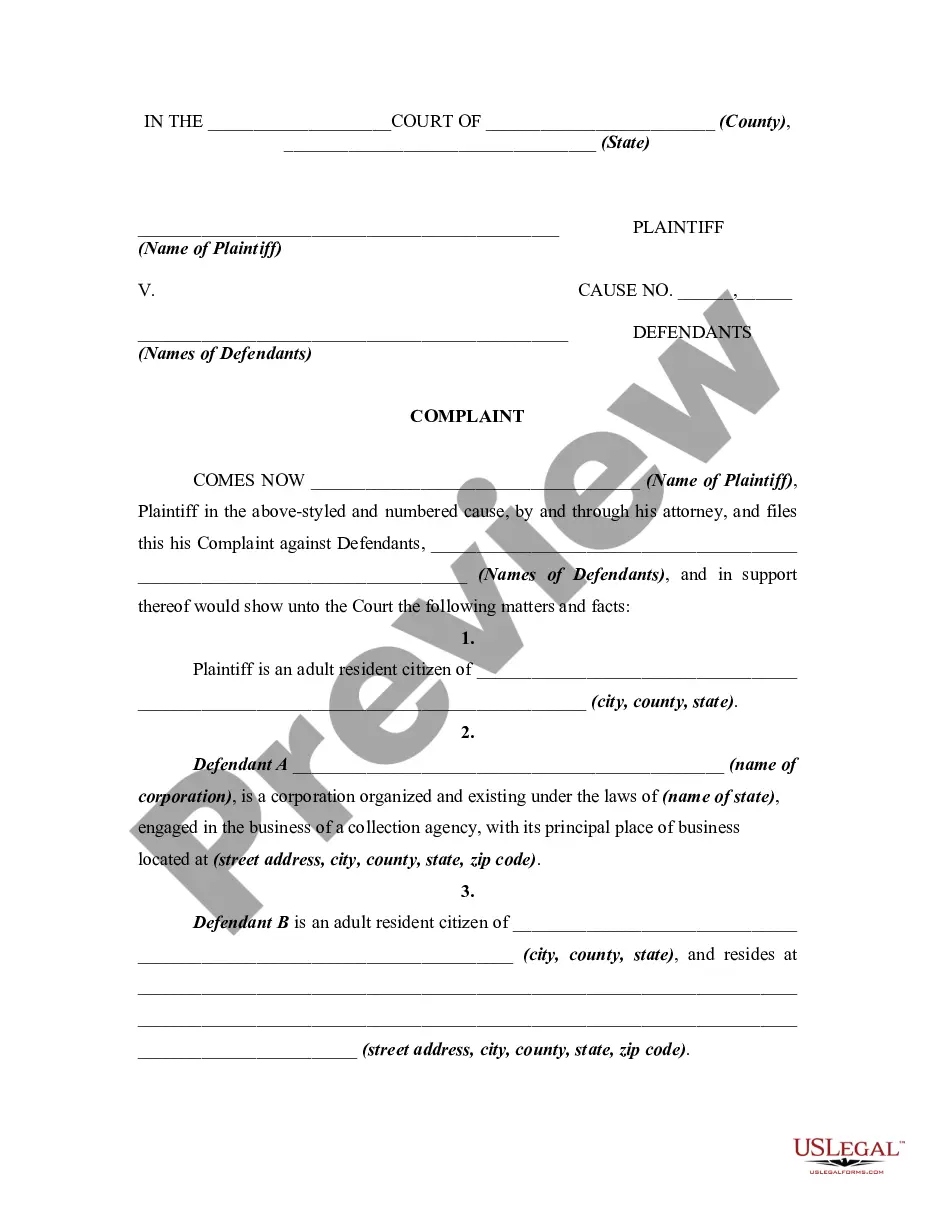
How to fill out Complaint By Debtor For Posting Of Notices Of Indebtedness In And Around Plaintiff's House, Causing Intentional Infliction Of Mental Anguish, And Violating The Federal Fair Debt Collection Practices Act?
It’s widely known that you cannot become a legal authority overnight, nor can you easily learn how to swiftly draft the Fair Housing Act of 1988 without possessing a specialized education.
Compiling legal documents is a labor-intensive endeavor that demands particular training and expertise. Therefore, why not entrust the drafting of the Fair Housing Act of 1988 to the professionals.
With US Legal Forms, which boasts one of the most extensive legal template collections, you can discover everything from court documents to templates for office correspondence.
You can retrieve your documents from the My documents section at any point. If you are an existing customer, you can simply Log In and find and download the template from the same section.
Regardless of the aim of your documentation—whether it’s for financial, legal, or personal matters—our platform is here to assist you. Experience US Legal Forms today!
- Search for the document you require using the search bar at the top of the page.
- Preview it (if this option available) and review the accompanying description to establish whether the Fair Housing Act of 1988 is what you seek.
- Restart your search if you require any additional form.
- Create a free account and select a subscription plan to purchase the template.
- Click Buy now. Once the purchase is finalized, you can access the Fair Housing Act of 1988, complete it, print it, and send or deliver it to the appropriate individuals or organizations.
Form popularity
FAQ
As amended, the federal Fair Housing Act provides federal civil rights protections to families with children and people with physical or mental disabilities.
Housing providers who refuse to rent or sell homes to people based on race, color, national origin, religion, sex, familial status, or disability are violating federal law, and HUD will vigorously pursue enforcement actions against them.
The Fair Housing Amendments Act (FHAA) was signed into law on September 13, 1988 and became effective on March 12, 1989. The Act amended Title VIII of the Civil Rights Act of 1968, which prohibits discrimination on the basis of race, color, religion, sex or national origin in housing sales, rentals or financing.
Fair Employment and Housing Act, which includes the California Fair Housing Law (often called the ?Rumford Fair Housing Act?), is the primary state law banning discrimination in housing accommodations because of race, color, religion, sex, marital status, national origin, ancestry, disability and familial status.
On September 13, 1988, the Fair Housing Amendments Act (FHAA) was signed into law. The FHAA formally recognized the discrimination and difficulty individual citizens faced in their experiences searching for, procuring, and maintaining housing due to their disability or familial status.