Educational Trust Definition With Example
Description
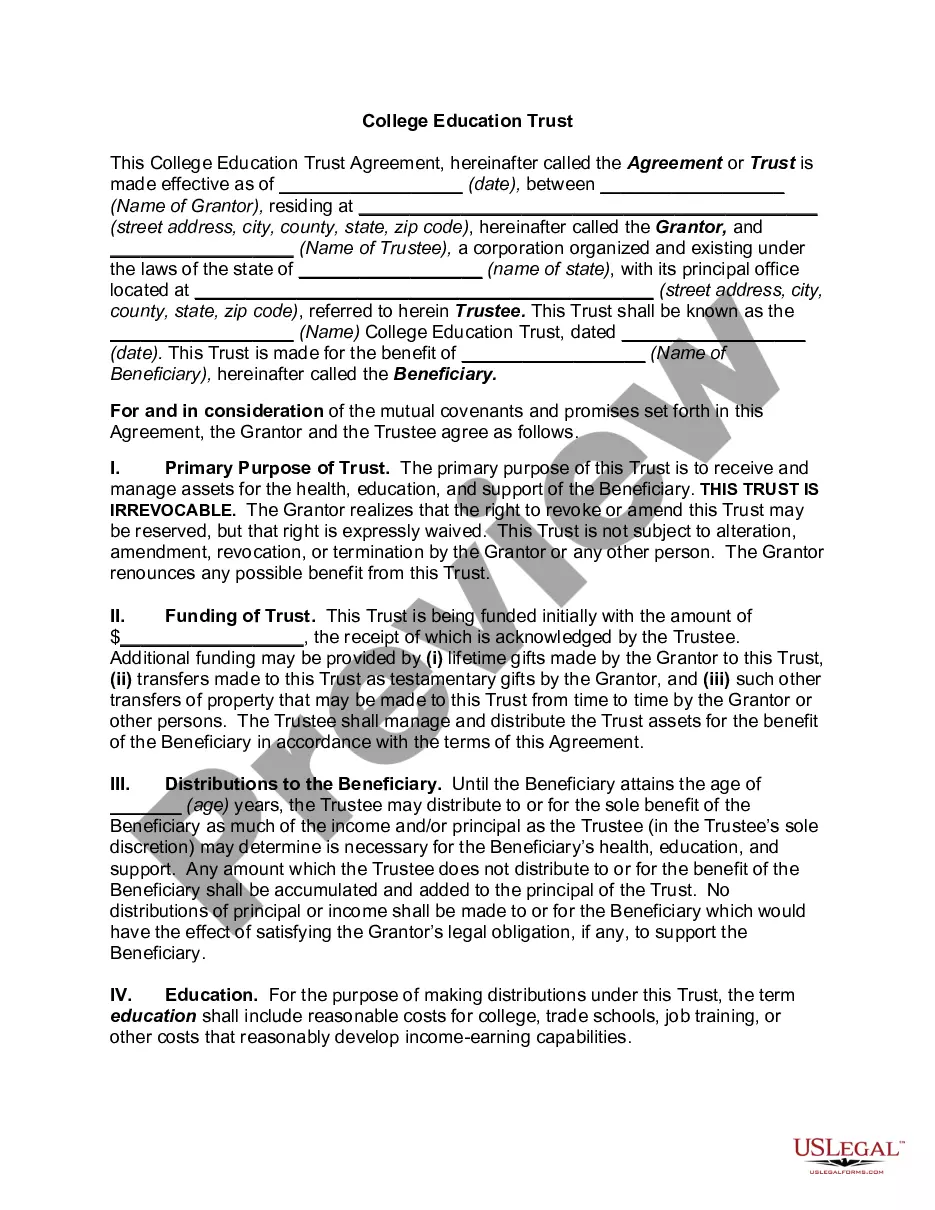
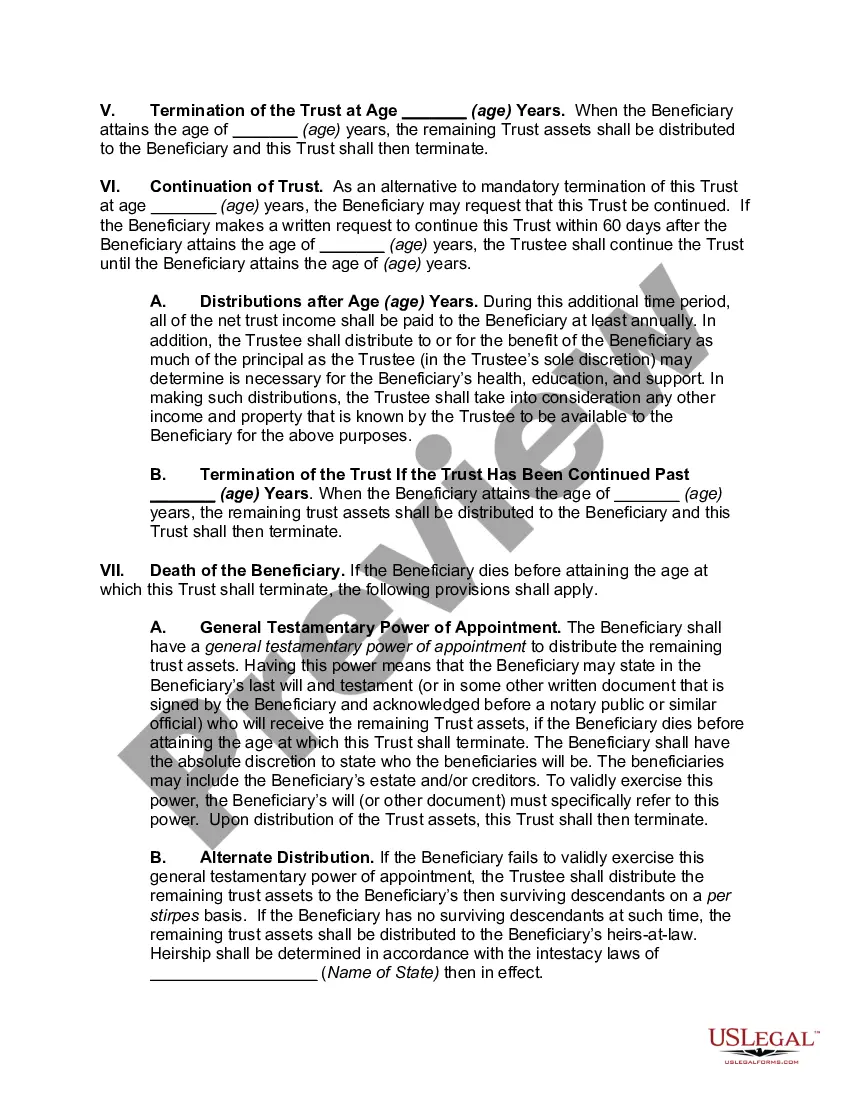
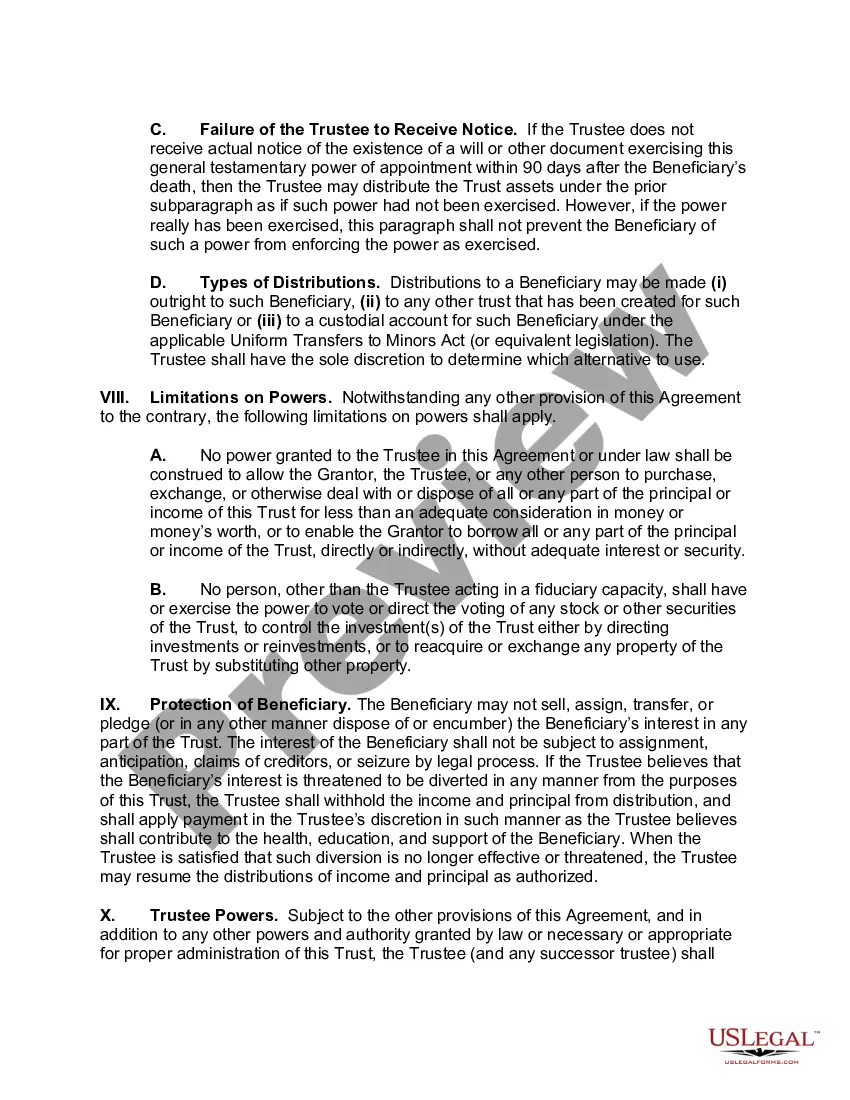
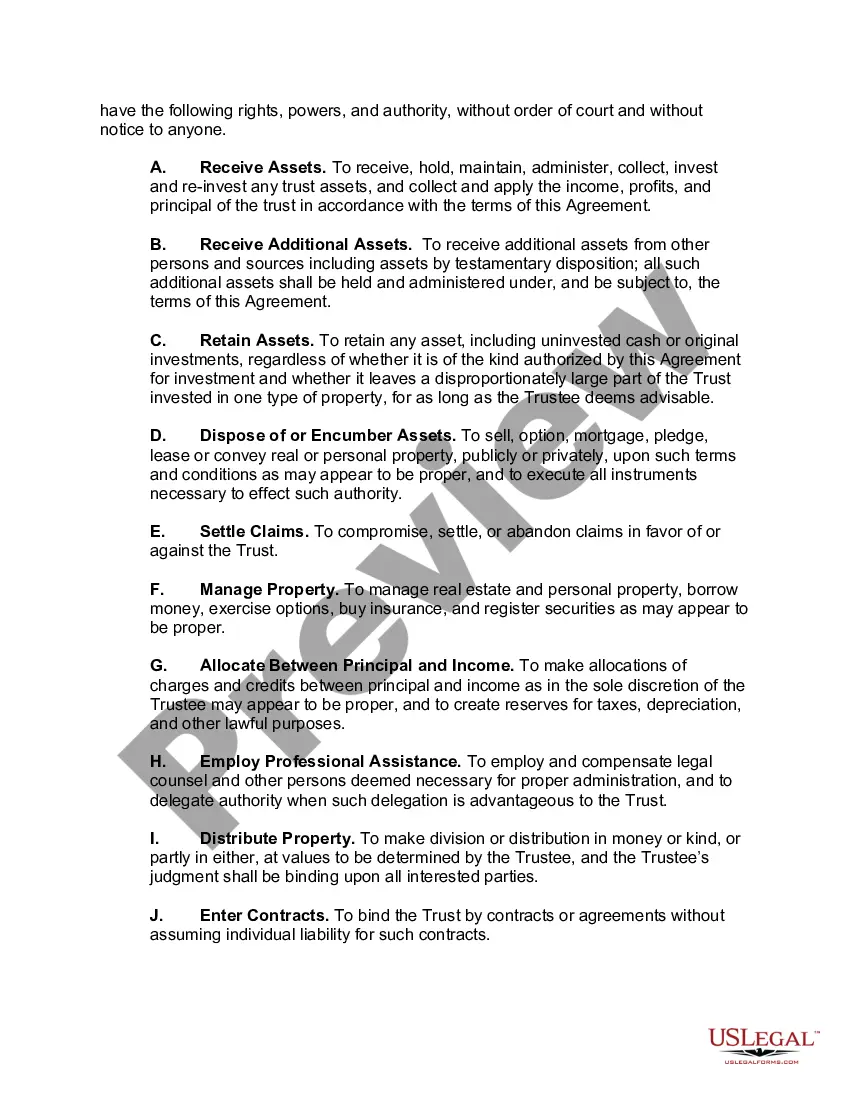

Get your form ready online
Our built-in tools help you complete, sign, share, and store your documents in one place.
Make edits, fill in missing information, and update formatting in US Legal Forms—just like you would in MS Word.
Download a copy, print it, send it by email, or mail it via USPS—whatever works best for your next step.
Sign and collect signatures with our SignNow integration. Send to multiple recipients, set reminders, and more. Go Premium to unlock E-Sign.
If this form requires notarization, complete it online through a secure video call—no need to meet a notary in person or wait for an appointment.
We protect your documents and personal data by following strict security and privacy standards.

Make edits, fill in missing information, and update formatting in US Legal Forms—just like you would in MS Word.

Download a copy, print it, send it by email, or mail it via USPS—whatever works best for your next step.

Sign and collect signatures with our SignNow integration. Send to multiple recipients, set reminders, and more. Go Premium to unlock E-Sign.

If this form requires notarization, complete it online through a secure video call—no need to meet a notary in person or wait for an appointment.

We protect your documents and personal data by following strict security and privacy standards.
Looking for another form?





How to fill out College Education Trust Agreement?
Managing legal documents can be daunting, even for the most experienced professionals.
When you're seeking a Definition of Educational Trust With Example and lack the time to search for the correct and current version, the procedures can be overwhelming.
US Legal Forms meets all your needs, from personal to business documentation, all in one place.
Utilize advanced tools to complete and manage your Definition of Educational Trust With Example.
Here are the steps to follow once you have obtained the form you need: Verify that it is the correct document by previewing it and reviewing its details. Ensure that the template is valid in your state or county. Click Buy Now when you're prepared. Select a subscription plan. Choose the format you need, and Download, complete, sign, print, and send your documents. Take advantage of the US Legal Forms online library, supported by 25 years of knowledge and trustworthiness. Transform your daily document management into a straightforward and user-friendly process today.
- Access a library of articles, guides, and resources pertinent to your situation and needs.
- Save time searching for the documents you require, and use US Legal Forms' sophisticated search and Review tool to find the Definition of Educational Trust With Example.
- If you hold a membership, Log In to your US Legal Forms account, look for the form, and obtain it.
- Check the My documents tab to view the documents you've previously saved and manage your folders as you wish.
- If you're new to US Legal Forms, create an account to gain unlimited access to all the resources in the library.
- An effective online form repository can transform how you tackle these matters efficiently.
- US Legal Forms is a leader in the realm of online legal forms, offering over 85,000 state-specific legal documents available to you at any time.
- With US Legal Forms, you can access tailored legal and business documents based on your state or county.
Form popularity
FAQ
While both a 529 plan and an educational trust aim to fund education, they are not the same. A 529 plan is a tax-advantaged savings account specifically for education expenses, while an educational trust provides more flexibility in how the funds are used. For example, a 529 plan limits withdrawals to qualified education expenses, whereas an educational trust can be tailored for various educational purposes. Understanding this distinction enriches your knowledge of the educational trust definition with example.
One of the biggest mistakes parents make is failing to clearly outline their intentions and instructions for the trust. Without clear guidance, beneficiaries may not understand how to use the funds properly. Learning about the educational trust definition with examples can help parents avoid common pitfalls and create a trust that truly serves their family's needs.
Trusts can be perceived negatively due to misconceptions about their complexity and associated costs. Some believe they may lead to family disputes or that they are only for the wealthy. However, an educational trust definition with examples reveals that trusts can be powerful tools for anyone, ensuring assets are managed effectively and according to personal wishes.
Having your parents place their property in a trust can be beneficial for estate planning. It helps avoid probate, provides privacy, and can ensure that the property is managed according to their wishes. An educational trust definition with examples can clarify this process, allowing families to understand how trusts can safeguard their assets.
The 2 year rule for trusts refers to a specific duration during which certain tax benefits apply. When assets are transferred to a trust, they may be exempt from certain taxes if the transfer occurs more than two years before the individual’s death. This rule is important for anyone considering educational trusts, as it can maximize the benefits of an educational trust definition with examples.
The 5 by 5 rule in a trust allows beneficiaries to withdraw up to 5% of the trust's value or $5,000 each year, whichever is greater. This provision helps ensure that beneficiaries have access to some funds while also protecting the trust's principal. Understanding this rule can enhance your grasp of educational trust definitions with examples, as it illustrates how trusts can offer flexibility.
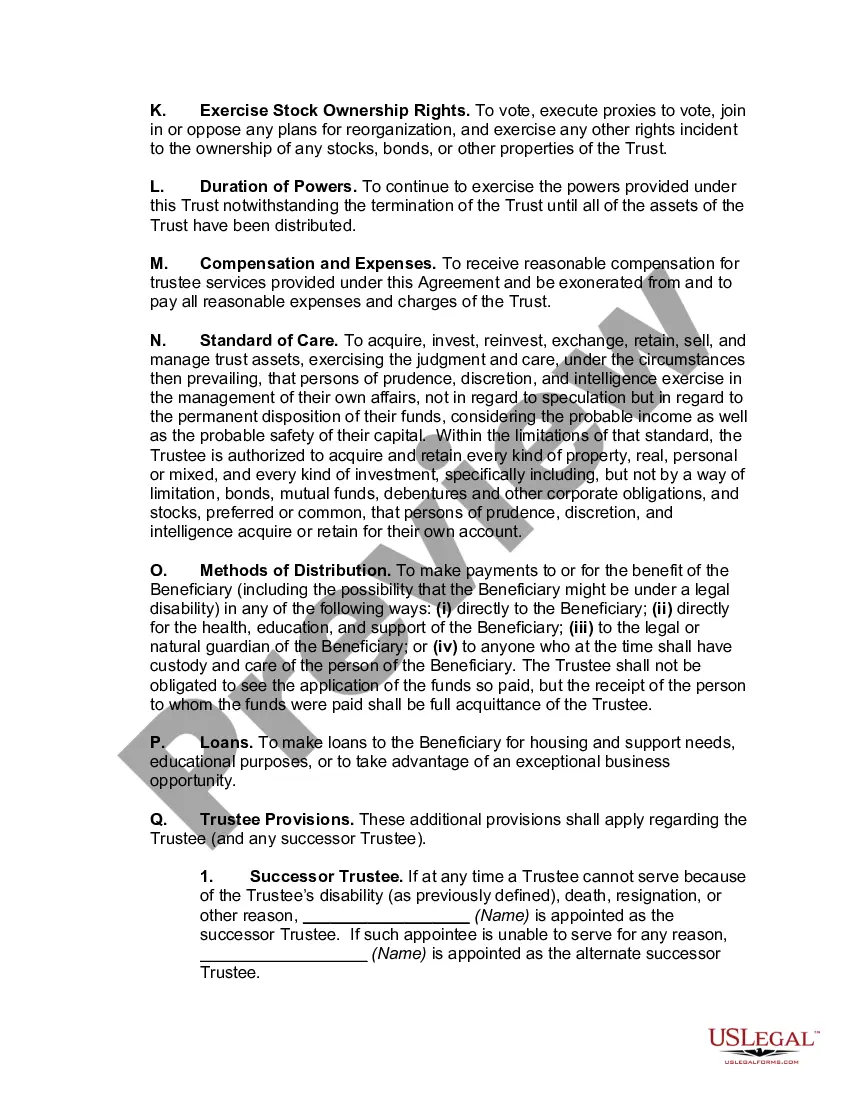
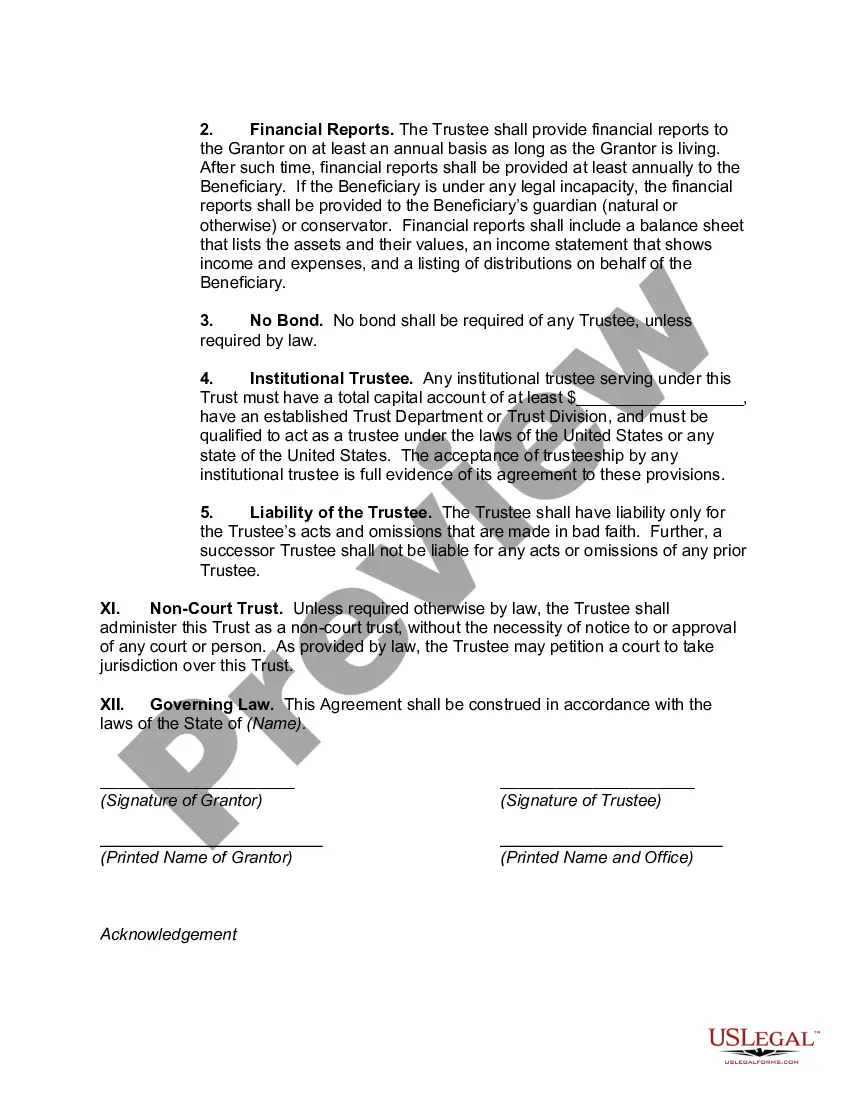
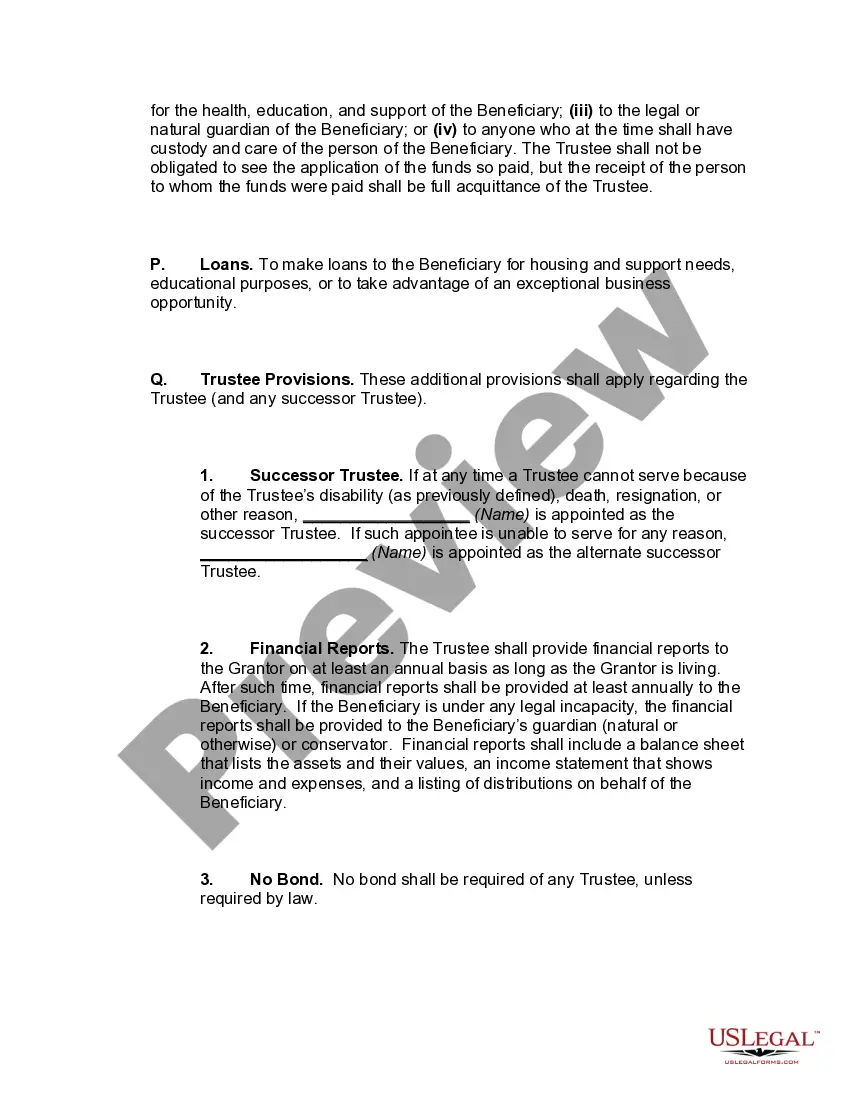
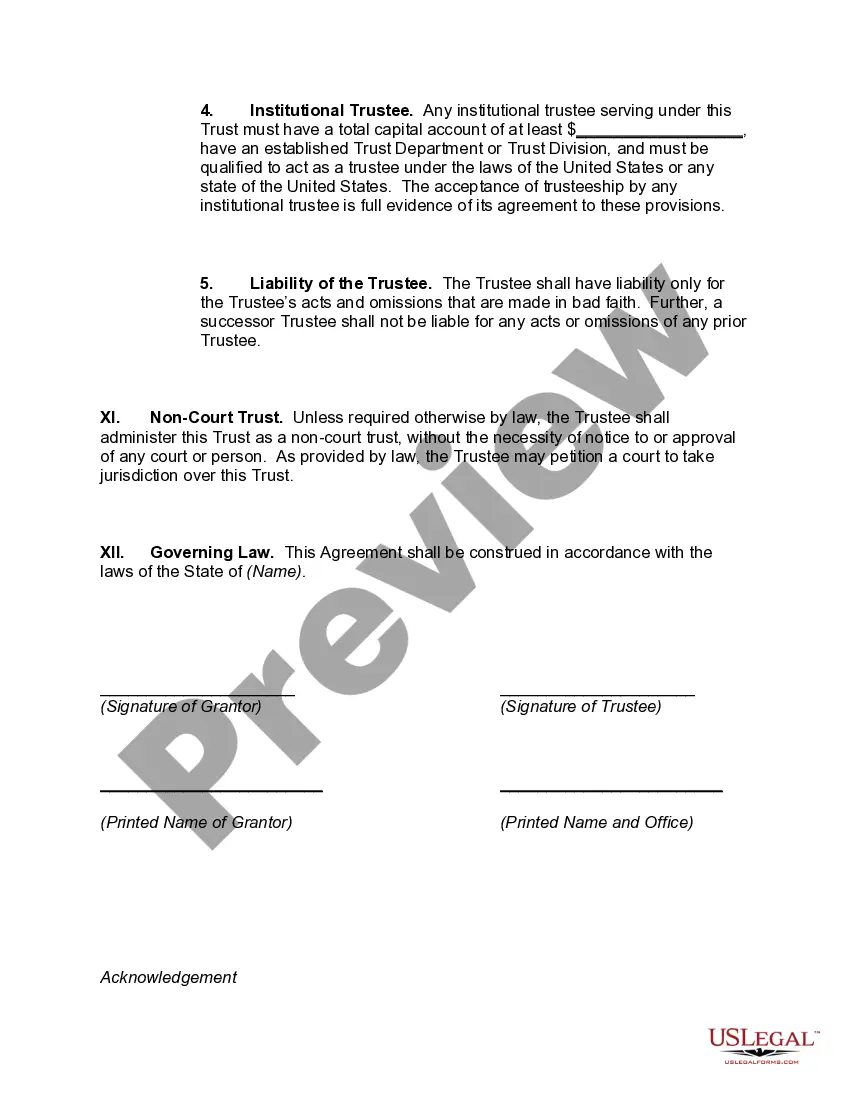
A trust is a fiduciary1 relationship in which one party (the Grantor) gives a second party2 (the Trustee) the right to hold title to property or assets for the benefit of a third party (the Beneficiary).
A simple example would be the situation in which one member of a family advances money to another and asks the second member to hold the money or to invest it for him. A more complicated example of an implied trust would be the situation in which one party provides money to another for the purchase of property.
An educational trust is a trust where the money and/or property contained within go towards supporting someone's education, or to establish or finance schools.
With that said, revocable trusts, irrevocable trusts, and asset protection trusts are among some of the most common types to consider. Not only that, but these trusts offer long-term benefits that can strengthen your estate plan and successfully protect your assets.