Trust Foreign Beneficiary
Description
Get your form ready online
Our built-in tools help you complete, sign, share, and store your documents in one place.
Make edits, fill in missing information, and update formatting in US Legal Forms—just like you would in MS Word.
Download a copy, print it, send it by email, or mail it via USPS—whatever works best for your next step.
Sign and collect signatures with our SignNow integration. Send to multiple recipients, set reminders, and more. Go Premium to unlock E-Sign.
If this form requires notarization, complete it online through a secure video call—no need to meet a notary in person or wait for an appointment.
We protect your documents and personal data by following strict security and privacy standards.

Make edits, fill in missing information, and update formatting in US Legal Forms—just like you would in MS Word.

Download a copy, print it, send it by email, or mail it via USPS—whatever works best for your next step.

Sign and collect signatures with our SignNow integration. Send to multiple recipients, set reminders, and more. Go Premium to unlock E-Sign.

If this form requires notarization, complete it online through a secure video call—no need to meet a notary in person or wait for an appointment.

We protect your documents and personal data by following strict security and privacy standards.
Looking for another form?



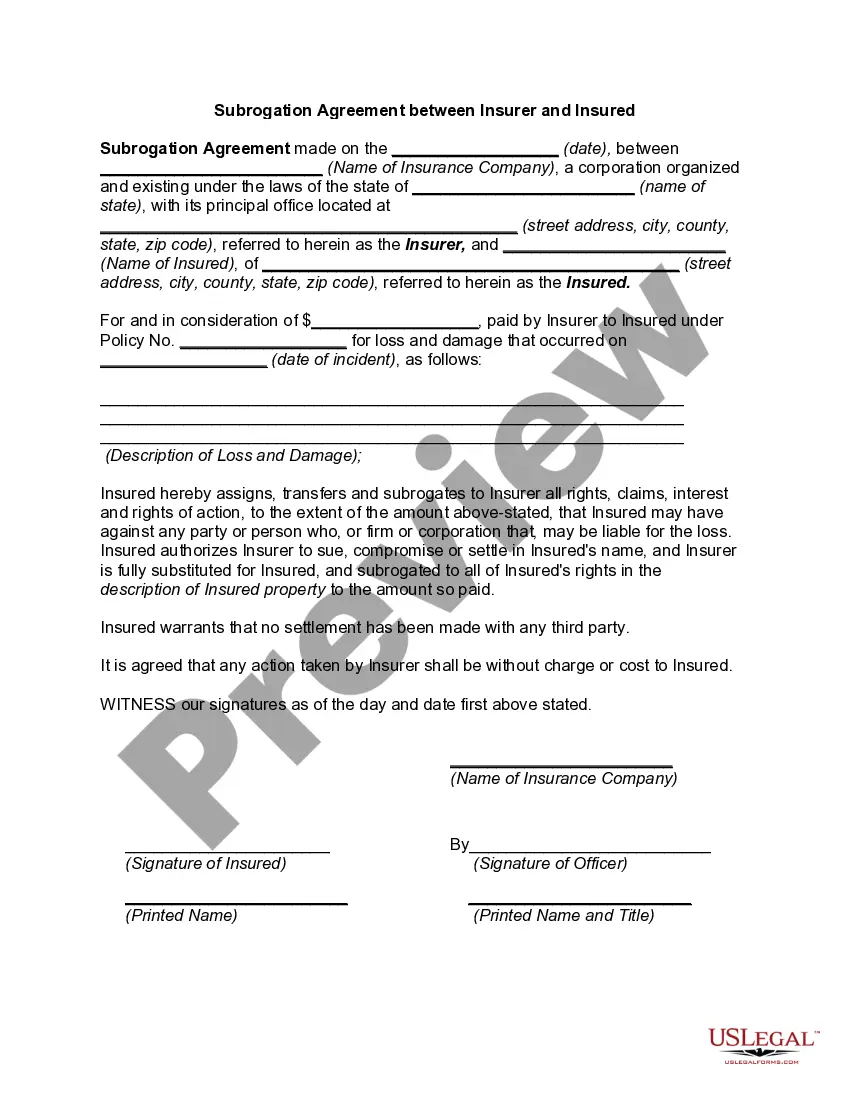



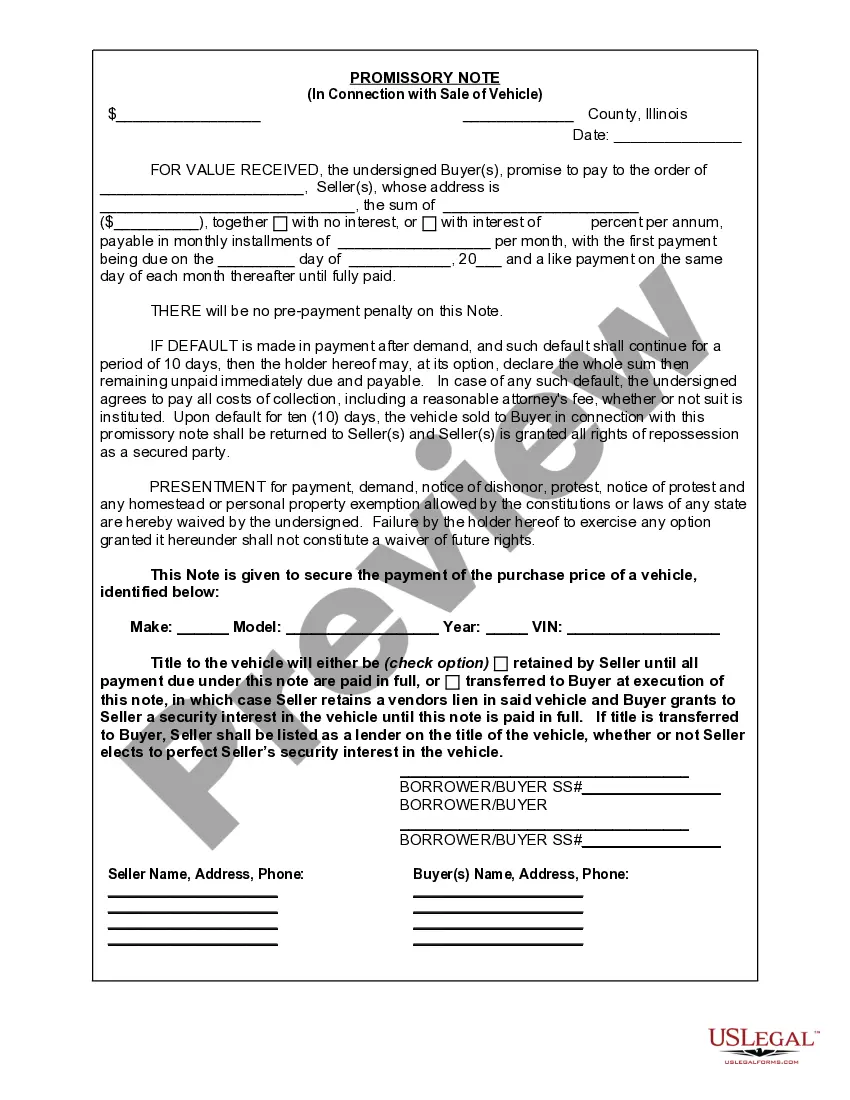

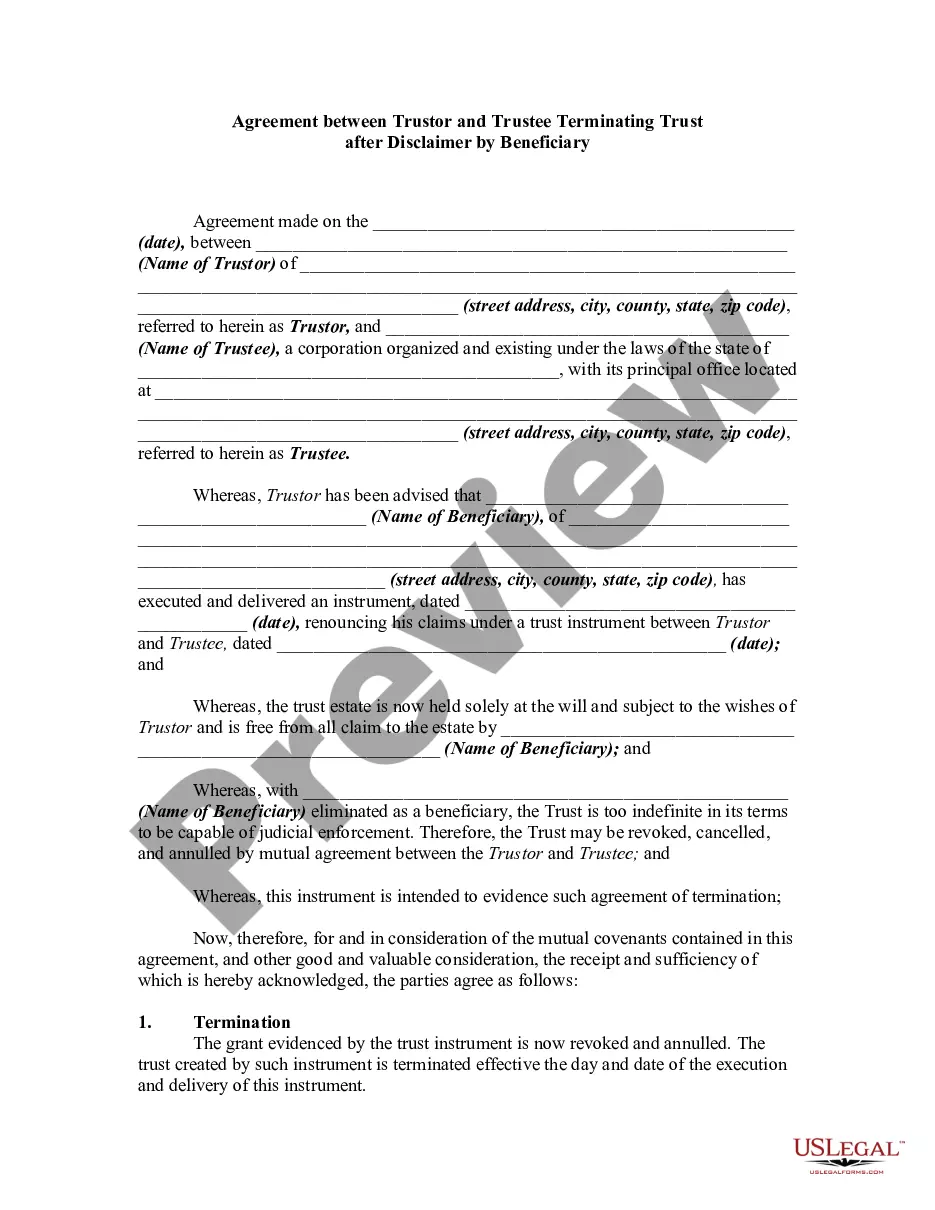
How to fill out Agreement Between Trustor And Trustee Terminating Trust After Disclaimer By Beneficiary?
Identifying a go-to source for obtaining the most up-to-date and suitable legal documents is a significant part of navigating bureaucracy. Selecting the correct legal forms demands accuracy and meticulousness, which is why it is essential to source Trust Foreign Beneficiary samples exclusively from trustworthy providers, such as US Legal Forms. An incorrect template can squander your time and delay your current situation. With US Legal Forms, you can have peace of mind. You can access and review all the specifics regarding the document's application and relevance to your circumstance and in your jurisdiction.
Follow the steps listed to complete your Trust Foreign Beneficiary.
Eliminate the hassle associated with your legal documentation. Browse the extensive US Legal Forms catalog to locate legal samples, assess their applicability to your situation, and download them immediately.
- Utilize the library navigation or search functionality to find your template.
- Examine the form’s description to confirm if it meets the criteria for your jurisdiction.
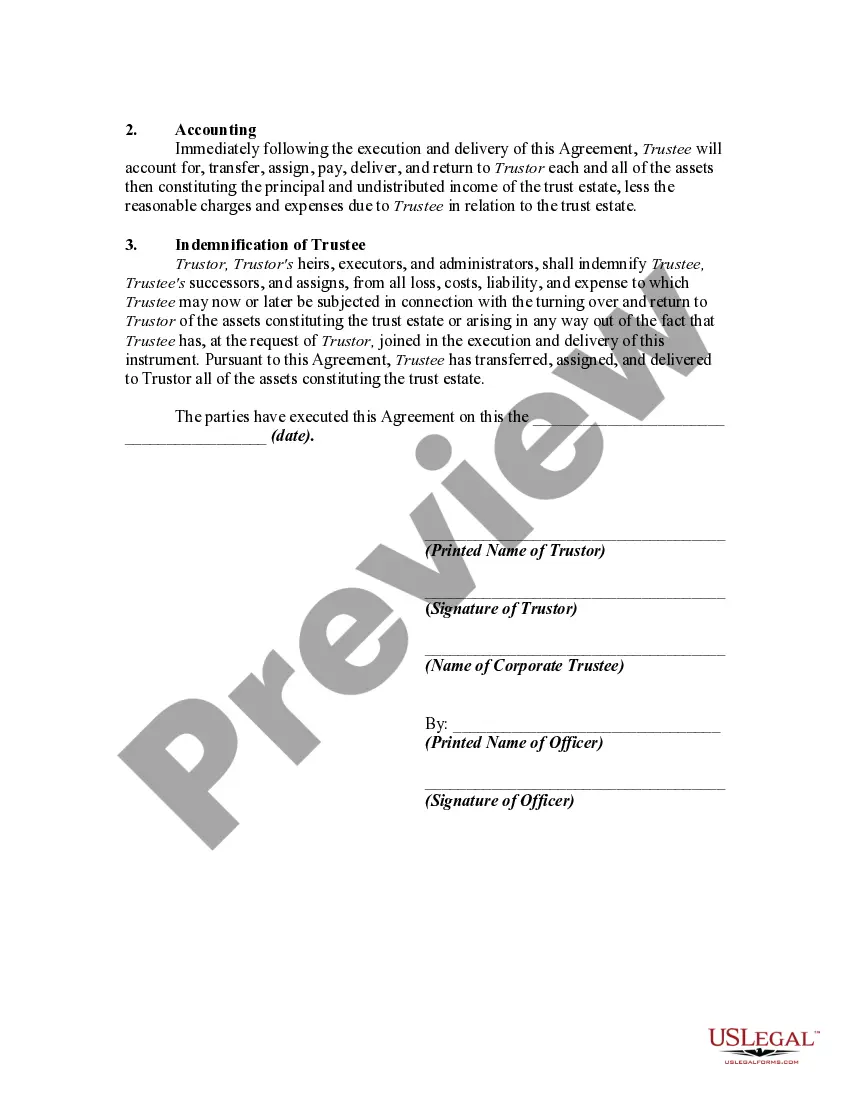
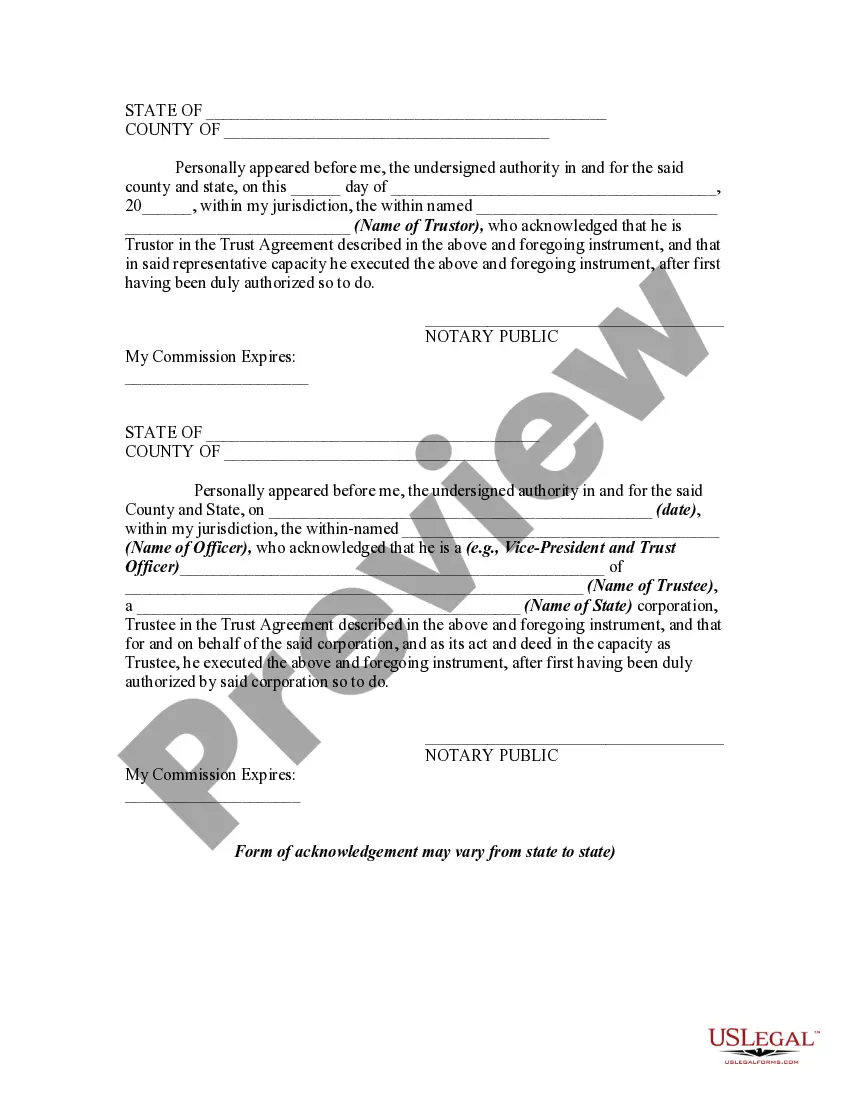
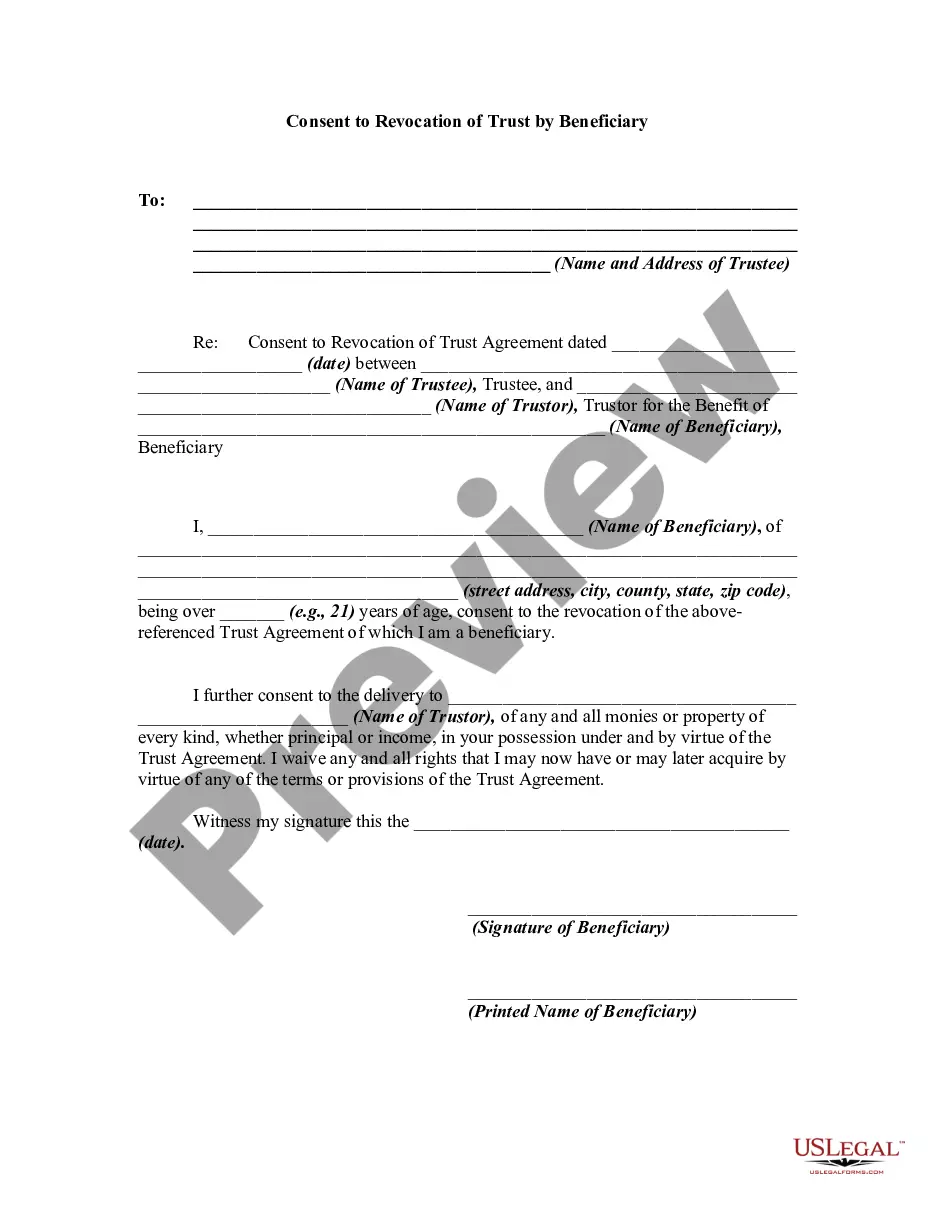
- Check the form preview, if available, to ensure the template is what you need.
- Return to the search and look for an appropriate template if the Trust Foreign Beneficiary does not suit your needs.
- If you are confident about the form’s suitability, download it.
- As a registered user, click Log in to verify your identity and access your chosen forms in My documents.
- If you do not yet have an account, click Buy now to obtain the form.
- Select the pricing option that aligns with your needs.
- Continue to the registration to finalize your purchase.
- Conclude your transaction by selecting a payment method (credit card or PayPal).
- Choose the document file format for downloading Trust Foreign Beneficiary.
- Once you have the form on your device, you can edit it using the editor or print it for manual completion.
Form popularity
FAQ
If your beneficiary is not a US citizen, there are still options to include them in your trust. You should be aware of different tax implications and reporting requirements that may apply. Consulting with a legal expert can provide clarity on how to handle these aspects effectively. Additionally, USLegalForms offers valuable templates and resources to help you create a trust tailored to your needs, ensuring compliance and peace of mind.
Yes, a non-U.S. citizen can indeed be a beneficiary of a trust created in the United States. This flexibility allows you to include individuals who may reside outside the U.S. in your estate plans. Keep in mind that including non-citizen beneficiaries can introduce certain tax liabilities, so it is wise to work with a professional. You can leverage tools from USLegalForms to ensure your trust meets all necessary legal requirements.
Yes, a trust can have a foreign beneficiary, regardless of the trust's origin. This arrangement can provide various advantages, such as asset protection and estate planning benefits. However, it is essential to consult a legal expert to address any legal or tax responsibilities that may arise. Using platforms like USLegalForms can greatly assist you in setting up a trust that accommodates foreign beneficiaries.
Yes, a US trust can have foreign beneficiaries. The Internal Revenue Service (IRS) allows foreign individuals to be beneficiaries of trusts established in the United States. However, it is important to understand the tax implications associated with distributing trust assets to foreign beneficiaries. To navigate these complexities, consider utilizing USLegalForms as a reliable resource to create compliant trust documents.
Yes, you can certainly make a non-U.S. citizen a beneficiary of your trust. It's important to specify their rights and any tax implications involved. Trusts that include foreign beneficiaries can still comply with U.S. regulations, ensuring a smooth process. Using US Legal Forms can simplify this process, guiding you through the requirements to effectively set up your trust for foreign beneficiaries.
To get a foreign trustee, start by identifying individuals or institutions in the country where your beneficiary resides. You may consider reaching out to professionals who specialize in international estate planning. Platforms like US Legal Forms can provide you with resources and templates to help you create a trust that accommodates a foreign trustee. Ensure that the terms of your trust align with both U.S. laws and the laws of the foreign country.
If your beneficiary lives in another country, you still have the option to name them in your trust. However, managing distributions to an overseas beneficiary can involve additional legal and tax considerations. Using services from US legal forms can help ensure that your trust complies with all necessary regulations, maximizing benefits for your foreign beneficiary.
Yes, a foreign person can be a beneficiary of a US trust. When you set up a trust, you can designate anyone, including a non-resident alien, as a beneficiary. However, it’s essential to understand the tax implications that may arise when including a foreign beneficiary in a US trust. You may find that US legal forms offer valuable resources to navigate these complexities.
Excluding a trust foreign beneficiary is not always necessary and depends on your specific situation. Including a foreign beneficiary can help ensure that your assets are distributed according to your wishes. However, it's important to be aware of the complexities involved, such as tax laws and reporting requirements. Seeking guidance through platforms like US Legal Forms can provide you with the necessary resources to make an informed decision.
Yes, you can designate a trust foreign beneficiary who is not a US citizen. Many individuals choose foreign beneficiaries for various reasons, including family ties and estate planning goals. It's essential to understand the potential tax implications and legal considerations that may arise. Consulting with a legal expert can help clarify the benefits and responsibilities associated with having a non-citizen beneficiary.