Trust Beneficiary Of Annuity
Description
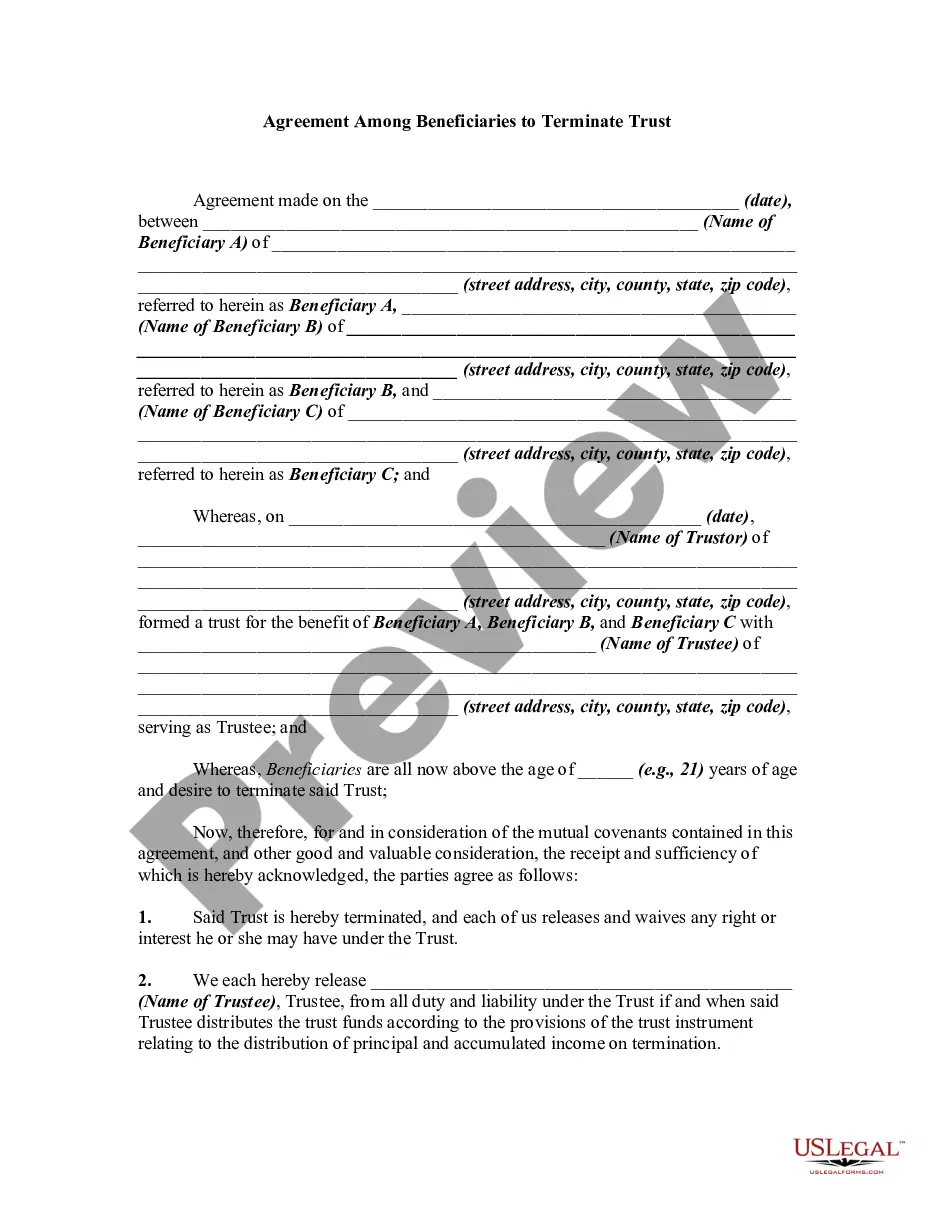
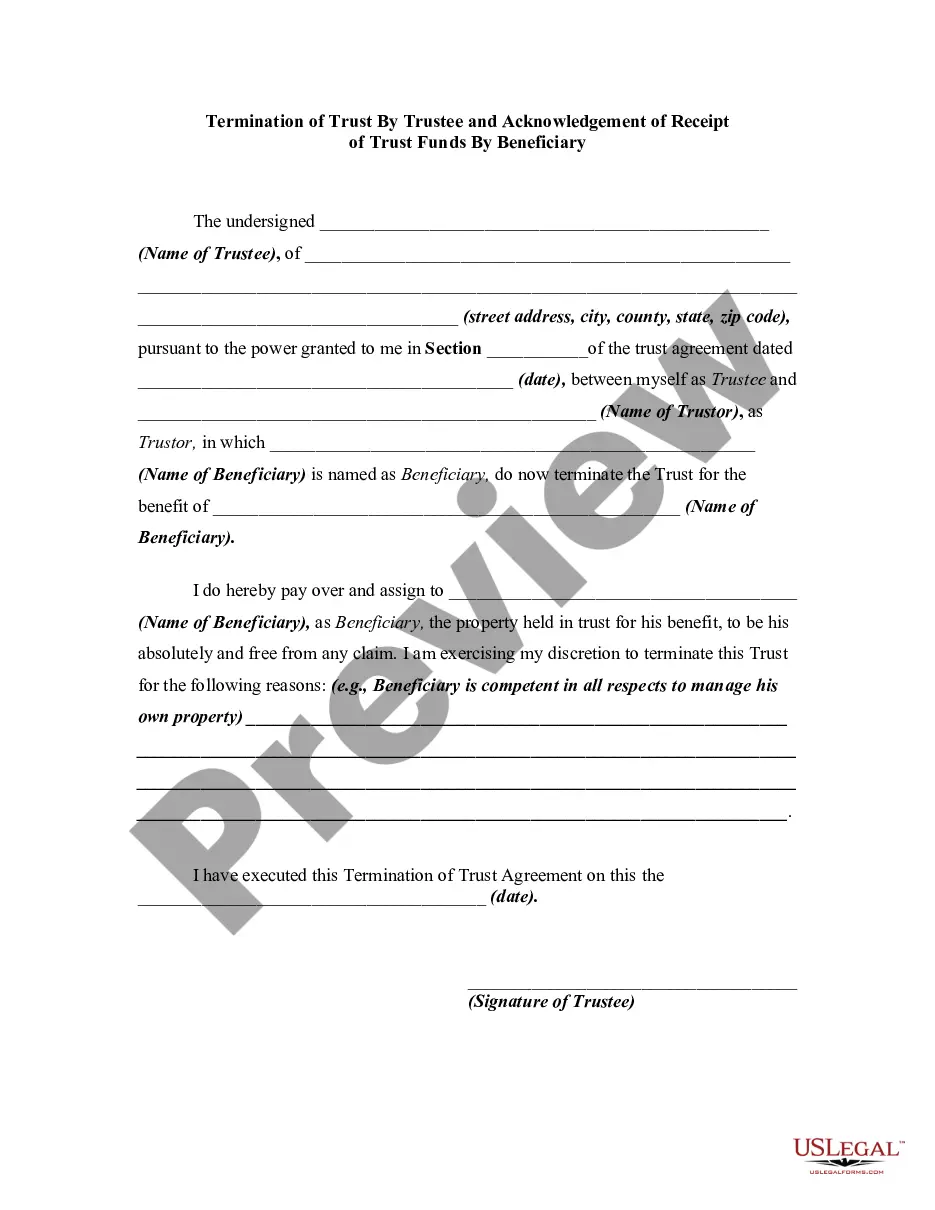
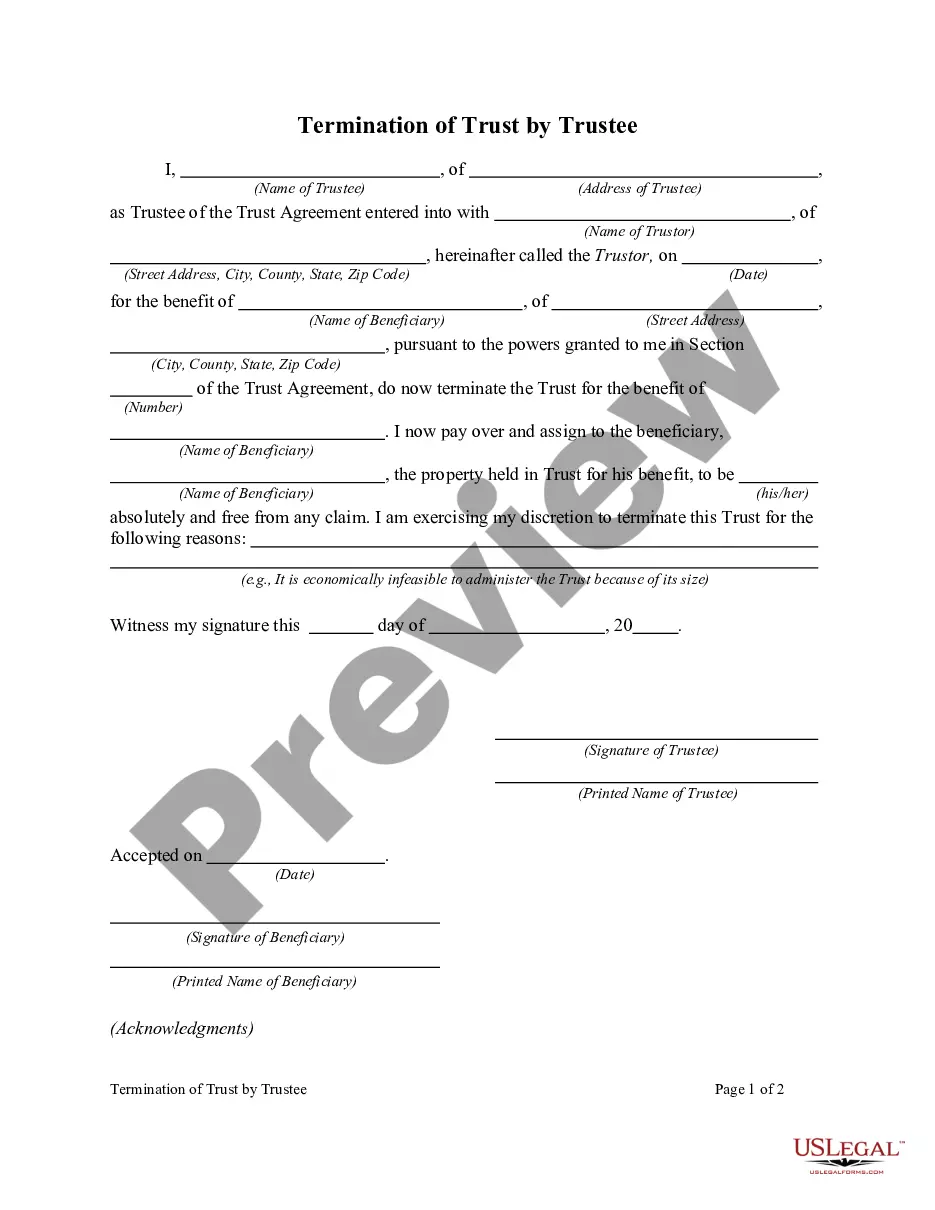
Get your form ready online
Our built-in tools help you complete, sign, share, and store your documents in one place.
Make edits, fill in missing information, and update formatting in US Legal Forms—just like you would in MS Word.
Download a copy, print it, send it by email, or mail it via USPS—whatever works best for your next step.
Sign and collect signatures with our SignNow integration. Send to multiple recipients, set reminders, and more. Go Premium to unlock E-Sign.
If this form requires notarization, complete it online through a secure video call—no need to meet a notary in person or wait for an appointment.
We protect your documents and personal data by following strict security and privacy standards.

Make edits, fill in missing information, and update formatting in US Legal Forms—just like you would in MS Word.

Download a copy, print it, send it by email, or mail it via USPS—whatever works best for your next step.

Sign and collect signatures with our SignNow integration. Send to multiple recipients, set reminders, and more. Go Premium to unlock E-Sign.

If this form requires notarization, complete it online through a secure video call—no need to meet a notary in person or wait for an appointment.

We protect your documents and personal data by following strict security and privacy standards.
Looking for another form?






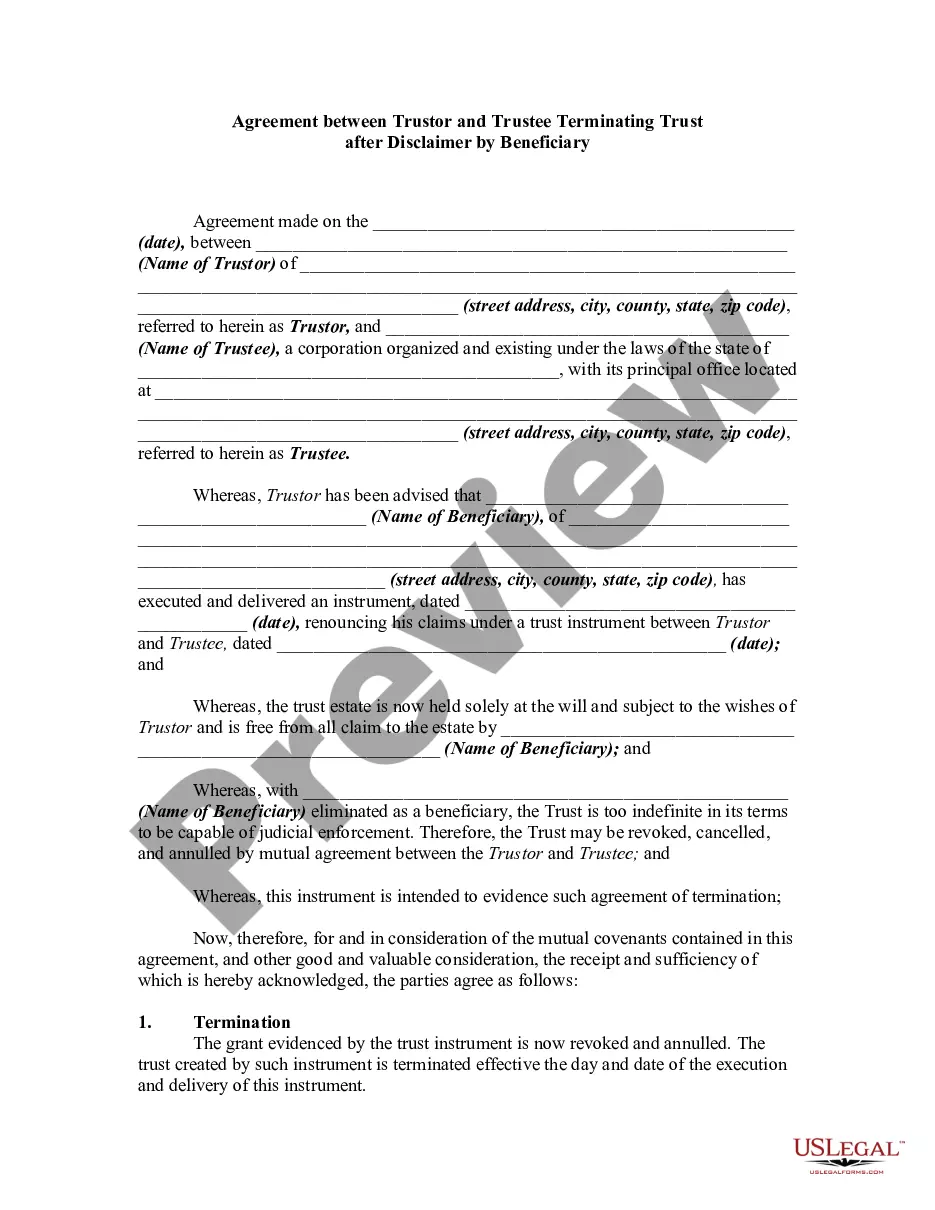
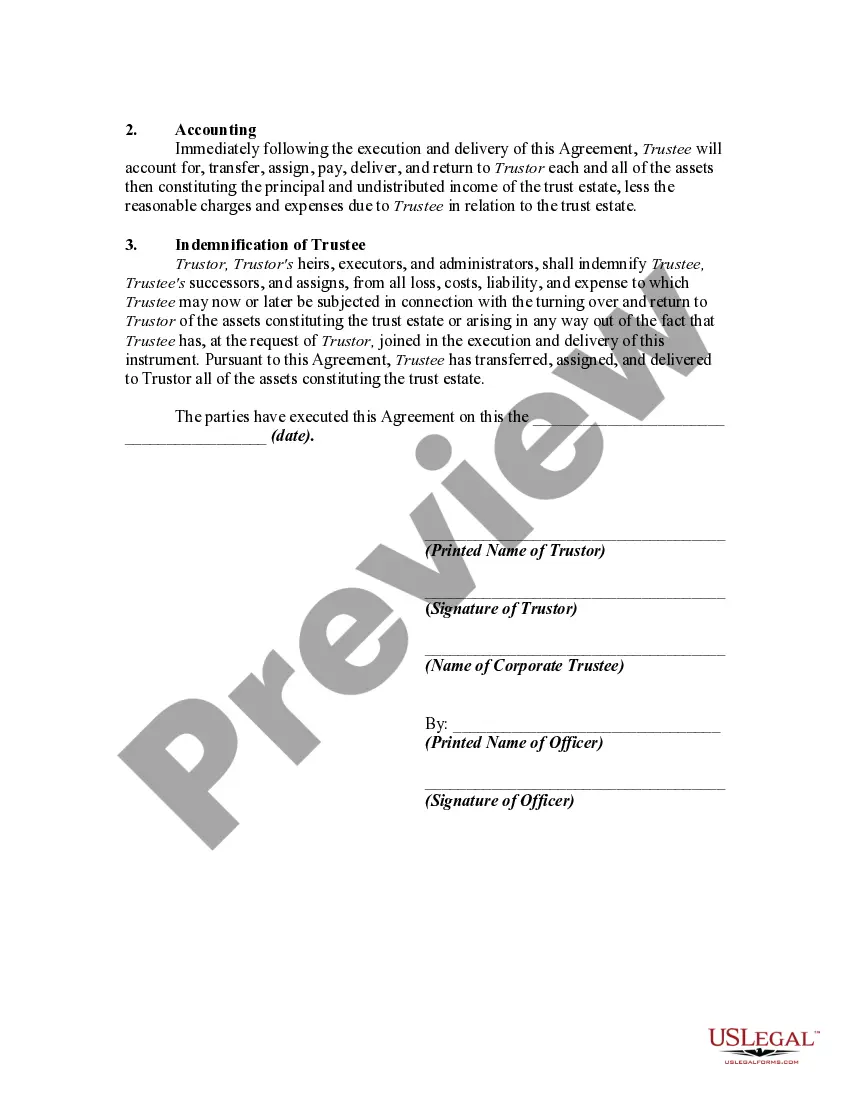
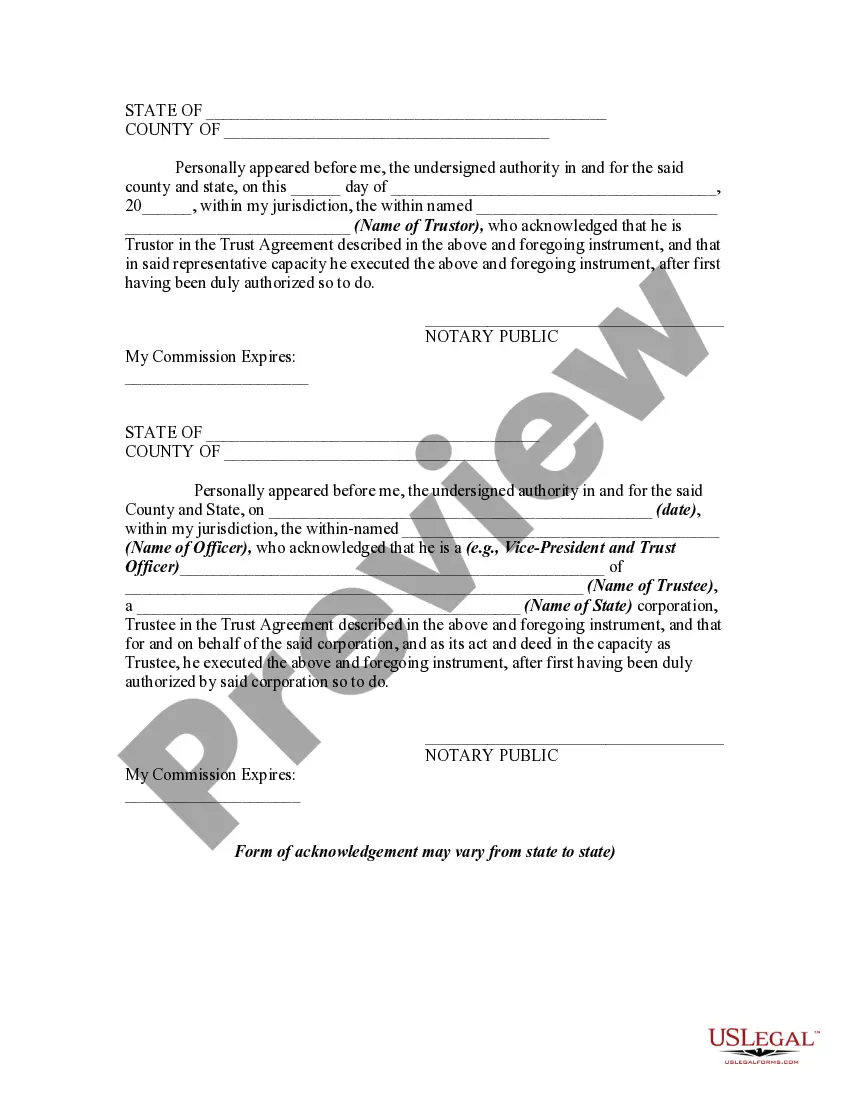
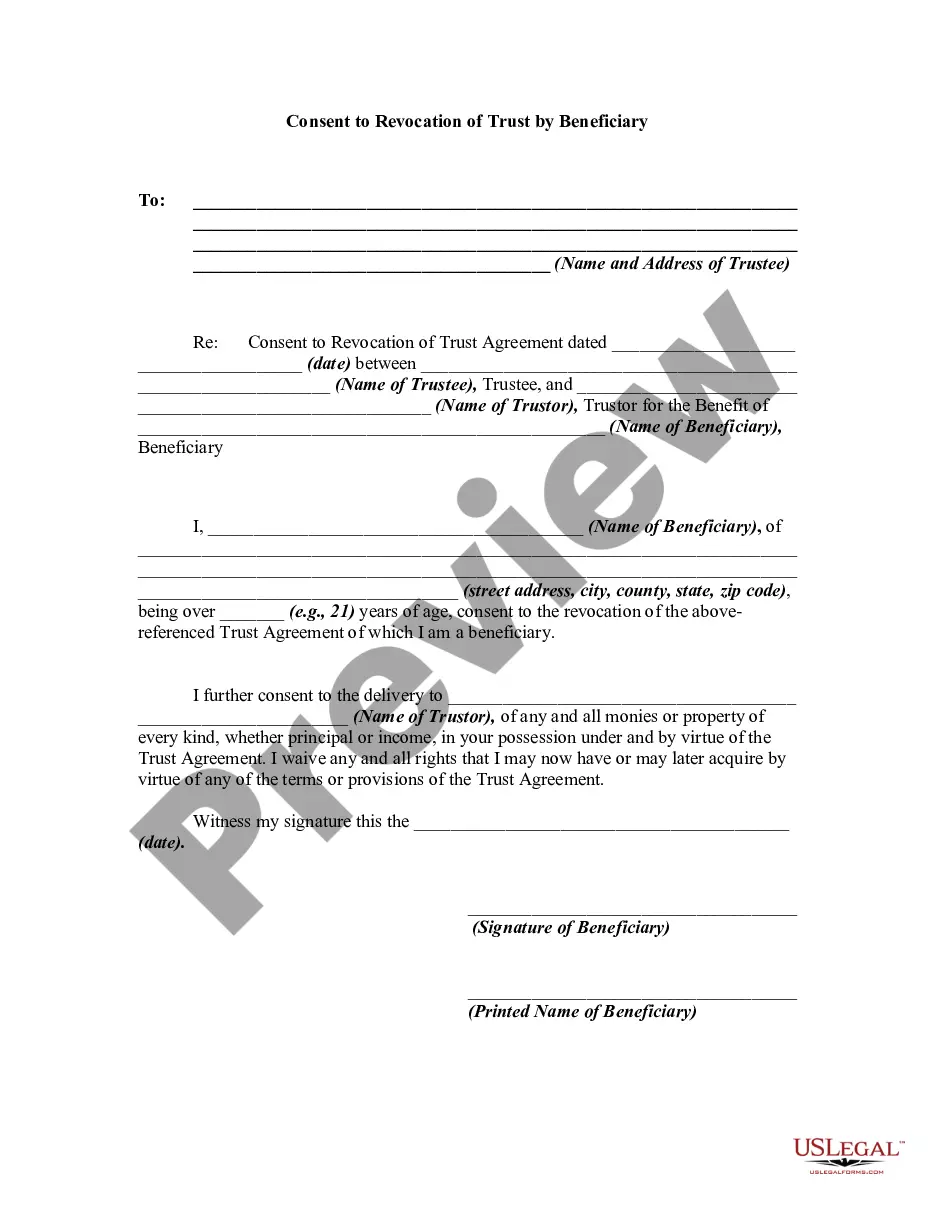
How to fill out Agreement Between Trustor And Trustee Terminating Trust After Disclaimer By Beneficiary?
Utilizing legal templates that comply with both federal and regional laws is crucial, and the internet provides a plethora of choices.
However, what is the benefit of spending time searching for the right Trust Beneficiary Of Annuity example online when the US Legal Forms digital library has already compiled such templates in one location.
US Legal Forms stands as the most extensive online legal repository featuring over 85,000 fillable documents created by legal professionals for various professional and personal scenarios.
Review the template using the Preview option or by referring to the text description to ensure it fulfills your requirements.
- They are easy to navigate with all documents organized by state and intended use.
- Our experts stay informed on legislative changes, ensuring that your form is current and compliant when obtaining a Trust Beneficiary Of Annuity from our platform.
- Acquiring a Trust Beneficiary Of Annuity is straightforward and quick for both existing and new users.
- If you have an account with an active subscription, Log In and download the form you need in the appropriate format.
- If you are a newcomer to our website, follow the steps below.
Form popularity
FAQ
Indeed, a trust can serve as a beneficiary of an annuity, allowing for strategic estate planning. Incorporating a trust in your annuity designations can simplify the transfer of assets upon death and help avoid probate. This setup aids in managing funds according to specific guidelines set forth in the trust. Utilizing platforms like USLegalForms can make it easier to create and maintain a trust that serves as the beneficiary of an annuity, streamlining the whole process.
Yes, a trust can be named as the beneficiary of a living annuity. This provides a flexible way to manage the annuity's benefits according to the wishes outlined in the trust document. When the annuity holder passes away, the payments can flow directly to the trust, allowing the trustee to administer the funds for designated beneficiaries. This arrangement can enhance financial security and estate management, reaffirming the role of the trust beneficiary of annuity in effective planning.
When a trust is the beneficiary of an annuity, the annuity payments go directly to the trust rather than to an individual. This setup allows for better control over how the funds are distributed in accordance with the trust's terms. The trustee manages the funds, ensuring they are used for the intended purposes and beneficiaries. Such arrangements can provide tax benefits as well, depending on the annuity type and trust structure, making the trust beneficiary of an annuity a powerful estate planning tool.
When a trust inherits an annuity, the trust essentially gains the rights to the annuity's benefits. The trust can then choose to receive distributions, which may be taxable as income. Additionally, any specific provisions within the trust document will dictate how the annuity funds are managed and distributed to the beneficiaries. Utilizing US Legal Forms can assist you in drafting a trust that effectively handles the specifics of being a trust beneficiary of annuity.
When a trust is named as the beneficiary of an annuity, the taxation process can become more complex. Typically, the trust becomes responsible for any taxes due on the annuity income. This means that distributions from the annuity will be subject to income tax based on the trust's tax rate. Seeking guidance from a tax professional can help clarify how the taxation of the trust beneficiary of annuity will impact your financial situation.
The time frame for a beneficiary to claim an annuity can vary depending on the terms set forth in the annuity contract. Typically, beneficiaries should initiate the claim process as soon as possible after the annuitant's death. A trust beneficiary of annuity may face additional considerations, as the trust must comply with its own distribution timeline. To ensure all details are covered, you can rely on resources provided by US Legal Forms.
You can name a trust as the official beneficiary of your annuity contract. By doing so, you establish a framework for how the annuity proceeds will be distributed upon your passing. This setup may simplify the transfer of assets and bypass the probate process, offering your beneficiaries a smoother experience. Consider US Legal Forms to help you navigate and finalize the legal aspects involved in naming a trust as the beneficiary.
Filling out a beneficiary form for a trust requires clear and accurate information about the intended recipient of the trust assets. First, you should identify the trust and the annuity involved. Next, include the full name, address, and relationship of the beneficiary to ensure the designation is valid. Utilizing a service like US Legal Forms can streamline this process, providing you with the correct templates and guidance to designate a trust beneficiary of annuity effectively.