Settlor Trustee And Beneficiary
Description
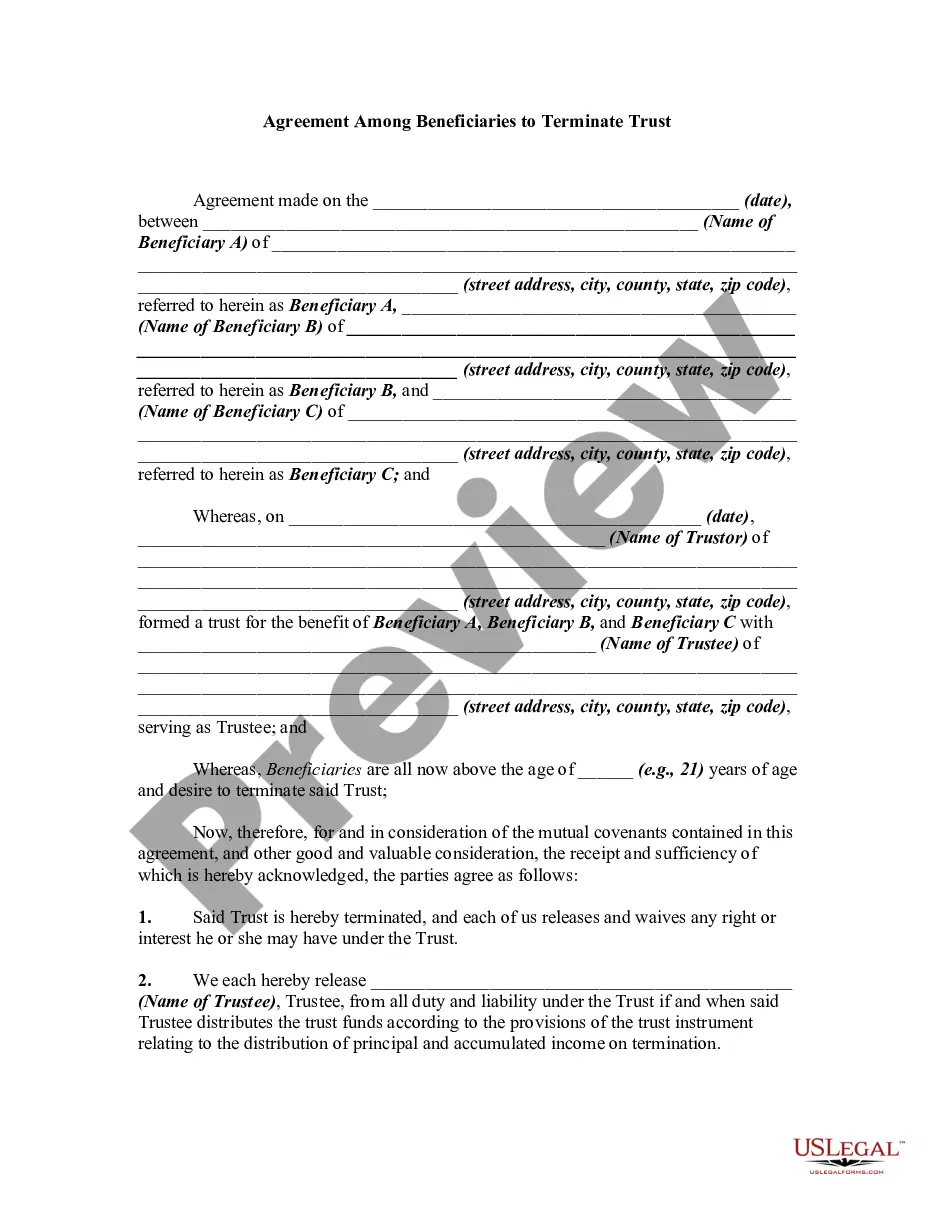
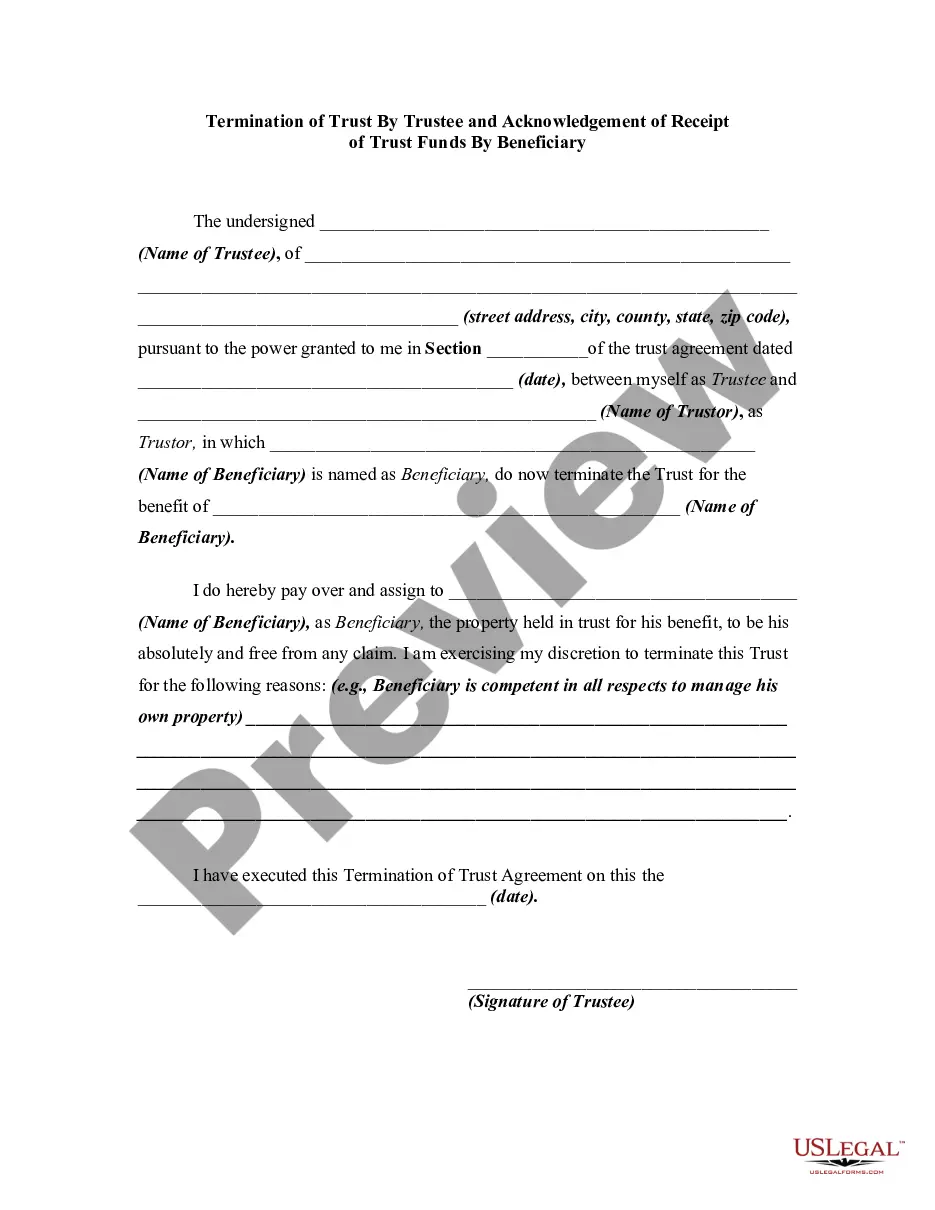
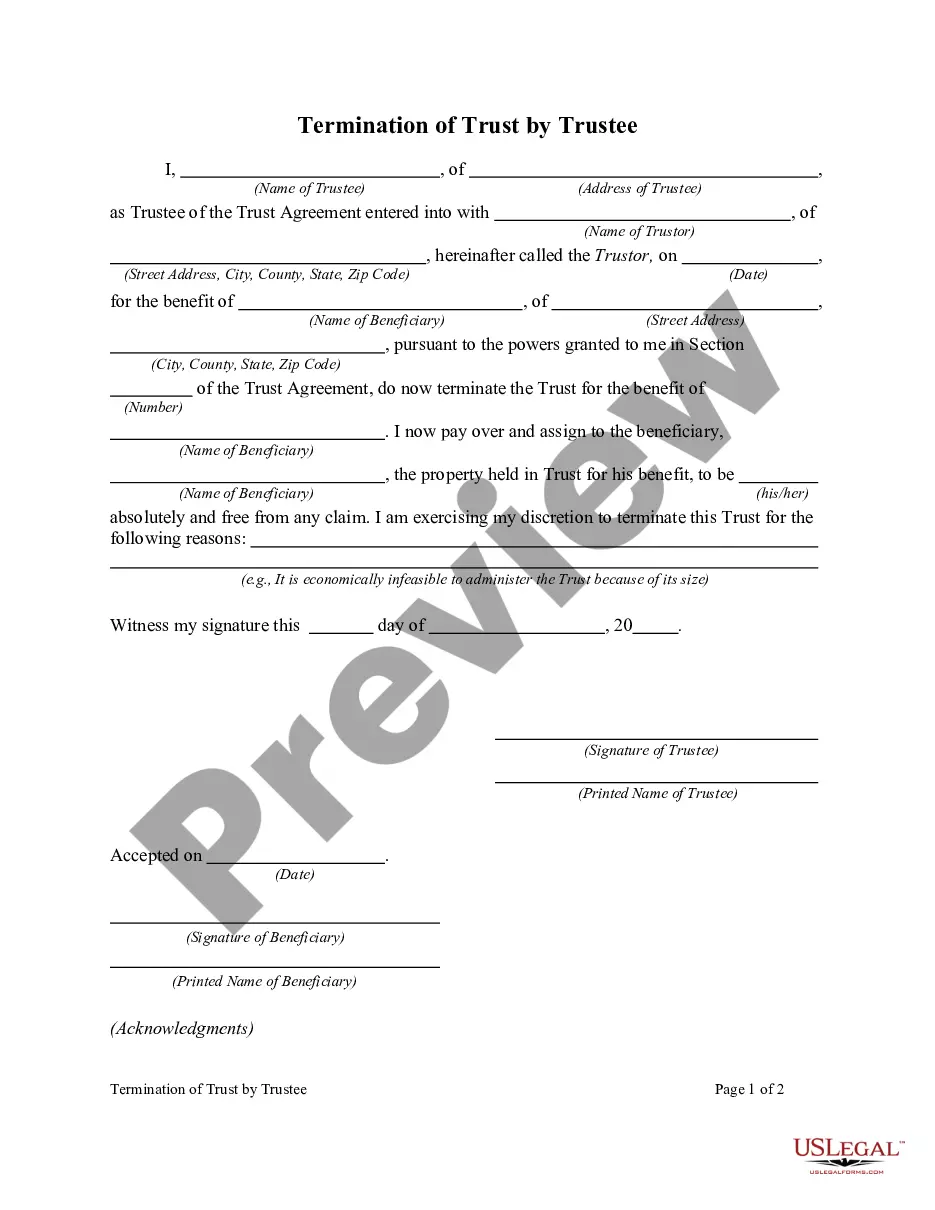
Get your form ready online
Our built-in tools help you complete, sign, share, and store your documents in one place.
Make edits, fill in missing information, and update formatting in US Legal Forms—just like you would in MS Word.
Download a copy, print it, send it by email, or mail it via USPS—whatever works best for your next step.
Sign and collect signatures with our SignNow integration. Send to multiple recipients, set reminders, and more. Go Premium to unlock E-Sign.
If this form requires notarization, complete it online through a secure video call—no need to meet a notary in person or wait for an appointment.
We protect your documents and personal data by following strict security and privacy standards.

Make edits, fill in missing information, and update formatting in US Legal Forms—just like you would in MS Word.

Download a copy, print it, send it by email, or mail it via USPS—whatever works best for your next step.

Sign and collect signatures with our SignNow integration. Send to multiple recipients, set reminders, and more. Go Premium to unlock E-Sign.

If this form requires notarization, complete it online through a secure video call—no need to meet a notary in person or wait for an appointment.

We protect your documents and personal data by following strict security and privacy standards.
Looking for another form?










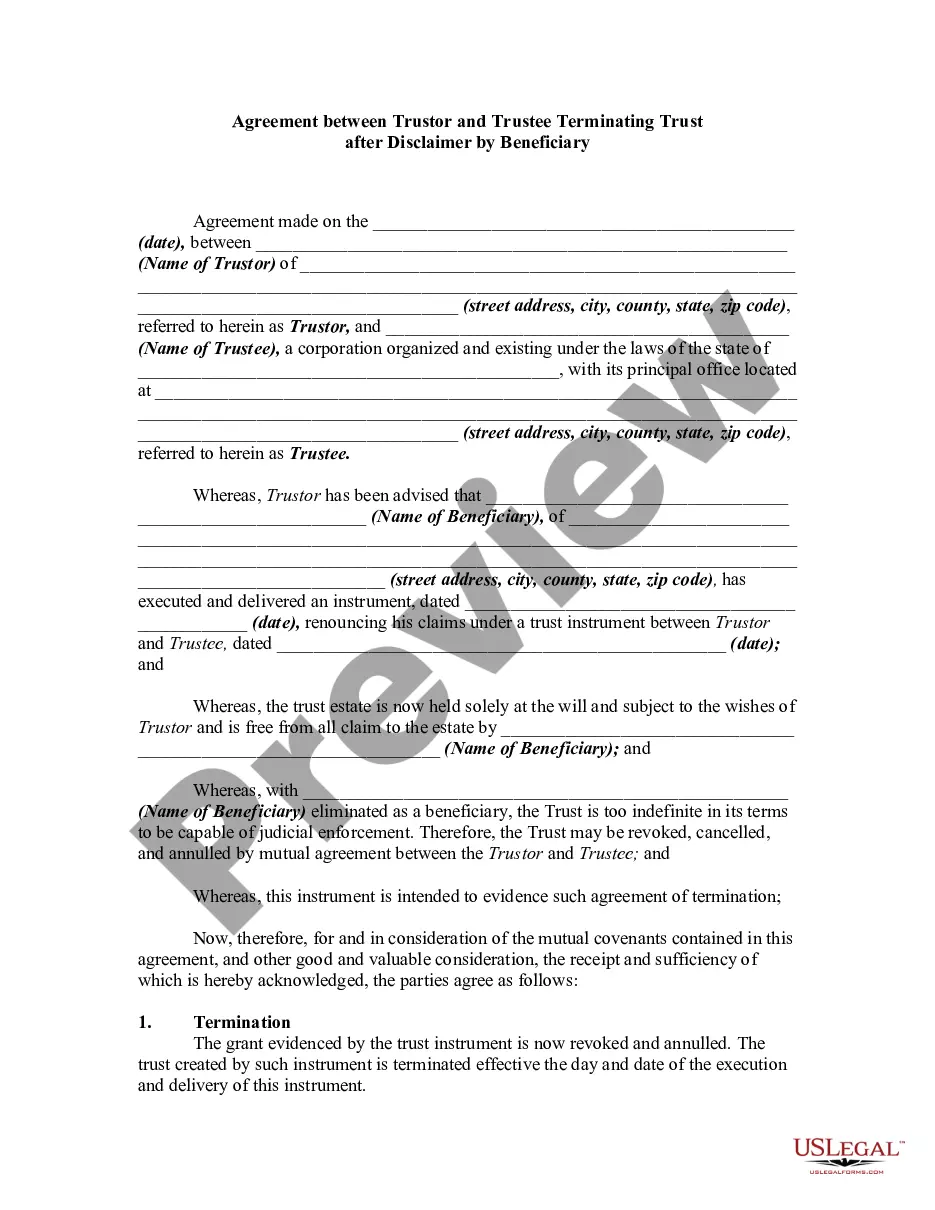
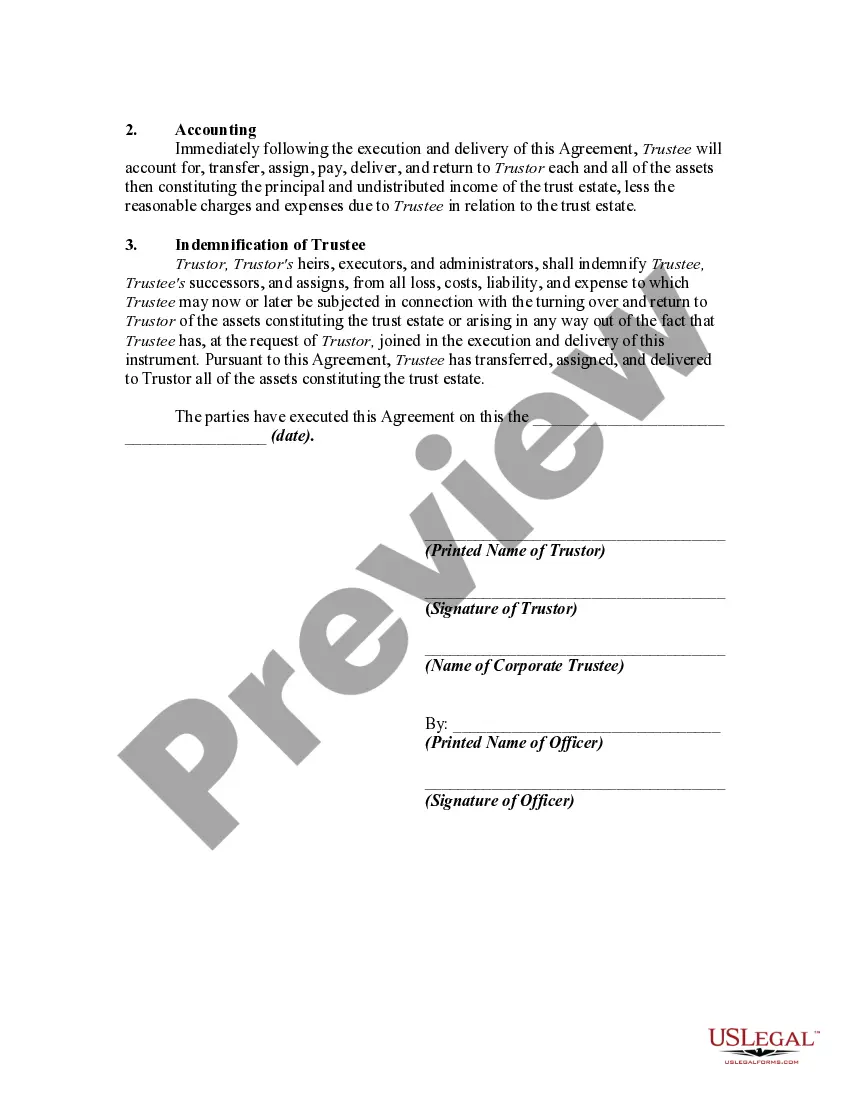
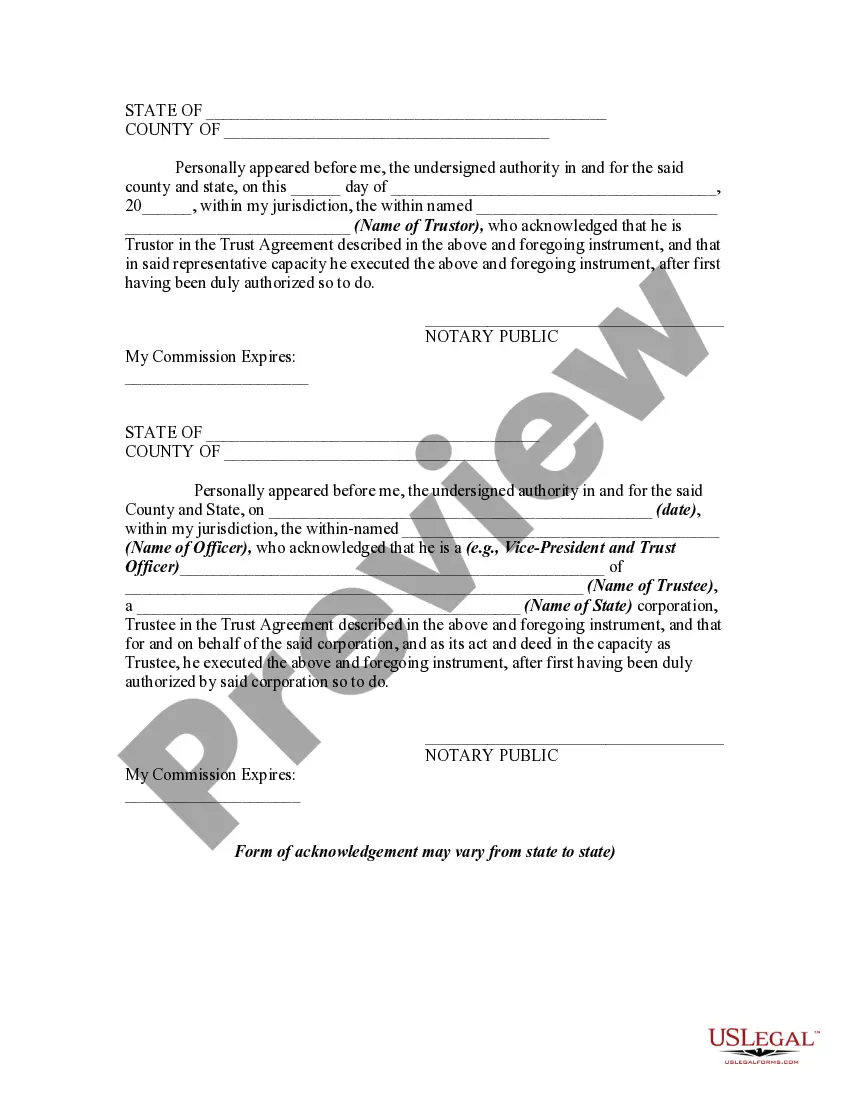
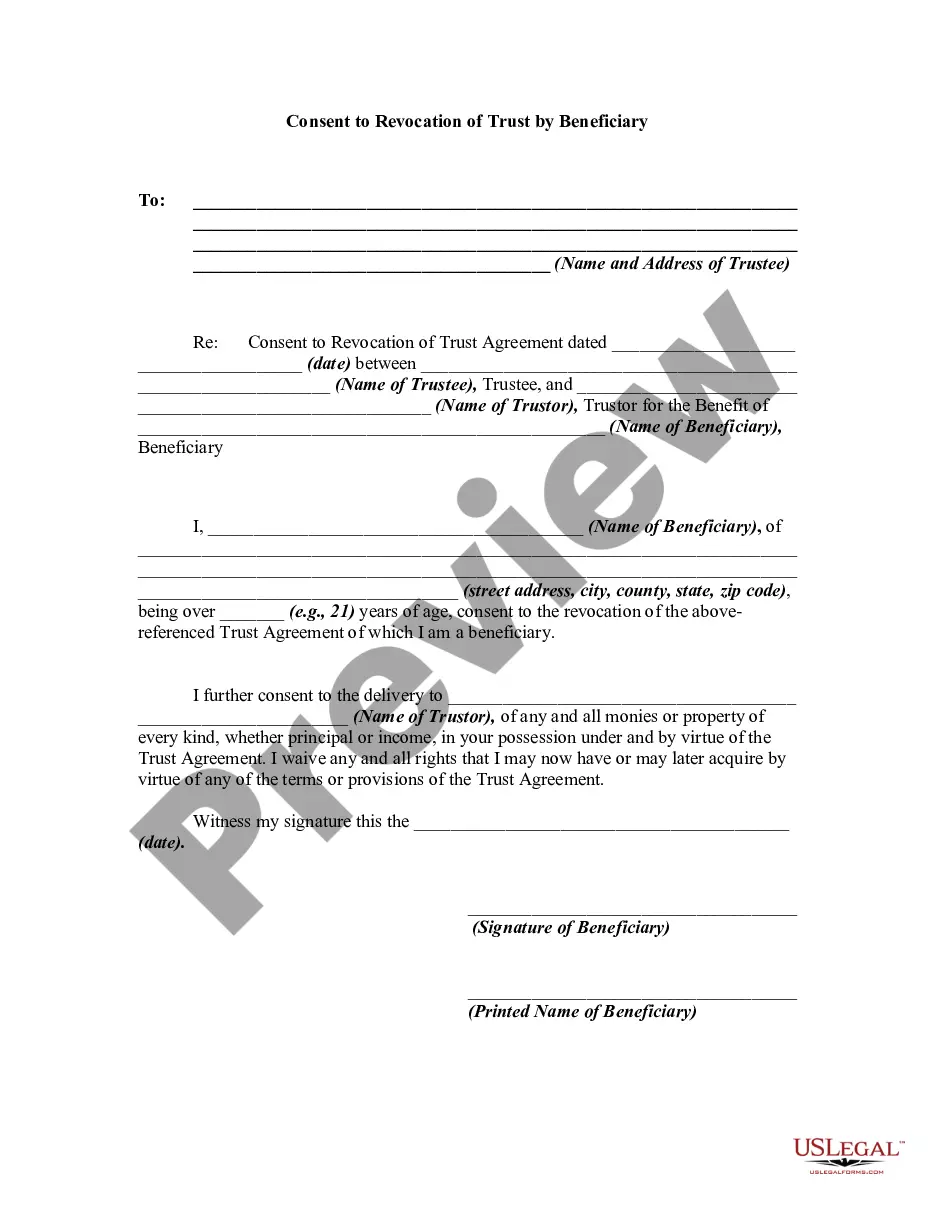
How to fill out Agreement Between Trustor And Trustee Terminating Trust After Disclaimer By Beneficiary?
Securing a reliable source for obtaining the most up-to-date and suitable legal templates is part of the challenge of dealing with bureaucracy.
Locating the correct legal documents necessitates accuracy and meticulousness, which highlights the importance of sourcing samples of Settlor Trustee And Beneficiary solely from trustworthy sources, such as US Legal Forms. An incorrect template can squander your time and delay the circumstances you are facing. With US Legal Forms, there is minimal to worry about. You can access and review all the details regarding the document’s applicability and significance for your case and within your state or county.
Once you have the form on your device, you can edit it with the editor or print it out and complete it by hand. Remove the complications associated with your legal paperwork. Browse the comprehensive US Legal Forms library to discover legal samples, verify their relevance to your situation, and download them instantly.
- Utilize the library navigation or search function to find your template.
- Examine the form’s details to ensure it meets the specifications of your state and locality.
- Look at the form preview, if available, to confirm that it is the document you seek.
- Continue searching and locate the appropriate document if the Settlor Trustee And Beneficiary does not match your requirements.
- When you are certain of the form’s applicability, download it.
- If you are a registered user, click Log in to verify and access your chosen templates in My documents.
- If you have not yet created an account, click Buy now to obtain the form.
- Select the pricing option that suits your needs.
- Move forward to the registration to complete your purchase.
- Finalize your transaction by selecting a payment method (credit card or PayPal).
- Pick the file format for downloading Settlor Trustee And Beneficiary.
Form popularity
FAQ
To leave property to your living trust, name your trust as beneficiary for that property, using the trustee's name and the name of the trust. For example: John Doe as trustee of the John Doe Living Trust, dated January 1, 20xx.
The settlor then provides in the trust instrument how that trust property is to be used for the beneficiaries. In the case of the inter vivos trust, the settlor can also be the beneficiary. Additionally, The settlor can be the trustee in the case of the self-declared trust.
Name only living persons as beneficiaries, unless you are naming a trust, your estate or an organization. Do not name the same person or organization as both a primary and secondary beneficiary. Do not use the word ?or? when designating multiple beneficiaries. Do not impose any conditions on payment.
The settlor is a person who creates the trust and transfers propertyto the trustee and causes the trustee to administer and dispose of such property(trust property) on behalf of the beneficiaries, in ance with the trust objectives.
Most beneficiary designations will require you to provide a person's full legal name and their relationship to you (spouse, child, mother, etc.). Some beneficiary designations also include information like mailing address, email, phone number, date of birth and Social Security number.