Joint Trust Irrevocable At First Death
Description
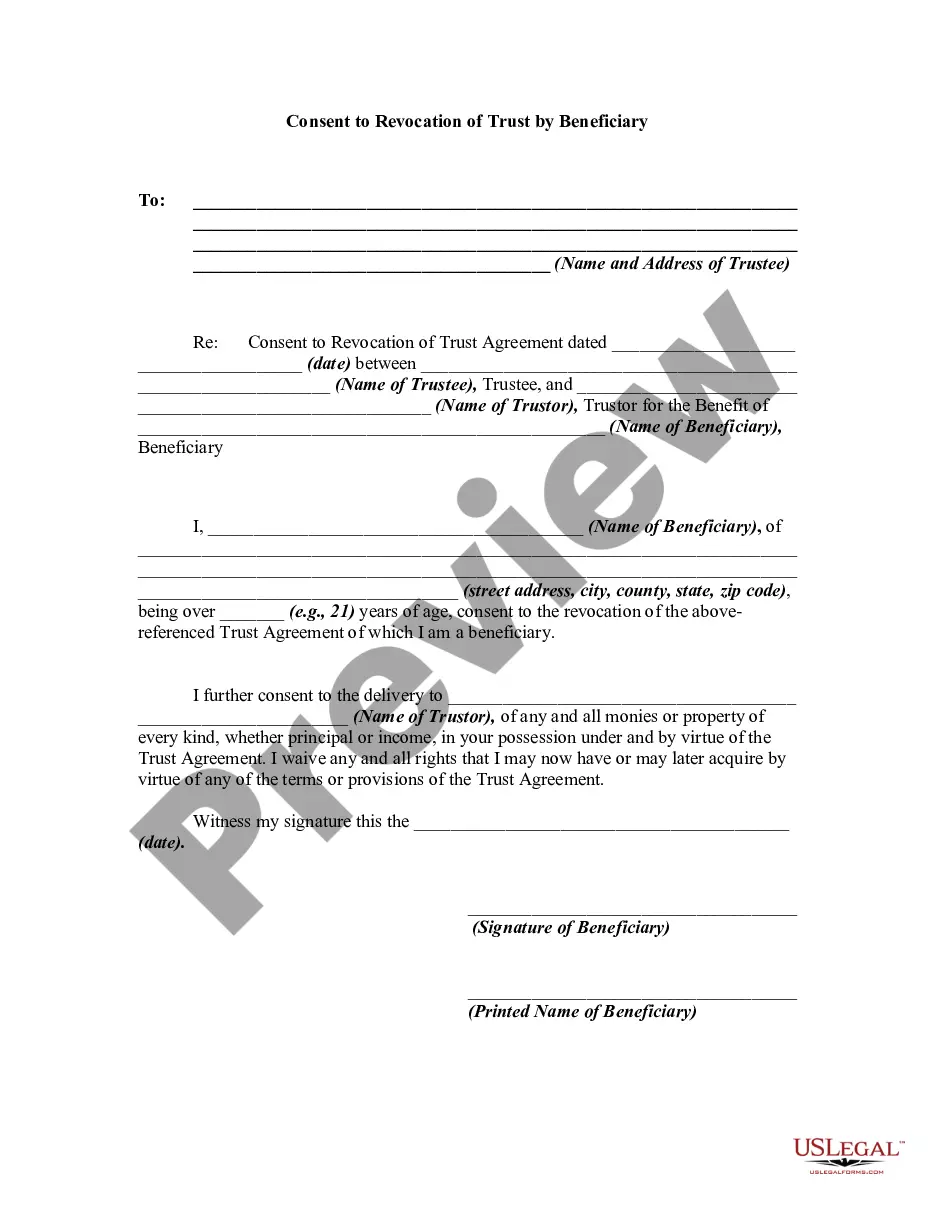
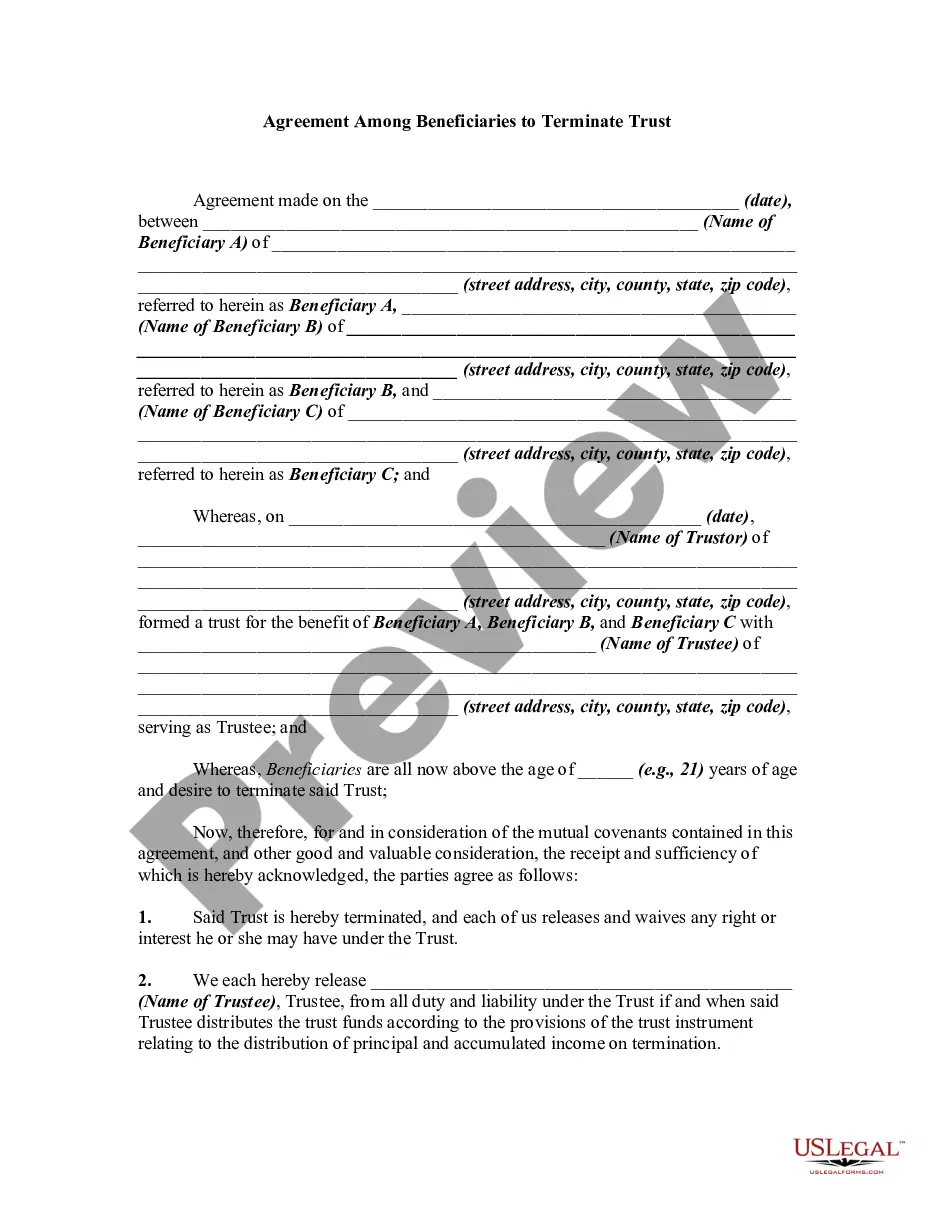
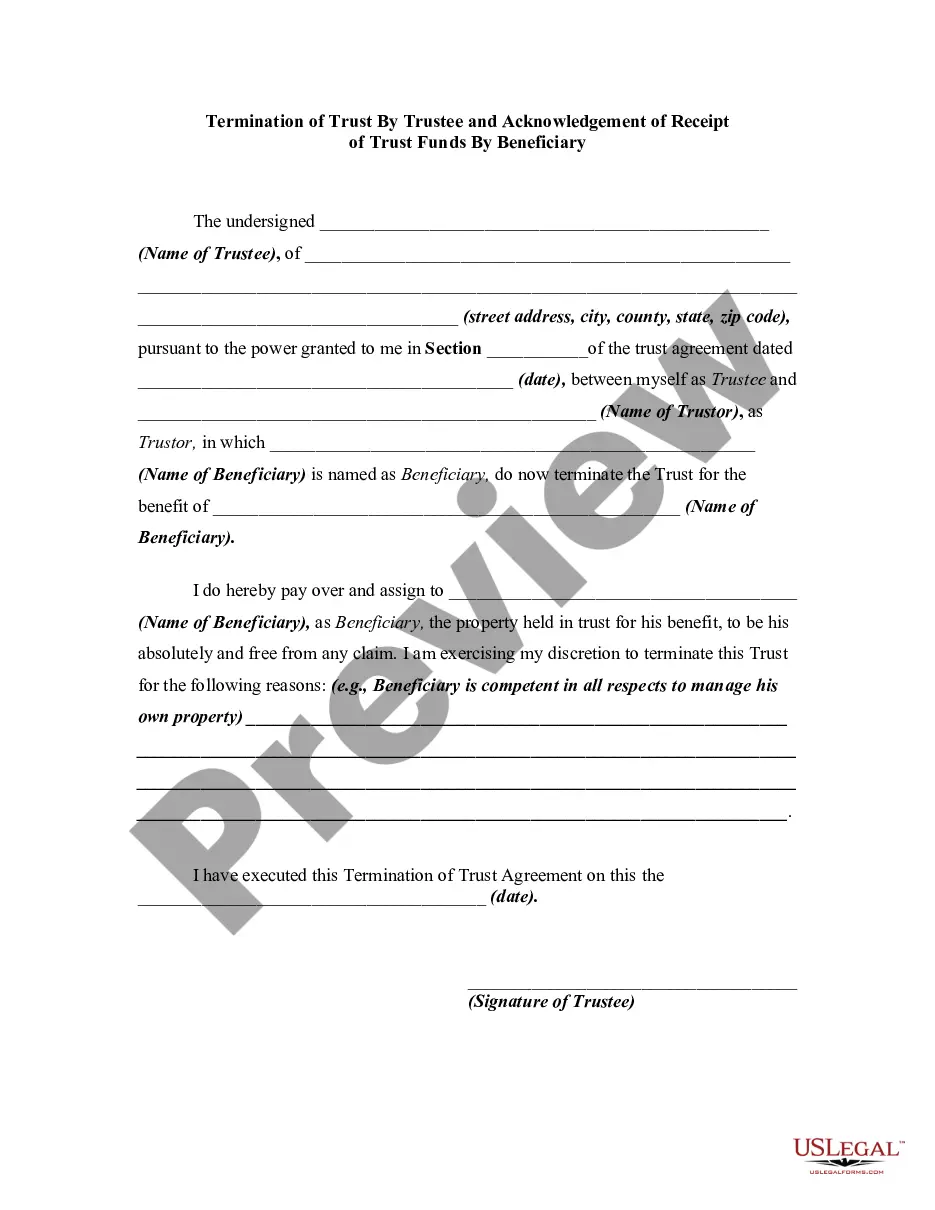
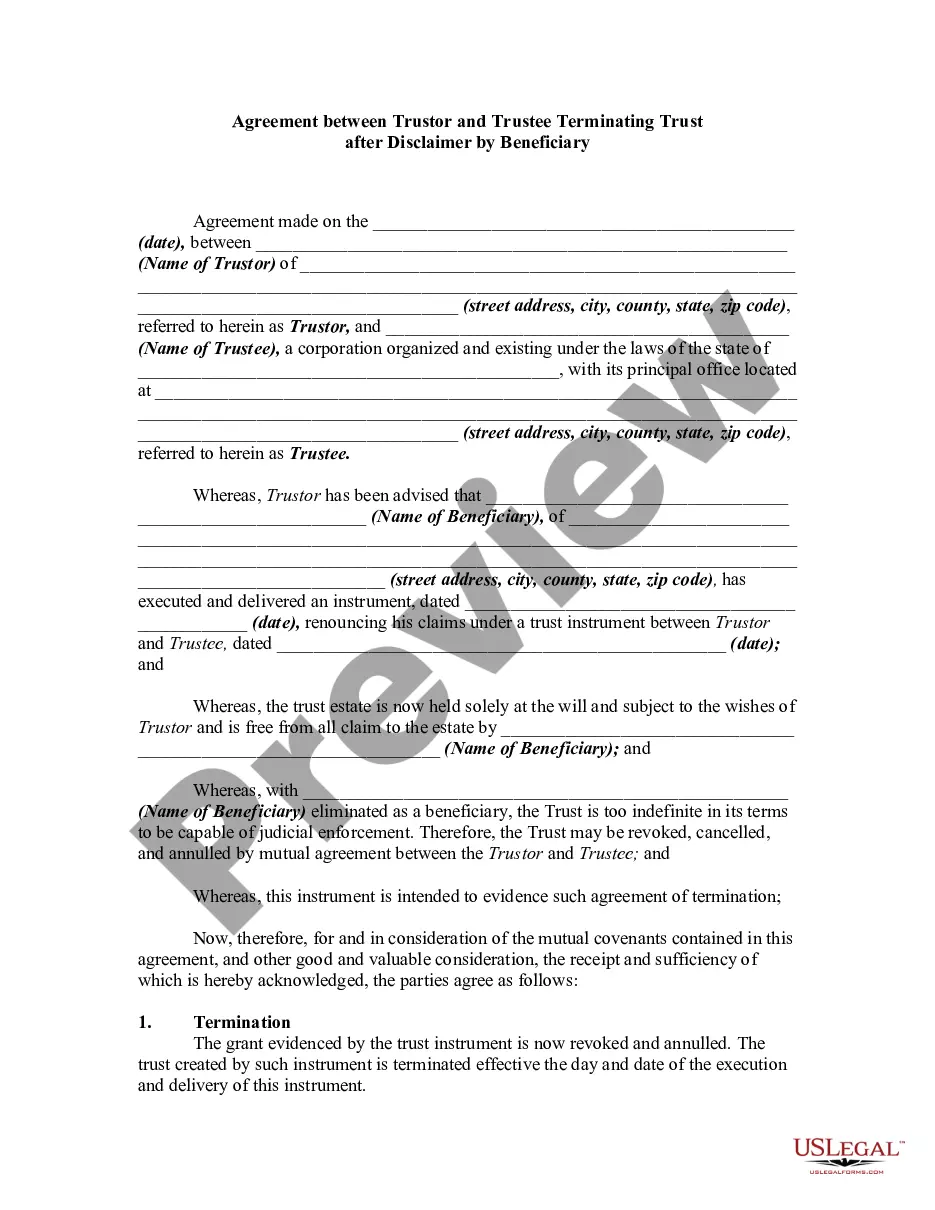
Get your form ready online
Our built-in tools help you complete, sign, share, and store your documents in one place.
Make edits, fill in missing information, and update formatting in US Legal Forms—just like you would in MS Word.
Download a copy, print it, send it by email, or mail it via USPS—whatever works best for your next step.
Sign and collect signatures with our SignNow integration. Send to multiple recipients, set reminders, and more. Go Premium to unlock E-Sign.
If this form requires notarization, complete it online through a secure video call—no need to meet a notary in person or wait for an appointment.
We protect your documents and personal data by following strict security and privacy standards.

Make edits, fill in missing information, and update formatting in US Legal Forms—just like you would in MS Word.

Download a copy, print it, send it by email, or mail it via USPS—whatever works best for your next step.

Sign and collect signatures with our SignNow integration. Send to multiple recipients, set reminders, and more. Go Premium to unlock E-Sign.

If this form requires notarization, complete it online through a secure video call—no need to meet a notary in person or wait for an appointment.

We protect your documents and personal data by following strict security and privacy standards.
Looking for another form?







How to fill out Consent To Revocation Of Trust By Beneficiary?
It’s widely known that you cannot transform into a legal expert in a day, nor can you rapidly understand how to effectively draft a Joint Trust Irrevocable At First Death without possessing specialized knowledge.
Assembling legal documents is a lengthy endeavor that necessitates specific education and expertise. So, why not entrust the development of the Joint Trust Irrevocable At First Death to the professionals.
With US Legal Forms, one of the most extensive legal document repositories, you can find everything from legal filings to templates for internal business communications. We recognize how vital compliance with federal and local laws and regulations is. That’s why, on our website, all templates are tailored to specific locations and current.
You can access your documents again from the My documents tab at any time. If you are an existing client, you can simply Log In, and locate and download the template from the same tab.
No matter the intent of your documents—whether financial, legal, or personal—our platform has you covered. Give US Legal Forms a try today!
- Commence by utilizing the search bar at the top of the page to locate the form you need.
- Preview it (if this option is available) and review the accompanying description to determine if Joint Trust Irrevocable At First Death is what you require.
- If you need any other template, restart your search.
- Create a free account and select a subscription plan to acquire the form.
- Click Buy now. Once the payment is completed, you can download the Joint Trust Irrevocable At First Death, fill it out, print it, and send or mail it to the specified individuals or organizations.
Form popularity
FAQ
The resulting reduction in the beneficiary's tax burden, and the government's loss of tax revenue, triggered the issuance of IRS Revenue Ruling 2023-2, which boils down to this: Assets held by an irrevocable grantor trust do not receive a step-up in basis at the death of the grantor.
The surviving spouse is the sole Settlor/Trustee/Beneficiary if one dies. In short, nothing changes. The surviving spouse manages the Trust and its assets as they see fit. For example, if the surviving spouse desires to, they can amend the Trust, add or remove assets, change future beneficiaries, etc.
In joint revocable trusts, the trust generally cannot become irrevocable until both grantors die. However, as with most legal provisions, you have ways to bypass this rule.
What Happens When the Grantor Dies? When the grantor of an irrevocable trusts dies, the person named successor trustee in the Declaration of Trust assumes control of the trust. The new trustee distributes the assets placed in the trust to the proper beneficiaries.
Franke, Jr. Yes, once the trust grantor becomes incapacitated or dies, his revocable trust is now irrevocable, meaning that generally the terms of the trust cannot be changed or revoked going forward. This is also true of trusts established by the grantor with the intention that they be irrevocable from the start.