Trust Is Dissolved
Description
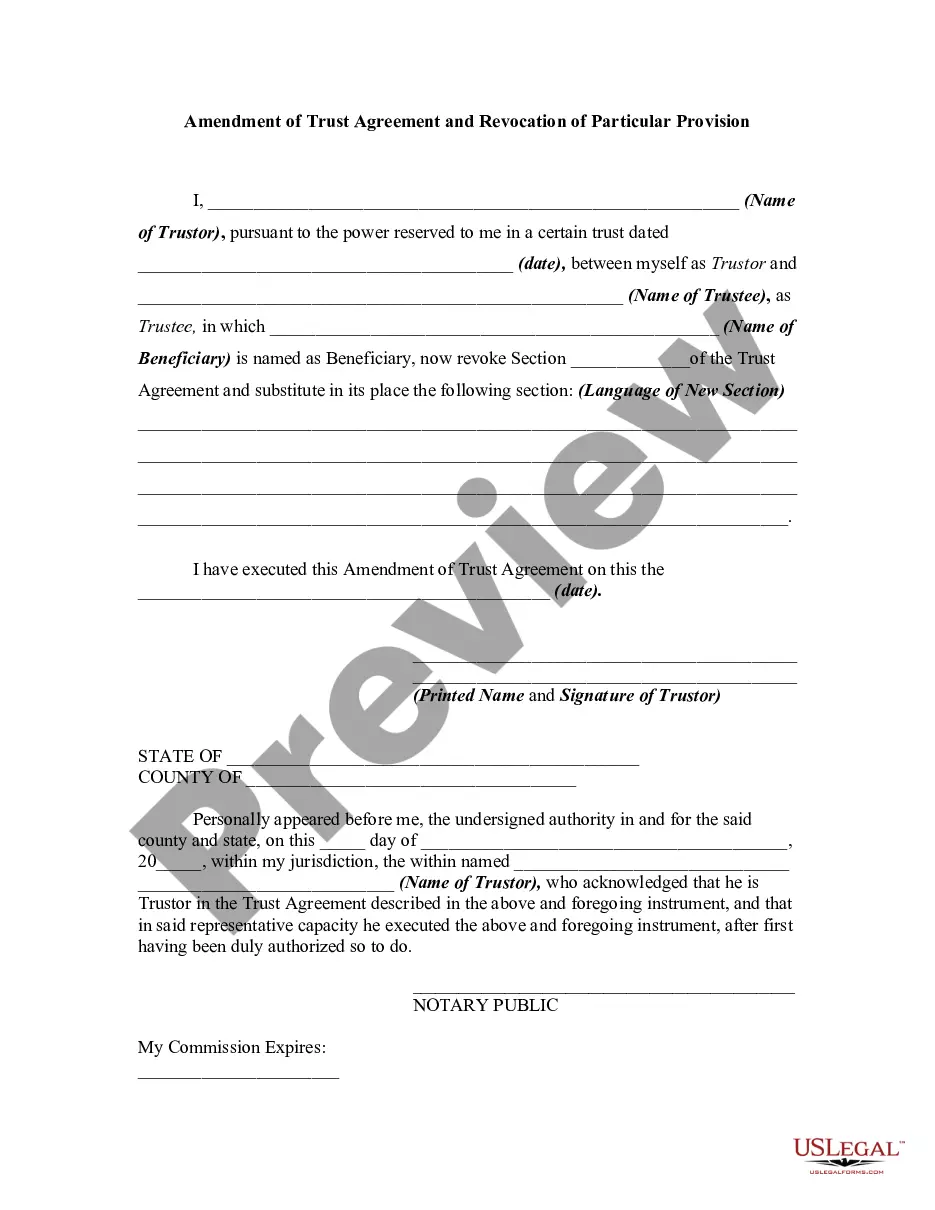
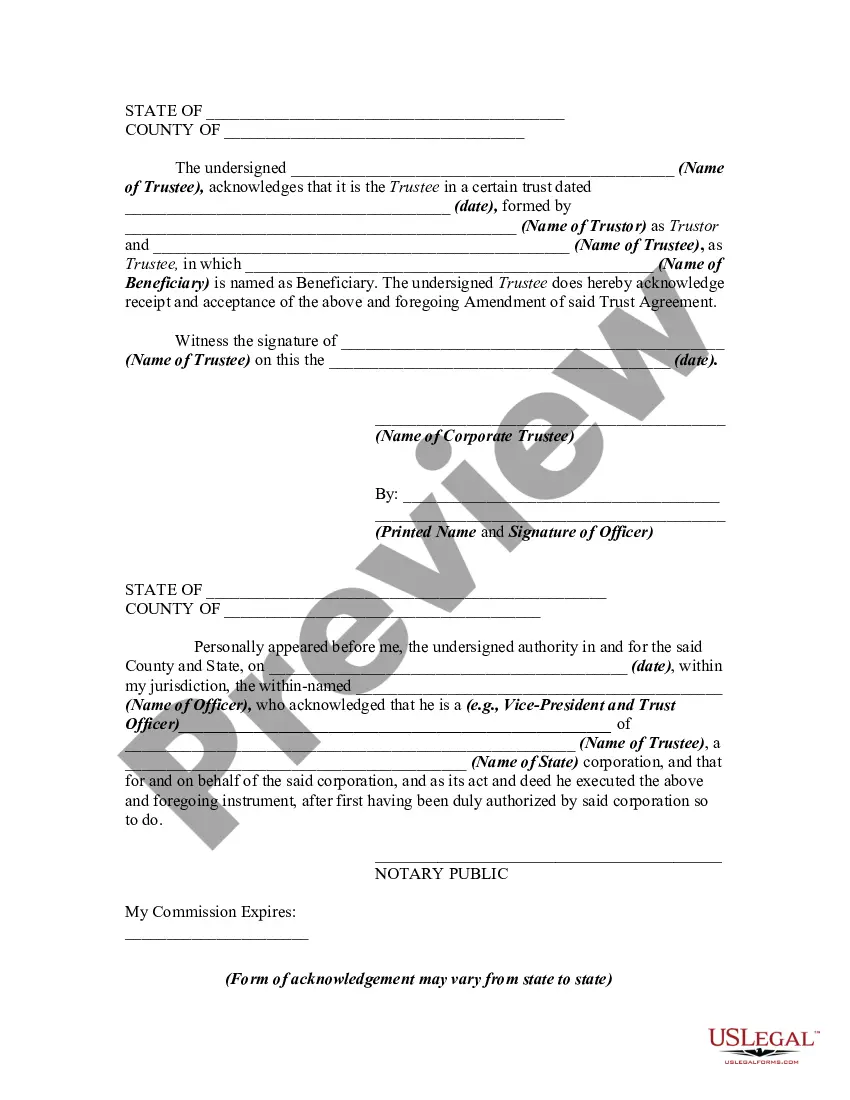
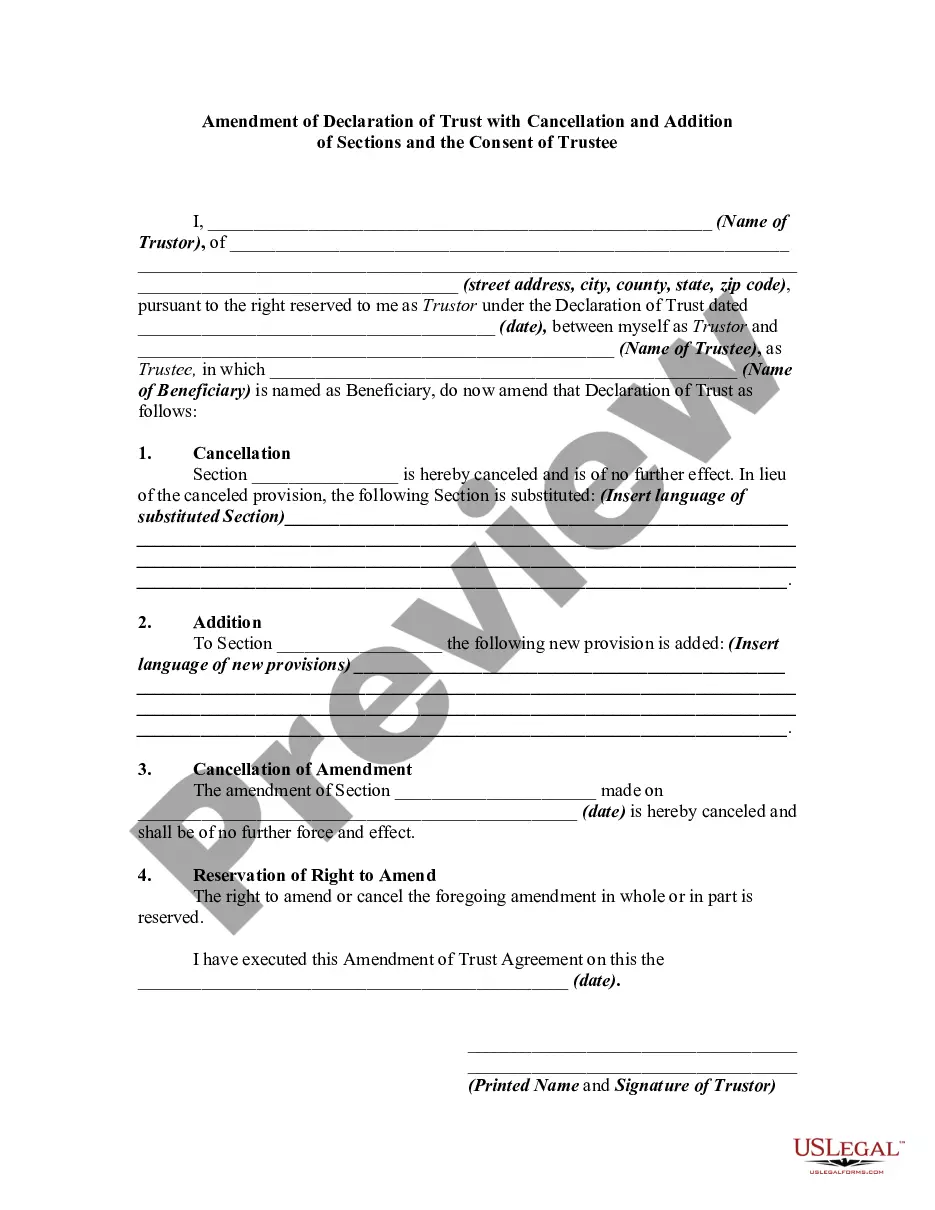
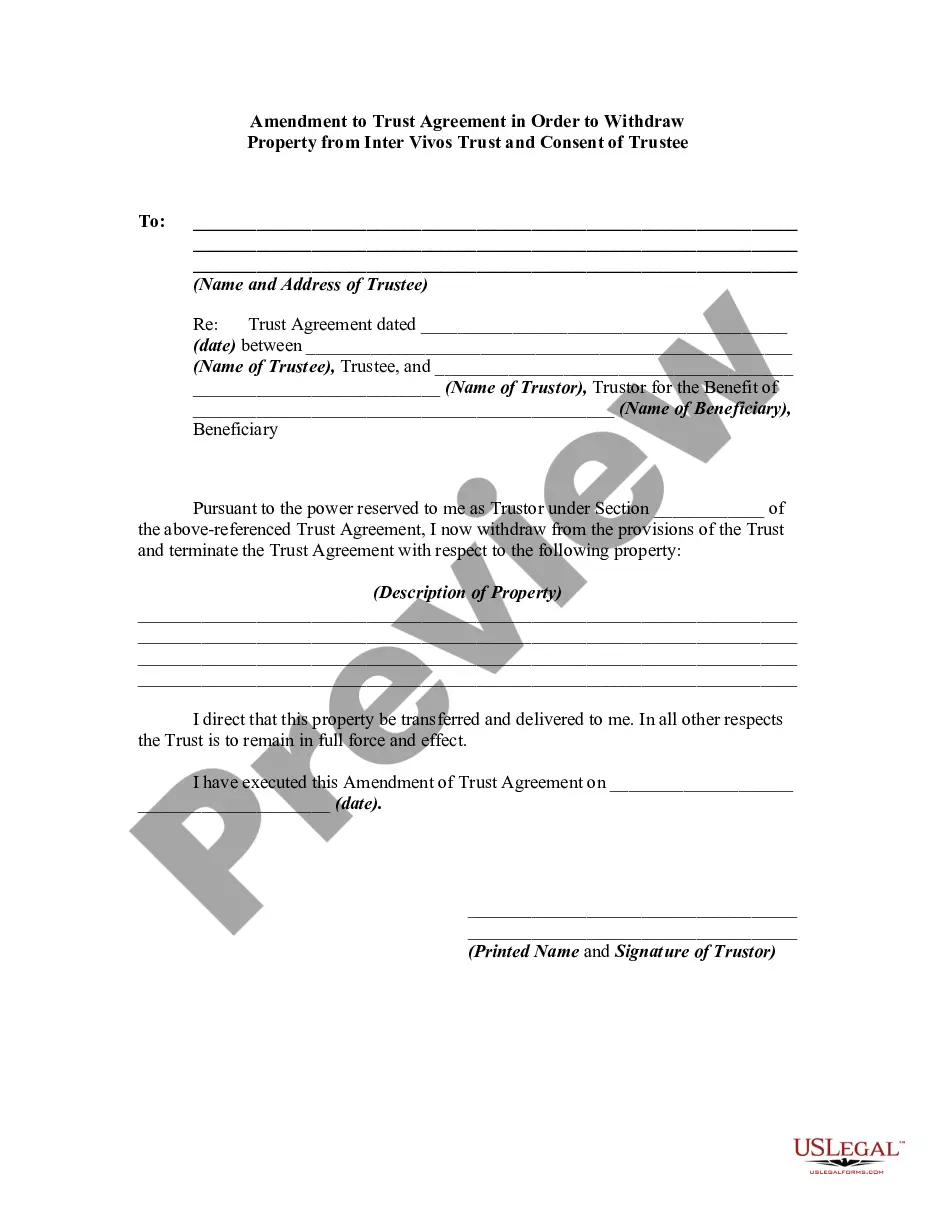
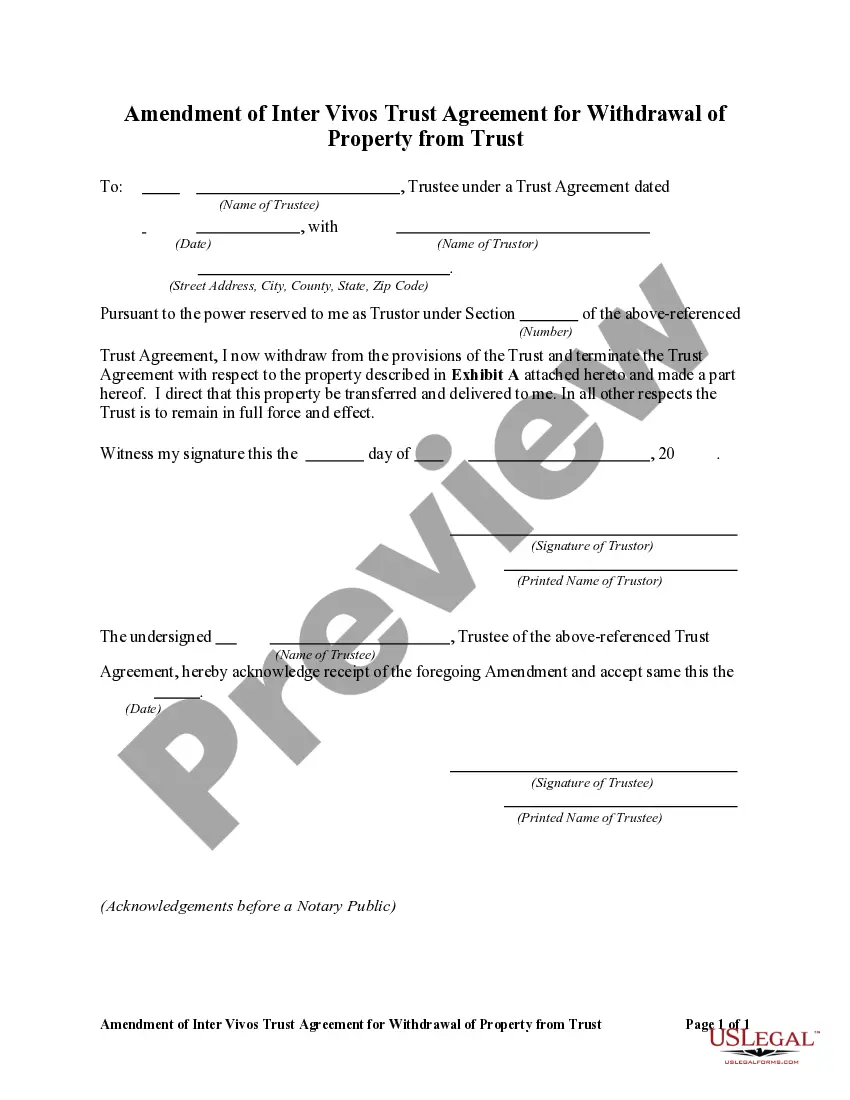
Get your form ready online
Our built-in tools help you complete, sign, share, and store your documents in one place.
Make edits, fill in missing information, and update formatting in US Legal Forms—just like you would in MS Word.
Download a copy, print it, send it by email, or mail it via USPS—whatever works best for your next step.
Sign and collect signatures with our SignNow integration. Send to multiple recipients, set reminders, and more. Go Premium to unlock E-Sign.
If this form requires notarization, complete it online through a secure video call—no need to meet a notary in person or wait for an appointment.
We protect your documents and personal data by following strict security and privacy standards.

Make edits, fill in missing information, and update formatting in US Legal Forms—just like you would in MS Word.

Download a copy, print it, send it by email, or mail it via USPS—whatever works best for your next step.

Sign and collect signatures with our SignNow integration. Send to multiple recipients, set reminders, and more. Go Premium to unlock E-Sign.

If this form requires notarization, complete it online through a secure video call—no need to meet a notary in person or wait for an appointment.

We protect your documents and personal data by following strict security and privacy standards.
Looking for another form?
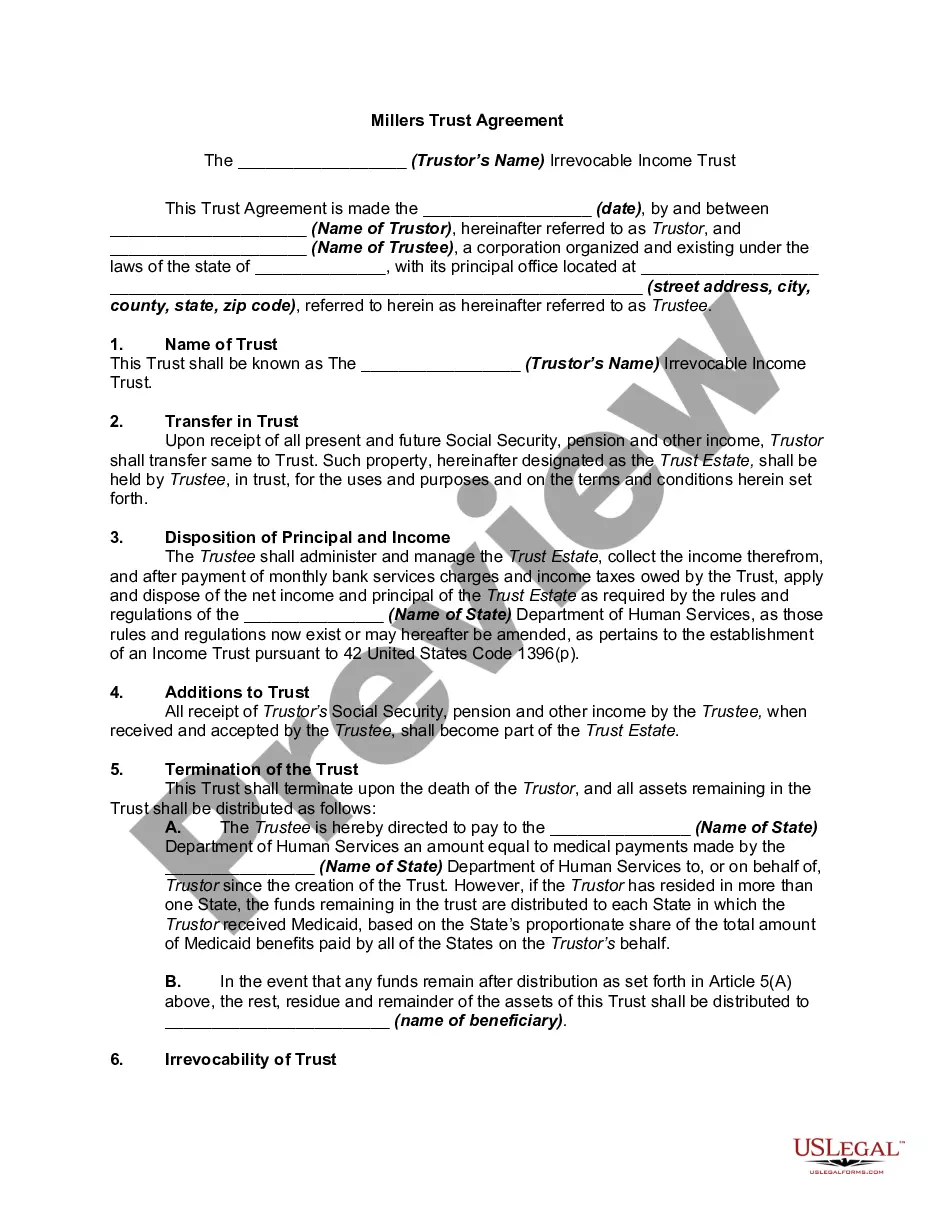
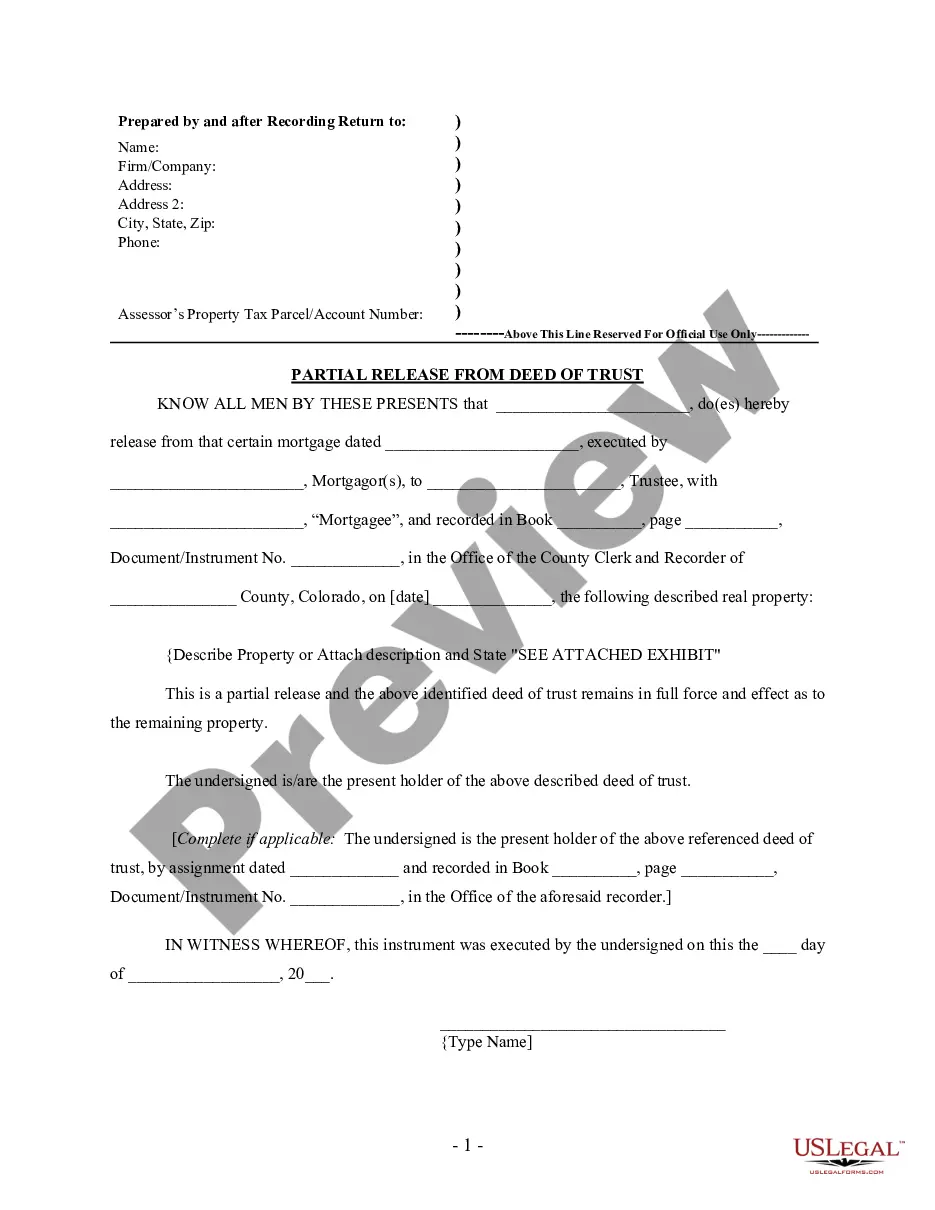
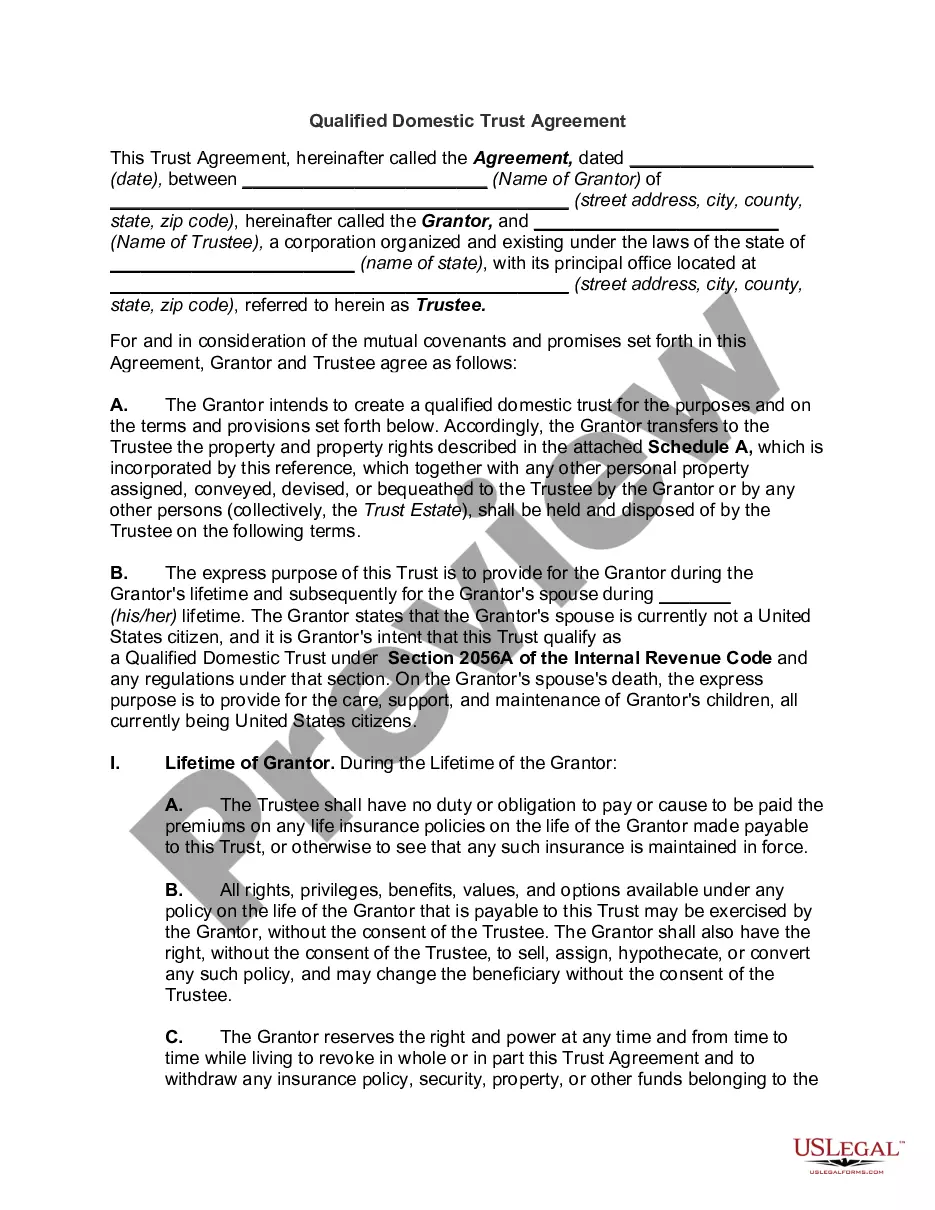


How to fill out Amendment Of Trust Agreement And Revocation Of Particular Provision?
- If you have an existing account, log in and download your required form by clicking the Download button. Ensure your subscription is active, and renew it if necessary.
- For new users, start by previewing the form descriptions to confirm you choose the right template that adheres to your local jurisdiction requirements.
- If you need to find another form, utilize the Search tab above to locate any alternative that fits your needs better.
- Once you’ve selected the right document, click the Buy Now button and select your preferred subscription plan. You will need to create an account to access the full library.
- Next, make your payment using credit card details or your PayPal account to complete the purchase.
- Finally, download the form to your device for completion, and access it later in the My Forms section of your account.
By following these steps, users can benefit from a robust collection of legal forms that meets a variety of needs, ensuring efficiency and accuracy in legal documentation.
Start simplifying your legal processes today with US Legal Forms. Gain access to a wealth of resources and expert assistance to ensure your forms are completed correctly.
Form popularity
FAQ
A trust closes when its purpose has been fulfilled or when the beneficiaries or trustee mutually agree to end it. To formally conclude the process, proper legal documentation must be completed, and any remaining assets should be distributed according to the trust terms. Understanding how trust is dissolved effectively can help avoid disputes among the parties involved. Utilizing platforms like US Legal Forms can streamline the necessary documentation and procedures for closing your trust efficiently.
A trust can become null and void for several reasons, such as a lack of legal capacity of the creator or if the purpose of the trust is illegal. Additionally, if the trust terms are unclear or invalidated by a court, it becomes ineffective. It’s important to consult legal advice to understand the key elements that could lead to a situation where the trust is dissolved before it achieves its intended goals.
Dissolving a trust can vary in difficulty based on factors like its type and the terms set forth in the trust document. Generally, if all parties agree, the process can be relatively straightforward. However, complications may arise if there are disputes or specific legal requirements are not met. Knowing how trust is dissolved is essential to ensure a smooth transition.
The 5 year rule for trusts primarily concerns the taxation of certain assets. If you transfer assets to a trust and want them to be excluded from your estate, you must survive five years. If you pass away within this period, those assets may still be included in your estate when evaluating taxes. Therefore, understanding how trust is dissolved in relation to this rule is crucial for effective estate planning.
Dissolving an irrevocable trust can be complex due to its nature, but it is possible in specific circumstances. Usually, you’ll need to prove that all beneficiaries agree to the dissolution and seek court approval if required. Engaging legal guidance is crucial to navigate the nuances involved. Platforms like US Legal Forms can offer valuable templates and information to help you during this intricate process.
Terminating a trust is similar to dissolving one and generally requires an examination of the trust agreement to identify the terms for termination. You will need to inform the beneficiaries and take actions to distribute the trust assets appropriately. Depending on your situation, court involvement may be necessary in some cases. Utilizing US Legal Forms' resources can make navigating these steps easier.
Dissolving a trust typically involves several steps, starting with a review of the trust document to understand its terms. Next, you'll need to notify all beneficiaries and possibly seek court approval depending on the trust type. Once approved, you can distribute the assets according to the trust's provisions and file necessary documents. Engaging a platform like US Legal Forms can assist you in managing the paperwork efficiently during this process.
When a trust is dissolved, there may be significant tax implications to consider. The assets held in the trust may be subject to taxes, depending on how they are distributed or retained. It is essential to consult with a tax professional to fully understand how taxes are applied when a trust is dissolved. They can guide you through potential deductions and strategies for minimizing tax liability.
The difficulty of dissolving a trust often depends on the type of trust and the circumstances surrounding it. Generally, if the trust is revocable, the process is more straightforward. However, when a trust is dissolved, especially an irrevocable trust, certain legal steps must be taken. Seeking guidance from a legal expert can simplify the process and ensure that all aspects are addressed.
To close a trust with the IRS, you need to file a final tax return for the trust using Form 1041, reporting all income generated until the trust is dissolved. Additionally, you should obtain a clearance letter from the IRS confirming that all tax obligations have been met. This step is critical, as failing to address your tax responsibilities can complicate the trust's closure. US Legal Forms provides forms and instructions that can assist you throughout this process.