Retirement Letter For Nurses
Description

Get your form ready online
Our built-in tools help you complete, sign, share, and store your documents in one place.
Make edits, fill in missing information, and update formatting in US Legal Forms—just like you would in MS Word.
Download a copy, print it, send it by email, or mail it via USPS—whatever works best for your next step.
Sign and collect signatures with our SignNow integration. Send to multiple recipients, set reminders, and more. Go Premium to unlock E-Sign.
If this form requires notarization, complete it online through a secure video call—no need to meet a notary in person or wait for an appointment.
We protect your documents and personal data by following strict security and privacy standards.

Make edits, fill in missing information, and update formatting in US Legal Forms—just like you would in MS Word.

Download a copy, print it, send it by email, or mail it via USPS—whatever works best for your next step.

Sign and collect signatures with our SignNow integration. Send to multiple recipients, set reminders, and more. Go Premium to unlock E-Sign.

If this form requires notarization, complete it online through a secure video call—no need to meet a notary in person or wait for an appointment.

We protect your documents and personal data by following strict security and privacy standards.
Looking for another form?



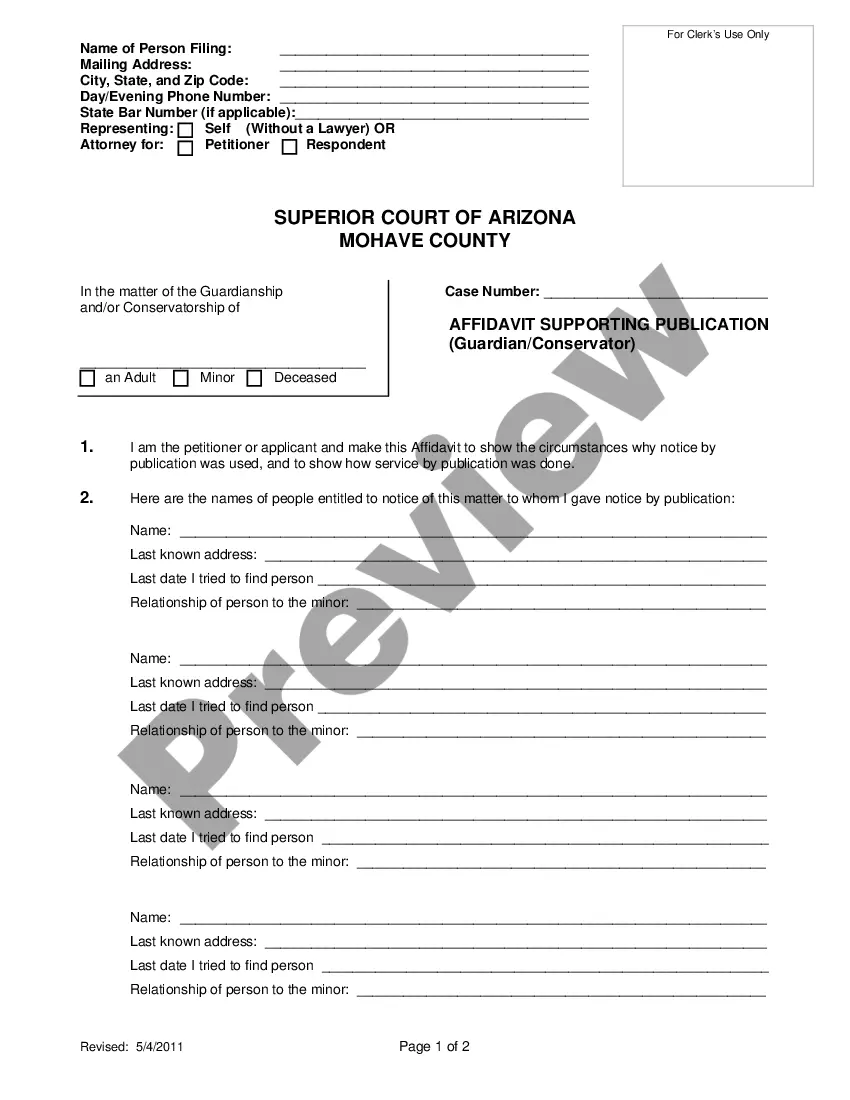


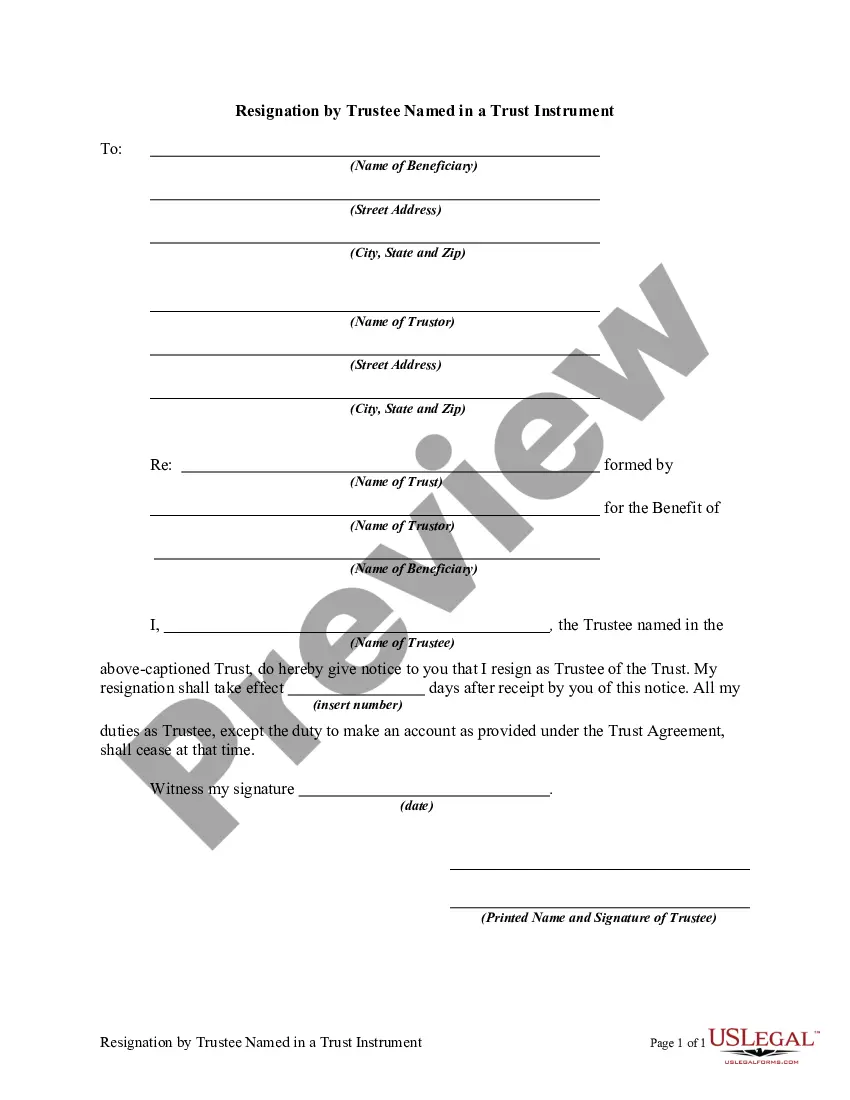
How to fill out Resignation By Trustee Named In A Trust Instrument?
Whether for corporate reasons or personal matters, everyone has to handle legal issues at some point in their lives.
Completing legal documents requires careful consideration, starting with selecting the appropriate form template.
Once it is saved, you can fill out the form using editing software or print it and complete it by hand. With an extensive US Legal Forms catalog available, you will never have to waste time searching for the appropriate template online. Use the library’s simple navigation to find the right template for any circumstance.
- Obtain the template you require by utilizing the search bar or catalog navigation.
- Review the form’s description to confirm it is suitable for your situation, state, and county.
- Click on the form’s preview to examine it.
- If it is the incorrect document, return to the search feature to find the Retirement Letter For Nurses sample you need.
- Download the template once it matches your criteria.
- If you possess a US Legal Forms account, simply click Log in to access previously stored documents in My documents.
- In case you do not have an account yet, you can download the form by selecting Buy now.
- Choose the suitable pricing option.
- Complete the profile registration form.
- Select your payment method: utilize a credit card or PayPal account.
- Choose the file format you desire and download the Retirement Letter For Nurses.
Form popularity
FAQ
Common mistakes in retirement letters for nurses include being overly emotional or vague about your retirement plans. Make sure to specify your retirement date and avoid unnecessary details about personal issues. Additionally, failing to proofread can lead to typos or unclear messages, which may detract from your professionalism. Utilizing a well-structured template from US Legal Forms can help you avoid these pitfalls and ensure a smooth communication process.
Writing a retirement letter for nurses involves a few key steps. Begin by clearly stating your intention to retire and include your last working day. It's also helpful to express gratitude towards your colleagues and supervisors for their support during your career. For a comprehensive example, consider using resources from US Legal Forms, which offers templates specifically designed for retirement letters in the nursing profession.
To submit a letter of retirement, first ensure that you have the correct format and content for a retirement letter for nurses. Then, deliver it to the appropriate individual, whether in person or via email. After submission, it’s wise to follow up to ensure it has been processed and acknowledged.
When writing a retirement letter for nurses, avoid discussing negative experiences or grievances. Focus on the positive aspects of your career and express gratitude instead. Additionally, refrain from including personal details or any information that may not be relevant to your retirement.
It's recommended that nurses submit their retirement letter at least four to six weeks before their planned retirement date. This timeframe allows your employer to make necessary arrangements for your transition. Check your workplace policy, as some organizations may require more notice.
Submitting a retirement letter for nurses usually involves delivering it directly to your supervisor or human resources department. You can choose to hand it over in person or send it via email, depending on your workplace culture. Ensure that you follow up to confirm it has been received and acknowledged.
To create a retirement letter for nurses, start with a professional format, including your contact information and the date. Clearly state your intention to retire and provide your last working day. You may want to include any necessary details about your transition, such as assisting in the training of your replacement.
An example of a retirement letter for nurses typically includes a formal greeting, a statement of intent to retire, and the planned retirement date. You can also express gratitude for the experiences and opportunities you've had in your nursing career. It's important to keep it professional while reflecting your personal sentiments.
The best way to resign for retirement is to provide a formal retirement letter that clearly states your intention and last working day. Deliver the letter in person to your supervisor, if possible, and ensure you discuss your plans openly. This approach shows professionalism and respect for your employer and colleagues.
To write a happy retirement letter, focus on positive experiences and joyful memories from your nursing career. Use uplifting language that showcases your excitement for the next chapter of your life. Share your hopes and plans for retirement, as this will convey your optimistic outlook.