Court Hearing Summary
Description
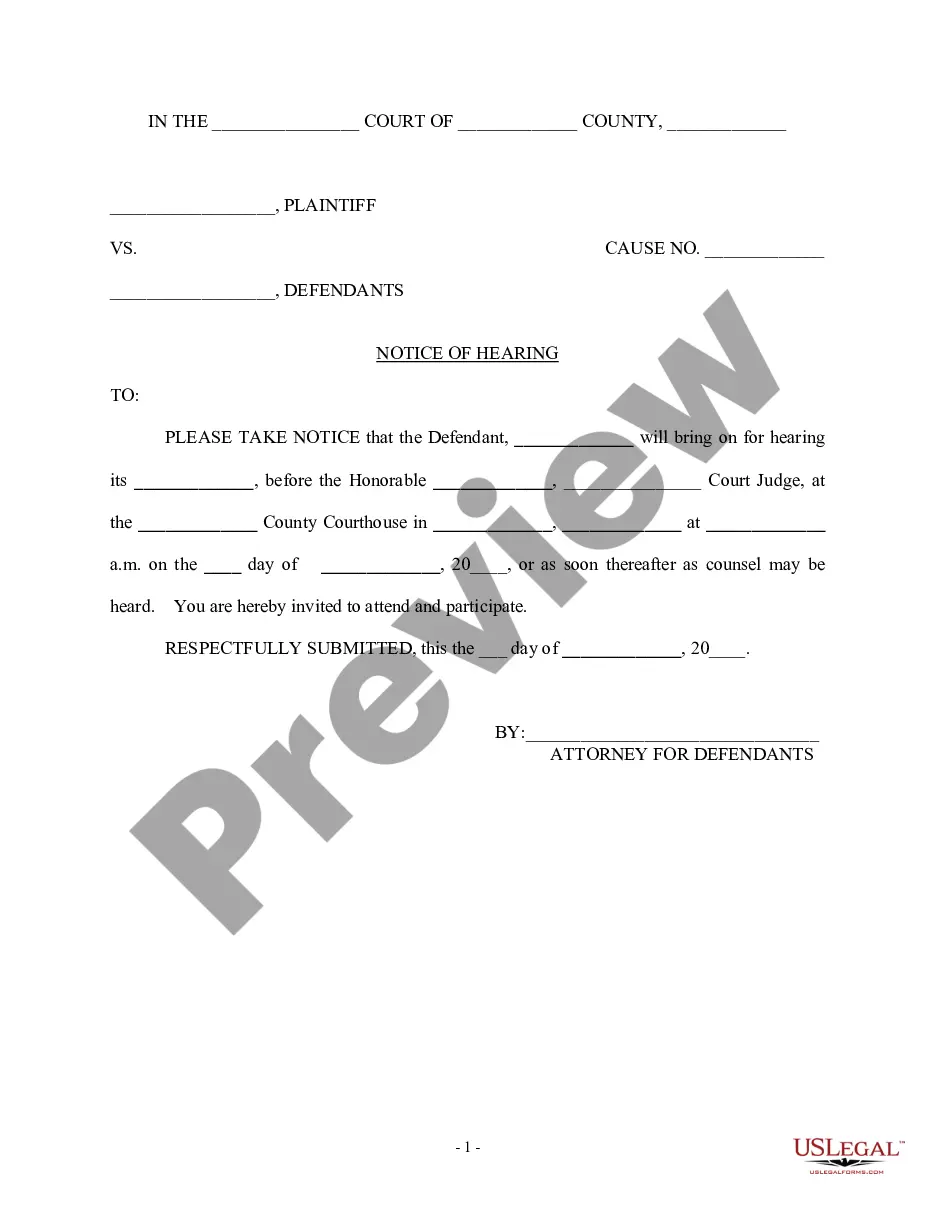
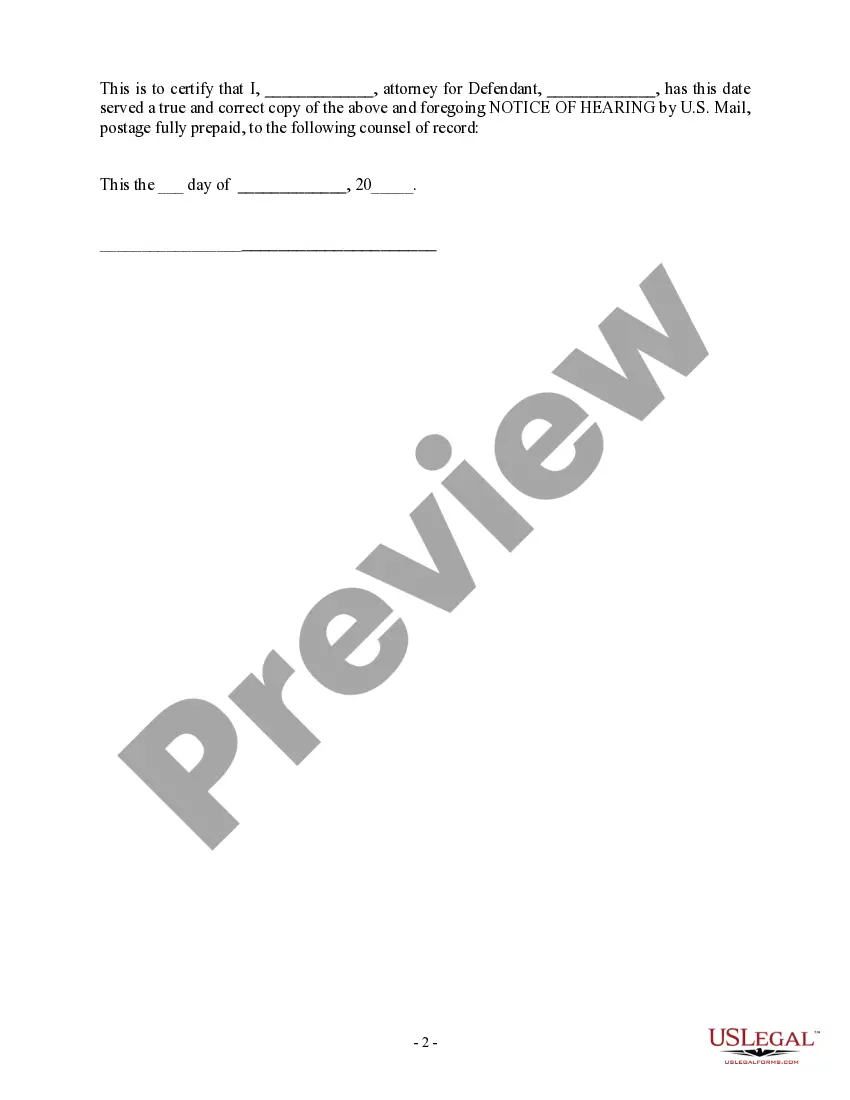
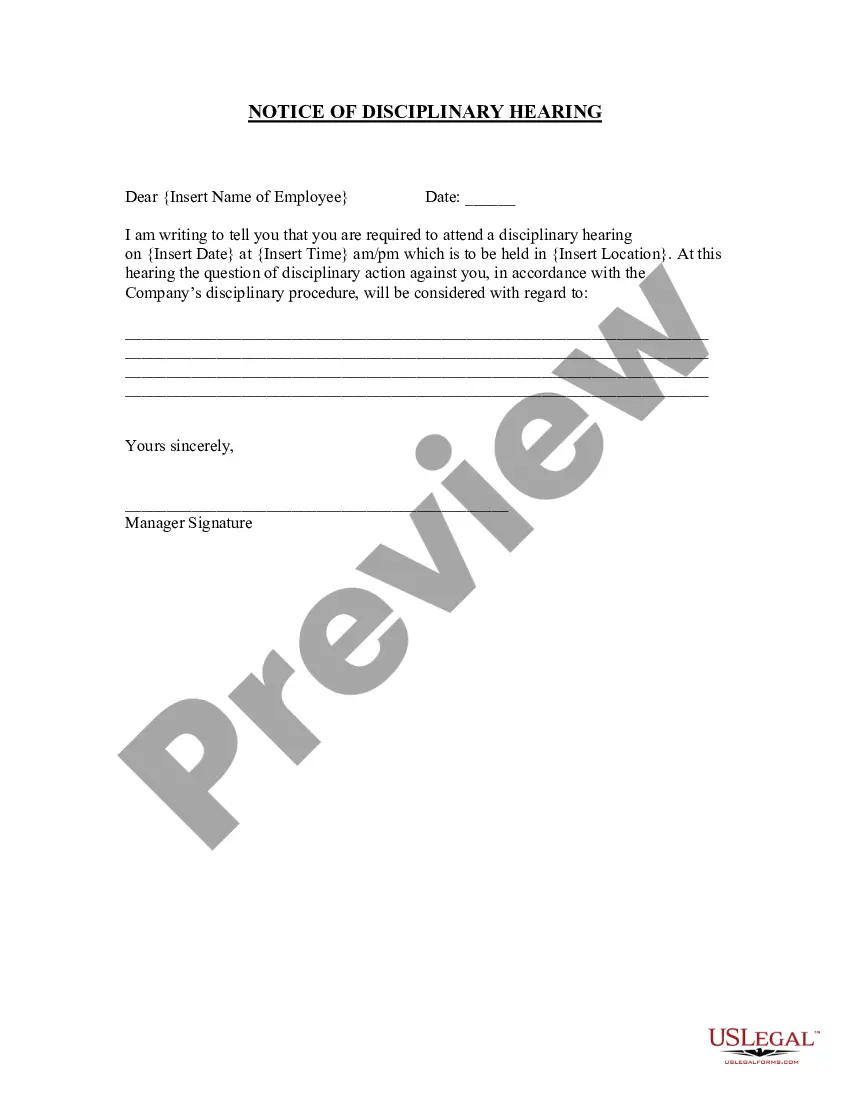
Get your form ready online
Our built-in tools help you complete, sign, share, and store your documents in one place.
Make edits, fill in missing information, and update formatting in US Legal Forms—just like you would in MS Word.
Download a copy, print it, send it by email, or mail it via USPS—whatever works best for your next step.
Sign and collect signatures with our SignNow integration. Send to multiple recipients, set reminders, and more. Go Premium to unlock E-Sign.
If this form requires notarization, complete it online through a secure video call—no need to meet a notary in person or wait for an appointment.
We protect your documents and personal data by following strict security and privacy standards.

Make edits, fill in missing information, and update formatting in US Legal Forms—just like you would in MS Word.

Download a copy, print it, send it by email, or mail it via USPS—whatever works best for your next step.

Sign and collect signatures with our SignNow integration. Send to multiple recipients, set reminders, and more. Go Premium to unlock E-Sign.

If this form requires notarization, complete it online through a secure video call—no need to meet a notary in person or wait for an appointment.

We protect your documents and personal data by following strict security and privacy standards.
Looking for another form?
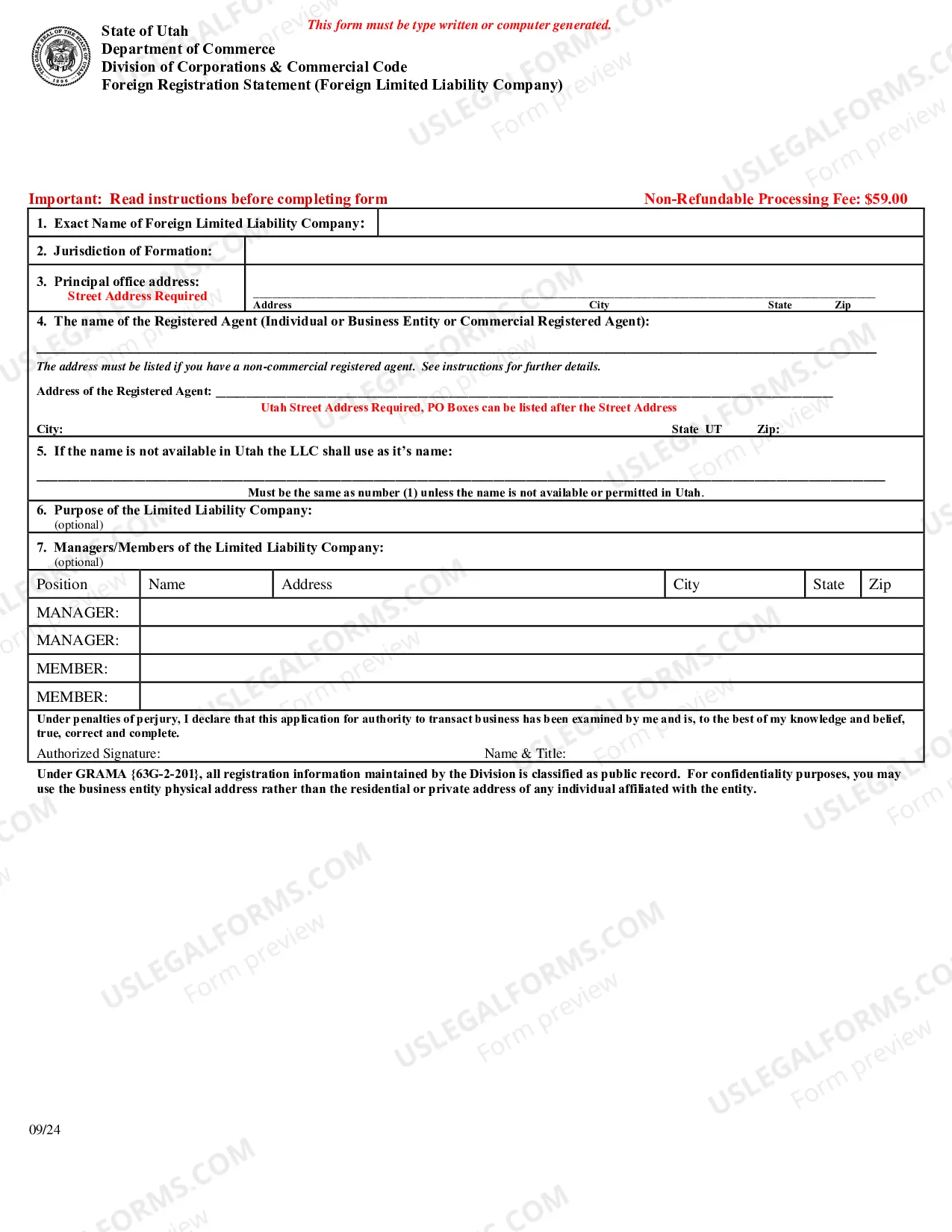
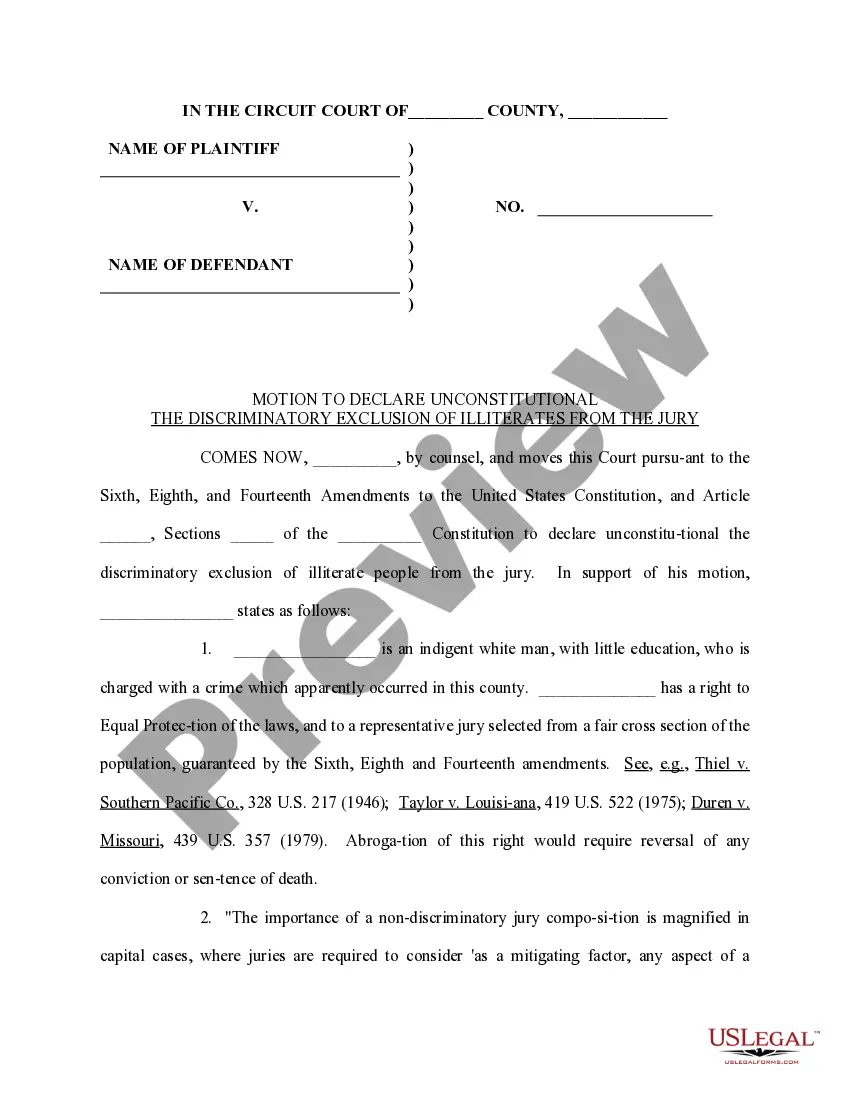
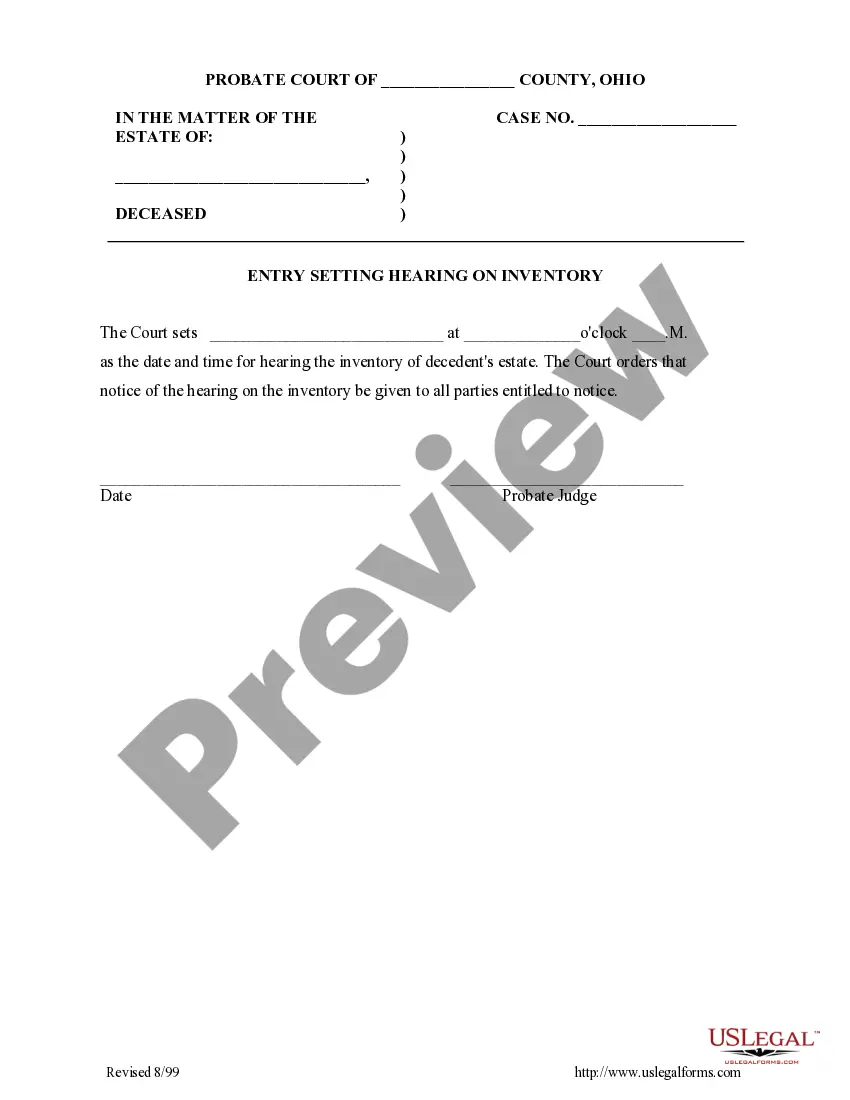
How to fill out Notice Of Hearing?
It’s clear that you cannot instantly become a legal professional, nor can you learn to swiftly compile a Court Hearing Summary without a specific expertise. Assembling legal documents is an extensive process that demands particular education and abilities. So why not entrust the creation of the Court Hearing Summary to the professionals.
With US Legal Forms, one of the most extensive collections of legal documents, you can discover everything from court forms to designs for in-office correspondence. We recognize how crucial it is to comply with federal and local regulations. That’s why, on our site, all documents are location-specific and current.
Here’s how you can initiate your experience with our platform and acquire the document you need in just a few moments.
You can regain access to your documents from the My documents tab at any point. If you’re an existing client, simply Log In, and find and download the template from the same section.
Regardless of the reason for your documents—whether it’s financial and legal, or personal—our platform is here to assist you. Experience US Legal Forms today!
- Locate the document you require by utilizing the search bar located at the top of the webpage.
- Preview it (if this option is available) and review the accompanying description to decide whether the Court Hearing Summary meets your needs.
- Commence your search anew if you require another form.
- Create a complimentary account and select a subscription plan to purchase the template.
- Click Buy now. Once the transaction is finalized, you can download the Court Hearing Summary, complete it, print it, and send or mail it to the designated recipients or entities.
Form popularity
FAQ
Do Not Exaggerate, Mislead, or State Anything Untrue. It goes without saying that you should never lie to a judge (that is perjury), but you should also avoid exaggerating the facts or misleading the court about any issue. Most judges can sense when a witness is stretching the truth, and they do not appreciate it.
The chance of success in these cases is less than 10% [1]. Another study found that summary judgment is mostly granted in Title VII cases, for example, cases involving equal pay or employment discrimination [2]. When it comes to federal cases, summary judgments are filed in 17% of total cases.
Despite the final ruling, the losing party can still ask the court to reconsider the ruling or grant a new trial. If desired, they can appeal the summary judgment to a higher court for review. However, keep in mind that strict time limits apply to these appeals procedures.
Proving Your Case Whatever the reason for being at court, you must convince the judge or magistrate that he or she should rule in your favor. This is done by providing sufficient documentary evidence and witness testimony. There are different standards of proof for various types of cases.
You will divide your argument into sections. Each section must have its own header. ... Your citations should also appear in the body of the Trial Brief. Use The Bluebook method of citation. Never use first person when writing. Focus on the parties, referring to them by name or using their titles, such as husband or wife.