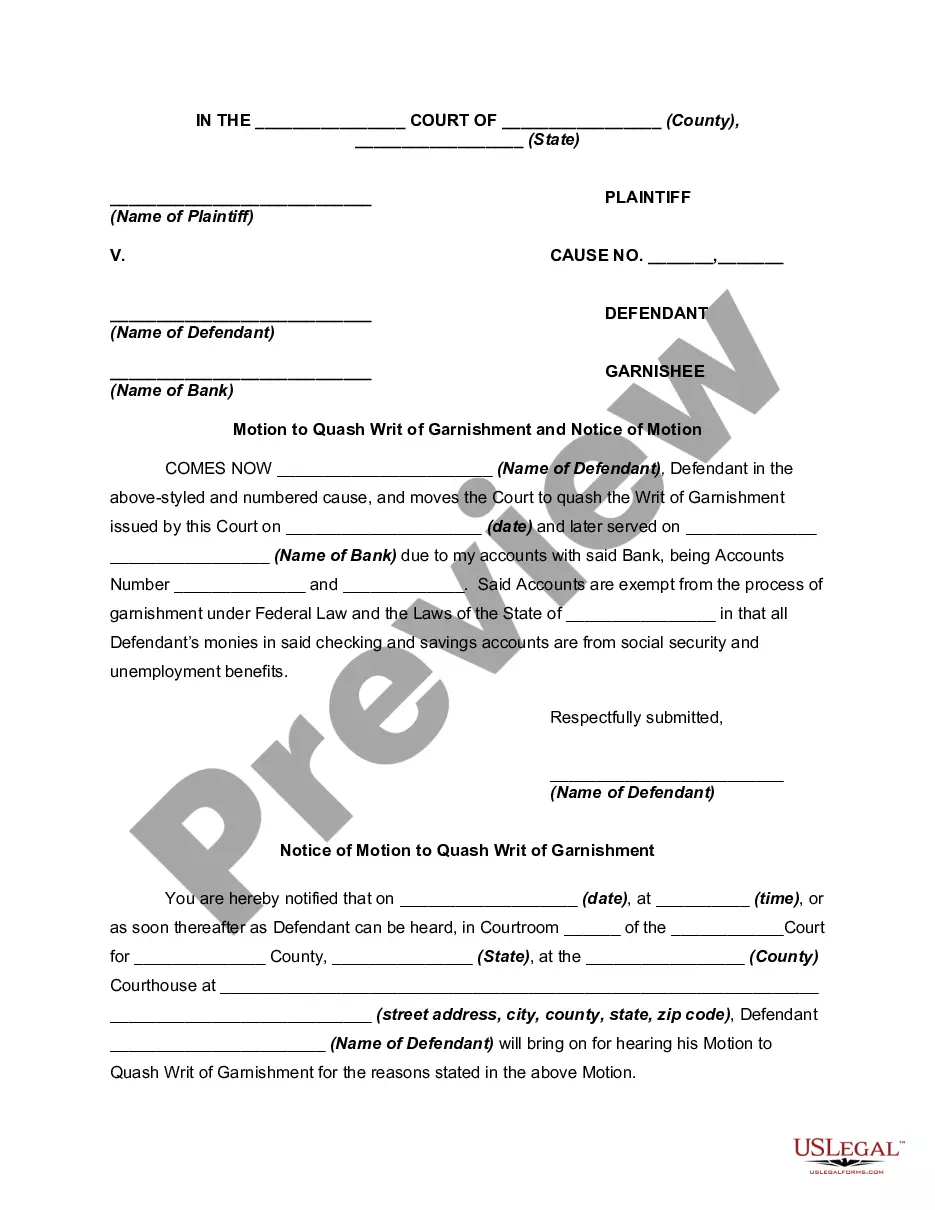
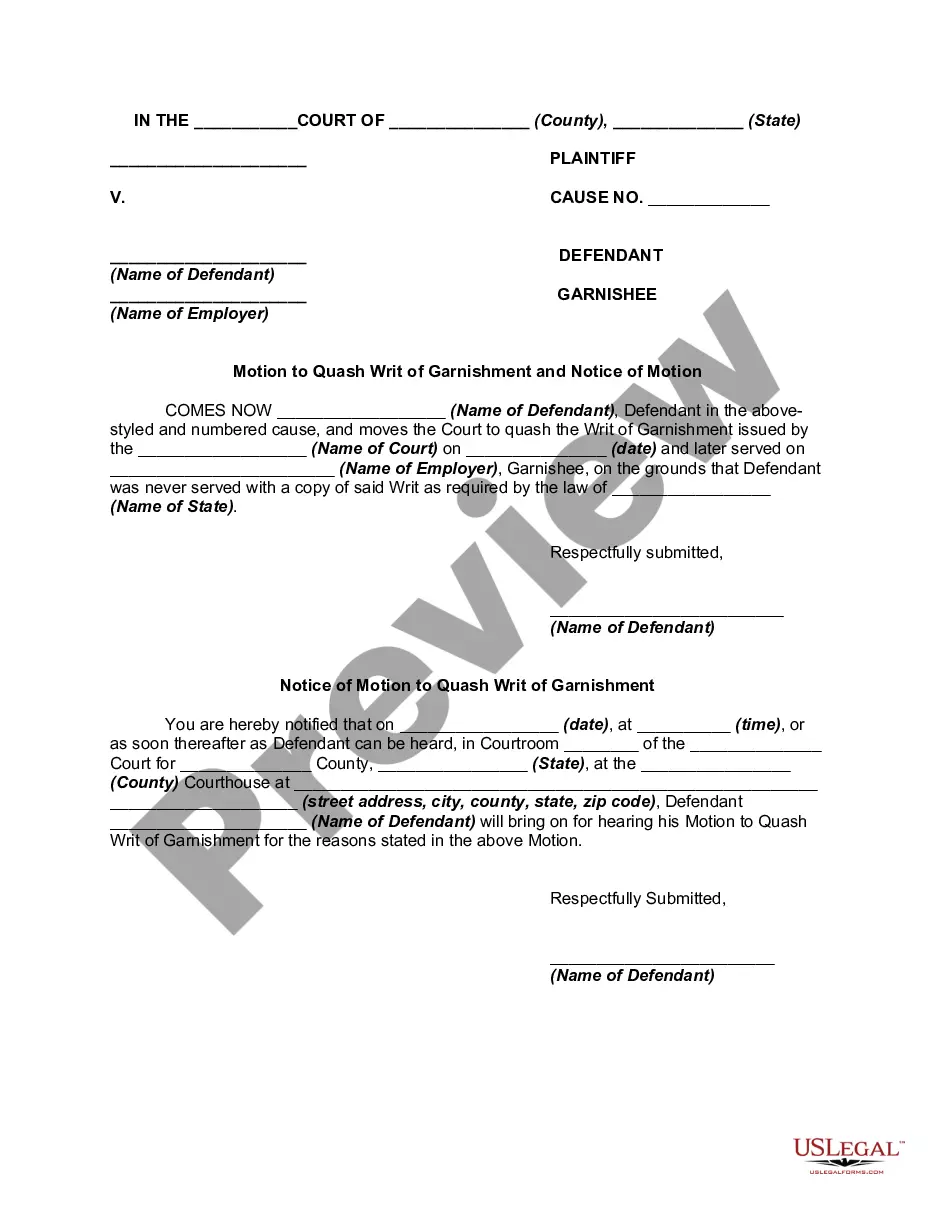
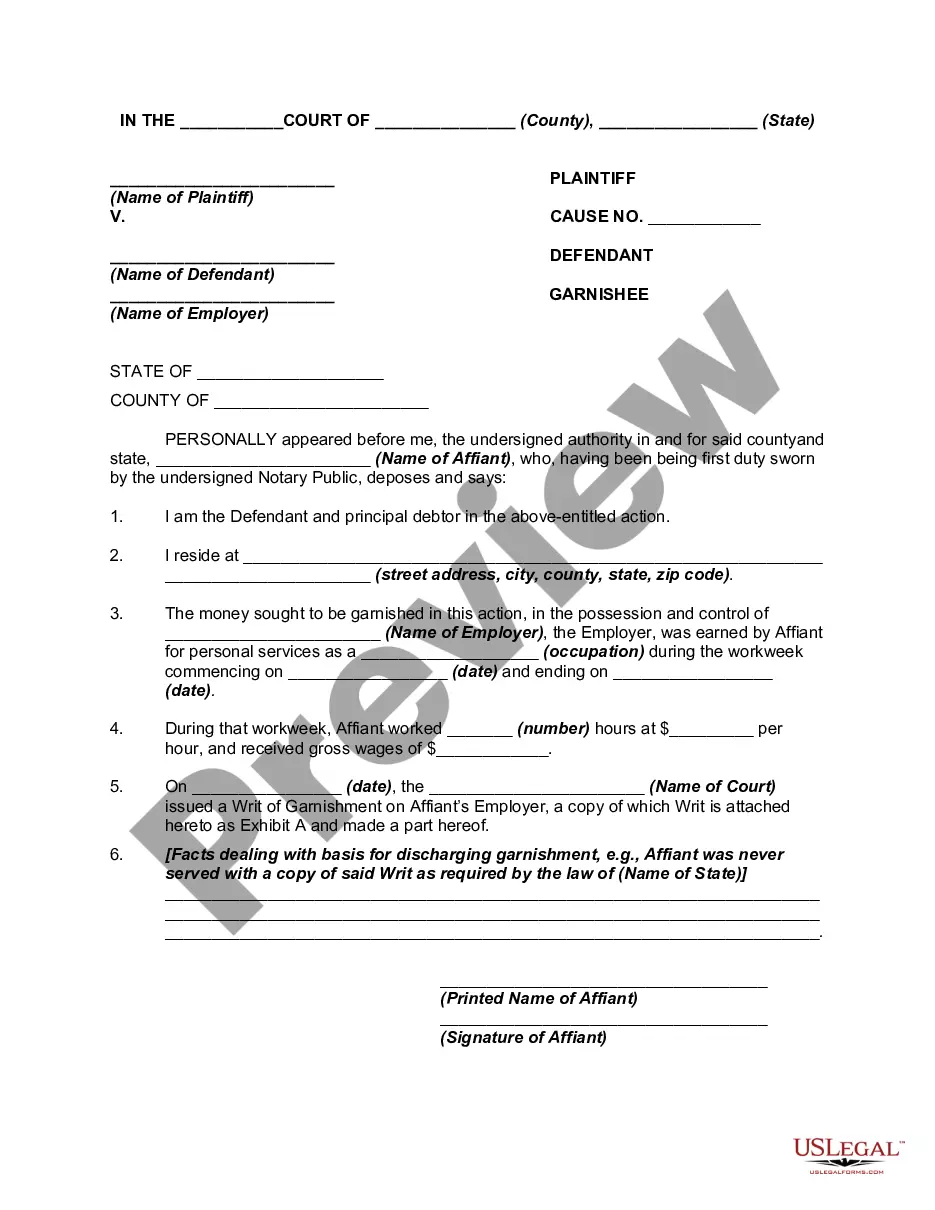
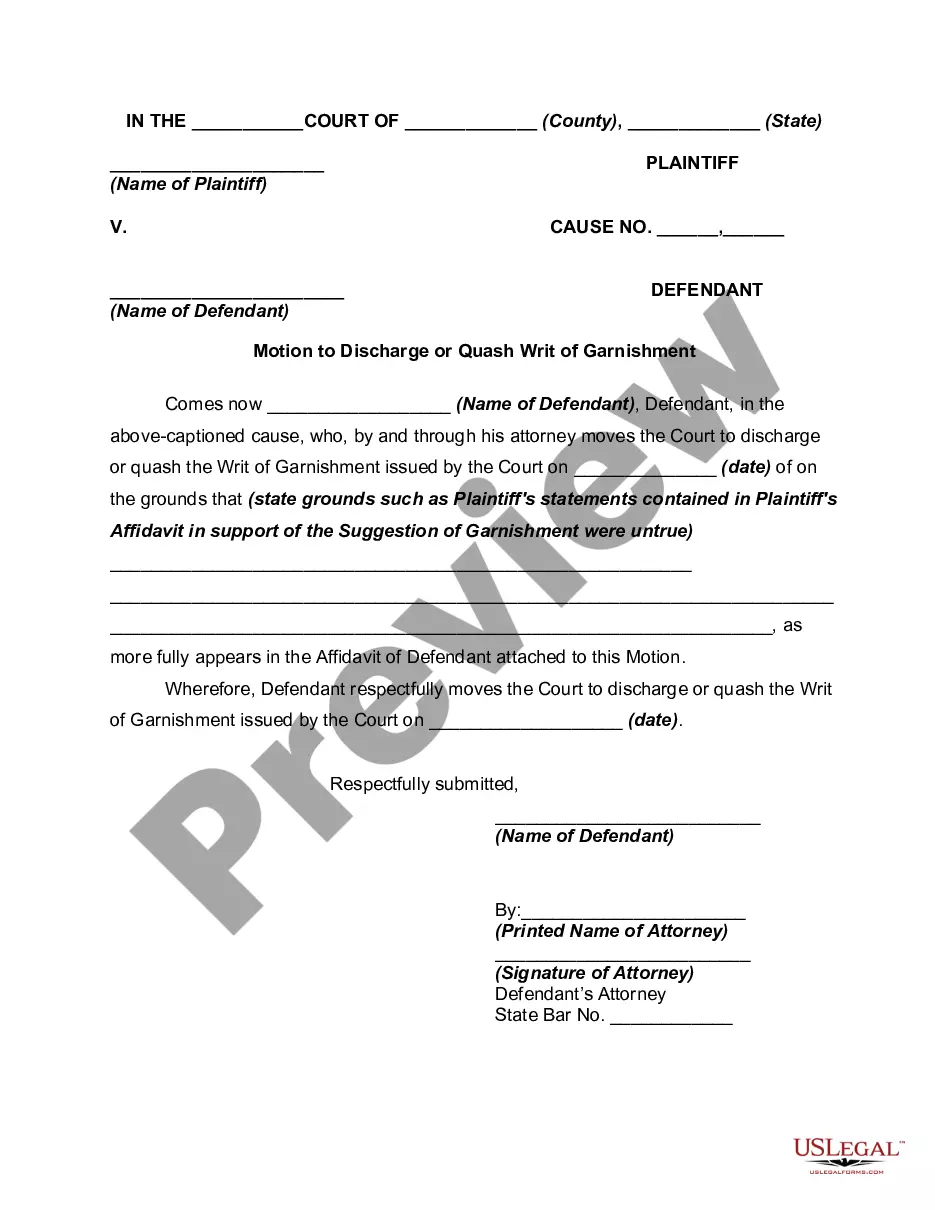
Motion Garnishment File For Bankruptcies
Description
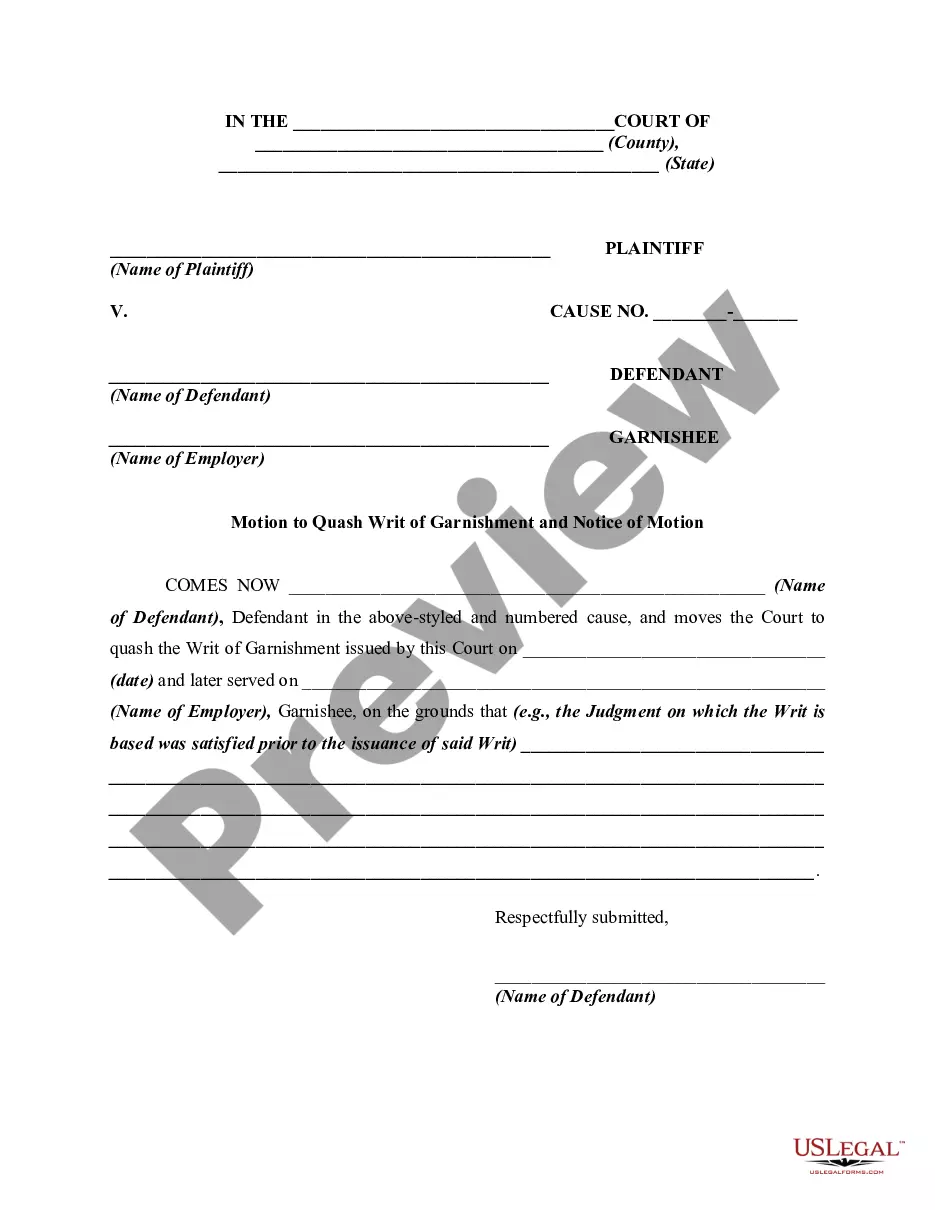
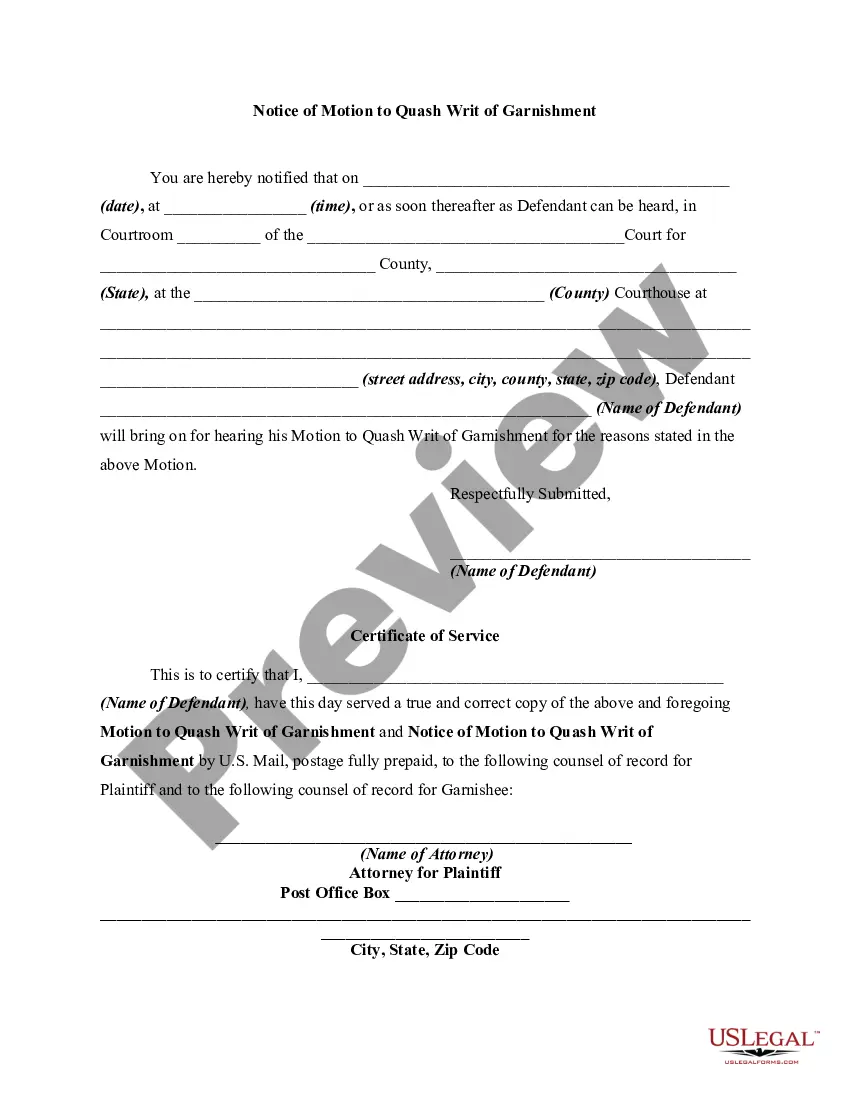
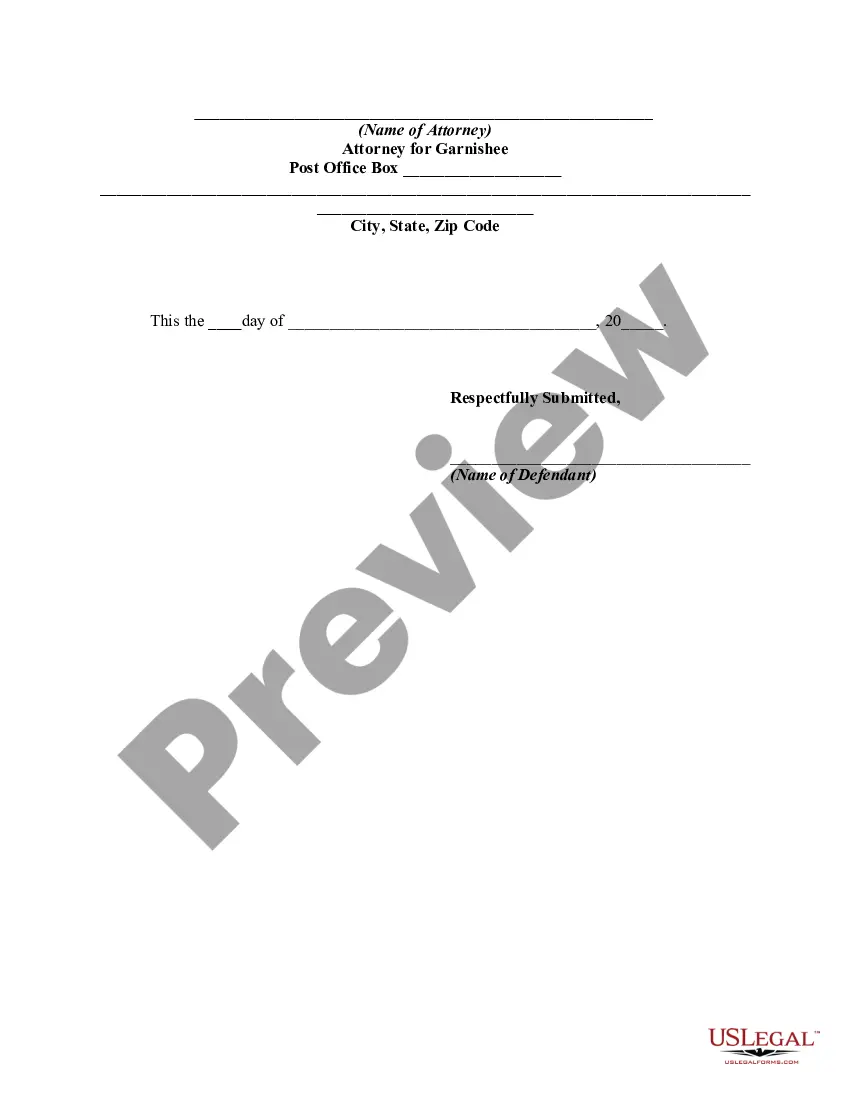
Get your form ready online
Our built-in tools help you complete, sign, share, and store your documents in one place.
Make edits, fill in missing information, and update formatting in US Legal Forms—just like you would in MS Word.
Download a copy, print it, send it by email, or mail it via USPS—whatever works best for your next step.
Sign and collect signatures with our SignNow integration. Send to multiple recipients, set reminders, and more. Go Premium to unlock E-Sign.
If this form requires notarization, complete it online through a secure video call—no need to meet a notary in person or wait for an appointment.
We protect your documents and personal data by following strict security and privacy standards.

Make edits, fill in missing information, and update formatting in US Legal Forms—just like you would in MS Word.

Download a copy, print it, send it by email, or mail it via USPS—whatever works best for your next step.

Sign and collect signatures with our SignNow integration. Send to multiple recipients, set reminders, and more. Go Premium to unlock E-Sign.

If this form requires notarization, complete it online through a secure video call—no need to meet a notary in person or wait for an appointment.

We protect your documents and personal data by following strict security and privacy standards.
Looking for another form?


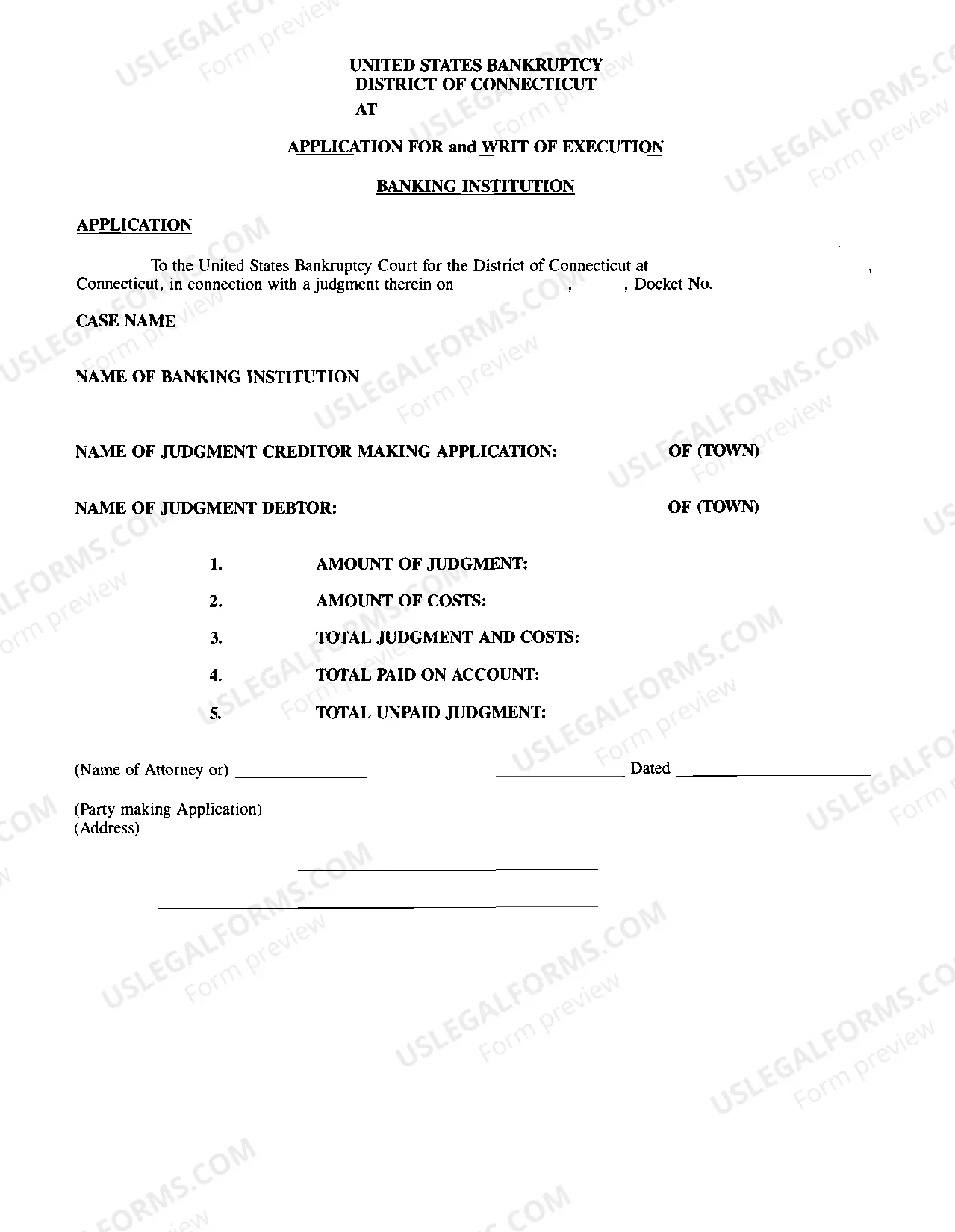






How to fill out Motion Of Defendant To Discharge Or Quash Writ Of Garnishment And Notice Of Motion?
It’s well-known that you cannot transform into a legal expert instantly, nor can you swiftly learn to draft Motion Garnishment File For Bankruptcies without possessing a specialized background.
Assembling legal documents is a lengthy process that requires specific training and expertise. So why not let the professionals handle the preparation of the Motion Garnishment File For Bankruptcies.
With US Legal Forms, one of the most extensive legal document libraries, you can find everything from court forms to templates for internal communication.
If you need a different form, start your search again. Create a free account and choose a subscription plan to buy the template.
Click Buy now. Once the transaction is complete, you can access the Motion Garnishment File For Bankruptcies, fill it out, print it, and send it or mail it to the required individuals or organizations.
- We understand how important compliance and adherence to federal and local laws and regulations are.
- That’s why, on our website, all templates are location-specific and current.
- Start with our website and obtain the document you require in just a few minutes.
- Locate the form you need using the search bar at the top of the page.
- Preview it (if this option is available) and read the supporting description to see if Motion Garnishment File For Bankruptcies is what you seek.
Form popularity
FAQ
To write a letter to stop a garnishment, begin by addressing the court or creditor with your case details. Clearly state your request to stop the garnishment and provide a brief explanation of your situation. Include any relevant supporting documents and your contact information. You can find templates on the uslegalforms platform to help you create an effective letter.
Yes, you can file a motion to stop garnishment if you believe it is unjust or if you qualify for an exemption. This motion should detail your reasons and any supporting evidence you have. It's essential to act quickly, as there are deadlines for filing such motions. Using resources like uslegalforms can help you navigate the filing process efficiently.
To file a motion to stop garnishment, you need to prepare a formal request to the court explaining your circumstances. Include your case number and the reasons for your request. You should submit this motion to the court where the original garnishment order was issued. Utilizing the uslegalforms platform can simplify this process by providing you with the necessary templates and guidance.
In Oklahoma, garnishment laws protect a portion of your income from being garnished. Generally, creditors can only garnish up to 25% of your disposable earnings. However, certain income types, such as Social Security benefits, are exempt from garnishment. If you are facing financial difficulties, consider a motion garnishment file for bankruptcies to explore your options.
Certain accounts are protected from garnishment under federal and state laws. For example, Social Security benefits, unemployment compensation, and retirement accounts often cannot be garnished. Additionally, funds in a health savings account or other specific protected accounts typically enjoy exemption. If you face potential garnishment, consider consulting resources like US Legal Forms to explore options related to a motion garnishment file for bankruptcies.
To write a hardship letter aimed at stopping a garnishment, start by clearly stating your situation. Explain how the garnishment affects your financial stability and include specific details about your income and expenses. Next, make a request for relief, mentioning that you are in the process of filing a motion garnishment file for bankruptcies. Finally, include your contact information and be sure to sign the letter for authenticity.
You will not be able to take on any more debt without the permission of the trustee. The fact that people in the process of a Chapter 13 bankruptcy cannot take on any more debt helps them tremendously. Once your payments are finished, you will start fresh without taking on any new deaths during the process.
Secured creditors are first in line, as their claims over assets are often secured by collateral and a contract. Some assets may have multiple liens placed upon them; in these cases, the first lien has priority over the second lien.
You may hear it called a ?liquidation? bankruptcy because your trustee can liquidate, or sell off, an nonexempt property. This might sound scary but rest assured that most Chapter 7 filers do not lose any property because their property is protected by exemptions.
A Chapter 13 petition for bankruptcy will likely necessitate a $500 to $600 monthly payment, especially for debtors paying at least one automobile through the payment plan. However, since the bankruptcy court will consider a large number of factors, this estimate could vary greatly.