Discharge Debtor Bankruptcy For 3 Years
Description
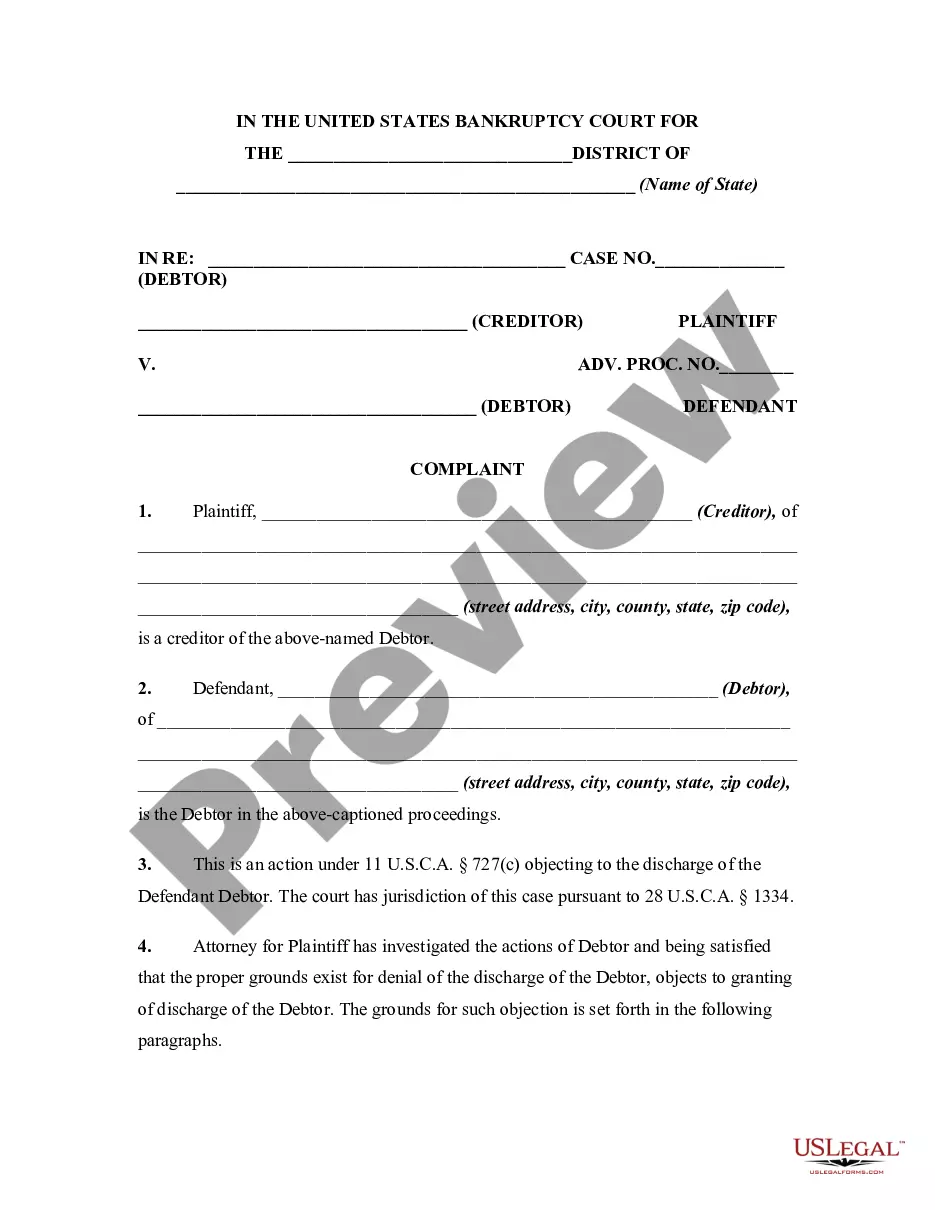
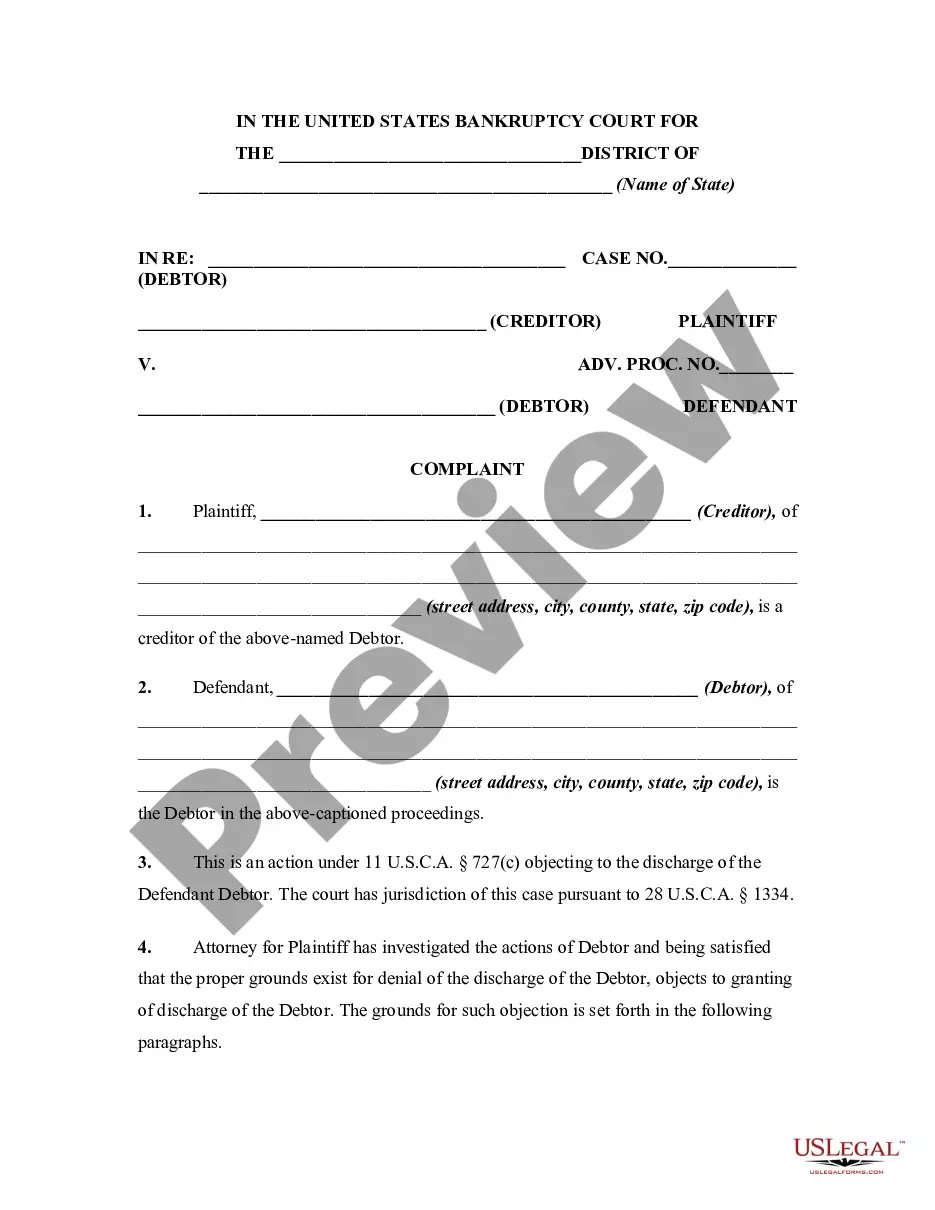
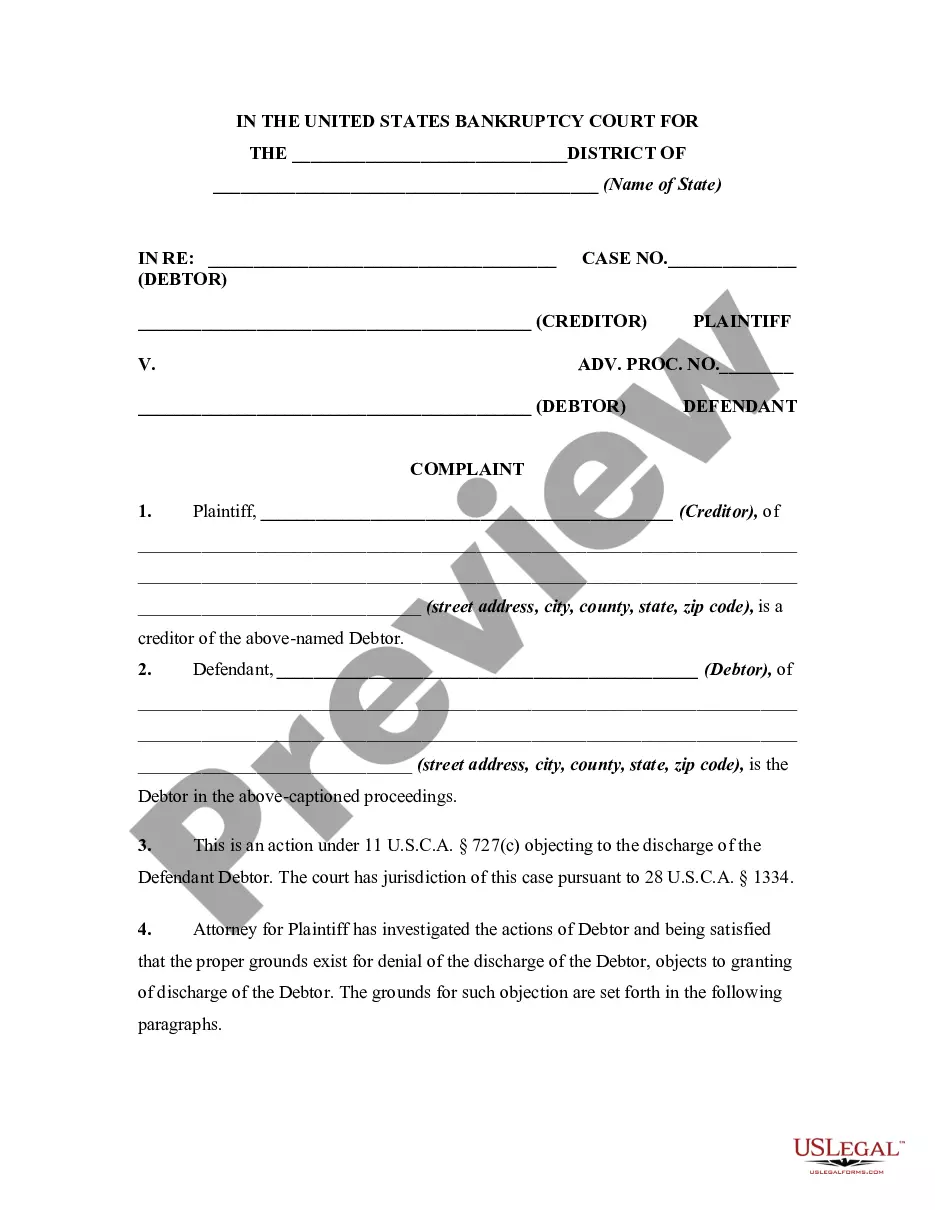
Get your form ready online
Our built-in tools help you complete, sign, share, and store your documents in one place.
Make edits, fill in missing information, and update formatting in US Legal Forms—just like you would in MS Word.
Download a copy, print it, send it by email, or mail it via USPS—whatever works best for your next step.
Sign and collect signatures with our SignNow integration. Send to multiple recipients, set reminders, and more. Go Premium to unlock E-Sign.
If this form requires notarization, complete it online through a secure video call—no need to meet a notary in person or wait for an appointment.
We protect your documents and personal data by following strict security and privacy standards.

Make edits, fill in missing information, and update formatting in US Legal Forms—just like you would in MS Word.

Download a copy, print it, send it by email, or mail it via USPS—whatever works best for your next step.

Sign and collect signatures with our SignNow integration. Send to multiple recipients, set reminders, and more. Go Premium to unlock E-Sign.

If this form requires notarization, complete it online through a secure video call—no need to meet a notary in person or wait for an appointment.

We protect your documents and personal data by following strict security and privacy standards.
Looking for another form?
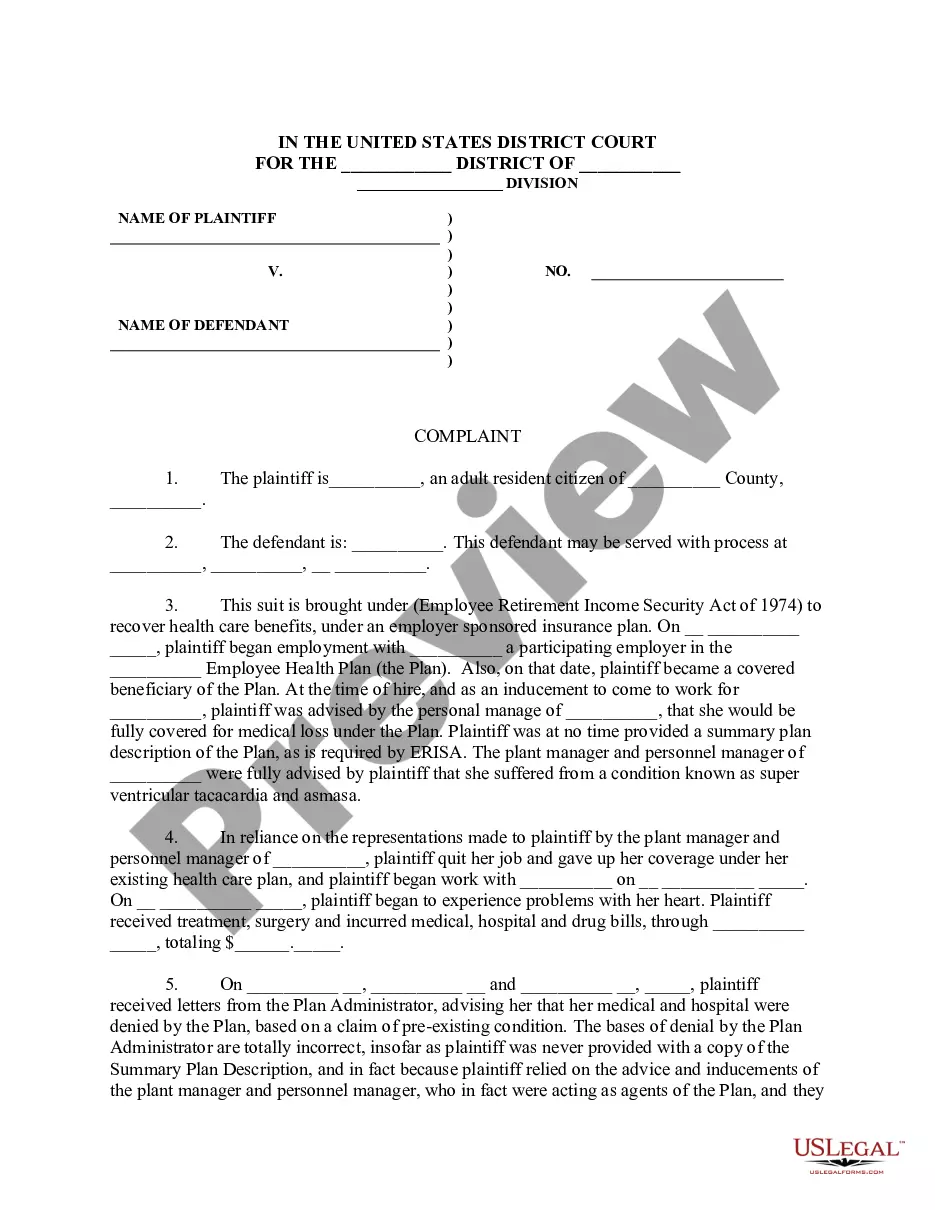


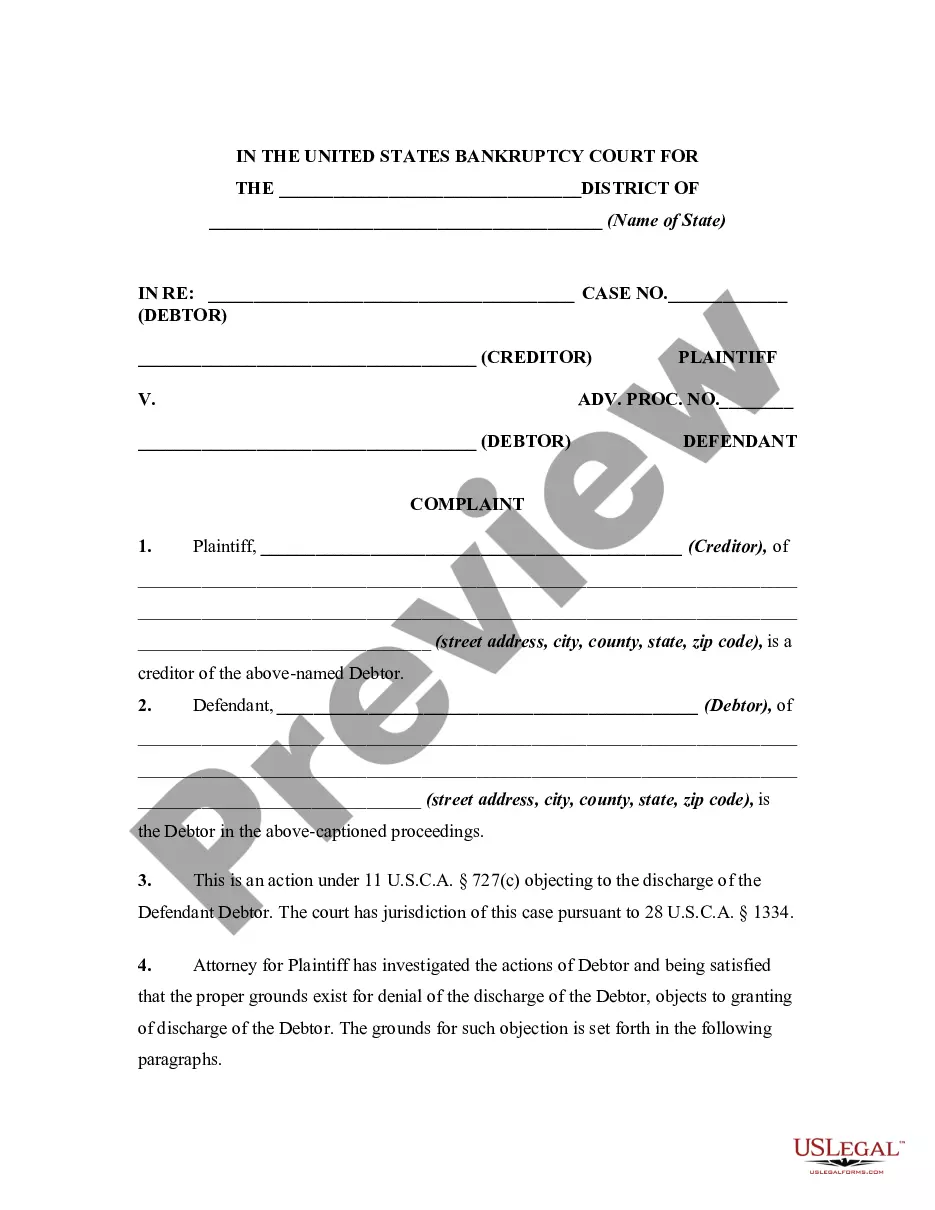
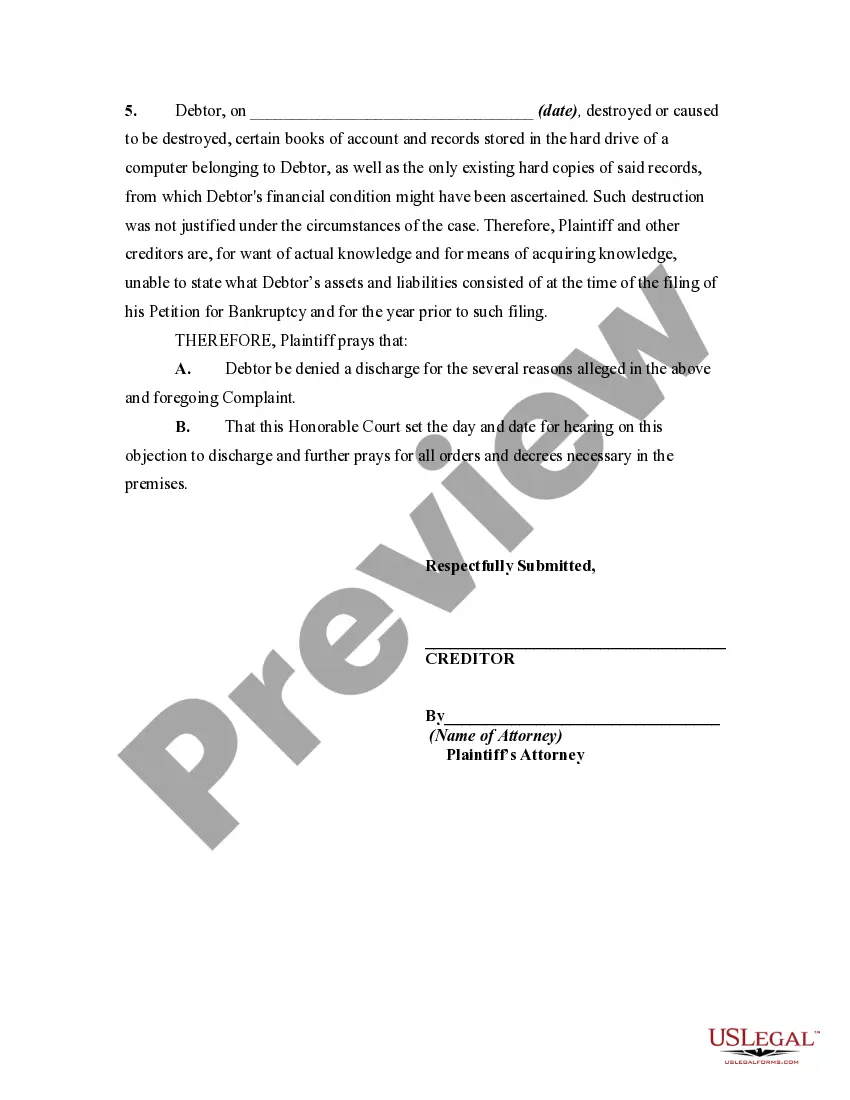
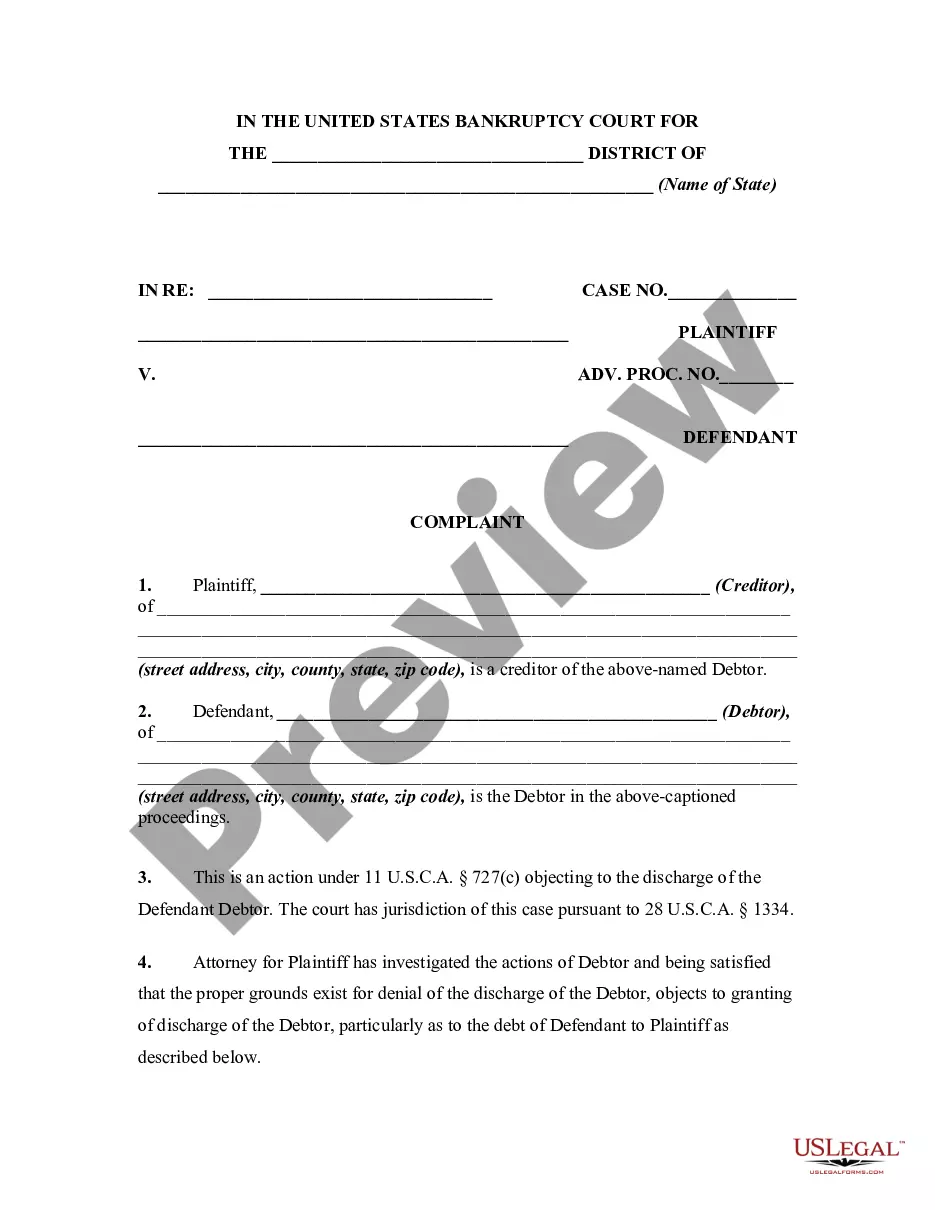
How to fill out Complaint Objecting To Discharge Of Debtor In Bankruptcy Proceeding Due To Destruction Of Books From Which Financial Condition Might Have Been?
- If you are a returning user, log into your US Legal Forms account and select the necessary form template. Ensure your subscription is active; if not, renew it to continue.
- For new users, start by browsing the form library. Review the Preview mode and form descriptions to confirm you've selected the appropriate document for your local jurisdiction needs.
- If the form does not meet your requirements, utilize the Search feature to find the correct template. Once you find the right one, proceed to the next step.
- Purchase the document by clicking the Buy Now button and choosing your preferred subscription plan. You'll need to create an account for enhanced access to the form library.
- Complete your transaction by entering your payment details via credit card or PayPal.
- Finally, download the form to your device for completion and access it anytime from the My Forms section of your profile.
In conclusion, US Legal Forms provides an extensive collection of legal documents and personalized assistance, ensuring that you can navigate your bankruptcy process with confidence.
Take control of your financial future by utilizing US Legal Forms today!
Form popularity
FAQ
Choosing between Chapter 7 and Chapter 13 bankruptcy depends on individual circumstances. Chapter 7 allows for quicker debt discharge, usually within a few months, while Chapter 13 involves a structured repayment plan over three to five years. If you're seeking immediate relief, Chapter 7 may be suitable, but if you wish to keep your assets and repay debts over time, Chapter 13 might be better. Knowing the differences can help you understand which option aligns with your needs for discharge debtor bankruptcy for 3 years.
You can sell your house immediately after receiving your bankruptcy discharge. However, it is essential to consult with your bankruptcy trustee or legal advisor to ensure no lingering obligations exist. The timing after discharge debtor bankruptcy for 3 years varies for each individual, but selling your home can be a practical step towards new financial opportunities.
You should ideally keep your bankruptcy discharge papers forever, as they can be crucial in resolving future disputes or proving that debts have been discharged. Often, creditors might not track their records accurately, which can lead to confusion without proper paperwork. Being organized post-discharge debtor bankruptcy for 3 years can save you time and hassle.
In most cases, you will need to provide bank statements from the last two months before filing for bankruptcy. However, it is recommended to keep several months' worth of statements for your records. If you have recently undergone a discharge debtor bankruptcy for 3 years, these statements might help in verifying your financial situation.
It's wise to keep your bankruptcy discharge papers indefinitely, as they serve as proof that your debts have been eliminated. In general, maintaining these documents for at least 7 years is advisable for any potential future issues. With proper documentation, the process following your discharge debtor bankruptcy for 3 years can be smoother.
The 2 year rule refers to how long certain debts may remain on a consumer's credit report. Specifically, under certain conditions, bankruptcy can linger on a credit report for up to 10 years. However, after 2 years following a discharge, many debtors find that they can start rebuilding their credit, hence making the journey of discharge debtor bankruptcy for 3 years more manageable.
During bankruptcy, debtors can obtain a fresh financial start. They have the opportunity to eliminate or restructure debts while creditors cannot pursue collection during this time. It is important to note that after the discharge, a debtor's credit report will still reflect the bankruptcy for a period of time, but the relief that comes from discharging debts can outweigh this drawback.
The 240-day rule for bankruptcy relates to the timing of certain debts and the discharge process. Essentially, it affects how long creditors have to file claims. Understanding this rule is crucial, as it can impact a discharge debtor bankruptcy for 3 years and your overall financial strategy. Consulting resources from platforms such as USLegalForms can help clarify these timelines for you.
After receiving a discharge from bankruptcy, you typically need to wait 4 to 6 years to file again, depending on the type of bankruptcy filed initially. However, if your focus is on managing a discharge debtor bankruptcy for 3 years, you can strategize your financial recovery in this time. Using services like USLegalForms can help you navigate this process and understand your options.
Chapter 13 bankruptcy generally lasts for 3 years, making it one of the key options for individuals looking to reorganize their debts. During this period, debtors make regular payments under a court-approved repayment plan. After completing the plan, the remaining dischargeable debts may be eliminated, providing relief and a chance to regain financial ground.