Discharge Bankruptcy How For Is It
Description
Get your form ready online
Our built-in tools help you complete, sign, share, and store your documents in one place.
Make edits, fill in missing information, and update formatting in US Legal Forms—just like you would in MS Word.
Download a copy, print it, send it by email, or mail it via USPS—whatever works best for your next step.
Sign and collect signatures with our SignNow integration. Send to multiple recipients, set reminders, and more. Go Premium to unlock E-Sign.
If this form requires notarization, complete it online through a secure video call—no need to meet a notary in person or wait for an appointment.
We protect your documents and personal data by following strict security and privacy standards.

Make edits, fill in missing information, and update formatting in US Legal Forms—just like you would in MS Word.

Download a copy, print it, send it by email, or mail it via USPS—whatever works best for your next step.

Sign and collect signatures with our SignNow integration. Send to multiple recipients, set reminders, and more. Go Premium to unlock E-Sign.

If this form requires notarization, complete it online through a secure video call—no need to meet a notary in person or wait for an appointment.

We protect your documents and personal data by following strict security and privacy standards.
Looking for another form?
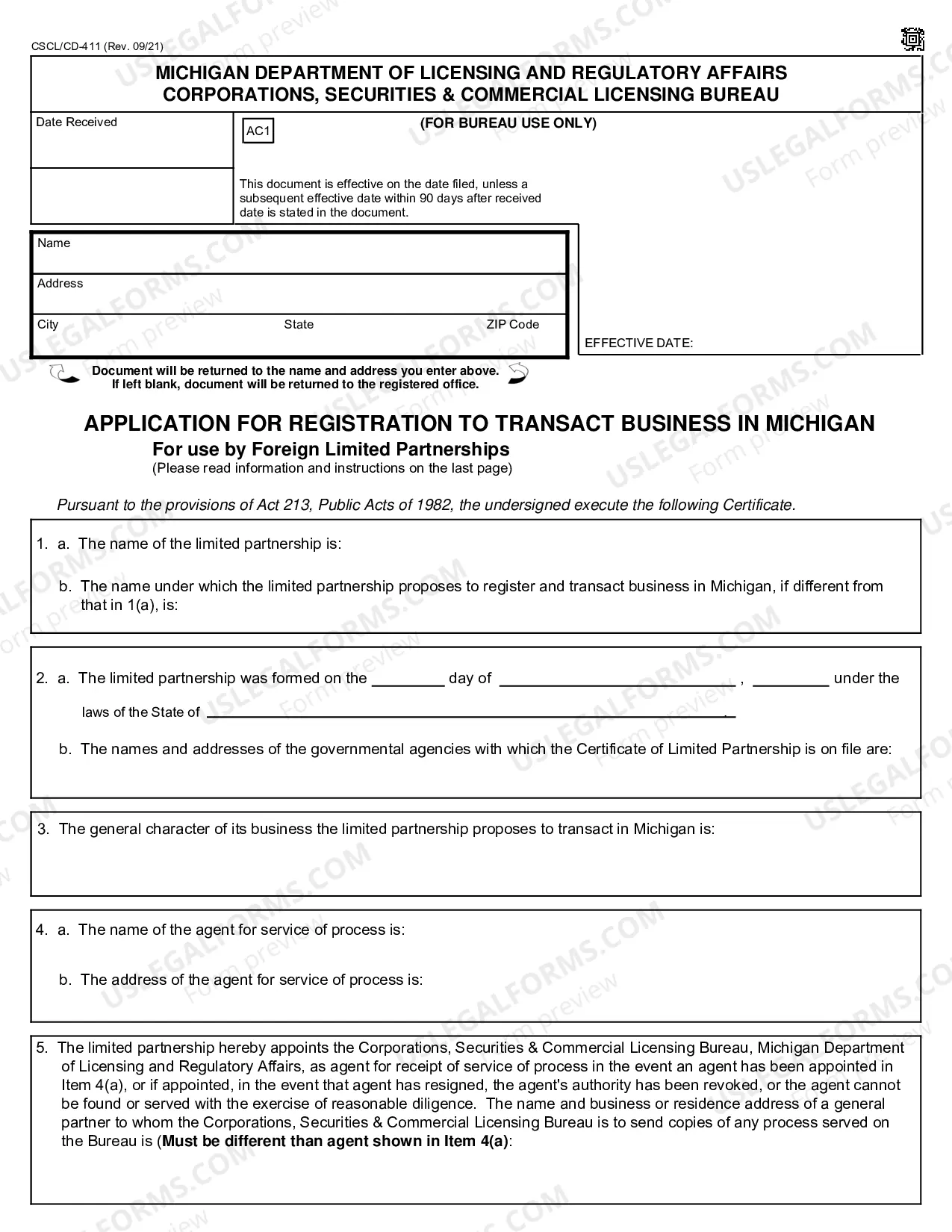



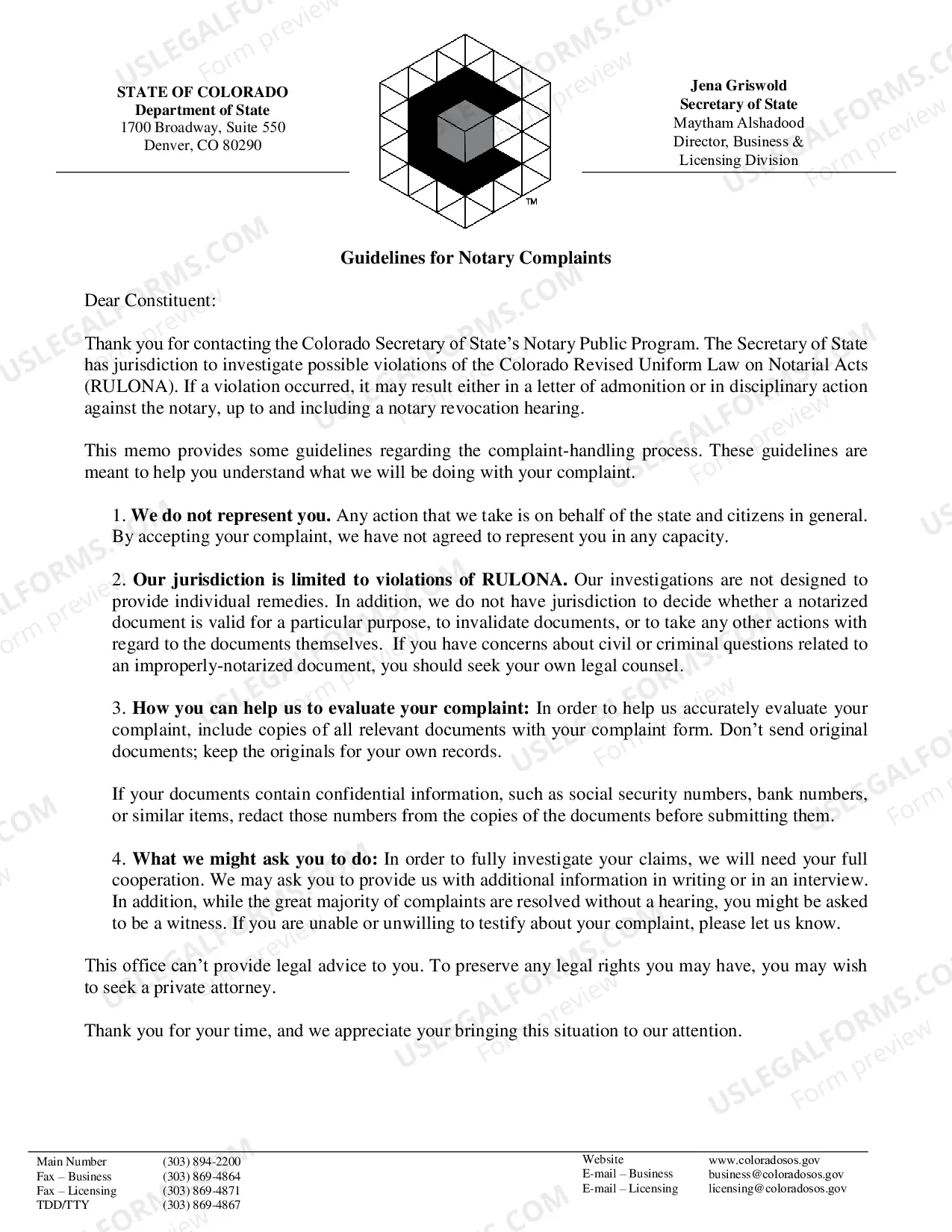



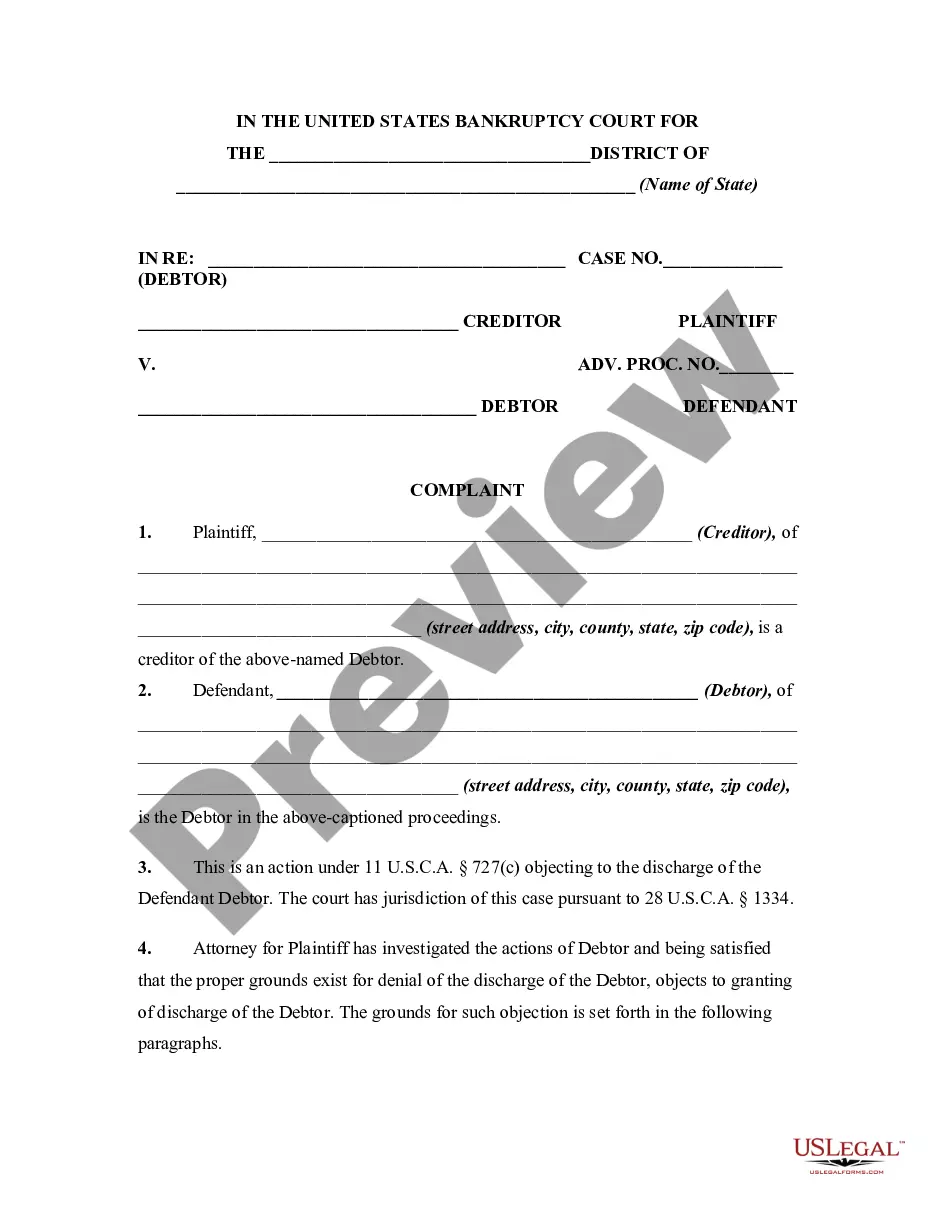
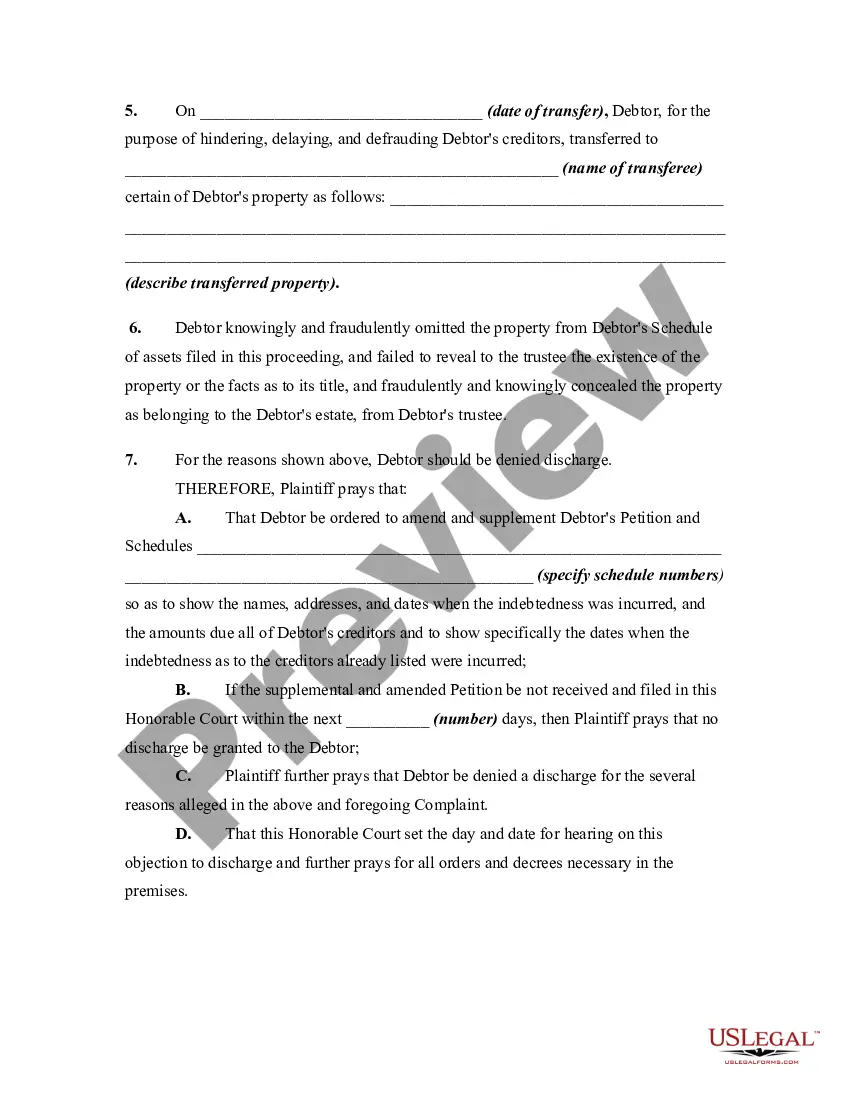
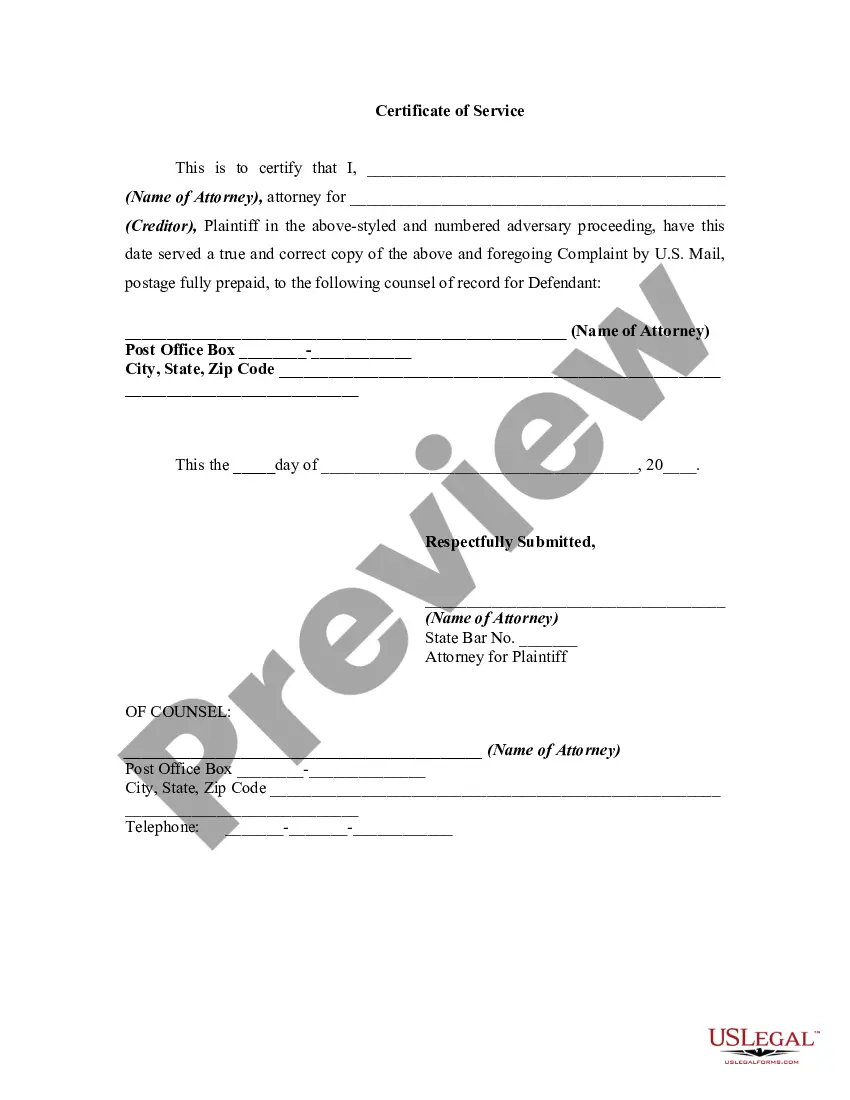
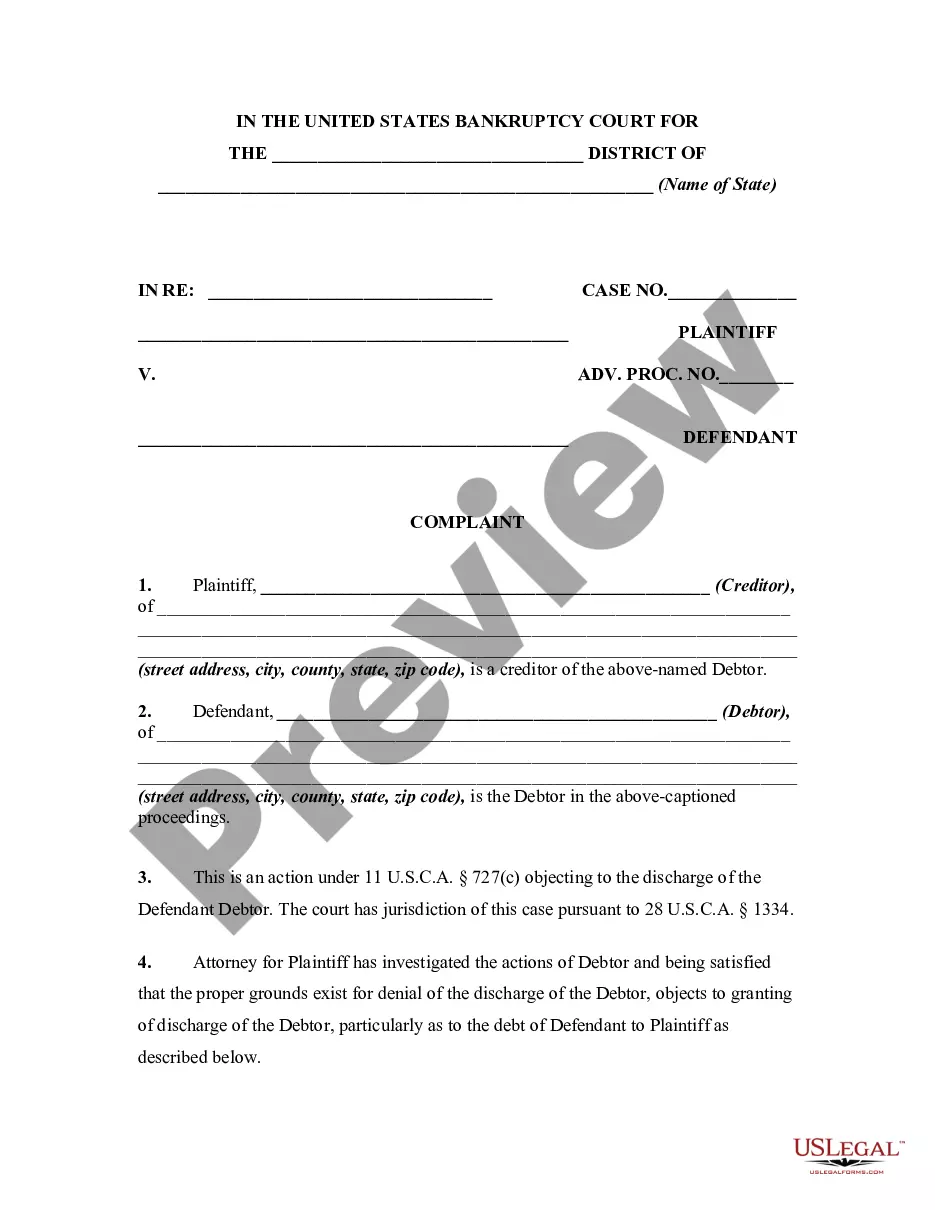
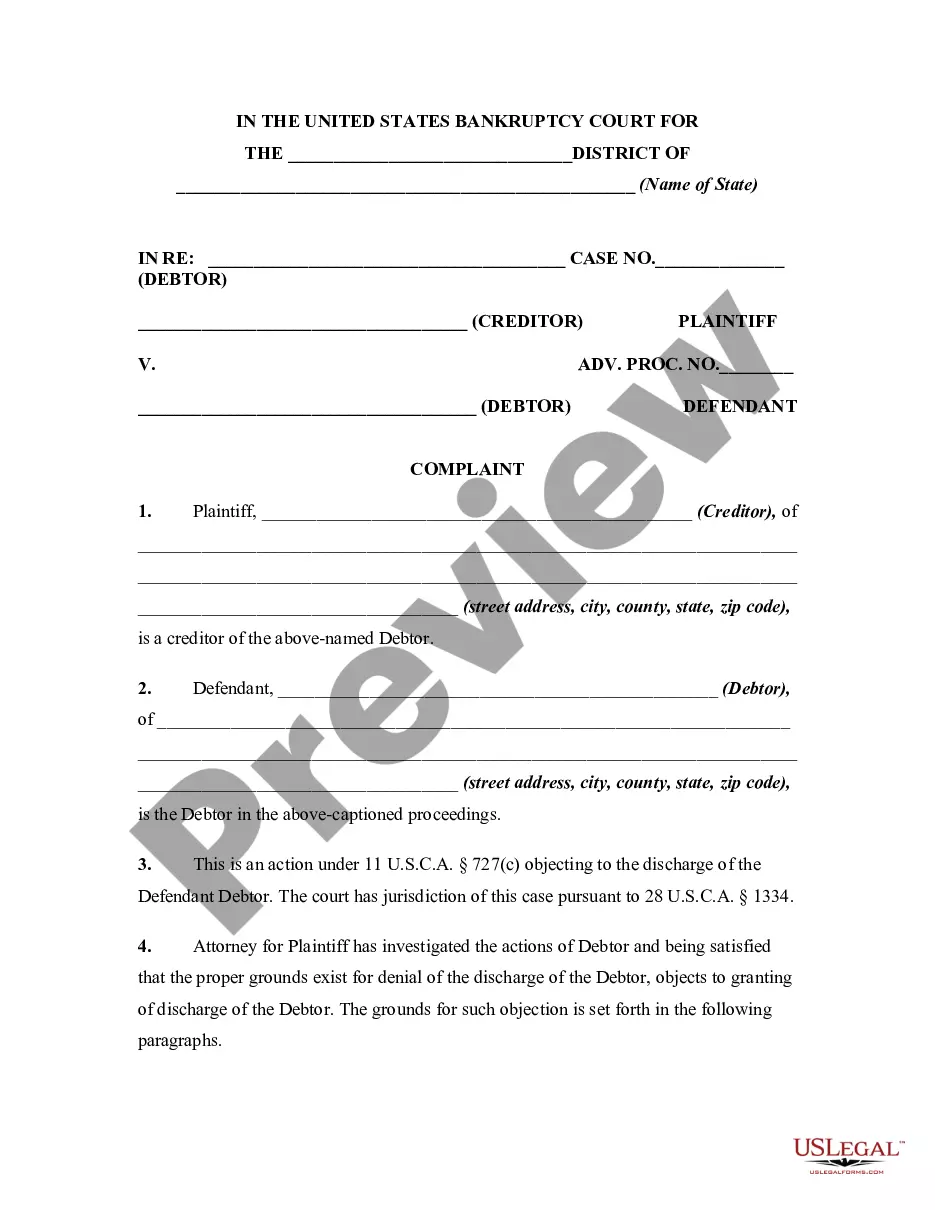
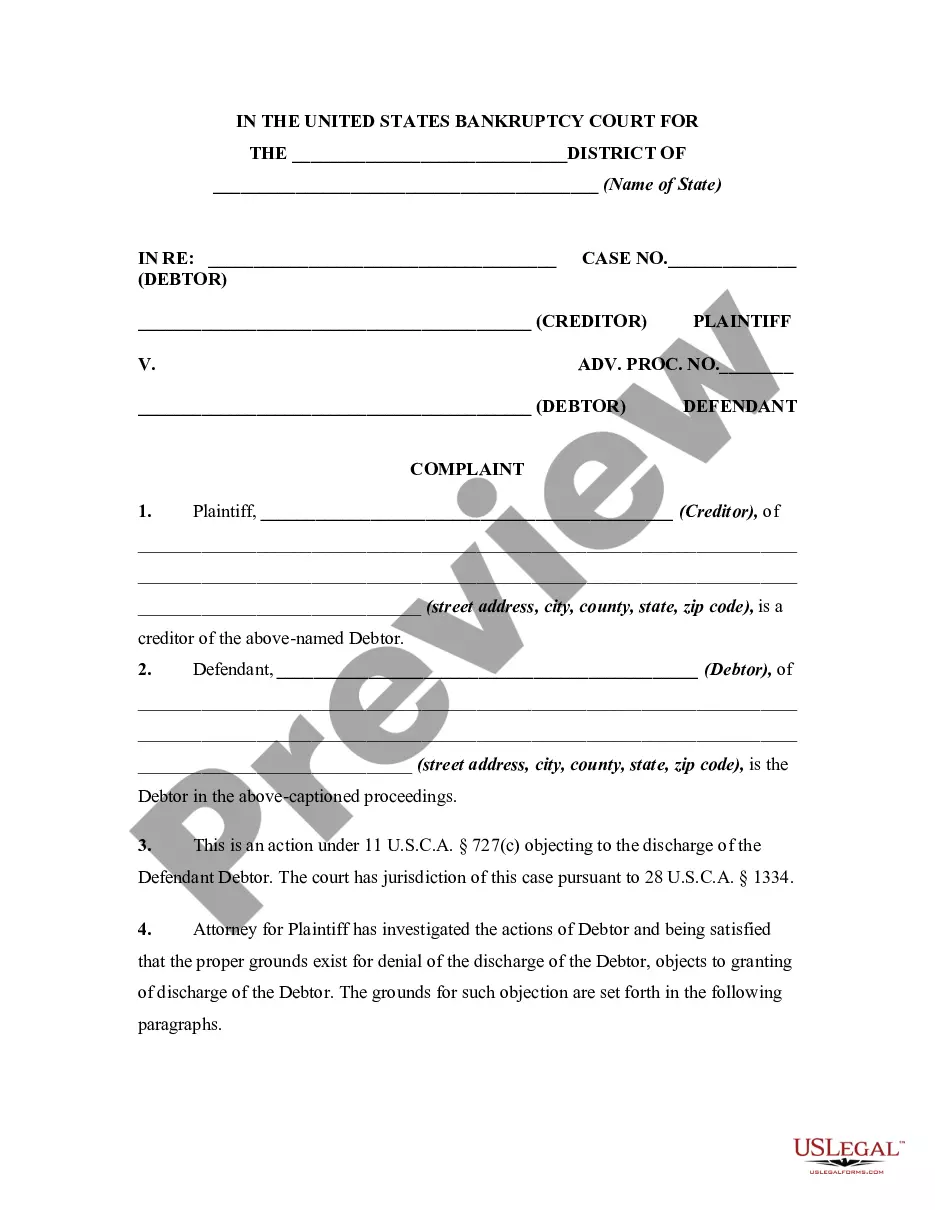
How to fill out Complaint Objecting To Discharge In Bankruptcy Proceedings For Concealment By Debtor And Omitting From Schedules Fraudulently Transferred Property?
- If you are a returning user, log in to retrieve your necessary form. Be sure your subscription remains active; if it has expired, renew it following your payment plan.
- For first-time users, start by exploring the Preview mode and form descriptions. Verify that the template matches your needs and complies with your local regulations.
- If the form doesn’t fit your criteria, utilize the search function above to locate the correct document. Proceed to check its suitability.
- Once you identify the proper document, click on the Buy Now button and select your preferred subscription plan. Register for an account to unlock access to our extensive library.
- Finish your purchase by entering your payment details via credit card or PayPal. This will complete your access to our legal forms.
- Finally, download your form and save it for future use. You can revisit it anytime through the My Forms section in your profile.
In summary, US Legal Forms provides an accessible solution for discharging bankruptcy by equipping users with an expansive collection of legal documents. Their platform ensures that everyone, from individuals to attorneys, can quickly find and utilize the necessary forms.
Start your journey towards financial freedom. Explore US Legal Forms today to find the perfect documents tailored just for you!
Form popularity
FAQ
Deciding whether to file Chapter 7 or Chapter 13 bankruptcy largely depends on your financial situation. Chapter 7 often provides a quicker discharge, allowing you to eliminate debts in a few months, while Chapter 13 involves a repayment plan over three to five years. If you qualify for Chapter 7, it may be more advantageous for a fresh start. For personalized guidance on discharge bankruptcy how for is it, consider using US Legal Forms to navigate your options effectively.
In Chapter 7 bankruptcy, you may have to forfeit some non-exempt assets. This might include valuable items such as second homes, luxury vehicles, or substantial savings. However, many people retain essential assets, like their primary residence and retirement accounts, under certain exemptions. Understanding what you could potentially lose is vital, and exploring discharge bankruptcy how for is it can help guide your decisions.
One downside of Chapter 7 bankruptcy is that it can remain on your credit report for up to 10 years, which may hinder your ability to secure credit during that time. Additionally, you may not be eligible for Chapter 7 if your income is too high, as discharge bankruptcy how for is it requires a means test. Furthermore, while it can eliminate most unsecured debts, it does not discharge certain types of liabilities like student loans or tax debts.
Typically, your bankruptcy is discharged within three to six months after filing, depending on the type of bankruptcy you choose. This period allows the court to process your case and ensure all requirements are met. Knowing this timeline helps you understand when you can start rebuilding your financial life. For assistance with the discharge bankruptcy process, visit US Legal Forms for reliable support.
You should keep your bankruptcy discharge papers for at least two years after the bankruptcy case closes. This is crucial for proving that your debts were cleared and for additional financial dealings. Retaining these documents allows you to easily reference your bankruptcy history if future questions arise. For more effective management of your legal documents, consider resources from US Legal Forms.
The 3 year rule for bankruptcy refers to the time frame in which certain debts may be excluded from discharge. Under this rule, if you file for bankruptcy, certain types of debts may take up to three years before they can be eliminated. Understanding this can help you manage your expectations and plan accordingly. To learn more about how discharge bankruptcy works and what you can do, you may want to check out US Legal Forms for guidance.
Yes, discharged bankruptcy means that your bankruptcy case is effectively closed. Once the court has granted a discharge, your obligation to repay those debts is formally ended. Understanding this closure helps you focus on rebuilding your credit and financial health, tying into the theme of discharge bankruptcy how for is it.
Typically, you can file for bankruptcy again after a discharge within a specific timeframe, usually eight years for a Chapter 7 bankruptcy. Timing varies based on the type of bankruptcy filed previously. It’s important to plan for your financial future, making sure you truly understand the implications of discharge bankruptcy how for is it.
Generally, once bankruptcy is discharged, it cannot be reversed. There are very few instances where it may be considered, often involving serious legal issues. Understanding the consequences of this process is vital, as it relates directly to discharge bankruptcy how for is it.
It is advisable to keep your bankruptcy discharge papers indefinitely. They serve as proof that your debts have been discharged, which can be crucial for future financial dealings. Proper documentation is important in establishing your financial history, especially when exploring discharge bankruptcy how for is it.