Bankruptcy And Property
Description
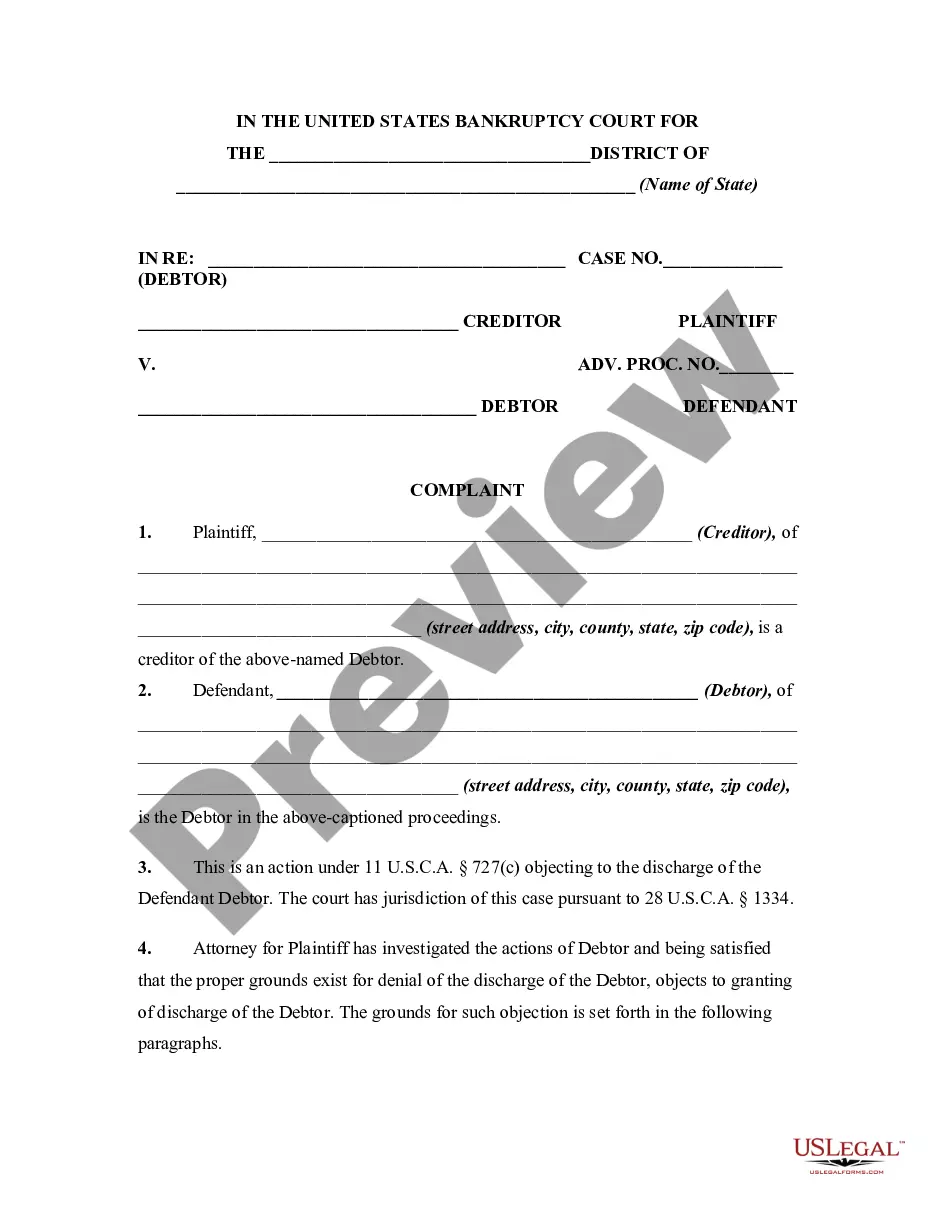
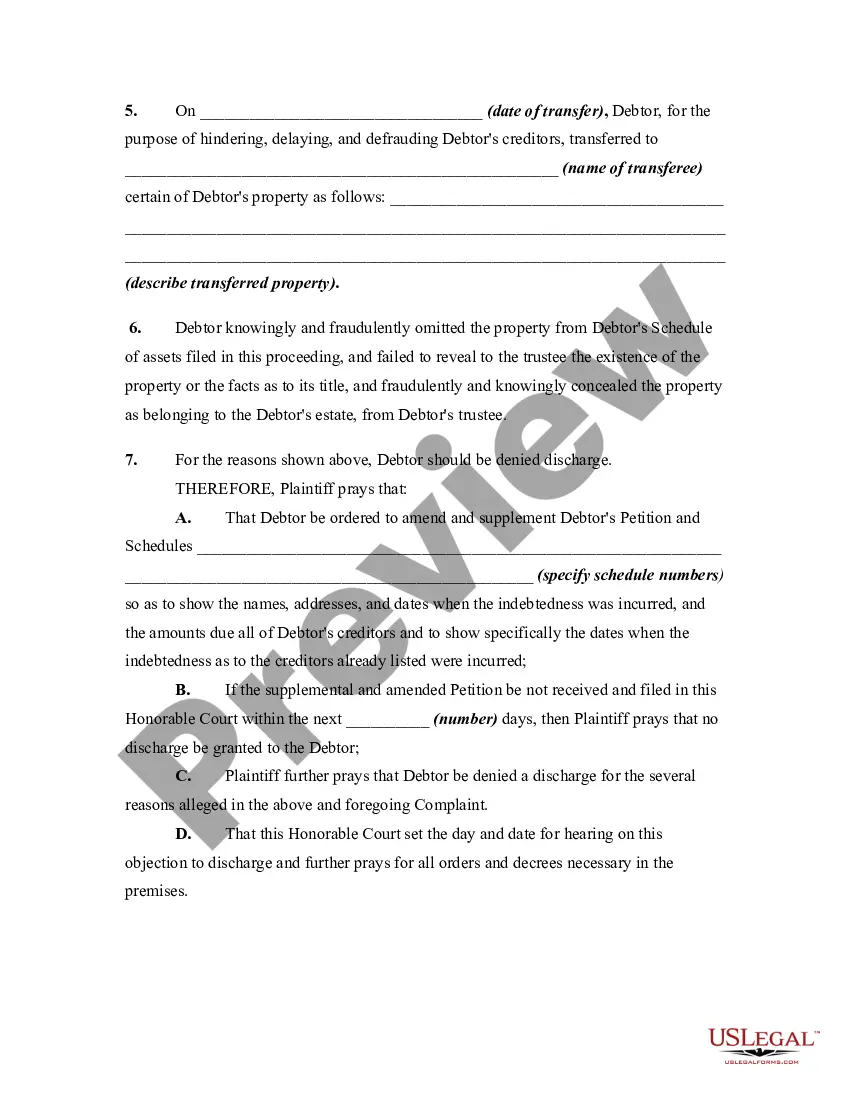

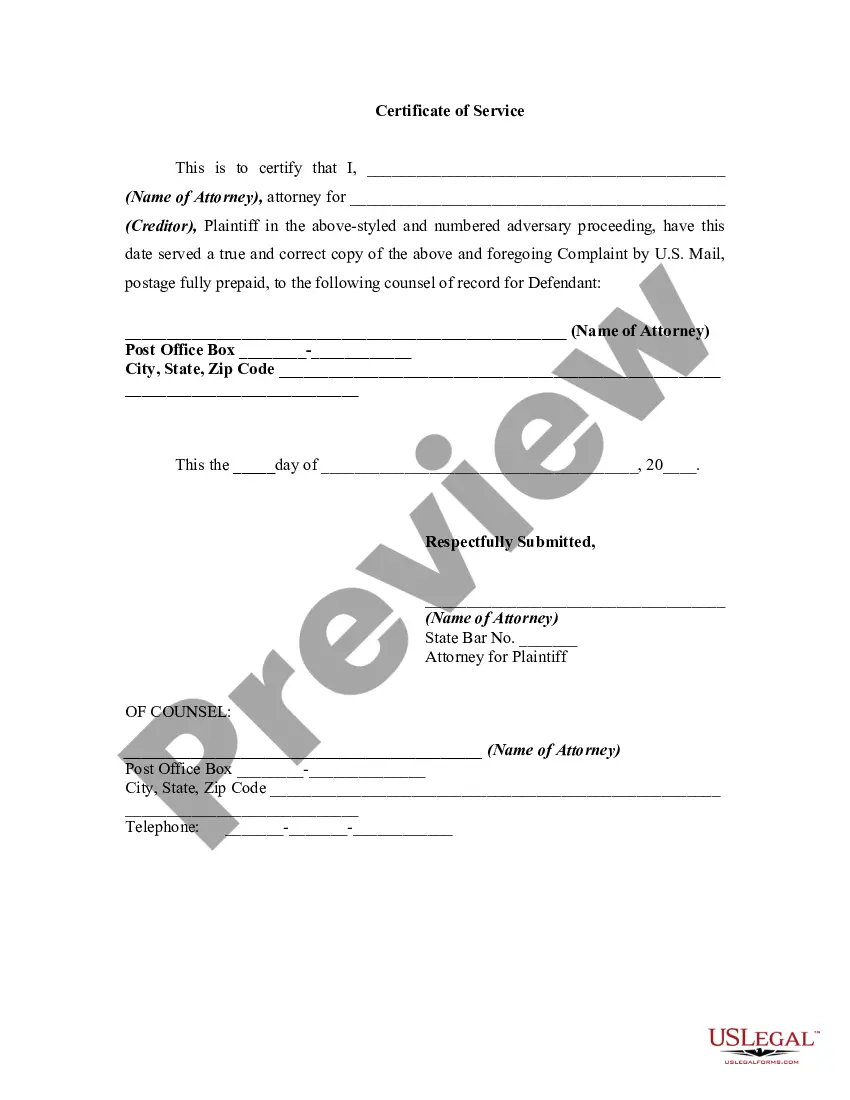
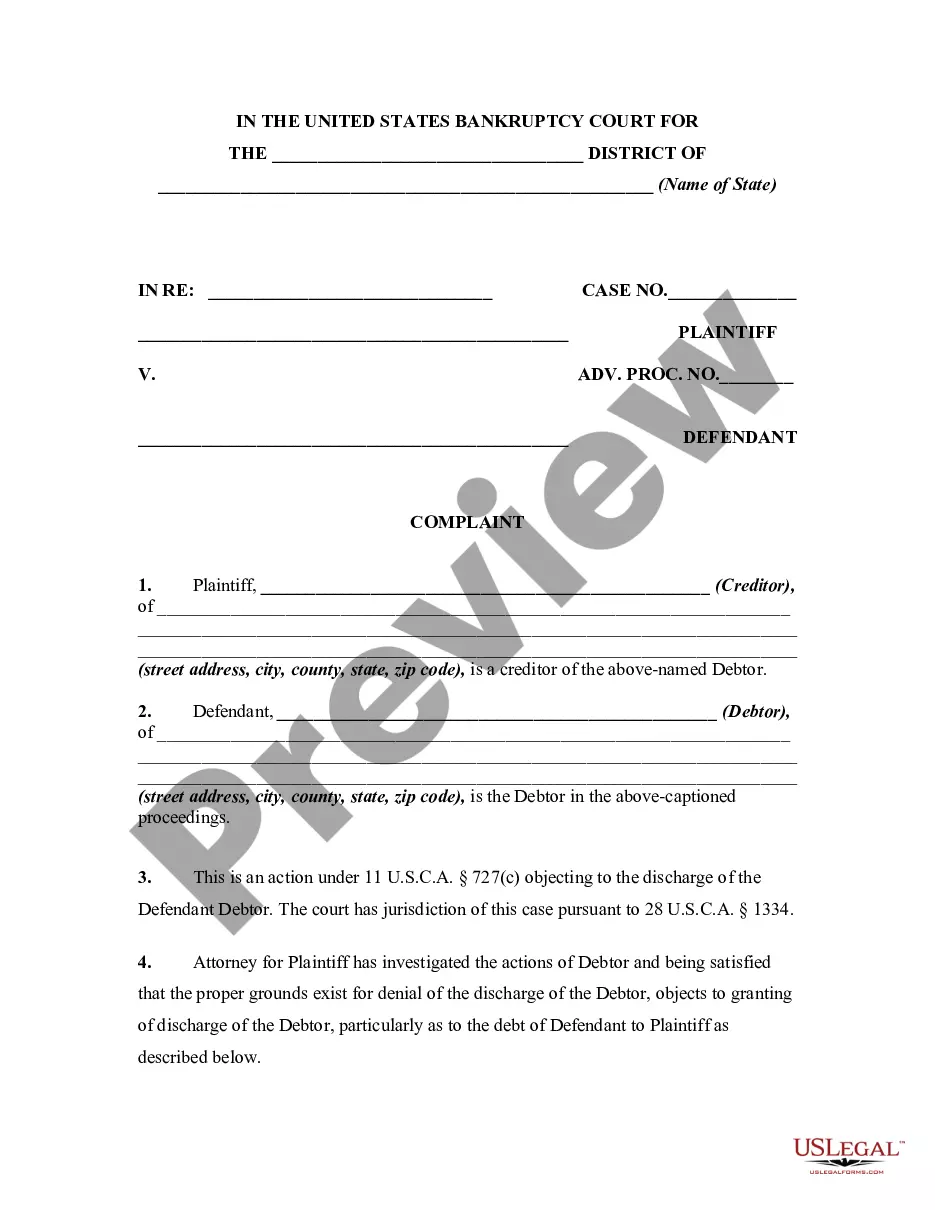
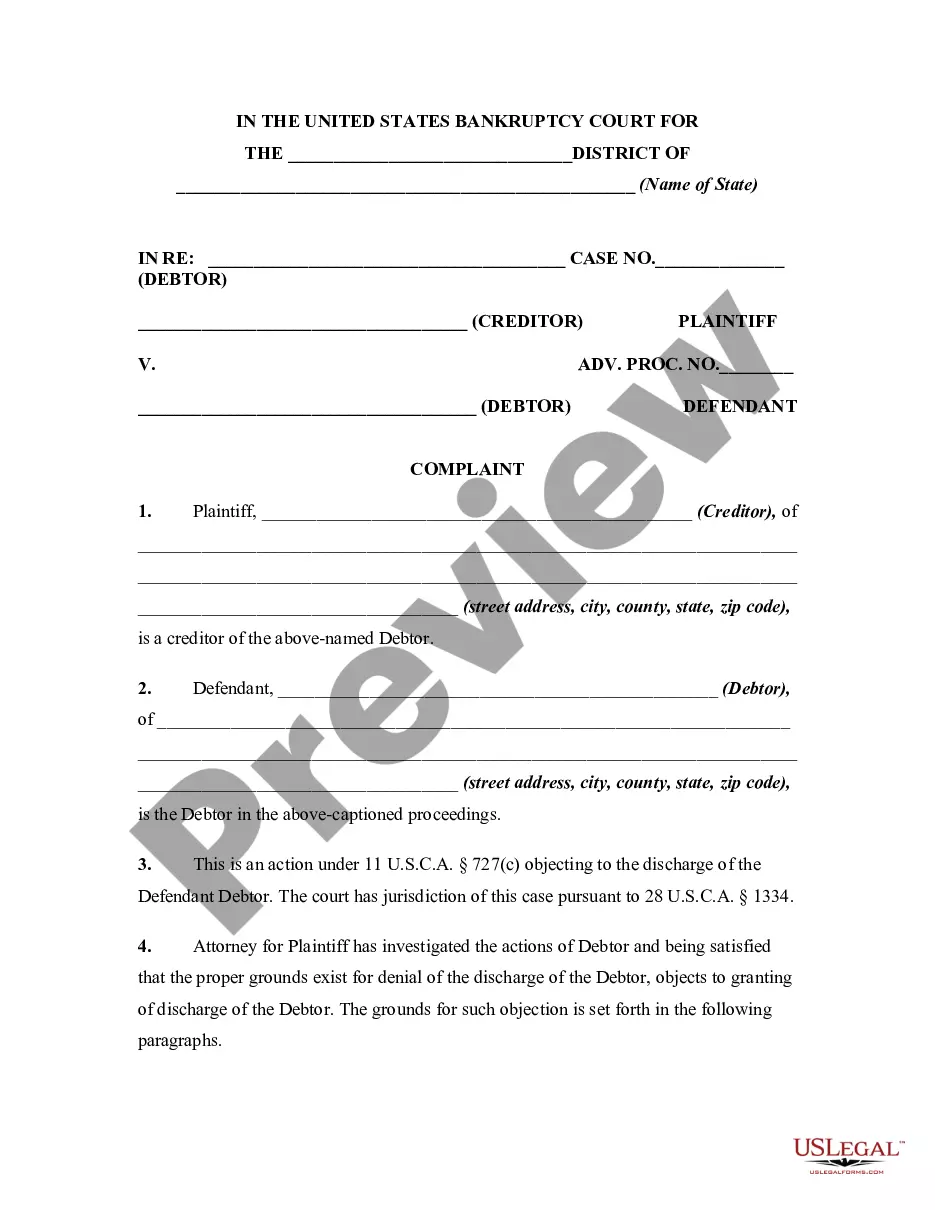
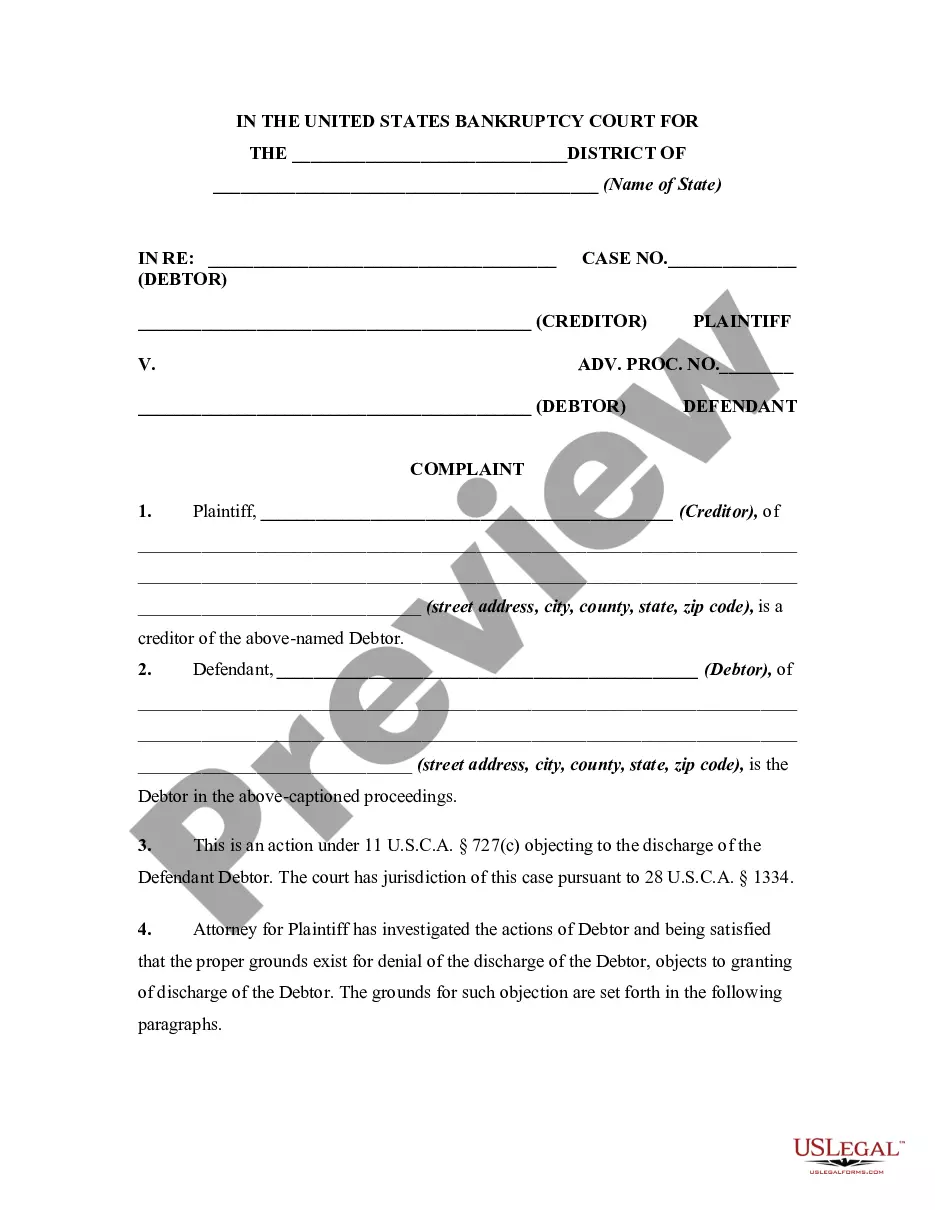
Get your form ready online
Our built-in tools help you complete, sign, share, and store your documents in one place.
Make edits, fill in missing information, and update formatting in US Legal Forms—just like you would in MS Word.
Download a copy, print it, send it by email, or mail it via USPS—whatever works best for your next step.
Sign and collect signatures with our SignNow integration. Send to multiple recipients, set reminders, and more. Go Premium to unlock E-Sign.
If this form requires notarization, complete it online through a secure video call—no need to meet a notary in person or wait for an appointment.
We protect your documents and personal data by following strict security and privacy standards.

Make edits, fill in missing information, and update formatting in US Legal Forms—just like you would in MS Word.

Download a copy, print it, send it by email, or mail it via USPS—whatever works best for your next step.

Sign and collect signatures with our SignNow integration. Send to multiple recipients, set reminders, and more. Go Premium to unlock E-Sign.

If this form requires notarization, complete it online through a secure video call—no need to meet a notary in person or wait for an appointment.

We protect your documents and personal data by following strict security and privacy standards.
Looking for another form?








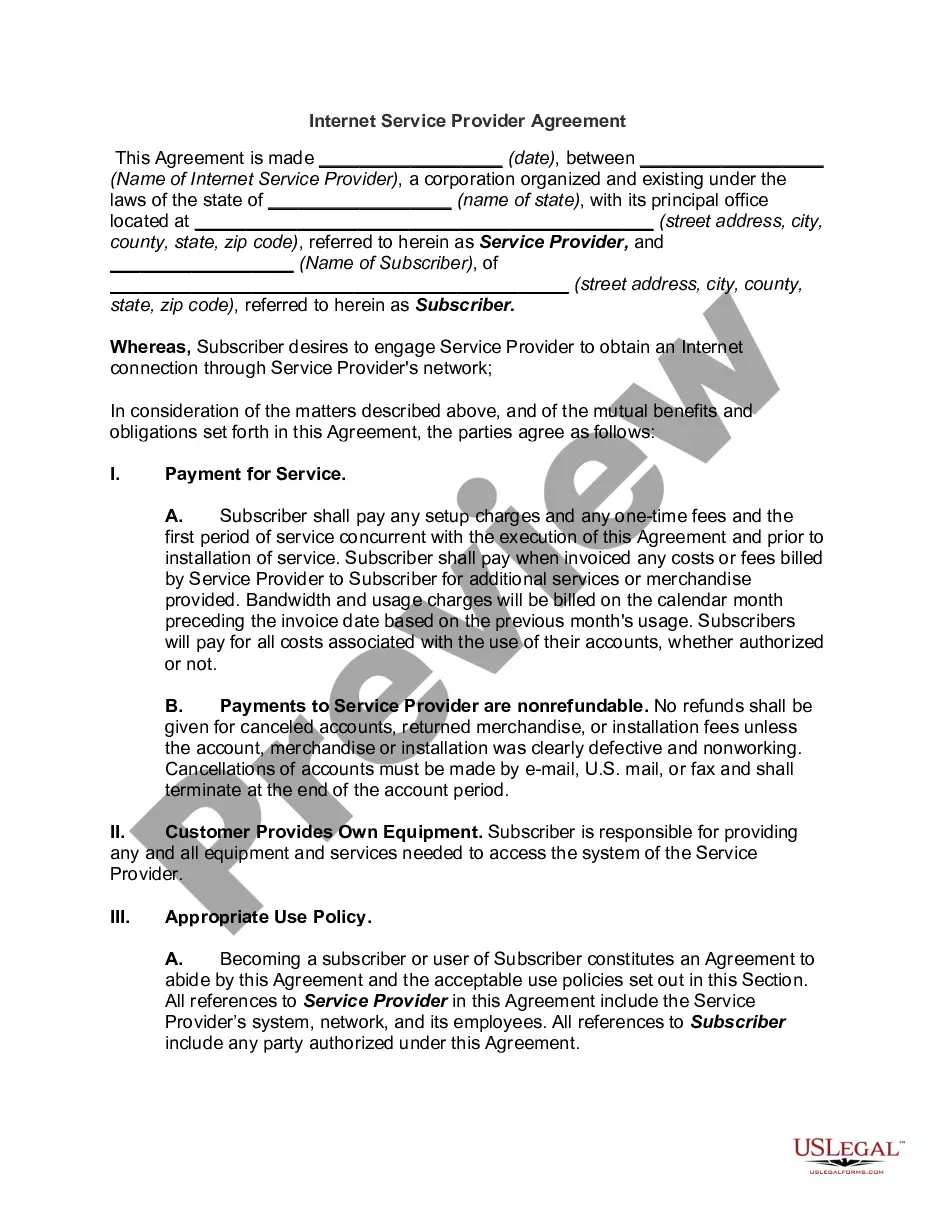

How to fill out Complaint Objecting To Discharge In Bankruptcy Proceedings For Concealment By Debtor And Omitting From Schedules Fraudulently Transferred Property?
Handling legal paperwork can be daunting, even for the most seasoned experts.
When you're focused on a Bankruptcy and Property matter and lack the time to search for the correct and current version, the processes can become taxing.
Obtain a collection of articles, guides, and manuals related to your situation and requirements.
Conserve effort and time while searching for the documents you require, and use US Legal Forms' sophisticated search and Preview feature to locate Bankruptcy and Property forms and download them.
Take advantage of the US Legal Forms online library, supported by 25 years of expertise and reliability. Transform your daily document management into a straightforward and user-friendly process today.
- If you have a monthly subscription, Log In to your US Legal Forms account, locate the form, and download it.
- Check your My documents section to review the documents you've previously downloaded and manage your files as desired.
- If this is your first experience with US Legal Forms, create a complimentary account to enjoy unlimited access to all platform benefits.
- Here are the steps to follow after acquiring the form you need.
- Confirm this is the correct form by previewing it and reading its description.
- Access state- or county-specific legal and business forms.
- US Legal Forms meets all your needs, ranging from personal to business documents, all in one location.
- Utilize cutting-edge tools to complete and oversee your Bankruptcy and Property tasks.
Form popularity
FAQ
While it may feel odd to pay fees to tell the courts you don't have enough money, you typically have to pay court fees to file for bankruptcy. The filing fee for a Chapter 7 bankruptcy is $338, while the filing fee for a Chapter 13 bankruptcy is $313.
A Chapter 7 bankruptcy wipes out mortgages, car loans, and other secured debts. But if you don't continue to pay as agreed, the lender will take back the home, car, or other collateralized property using the lender's lien rights.
Not All Debts Are Discharged Certain debts will remain on your account when you file for Chapter 7 bankruptcy. You will still be responsible for alimony and child support. Tax liens, student loans, and personal injury debts caused by intoxicated drivers are still on the docket, as well.
A Chapter 13 petition for bankruptcy will likely necessitate a $500 to $600 monthly payment, especially for debtors paying at least one automobile through the payment plan. However, since the bankruptcy court will consider a large number of factors, this estimate could vary greatly.
Examples of nonexempt assets that can be subject to liquidation: Additional home or residential property that is not your primary residence. Investments that are not part of your retirement accounts. An expensive vehicle(s) not covered by bankruptcy exemptions.