Transportation Agreement Sample With Retainer
Description
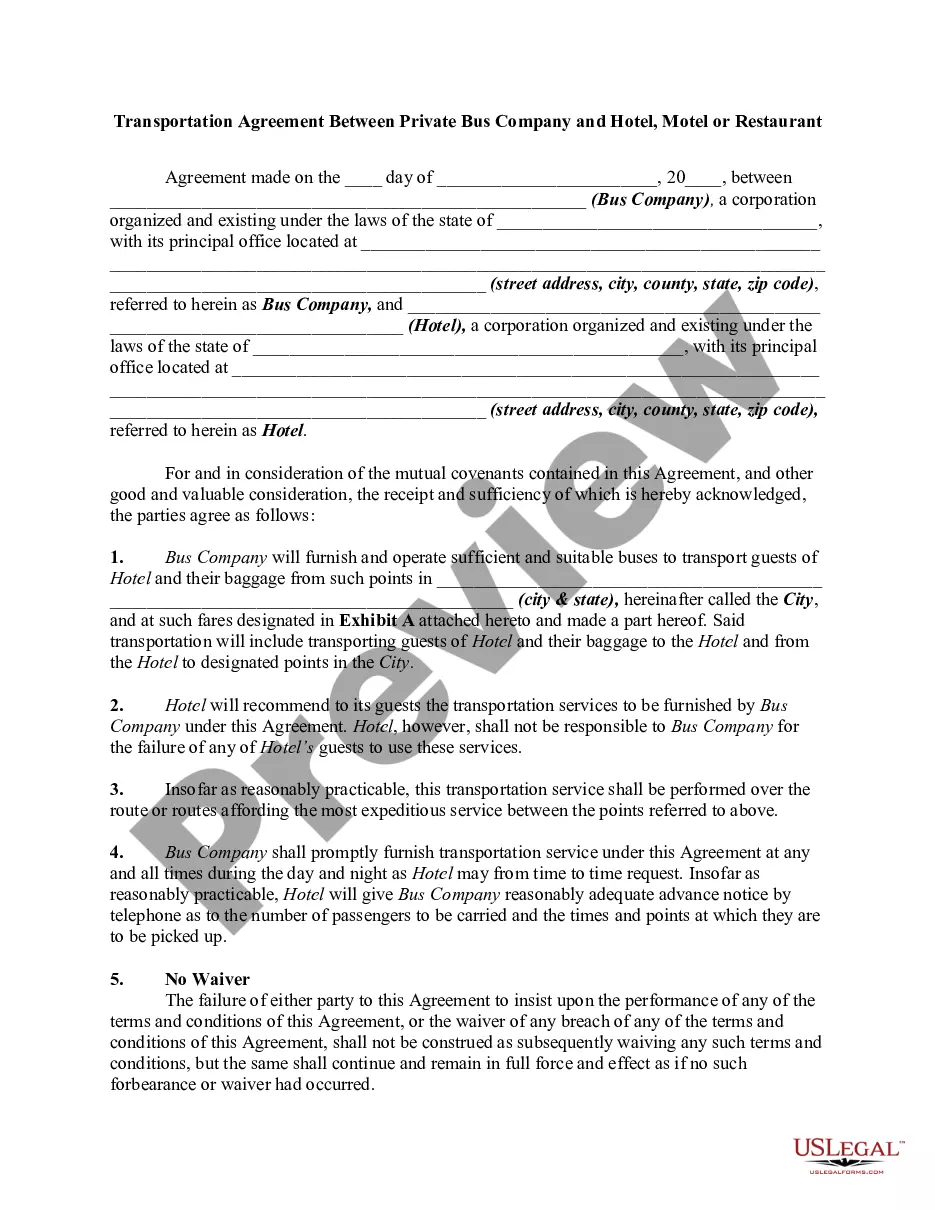
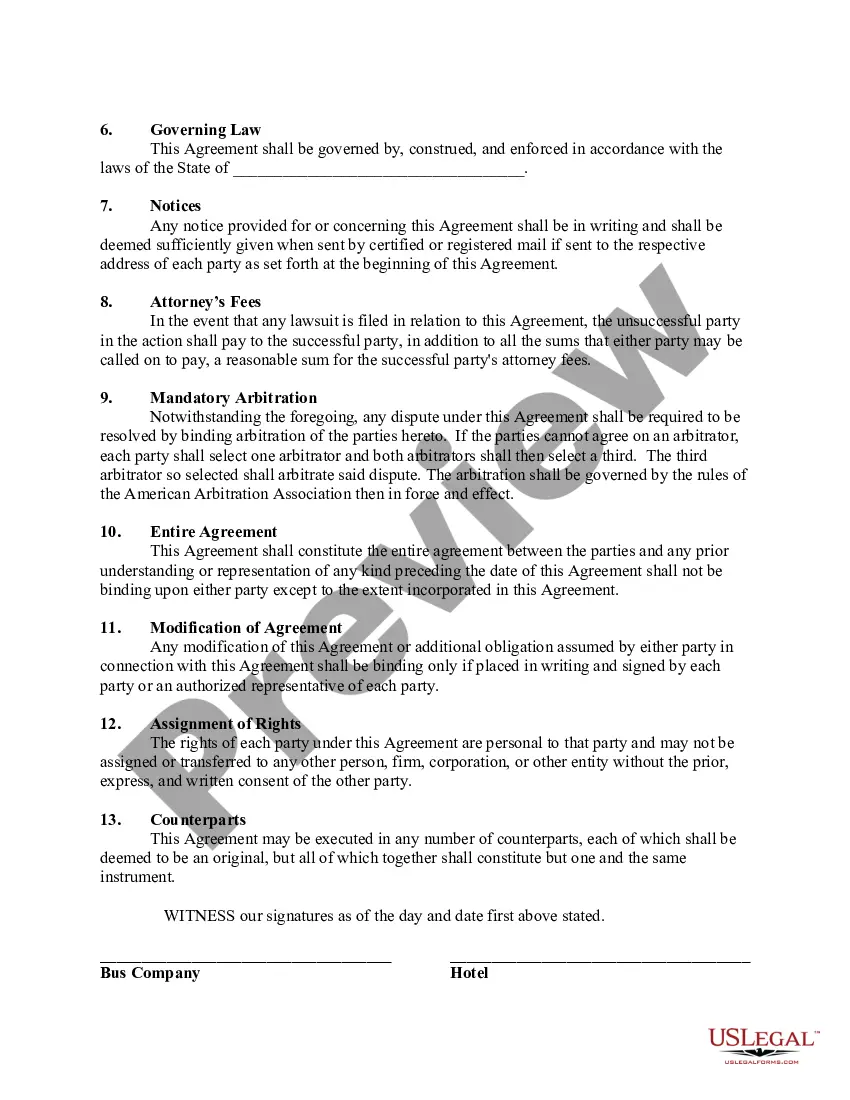

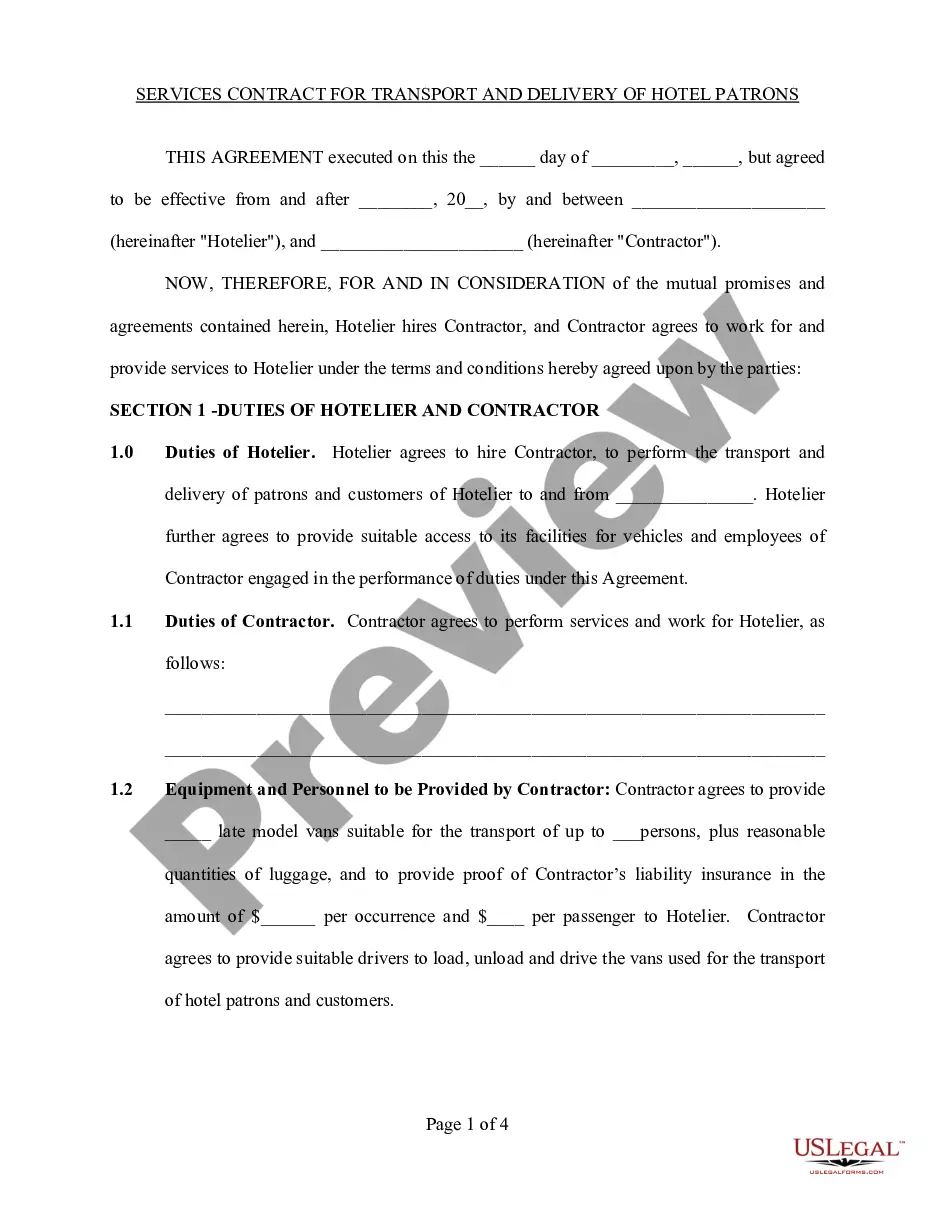
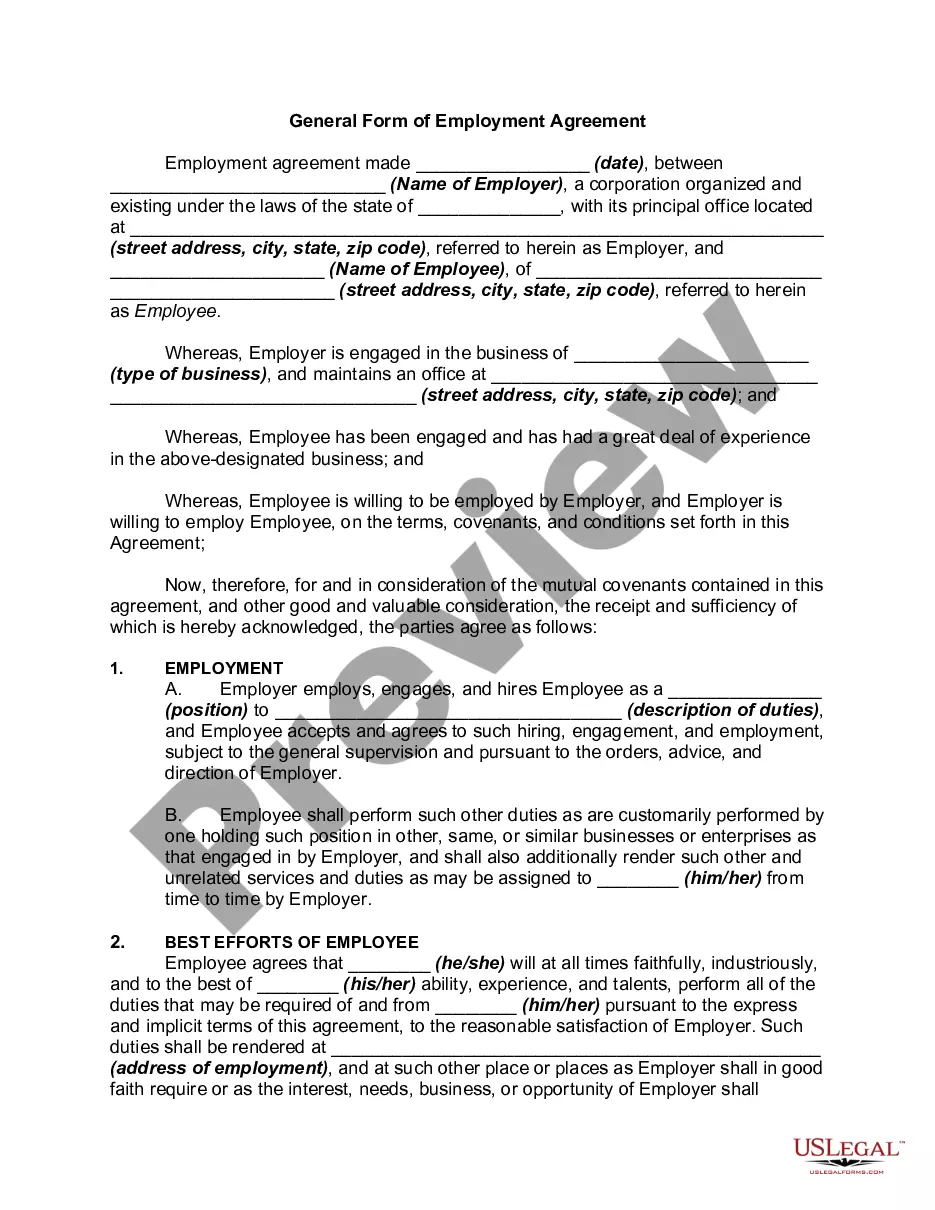
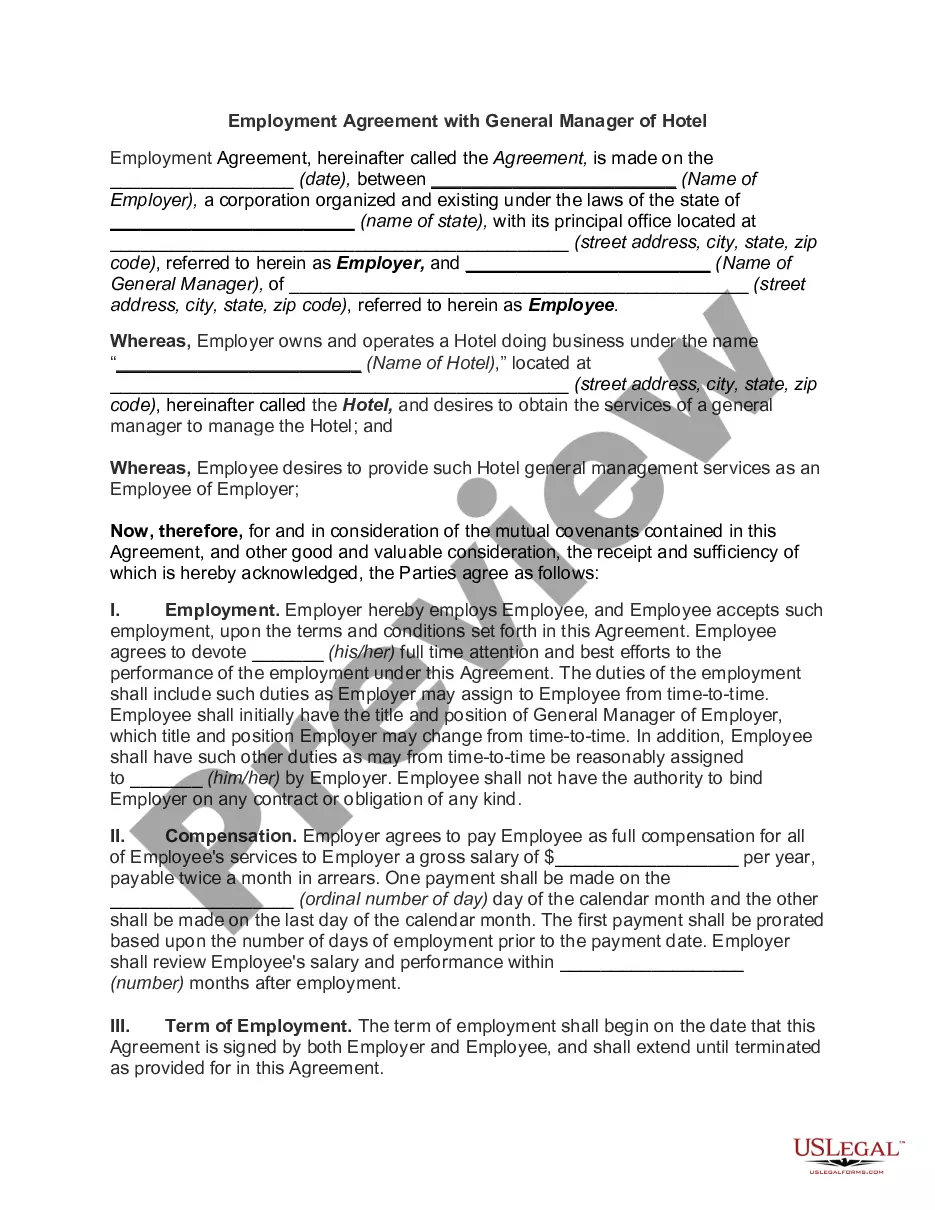
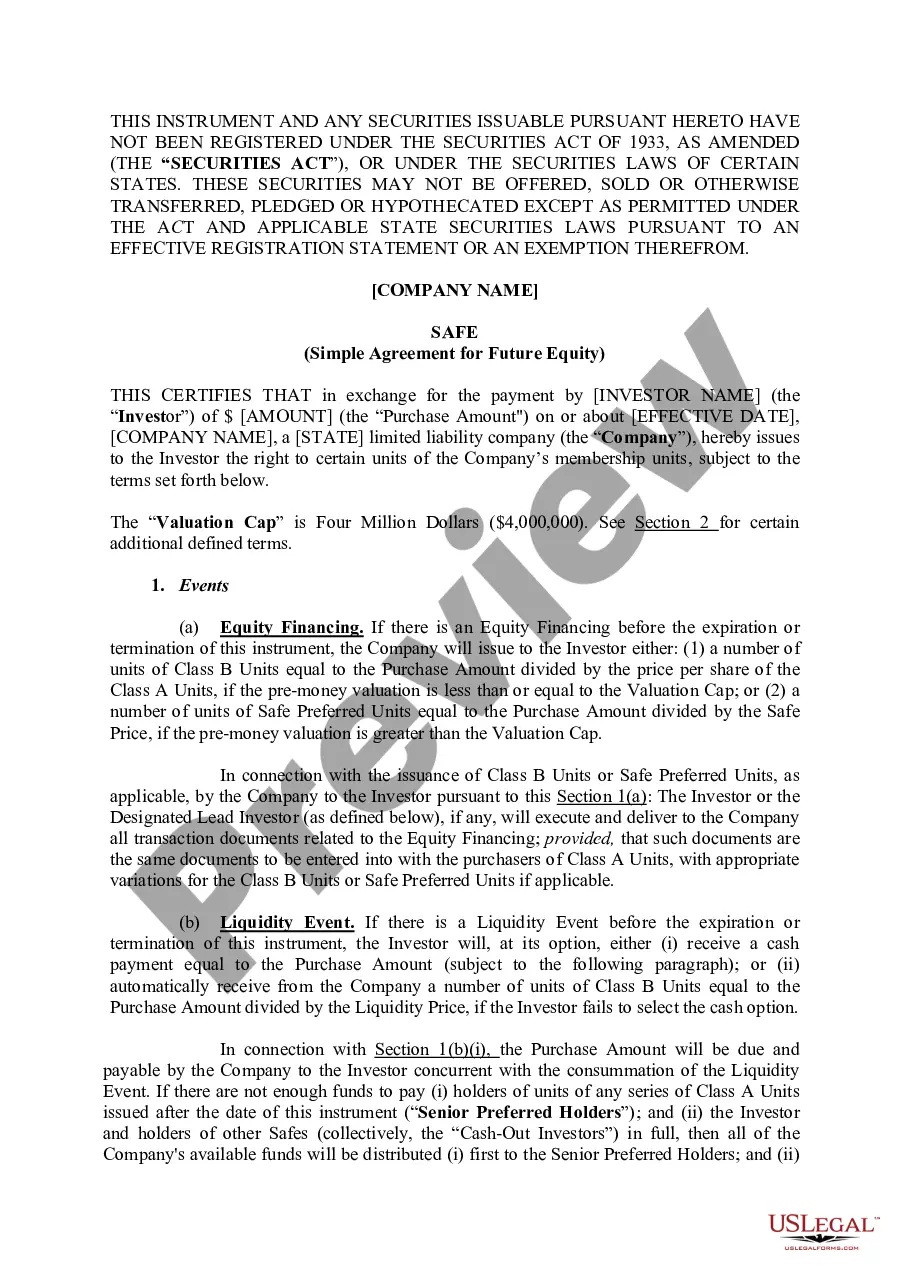
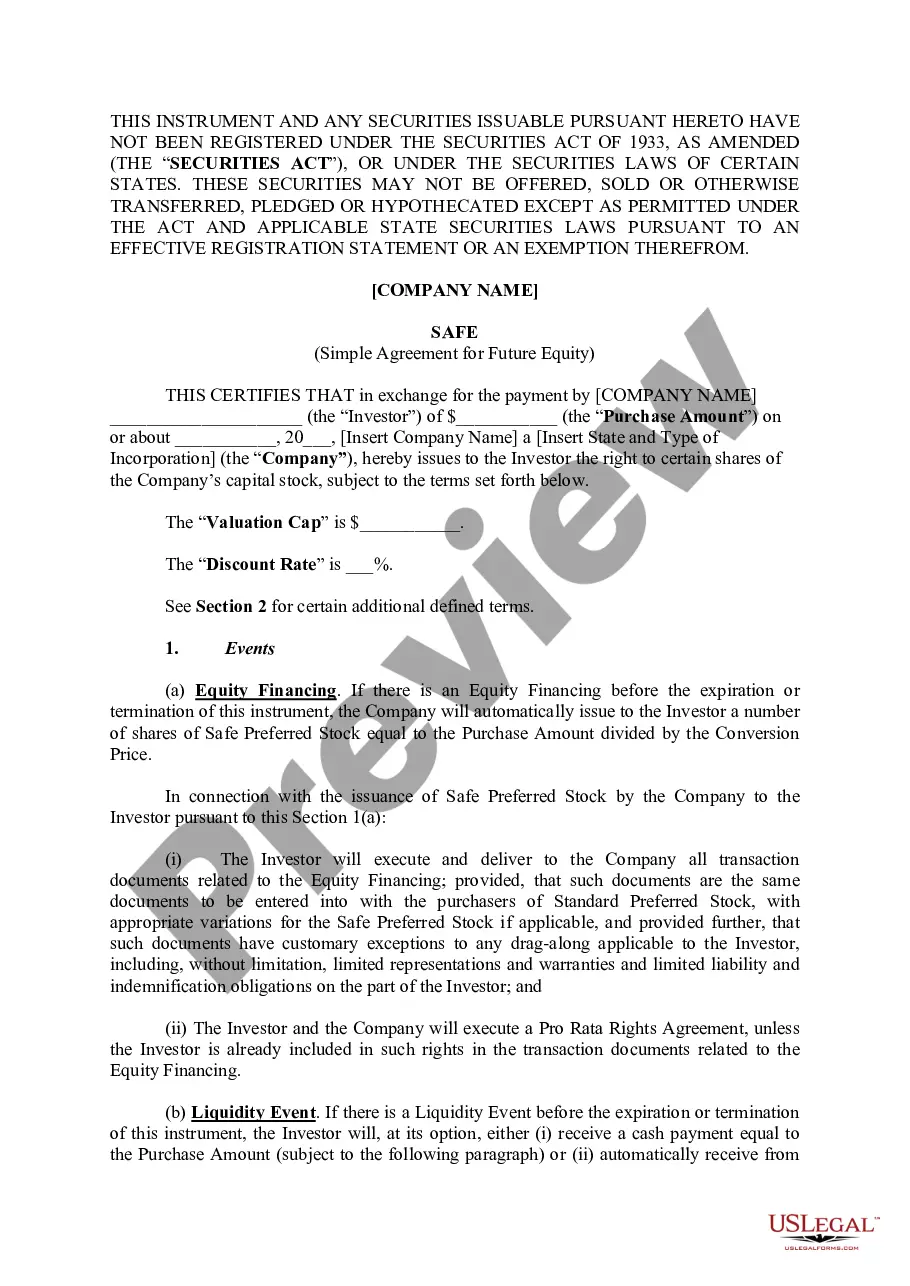
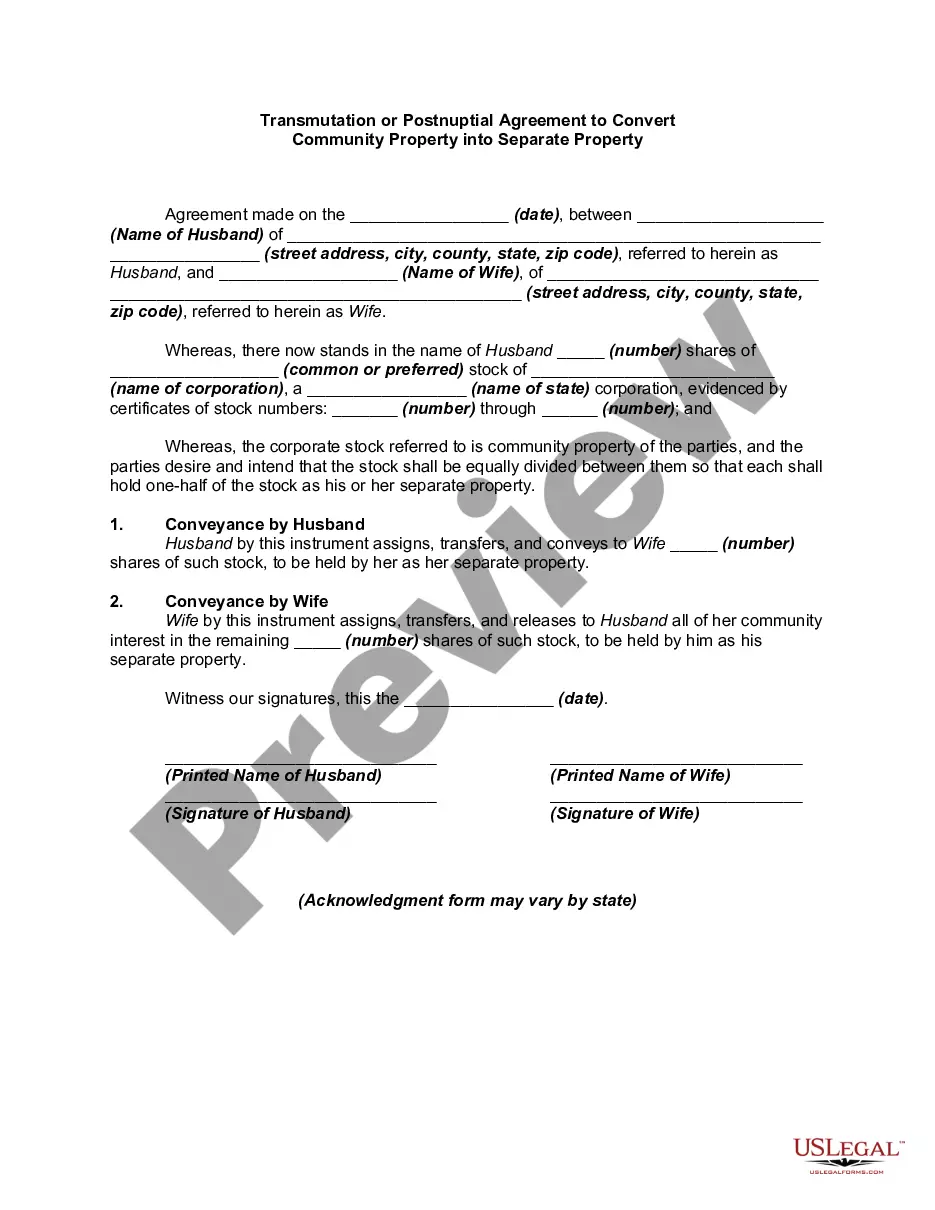

How to fill out Transportation Agreement Between Private Bus Company And Hotel, Motel Or Restaurant?
Whether for professional reasons or personal matters, everyone must manage legal scenarios at some stage in their life.
Completing legal documentation requires meticulous focus, beginning with selecting the correct form template.
Complete the account registration form. Choose your payment method: use a credit card or PayPal account. Select your desired file format and download the Transportation Agreement Example With Retainer. Once downloaded, you can fill out the form using editing software or print it out and complete it manually. With a comprehensive US Legal Forms catalog available, you do not need to waste time searching for the suitable sample online. Utilize the library’s easy navigation to find the right form for any occasion.
- For instance, if you choose an incorrect version of the Transportation Agreement Example With Retainer, it will be declined upon submission.
- Thus, it is crucial to obtain a reliable source of legal documents such as US Legal Forms.
- If you need to acquire a Transportation Agreement Example With Retainer template, follow these straightforward steps.
- Access the sample you require by using the search box or catalog navigation.
- Examine the form’s description to ensure it matches your circumstances, state, and county.
- Select the form’s preview to view it.
- If it is the incorrect document, return to the search feature to locate the Transportation Agreement Example With Retainer sample you need.
- Obtain the template when it corresponds to your requirements.
- If you possess a US Legal Forms account, simply click Log in to access previously saved templates in My documents.
- If you do not have an account yet, you may download the form by clicking Buy now.
- Select the correct pricing option.
Form popularity
FAQ
A retainer is a fee paid to a lawyer or law firm in advance of services being rendered, and the law firm should hold it in a trust account until the services are provided. It gets booked to the balance sheet as a prepaid expense (which is an asset).
A retainer agreement is a contract between a client and a professional who requires an upfront payment applied to future work. A retainer can be set up as a one-time payment or for a recurring period. The agreement will detail compensation, hours, contingencies, and any other terms for the services provided.
Create an invoice for your customer that lists the services or goods you've provided. On the last line of the invoice, in the Product/Service field, select the Retainer or Deposit item. Enter the retainer Amount as a negative to subtract it from the invoice.
Think of a retainer contract as a work-for-hire agreement where you complete either a set amount of work for the client on a monthly basis or commit a set number of hours to their work. In exchange for your rolling services, the client pays you a fixed amount of money for an agreed number of hours each month.
To summarize what is a retainer agreement, it can be structured in several different ways: Client pays a set amount each month to access a certain amount of time. ... Client pays a set amount each month for a specific set of deliverables. ... Client pays simply to have access to the freelancer.