Generation Skipping.trust
Description


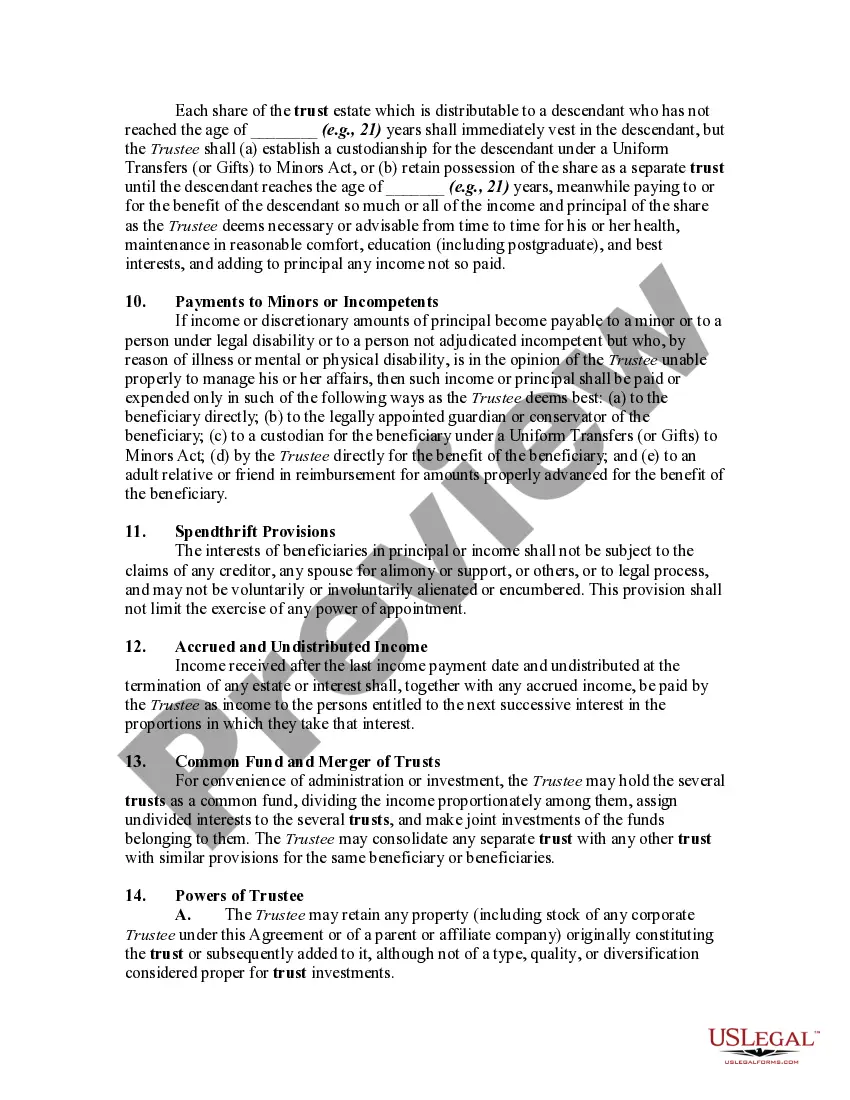





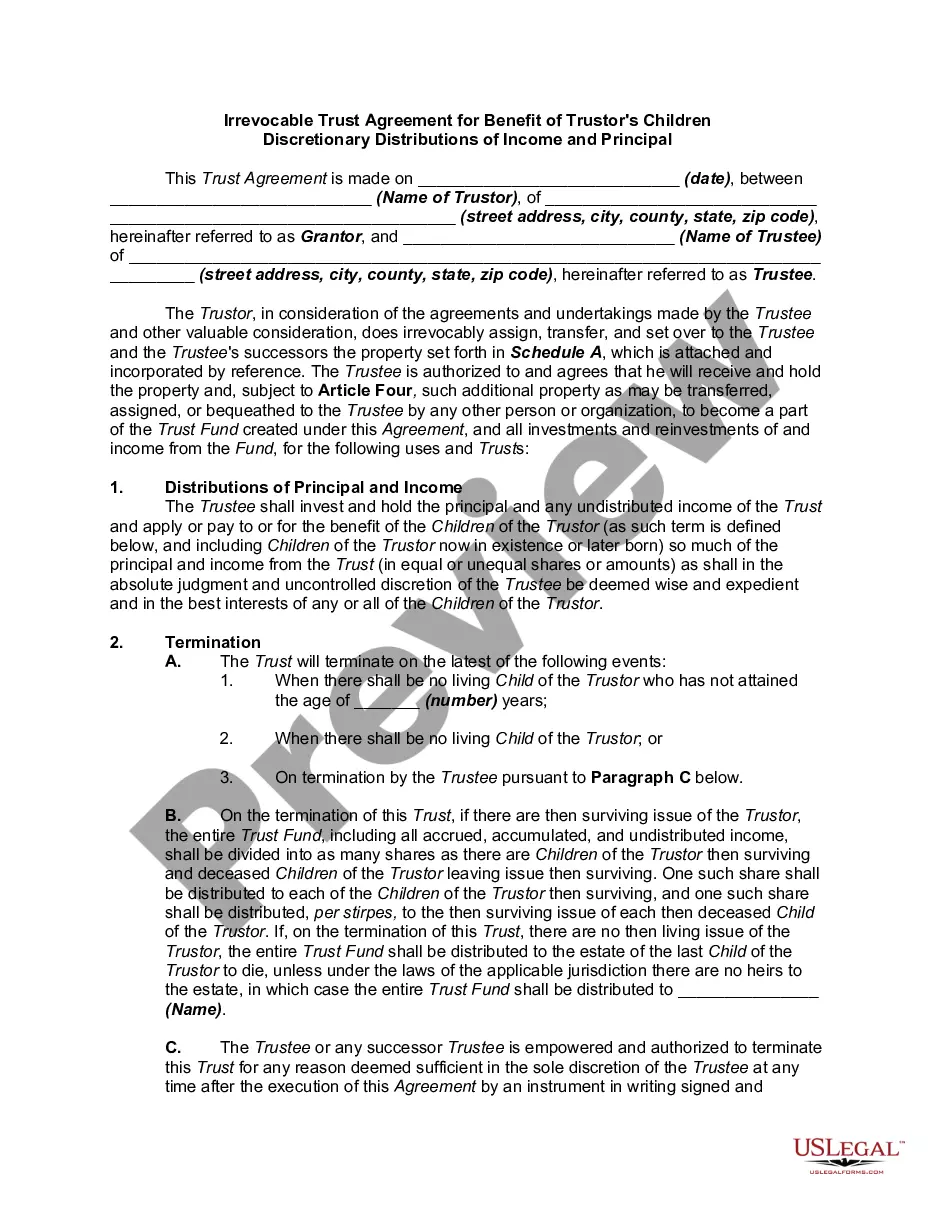


Get your form ready online
Our built-in tools help you complete, sign, share, and store your documents in one place.
Make edits, fill in missing information, and update formatting in US Legal Forms—just like you would in MS Word.
Download a copy, print it, send it by email, or mail it via USPS—whatever works best for your next step.
Sign and collect signatures with our SignNow integration. Send to multiple recipients, set reminders, and more. Go Premium to unlock E-Sign.
If this form requires notarization, complete it online through a secure video call—no need to meet a notary in person or wait for an appointment.
We protect your documents and personal data by following strict security and privacy standards.

Make edits, fill in missing information, and update formatting in US Legal Forms—just like you would in MS Word.

Download a copy, print it, send it by email, or mail it via USPS—whatever works best for your next step.

Sign and collect signatures with our SignNow integration. Send to multiple recipients, set reminders, and more. Go Premium to unlock E-Sign.

If this form requires notarization, complete it online through a secure video call—no need to meet a notary in person or wait for an appointment.

We protect your documents and personal data by following strict security and privacy standards.
Looking for another form?

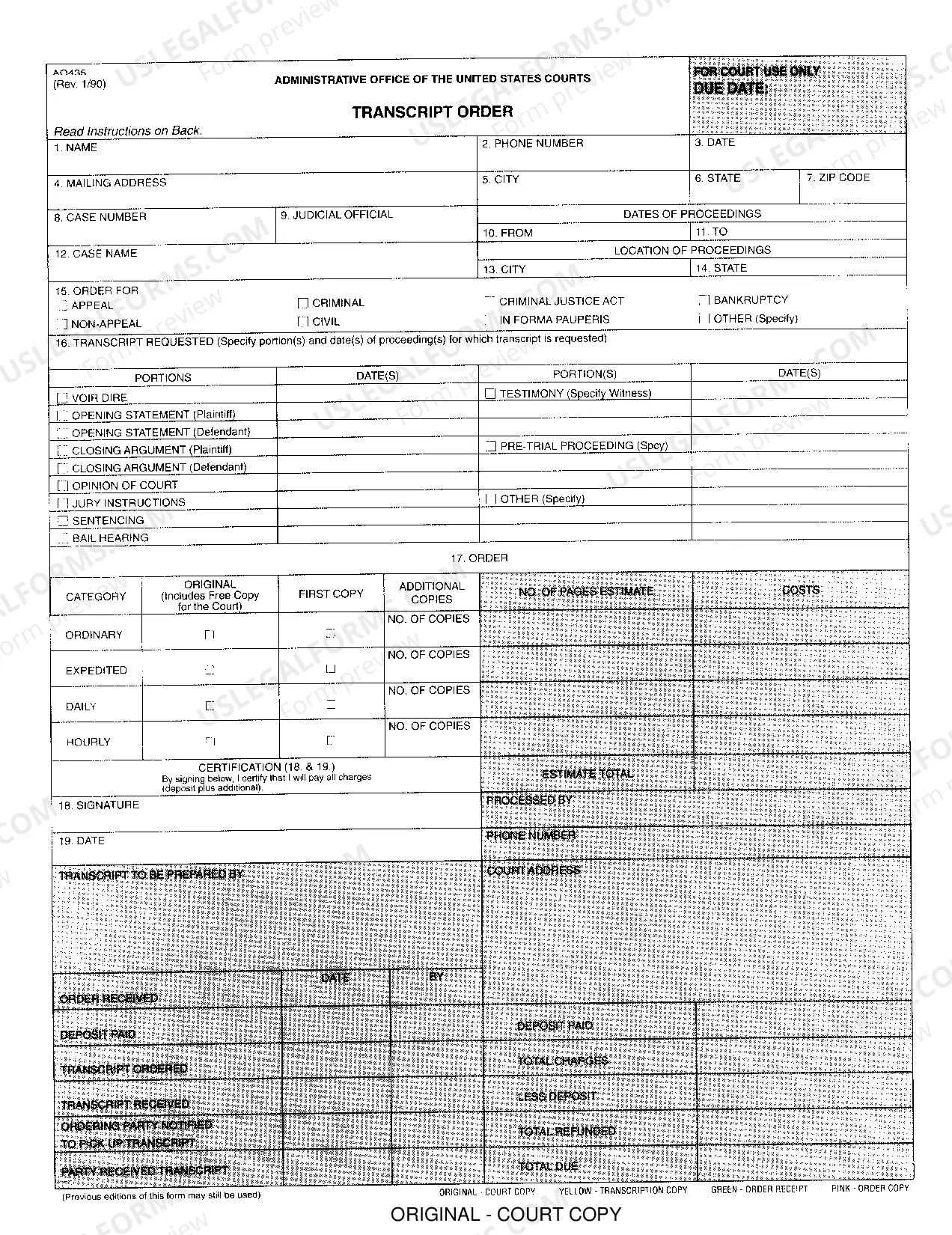




How to fill out Irrevocable Generation Skipping Or Dynasty Trust Agreement For Benefit Of Trustor's Children And Grandchildren?
- If you are a returning user, log in to your US Legal Forms account to access your subscription. If your subscription has expired, renew it according to your payment plan.
- For first-time users, start by browsing the extensive library of GST forms available on US Legal Forms. Make sure to check the Preview mode and descriptions to choose the correct form for your needs.
- If you need a different template, utilize the Search feature to find the right one. Ensure it meets your local jurisdiction requirements before proceeding.
- Once you've selected the right form, click the Buy Now button. Choose a subscription plan that suits you and create an account to get full access to resources.
- Proceed with the purchase by entering your credit card details or using your PayPal account to complete the transaction.
- After purchase, download your Generation Skipping Trust form. It will be saved to your device and accessible through the My Forms section anytime you need it.
In conclusion, US Legal Forms provides an efficient platform to obtain necessary legal documents like the Generation Skipping Trust. With a robust selection and expert assistance, you can confidently complete your estate planning. Don't wait—take the next step in securing your legacy today!
Form popularity
FAQ
To establish a generation-skipping trust, you must define the beneficiaries clearly, specify the terms regarding how and when distributions will occur, and ensure compliance with IRS regulations. Additionally, you should consider the tax implications that may arise based on your estate's value. It is essential to work with a professional who understands the complexities of generation-skipping trusts to create a well-structured document. The uslegalforms platform offers helpful templates and guidance to assist you in building a compliant trust.
A bypass trust, also known as a credit shelter trust, is an estate planning tool that helps individuals maximize their estate tax exemptions. For instance, when one spouse dies, the trust receives assets equal to the estate tax exemption limit, allowing the surviving spouse to use the bypass trust without incurring additional taxes. This arrangement effectively 'bypasses' the surviving spouse's estate, preserving wealth for subsequent generations. You can explore uslegalforms to find resources on setting up this type of trust.
Yes, generation-skipping trusts are still a viable estate planning tool. They allow wealth to be passed down to beneficiaries who are more than one generation away from the grantor, thus potentially avoiding significant estate taxes. These trusts provide flexible options for managing assets and can ensure that funds are used wisely. If you are considering establishing one, the uslegalforms platform can guide you through the necessary documentation and processes.
Dissolving a generation-skipping trust typically requires the consent of all beneficiaries and sometimes a judicial order, depending on your state’s laws and the terms of the trust. You may need to complete specific legal forms to ensure the process is compliant and that all parties are in agreement. Engaging with US Legal Forms can simplify this legal procedure, providing necessary documentation and guidance.
Qualifying for a generation-skipping trust generally involves having specific financial goals regarding your estate and the desire to provide for younger generations. You should also consider factors like your family structure and the financial needs of potential beneficiaries. Consulting with a legal professional can clarify qualifications and help set up a trust tailored to your needs, which can be done with resources available from US Legal Forms.
An example of a generation-skipping trust is when a grandparent establishes a trust that provides assets to their grandchildren upon the grandparent's passing. In this scenario, the grandchildren can benefit from funds for education, health care, or other purposes without immediate access to the entire sum. This method not only protects the assets but also enables the grandparent to ensure their use aligns with their wishes.
A generation-skipping trust can be an excellent option if you want to protect your assets from estate taxes while providing for your grandchildren and future generations. By using this trust, you can control how and when beneficiaries receive their inheritance. It's advisable to evaluate your specific financial situation and goals, potentially with assistance from legal experts at US Legal Forms.
Generation skipping transfer tax is typically triggered when assets are passed to beneficiaries more than one generation below the grantor, such as grandchildren. This tax is designed to prevent individuals from bypassing estate taxes. Understanding these triggers can help you strategize your estate plan and potentially minimize tax implications with resources available from US Legal Forms.
Beneficiaries of a generation-skipping trust usually include grandchildren or more remote descendants, avoiding estate taxes that might apply if direct inheritance is given to children. The trust can also specify other individuals or entities, depending on your objectives. Knowing who stands to benefit from the trust can allow you to plan effectively and ensure financial support across generations.
To break a generation-skipping trust, you typically need a legal process that includes obtaining consent from all beneficiaries and possibly court approval. It is important to evaluate the terms set forth in the trust document, as these can influence how to proceed. Working with an attorney experienced in estate planning and trusts can help navigate this process efficiently, especially when utilizing tools from a platform like US Legal Forms.