Dynasty Trust Problems Foreign
Description
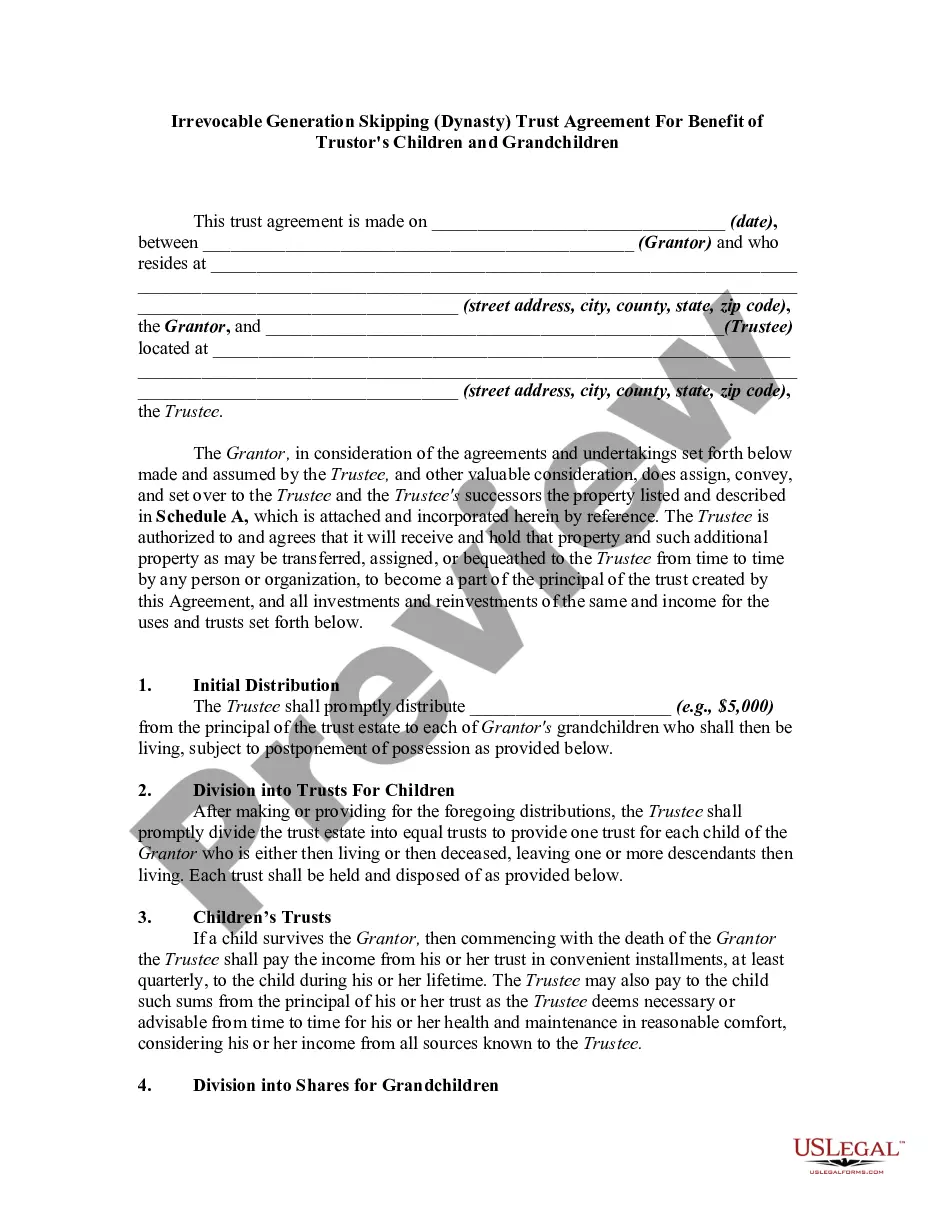
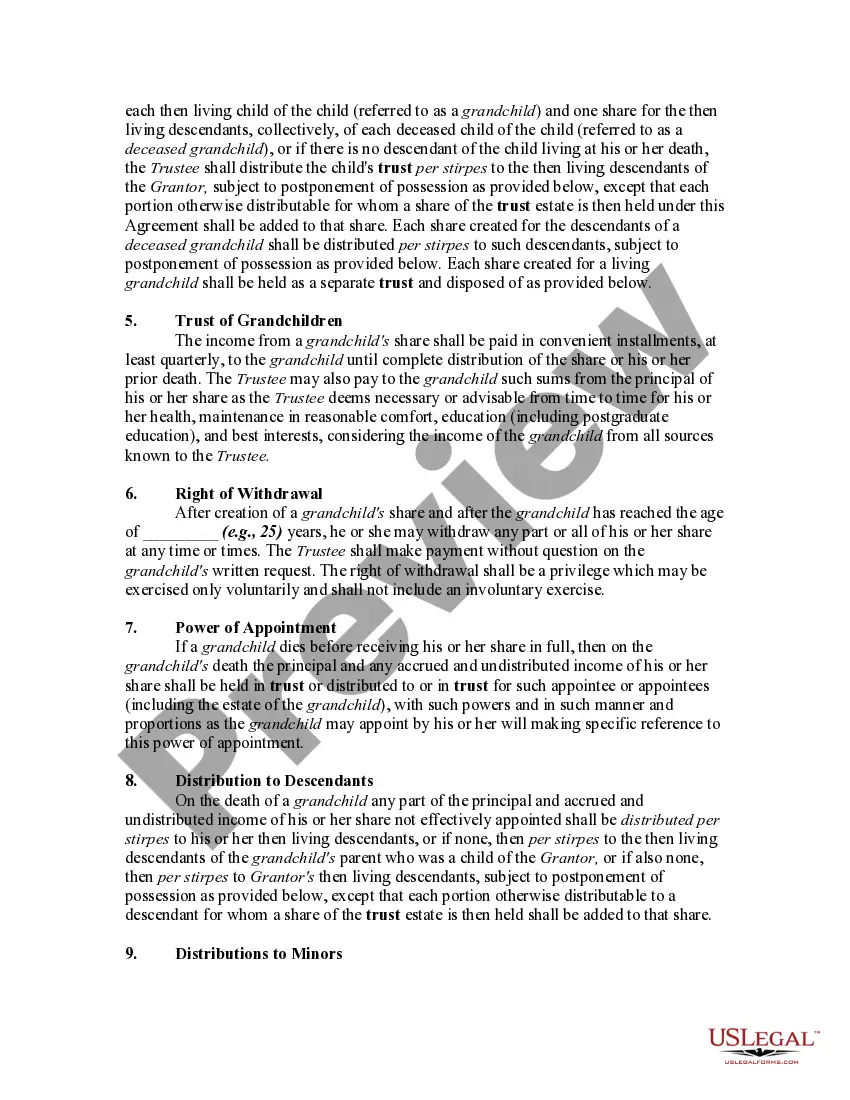
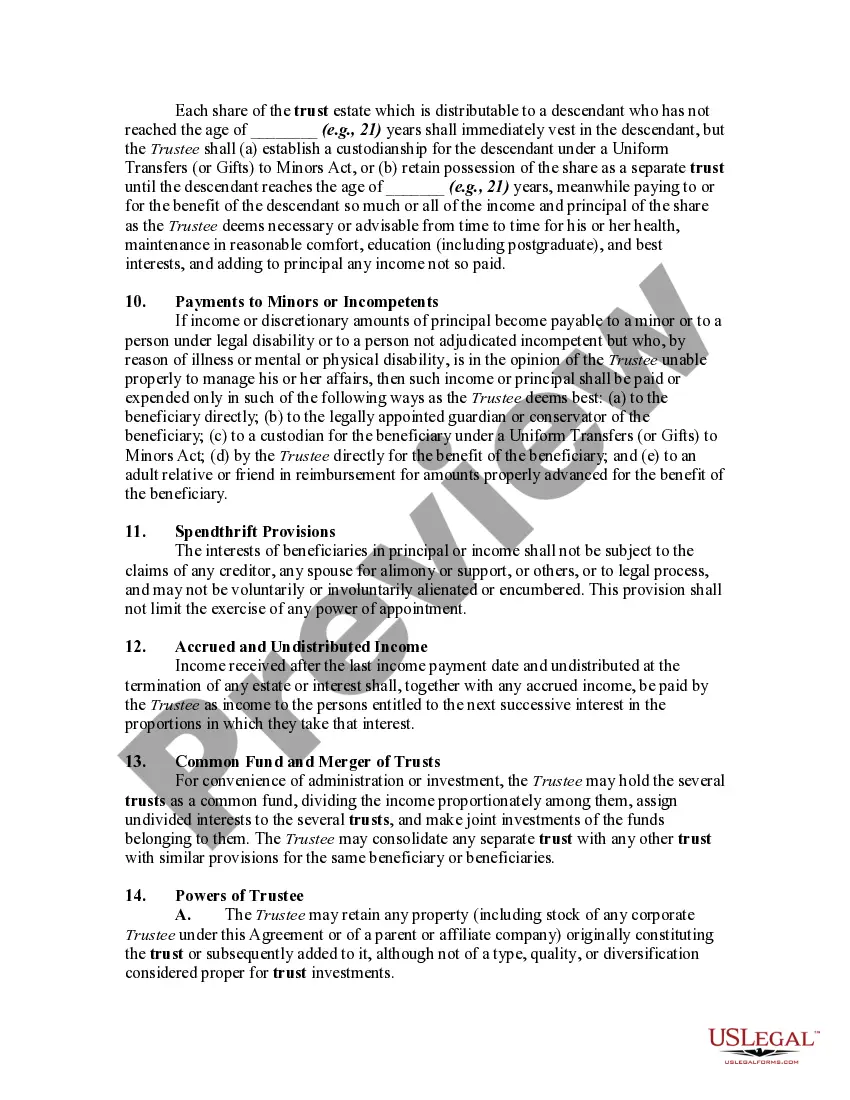
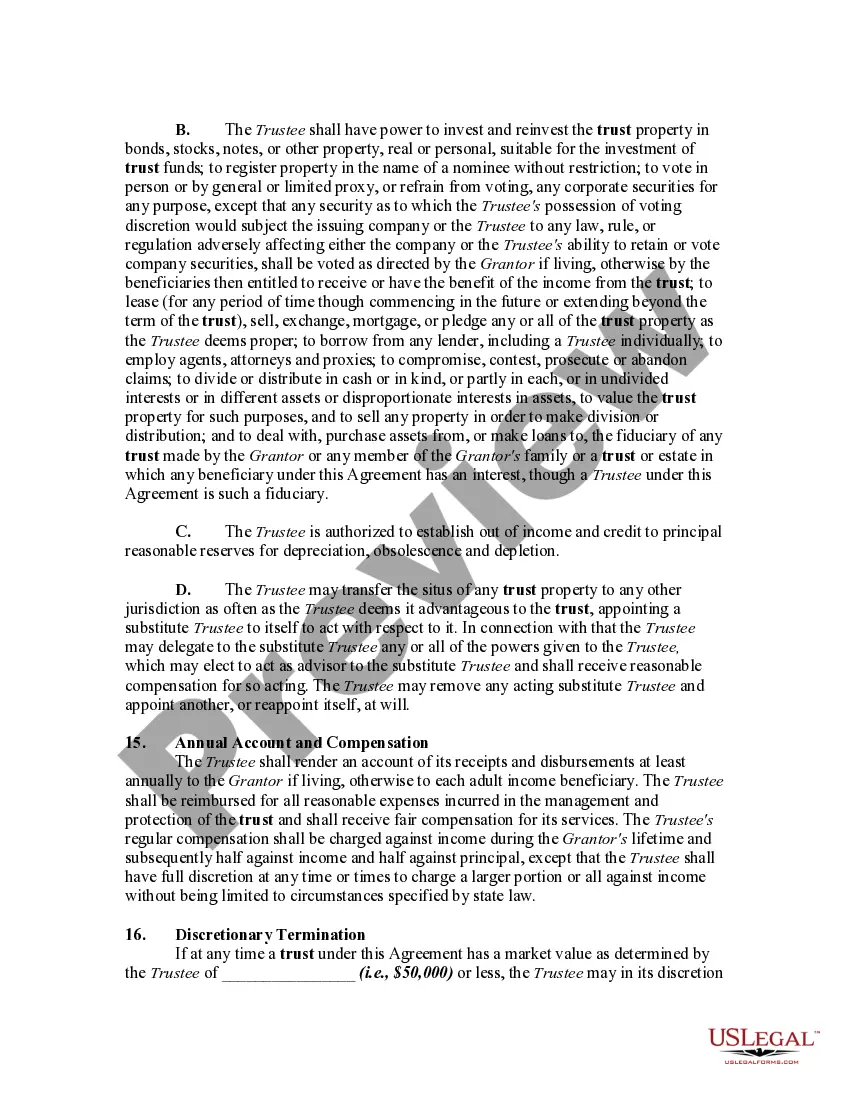
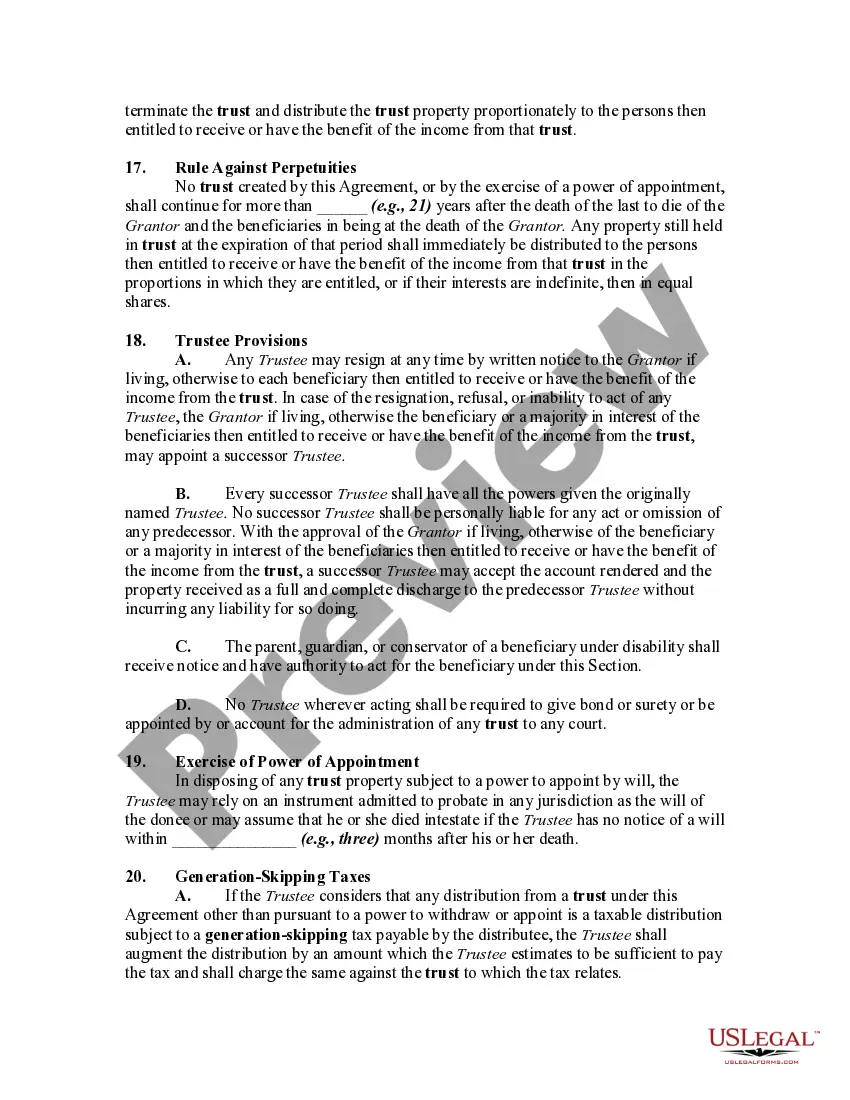
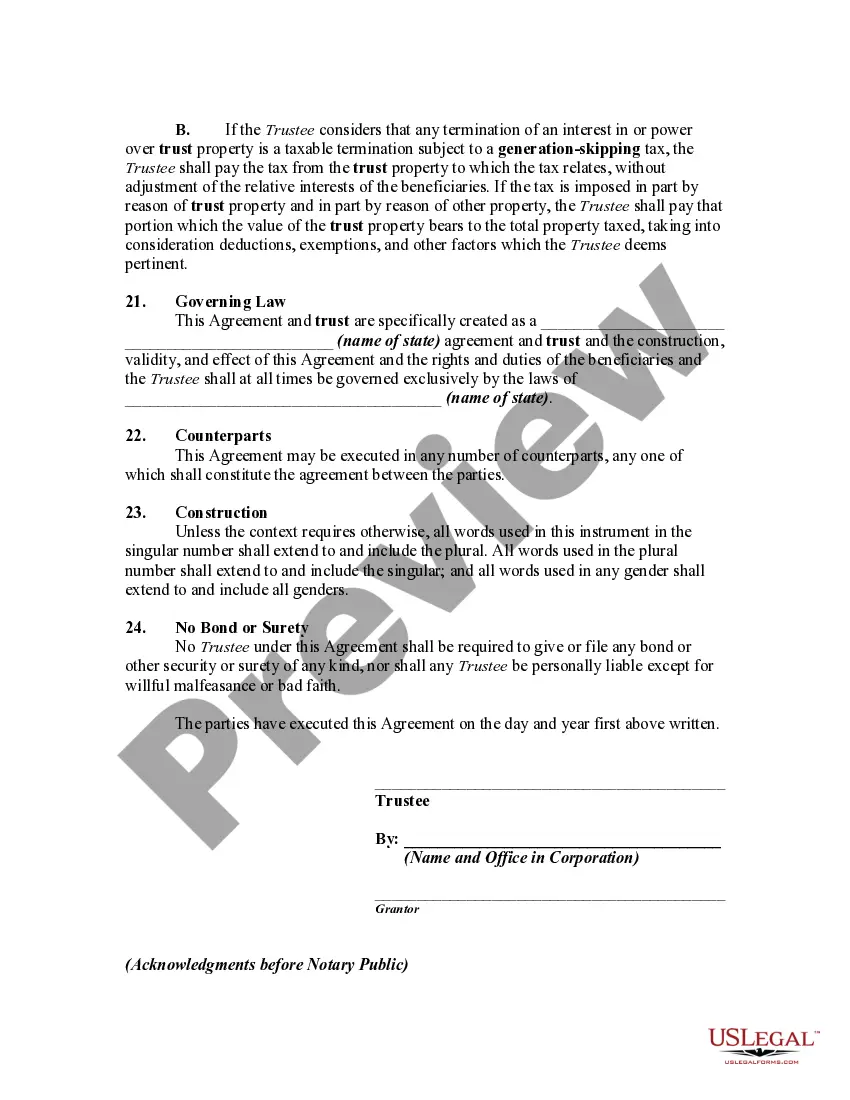


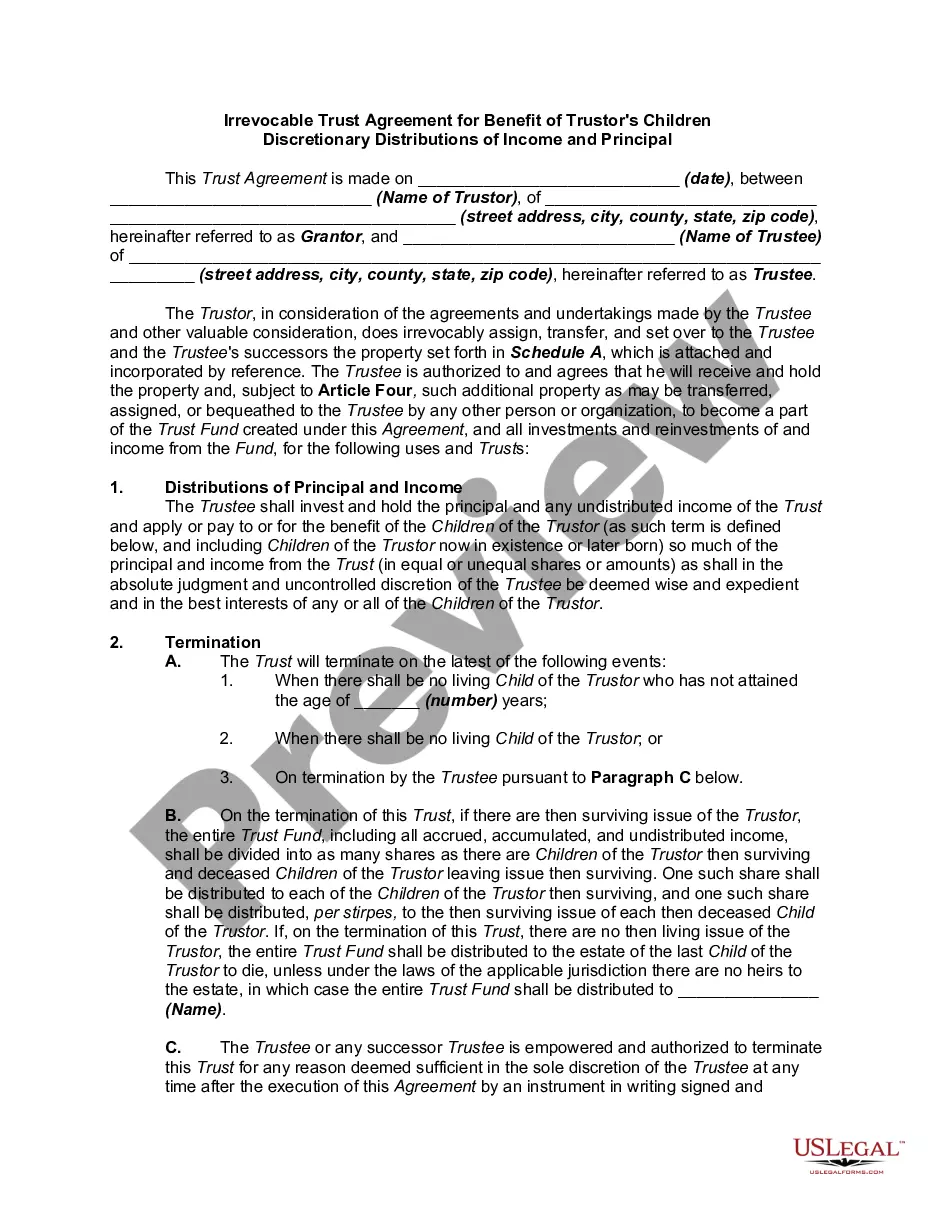


Get your form ready online
Our built-in tools help you complete, sign, share, and store your documents in one place.
Make edits, fill in missing information, and update formatting in US Legal Forms—just like you would in MS Word.
Download a copy, print it, send it by email, or mail it via USPS—whatever works best for your next step.
Sign and collect signatures with our SignNow integration. Send to multiple recipients, set reminders, and more. Go Premium to unlock E-Sign.
If this form requires notarization, complete it online through a secure video call—no need to meet a notary in person or wait for an appointment.
We protect your documents and personal data by following strict security and privacy standards.

Make edits, fill in missing information, and update formatting in US Legal Forms—just like you would in MS Word.

Download a copy, print it, send it by email, or mail it via USPS—whatever works best for your next step.

Sign and collect signatures with our SignNow integration. Send to multiple recipients, set reminders, and more. Go Premium to unlock E-Sign.

If this form requires notarization, complete it online through a secure video call—no need to meet a notary in person or wait for an appointment.

We protect your documents and personal data by following strict security and privacy standards.
Looking for another form?
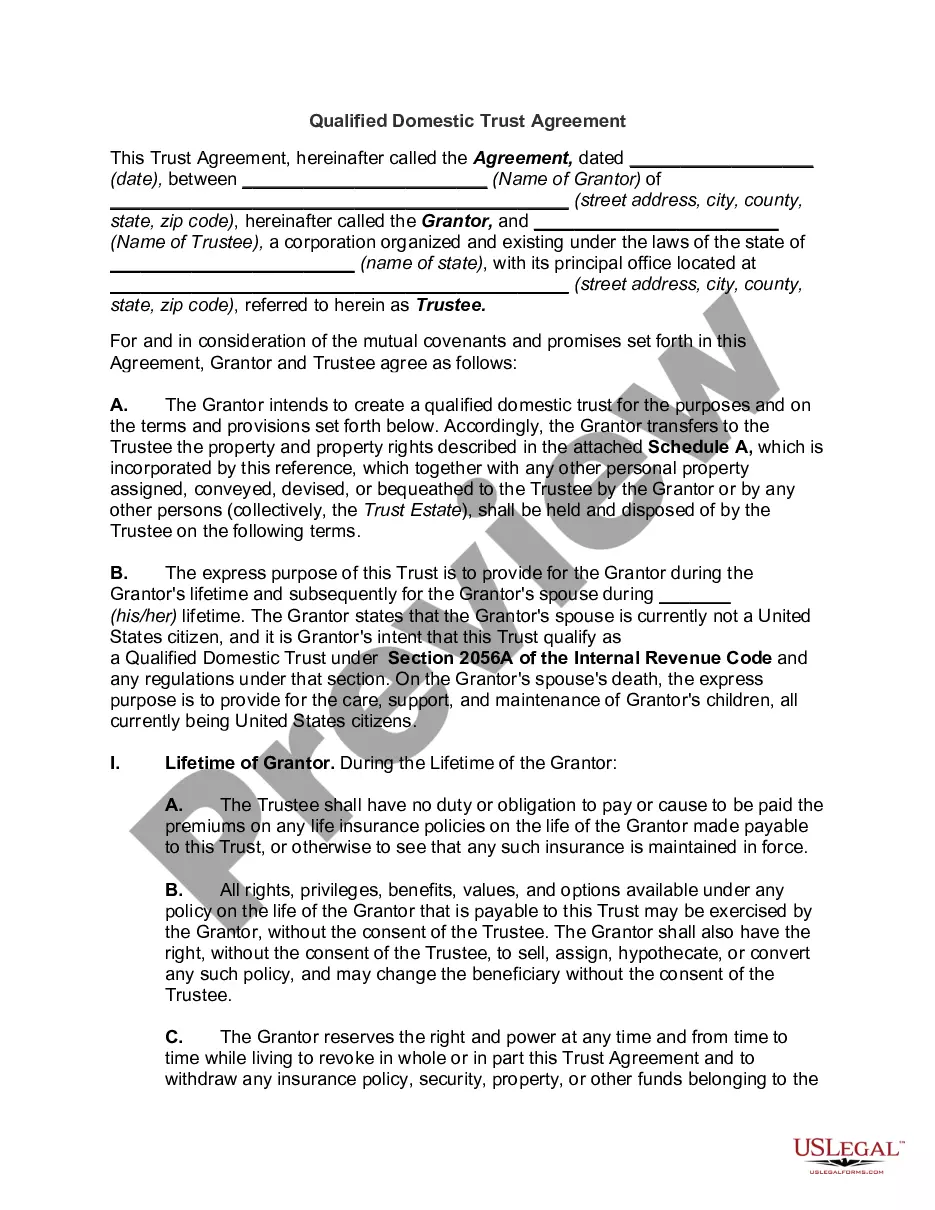


How to fill out Irrevocable Generation Skipping Or Dynasty Trust Agreement For Benefit Of Trustor's Children And Grandchildren?
Engaging with legal documents and processes can be a lengthy addition to your schedule.
Dynasty Trust Issues Foreign and forms of this type commonly necessitate you to search for them and comprehend how to fill them out correctly.
Therefore, if you are managing financial, legal, or personal issues, possessing a thorough and user-friendly online repository of forms readily available will significantly help.
US Legal Forms is the premier online resource for legal templates, presenting over 85,000 state-specific documents and various tools that will assist you in completing your paperwork with ease.
Is this your first experience with US Legal Forms? Sign up and create a free account in just a few minutes, giving you access to the document library and Dynasty Trust Issues Foreign. Then, follow these steps to fill out your form.
- Explore the collection of relevant documents accessible to you with just one click.
- US Legal Forms provides you with state- and county-specific documents that can be downloaded at any time.
- Protect your document management activities by utilizing a top-tier service that allows you to generate any document in a matter of minutes without any extra or concealed charges.
- Simply Log In to your account, locate Dynasty Trust Issues Foreign, and download it instantly from the My documents section.
- You can also access any previously saved documents.
Form popularity
FAQ
Establishing a foreign trust requires a clear understanding of the laws in both your home country and the foreign jurisdiction. Begin by selecting the country where you wish to set up the trust and engage a legal professional familiar with the local trust laws to avoid dynasty trust problems foreign. Additionally, using resources like US Legal Forms can help streamline the documentation process and ensure the trust complies with all necessary regulations.
Many states in the U.S. allow dynasty trusts, but the rules vary significantly. Popular states for establishing these trusts include South Dakota, Nevada, and Delaware, as they have favorable trust laws. However, considering the potential dynasty trust problems foreign, always consult with a legal expert in your state to ensure compliance. Knowing the right state for your needs can greatly influence the effectiveness of your trust.
To acquire a foreign trustee, you should begin by researching reputable institutions or individuals in the desired country. It's crucial to select someone knowledgeable about both the local regulations and your specific dynasty trust problems foreign. A thorough background check and legal consultations can provide assurance about their qualifications. Platforms like US Legal Forms can also offer guidance and documentation needed to formalize this arrangement.
Yes, a trustee can be from another country when managing a dynasty trust. However, this may create dynasty trust problems foreign, especially concerning the legal and tax implications involved. It's essential to understand how international laws interact with local regulations. Consulting with a legal expert can help you navigate these complexities efficiently.
A foreign grantor trust is a trust where the grantor is a non-U.S. citizen or resident, retaining the power to control or revoke the trust. This classification can lead to specific tax obligations and implications for U.S. beneficiaries. Addressing any potential dynasty trust problems foreign requires a clear understanding of these definitions and their impacts on estate planning.
A foreign situs trust is one established in a jurisdiction outside the United States, such as a trust created under the laws of the Cayman Islands or Bermuda. These trusts can help individuals manage assets but may also complicate matters for U.S. beneficiaries facing dynasty trust problems foreign. Understanding the location of the trust is essential for tax planning.
Reporting a foreign trust involves filing forms such as Form 3520 and Form 3520-A with the IRS. These forms disclose the existence and details of the foreign trust to ensure compliance. To navigate potential dynasty trust problems foreign effectively, consider utilizing platforms like uslegalforms, which can provide necessary forms and guidance.
A nonwithholding foreign grantor trust is a type of trust where the grantor is a foreign individual, and it does not withhold U.S. tax on distributions to foreign beneficiaries. This setup can create unique challenges, especially when dealing with dynasty trust problems foreign. Understanding the tax implications of such a trust is crucial to avoid penalties.
To differentiate between a grantor and a non-grantor trust, review the trust document for the grantor's retained powers. If the grantor can control distributions or revoke the trust, it's likely a grantor trust. This distinction is vital when navigating potential dynasty trust problems foreign, as it affects tax obligations and trust management.
When you inherit assets from a foreign country, you must report this inheritance to the IRS, regardless of the estate's location. You will need to include any foreign assets on your tax return. Seeking guidance from a tax expert familiar with dynasty trust problems foreign can help simplify this process and ensure compliance with all regulations.